Senegal Ammannia
Ammannia senegalensis
Demanding African stem plant with unique curved leaves. Requires very high light and CO2 to maintain its striking copper-red color and prevent shedding.
Temperatura da água
22 - 28 °C
Valor de pH
5.5 - 7.5
Tipo de água
Água doce
Luz
Alta
CO2
Alta
Altura esperada
30 cm
Largura esperada
12 cm
GH
3 - 8 dGH
KH
2 - 15 dKH

Descrição da espécie
Geographical Origin and Habitat: This stem plant is native to the tropical and subtropical regions of West and East Africa, commonly distributed along the Senegal river basin and temporary wetlands. It primarily grows in muddy marshes, the edges of shallow, slow-moving bodies of water, and floodplains, where it adapts to seasonal water level fluctuations in both submersed and emersed forms.
Taxonomy & Genetics: Ammannia senegalensis belongs to the Lythraceae family. Taxonomically, the classification of the Ammannia genus is complex due to high morphological similarities between species. Its genetic adaptability allows it to adjust its physiology and leaf structures dramatically when transitioning from emersed terrestrial to submersed aquatic forms.
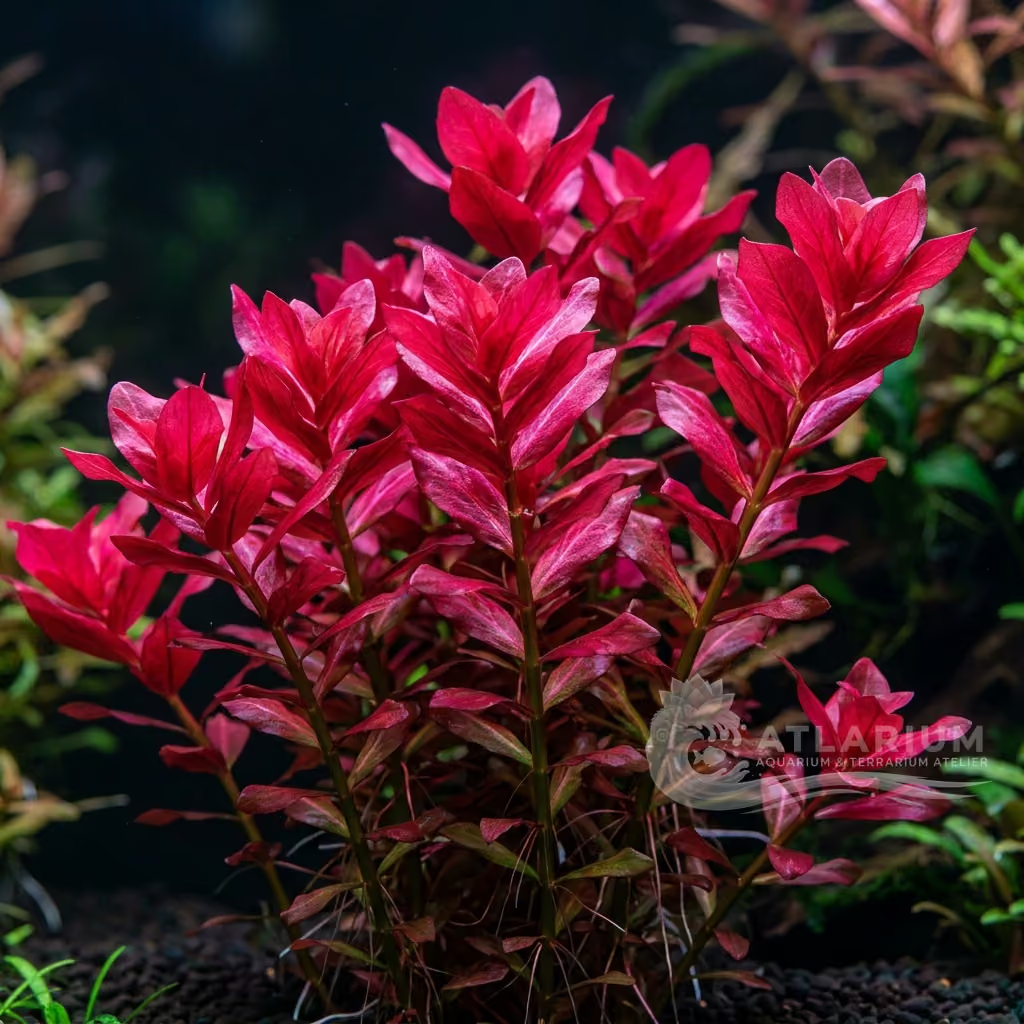
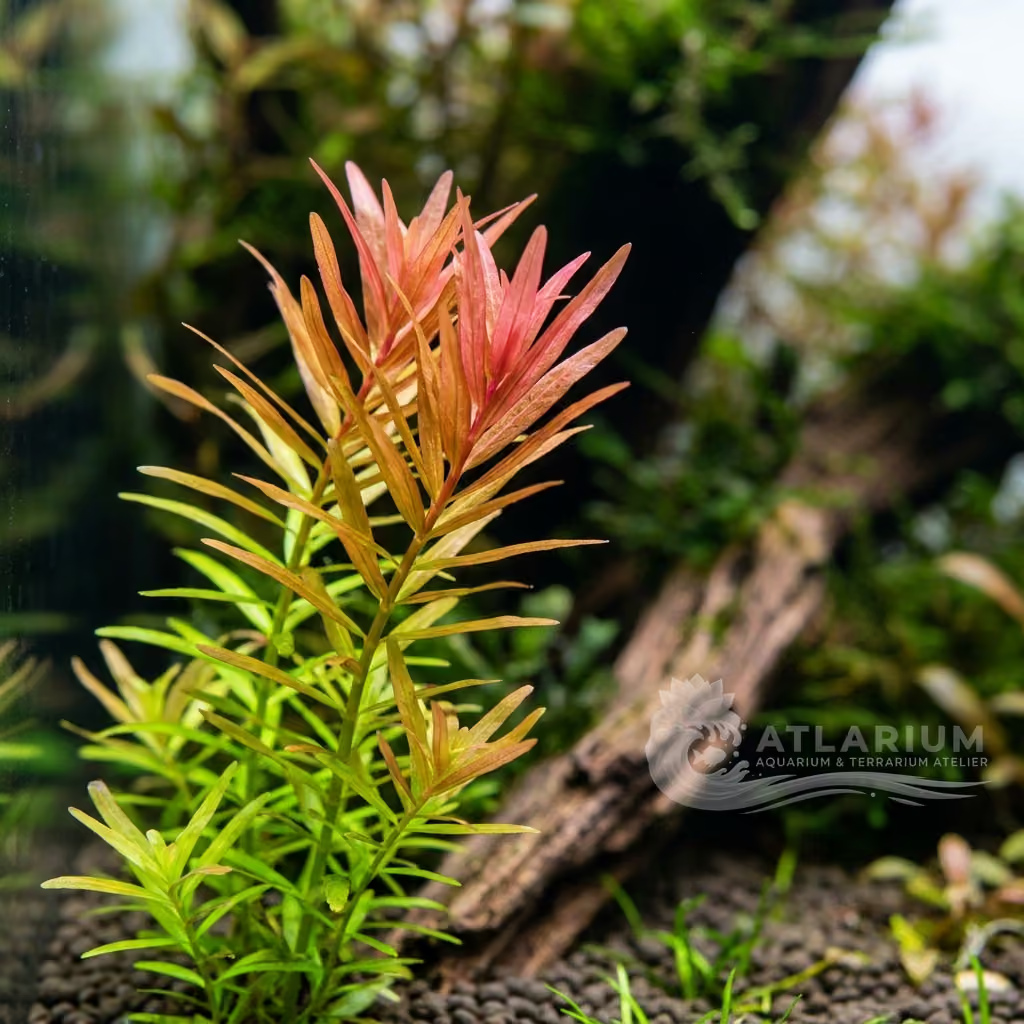
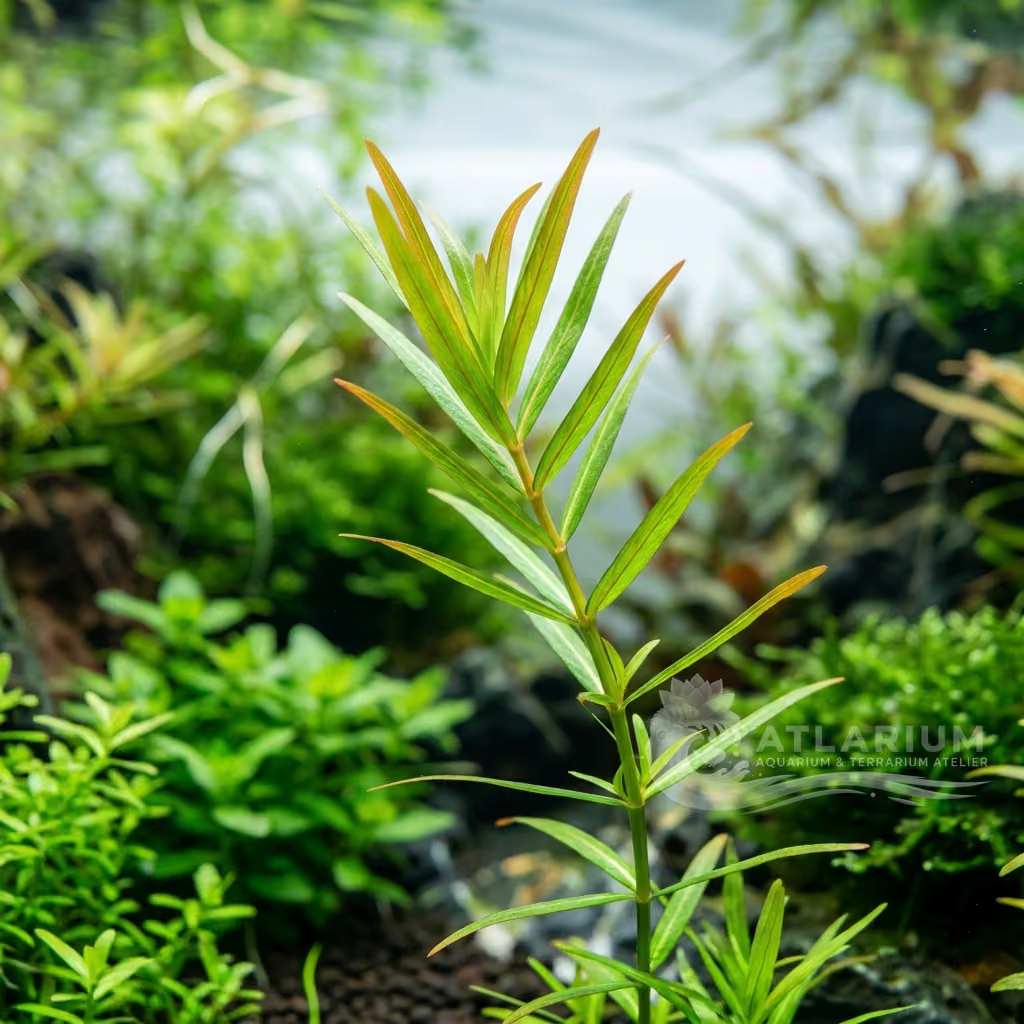
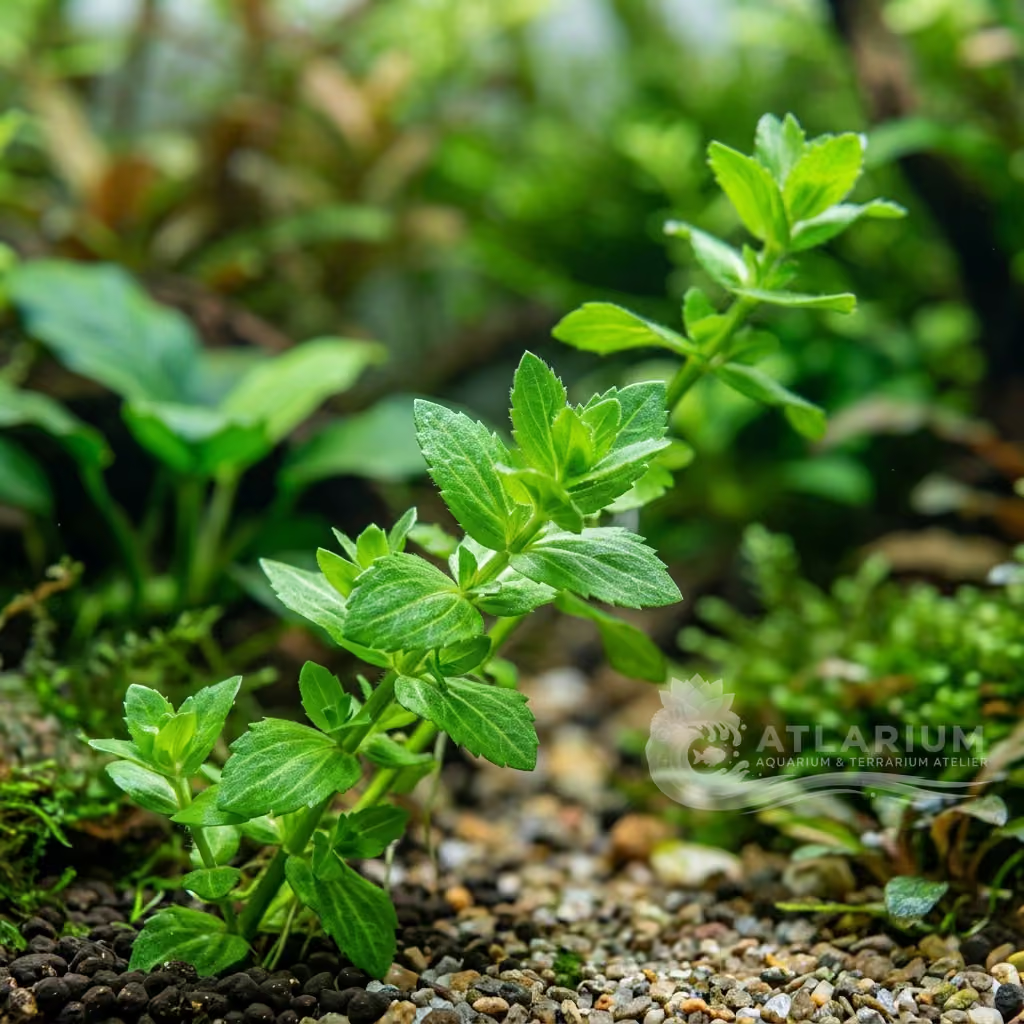
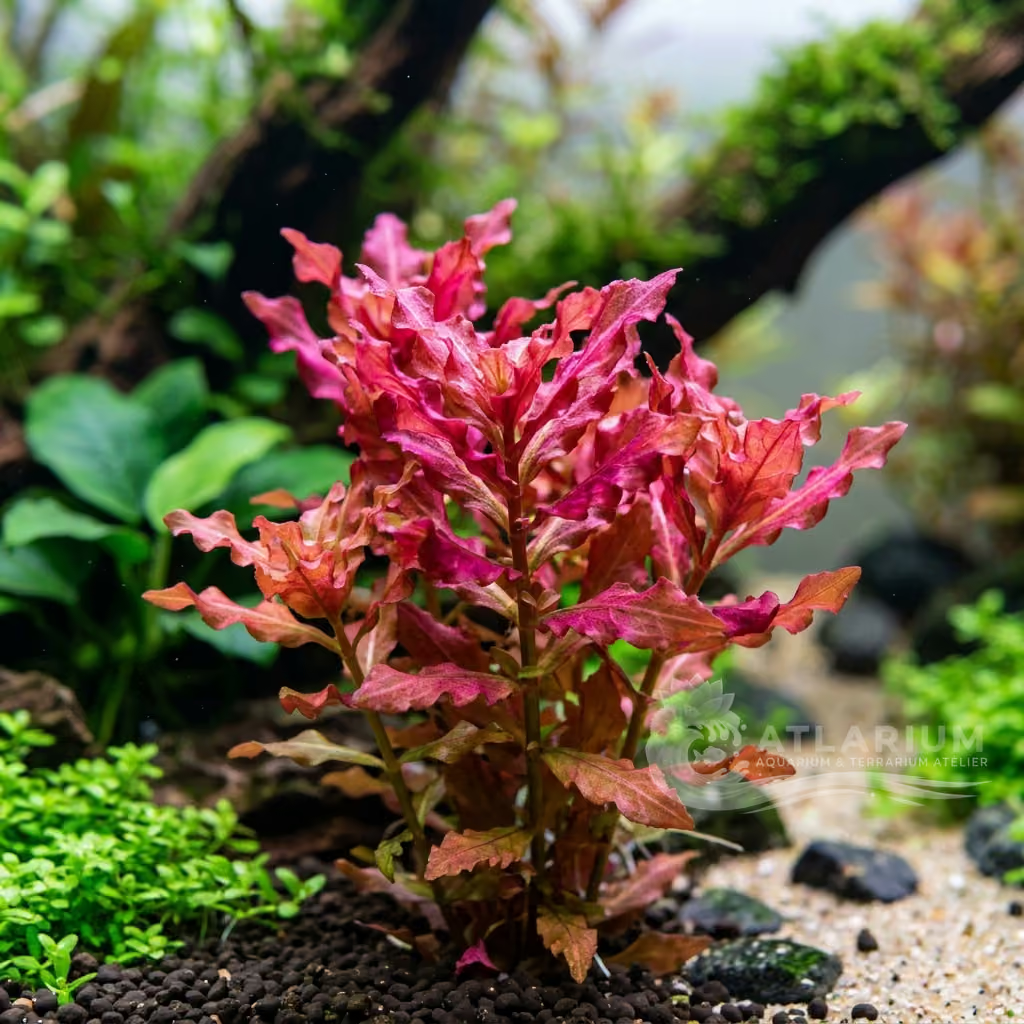
Physical Structure: In an aquarium, it develops upright and robust stems that can reach heights of 30 to 40 cm. The submersed leaves are sessile, lanceolate, and characteristically curve downwards, creating a distinctive arched profile with wavy margins. This structure gives the plant a compact and architectural appearance when grown in groups.
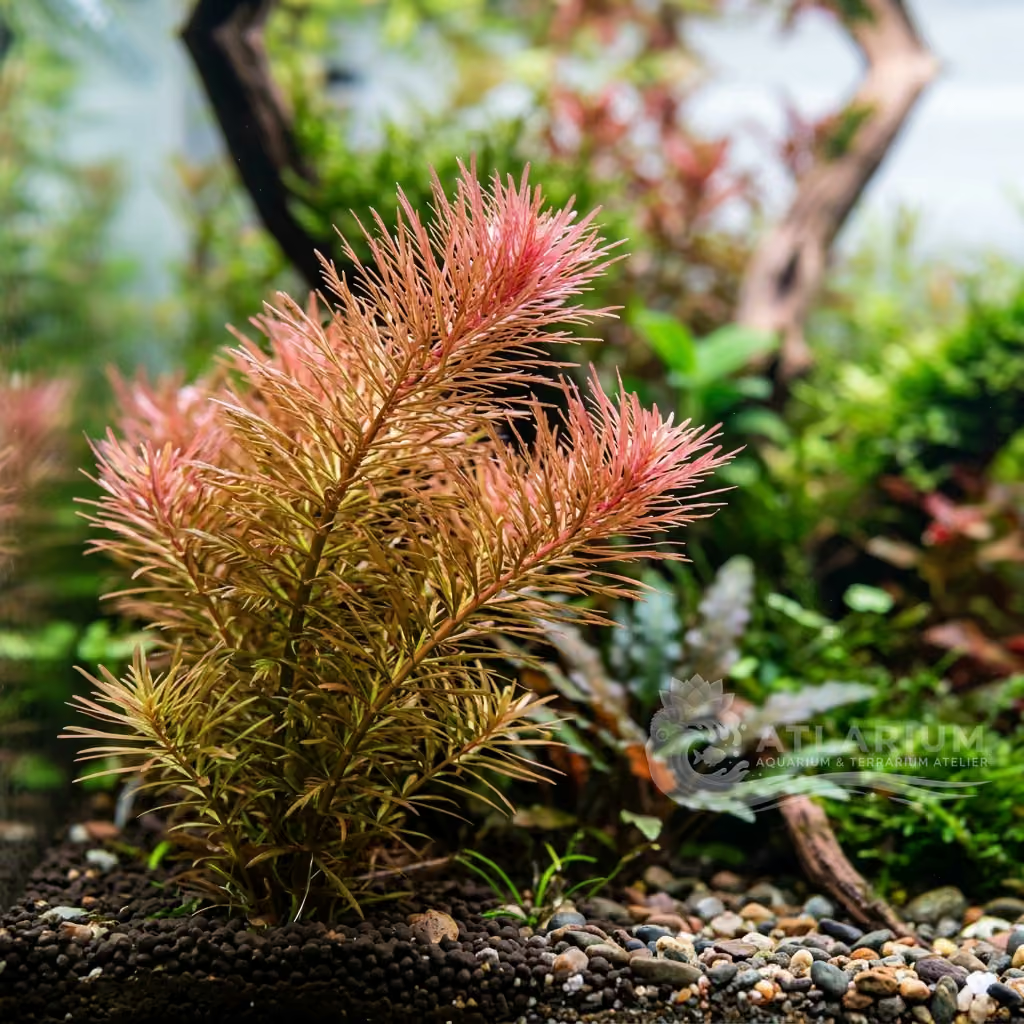
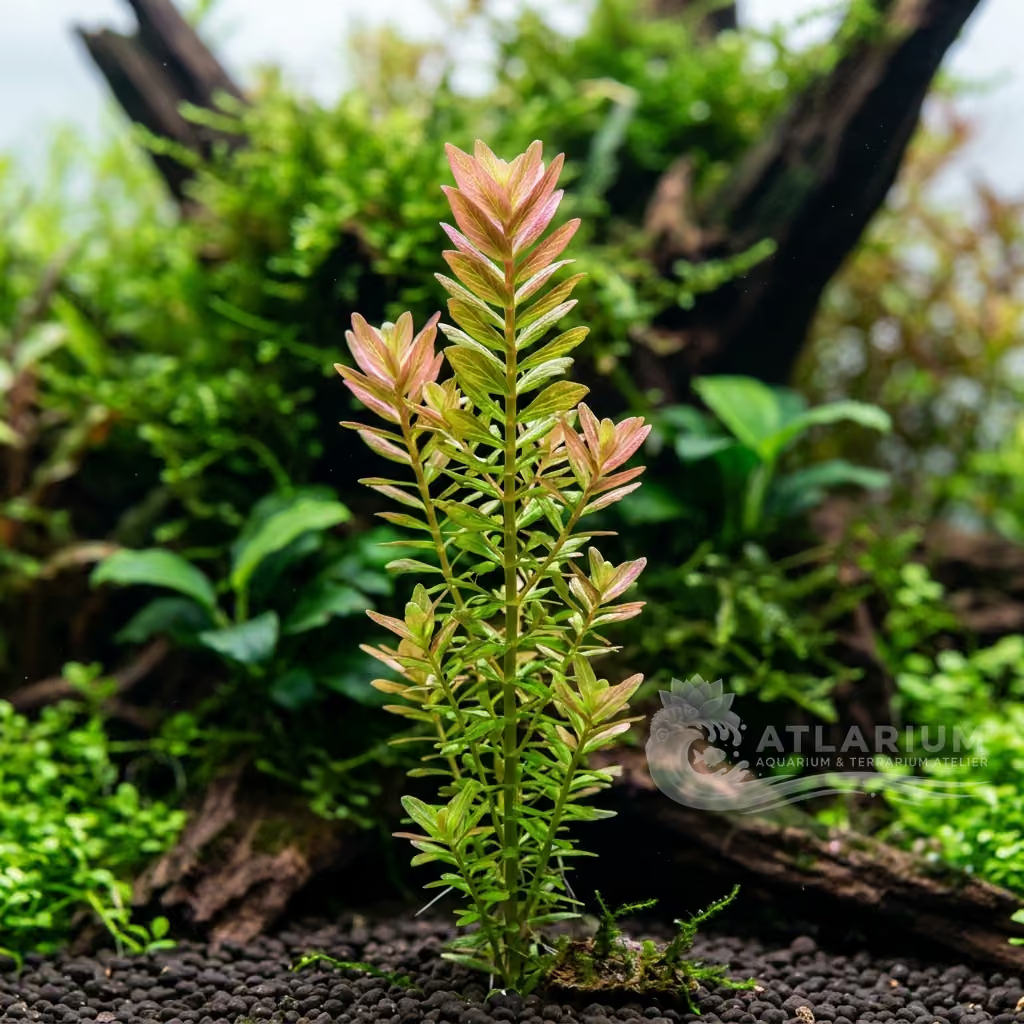
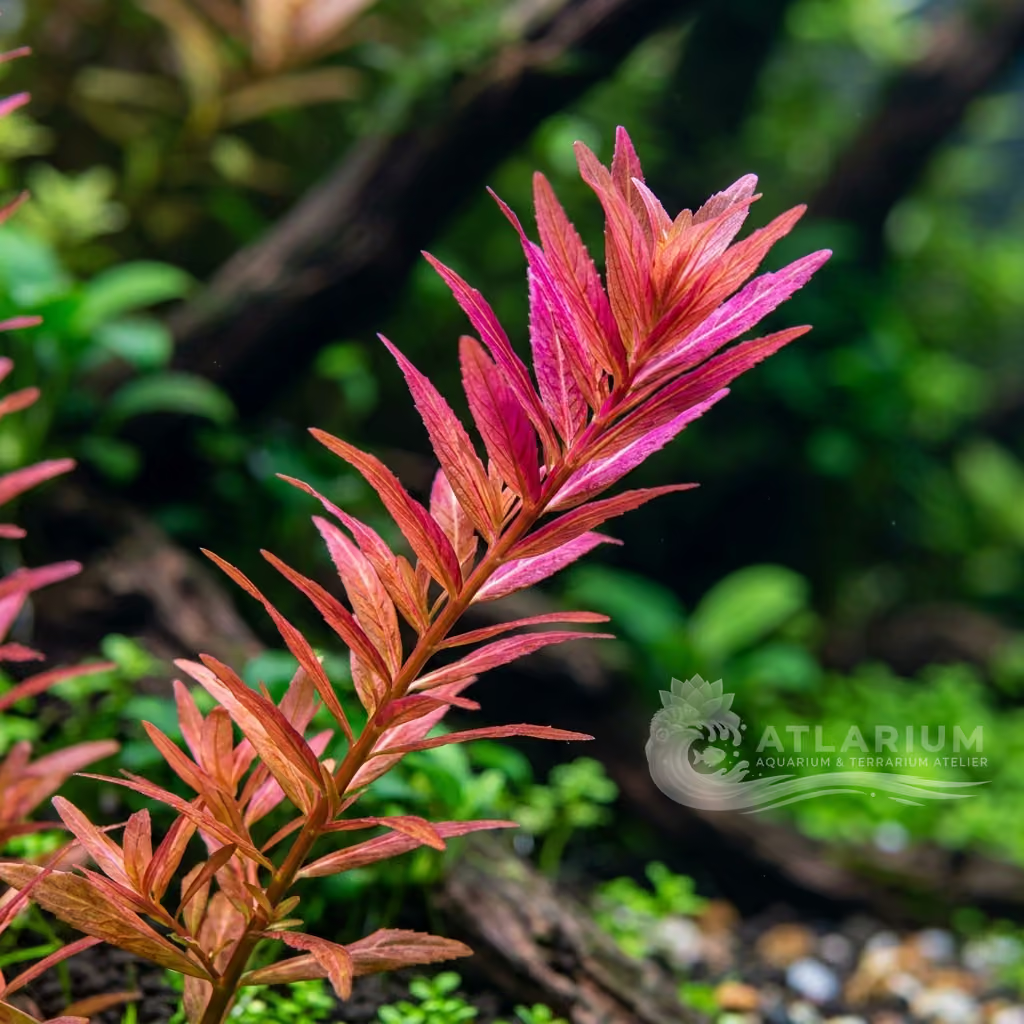
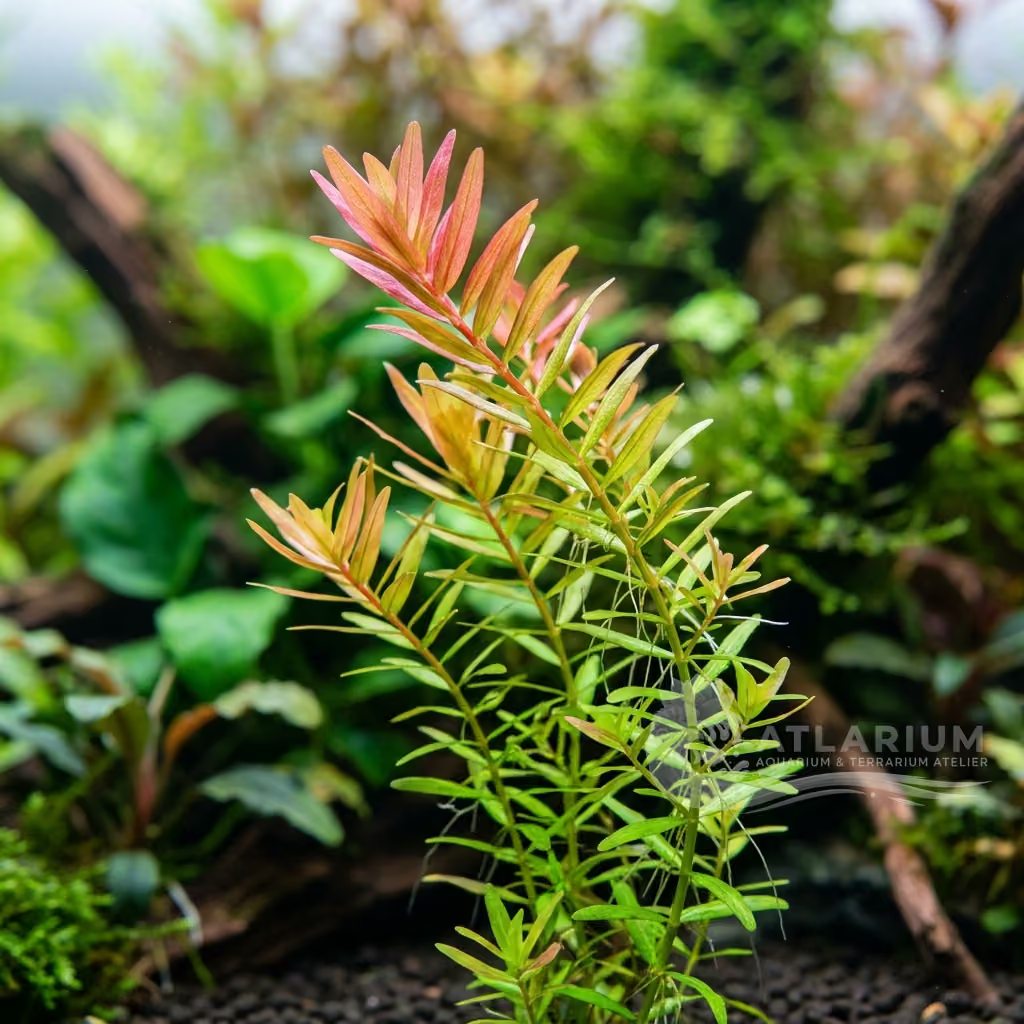
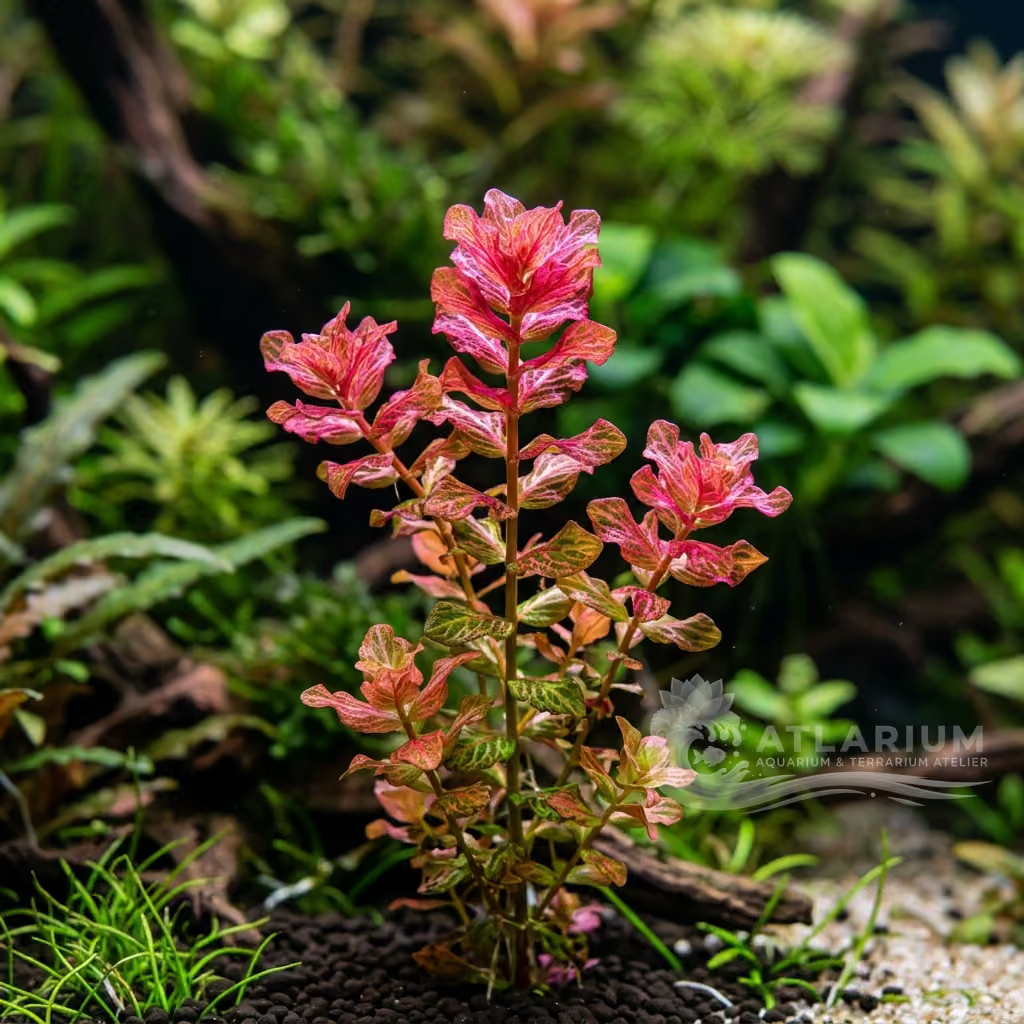
Color & Texture: Under sub-optimal conditions, the leaf color ranges from olive green to yellowish-orange. Under high light intensity and proper fertilization, the plant reveals its full potential, turning a deep brick-red, copper, and dark orange. The leaves are smooth but thick, providing a visual texture that contrasts beautifully with fine-leaved aquatic plants.

Cuidado, criação e companheiros de tanque
Lighting & CO2: Requires very high light intensity (at least 40-50 lumens per liter) to maintain its red coloration and prevent the lower stem leaves from shedding. Active CO2 injection is essential (at least 20-30 mg/l) to support this plant's demanding metabolism and prevent the stems from rotting or stunting.
Nutrition & Substrate: Demands a fertile, clay-rich substrate rich in micro and macro nutrients, particularly iron and potassium. Water column fertilization must be precise; nutritional deficiencies quickly lead to faded colors and deformed apical leaves. Low nitrate levels combined with high phosphate levels trigger the most intense red pigmentation.
Water Chemistry: Prefers soft to moderately soft water, with a pH of 6.0 to 7.0 and a general hardness (GH) between 3 and 8 dGH. The water temperature should remain warm and stable, between 22 °C and 28 °C (71-82 °F); cooler temperatures or sudden parameter swings will lead to immediate leaf loss and melting.
Space Management & Placement: Best positioned in the midground or background of the aquascape. Stems must be planted individually at least 2-3 cm apart to ensure adequate light penetration reaches the bottom of each stem. Shading by taller plants or floating species must be avoided to prevent stem deterioration.
Pruning: Trim the top shoots using sharp aquascaping scissors to encourage lateral branching. The cut tops can be replanted in the substrate to propagate the plant. The remaining lower portion of the stem should be cleared of any decaying leaves to allow new, healthy shoots to emerge from the nodes.
Risks & Diseases: The main risk is the loss of lower leaves due to self-shading from dense growth or inadequate light. Micronutrient deficiencies manifest as pale, curled new growth, while iron deficiency results in whitish tips. Additionally, thread algae can easily invade the stems if nutrients are unbalanced.

Origem e distribuição geográfica
This stem plant is native to the tropical and subtropical regions of West and East Africa, commonly distributed along the Senegal river basin and temporary wetlands. It primarily grows in muddy marshes, the edges of shallow, slow-moving bodies of water, and floodplains, where it adapts to seasonal water level fluctuations in both submersed and emersed forms.
Origem
África e Madagascar

Perfil da planta
- Posicionamento
- Plano intermediário
- Midground to background. Its striking appearance makes it an ideal focal plant. Avoid planting it in heavily shaded areas, as it requires direct light to maintain lower leaves.
- Forma botânica
- Caule
- Known for its unique downward-curved, rippled leaves that look almost curled. It boasts a beautiful brick-red to copper color that adds immense warmth to the aquascape.
- Crescimento
- Média
- Moderate growth rate. With intense light and CO2 injection, it grows steadily but not overwhelmingly fast, making it easier to manage than some other stem plants.
- Substrato
- Alta
- Ammannia senegalensis, often known as Red Ammannia, is a demanding stem plant that thrives only when provided with a nutrient-dense substrate. It utilizes a vast root network to continuously draw up large amounts of iron and trace elements from the soil, which are essential for developing its deeply textured, reddish-orange leaves. A substrate depth of at least 6 centimeters is required to accommodate its root mass and securely hold its thick stems. To sustain its growth long-term, regular replenishment of the substrate with root tabs is highly recommended.
- Fertilização de coluna
- Necessária
- Daily liquid fertilization is recommended. Maintaining a good balance of nitrates and phosphates in the water column is key to preventing algae on its slower-growing leaves.
- Fertilização radicular
- Recomendada
- Benefits greatly from a rich, soil-based substrate. Deep root fertilization supports thicker stems and larger, healthier leaves.
- Corte
- Ocasional
- Trim the plant by cutting the stem and replanting the top. The remaining lower portion will often sprout multiple new shoots, creating a denser cluster.
- Propagação
- Estacas
- Easily propagated through stem cuttings. Snip a healthy shoot and plant it directly into the aquasoil. Rooting takes place within a few days.
- Sensibilidade
- HIGH
- Sensitive to shading and poor water circulation. Lower leaves will quickly turn black and drop off if the plant is crowded or starved of light.
- Função de layout
- Plano intermediário, Fundo
- An excellent contrast plant that breaks up the texture of typical straight-leaved aquatic plants. Its curly, copper-red leaves create a strong focal point in Dutch layouts.

Espécies relacionadas
Recomendações agrupadas por parentes próximos, escolhas de acompanhantes e cuidados semelhantes.