Rotala macrandra 'Variegated'
Rotala macrandra
Rotala macrandra 'Variegated' is a striking, fast-growing midground stem plant renowned for its vibrant coloration, requiring high light and CO2 injection to thrive. Its unique variegated leaves make it a captivating focal point in a well-maintained aquascape.
Temperatura da água
18 - 30 °C
Valor de pH
4.5 - 7
Tipo de água
Água doce
Luz
Alta
CO2
Alta
Altura esperada
30 cm
Largura esperada
20 cm
KH
0 - 12 dKH

Descrição da espécie
Geographical Origin and Habitat: The base species, Rotala macrandra, originates from marshy areas and rice paddies across Southeast Asia, particularly India and Sri Lanka, where it grows submerged and emersed depending on seasonal water levels. The 'Variegated' form, however, is a horticultural cultivar, meticulously selected and propagated for its distinctive leaf patterns rather than being a naturally occurring wild variant. Its cultivation in controlled environments ensures the perpetuation of its unique aesthetic qualities, making it a staple in advanced aquascaping.
Taxonomy & Genetics: Belonging to the Lythraceae family, which includes numerous terrestrial and aquatic plants, Rotala macrandra 'Variegated' is a specific cultivar of the genus Rotala. This classification signifies that it is a cultivated variety of Rotala macrandra, developed through selective breeding or mutation for its unique leaf
Color & Texture: ation and pattern. Genetically, it shares the fundamental characteristics of Rotala macrandra but expresses a unique set of traits that lead to its striking variegated appearance, distinguishing it from the standard green or red forms.
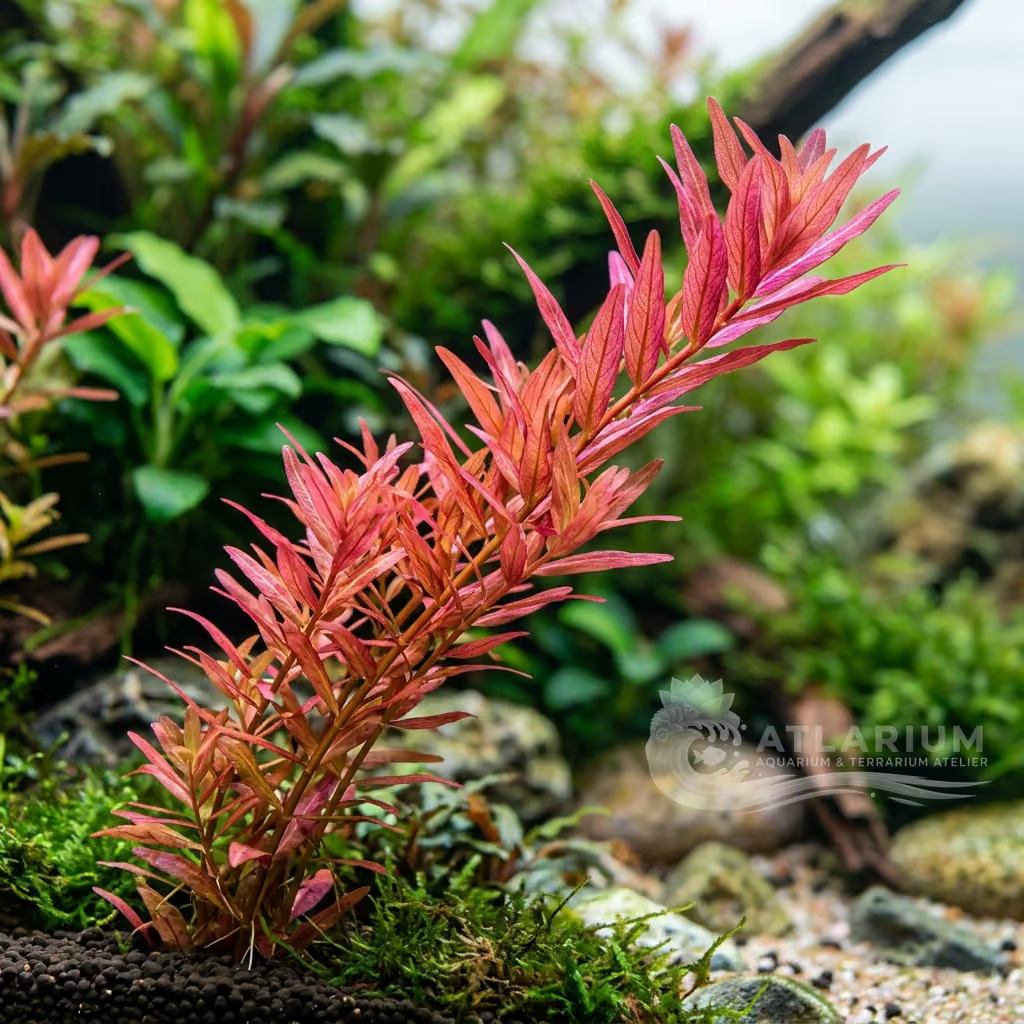
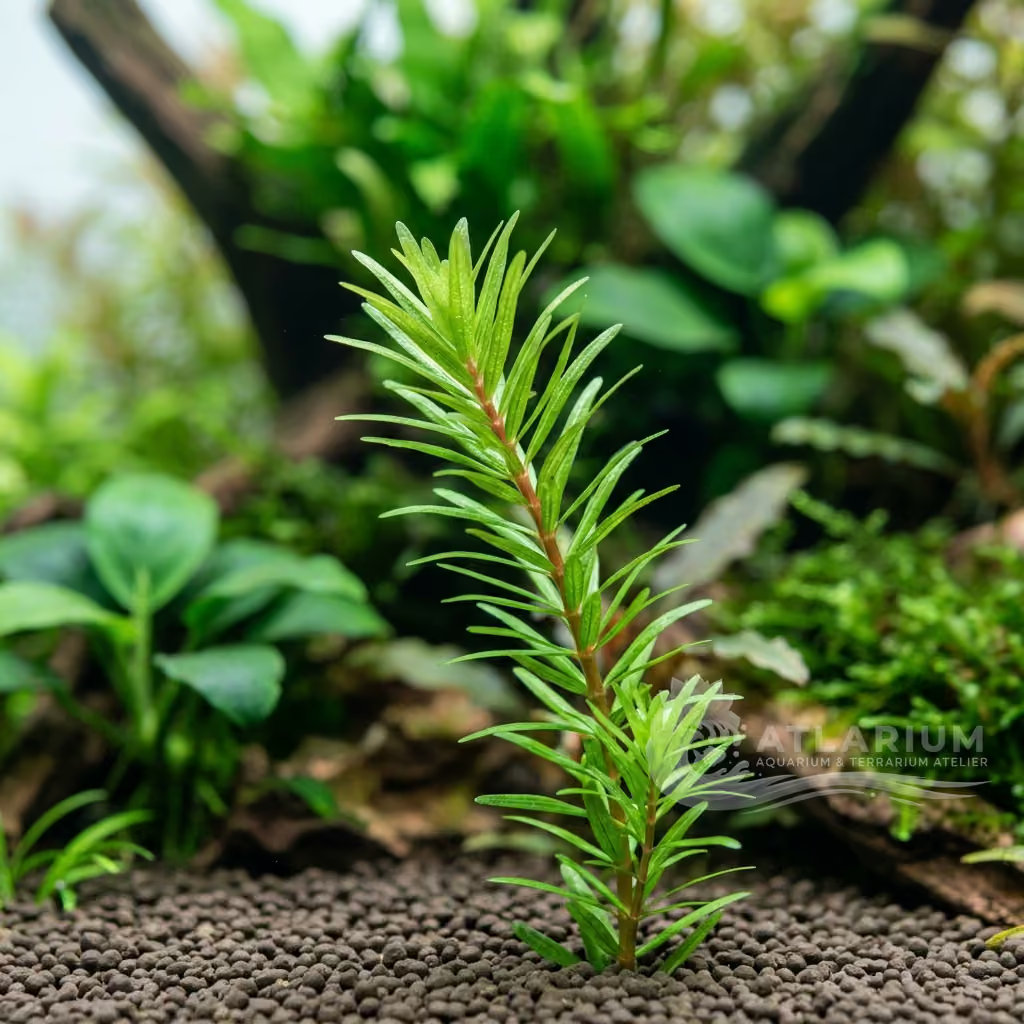
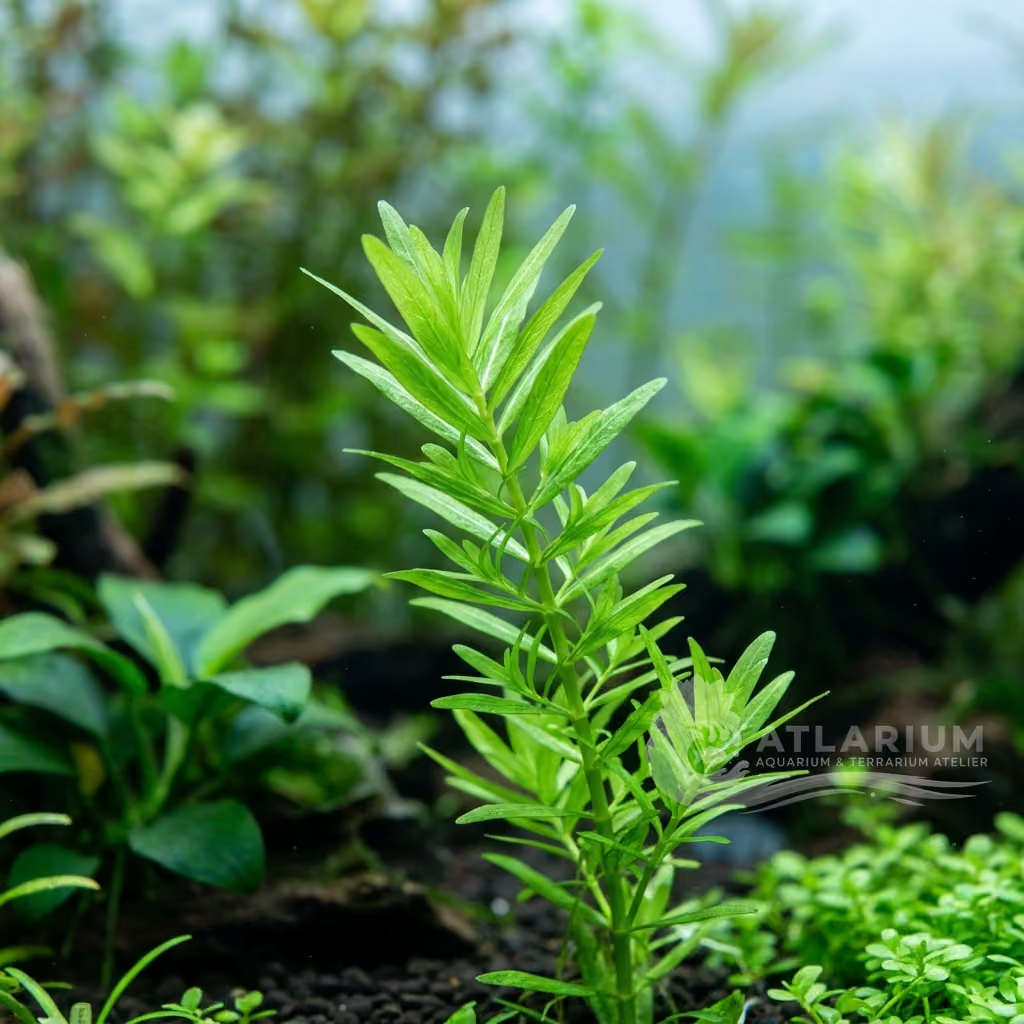
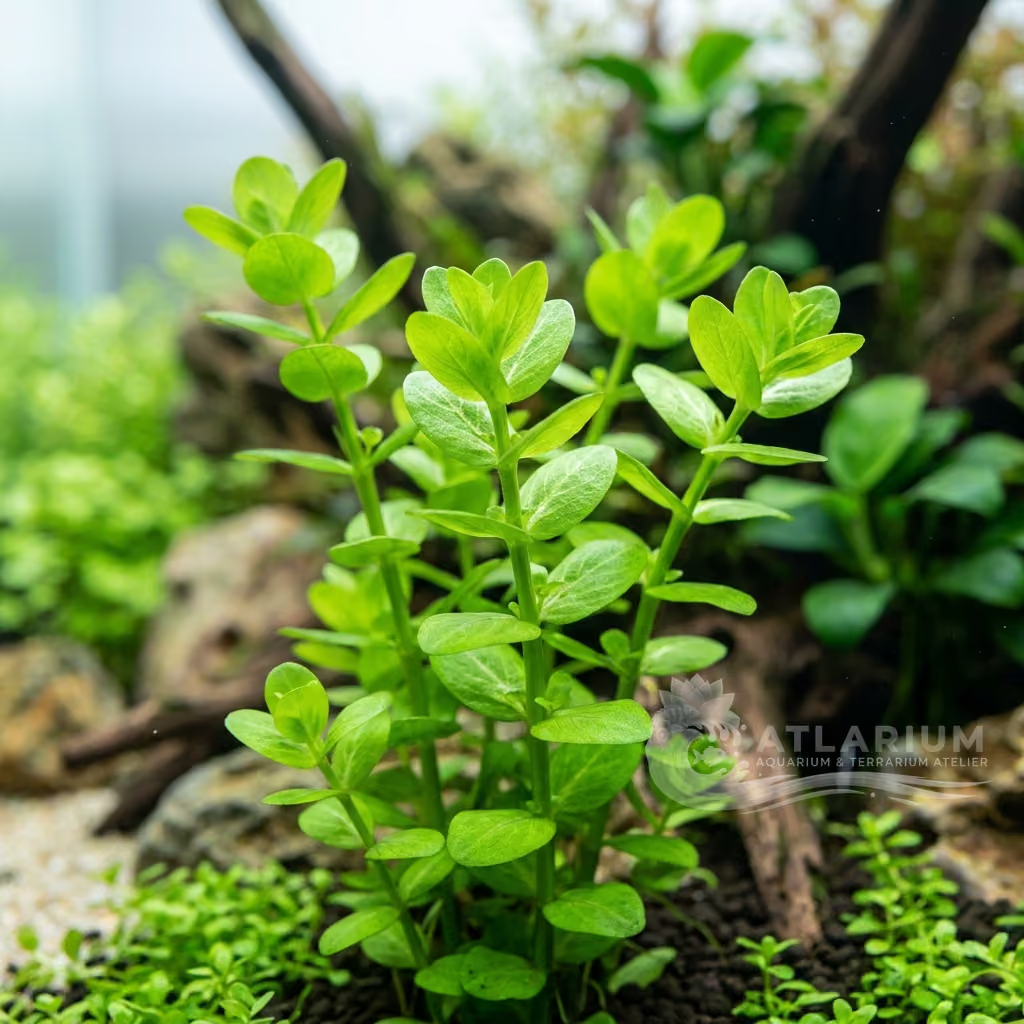
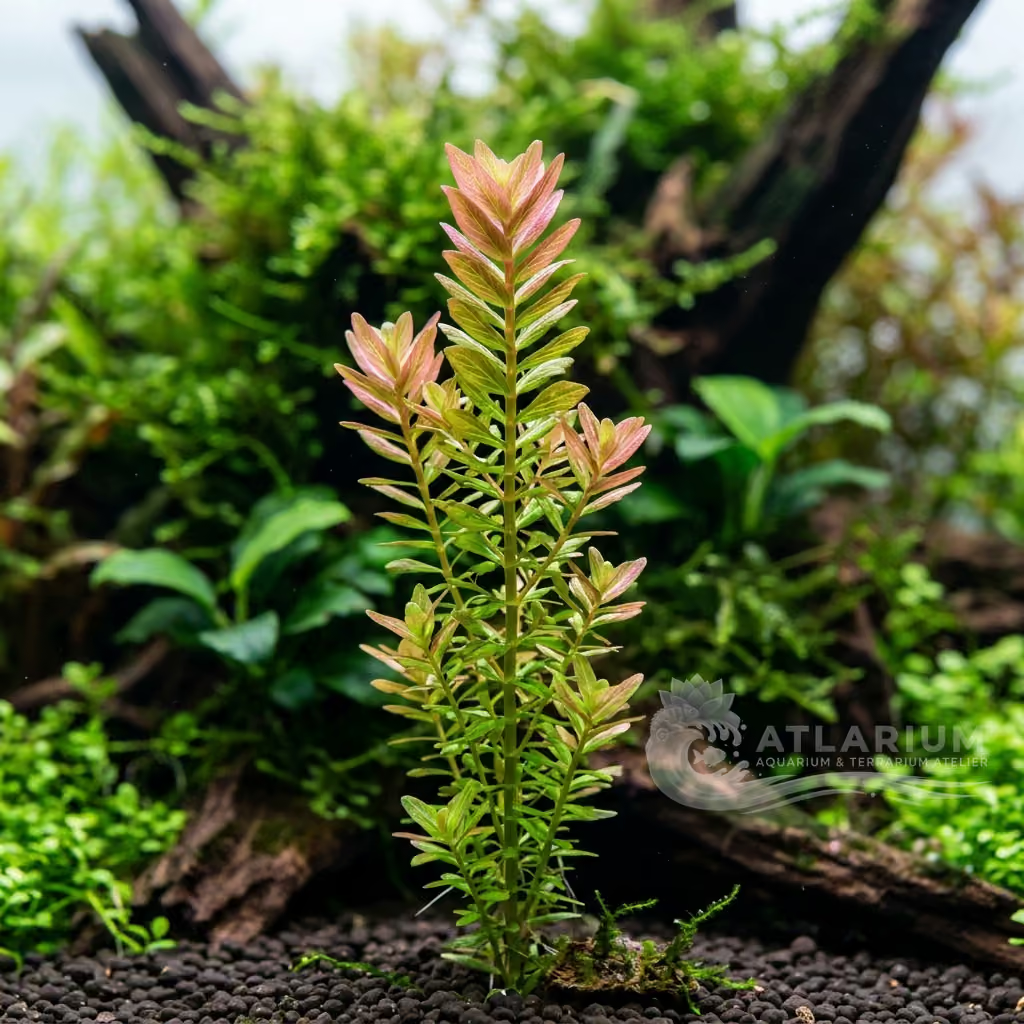
Physical Structure: Rotala macrandra 'Variegated' exhibits the classic stem plant structure, characterized by a robust, upright stem that can reach considerable heights under optimal conditions. Its leaves are typically obovate to elliptical, broader and more rounded than many other Rotala species, arranged in an opposite or sub-opposite pattern along the stem. The adventitious root system develops along the nodes, anchoring the plant and absorbing nutrients, while new side shoots readily emerge from the leaf axils, contributing to its bushy growth habit.
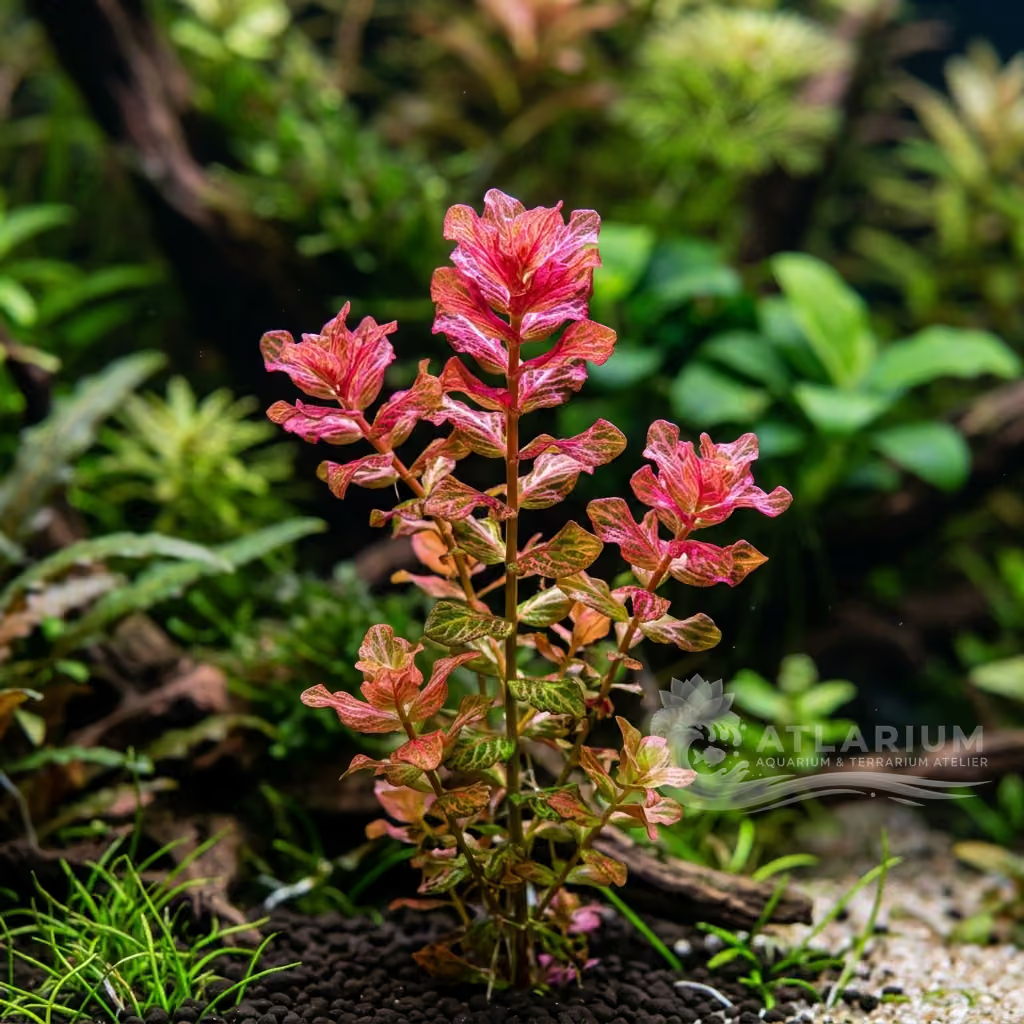
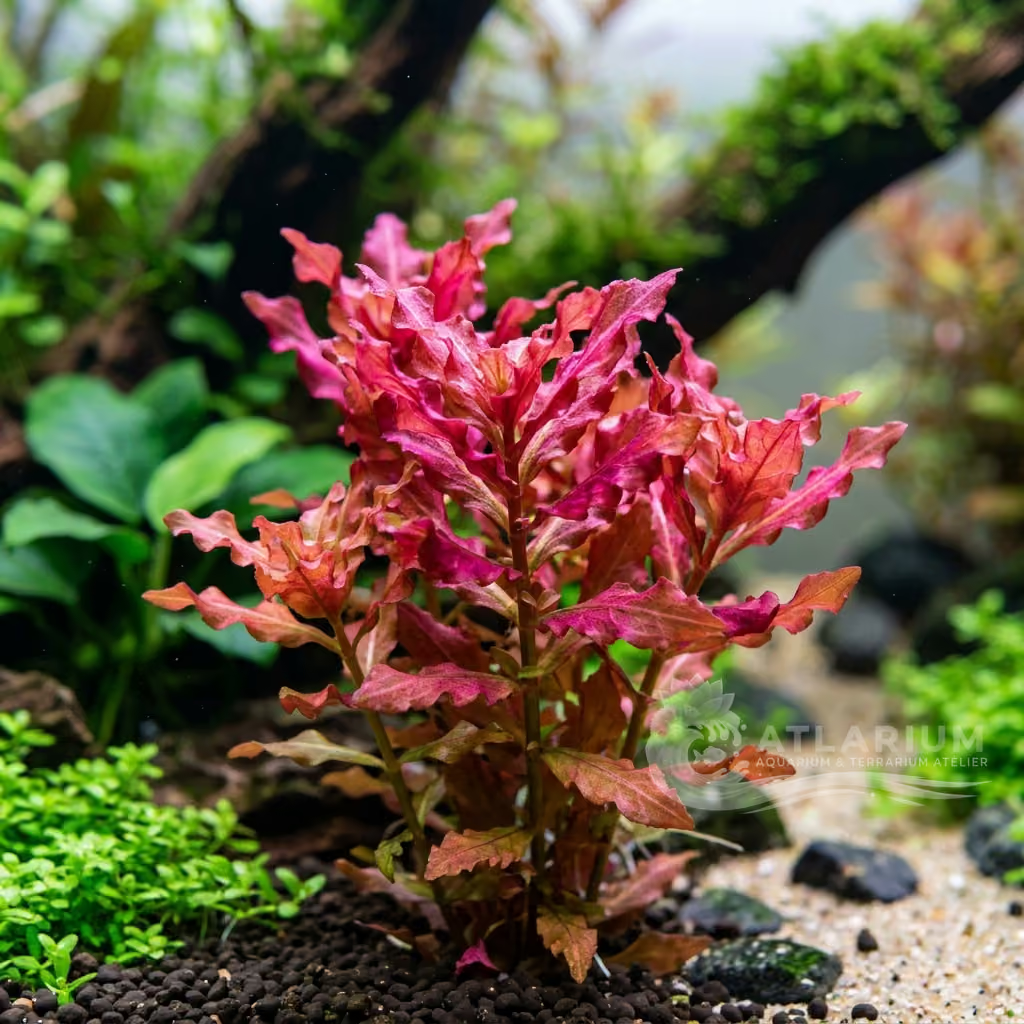
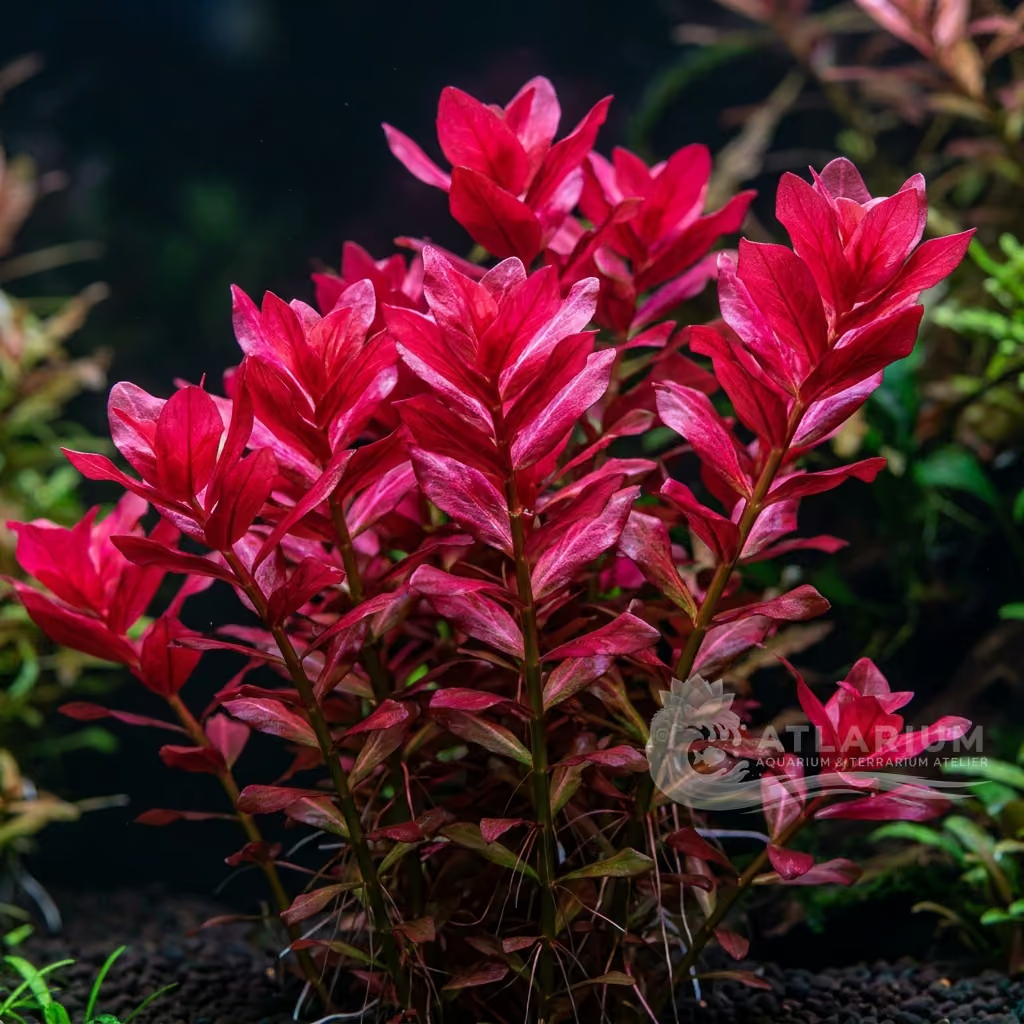
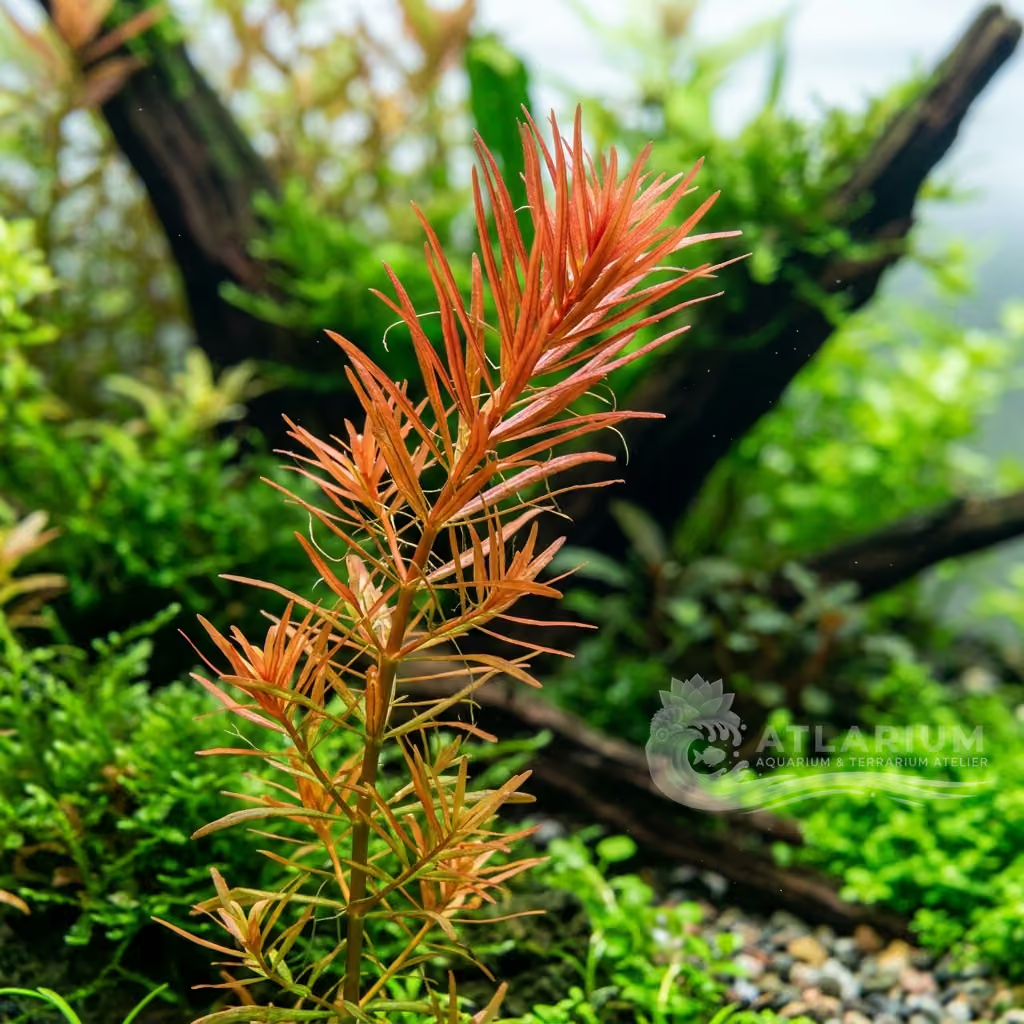
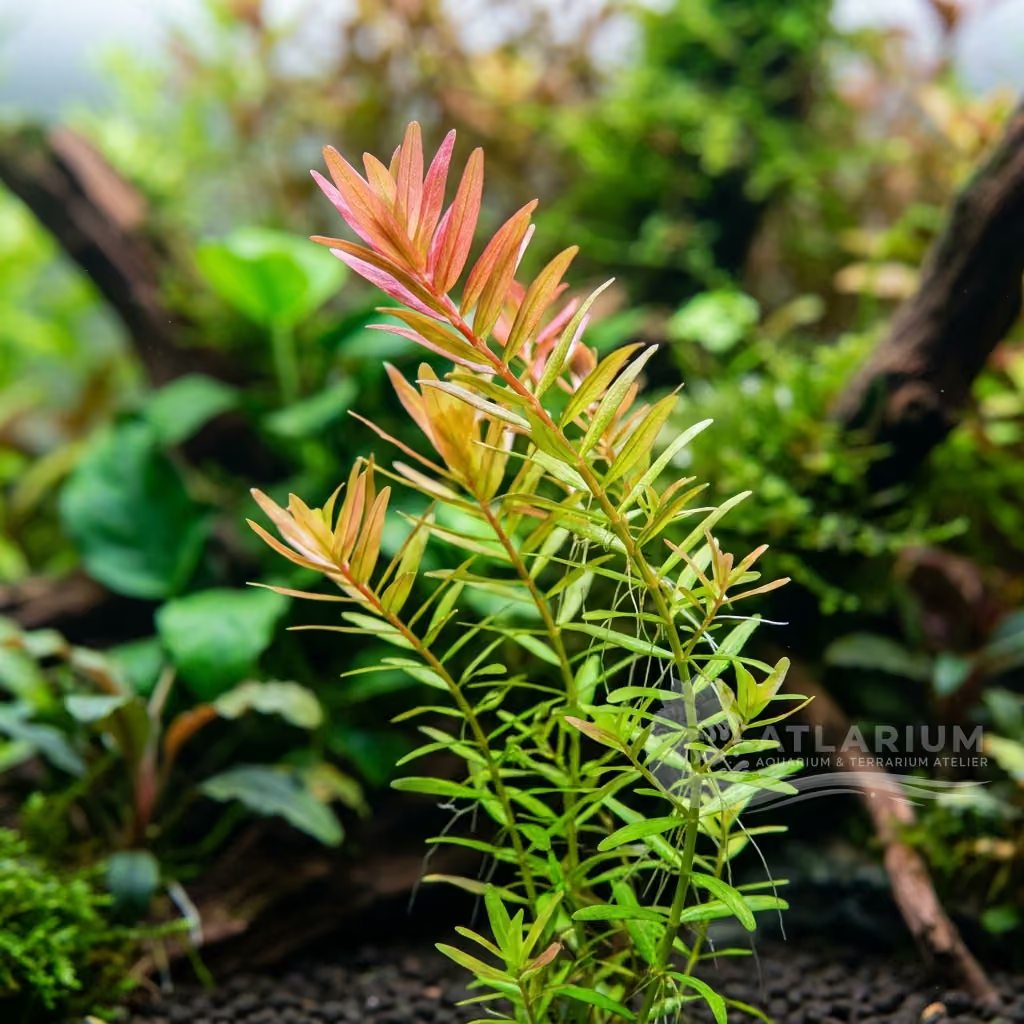
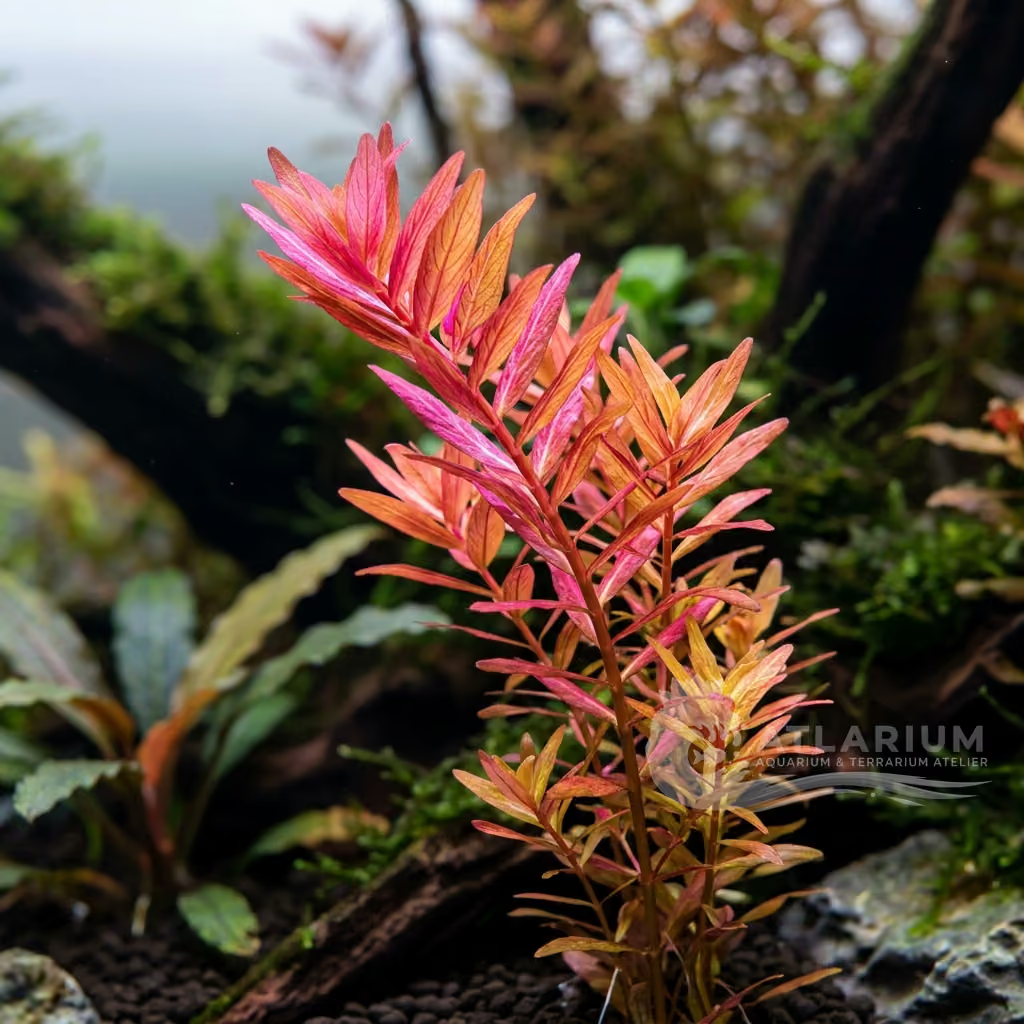
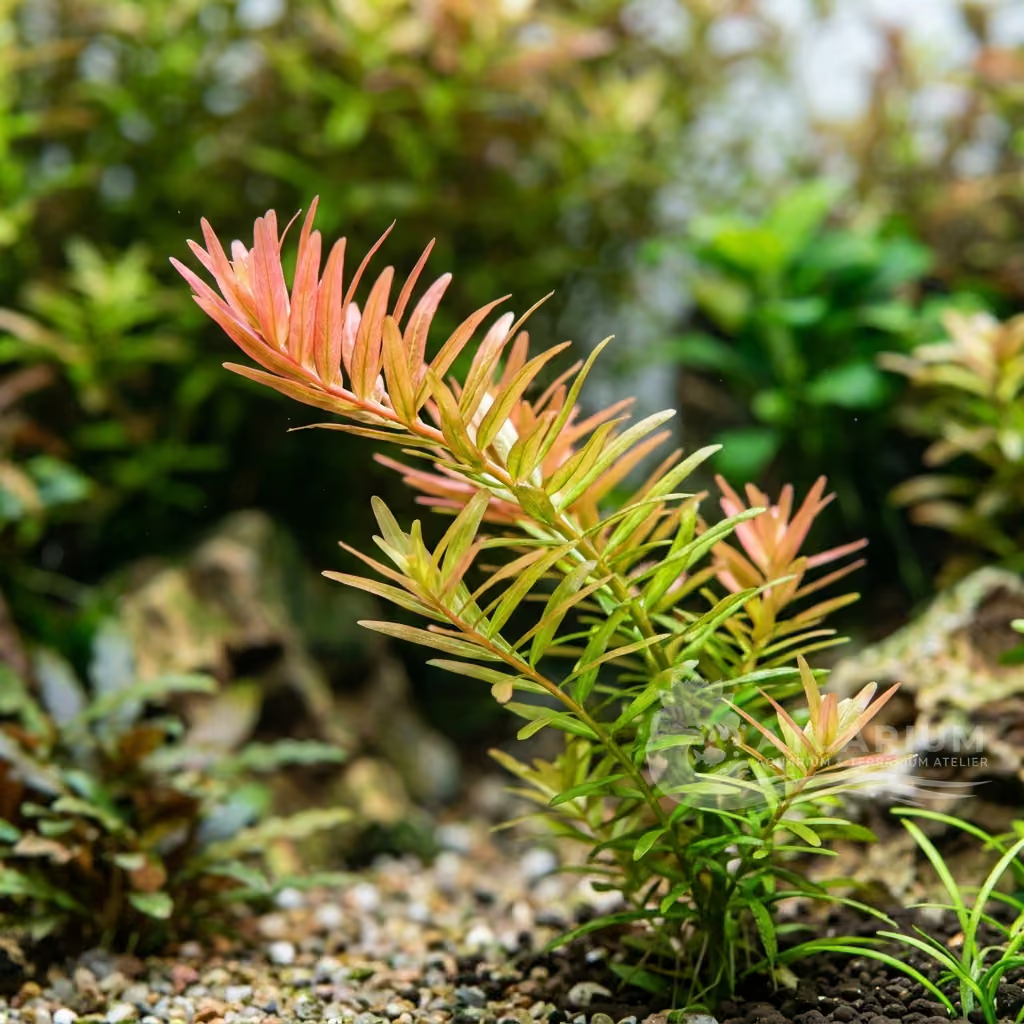
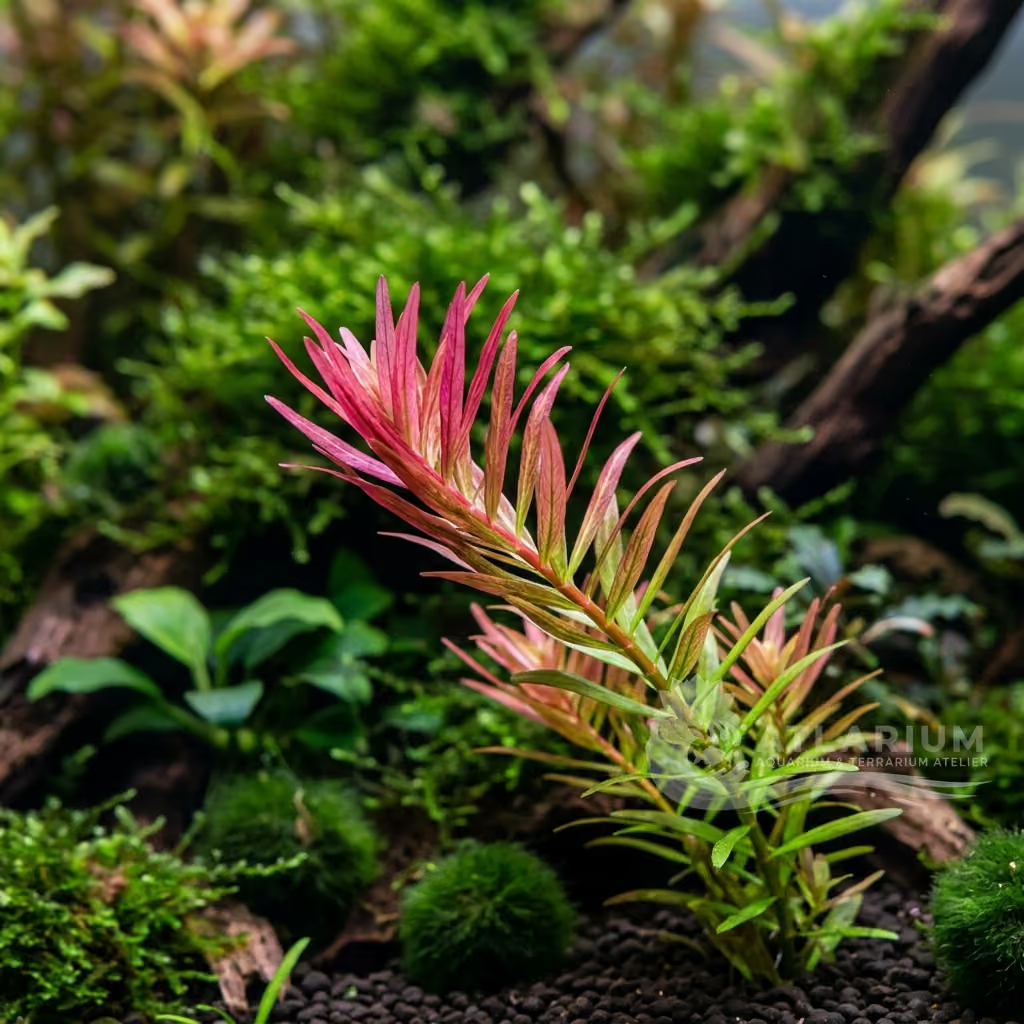
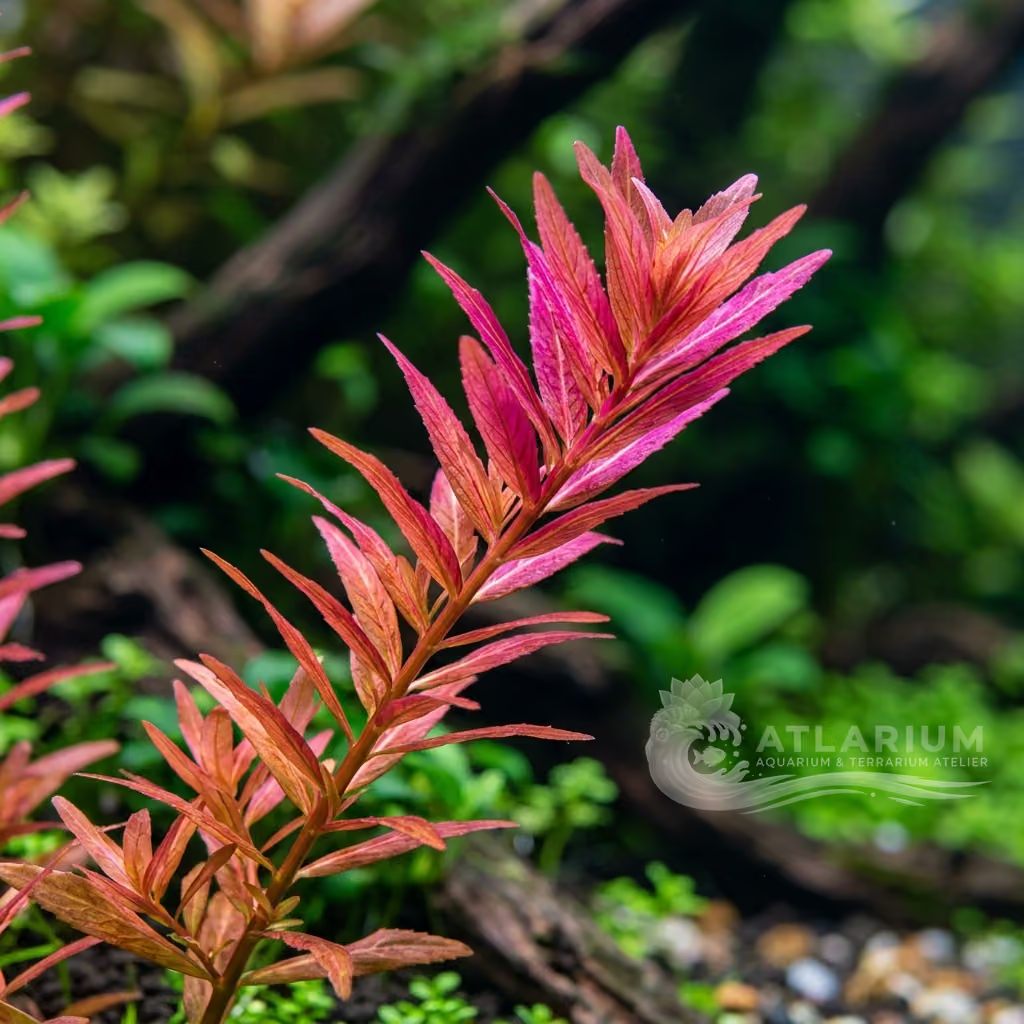
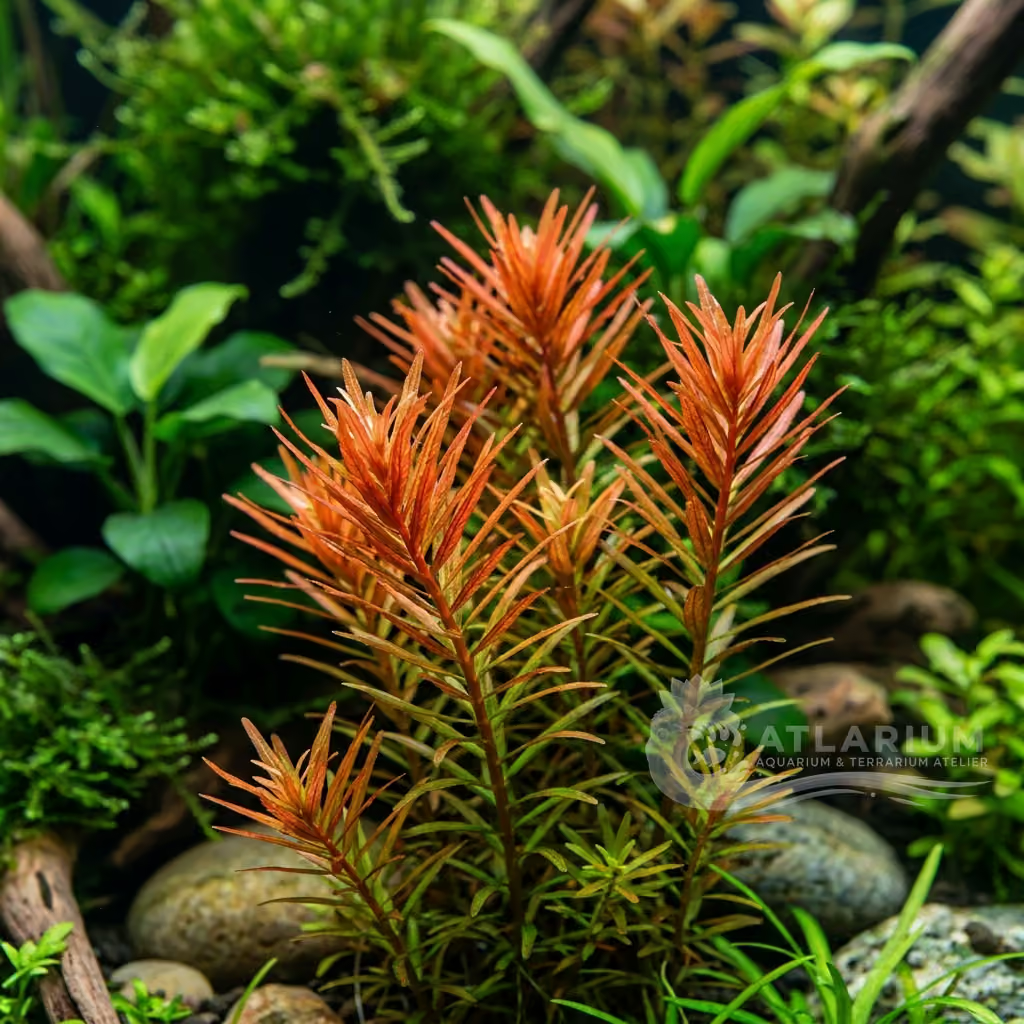
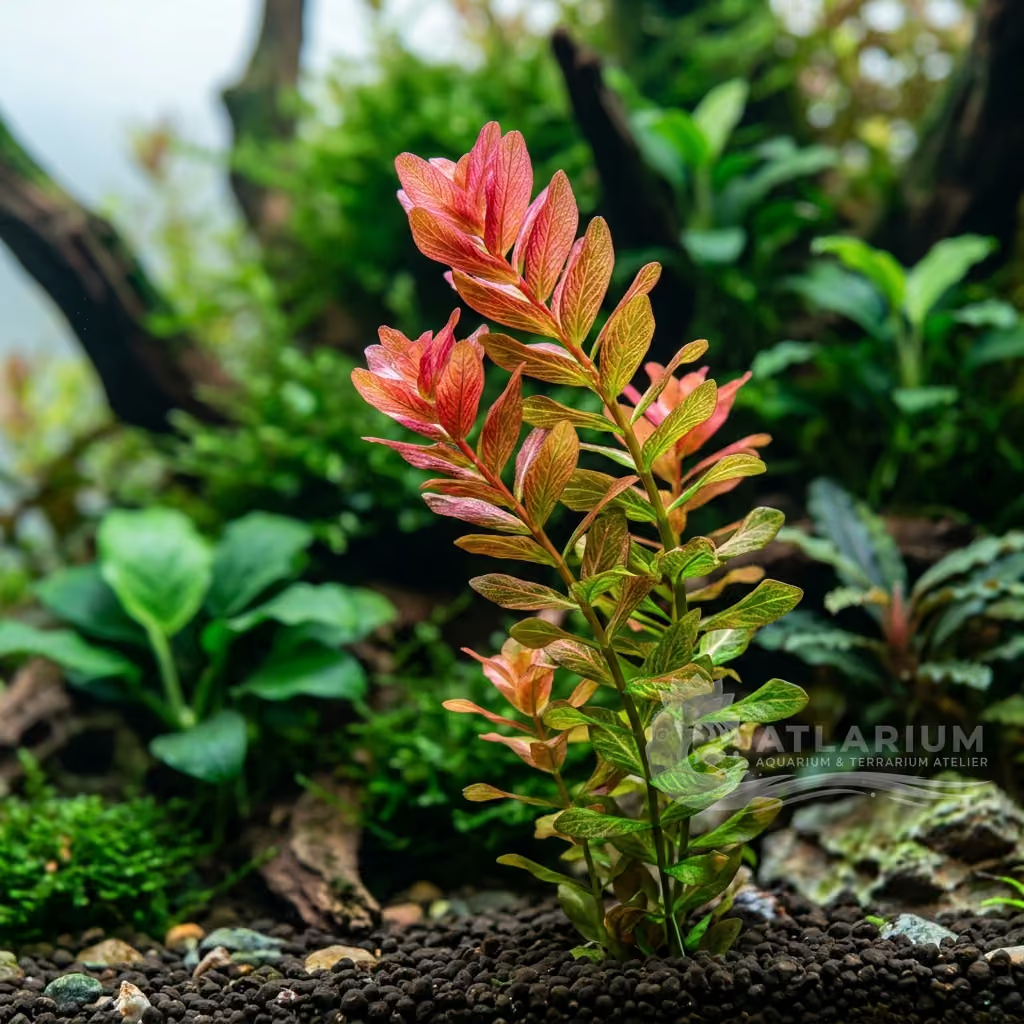
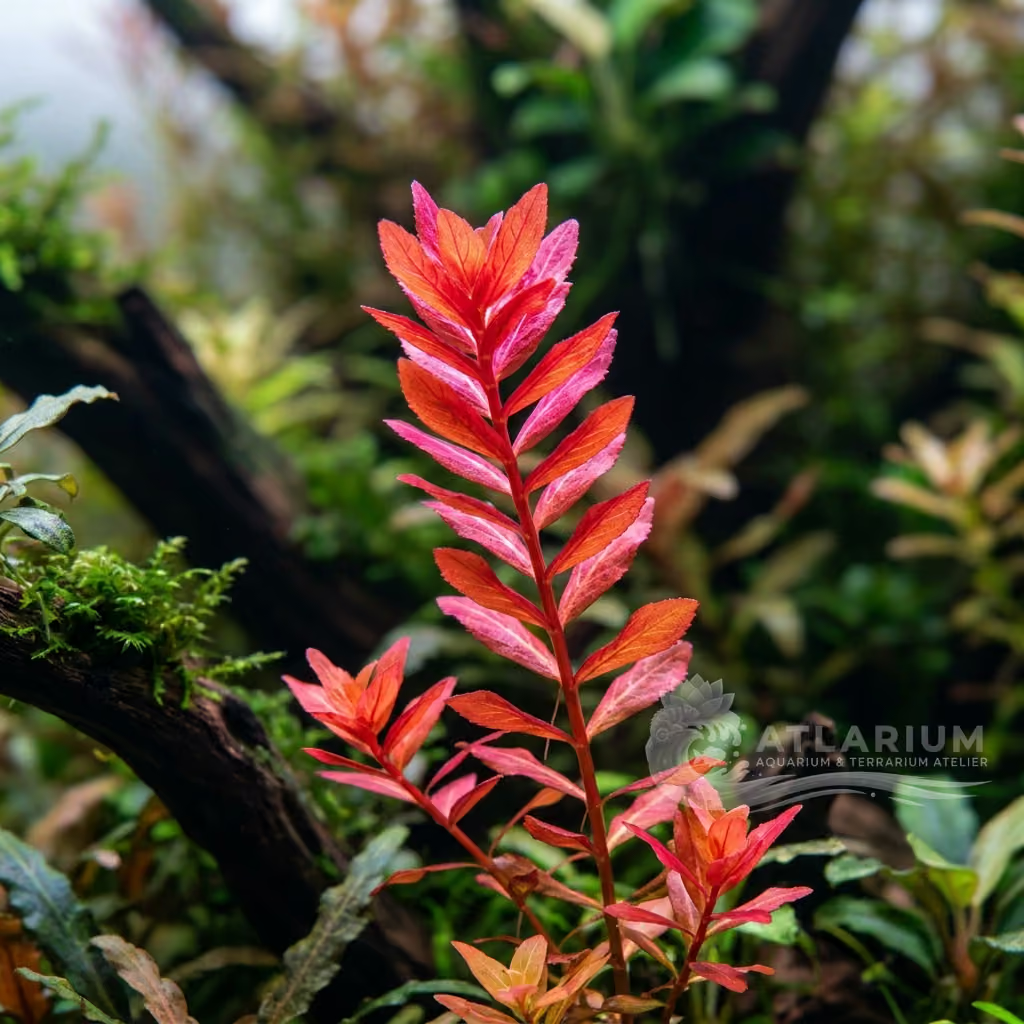
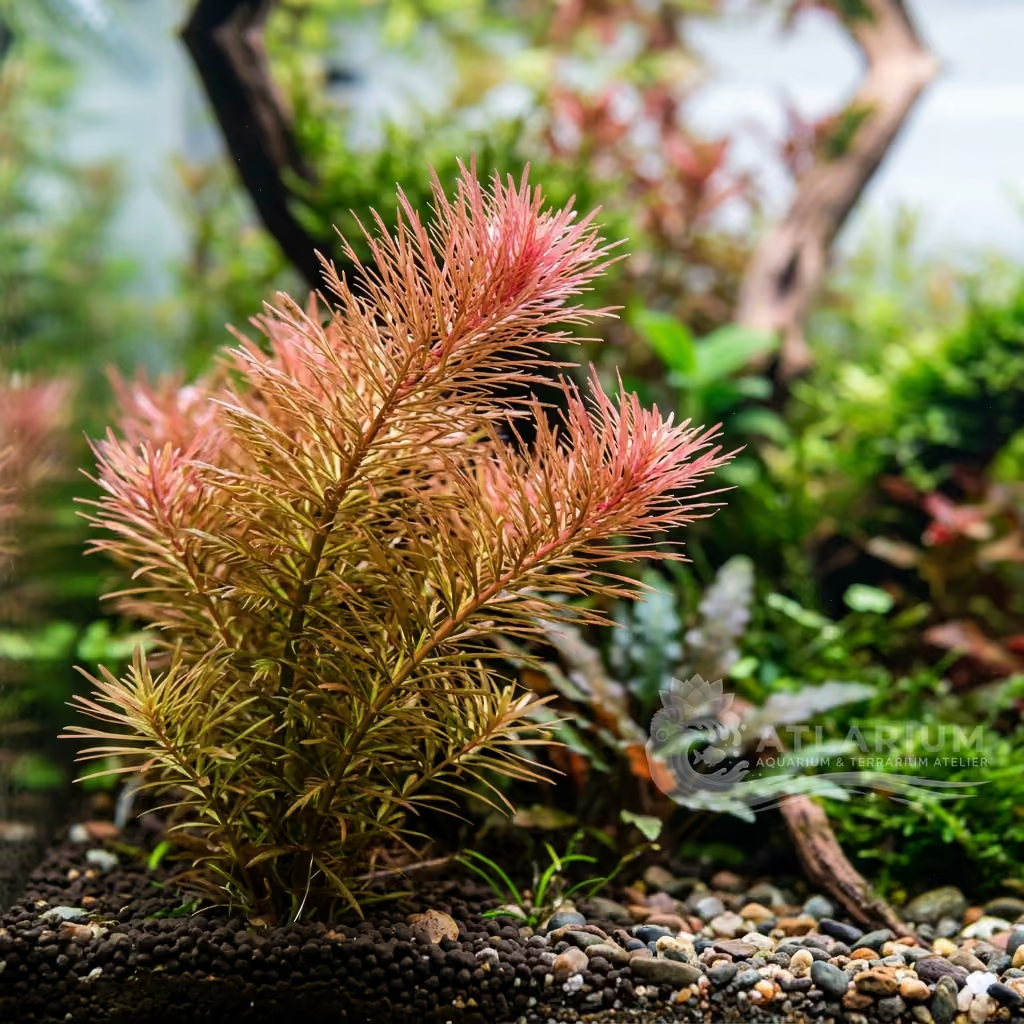
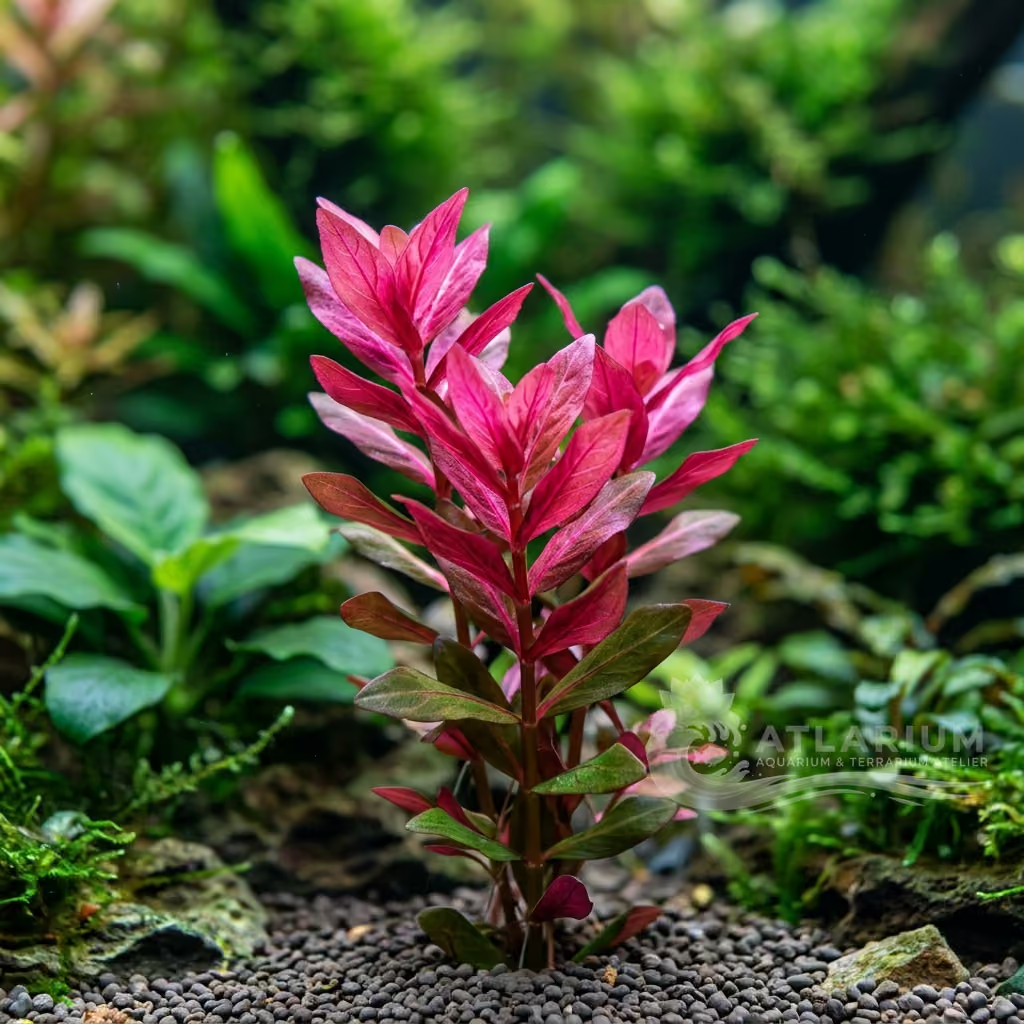
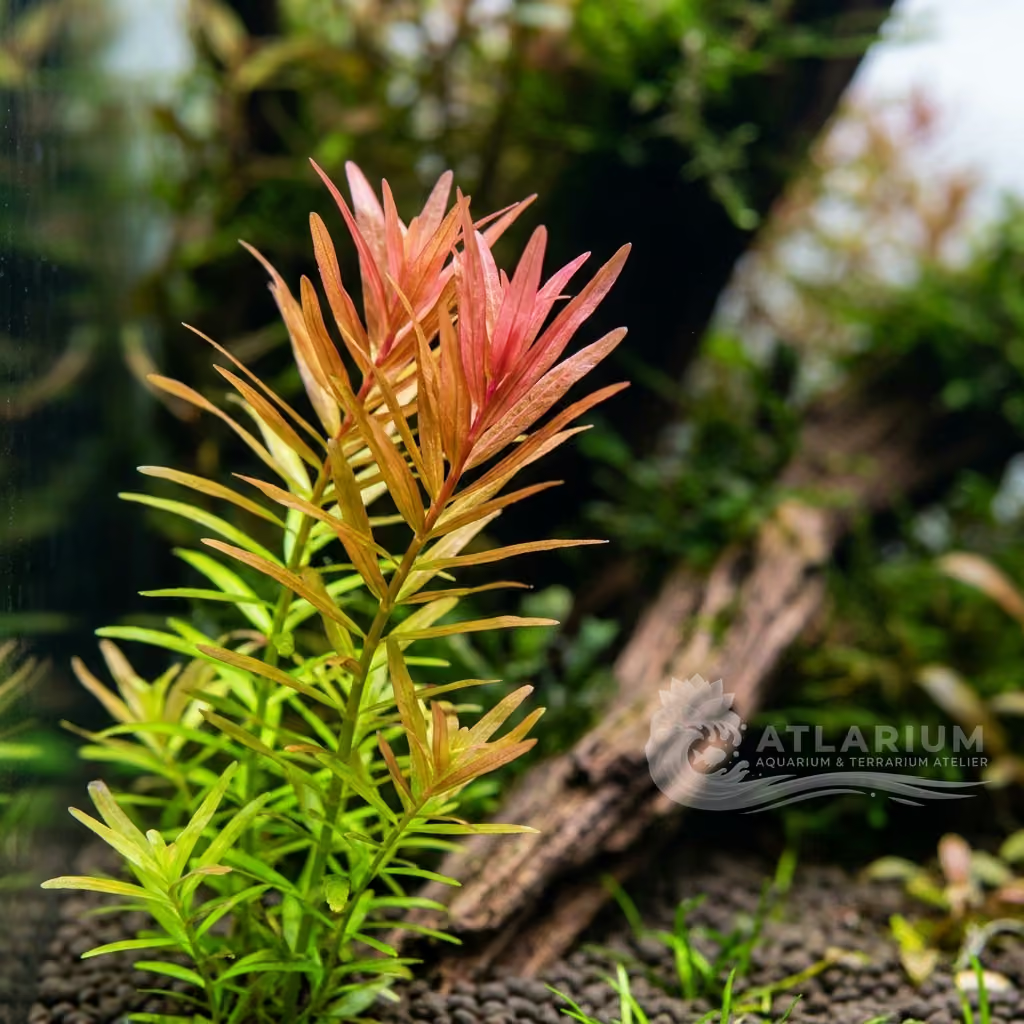
Color & Texture: The defining feature of Rotala macrandra 'Variegated' is its spectacular and intricate coloration, displaying a stunning blend of deep crimson, vibrant pink, and creamy white or yellowish hues across its leaf blades. The variegation typically manifests as blotches or streaks, often concentrated along the leaf margins or central veins, creating a mesmerizing contrast. Achieving the most intense and widespread variegation, particularly the bright reds and distinct white patches, is heavily dependent on very high light intensity and a consistent supply of micronutrients, especially iron.

Cuidado, criação e companheiros de tanque
Lighting & CO2: Cultivating Rotala macrandra 'Variegated' successfully demands very high light intensity, ideally exceeding 70-80 PAR at the substrate level, to foster its vibrant coloration and robust growth. Alongside intense illumination, pressurized CO2 injection is absolutely crucial; a consistent supply of 20-30 ppm CO2 is necessary to support its rapid metabolism and prevent stunted growth. Insufficient light or CO2 will lead to pale, leggy stems, diminished variegation, and susceptibility to algae, compromising its aesthetic appeal.
Nutrition & Substrate: This highly demanding plant thrives in a nutrient-rich substrate, preferably one designed for aquatic plants, which provides a foundational source of essential minerals. Regular and comprehensive liquid fertilization is equally indispensable, encompassing both macro-nutrients (nitrates, phosphates, potassium) and a full spectrum of trace elements. Particular attention should be paid to iron supplementation, as adequate iron levels are paramount for promoting the intense red coloration and preventing chlorosis in its variegated leaves.
Water Chemistry: Rotala macrandra 'Variegated' prefers stable water parameters, flourishing in soft to moderately hard water with a KH range of 0.0 to 12.0 and an acidic to neutral pH between 4.5 and 7.0. Maintaining these conditions consistently minimizes stress and encourages healthy growth, as sudden fluctuations can induce melting or slow down its vigorous metabolism. The optimal temperature range of 18.0 to 30.0 °C allows for adaptability, but consistency within this range is always beneficial for preventing thermal shock.
Space Management & Placement: Due to its fast growth rate and potential for significant lateral spread, Rotala macrandra 'Variegated' is best placed in the midground of larger aquascapes, where it can form dense, colorful bushes. Providing ample open space around individual groups ensures adequate light penetration to lower leaves and promotes vigorous side shooting, preventing the bottom leaves from shading out and deteriorating. Strategic placement can highlight its unique variegation, making it a stunning focal point or a vibrant transitional plant.
Pruning: Regular and thoughtful pruning is essential for maintaining the aesthetic density and overall health of Rotala macrandra 'Variegated', which otherwise can quickly overcrowd an aquascape. As a fast grower, weekly or bi-weekly trimming may be necessary to control its height and encourage lateral branching, leading to a bushier appearance. Pruning not only shapes the plant but also stimulates new, healthier growth, ensuring lower leaves receive sufficient light and nutrients, which is critical for its variegated nature.
Risks & Diseases: Rotala macrandra 'Variegated' can be susceptible to various issues if its demanding requirements are not met, including stunting, pale coloration, and leaf melting, often indicative of nutrient deficiencies or CO2 instability. Algae infestations, particularly Green Spot Algae (GSA) and Black Brush Algae (BBA), can rapidly overtake stressed plants in imbalanced high-light environments. Regular observation and prompt adjustments to light, CO2, and nutrient dosing are crucial to prevent these common risks and maintain plant vitality.

Origem e distribuição geográfica
The base species, Rotala macrandra, originates from marshy areas and rice paddies across Southeast Asia, particularly India and Sri Lanka, where it grows submerged and emersed depending on seasonal water levels. The 'Variegated' form, however, is a horticultural cultivar, meticulously selected and propagated for its distinctive leaf patterns rather than being a naturally occurring wild variant. Its cultivation in controlled environments ensures the perpetuation of its unique aesthetic qualities, making it a staple in advanced aquascaping.
Origem
Melhoramento seletivo e cultivaresSul e Sudeste Asiático

Perfil da planta
- Posicionamento
- Plano intermediário
- This striking plant is best utilized in the midground or background of the aquarium, depending on the tank size. Its unique white, pink, and green striped leaves make it a natural focal point that should be placed where it can be clearly admired. It must not be shaded by any other plants, as the variegated leaves contain less chlorophyll and require maximum light exposure. Placing it against a dark background or dark green plants helps its unique colors pop. It is often planted in small, carefully managed groups to draw the eye.
- Forma botânica
- Caule
- It features typical ovate Rotala macrandra leaves, but with a striking, unstable mutation that causes variegation. The leaves display beautiful, irregular streaks and patches of white, pale pink, and deep magenta across a greenish base. The stems are somewhat fragile and less robust than the wild type, requiring careful handling. The degree of variegation can vary greatly from leaf to leaf and stem to stem, making every plant unique. Under intense light, the pink and red hues become much more prominent, sometimes overtaking the white streaks.
- Crescimento
- Rápida
- The growth rate of the variegated variety is noticeably slower than the standard Rotala macrandra due to the reduced chlorophyll in its leaves. Even under optimal high-light and high-CO2 conditions, it takes time to establish and grow towards the surface. This slower growth can be advantageous in aquascaping, as it requires less frequent trimming. If environmental parameters are suboptimal, growth can come to a complete halt. Patience and stable conditions are key to nurturing this plant to its full potential.
- Substrato
- Alta
- Rotala macrandra 'Variegated' demands a highly nutritious, active aquarium soil to support its unique leaf patterns and vigorous growth. Its fine roots rely heavily on an abundant supply of substrate-bound nutrients to maintain stable variegation and prevent stunting. Providing a soft, nutrient-dense substrate layer of 5 centimeters or more allows the plant to anchor securely and feed efficiently.
- Fertilização de coluna
- Recomendada
- Liquid fertilization is absolutely critical for this plant to survive and thrive. A comprehensive, daily dosing strategy that includes macro and micronutrients is necessary to support its demanding metabolism. The variegated leaves are very poor at photosynthesizing efficiently, meaning the plant relies heavily on easily accessible dissolved nutrients. Inadequate column fertilization will quickly result in the new leaves reverting to solid green or melting away entirely. A stable CO2 concentration of at least 30 ppm must be maintained alongside the liquid fertilizers.
- Fertilização radicular
- Nenhuma
- While column feeding is its primary source of sustenance, a nutrient-rich substrate provides a vital backup for this sensitive plant. Using a high-quality, active aquasoil helps buffer the water and provides essential nutrients directly to the root zone. Root tabs rich in iron can be pushed deep into the substrate near the roots to encourage stronger growth and better coloration. A healthy root system is crucial for the plant to recover from trimming and environmental stress. However, substrate nutrients alone cannot compensate for a lack of water column fertilization.
- Corte
- Ocasional
- Trimming must be done with extreme care using sharp scissors to avoid damaging the fragile stems. Because of its slower growth rate, pruning should be less frequent and less aggressive than with other Rotala species. It is generally best to top the plant and replant the healthy, variegated tips rather than relying on the bottom portions to regrow. The lower portions often struggle to produce new shoots if they are not receiving intense light. Regular removal of any completely green shoots is necessary to maintain the variegated appearance of the group.
- Propagação
- Estacas
- Propagation is achieved by taking stem cuttings from the healthiest, most variegated upper parts of the plant. Cuttings should be at least 3-4 inches long and planted carefully into a soft substrate using aquascaping tweezers. It is important to leave enough space between individual stems to ensure light reaches the bottom leaves. Cuttings may take longer to root than standard Rotala species due to their slower overall metabolism. Any shoots that revert to solid green should be discarded or planted separately, as they will quickly outgrow the variegated stems.
- Sensibilidade
- Moderada
- This is one of the most sensitive and difficult stem plants in the aquarium hobby. It is highly susceptible to melting if water parameters fluctuate, CO2 levels drop, or if it is moved frequently. The variegated leaves are extremely prone to algae growth, requiring pristine water conditions and excellent flow. It does not tolerate hard water or alkaline conditions, thriving only in soft, acidic environments. Shading of any kind is almost immediately fatal to the lower portions of the stem.
- Função de layout
- Plano intermediário, Fundo
- Due to its rarity and striking appearance, Rotala macrandra 'Variegated' is almost exclusively used as a premium focal point plant. It provides an unparalleled contrast in both color and pattern compared to typical solid-colored aquarium plants. It is excellent for creating a sense of rarity and high-level horticultural skill in an aquascape. Best used sparingly, a single, healthy cluster can elevate the visual interest of an entire layout. It pairs beautifully with dark rocks or simple, bright green carpeting plants that do not compete for attention.

Espécies relacionadas
Recomendações agrupadas por parentes próximos, escolhas de acompanhantes e cuidados semelhantes.