Rotala rotundifolia 'Ceylon'
Rotala rotundifolia
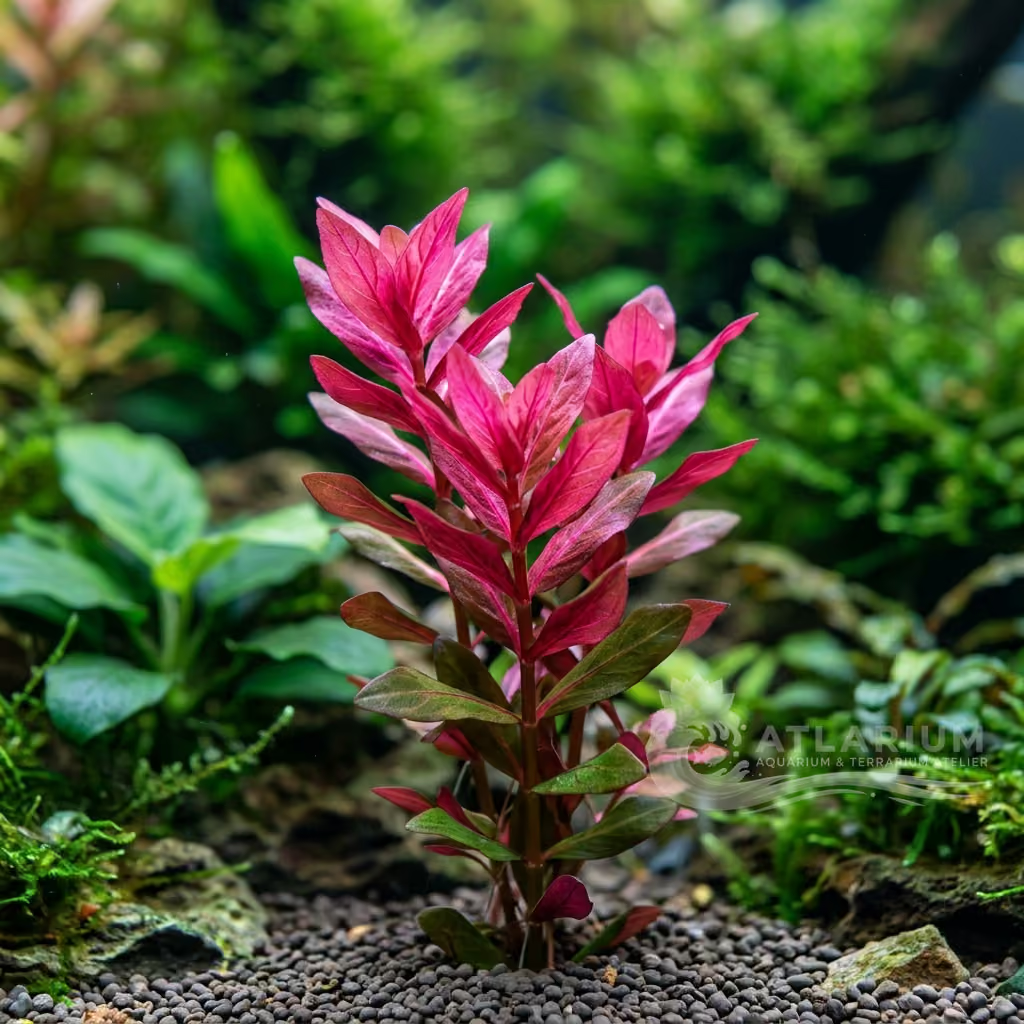
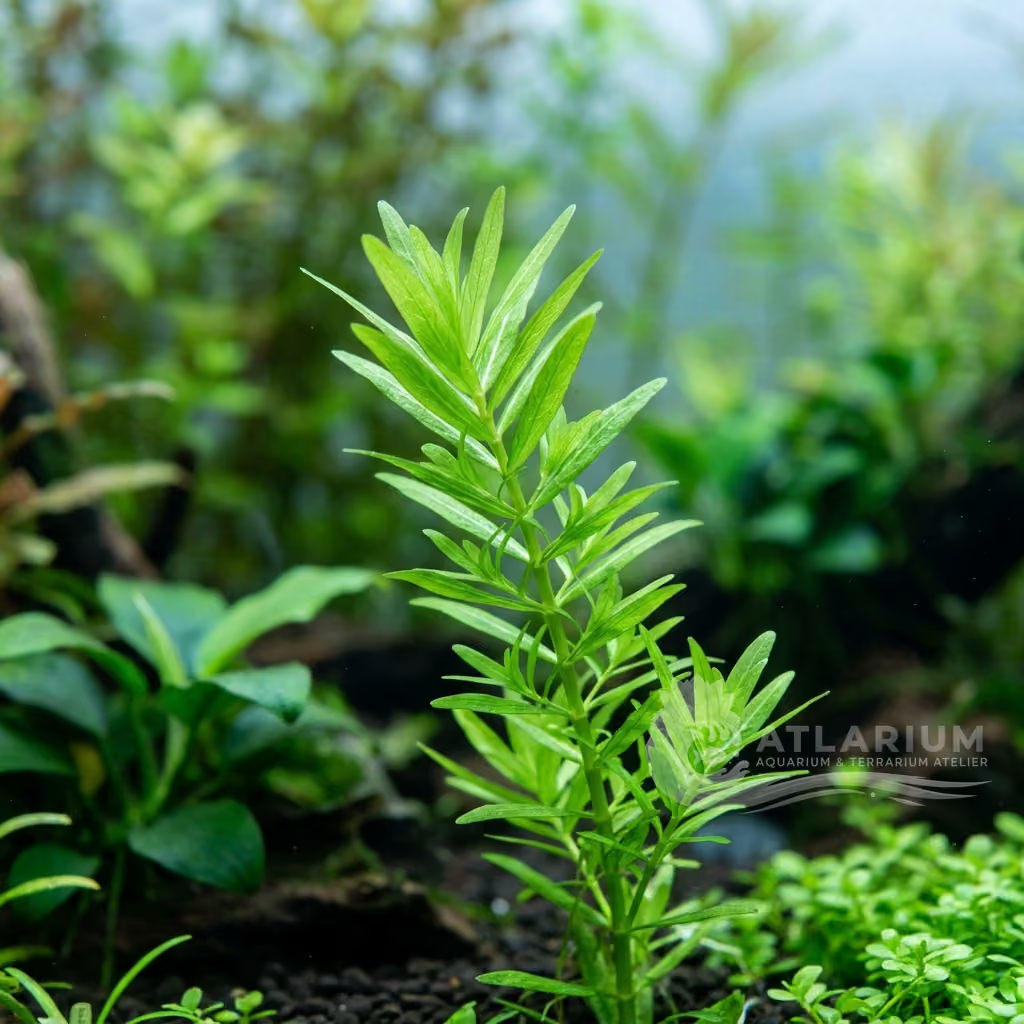
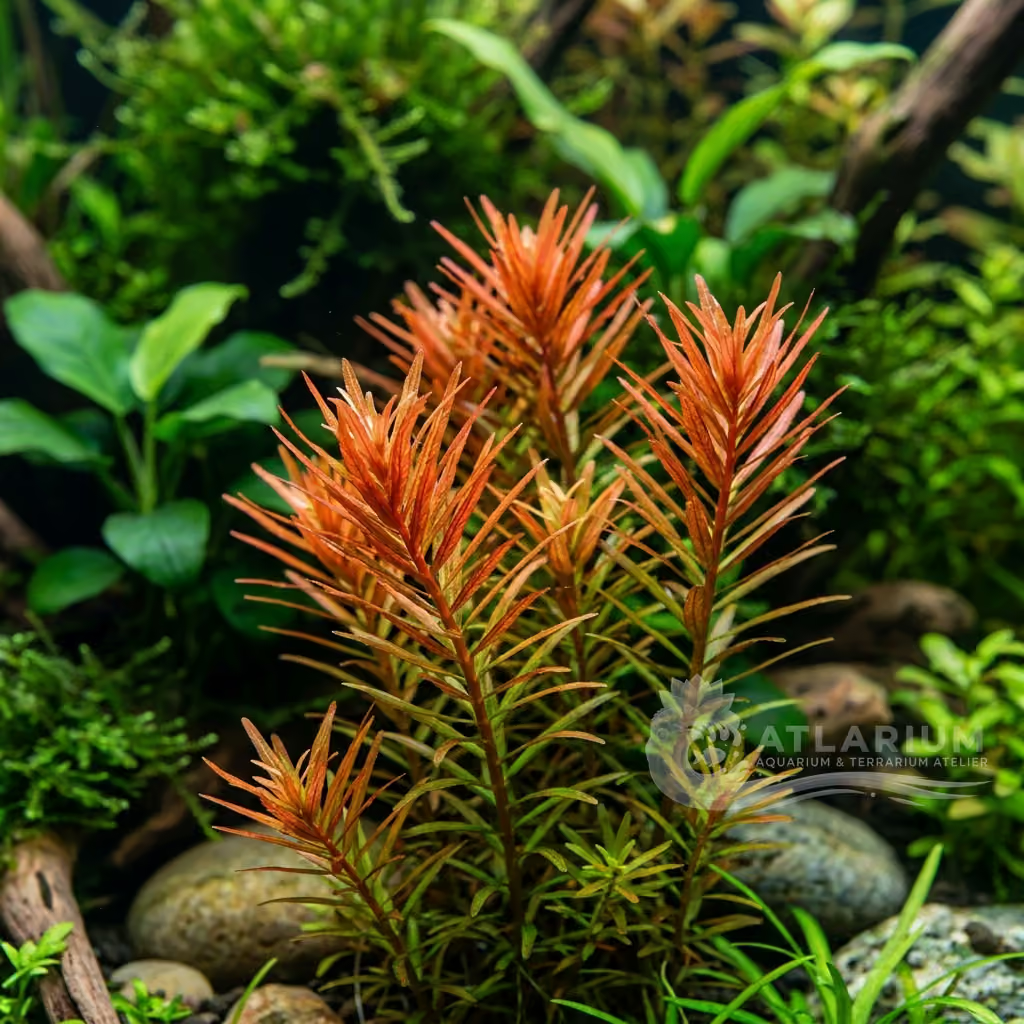
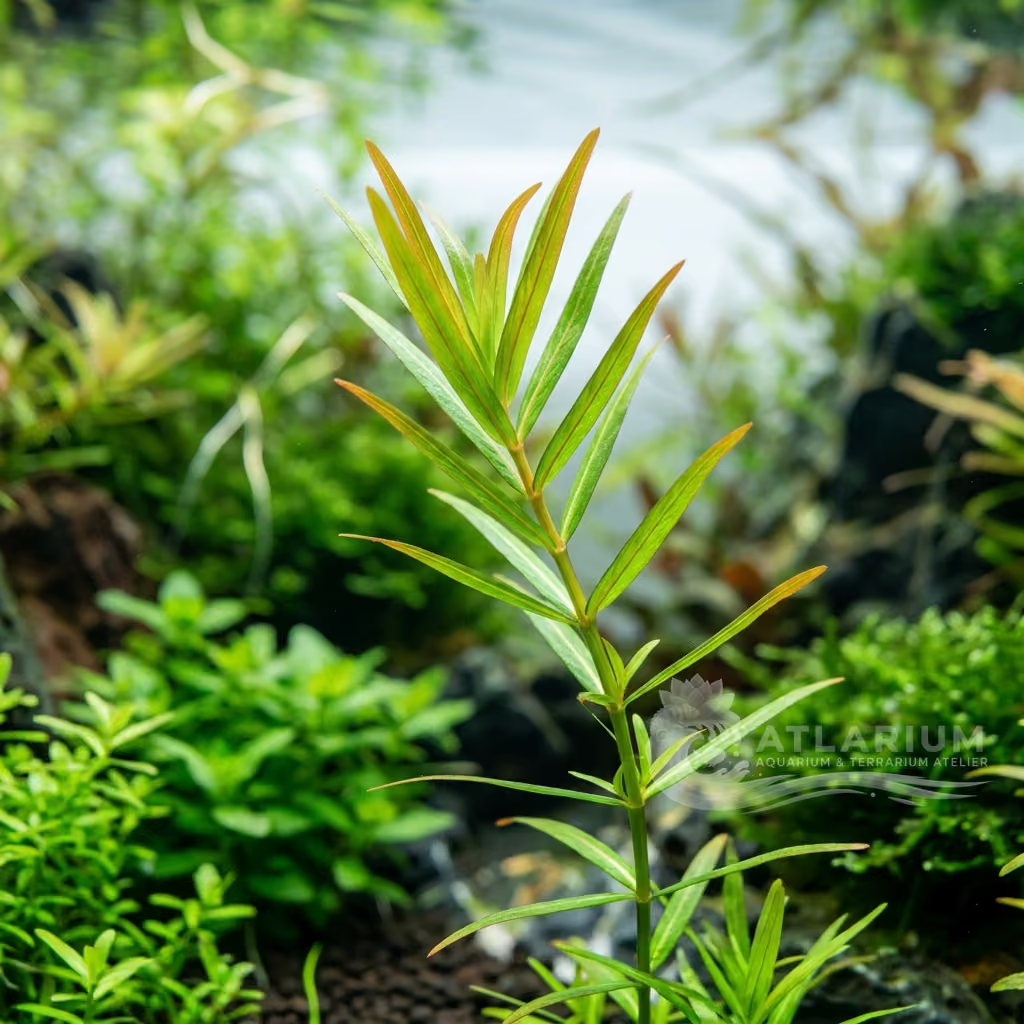
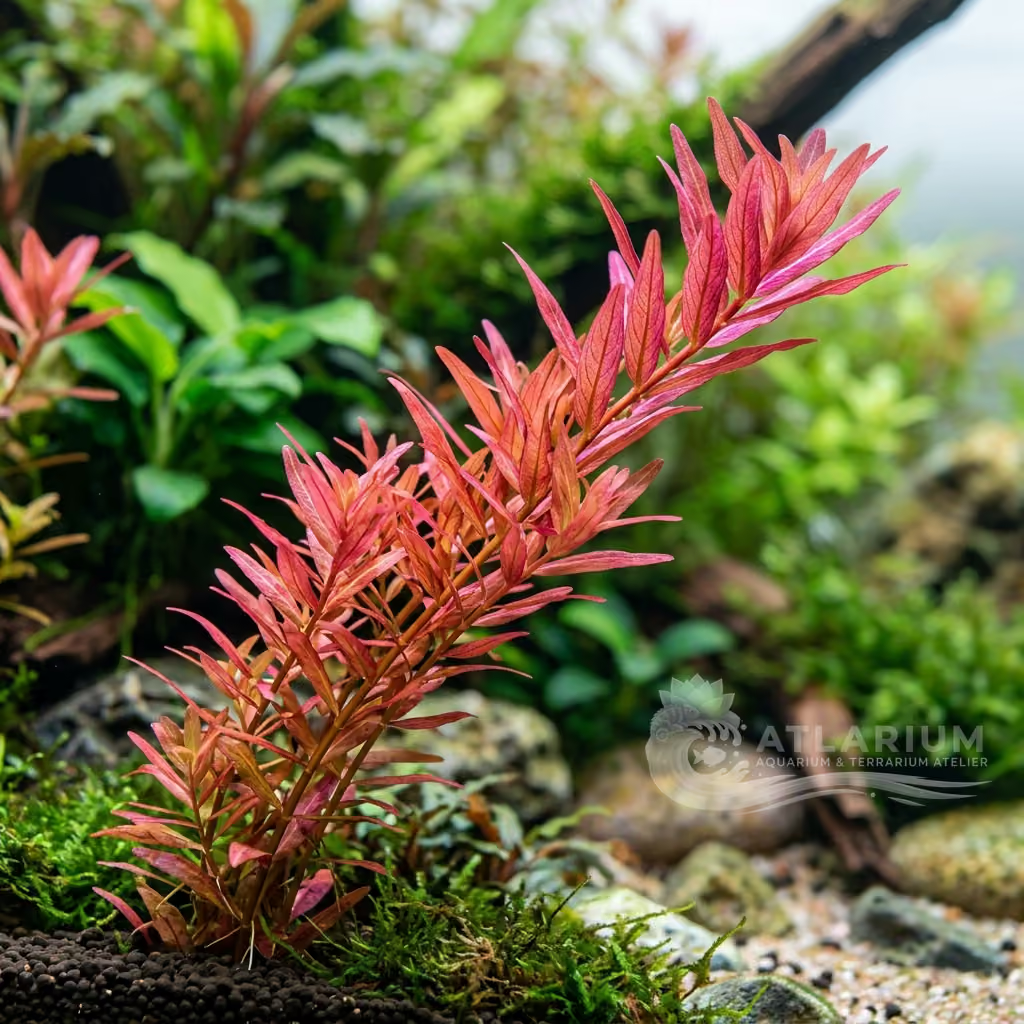
Rotala rotundifolia 'Ceylon' is a vibrant midground aquatic plant, prized for its rapid growth and its ability to develop intense coloration. It typically forms dense bushes in the central part of the aquarium, adding depth and striking contrast to the aquascape design.
Temperatura da água
4 - 32 °C
Valor de pH
4.5 - 8
Tipo de água
Água doce
Luz
Medium to High
CO2
Alta
Altura esperada
80 cm
Largura esperada
5 cm
KH
0 - 21 dKH

Descrição da espécie
Geographical Origin and Habitat: Rotala rotundifolia originates from the marshy regions and slow-moving water bodies of Southeast Asia, including areas like China, Laos, and Vietnam. The 'Ceylon' variant suggests a potential selection or provenance from present-day Sri Lanka, historically known as Ceylon, or a cultivar that embodies the desirable characteristics of plants found in those areas, typically capable of adapting to both submerged and emersed conditions. In its natural habitat, it is frequently found along the banks of rivers and ponds, where its leaves can assume different forms depending on exposure to air or water.
Taxonomy & Genetics: Belonging to the Lythraceae family, Rotala rotundifolia 'Ceylon' shares the Rotala genus with numerous other popular aquarium species, all characterized by remarkable phenotypic plasticity. Although the specific name "rotundifolia" implies round leaves, this characteristic is more evident in its emersed form or under less intense light conditions, while submerged and with strong illumination, the leaves tend to become more lanceolate. 'Ceylon' is considered a cultivar selected for its particular aesthetic qualities, specifically its propensity to develop intense red
Color & Texture: s, distinguishing it from other Rotala rotundifolia varieties.
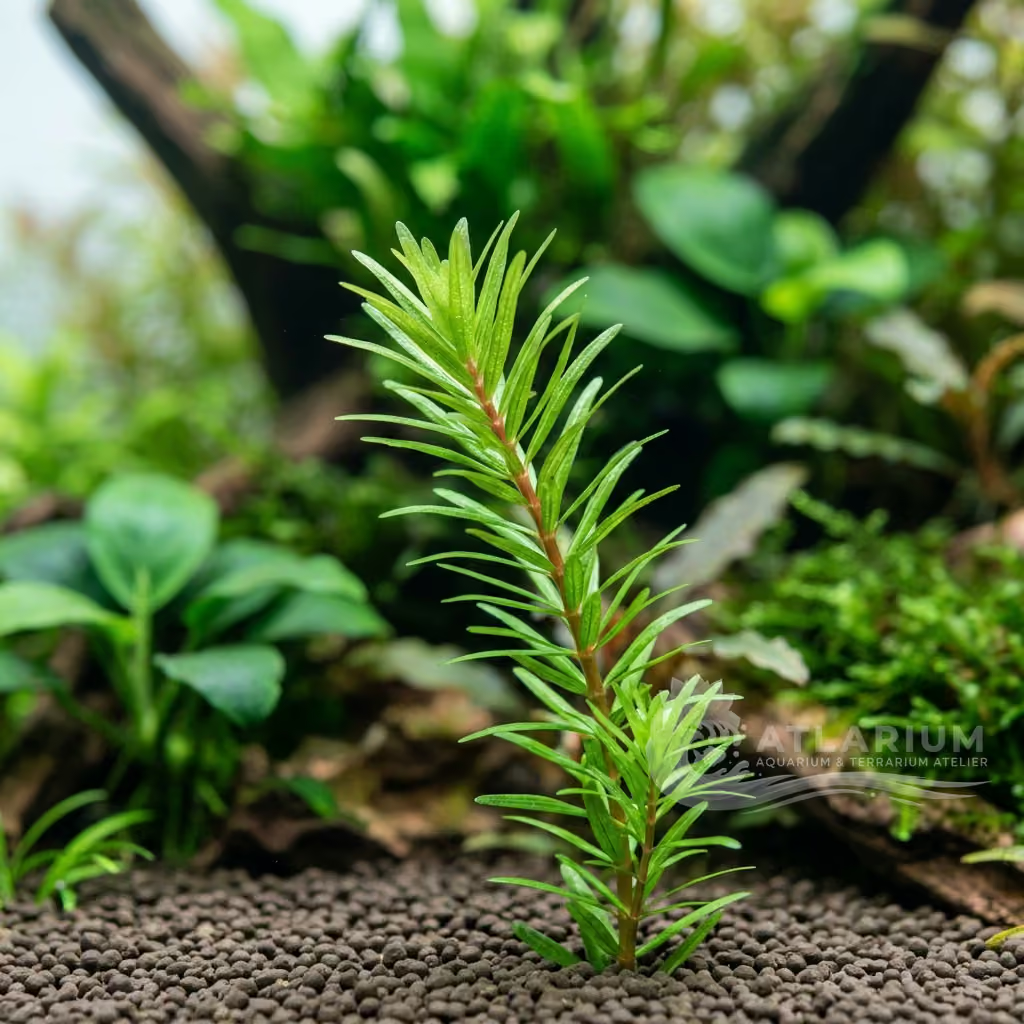
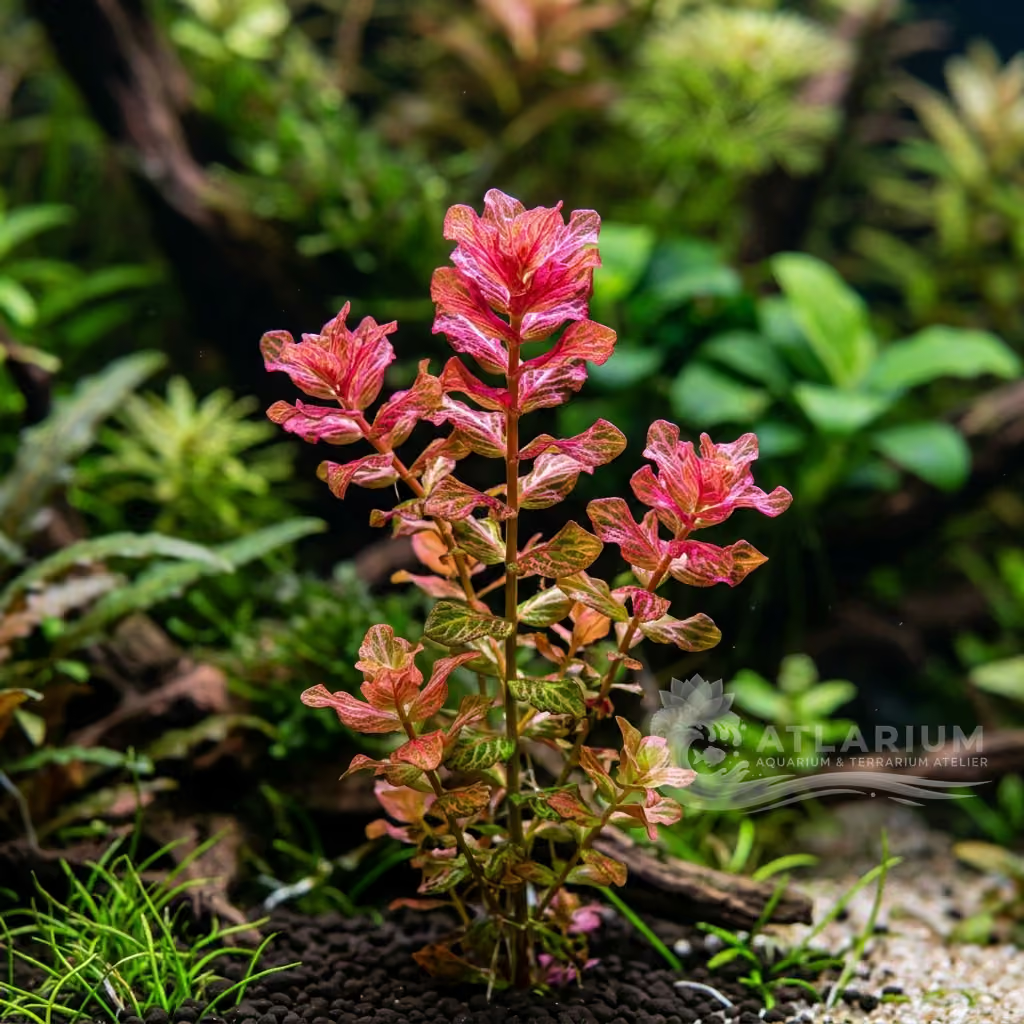
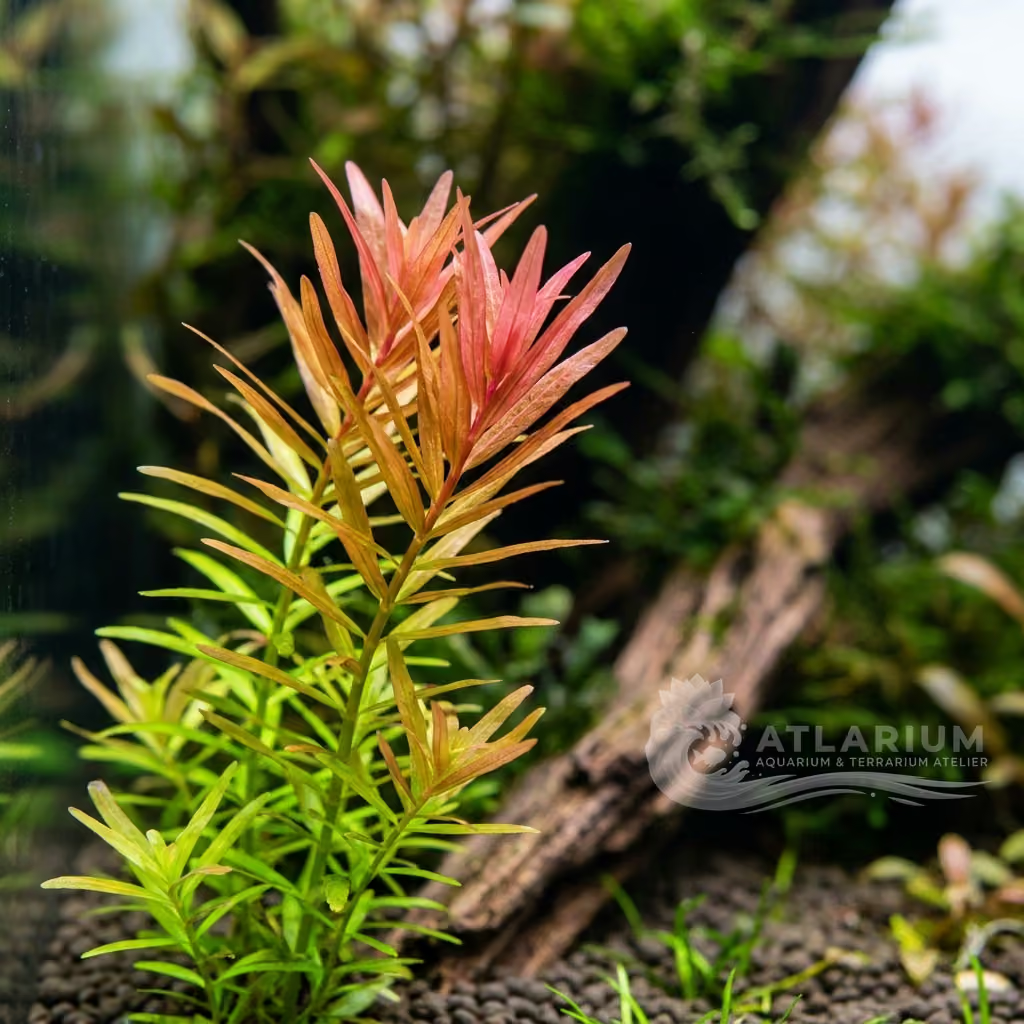
Physical Structure: Rotala rotundifolia 'Ceylon' features relatively slender yet robust stems capable of growing tall and branching profusely, forming a dense, bushy appearance. Leaves are arranged oppositely along the stem, with internodes shortening under strong lighting, contributing to a more compact look. Submerged, the leaves tend to be more elongated and narrow compared to their emersed form, which sees them more rounded and fleshy, hence the name "rotundifolia." Fibrous roots develop both from the substrate and from nodes along the stem, facilitating anchoring and nutrient absorption.
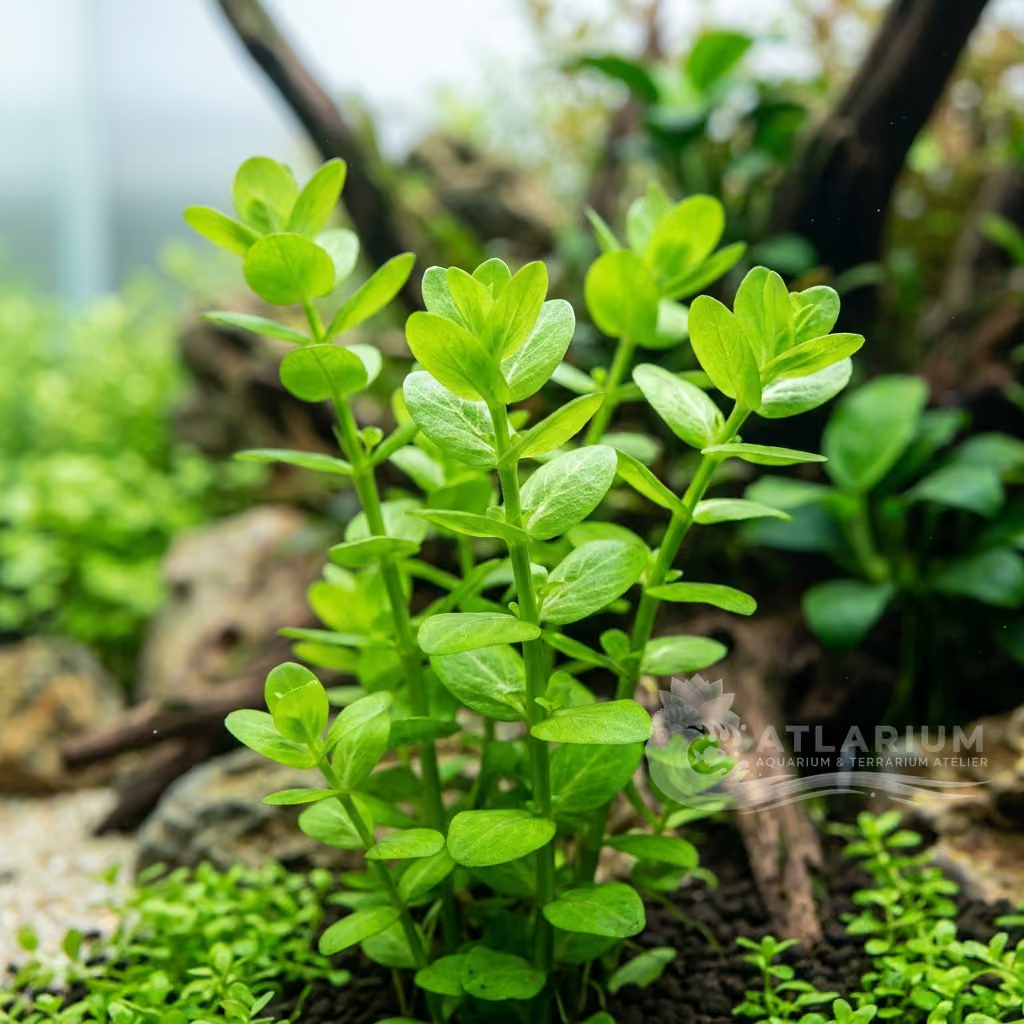
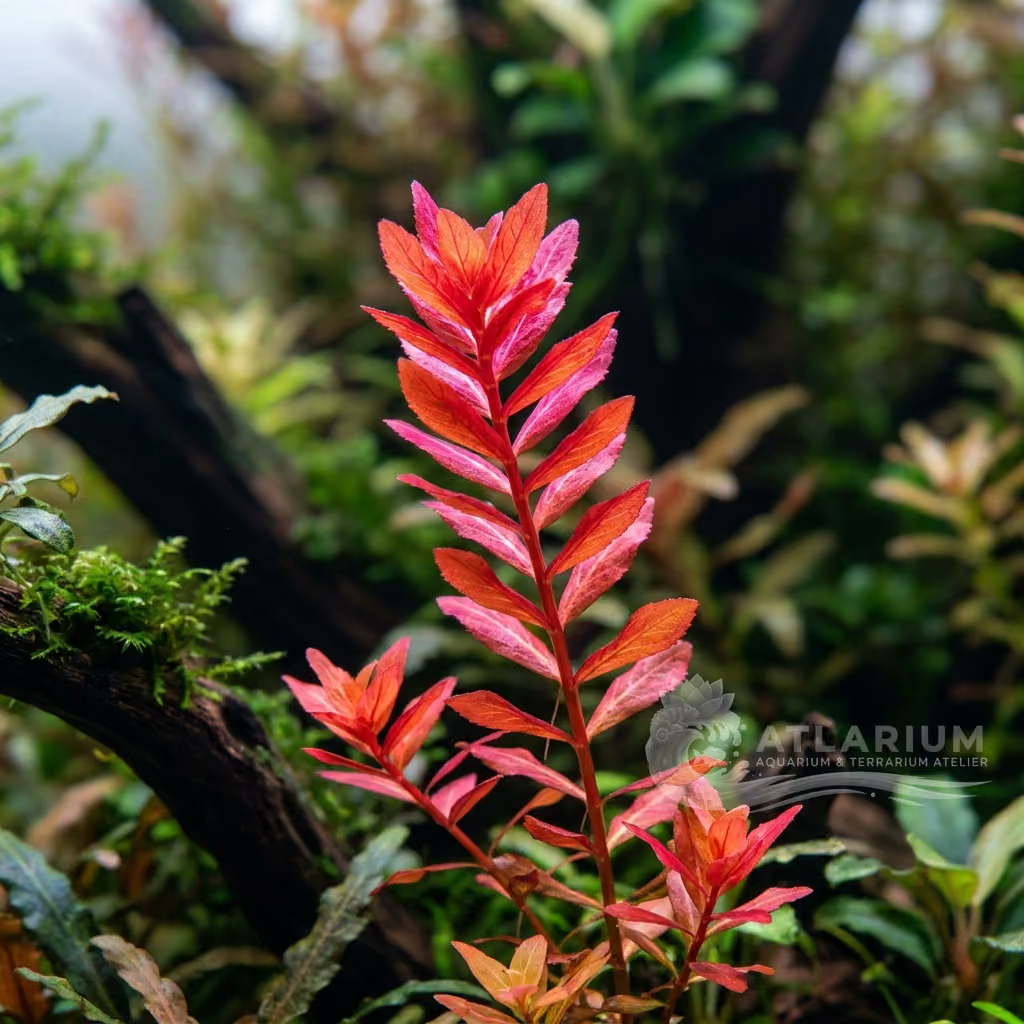
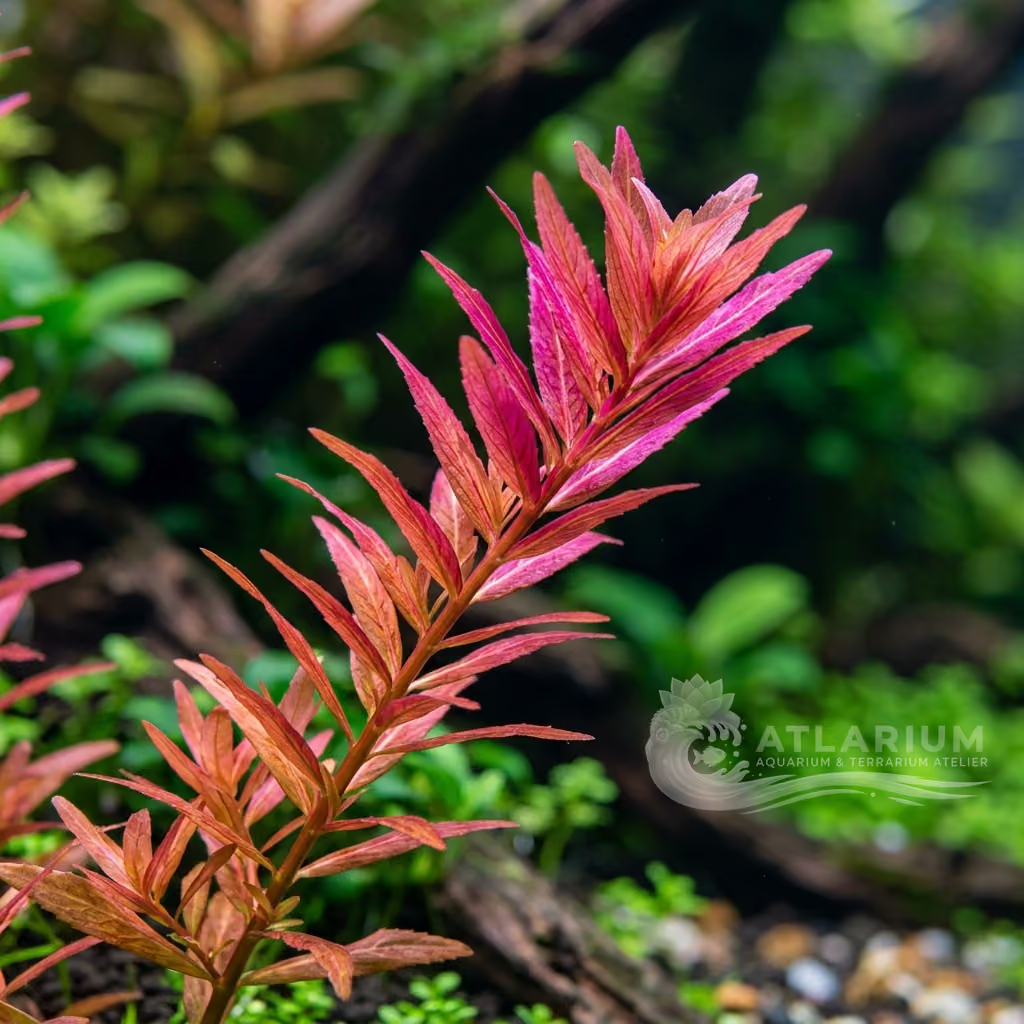
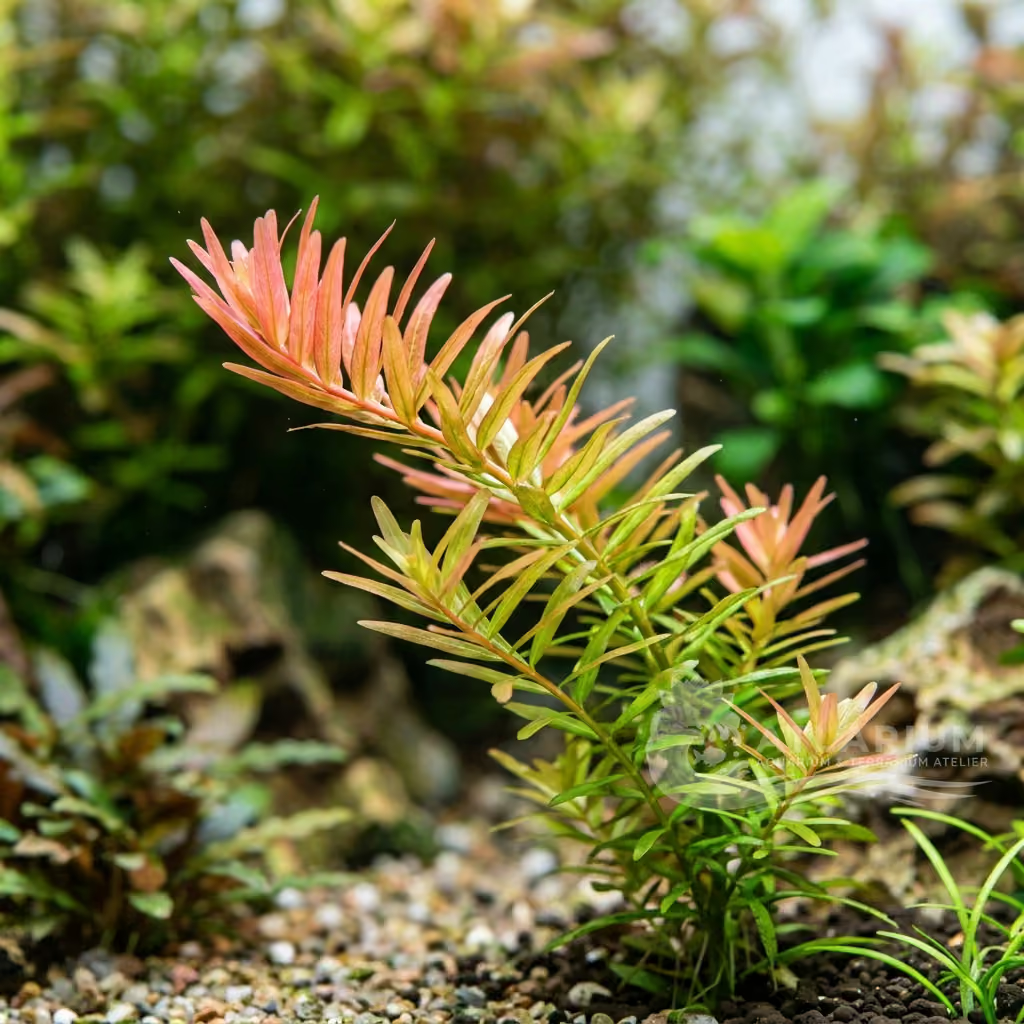
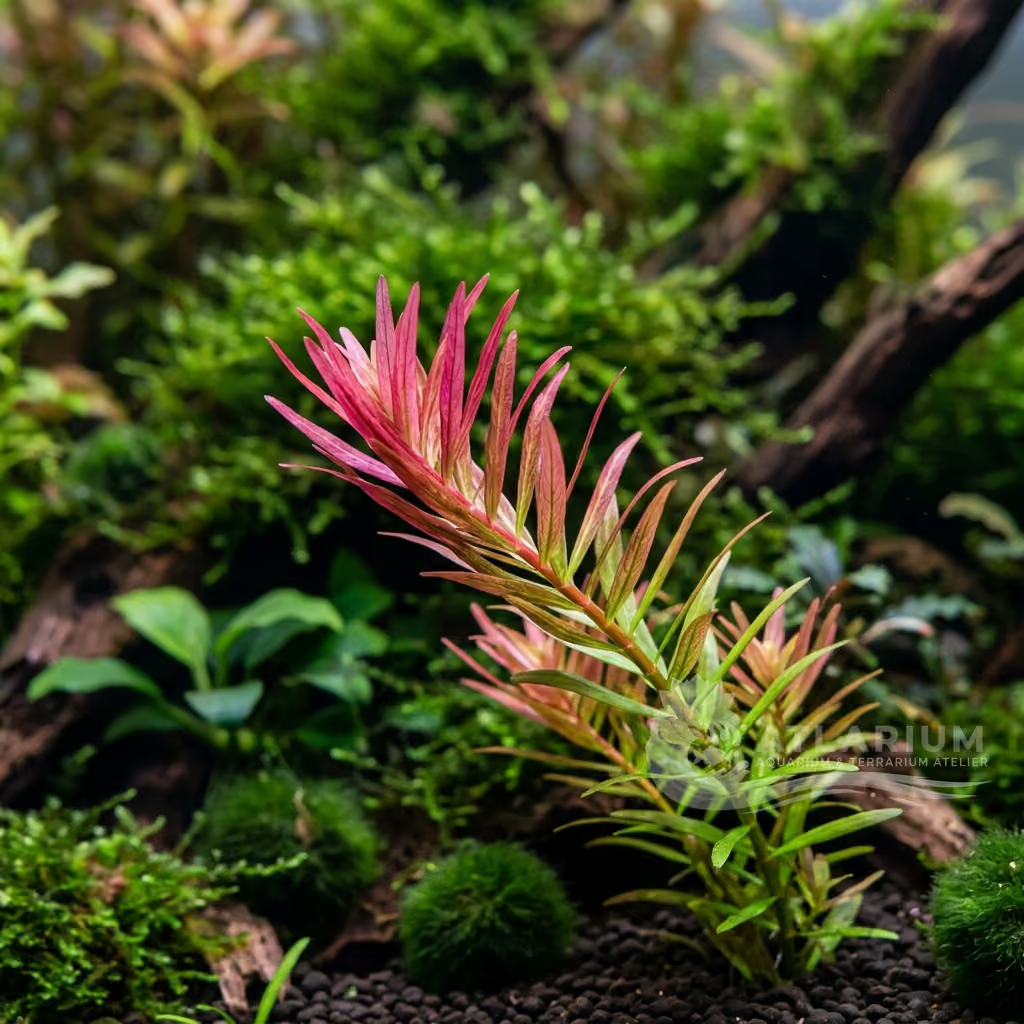
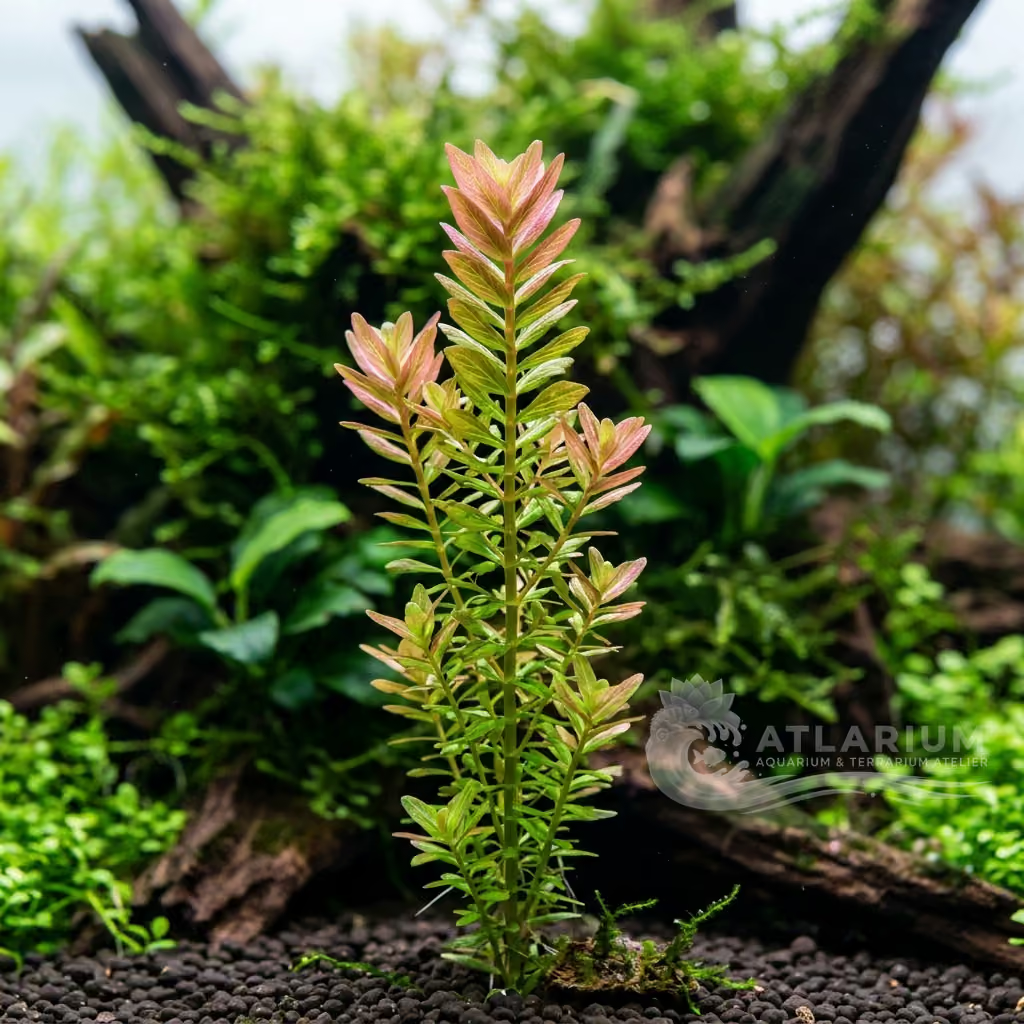
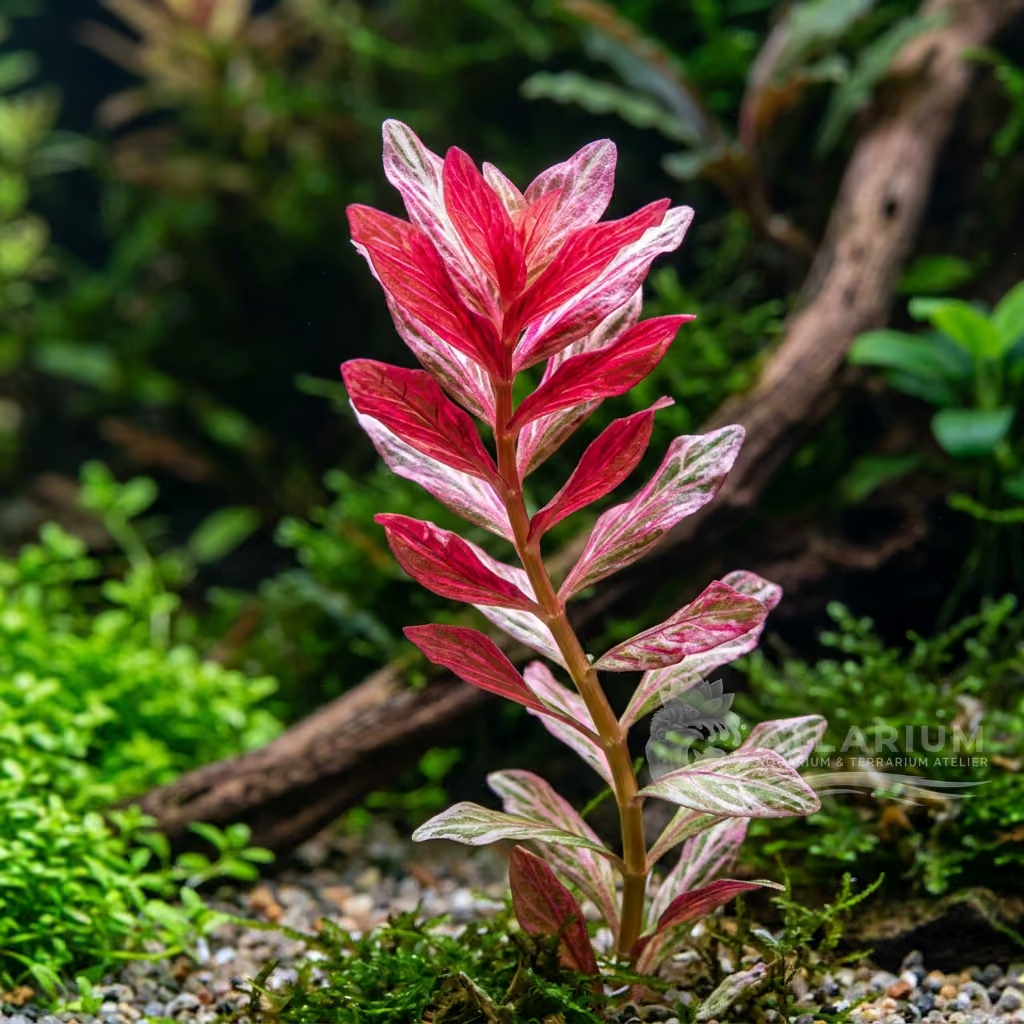
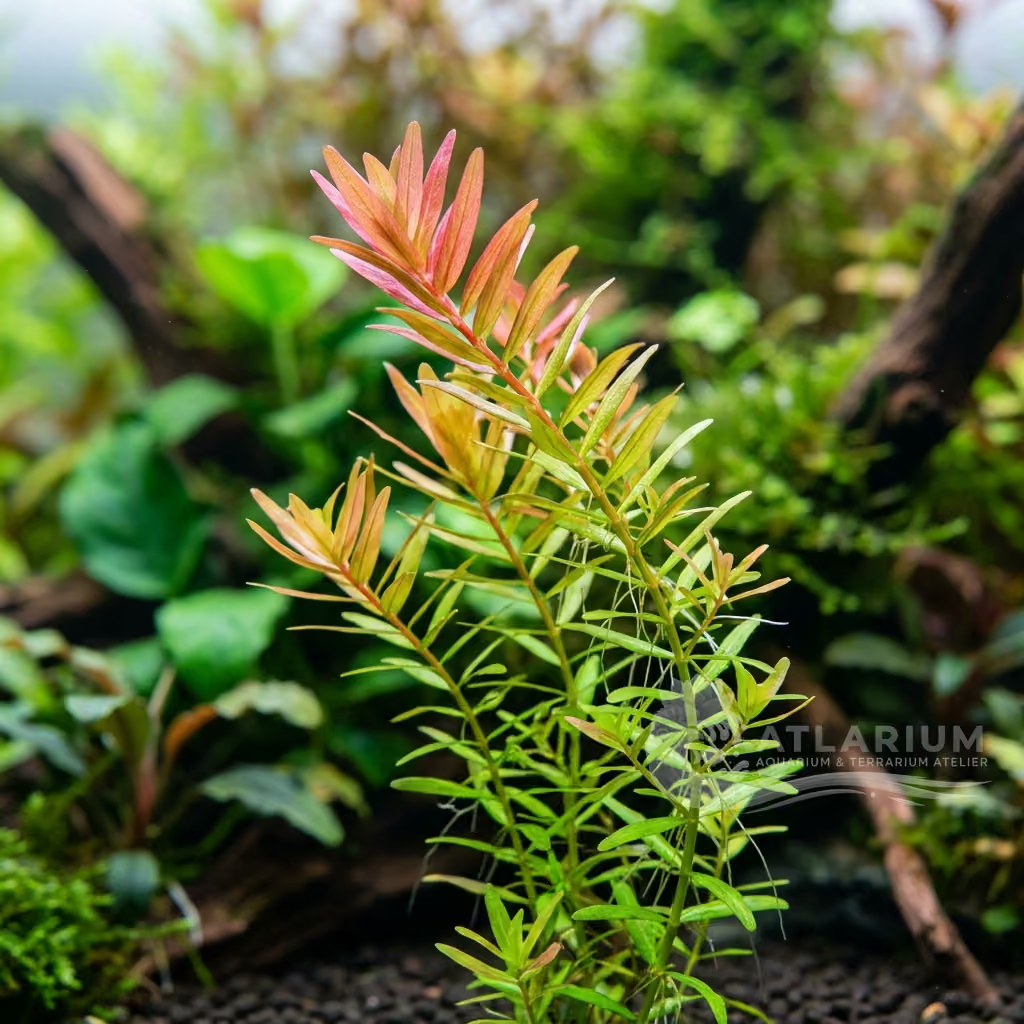
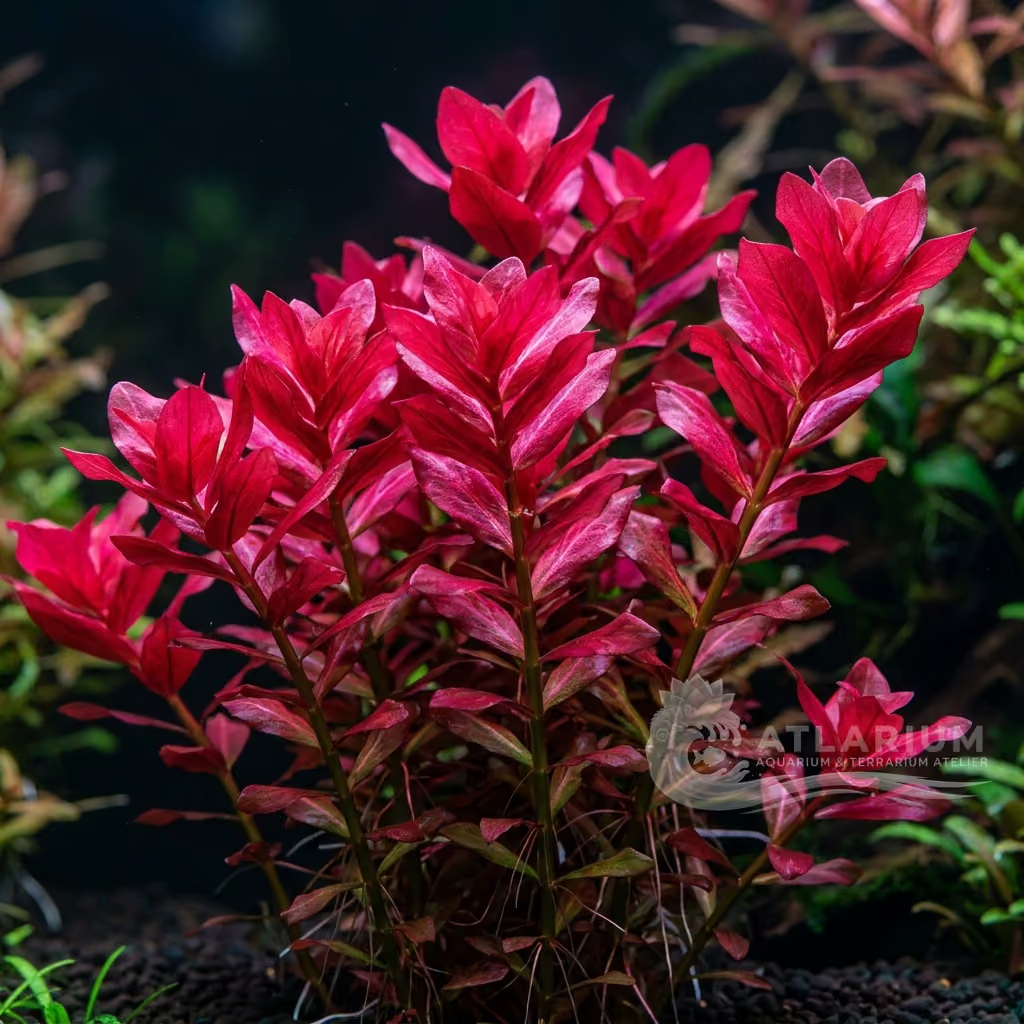
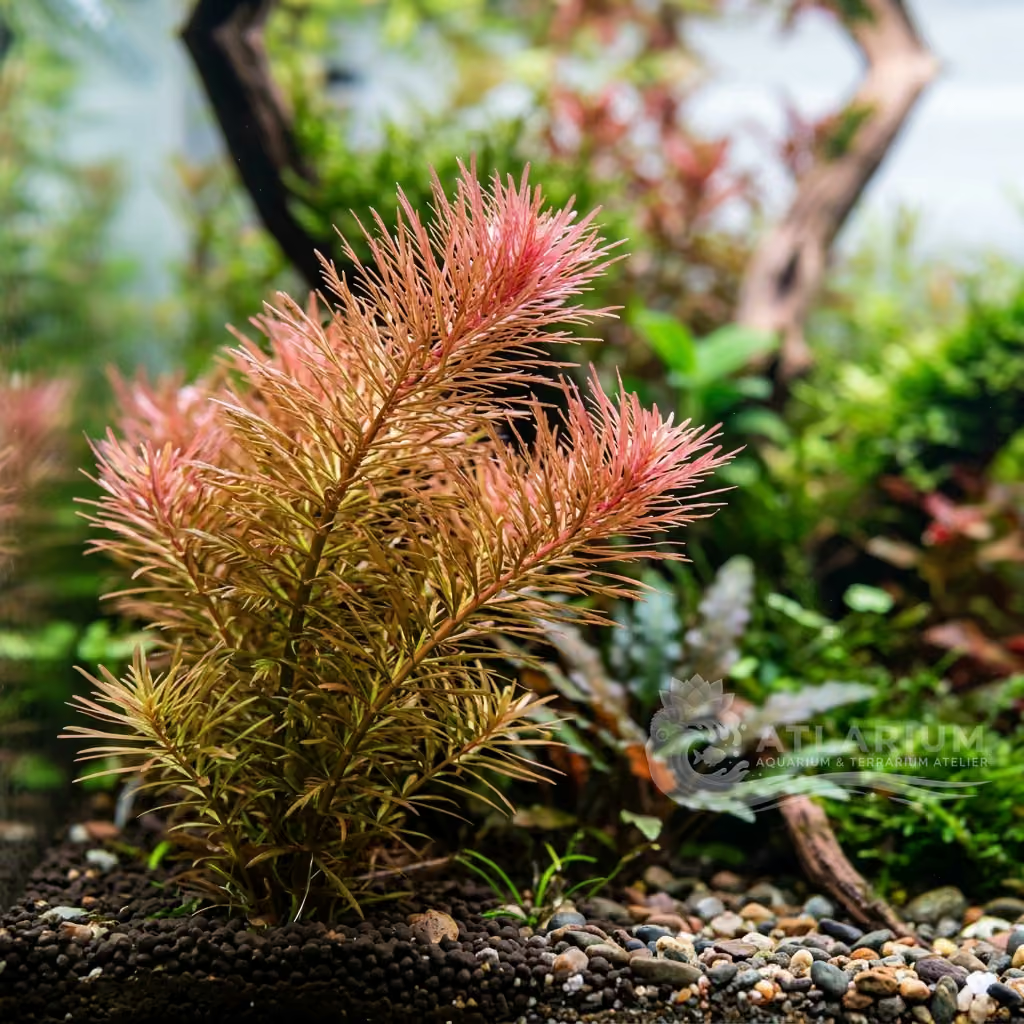
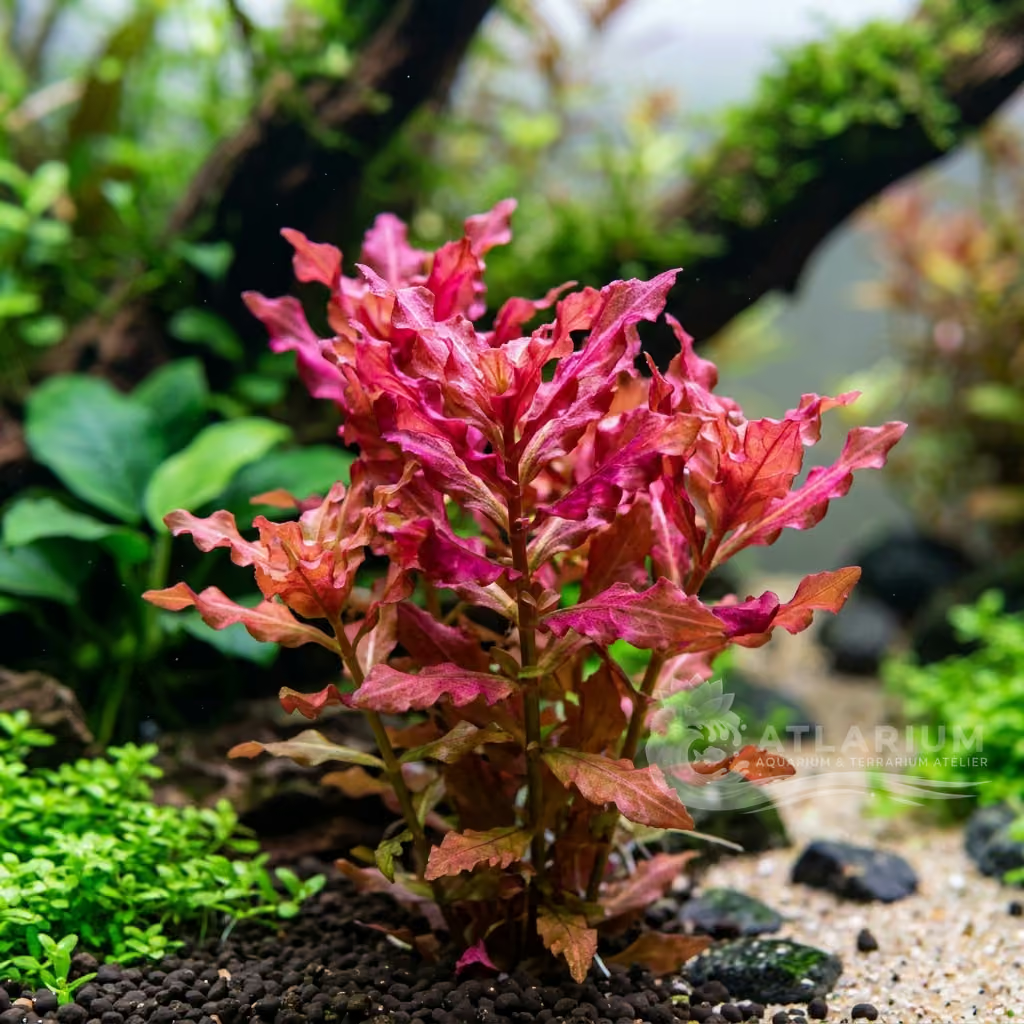
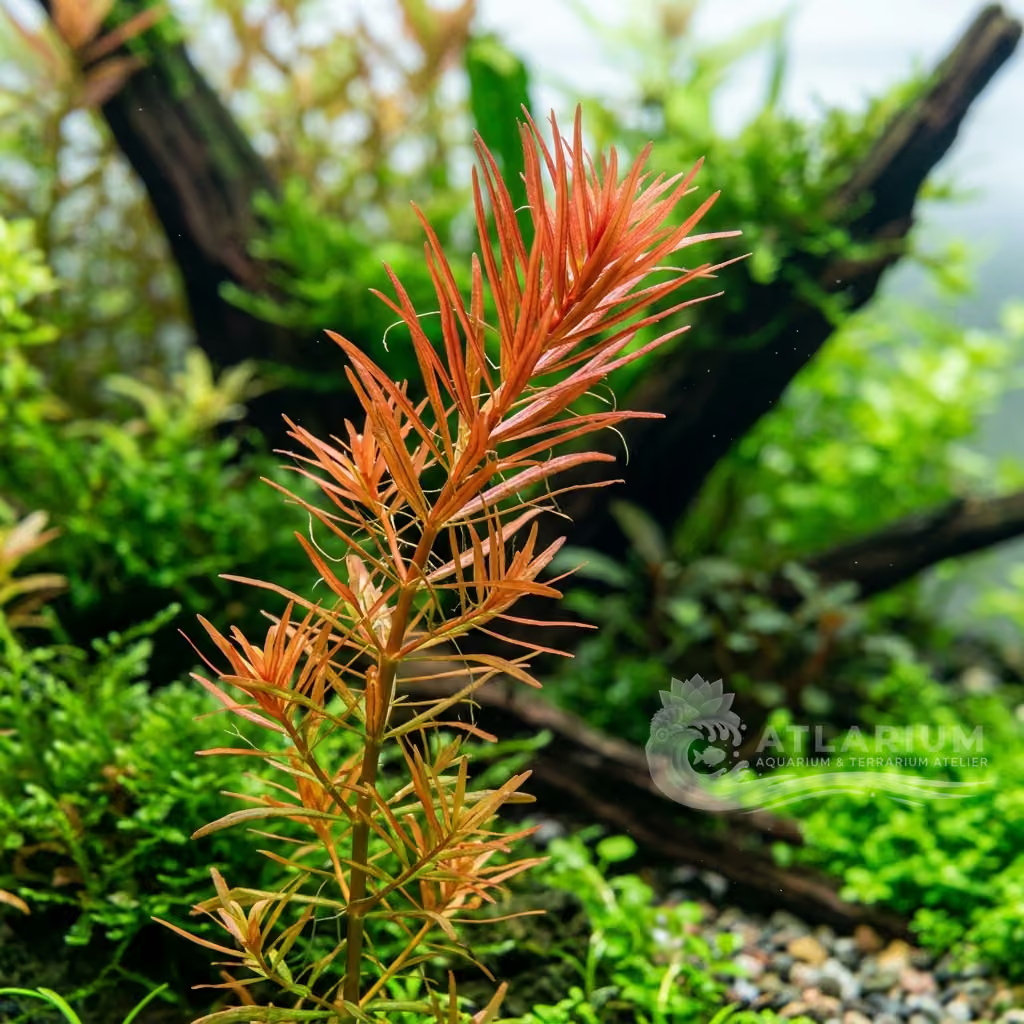
Color & Texture: Under moderate light conditions and with adequate nutrients, Rotala rotundifolia 'Ceylon' displays a bright, lush green hue. However, its true aesthetic potential emerges with intense lighting and proper nutrient management, prompting it to develop vibrant and striking shades of red, pink, and orange. The upper part of the plant, being more exposed to light, will generally be the most colorful, creating a captivating color gradient along the stem. The texture of the leaves is delicate and smooth to the touch, contributing to the elegant and refined appearance of the plant in the aquarium.

Cuidado, criação e companheiros de tanque
Lighting & CO2: To achieve the spectacular red coloration and robust growth of Rotala rotundifolia 'Ceylon', providing medium to high intensity lighting, preferably with a spectrum suitable for aquatic plants, is crucial. Insufficient lighting will lead to elongated stems, more
Space Management & Placement: d-out leaves, and predominantly green coloration. CO2 injection is almost indispensable for promoting rapid growth, vigorous branching, and the intensification of red pigments; without supplementary CO2, growth will be slower and colors less vibrant, making the plant less attractive and more susceptible to health issues.
Nutrition & Substrate:
Water Chemistry: This Rotala variety is remarkably tolerant of a wide range of water parameters, making it suitable for various aquarium setups, with temperatures ranging from 4.0 to 32.0 C, pH between 4.5 and 8.0, and KH from 0.0 to 21.0. Despite this flexibility, stability is key: abrupt changes in parameters can stress the plant, leading to decline. For optimal growth and vivid colors, it is advisable to keep the water clean and well-filtered, with regular water changes to replenish minerals and remove accumulated harmful substances.
Space Management & Placement: Rotala rotundifolia 'Ceylon' is a versatile midground plant, but it can easily serve as a background plant if left untrimmed. To achieve a dense and colorful bush effect, it is advisable to plant it in tight groups, leaving adequate space between individual stems to allow light to penetrate to the base. Although it can also be positioned at the rear, its height and density require careful space management to avoid overshadowing lower plants and maintain the harmony of the layout. Regular
Pruning: Pruning is a crucial aspect of caring for Rotala rotundifolia 'Ceylon' to maintain its desired appearance and overall health. Without regular pruning, the plant will tend to grow excessively tall, shading underlying plants and causing the lower parts of the stems to lose leaves. Trimming the tops of the stems encourages lateral branching, creating a bushier, more compact clump, and keeps the plant within the desired height limits for the midground. The trimmed tops can be easily replanted into the substrate to propagate the plant or to further densify the existing group.
Risks & Diseases: Like many stem plants, Rotala rotundifolia 'Ceylon' can be susceptible to common problems if aquarium conditions are not optimal. A deficiency of nutrients, particularly iron and potassium, can manifest as pale or yellowing leaves and stunted growth. Excessive algae on stems and leaves often indicates an imbalance between light, CO2, and nutrients. Decomposition of lower leaves is a sign of insufficient lighting at the base or a need for pruning. It is important to carefully monitor the plant's growth and color to intervene promptly if signs of stress or disease appear.

Origem e distribuição geográfica
Rotala rotundifolia originates from the marshy regions and slow-moving water bodies of Southeast Asia, including areas like China, Laos, and Vietnam. The 'Ceylon' variant suggests a potential selection or provenance from present-day Sri Lanka, historically known as Ceylon, or a cultivar that embodies the desirable characteristics of plants found in those areas, typically capable of adapting to both submerged and emersed conditions. In its natural habitat, it is frequently found along the banks of rivers and ponds, where its leaves can assume different forms depending on exposure to air or water.
Origem
Sul e Sudeste Asiático

Perfil da planta
- Posicionamento
- Plano intermediário
- This variety is perfect for the midground to background, depending on how aggressively it is trimmed. It has a pronounced tendency to grow horizontally or arch beautifully downwards, making it excellent for softening hardscape edges. Placing it near the flow outlet can accentuate its graceful, swaying appearance in the aquarium.
- Forma botânica
- Caule
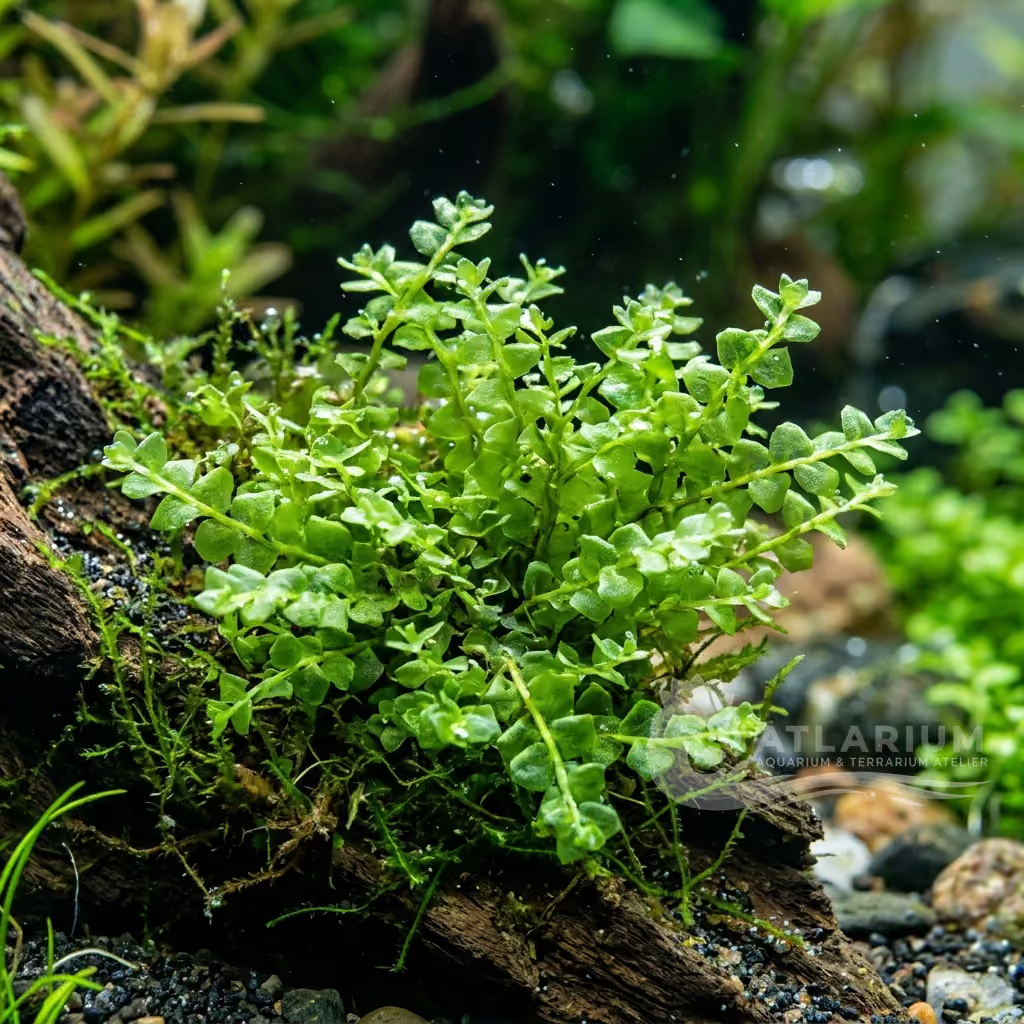
- The 'Ceylon' variant is characterized by thinner, slightly more delicate green leaves compared to standard rotundifolia. The stems are highly flexible, resulting in a distinctly weeping or arching growth habit rather than growing strictly upright. Under very strong light, the tips of the shoots can develop a subtle, attractive pinkish hue.
- Crescimento
- Rápida
- It shares the rapid growth rate of the standard rotundifolia, quickly filling in empty spaces in the aquascape. Its growth is slightly more sprawling, often sending horizontal runners before reaching for the surface. This fast growth means it requires regular maintenance to keep it from overshadowing smaller, slower-growing plants nearby.
- Substrato
- Baixa
- Rotala rotundifolia 'Ceylon' requires very little from its substrate, growing excellently in inert materials like sand and gravel as long as basic liquid fertilizers are provided. Its fine, adaptable roots function mostly to secure the slender stems against flow, extracting whatever nutrients are available in the lower levels. A layer of 3 to 4 centimeters of soft substrate creates the perfect foundation for propagating this forgiving and elegant plant.
- Fertilização de coluna
- Recomendada
- Liquid fertilization is the most effective way to feed this plant, as its numerous fine leaves absorb nutrients efficiently from the water. A weekly or bi-weekly dose of a comprehensive fertilizer is usually sufficient in low-tech setups, while high-tech tanks require daily dosing. CO2 injection enhances its growth rate and encourages tighter, more compact internodes.
- Fertilização radicular
- Nenhuma
- Planting it in a decent substrate provides a good baseline of nutrients, though it is not strictly necessary for survival. It will develop a healthy root system in active aquasoil, which aids in stability after aggressive pruning sessions. Root tabs are generally not required unless the substrate is entirely inert or depleted.
- Corte
- Regular
- Trimming is essential to manage its sprawling habit and encourage the formation of dense, weeping bushes. It tolerates hard pruning very well; cutting it low will result in a multitude of new side shoots emerging from the stumps. Shaping it into rounded contours complements its natural tendency to arch gracefully.
- Propagação
- Estacas
- Propagating 'Ceylon' is as simple as cutting healthy stems and replanting them into the substrate. Because it naturally grows horizontally, you can also easily train side shoots to creep along the bottom. Cuttings take root very quickly, often within a couple of days, and immediately begin producing new growth.
- Sensibilidade
- Moderada
- Rotala 'Ceylon' is an incredibly robust plant that adapts easily to various water parameters and lighting conditions. It is highly resistant to melting and can tolerate minor fluctuations in temperature and water chemistry. However, dense bushes must be thinned occasionally to ensure water flow and light reach the lower stems, preventing rot.
- Função de layout
- Plano intermediário, Fundo
- Its loose, arching growth habit makes it an incredibly valuable plant for creating a natural, slightly wild look in Nature Aquariums. It is often used to spill over rocks or driftwood, creating a soft, cascading visual effect. The contrast between its bright green base and subtle pink tips adds a beautiful nuance to background plant groupings.

Espécies relacionadas
Recomendações agrupadas por parentes próximos, escolhas de acompanhantes e cuidados semelhantes.