Gratiola officinalis
Gratiola officinalis
Vigorous European bog plant that forms dense, vertical bright green thickets when submerged. Demands intense light, CO2, and nutrient-rich soil.
Temperatura da água
15 - 24 °C
Valor de pH
6 - 7.5
Tipo de água
Água doce
Luz
Média
CO2
Baixa
Altura esperada
30 cm
Largura esperada
15 cm
GH
4 - 20 dGH
KH
2 - 15 dKH

Descrição da espécie
Geographical Origin and Habitat: Endemic to a massive geographical range stretching across Europe and Northern Asia. Gratiola officinalis (Common Hedgehyssop) is a highly adaptable, true amphibious bog plant. It naturally colonizes the shallow, sun-drenched, muddy margins of slow-moving rivers, marshes, and temporary wet meadows. It is a wildly aggressive, deeply rooted survivor perfectly evolved to exploit seasonal flooding by rapidly transitioning from terrestrial creeping growth to dense, vertical submerged thickets.
Taxonomy & Genetics: Scientifically classified within the Plantaginaceae family, Gratiola officinalis is a globally recognized native European wetland species with a long history in traditional herbal medicine (though it is highly toxic). Taxonomically, it is characterized by its opposite leaves and creeping rhizome. Genetically, it is completely hard-wired for extreme vegetative propagation and rapid aquatic adaptation. Its DNA forces the production of distinctively different leaf forms depending on whether it is grown emerged or submerged.
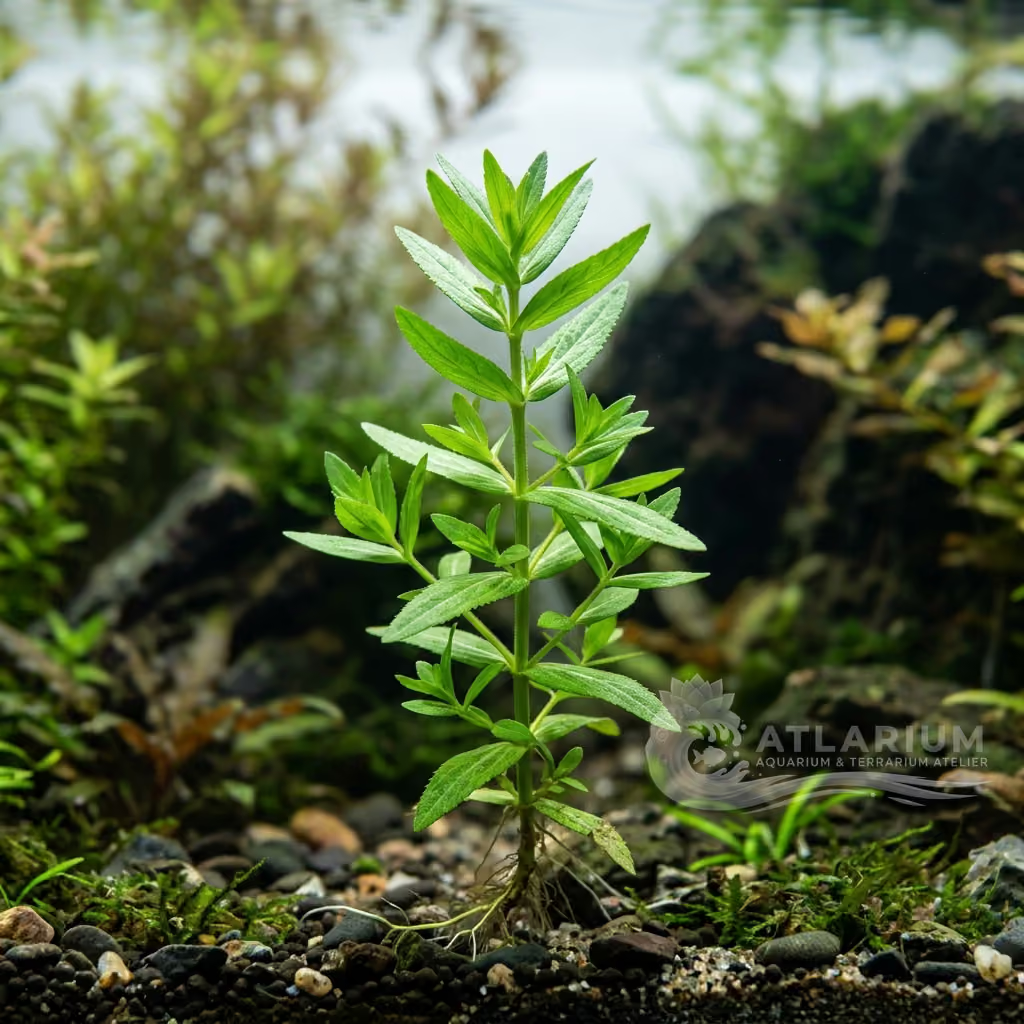
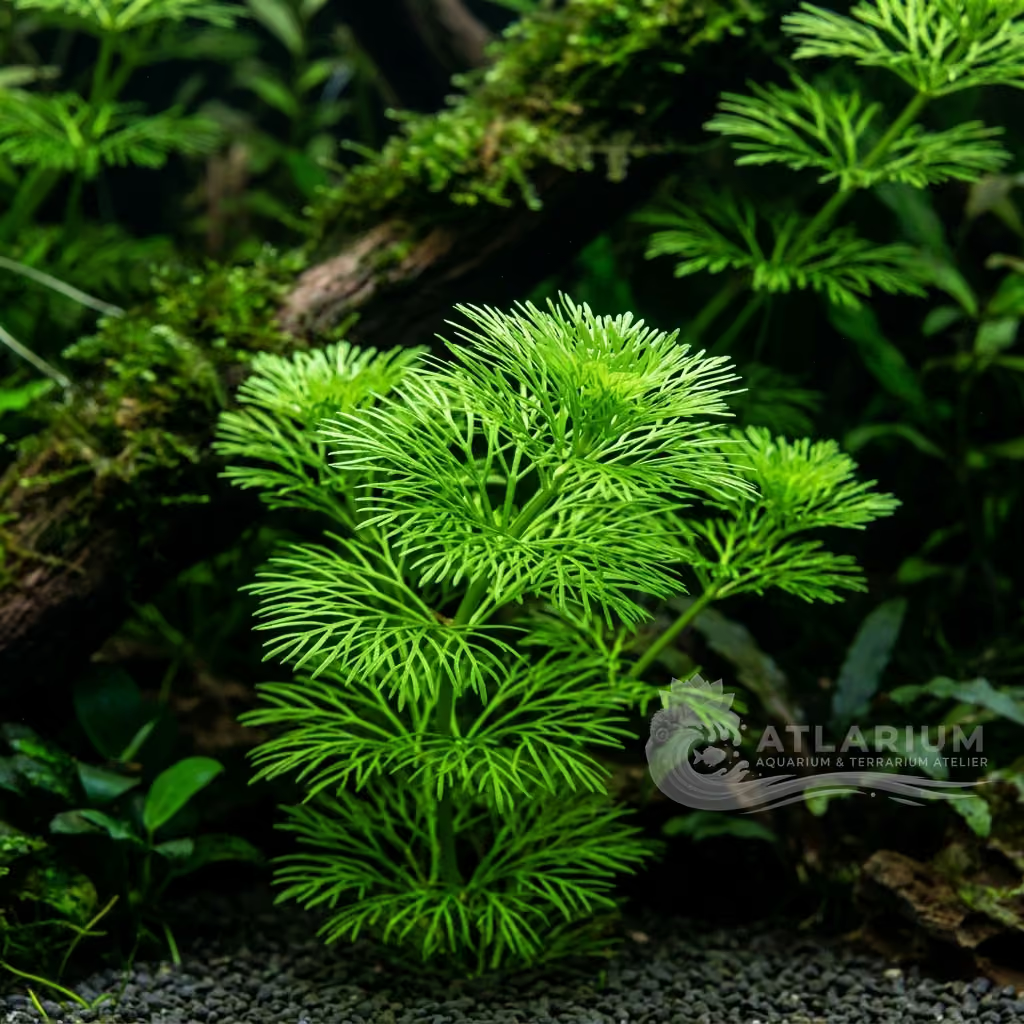
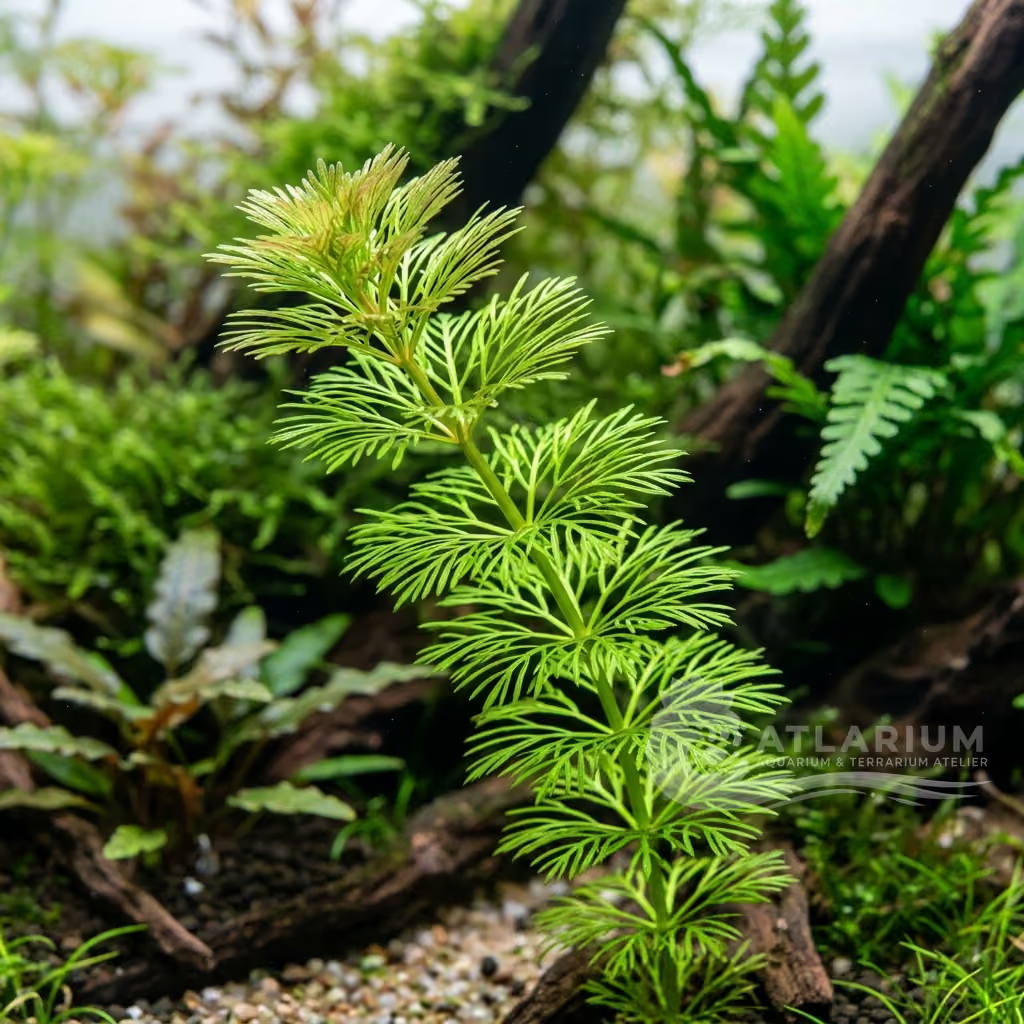
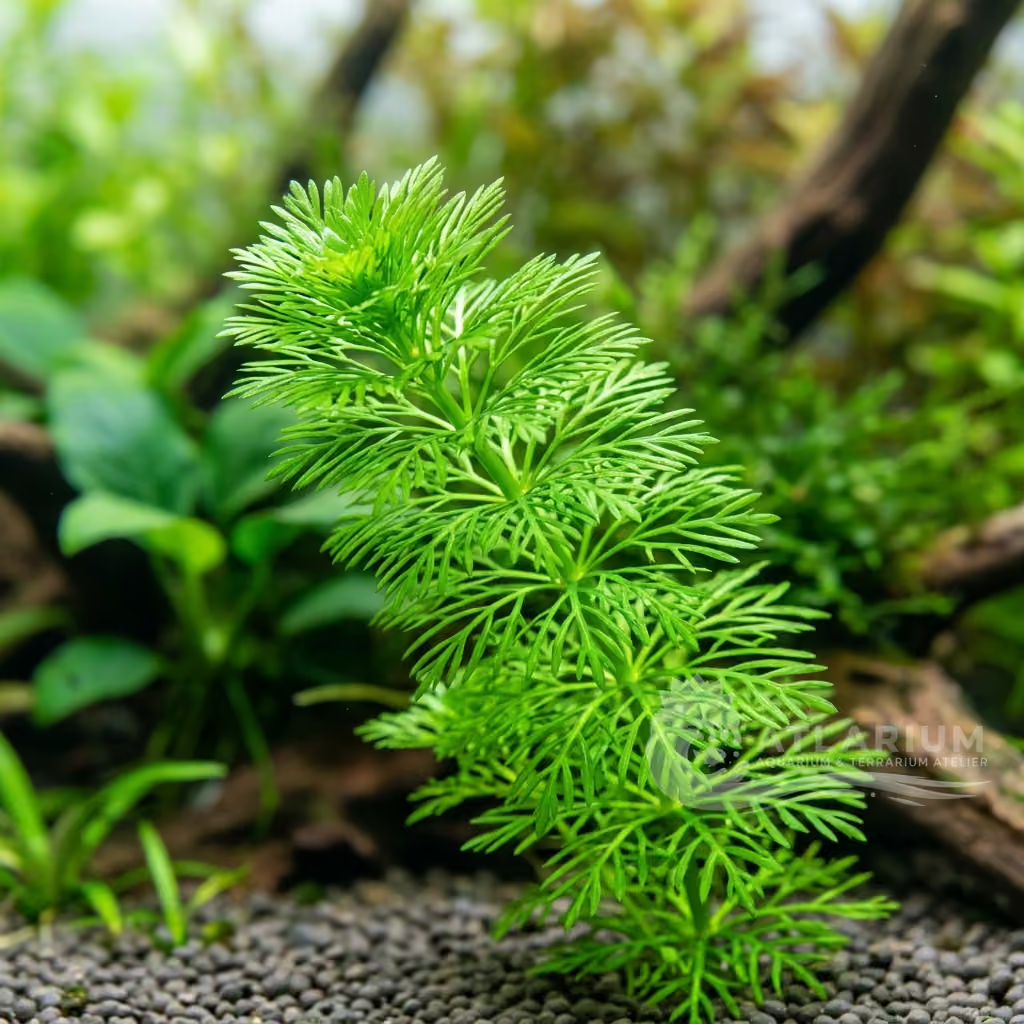
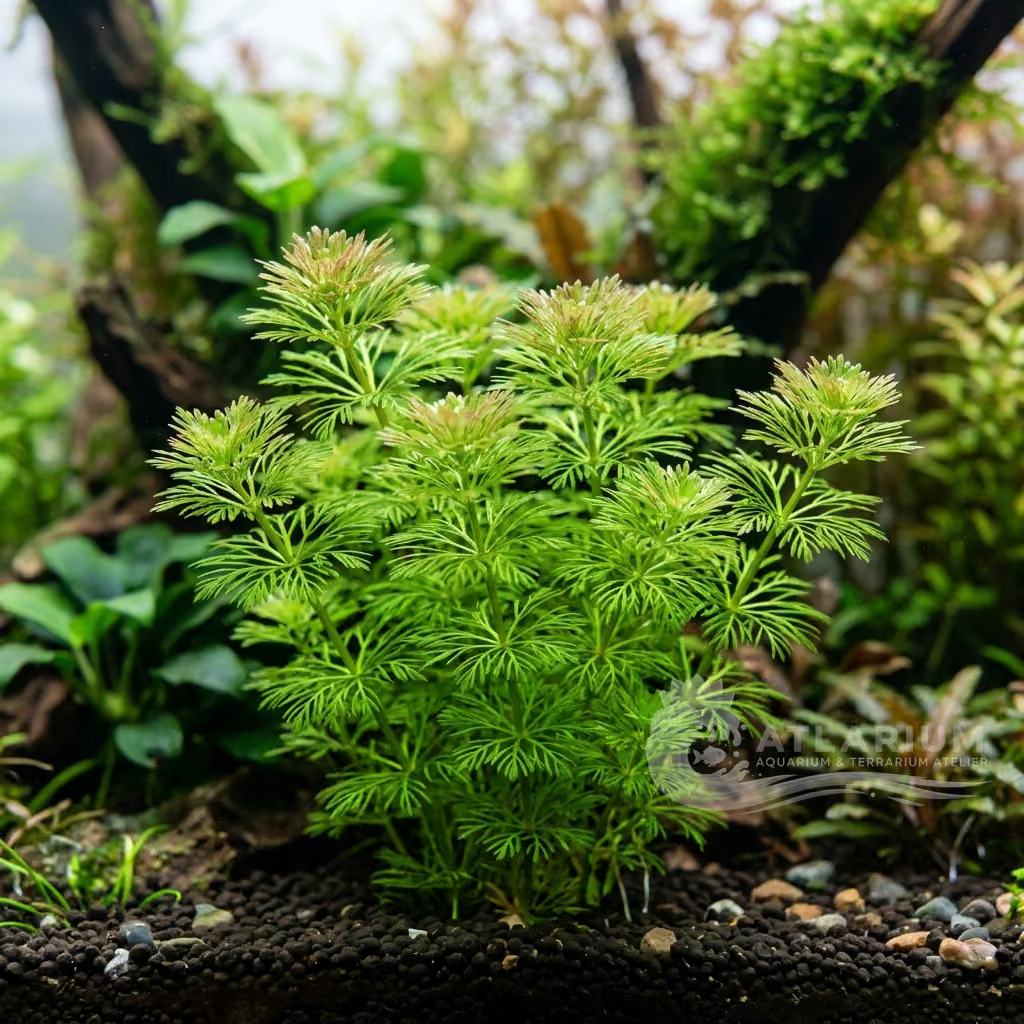
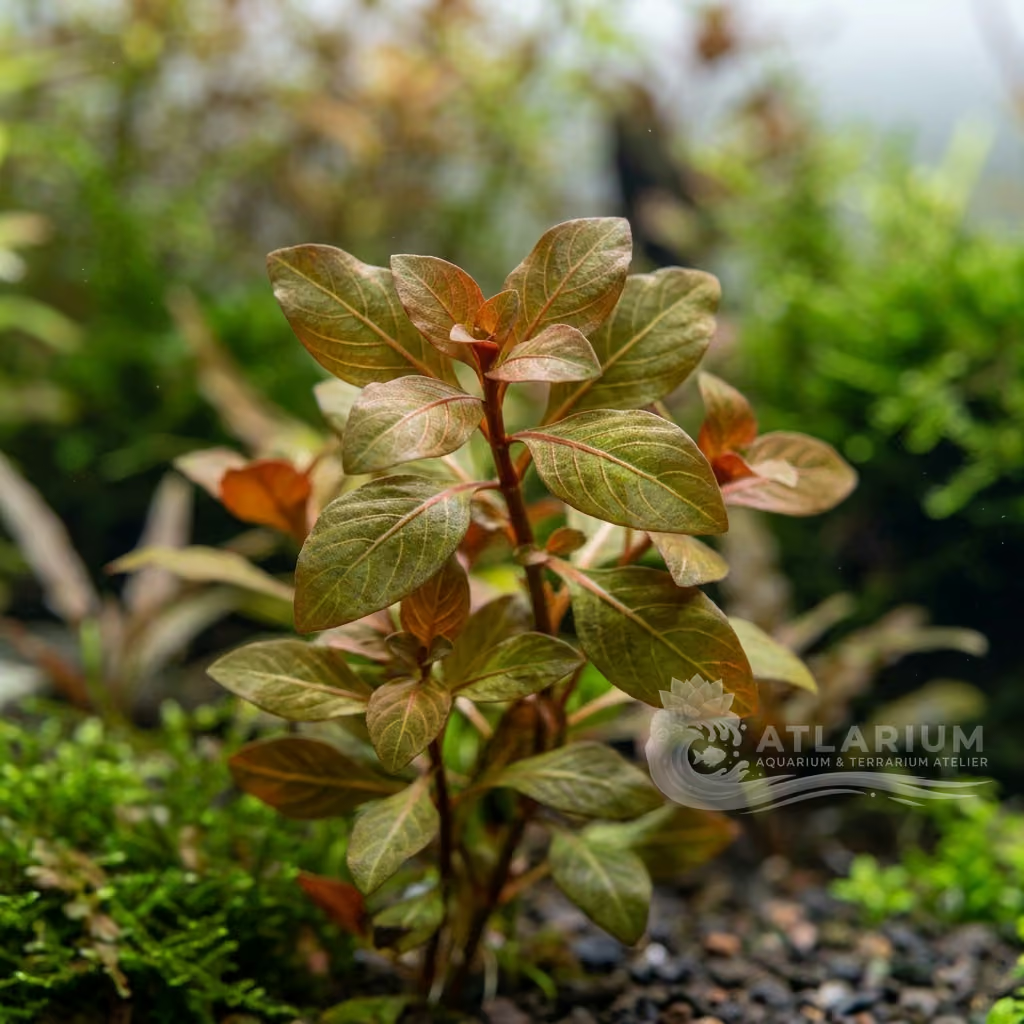
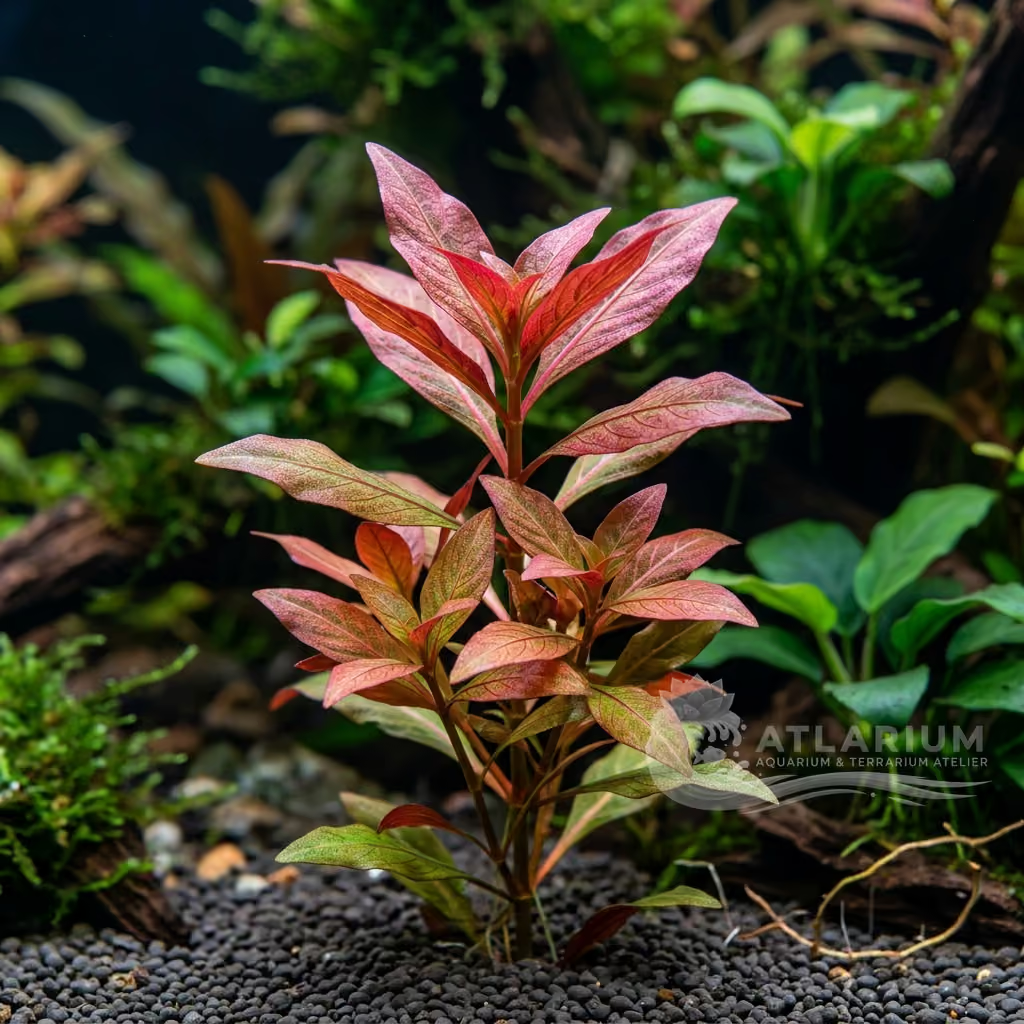
Physical Structure: The architectural structure of G. officinalis is intensely dense, heavily branched, and strictly vertical when submerged. It is a massive, highly flexible stem plant. The foundation is a creeping, subterranean rhizome that deploys an aggressive white root system to anchor itself in the mud. Submerged stems erupt vertically from this rhizome. The leaves are arranged oppositely directly on the main stems. The foliage is strictly lanceolate to narrowly elliptic, small (2-4 cm), with distinctly serrated (toothed) margins.
Color & Texture: The coloration is distinctly pure, intensely solid, and visually calming. Grown submerged under intense lighting, the dense thickets of vertical stems and opposite leaves are a solid, glowing bright apple-green to a translucent grassy-green. Because it completely lacks any genetic mechanism for red anthocyanin pigments, it remains an intensely bright pure green even under blasting high-intensity light. The texture is distinctly crisp, highly flexible, and beautifully smooth, giving the dense bush a feathery appearance.

Cuidado, criação e companheiros de tanque
Lighting & CO2: It is a highly demanding, energy-hungry stem plant when kept submerged. While it will technically survive in medium-light aquariums, its spectacular dense growth will completely fail; the lower leaves will rot and fall off, and the stems will stretch straight upward, becoming bare and ugly. To force the violent branching and tight internodes necessary for a plush, dense bush, blasting, high-intensity LED lighting is absolutely mandatory. Pressurized CO2 drastically accelerates its growth and density.
Nutrition & Substrate: As a highly vigorous, amphibious bog plant, G. officinalis is a terrifyingly aggressive root feeder that also heavily absorbs nutrients from the water column. Its creeping rhizome system strictly demands a very deep, heavily nutrient-dense substrate. It absolutely demands premium aquasoil heavily enriched with iron and macro-nutrients. It will fail to thrive in plain gravel. If starved of root or water-column nutrients, the delicate green stems will quickly turn yellow, become brittle, and dissolve.
Water Chemistry: Originating from temperate Europe and Asia, it is practically invincible regarding standard water parameters, with one massive exception: it drastically prefers cooler water. It thrives effortlessly in unheated or cold-water aquariums (10-22°C), making it a spectacular choice for native biotopes. While it will tolerate mildly heated tanks (up to 25°C), high tropical heat will cause it to melt. It is exceptionally adaptable to pH (6.0 - 8.0) and thrives in hard alkaline water. It prefers slow to moderate water flow.
Space Management & Placement: Due to its rapid vertical growth and dense branching nature, Gratiola officinalis is strictly a dominant midground to background plant for aquariums. It MUST be planted in massive, dense bunches (creating a "street" or bush effect). Because it grows as a towering, heavily branching forest from a creeping rhizome, it will rapidly form a breathtaking, impenetrable green wall. It is exceptionally useful for Dutch-style aquascaping to create highly disciplined, pure green architectural blocks.
Pruning: Pruning is a constant, brutal, and necessary weekly procedure if you wish to control its massive spread and maintain bush density. Never pull the rooted base out; it will disturb the substrate and break the creeping rhizome. To prune, you must aggressively "top" the flexible stems anywhere along their length. The lower cut portion will violently branch out from the nodes. You can immediately replant the cut tops into the substrate to rapidly propagate the dense forest.
Risks & Diseases: The absolute greatest threat to this plant is tropical heat (26°C+), which will cause the entire plant to literally melt and turn to mush. Because its growth rate is so violently fast, it will rapidly strip the water column of all available nutrients. The moment it runs out of food, the green stems will become brittle, turn yellow, and dissolve into massive amounts of organic waste. The third major risk is severe self-shading; if the canopy gets too thick, the bases of the stems will completely rot away.

Origem e distribuição geográfica
Endemic to a massive geographical range stretching across Europe and Northern Asia. Gratiola officinalis (Common Hedgehyssop) is a highly adaptable, true amphibious bog plant. It naturally colonizes the shallow, sun-drenched, muddy margins of slow-moving rivers, marshes, and temporary wet meadows. It is a wildly aggressive, deeply rooted survivor perfectly evolved to exploit seasonal flooding by rapidly transitioning from terrestrial creeping growth to dense, vertical submerged thickets.
Origem
Europa, Mediterrâneo e Ásia OcidentalLeste Asiático

Perfil da planta
- Posicionamento
- Plano intermediário
- Best suited for the midground or background of the aquarium, depending on the tank's height. Plant stems in small groups to create a dense, bushy appearance. Ensure it is not shaded by larger, broader-leaved plants.
- Forma botânica
- Caule
- An upright stem plant with pairs of oppositely arranged, lanceolate leaves. The leaves are typically a bright, fresh green color and have slightly serrated edges. Its stems are relatively sturdy compared to other delicate aquatic plants.
- Crescimento
- Lenta
- Grows at a moderate to fast pace when provided with strong lighting and CO2 injection. Without CO2, its growth is significantly slower but manageable. Frequent trimming encourages lateral shoots and a denser bush.
- Substrato
- Alta
- Gratiola officinalis benefits significantly from a nutrient-rich aquasoil to support its strong vertical growth and robust root system. A substrate depth of at least 5 centimeters provides the necessary space for its thick root base to securely anchor the thick stems against water currents. While it can absorb some nutrients via its leaves, a fertile bottom layer promotes faster establishment and prevents premature lower leaf degradation.
- Fertilização de coluna
- Recomendada
- Readily absorbs nutrients through its leaves, making water column dosing effective. Regular dosing of a comprehensive liquid fertilizer ensures robust growth. Potassium and iron are particularly important for maintaining leaf health and color.
- Fertilização radicular
- Nenhuma
- Benefits from a nutrient-rich substrate, as it develops a healthy root system. Root tabs can provide a long-term nutrient source, especially in inert gravel or sand. A rich base encourages thicker stems and larger leaves.
- Corte
- Ocasional
- Trim the tops of the stems to maintain the desired height and encourage branching. The bottom portions will sprout new side shoots if healthy. Discard the lower stems if they become bare and replant the top cuttings instead.
- Propagação
- Estacas
- Easily propagated by taking stem cuttings and replanting them into the substrate. Cut below a leaf node and strip the lowest leaves before planting. Side shoots that develop after trimming can also be detached and planted.
- Sensibilidade
- Moderada
- Can be sensitive to sudden changes in water parameters, leading to temporary stunted growth. It requires clean water; high organics can lead to algae growth on its leaves. Adequate flow is needed to keep the leaves free of debris.
- Função de layout
- Plano intermediário, Fundo
- Used to create bright green vertical accents or dense bushes in the midground to background. Its distinct leaf shape provides excellent textural contrast against finer or broader leaves. It fits well in Dutch-style and nature aquariums.

Galeria de imagens
Imagens licenciadas vinculadas à espécie ou, quando marcadas, ao táxon representativo mais próximo.

Espécies relacionadas
Recomendações agrupadas por parentes próximos, escolhas de acompanhantes e cuidados semelhantes.