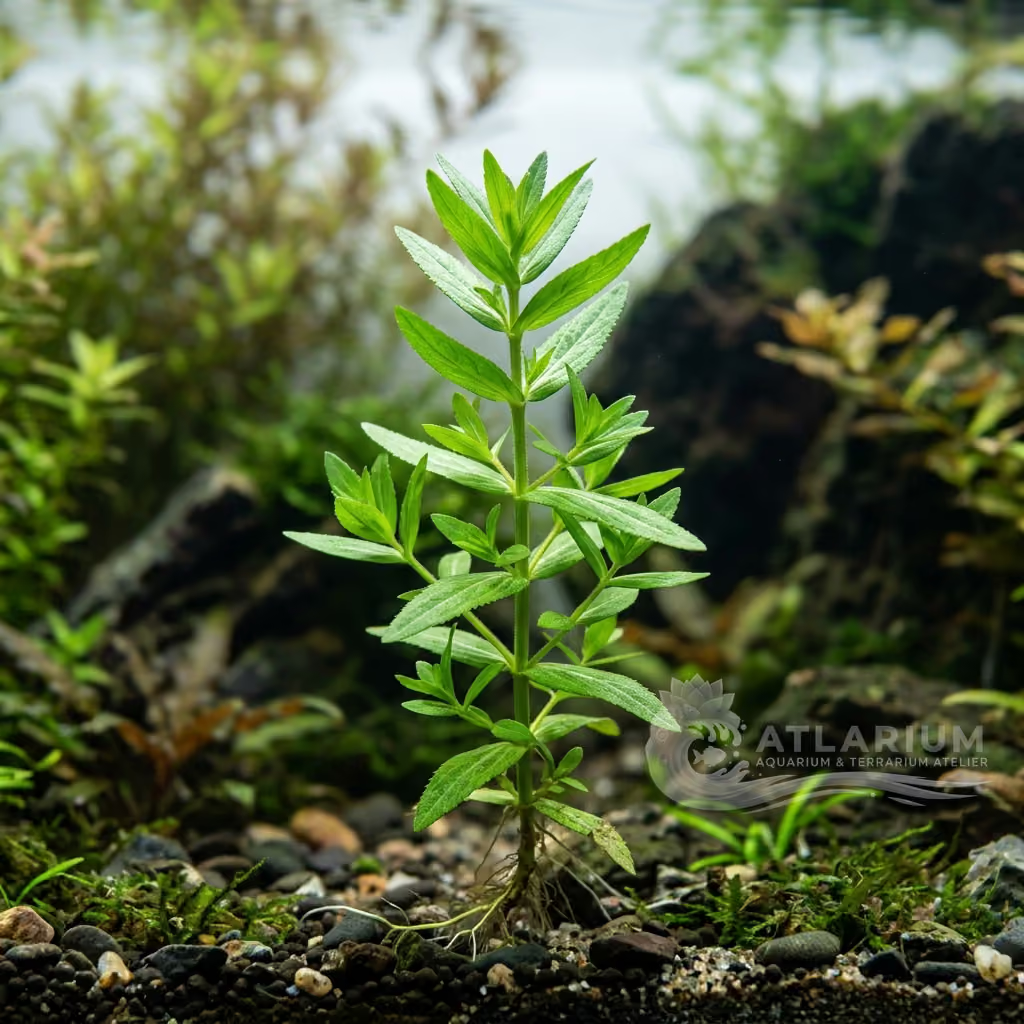
Aromatic Limnophila
Limnophila aromatica
A beautiful Asian stem plant with serrated leaves that can flush bright purple or red. It demands high-intensity lighting, a rich substrate, and CO2 dosing to maintain its compact shape and colors.
Temperatura da água
22 - 28 °C
Valor de pH
5.5 - 7.5
Tipo de água
Água doce
Luz
Alta
CO2
Média
Altura esperada
40 cm
Largura esperada
15 cm
GH
3 - 10 dGH
KH
2 - 15 dKH

Descrição da espécie
Geographical Origin and Habitat: Limnophila aromatica is native to the wetlands, flooded fields, and slow-moving streams of South and East Asia, including Vietnam, Taiwan, and southern China. It grows as an emergent or submersed plant in muddy, waterlogged soils.
Taxonomy & Genetics: Belongs to the family Plantaginaceae. In Southeast Asian cuisine, particularly in Vietnam, it is known as 'ngo om' and is used as a culinary herb due to its aromatic, citrus-like flavor and scent profile.
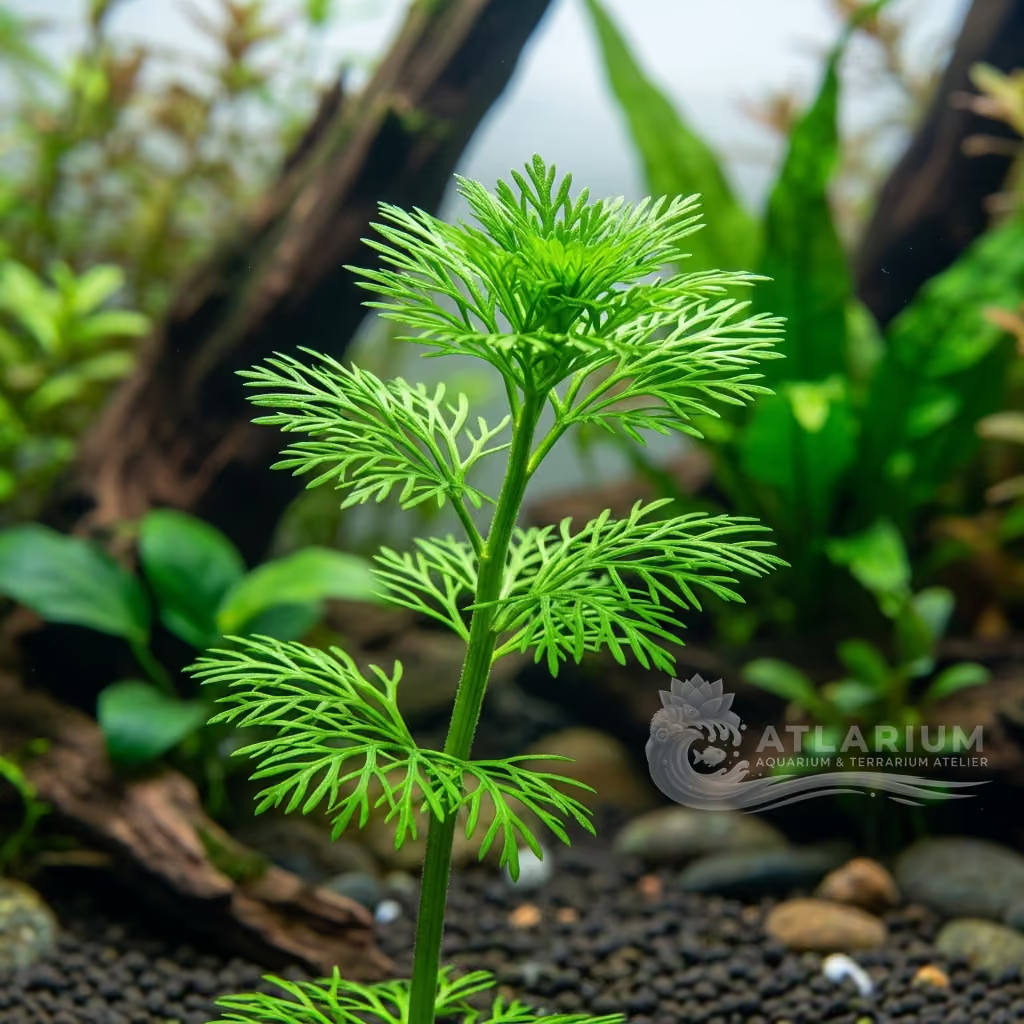
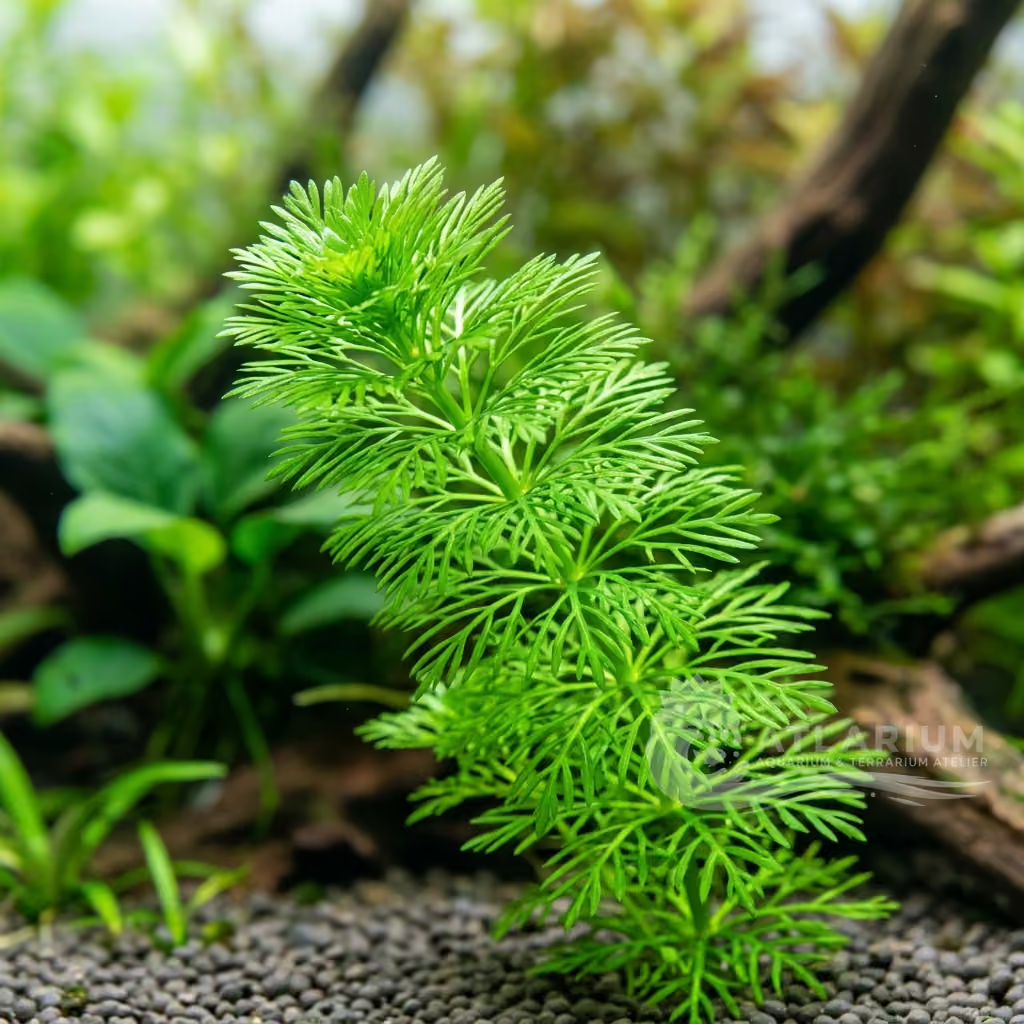
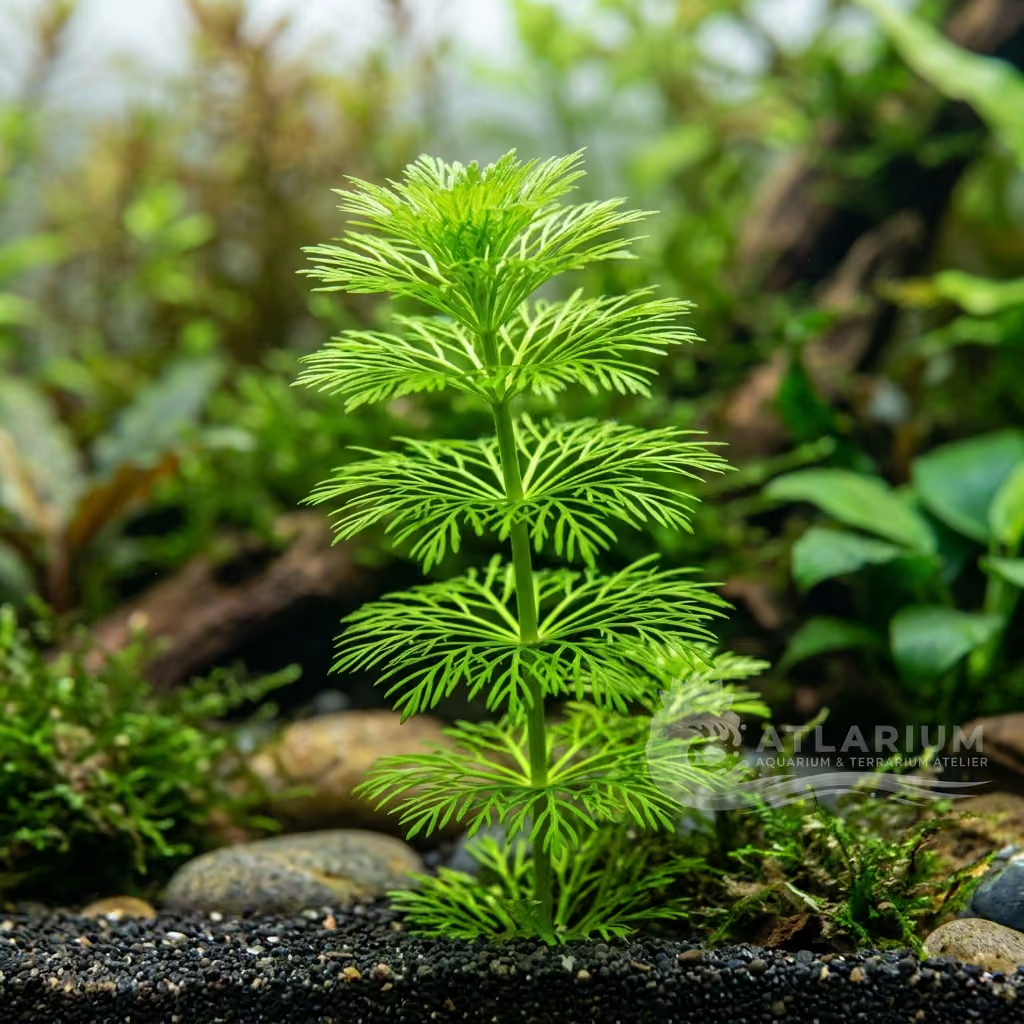
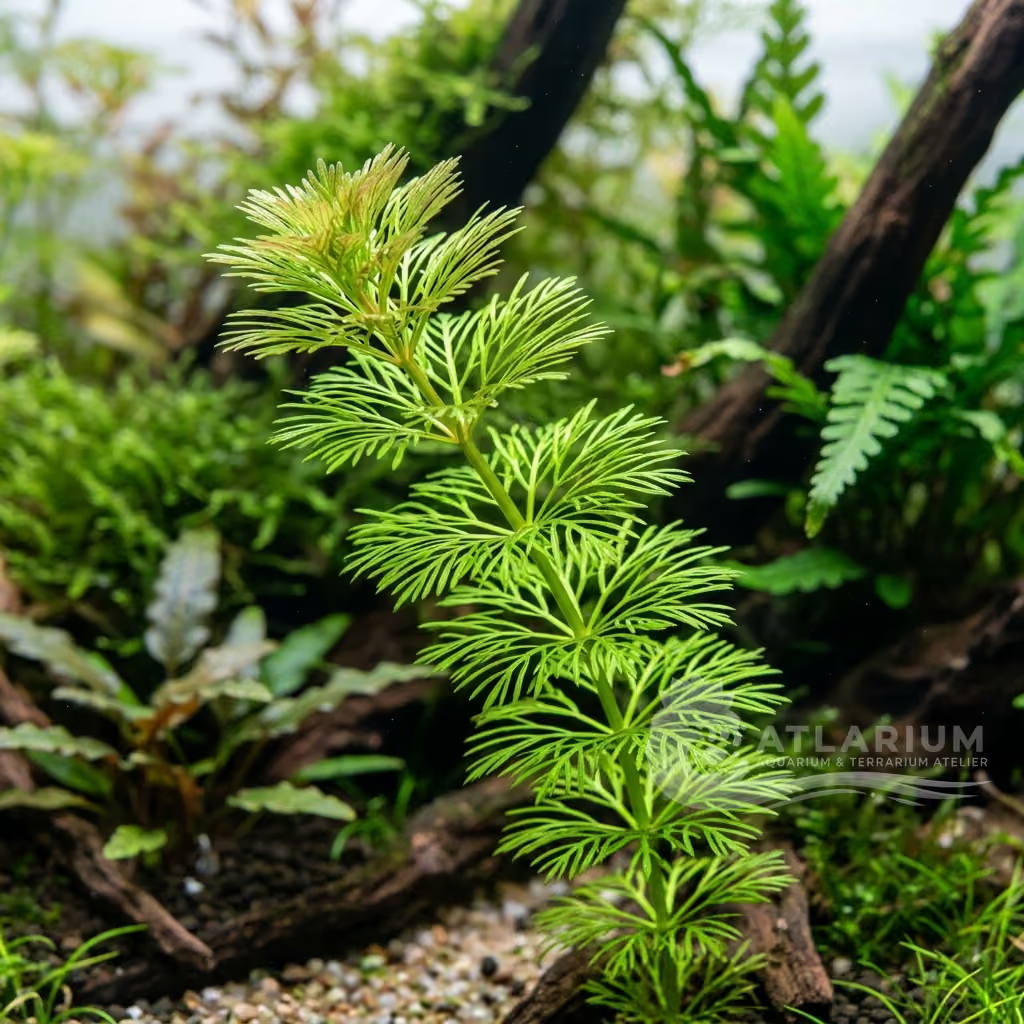
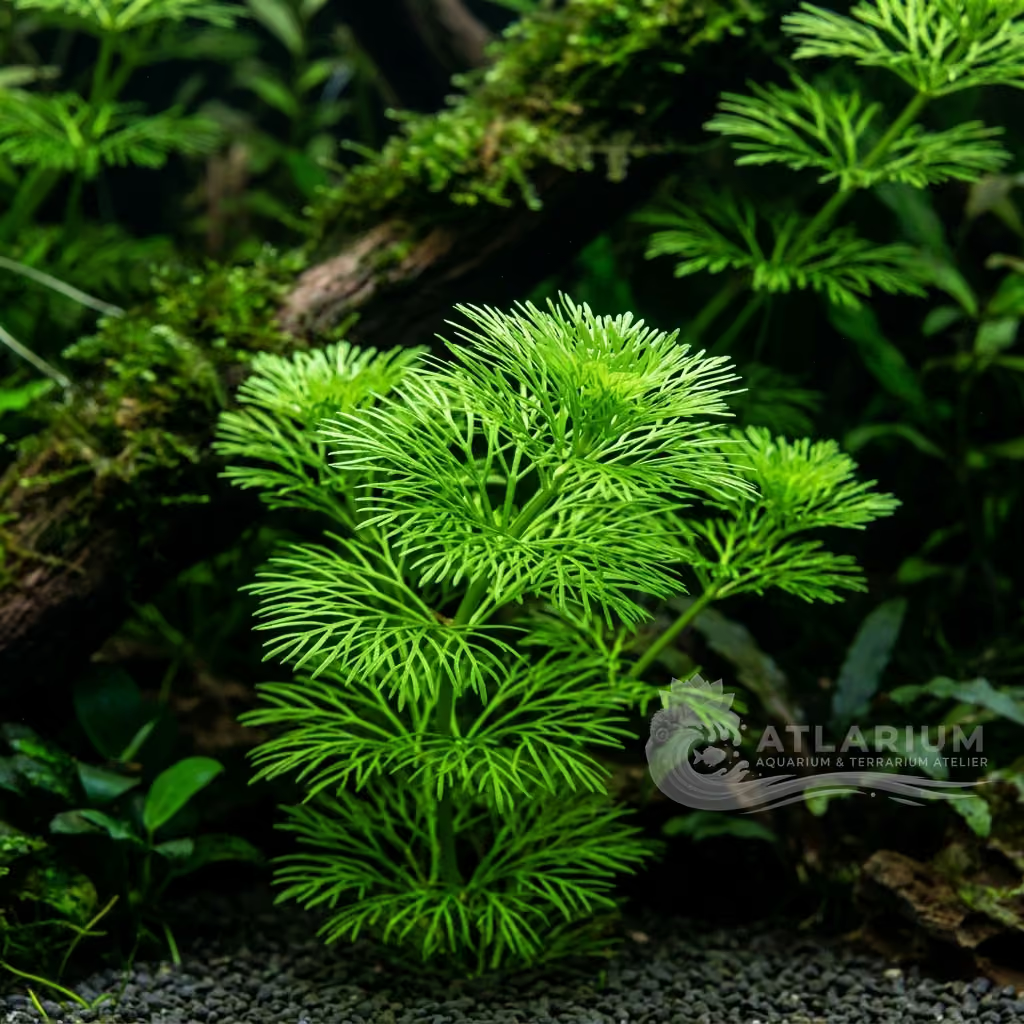
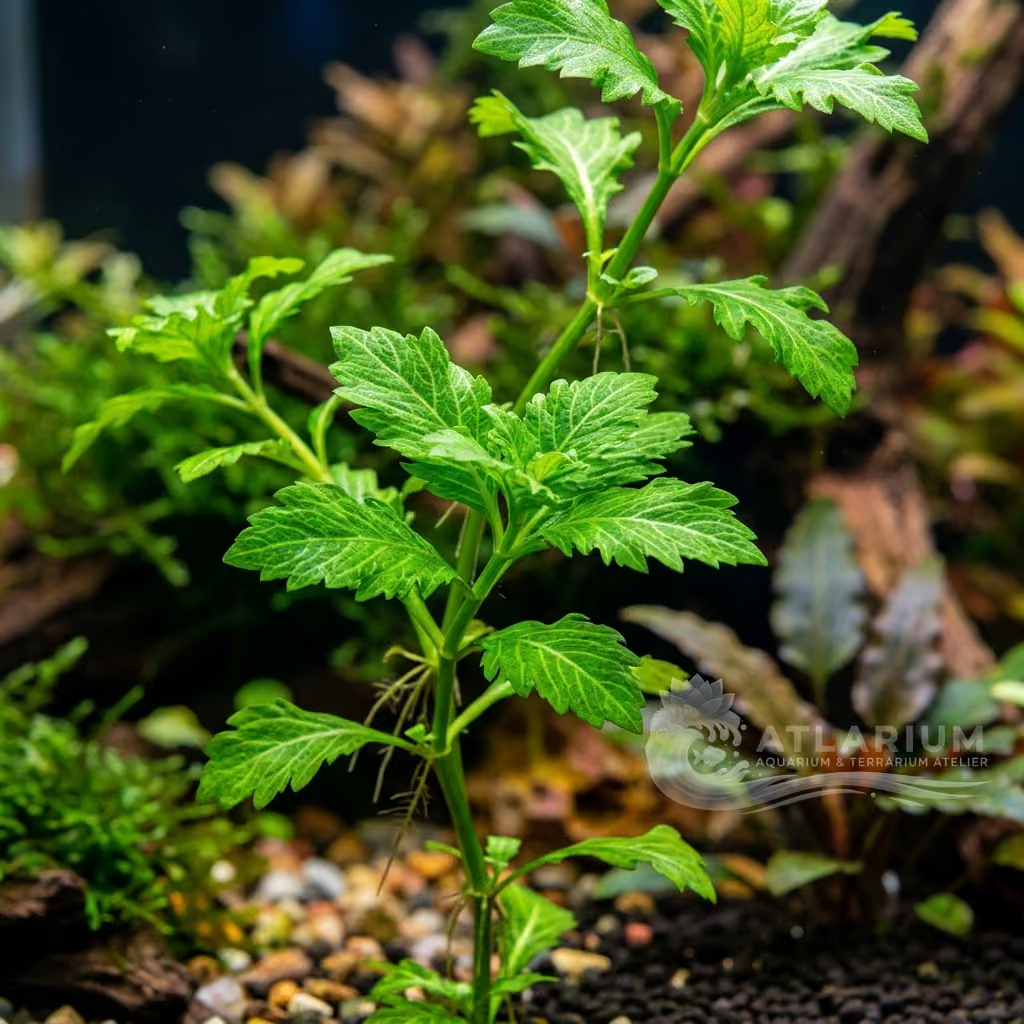
Physical Structure: A stem plant that grows up to 12-20 inches (30-50 cm) tall. The leaves are arranged in whorls of three or four along the sturdy stem, displaying a lanceolate shape with finely serrated margins.
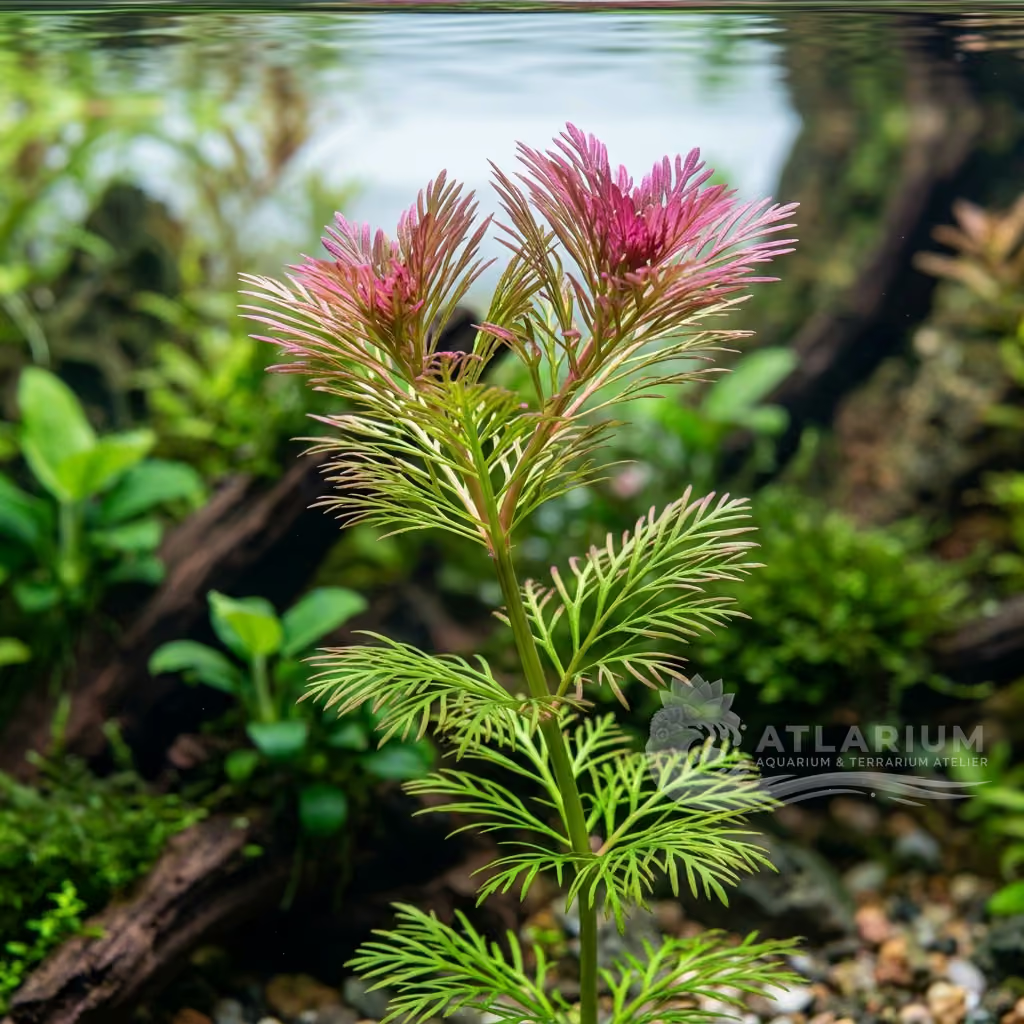
Color & Texture: Under low light, the plant remains light green. With strong light and high iron levels, the upper leaves turn a stunning reddish-pink to deep purple, while the undersides of the leaves exhibit a vibrant violet hue.

Cuidado, criação e companheiros de tanque
Lighting & CO2: Requires high-intensity lighting and stable carbon dioxide (CO2) injection. Without sufficient light and CO2, the stems will grow leggy, the distance between leaf nodes will increase, and the colorful pigmentation will fade to green.
Nutrition & Substrate: Demands a nutrient-rich substrate containing clay or soil. It is a heavy root feeder, requiring high levels of iron, potassium, and micronutrients. Liquid dosing in the water column is also highly recommended to prevent nutrient deficiencies.
Water Chemistry: Prefers soft, slightly acidic water. Keep pH between 5.5 and 7.5, general hardness (GH) at 3-10, and water temperatures stable at 22-28°C (72-82°F). High water quality and low organic waste are beneficial.
Space Management & Placement: Best suited for background or midground placement. Plant individual stems at least 1-2 inches apart to ensure that light reaches the lower leaves, preventing them from shedding due to shading.
Pruning: Trim the top parts of the stems using sharp scissors and replant the cuttings into the substrate. This encourages lateral shoots to sprout, resulting in a denser and more attractive bush-like appearance over time.
Risks & Diseases: Vulnerable to leaf melt and stem rot if there is a sudden drop in nutrients or CO2. Stems can become brittle and break easily if potassium or iron levels are insufficient, leading to stunted growth.

Origem e distribuição geográfica
Limnophila aromatica is native to the wetlands, flooded fields, and slow-moving streams of South and East Asia, including Vietnam, Taiwan, and southern China. It grows as an emergent or submersed plant in muddy, waterlogged soils.
Origem
Sul e Sudeste AsiáticoLeste Asiático

Perfil da planta
- Posicionamento
- Fundo
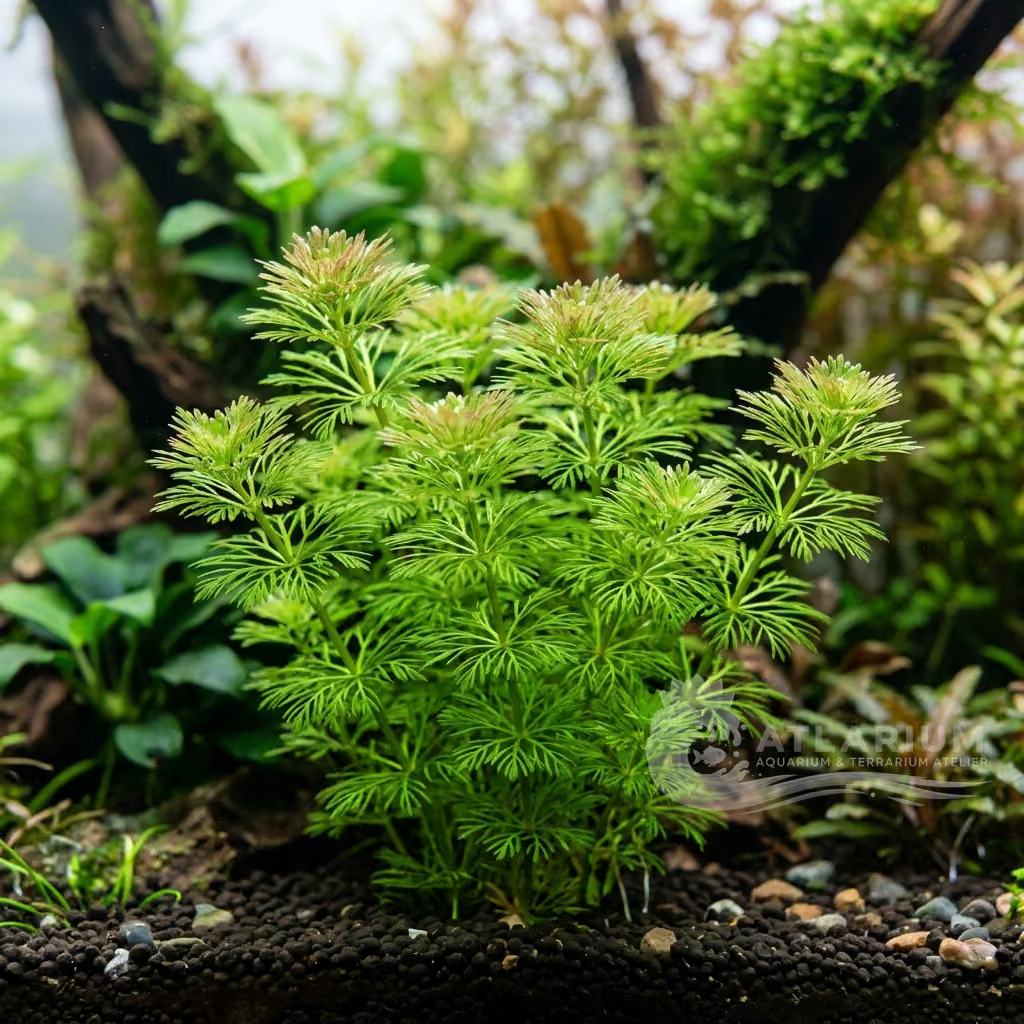
- This stunning stem plant is best utilized in the midground or background of the aquarium, depending on the tank size. It should be planted in staggered groups to create a dense, colorful bush that serves as a strong visual focal point. Ensuring it is placed directly under the light source will maximize the coloration of the top leaves. It contrasts beautifully against both bright green foreground carpets and dark, solid hardscape materials.
- Forma botânica
- Caule
- Limnophila aromatica features thick, upright stems supporting opposite pairs or whorls of narrow, serrated leaves. The leaves can grow quite long, giving the plant a star-like appearance when viewed from above. When grown emersed, or when its leaves are crushed, the plant emits a distinct, pleasant aroma, which gives it its name. Under optimal submerged conditions, the tops of the stems transition from a bright olive green to stunning shades of pink, purple, or deep red.
- Crescimento
- Rápida
- With high light, CO2 supplementation, and rich fertilization, Limnophila aromatica exhibits a moderately fast growth rate. In such conditions, it will steadily push toward the water surface, developing stronger colors as it gets closer to the light source. Without CO2 or intense lighting, its growth slows considerably, and it will likely remain completely green with longer internodes. Regular trimming accelerates branching, leading to an overall bushier and faster-spreading cluster.
- Substrato
- Média
- Limnophila aromatica thrives best when planted in an active, nutrient-rich aqua soil with a depth of at least 5 cm, allowing its roots to deeply penetrate and secure the heavy stems. While it derives significant nutrition from the water column, a fertile substrate dramatically enhances its vibrant coloration and leaf density. Regular root fertilization is beneficial, especially if the plant is frequently trimmed and replanted to encourage bushy growth.
- Fertilização de coluna
- Opcional
- Liquid column fertilization is the primary driver of coloration in Limnophila aromatica. Daily dosing of iron and specific micronutrients directly impacts the intensity of the reds and purples in the new growth. Carefully managing the nitrate-to-phosphate ratio in the water column is an advanced technique aquarists use to bring out the deepest colors. Without consistent column feeding, the plant will quickly revert to green and may begin to show signs of nutrient deficiency in the lower leaves.
- Fertilização radicular
- Opcional
- A nutrient-rich substrate provides a stable foundation for Limnophila aromatica, promoting thicker, more robust stems. While column fertilization drives color, root feeding ensures long-term health and prevents the lower stem sections from deteriorating. Using a high-quality aquasoil or inserting root tabs near the base of the stems will support rigorous root development. A strong root system allows the plant to anchor securely and recover quickly after aggressive trimming sessions.
- Corte
- Ocasional
- Trimming Limnophila aromatica is best done by cutting the stem just above a node using sharp aquascaping scissors. This encourages the plant to produce two new shoots from the cut point, resulting in a denser, more vibrant canopy over time. To maintain the colorful tops, many aquarists prefer the 'topping and replanting' method: cutting the colorful tops and replanting them, while discarding the older, greener lower stems. Regular pruning prevents the lower portions from being completely shaded out by the broad upper leaves.
- Propagação
- Estacas
- Propagation is straightforward and relies on taking stem cuttings from the healthy upper portions of the plant. Snip the stem at the desired height and gently push the cutting down into the substrate. The cutting will quickly develop new roots and continue growing. Leaving the rooted bottom section in the substrate will often result in the sprouting of new side shoots, an excellent way to thicken the cluster.
- Sensibilidade
- Moderada
- This plant is sensitive to low light conditions, which will cause it to lose its red coloration entirely and drop its lower leaves. It also requires stable CO2 levels; fluctuations can lead to stunted tips or the development of algae on the serrated leaf edges. Limnophila aromatica does not tolerate poor water circulation well, as debris can settle on its leaves and block light absorption. Maintaining a clean, highly oxygenated environment is key to keeping this demanding species in top form.
- Função de layout
- Fundo
- In an aquascape, Limnophila aromatica serves as a spectacular focal point plant due to its striking color transition and jagged leaf texture. It is frequently used in Dutch-style aquariums to create colorful 'streets' or contrasting blocks of foliage. The bright purple and red tops draw the eye naturally, making it ideal for the golden ratio points in a layout. Its unique, serrated leaves offer a visual break from smooth-leaved plants like Rotala or Ludwigia.

Espécies relacionadas
Recomendações agrupadas por parentes próximos, escolhas de acompanhantes e cuidados semelhantes.