Hydrotriche hottoniiflora
Hydrotriche hottoniiflora
Elegant stem plant from Madagascar with unique needle-like foliage. Demands high-intensity light, stable CO2, and regular fertilization to prevent stem rot.
Temperatura da água
18 - 34 °C
Valor de pH
5 - 7
Tipo de água
Água doce
Luz
Média - Alta
CO2
Média - Alta
GH
4 - 12 dGH
KH
0 - 10 dKH

Descrição da espécie
Geographical Origin and Habitat: Endemic to Madagascar, where it grows in warm, stagnant, or slow-moving waters such as swamps, marshes, and quiet pools. It is adapted to intense tropical sunlight and organic-rich substrates.
Taxonomy & Genetics: Belonging to the family Plantaginaceae. The genus Hydrotriche is specialized for aquatic environments, and hottoniiflora is known for its emersed yellow flowers that resemble those of the genus Hottonia.
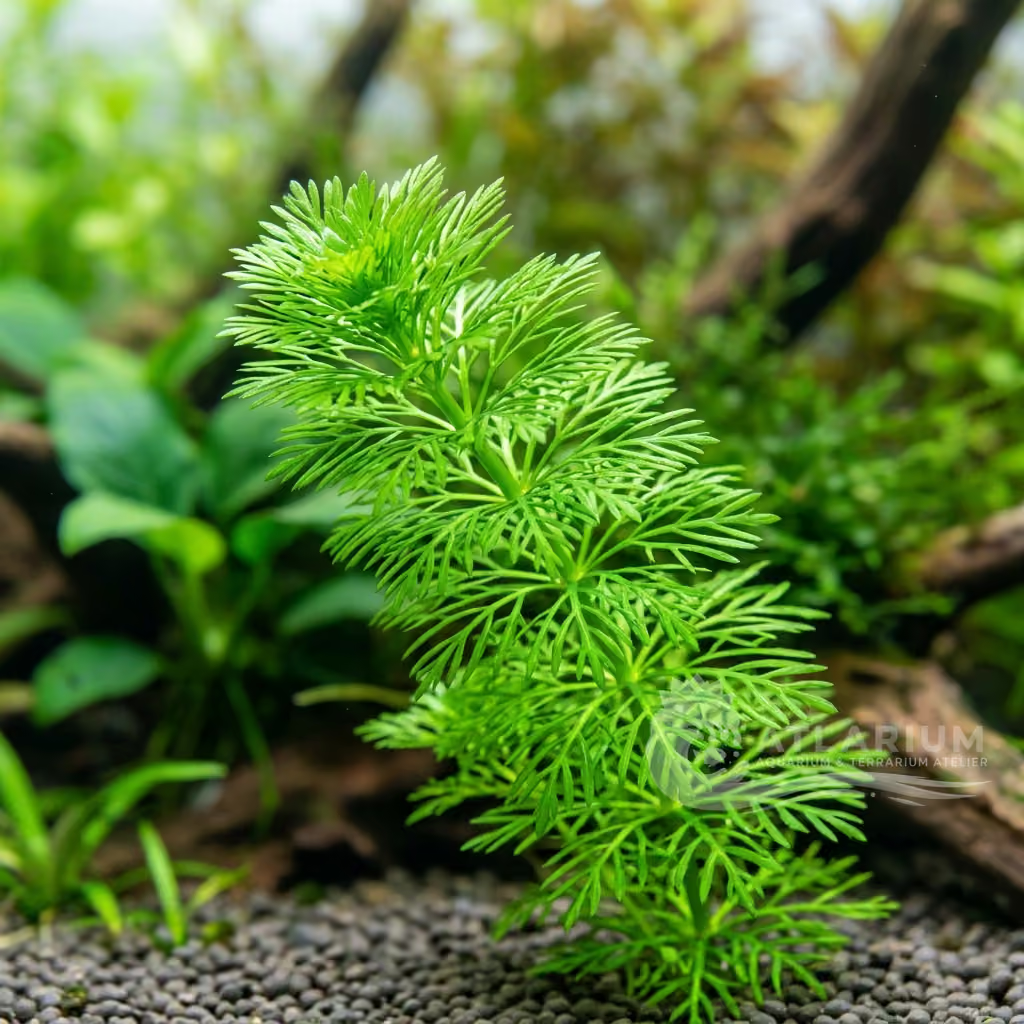
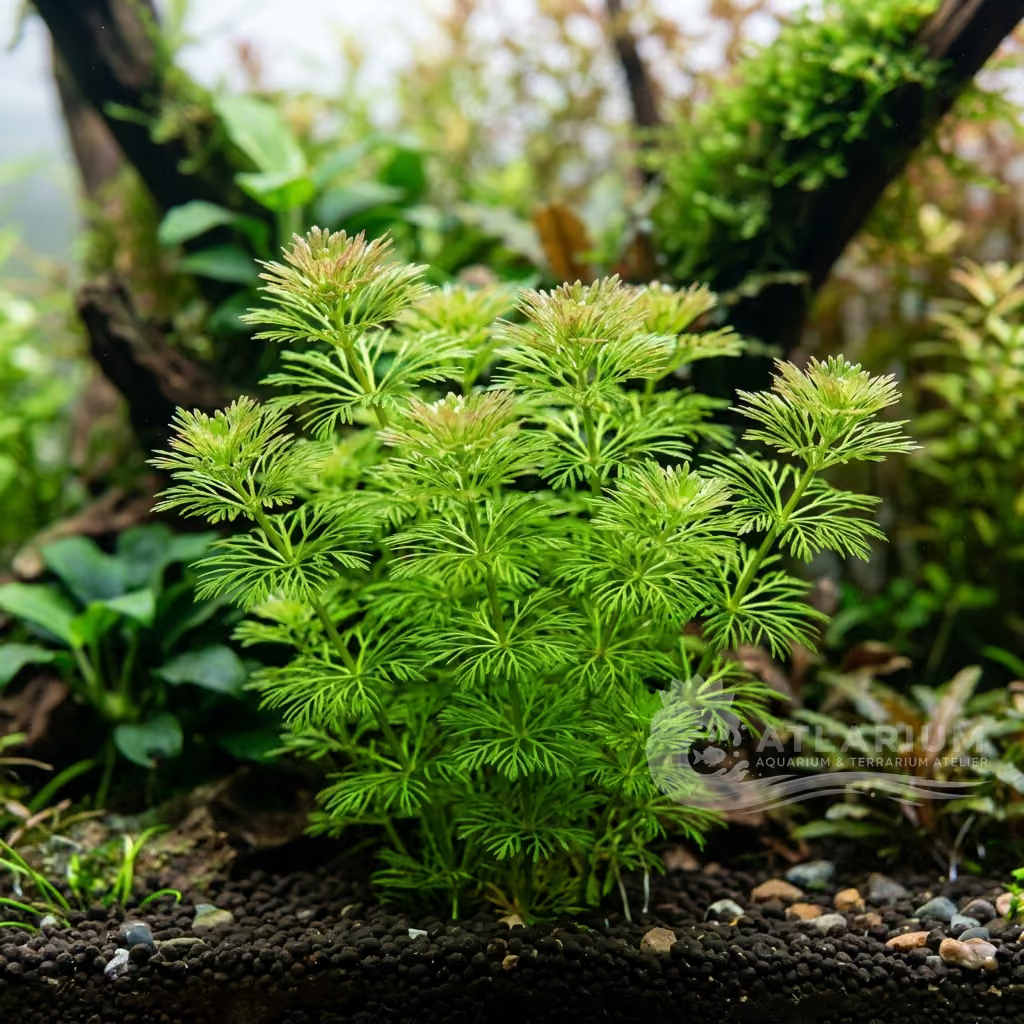
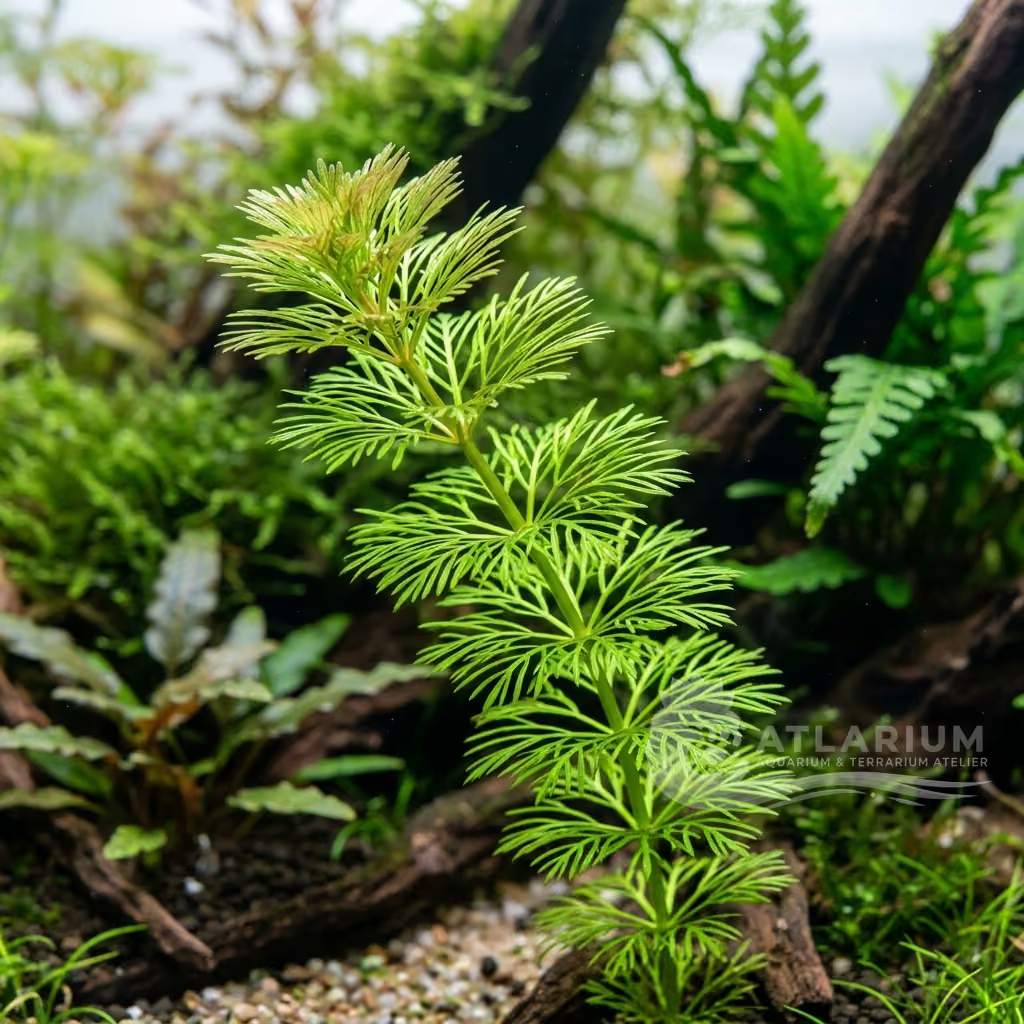
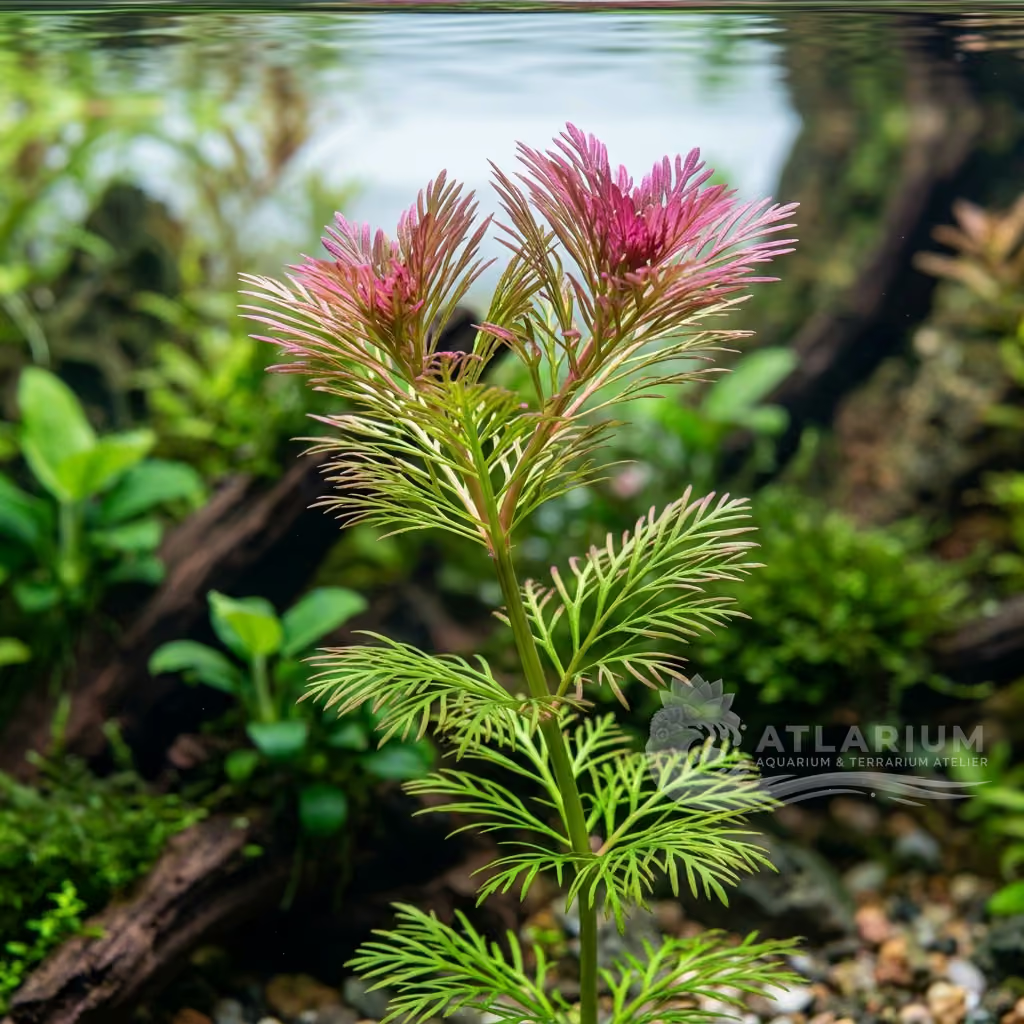
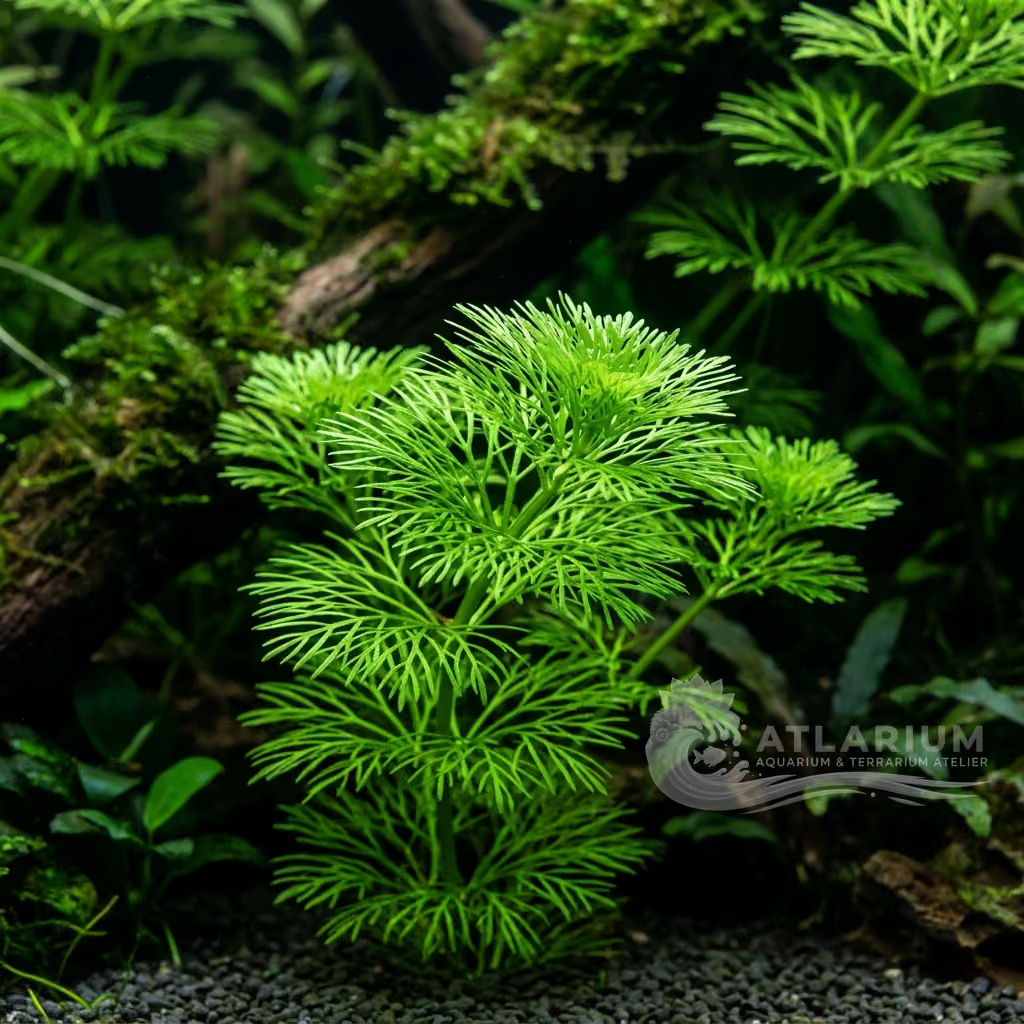
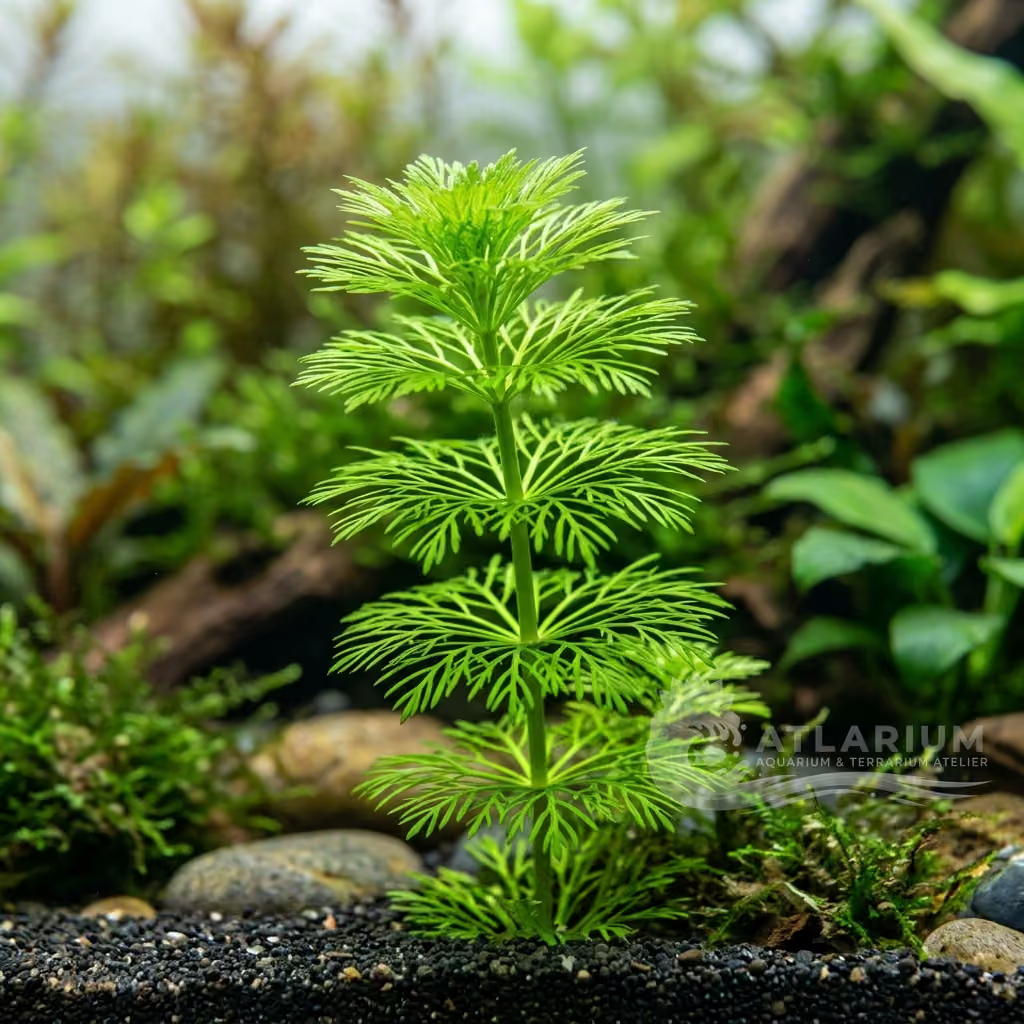
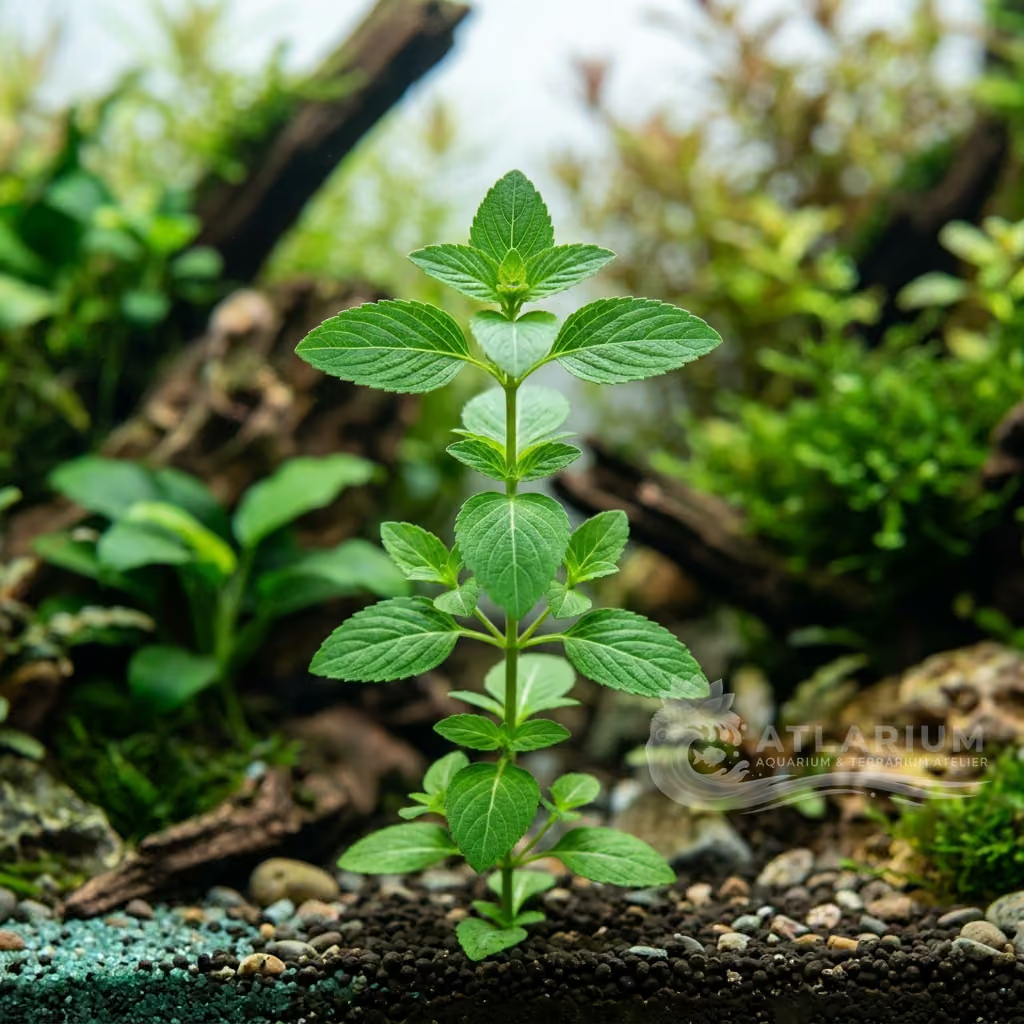
Physical Structure: Slocum-like hollow, fleshy stems that float if unanchored. The leaves are needle-like, thin, and arranged in dense whorls around the stem. It has a delicate root system but absorbs nutrients efficiently through its stems.
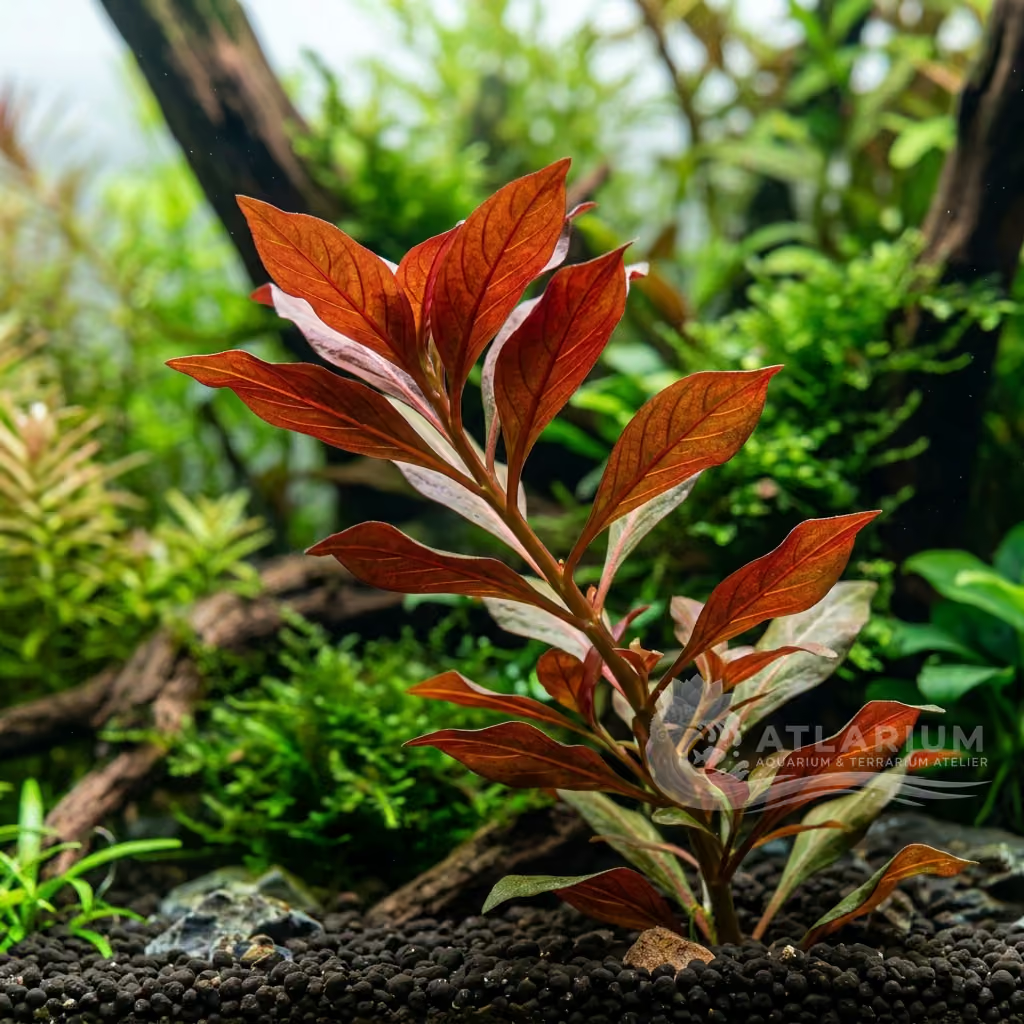
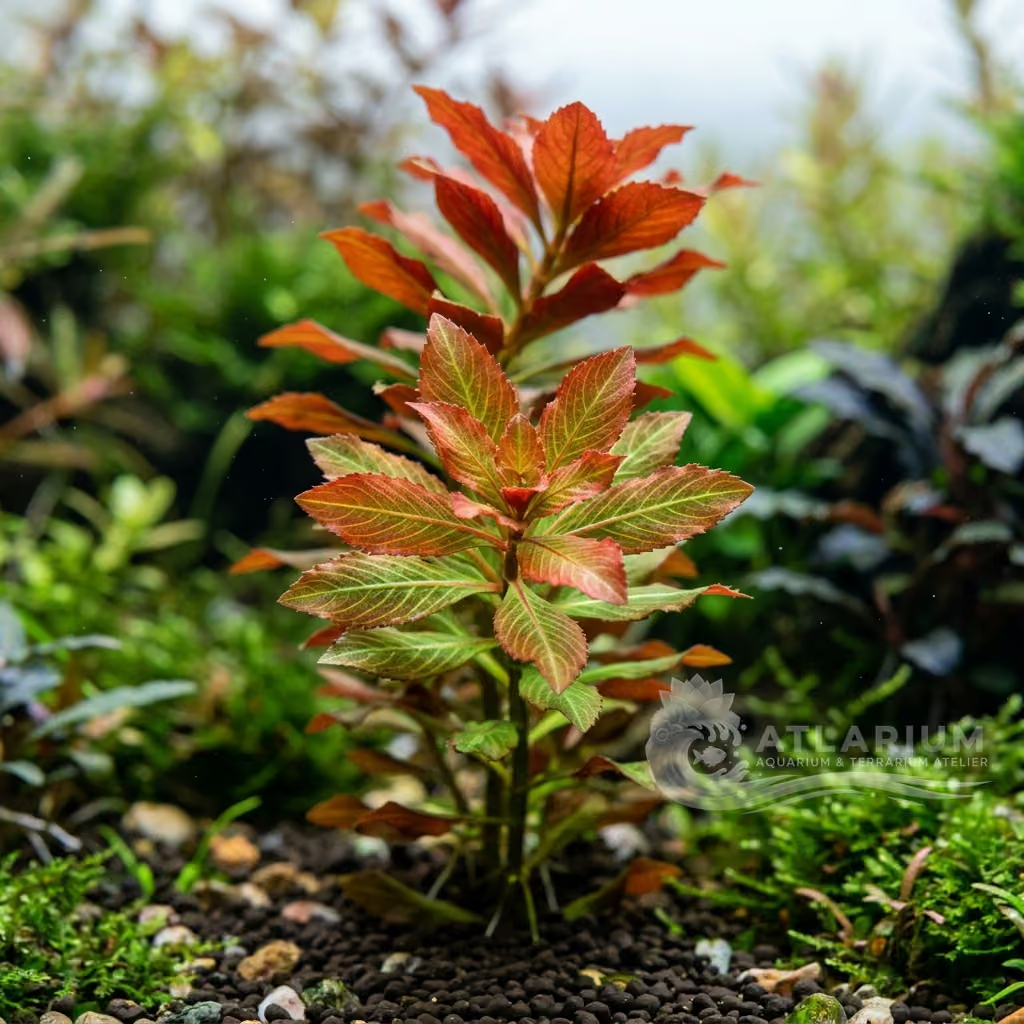
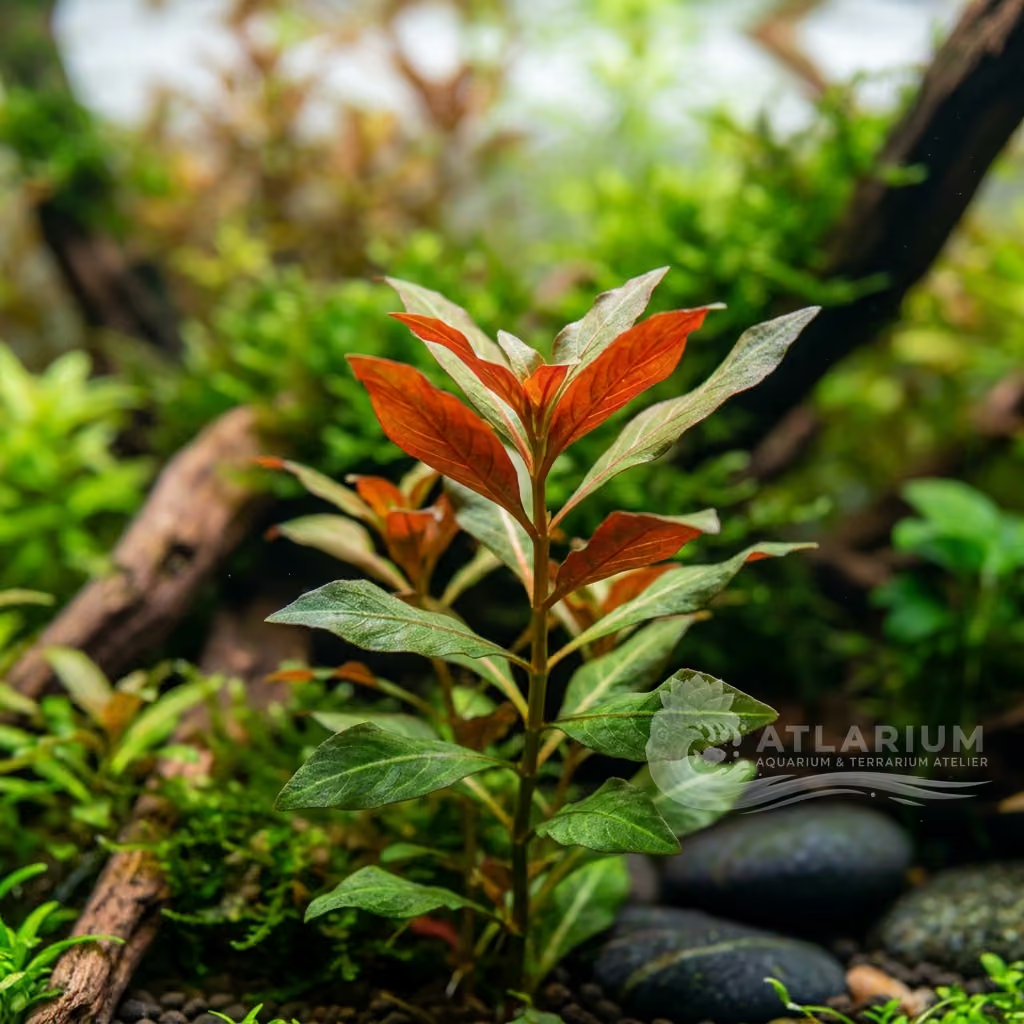
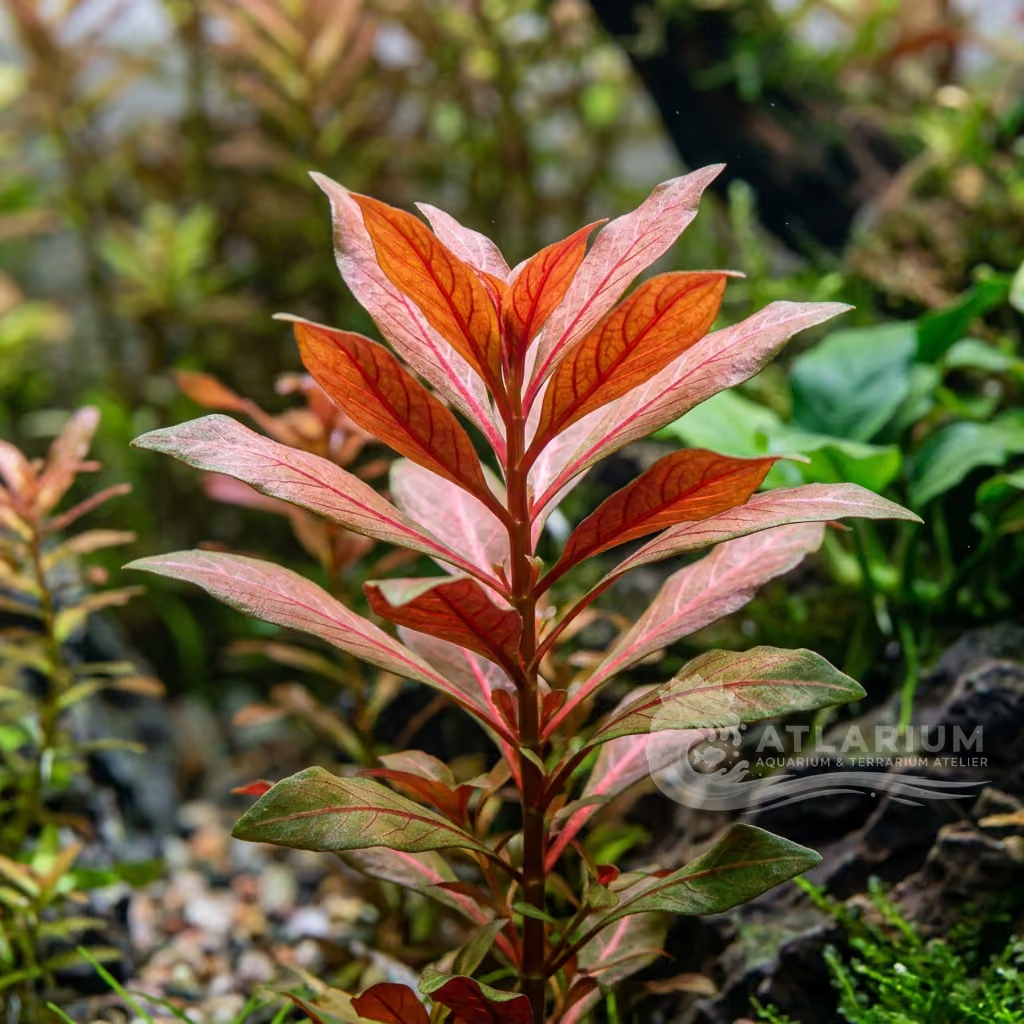
Color & Texture: Submerged foliage is a translucent, bright light green. The feathered, radial whorls of needle leaves create a very soft, airy, and delicate texture in the aquarium.

Cuidado, criação e companheiros de tanque
Lighting & CO2: Requires high-intensity lighting. Under low light, the plant stretches, sheds lower leaves, and deteriorates. CO2 injection (15-25 mg/L) is essential to support its fast growth rate and prevent stem rot.
Nutrition & Substrate: Thrives in a fertile substrate and requires steady liquid fertilization. Regular dosing of potassium, iron, and trace elements is necessary to sustain its rapid growth.
Water Chemistry: Prefers soft, acidic water with a pH of 5.0 to 7.0. It is a thermophilic species that tolerates very high temperatures up to 34°C (93°F), but will quickly decline below 18°C (64°F).
Space Management & Placement: Best placed in the background or midground of the aquarium. Because of its fast growth, it can quickly reach the surface and should be pruned to prevent shading neighboring plants.
Pruning: Cut the tops of the stems with sharp scissors and replant the cuttings into the substrate. Plant the stems with some space between them to ensure light reaches the lower levels.
Risks & Diseases: Vulnerable to cold temperatures and lack of CO2, which cause the stems to turn black and rot. Hair algae can easily colonize its fine leaves during nutrient imbalances.

Origem e distribuição geográfica
Endemic to Madagascar, where it grows in warm, stagnant, or slow-moving waters such as swamps, marshes, and quiet pools. It is adapted to intense tropical sunlight and organic-rich substrates.
Origem
África e Madagascar

Perfil da planta
- Posicionamento
- Plano intermediário
- With its strictly upright and rapid growth, it is an ideal background plant, particularly suited for Dutch-style aquascapes. It should be planted in tight groups of 5-10 stems to create a striking, light-green focal column. It should not be shaded by other plants, as the lower portions will quickly drop their needles if deprived of light. The delicate whorls contrast beautifully against broad-leaved reddish plants.
- Forma botânica
- Caule
- The plant is characterized by thick, fleshy, and highly buoyant vertical stems. The foliage consists of very fine, needle-like leaves arranged in dense whorls around the stem nodes, resembling miniature pine branches. The entire plant has a light, vivid green coloration. It rarely branches out on its own without being pruned, preferring a strictly vertical ascent towards the light.
- Crescimento
- Rápida
- Under high light and CO2-enriched conditions, this plant exhibits a very fast growth rate. It can quickly reach the water's surface, necessitating frequent trimming to maintain its shape and prevent it from sprawling across the top. Trimming also encourages the plant to produce side shoots, making the overall grouping much bushier. In lower tech setups, its growth slows considerably and the internode spacing increases.
- Substrato
- Alta
- While it absorbs many nutrients through its leaves, it develops a strong root system that greatly benefits from a nutrient-rich active soil. It can be grown in inert substrates like gravel, but only if frequently supplemented with high-quality root tabs. A deep, fertile substrate allows it to anchor securely and draw up essential nutrients, resulting in thicker stems and faster growth. Soft water substrates are generally preferred for optimal health.
- Fertilização de coluna
- Recomendada
- Liquid column fertilization is extremely beneficial, as the fine, needle-like leaves have a large surface area for rapid nutrient uptake. A comprehensive fertilizer dosed regularly prevents nutrient deficiencies, which typically manifest as pale new growth or dropping lower leaves. It is a heavy feeder when growing quickly, so maintaining adequate levels of NPK and trace elements in the water is essential. Daily dosing is often the most effective method.
- Fertilização radicular
- Nenhuma
- Root fertilization provides a strong foundation for this fast-growing species. Planting it in a rich aquasoil or placing root tabs near the base ensures the thick stems have the energy required for rapid vertical growth. Robust root feeding helps mitigate the common issue of the lower stem rotting or losing leaves due to nutrient starvation. It works synergistically with column dosing for maximum vitality.
- Corte
- Ocasional
- To manage its height, simply cut the top portions of the stem with sharp aquascaping scissors. The rooted bottom part will often sprout side shoots, leading to bushier growth. Replanting the tops is an effective way to multiply the stand.
- Propagação
- Estacas
- Propagation is straightforward through standard stem cuttings. Snip the top section of a healthy stem, ideally 4-6 inches long, and replant it directly into the substrate. Because the stems are quite buoyant, they need to be planted deeply enough to prevent them from floating away before roots form. The bottom portion left in the substrate will usually sprout several new side shoots from the upper nodes.
- Sensibilidade
- Moderada
- It can be quite sensitive to sudden shifts in water chemistry or temperature. Insufficient lighting will quickly cause the lower portions of the stem to rot and drop leaves. Algae buildup on its fine leaves can also inhibit its growth.
- Função de layout
- Plano intermediário, Fundo
- It serves as an excellent textured background plant in various aquascaping styles. The fine leaves contrast beautifully with rounder, broader foliage. Grouping them closely together forms a lush, pine-like forest effect.

Espécies relacionadas
Recomendações agrupadas por parentes próximos, escolhas de acompanhantes e cuidados semelhantes.