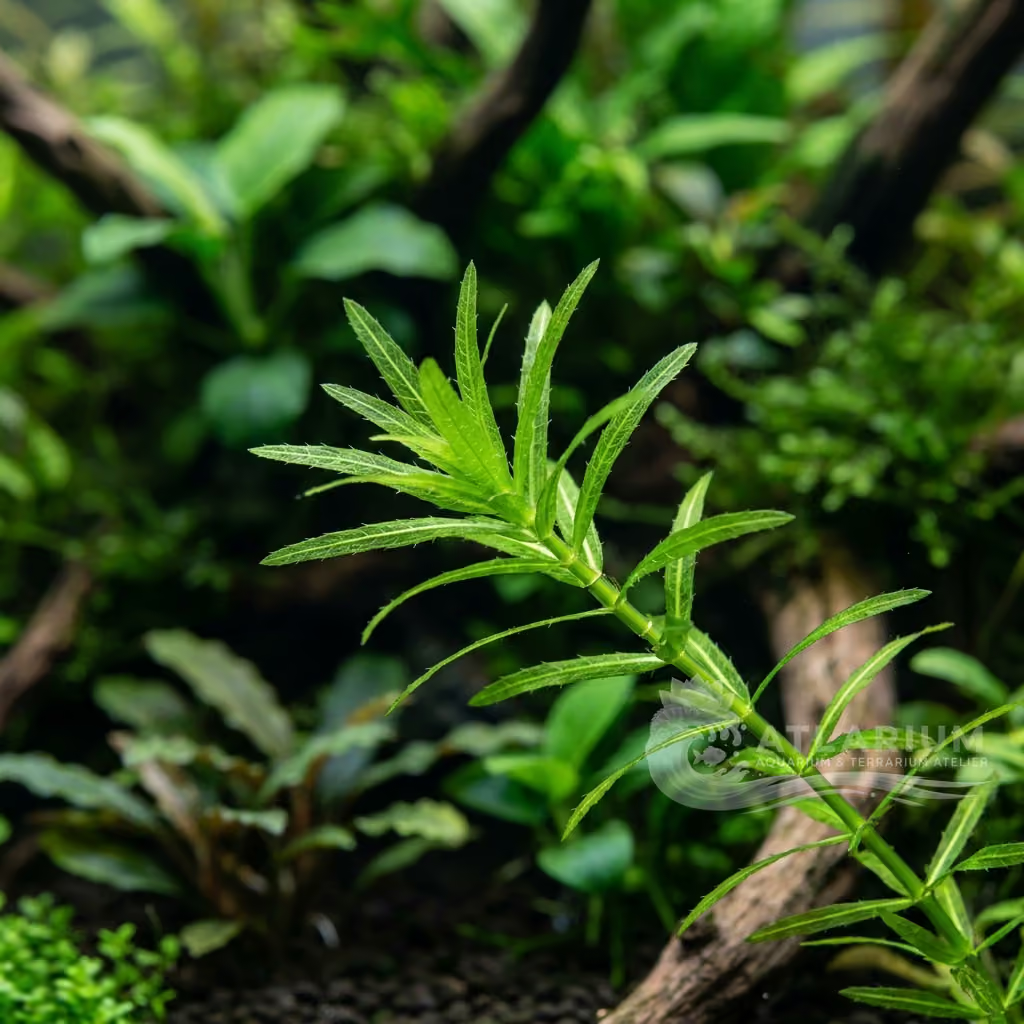
Ludwigia senegalensis
Ludwigia senegalensis
Ludwigia senegalensis is a medium-growing stem plant perfectly suited for the midground, renowned for its spectacular red-orange coloration under intense light conditions. It is a demanding species requiring careful management of nutrients and lighting to thrive and display its full splendor in the aquarium.
Temperatura da água
12 - 30 °C
Valor de pH
4.5 - 7
Tipo de água
Água doce
Luz
Alta
CO2
Alta
KH
0 - 7 dKH

Descrição da espécie
Geographical Origin and Habitat: Ludwigia senegalensis originates from the West African regions, particularly Senegal, from which it derives its specific name. Its natural habitat includes swamps, slow-moving rivers, and lake margins, where it often grows submerged or emergent. In these environments, it benefits from clear, nutrient-rich waters, characteristics that are fundamental for its successful cultivation in an aquarium setting.
Taxonomy & Genetics: Belonging to the Onagraceae family, Ludwigia senegalensis is a member of the Ludwigia genus, which encompasses numerous aquatic and marsh species. Its classification highlights its relation to other popular aquarium Ludwigia species, although senegalensis distinguishes itself with its unique leaf morphology and intense chromatic display. Genetically, this species maintains the typical characteristics of the genus but develops unique pigmentation under specific environmental stimuli, making it a distinctive specimen.
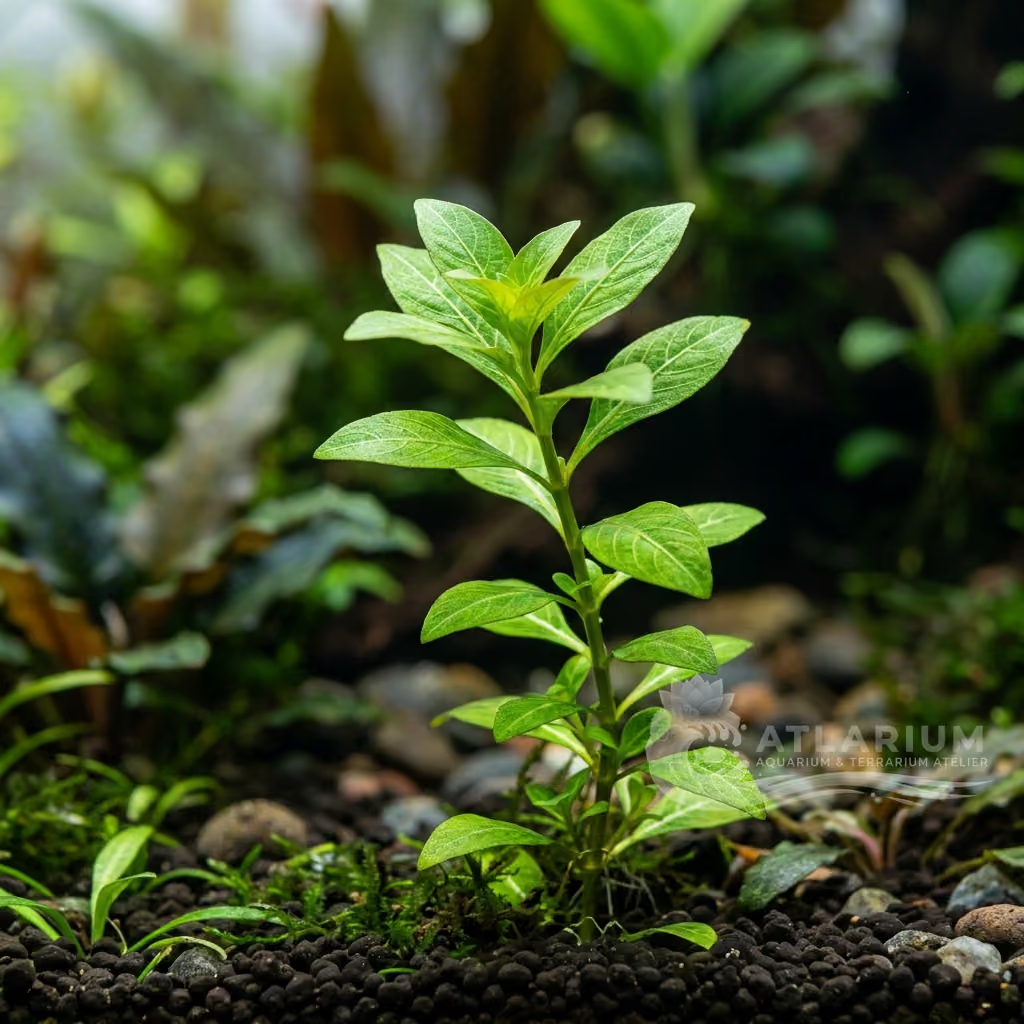
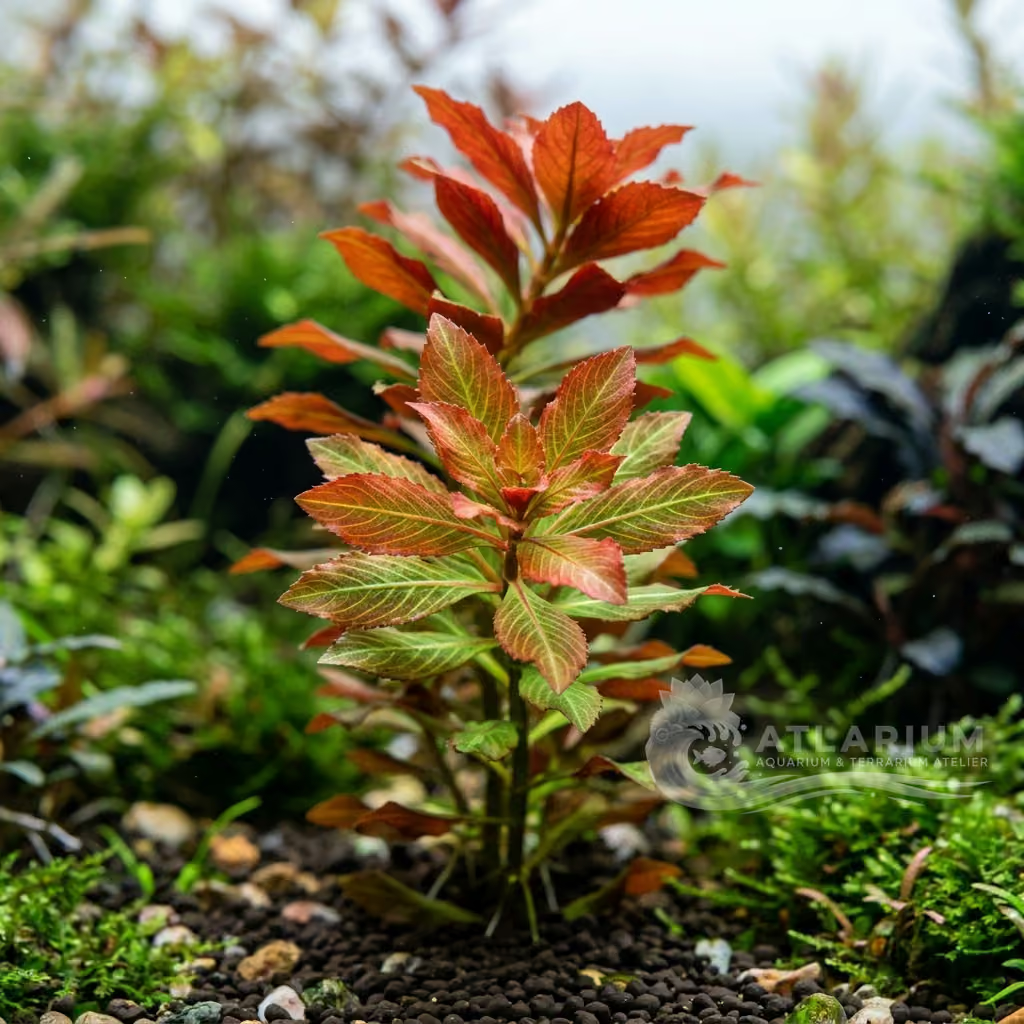
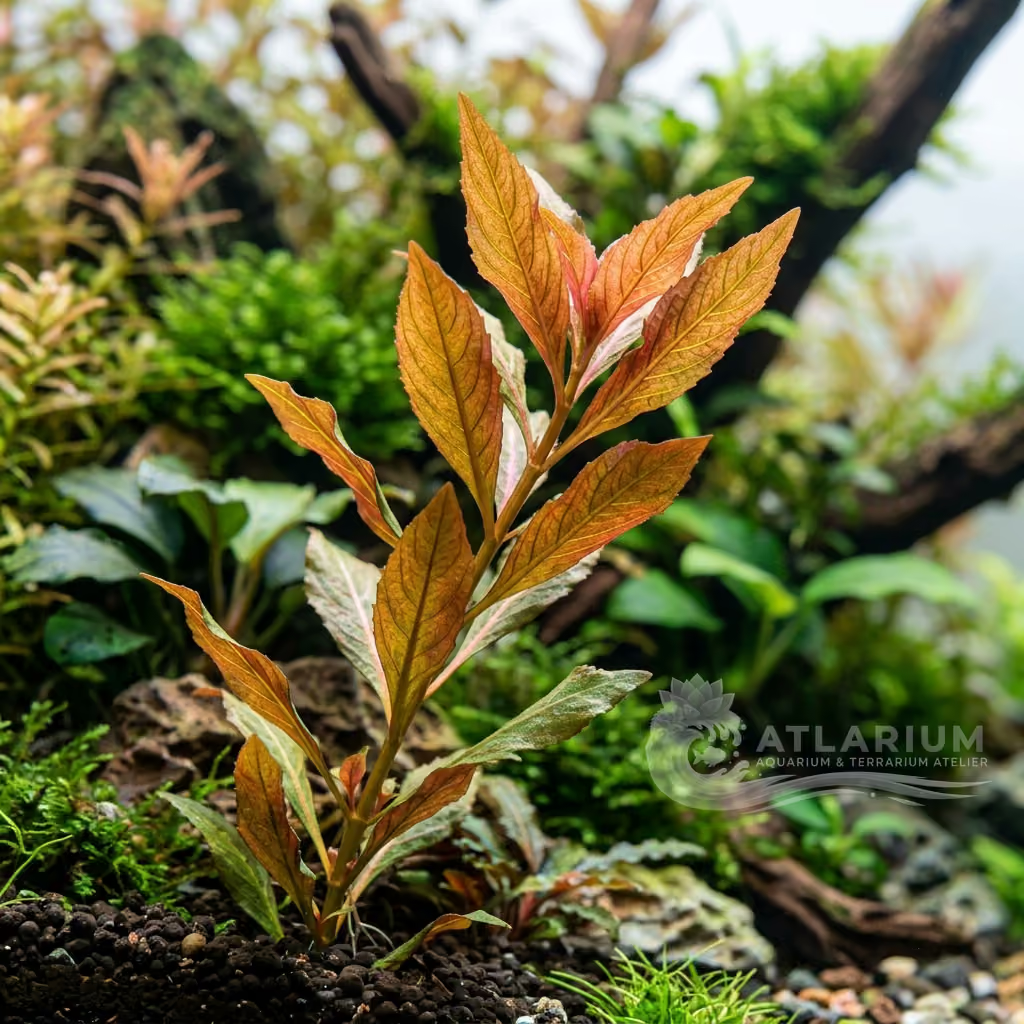
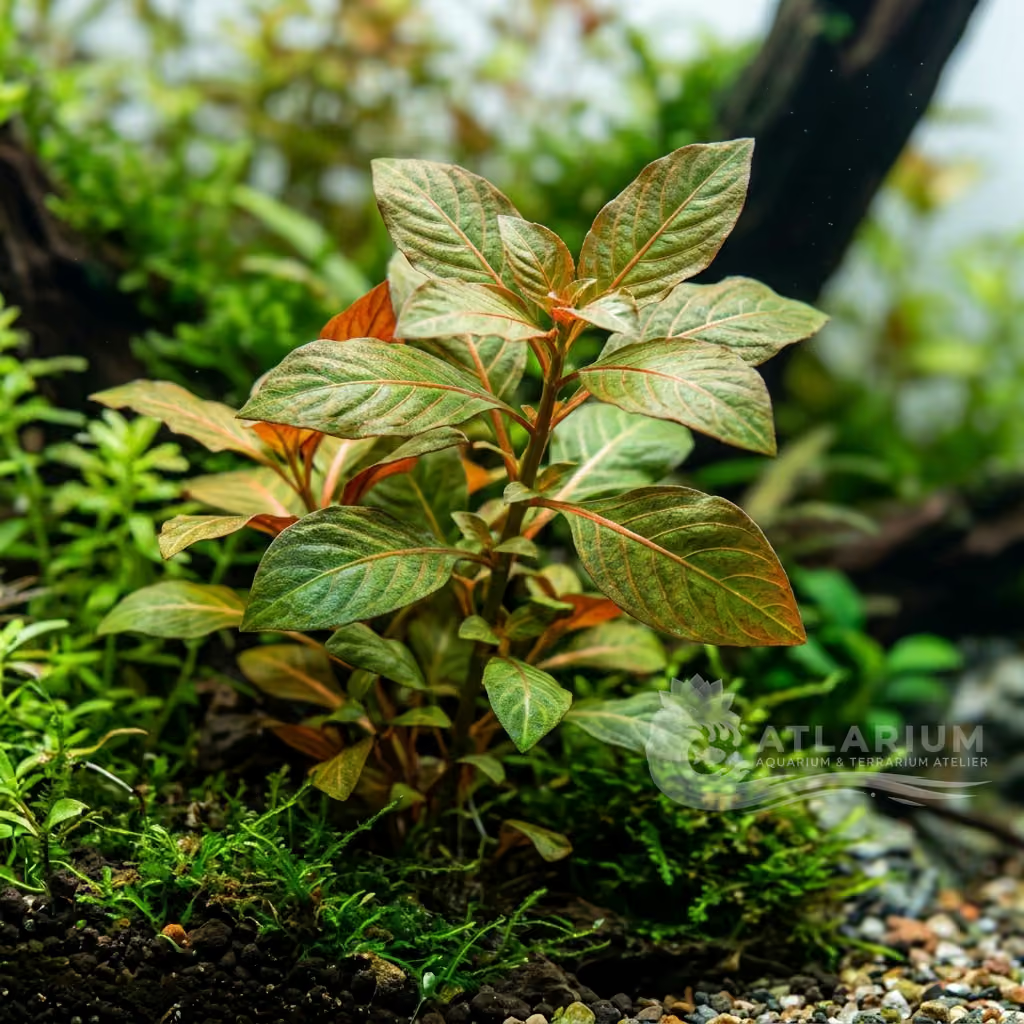
Physical Structure: This plant presents as an erect stem, with leaves growing alternately along the stalk. The leaves are lanceolate to ovate, often featuring prominent venation and a slightly undulated margin, lending it a unique appearance among Ludwigia species. Its fibrous and relatively extensive root system firmly anchors the plant to the substrate and contributes to nutrient absorption. Its structure allows it to form dense,
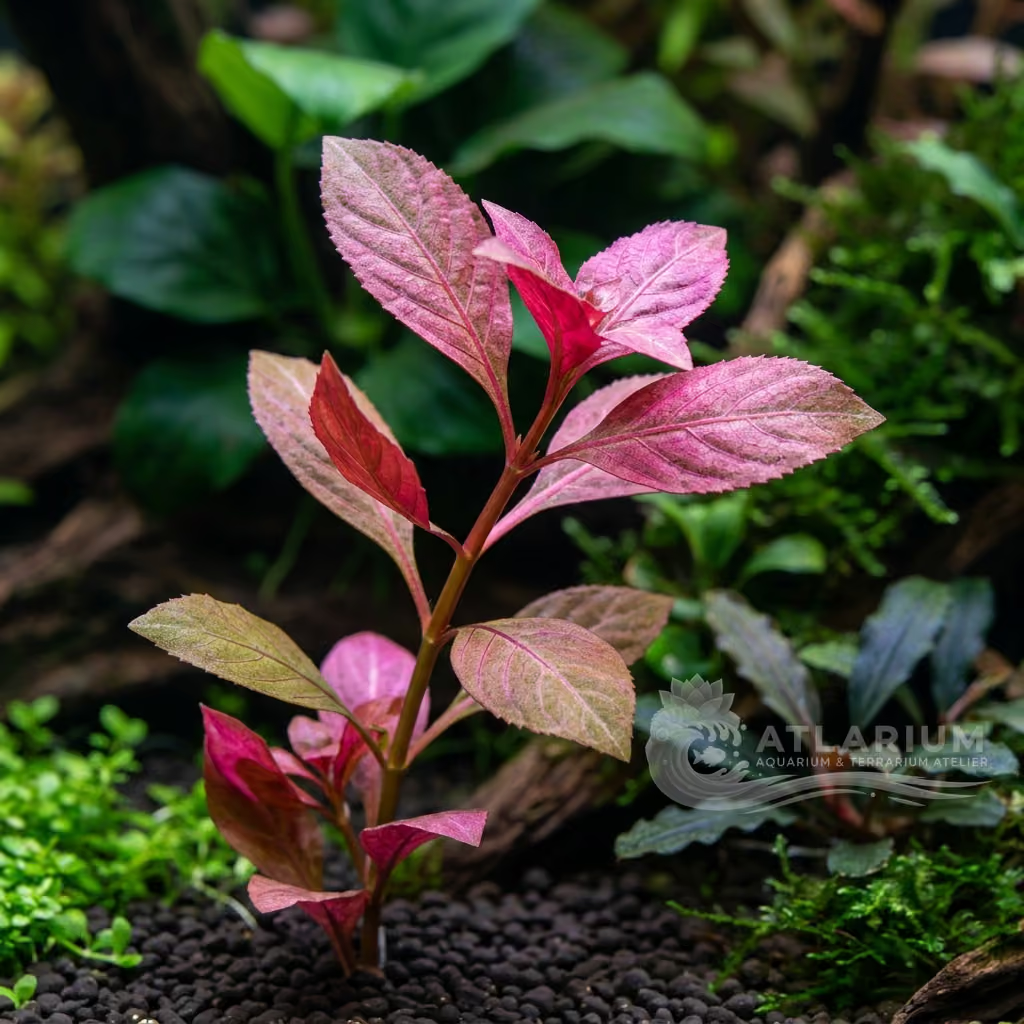
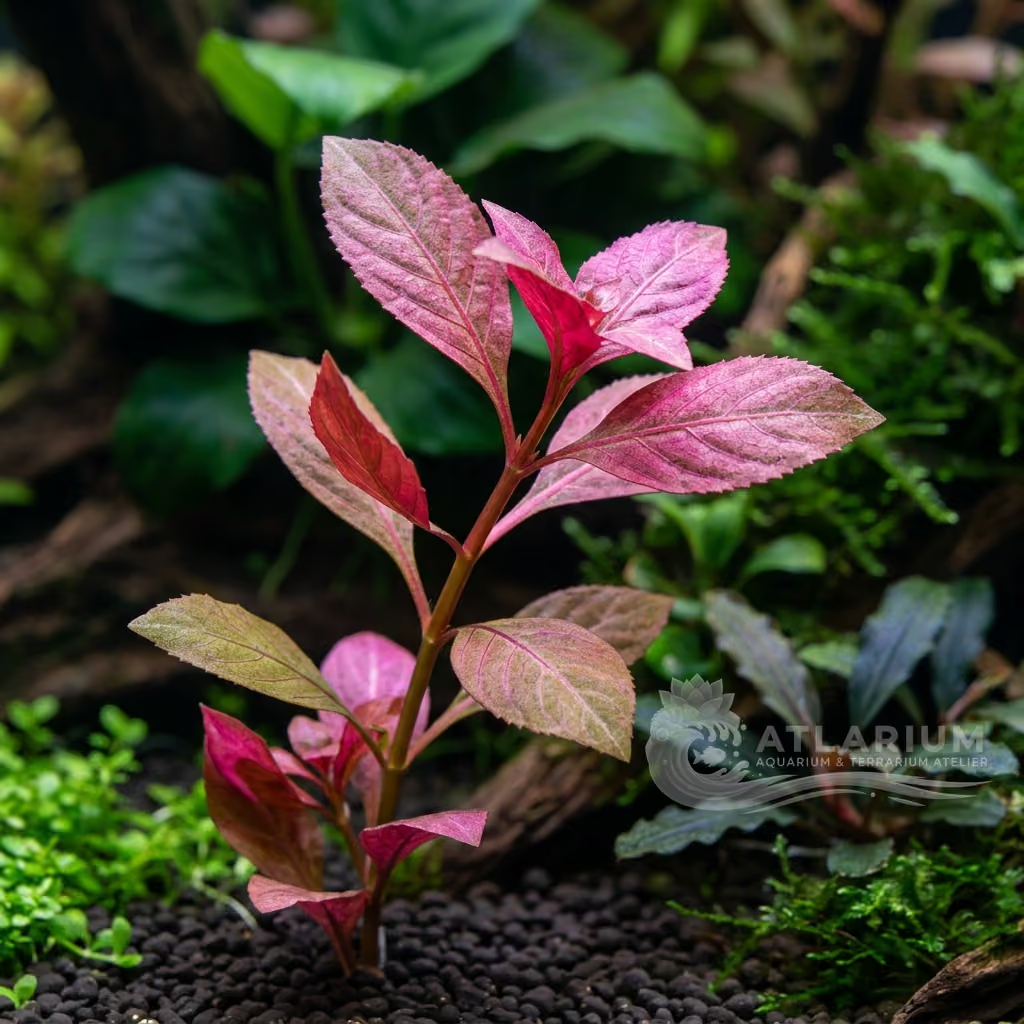
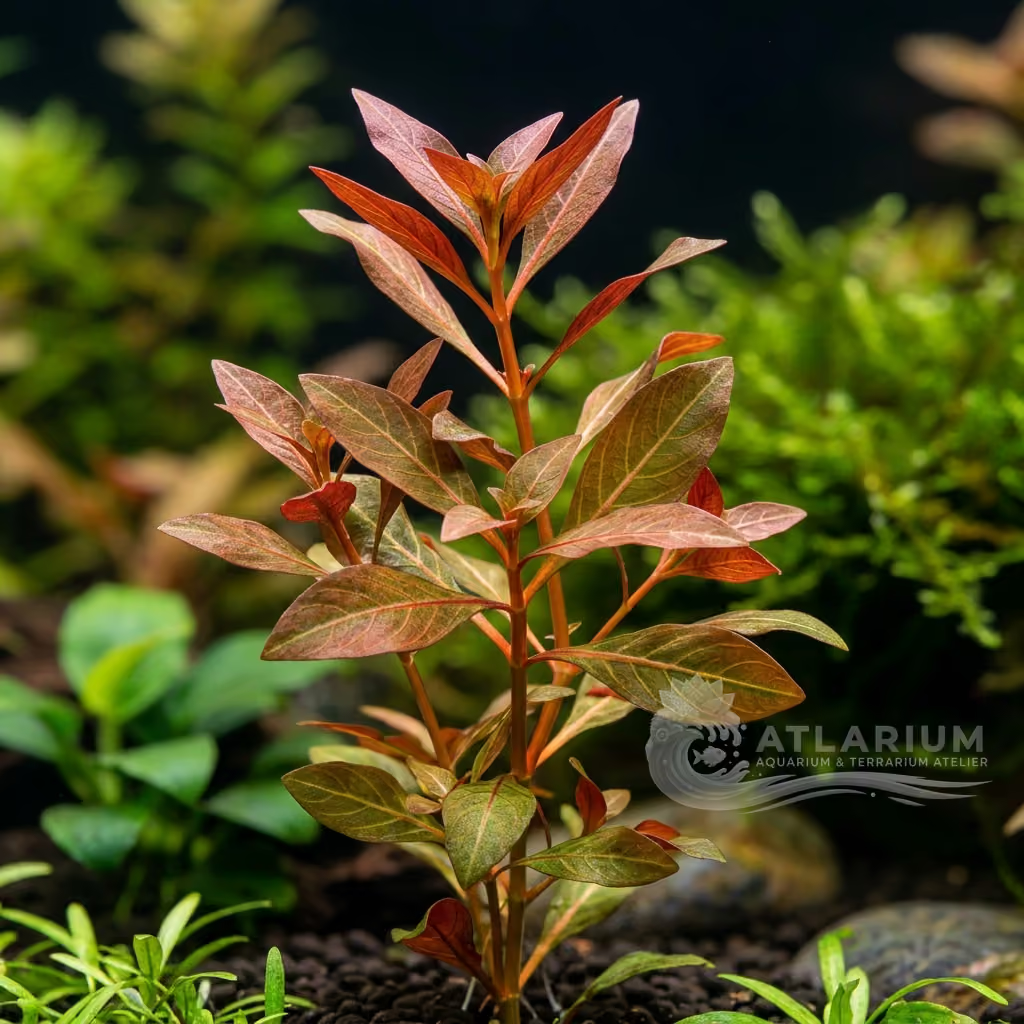
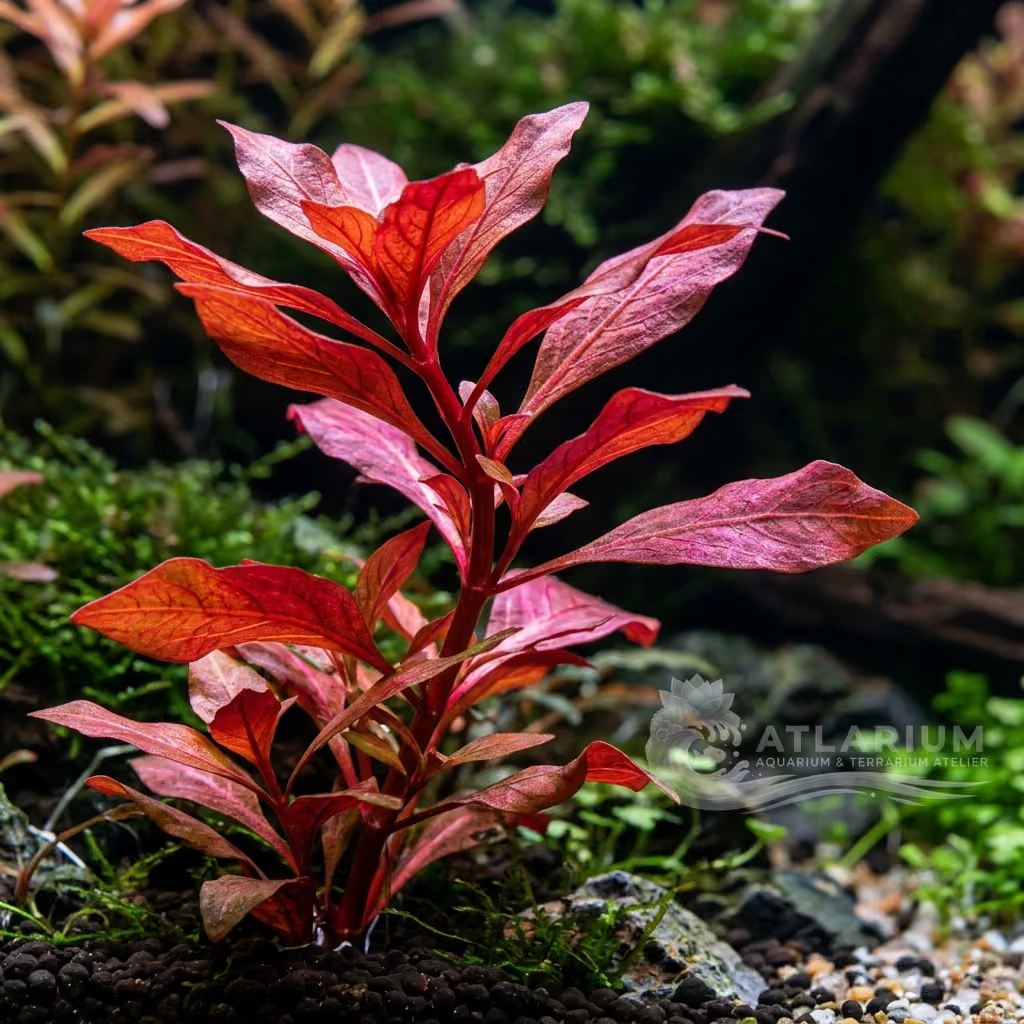
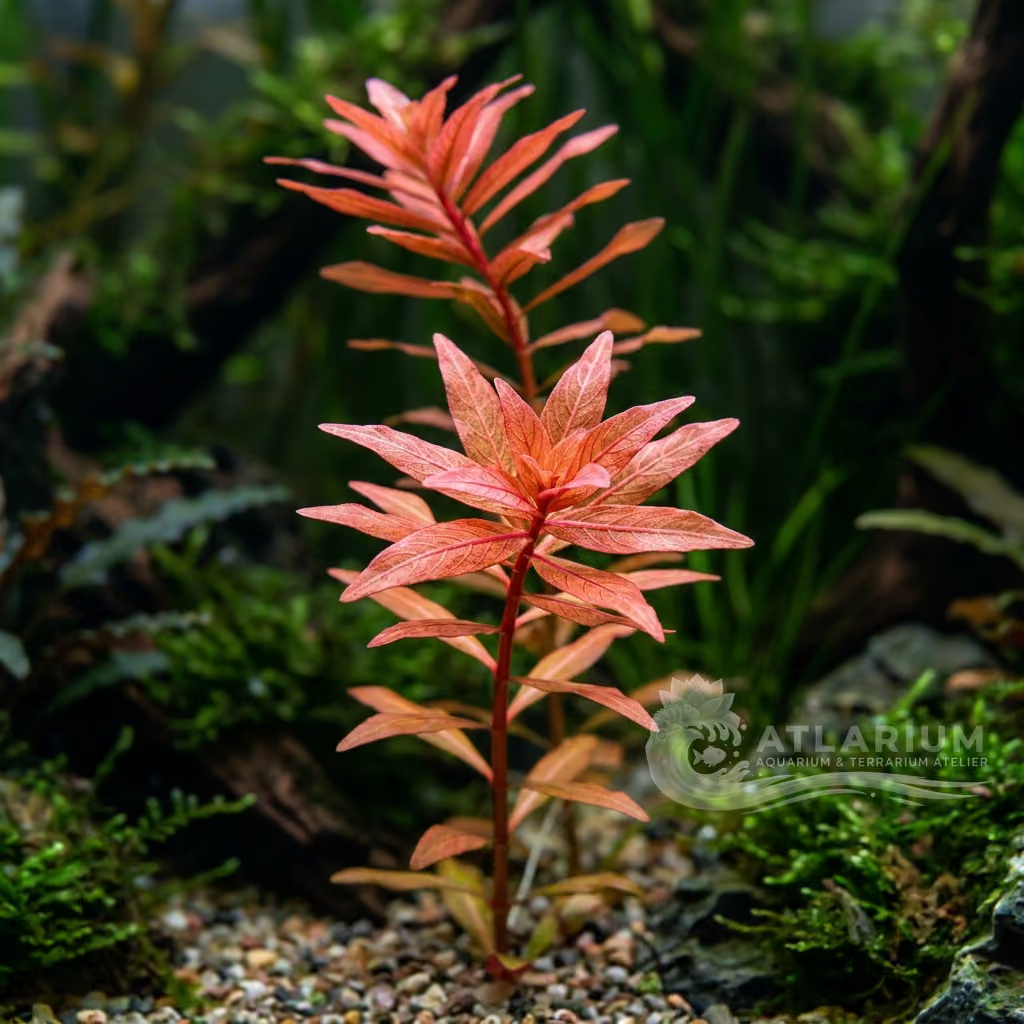
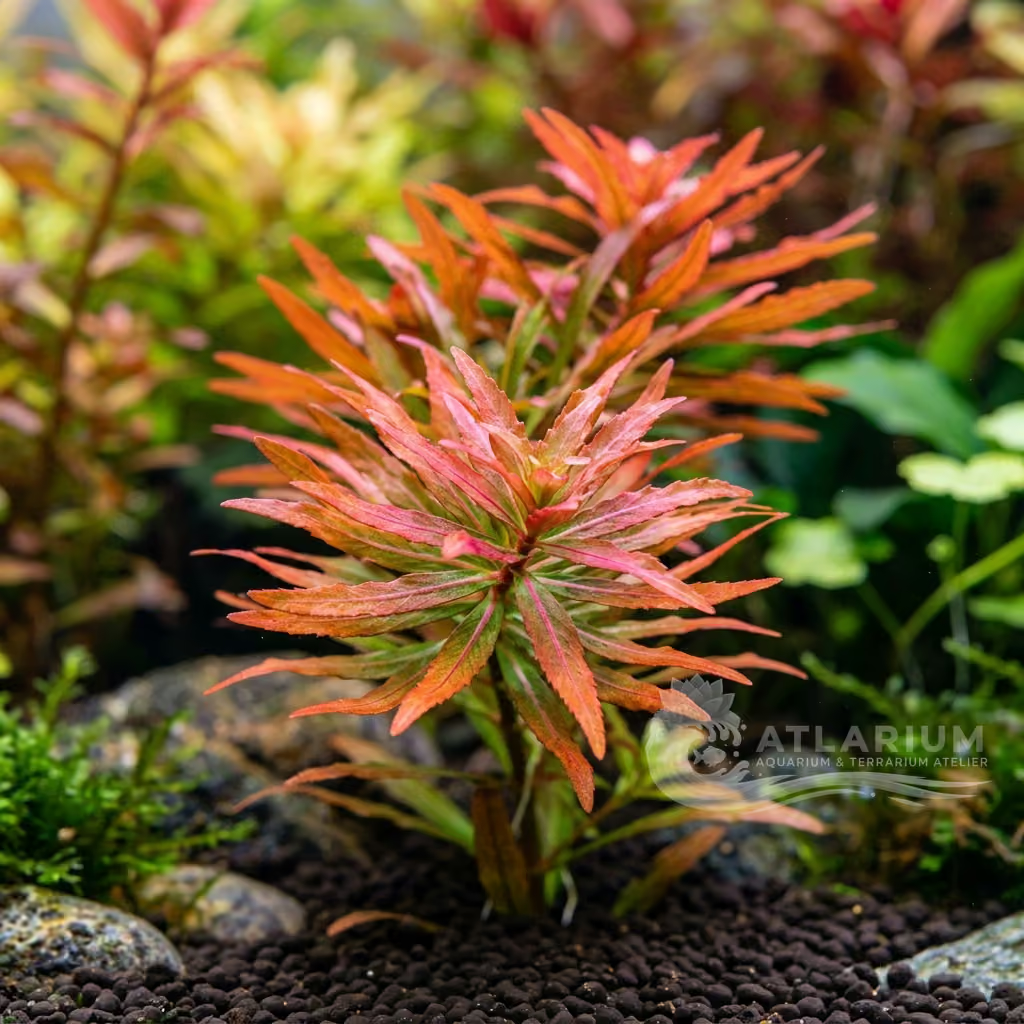
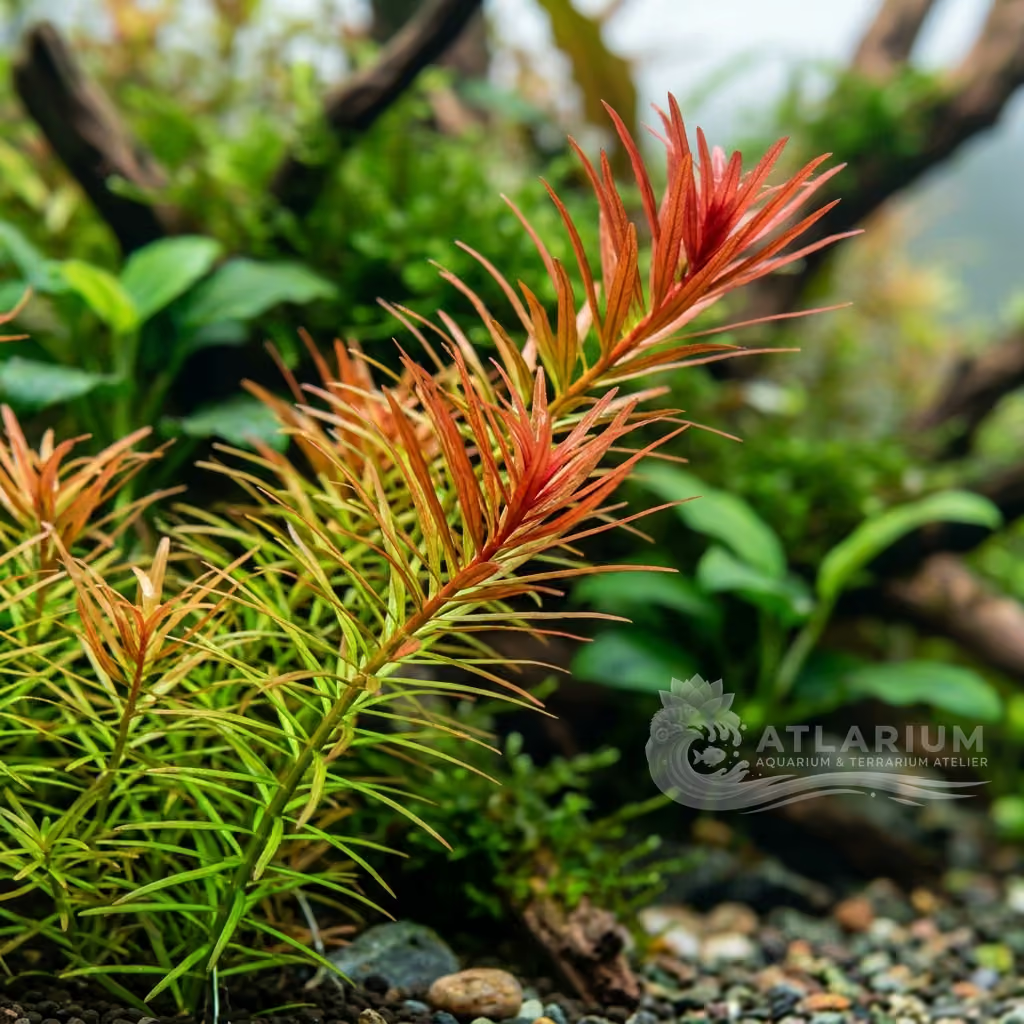
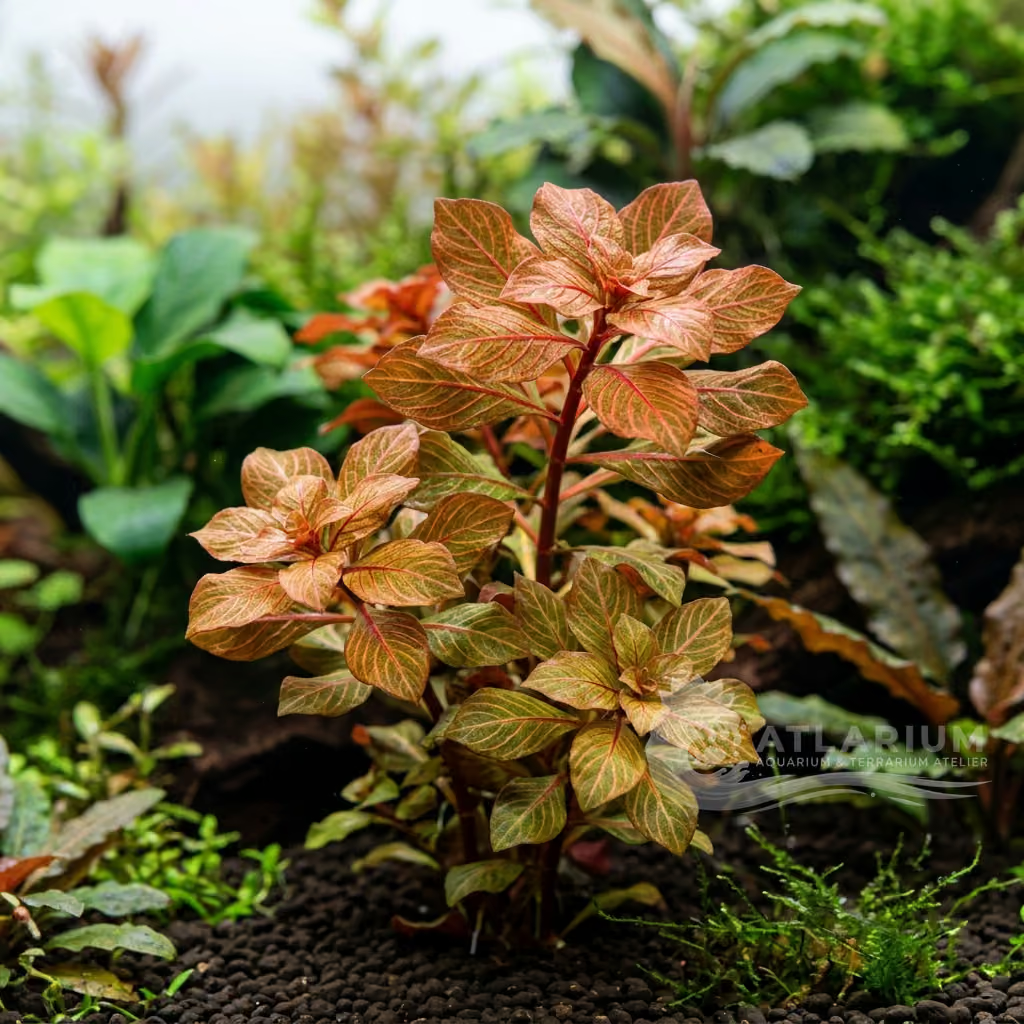
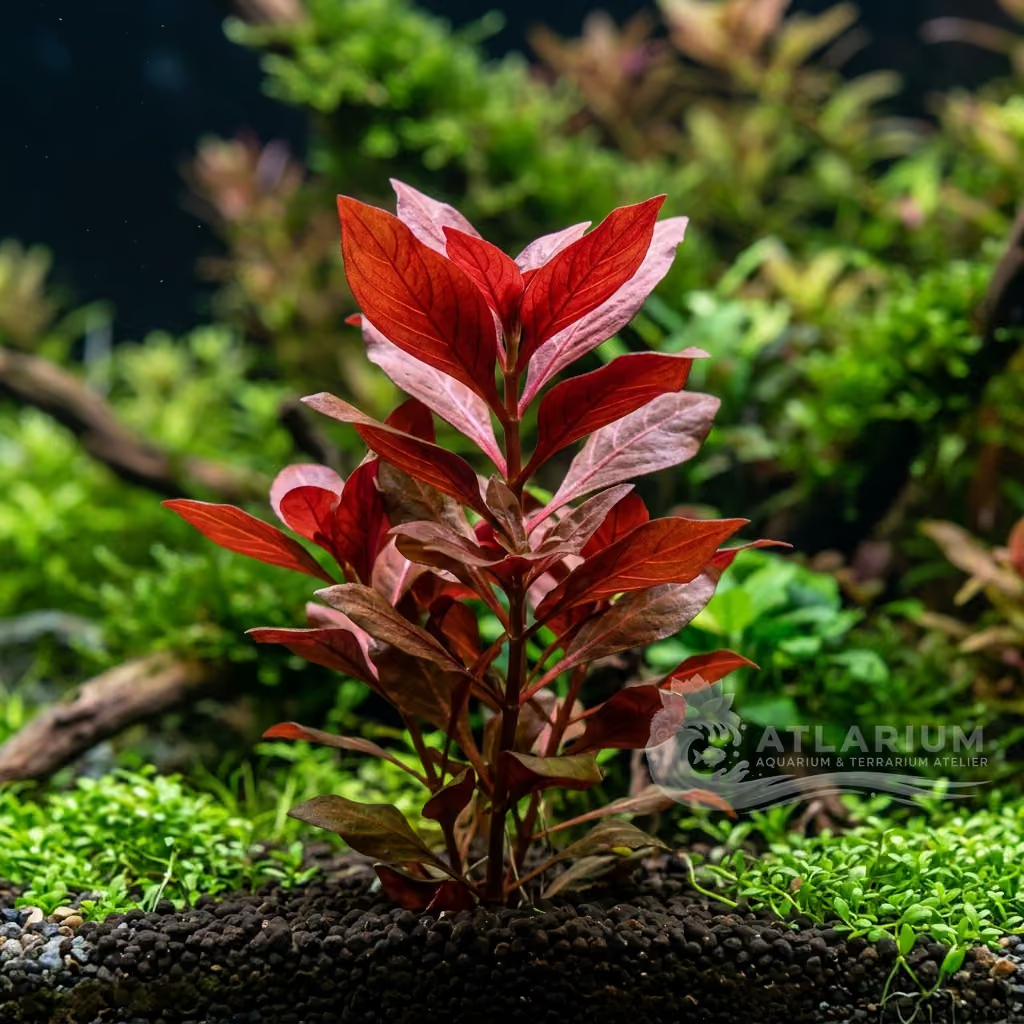
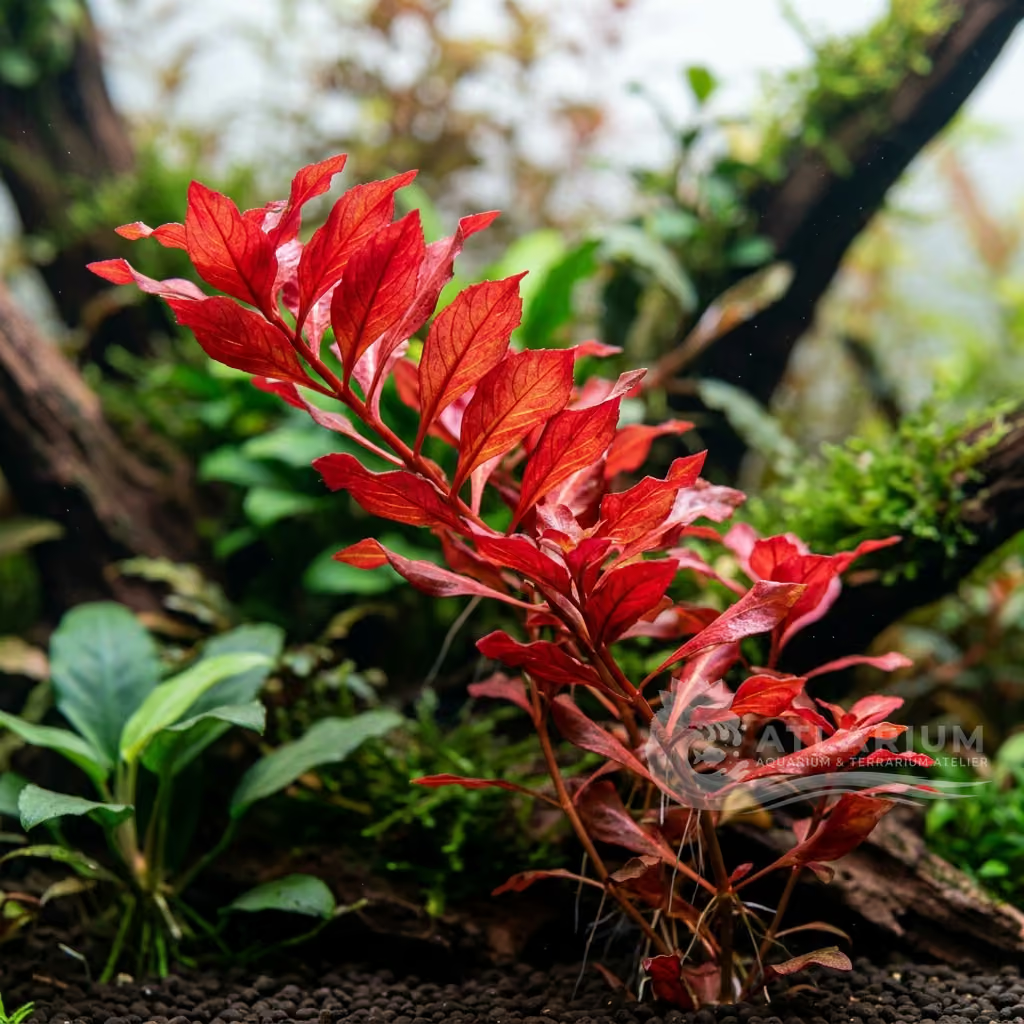
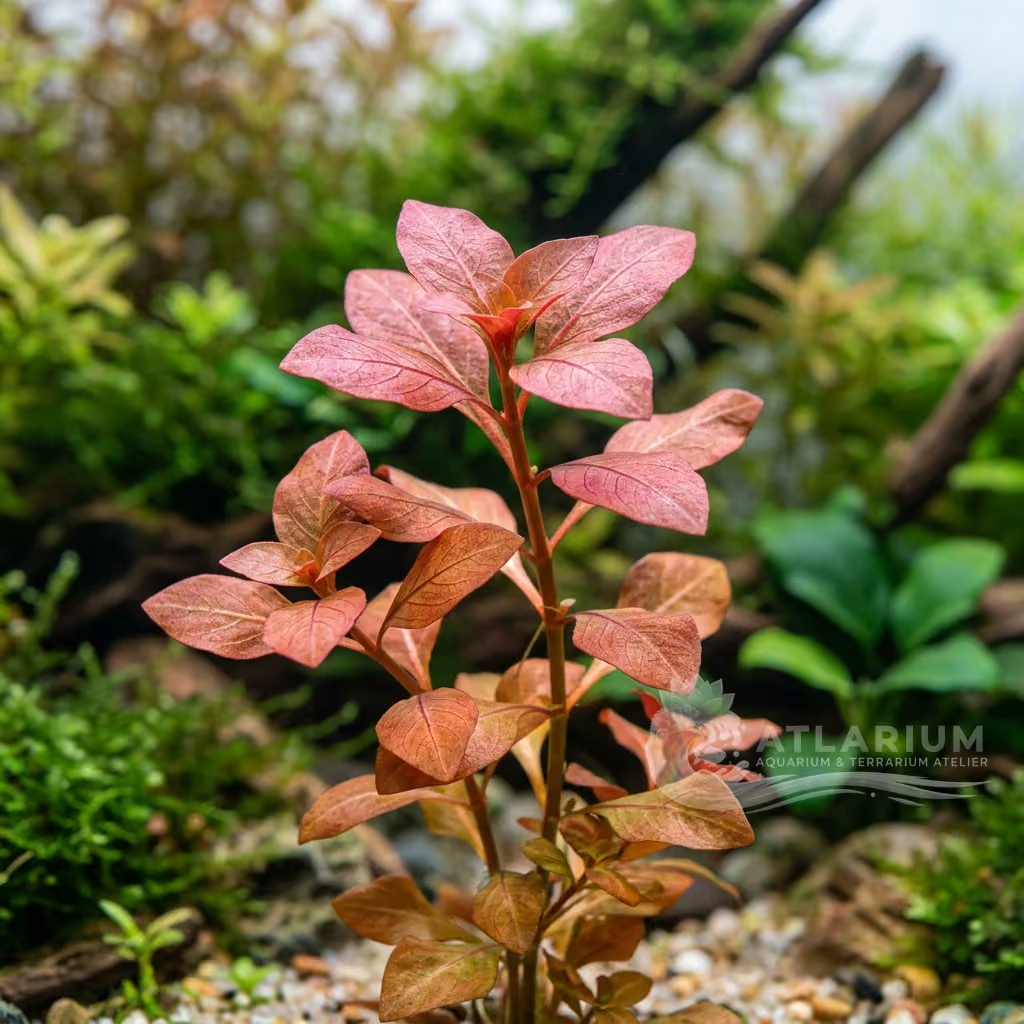
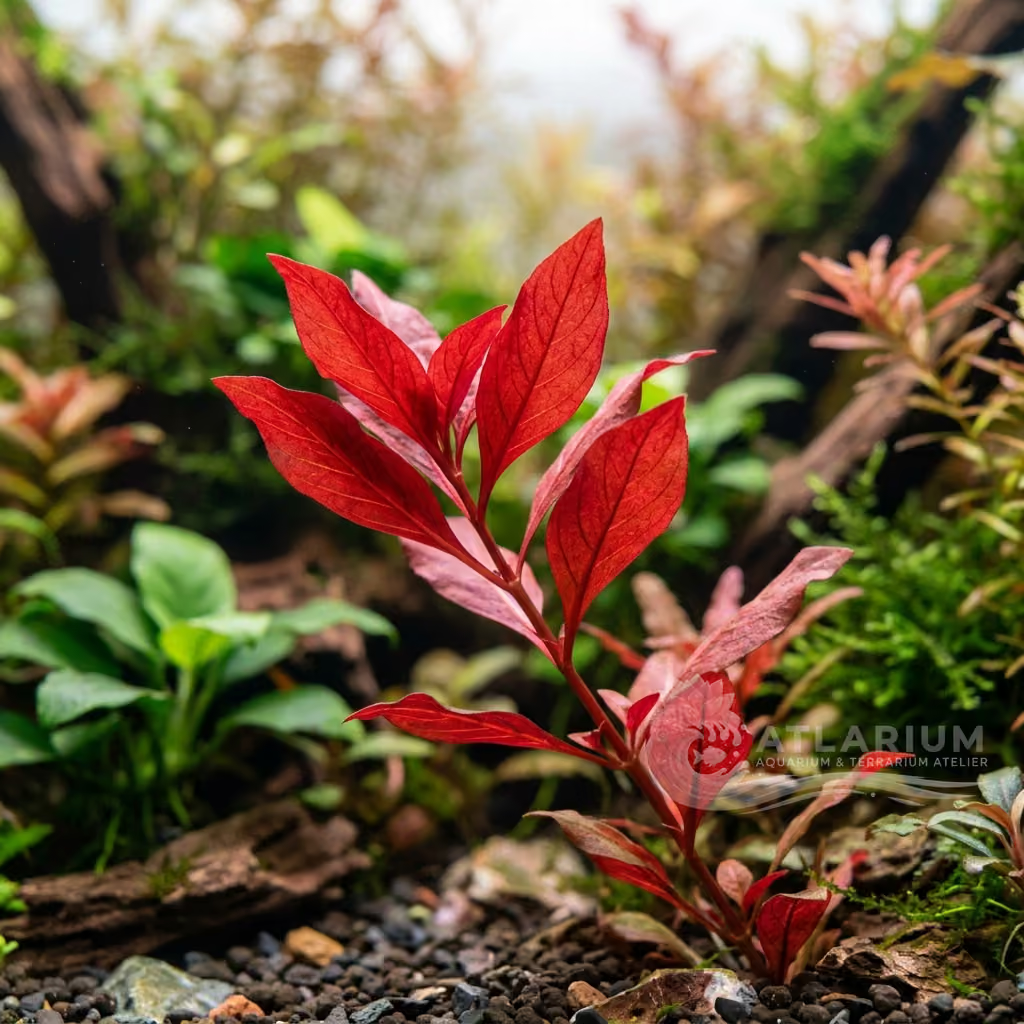
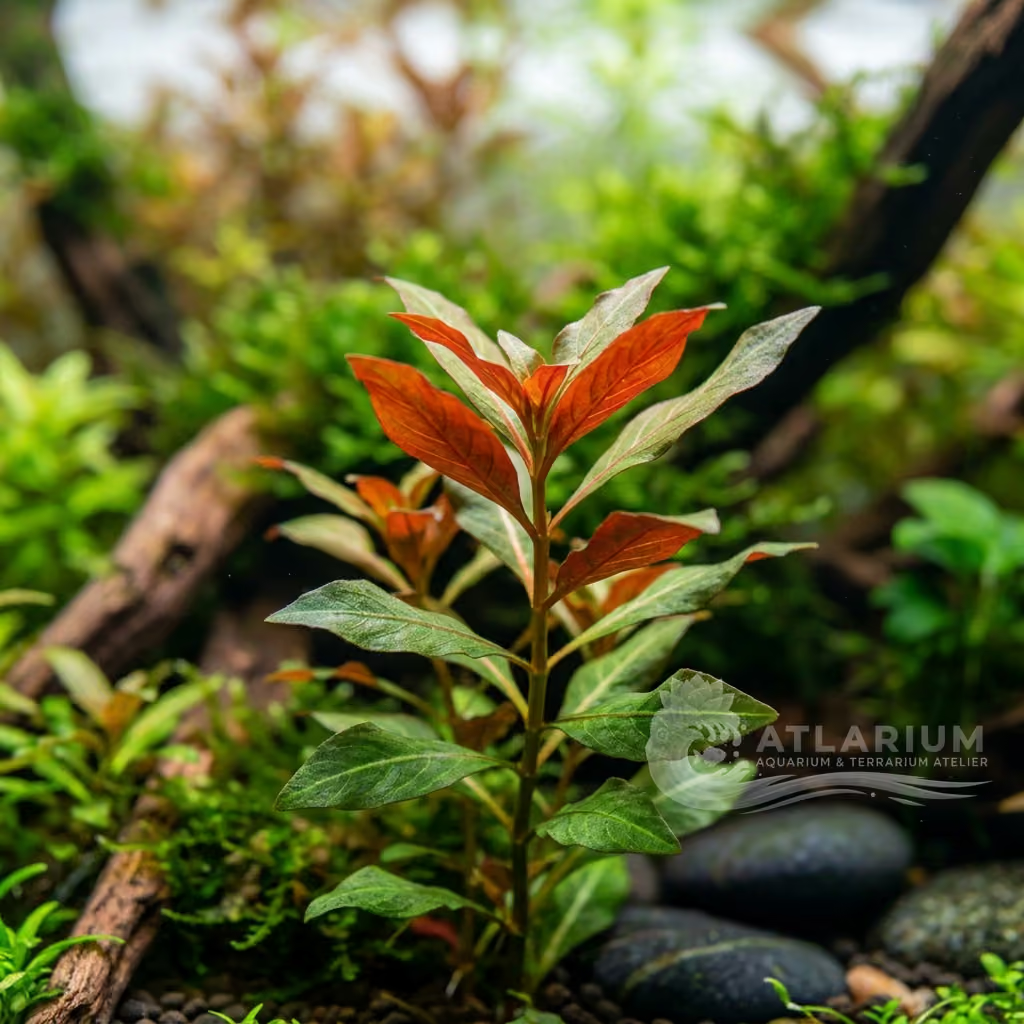
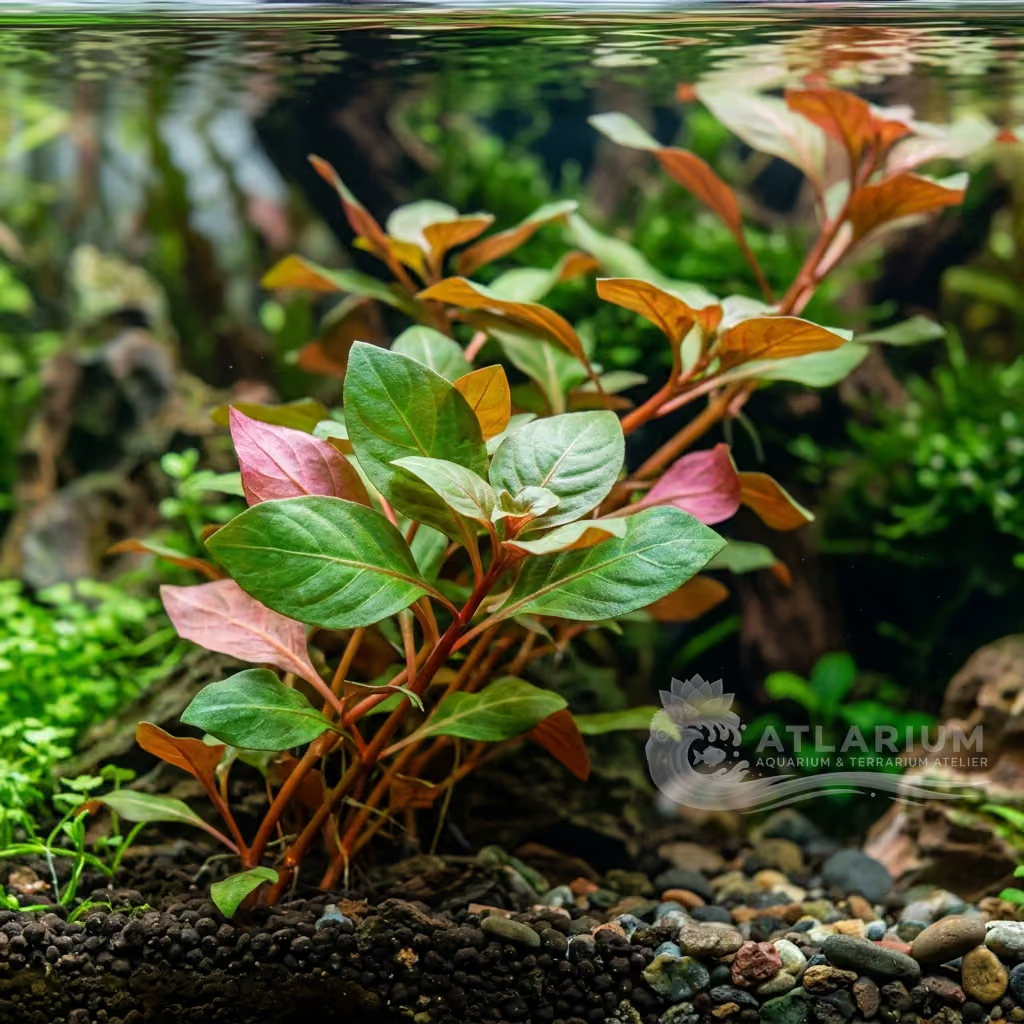
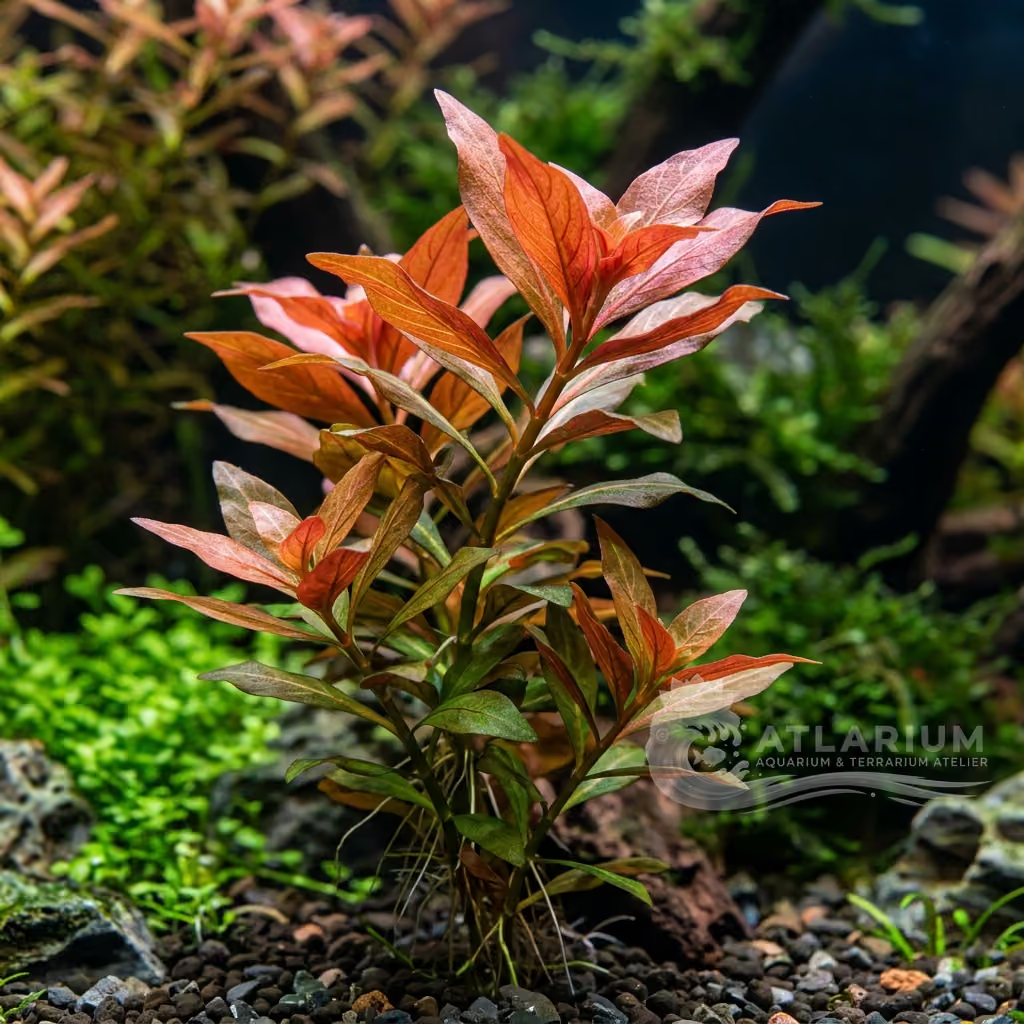
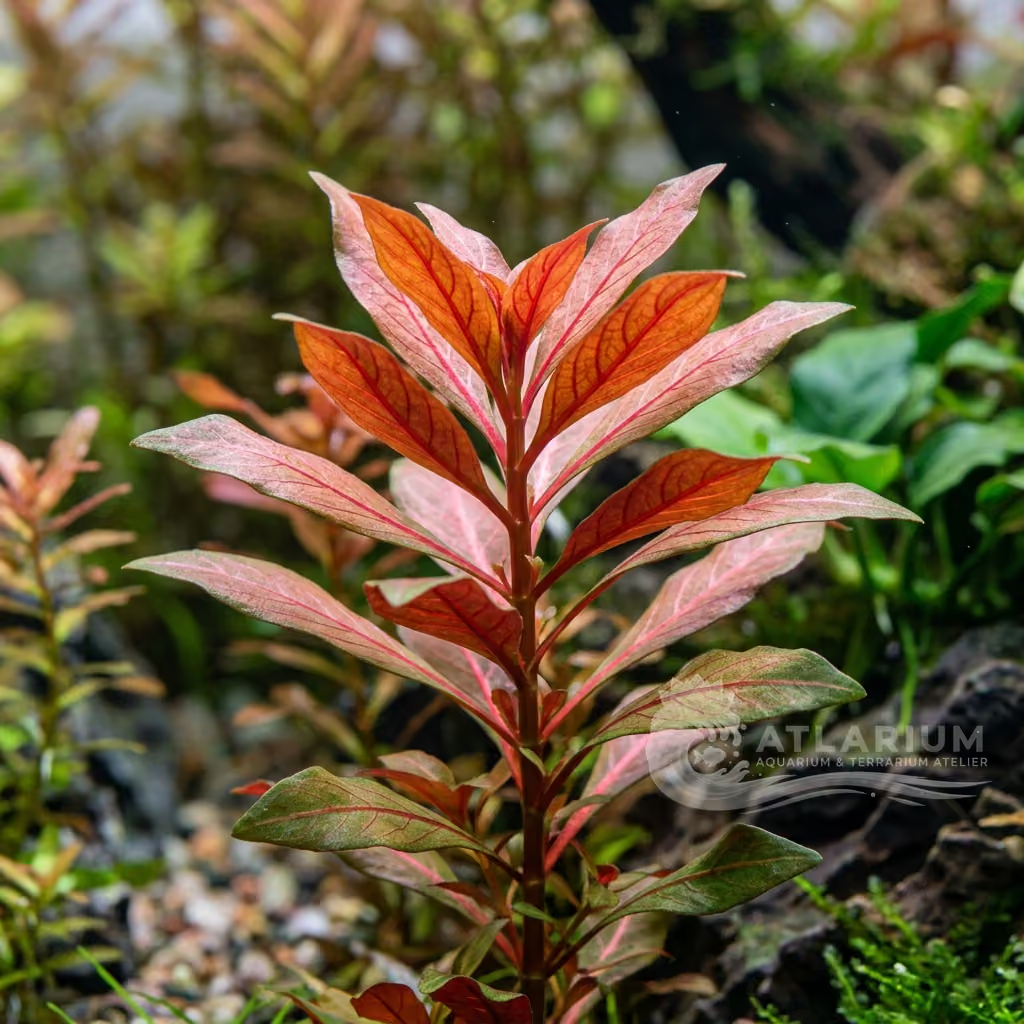
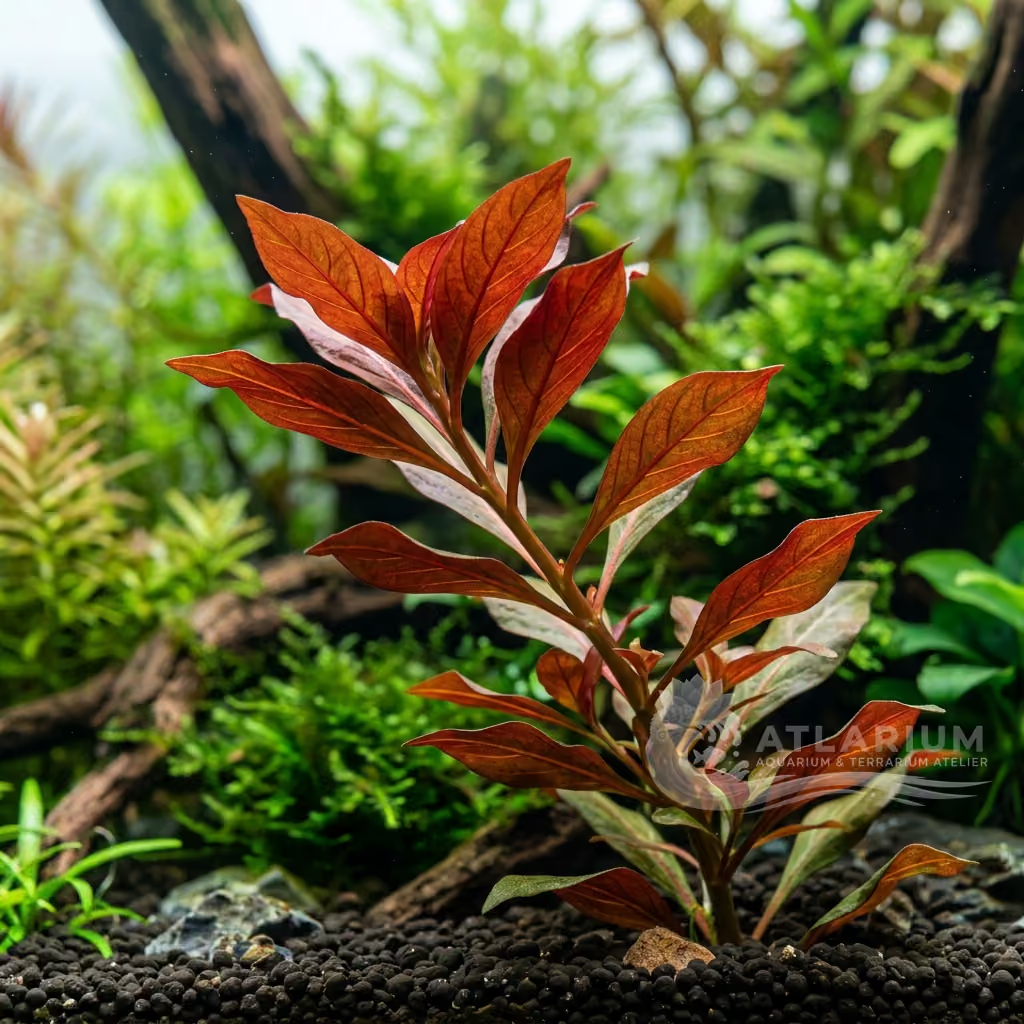
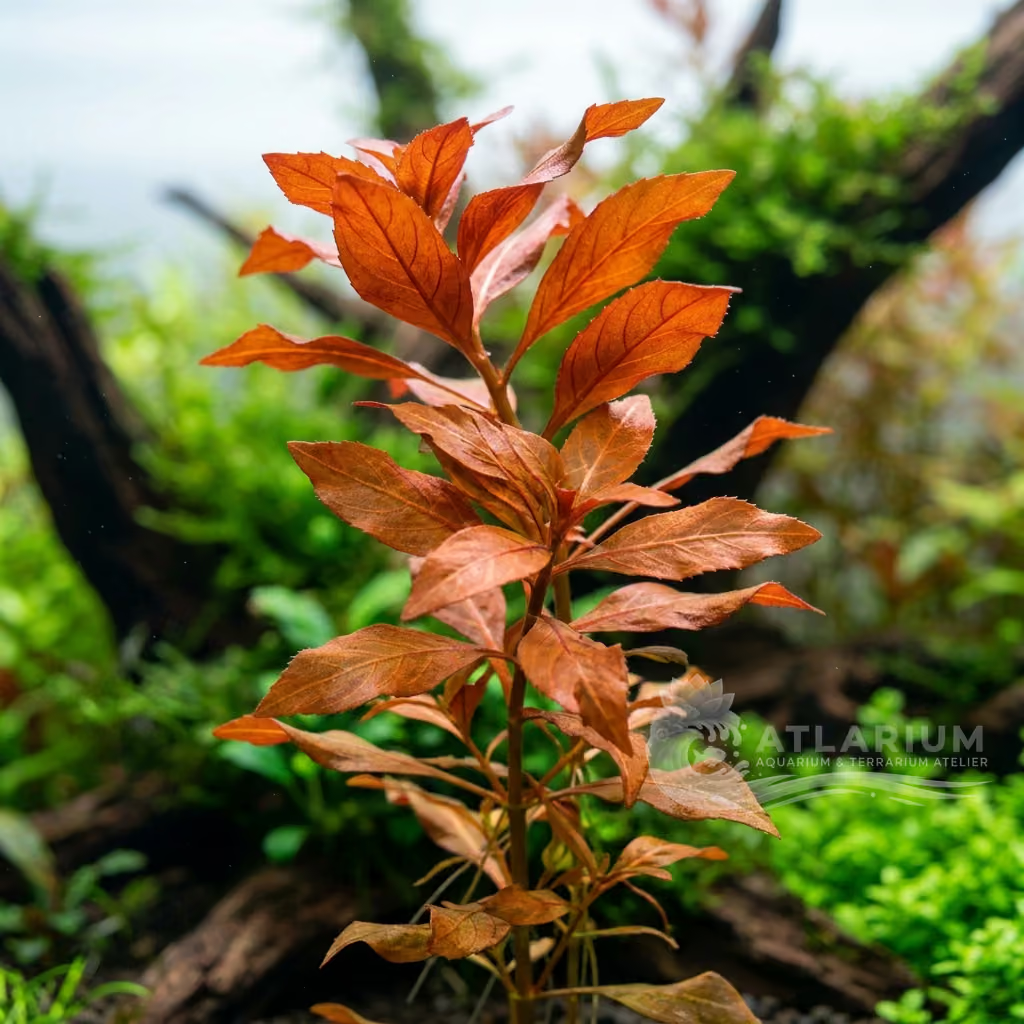
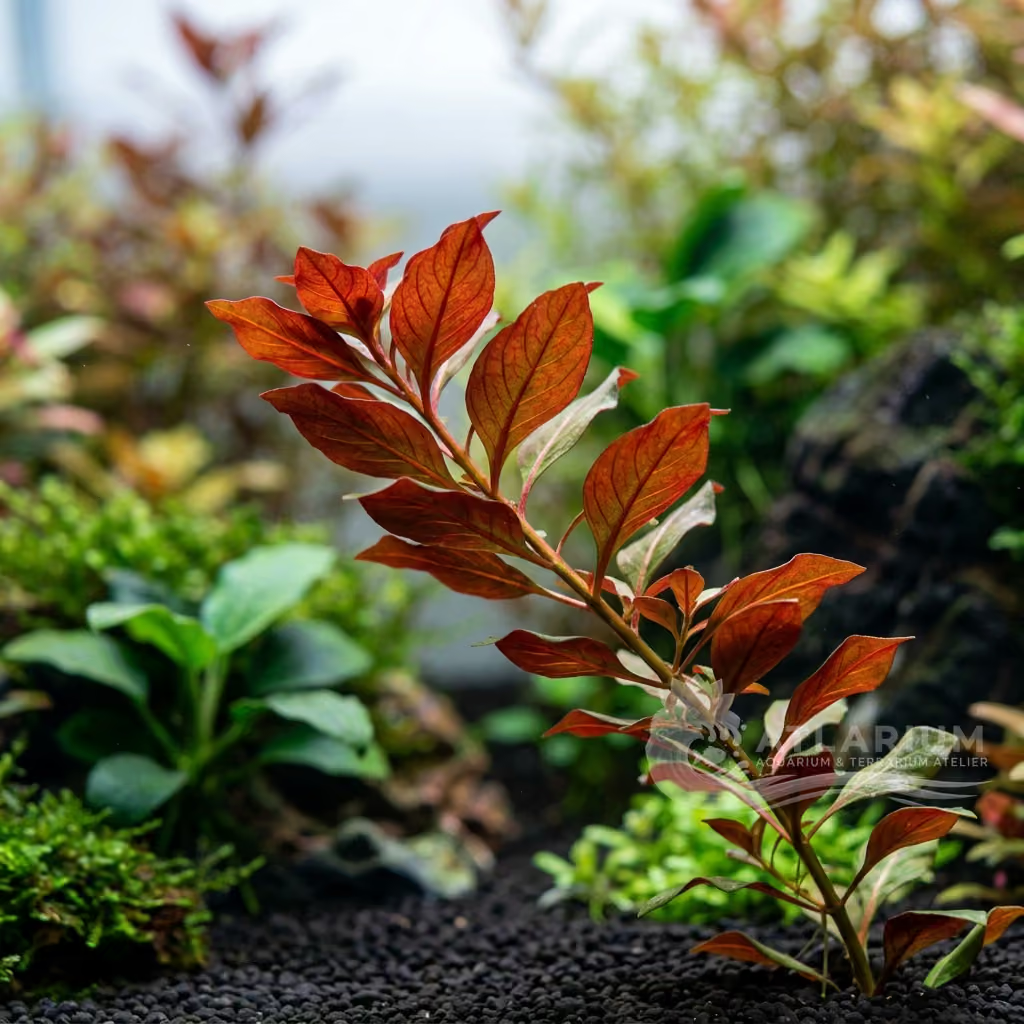
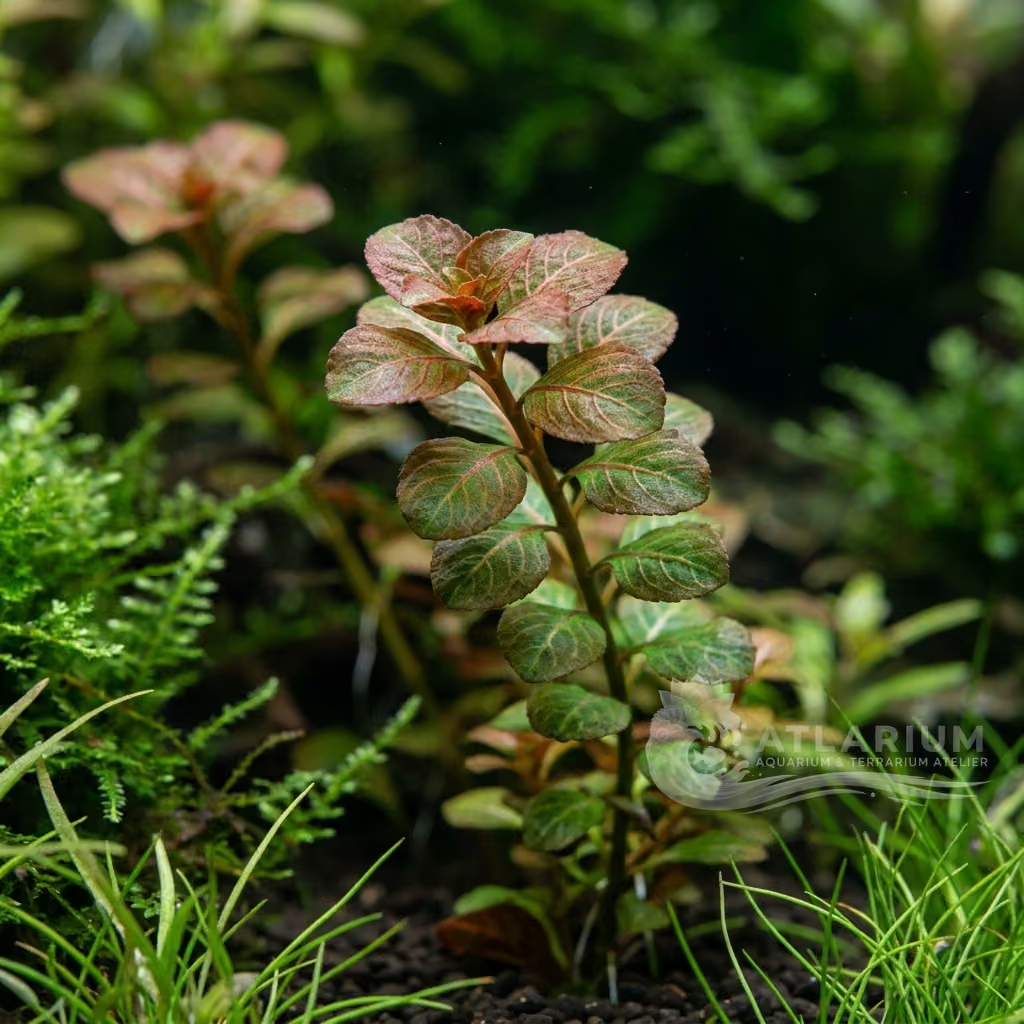
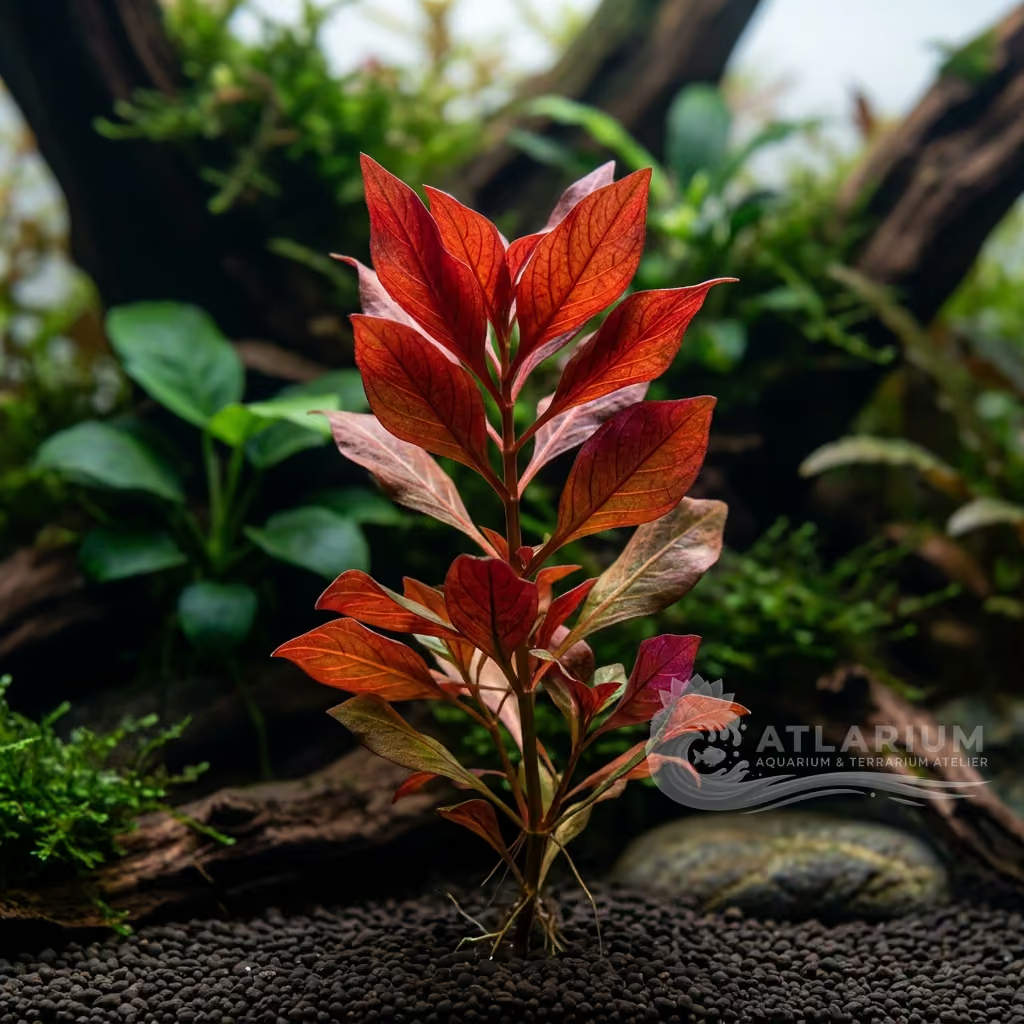
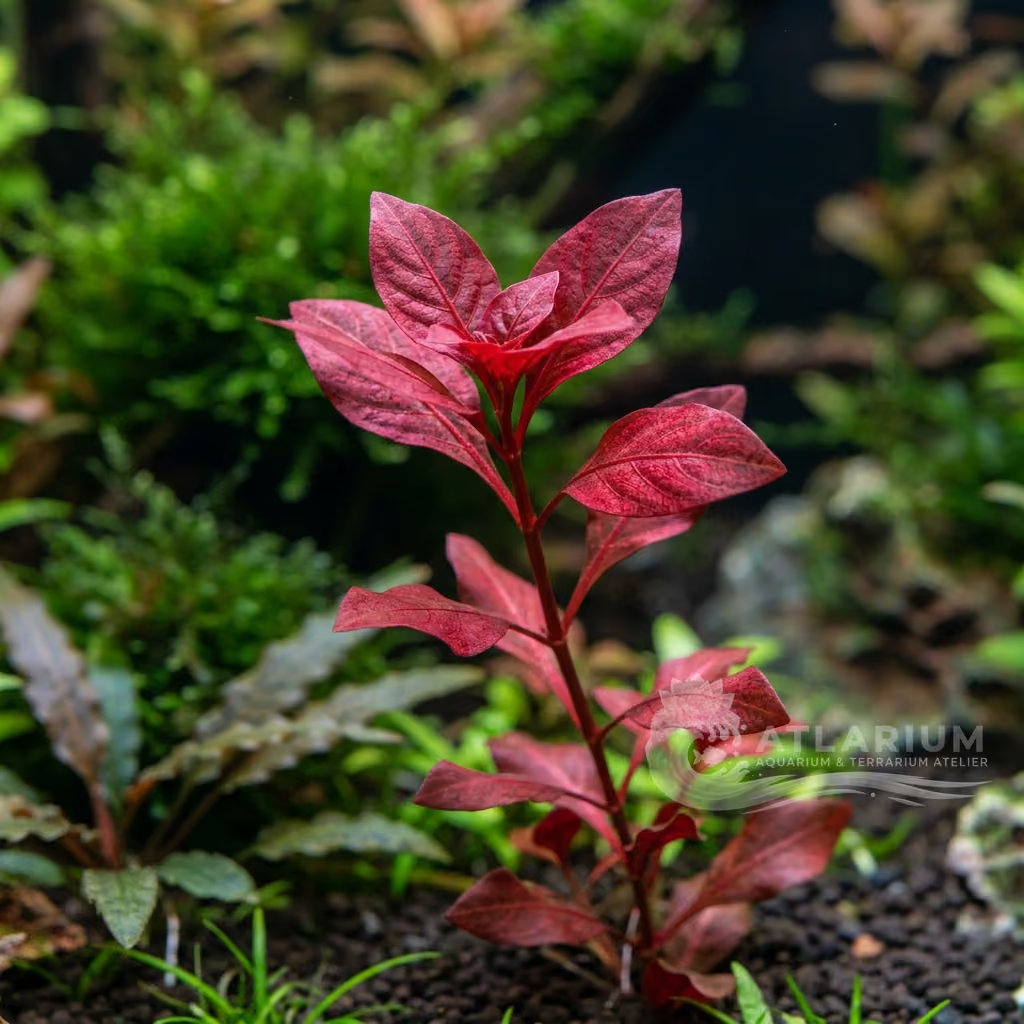
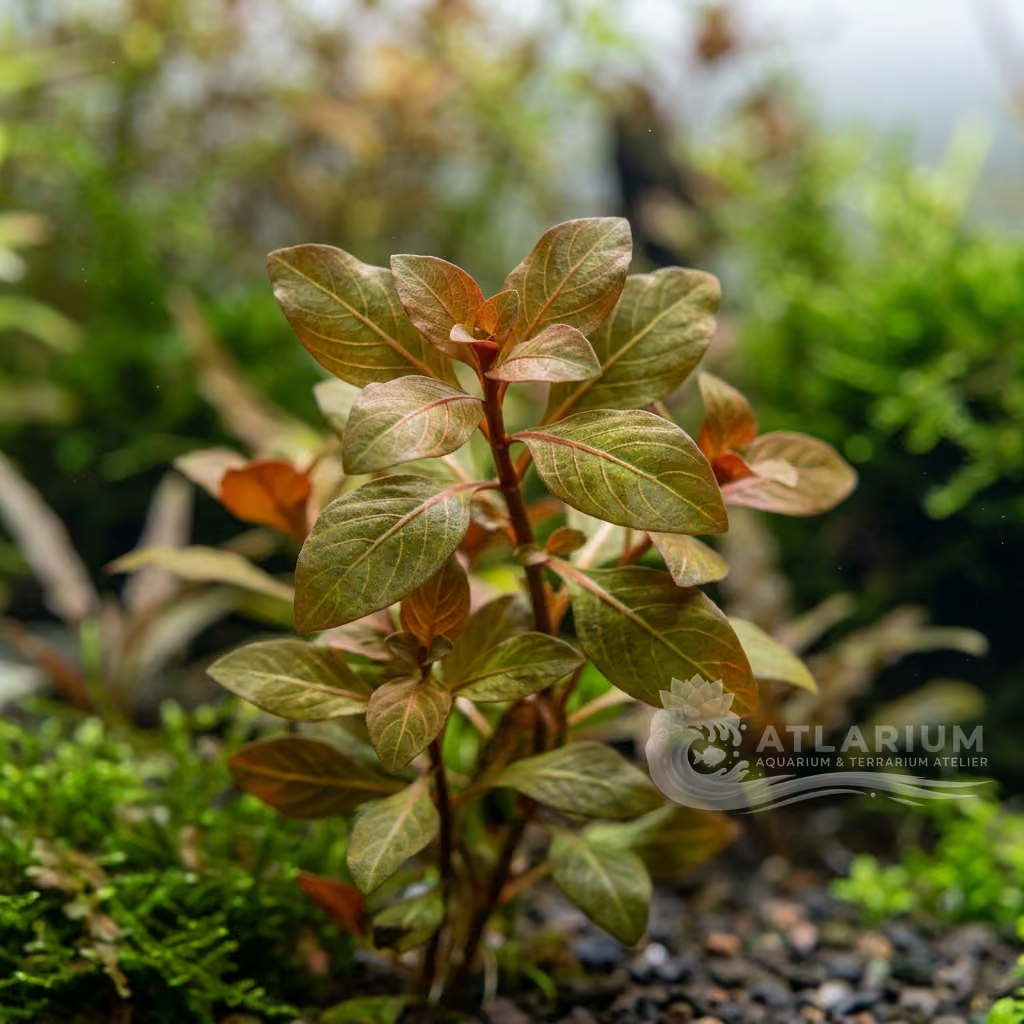
Color & Texture: Under ideal conditions of intense light and adequate nutrition, Ludwigia senegalensis showcases a breathtaking coloration ranging from brilliant red to deep orange, often with brown and burgundy undertones. The leaf veins can appear even darker, creating a captivating contrast with the rest of the foliage. The leaf surface is smooth and may appear slightly glossy, adding a refined texture to its overall visual impact, which integrates beautifully with greener plants.

Cuidado, criação e companheiros de tanque
Lighting & CO2: Ludwigia senegalensis demands high-intensity lighting to develop its distinctive red coloration and maintain compact growth. A PAR (Photosynthetically Active Radiation) level of at least 60-80 µmol/m²/s is often recommended for best results, preventing lower leaves from weakening or losing color. Carbon dioxide (CO2) supplementation is indispensable for its vigorous growth and full chromatic expression; a constant injection of 25-30 ppm is ideal to support its accelerated metabolism under strong light.
Nutrition & Substrate: For optimal growth, Ludwigia senegalensis greatly benefits from a rich, nutritious substrate capable of providing a solid base of macro and micronutrients directly to its roots. It is crucial to supplement nutrition with comprehensive liquid fertilization, paying particular attention to the provision of chelated iron and other trace elements. These nutrients are critical for intensifying red hues and preventing deficiencies that might manifest as pale leaves or stunted growth.
Water Chemistry: This species thrives in soft, slightly acidic water, with an ideal pH range between 4.5 and 7.0 and a carbonate hardness (KH) between 0.0 and 7.0. Water temperature should be maintained between 12.0 and 30.0 °C, but the optimal range for vigorous growth and vibrant coloration is between 22°C and 26°C. Regular and consistent water changes, amounting to 30-50% of the volume weekly, are essential for maintaining stable parameters and preventing the accumulation of harmful substances, contributing to a healthy environment for the plant.
Space Management & Placement: Given its chromatic potential and medium height, Ludwigia senegalensis is ideally placed in the midground of the aquarium, where it can create a strong visual impact. In smaller aquariums, it can also be used in the background to add depth and color. To maximize its aesthetic effect, it is advisable to plant it in dense groups, allowing the mass of color to stand out. Its medium growth rate requires careful space management to avoid shading other plants.
Pruning: Pruning Ludwigia senegalensis is an important operation to maintain the desired shape, promote denser bushiness, and prevent shading of lower leaves. Stems can be cut just above a leaf node, encouraging new lateral shoots to grow from the base or the cut point. Severed stems can be replanted into the substrate to propagate the plant and increase the density of the bush. Regular pruning every 2-4 weeks, depending on growth speed, is crucial for the plant's health and aesthetic appeal.
Risks & Diseases: Ludwigia senegalensis is generally robust but can suffer from common issues related to deficiencies or environmental imbalances. Fading or greening leaves often indicate an iron deficiency or insufficient light. The dropping of lower leaves can be a symptom of excessive shading or nutrient deficiency. Like many demanding plants, it is susceptible to algal growth if CO2 or nutrient levels are not balanced relative to lighting. Maintaining stable parameters and a consistent fertilization and CO2 routine will minimize these risks.

Origem e distribuição geográfica
Ludwigia senegalensis originates from the West African regions, particularly Senegal, from which it derives its specific name. Its natural habitat includes swamps, slow-moving rivers, and lake margins, where it often grows submerged or emergent. In these environments, it benefits from clear, nutrient-rich waters, characteristics that are fundamental for its successful cultivation in an aquarium setting.
Origem
África e Madagascar

Perfil da planta
- Posicionamento
- Plano intermediário
- It is best placed in the midground to background of the aquarium, depending on the tank size. Due to its high light requirements, it should not be shaded by taller plants. Planting it in small, distinct groups allows its unique pattern to stand out as a focal point.
- Forma botânica
- Caule
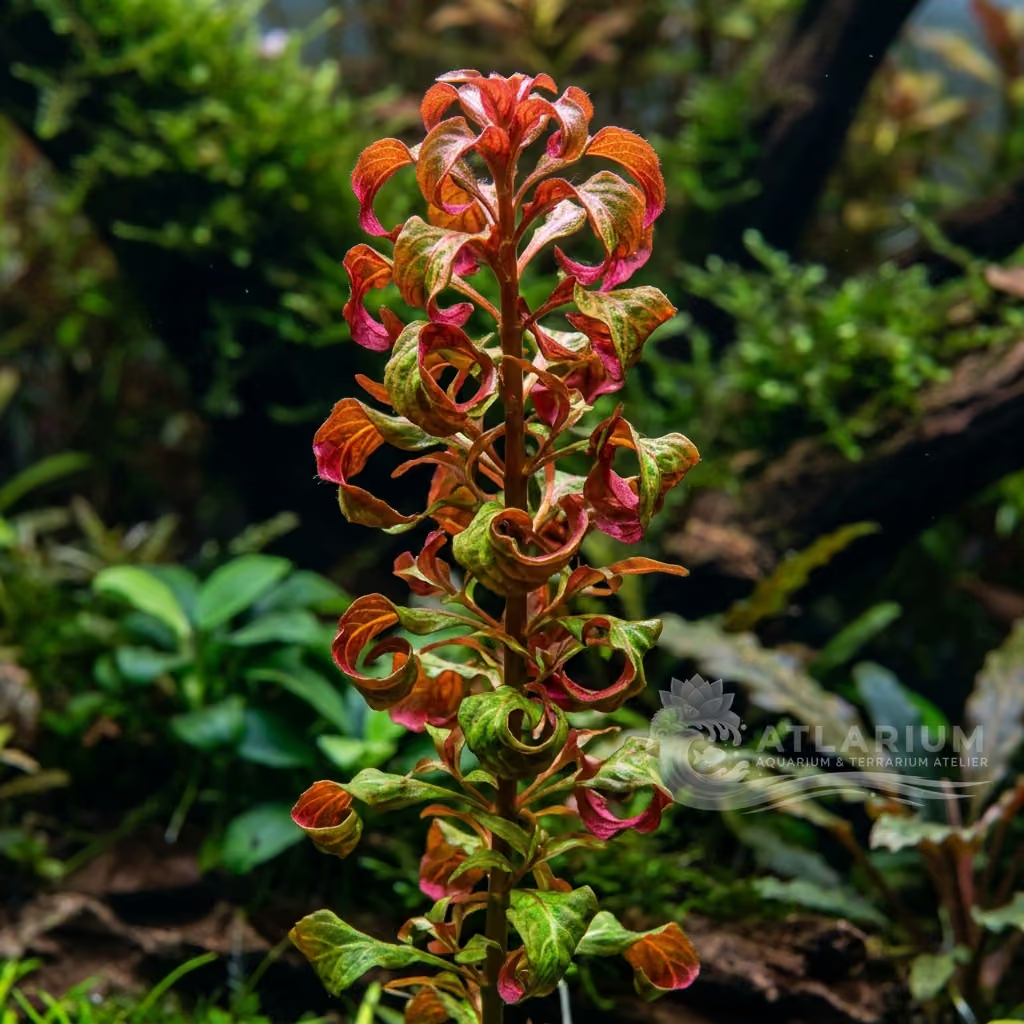
- This species features striking, slightly wavy oval leaves with a distinct reticulated pattern of lighter veins on a dark red or orange background. The stems grow upright but can branch out to form a bushy appearance. Its unique texture sets it apart from typical red stem plants.
- Crescimento
- Média
- Compared to other Ludwigia species, it has a moderate growth rate even under optimal conditions. It takes time to establish and adjust to new parameters. Once acclimated, it grows steadily but rarely becomes invasive.
- Substrato
- Alta
- Ludwigia senegalensis demands a nutrient-rich aqua soil to establish a strong root system and maintain its striking brick-red patterns. A substrate depth of at least 2 inches provides optimal anchoring for its delicate stems. Its roots actively absorb essential macro and micronutrients from the soil, making root tabs highly beneficial if grown in an inert substrate like sand or gravel.
- Fertilização de coluna
- Recomendada
- Rigorous column fertilization is mandatory, including consistent dosing of micro and macronutrients. Without sufficient nutrients in the water, the leaves will quickly pale, and the lower leaves may drop off. Daily dosing of an all-in-one liquid fertilizer often yields the best results.
- Fertilização radicular
- Recomendada
- A nutrient-rich substrate is highly beneficial for the long-term health of Ludwigia senegalensis. Adding root tabs near the base can provide a safety net if column nutrients fluctuate. Strong root development supports more robust stem growth.
- Corte
- Ocasional
- Trim by topping the main stems and replanting the tops to propagate the plant. The rooted bottom portions will eventually sprout new side shoots, though they may take longer to recover than hardier species. Avoid trimming too aggressively to prevent the plant from dying back.
- Propagação
- Estacas
- Propagation is done by taking stem cuttings and replanting them in the substrate. Ensure that cuttings have healthy leaves and are placed in areas with strong light and flow. Side shoots can also be carefully separated once they reach a suitable size.
- Sensibilidade
- Moderada
- This plant is extremely sensitive to fluctuations in CO2, nutrients, and light. It is prone to stunting and leaf loss if parameters are not perfectly stable. It is not recommended for beginners due to its demanding nature.
- Função de layout
- Plano intermediário, Fundo
- Ludwigia senegalensis acts as a striking focal point or accent plant due to its unique vein pattern and coloration. It provides excellent contrast against solid green or finely textured plants. It is often used in Dutch-style aquascapes for its distinct visual appeal.

Espécies relacionadas
Recomendações agrupadas por parentes próximos, escolhas de acompanhantes e cuidados semelhantes.