Ludwigia pulvinaris
Ludwigia pulvinaris
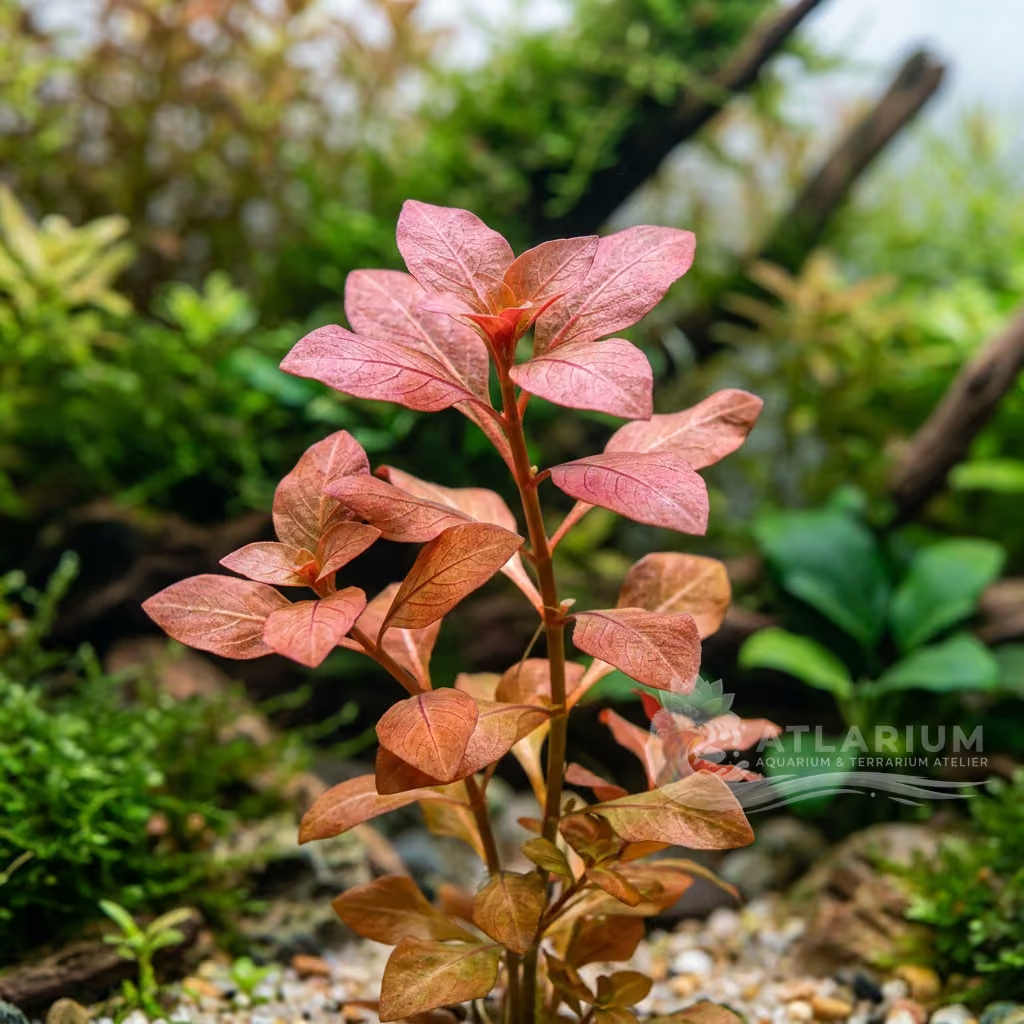
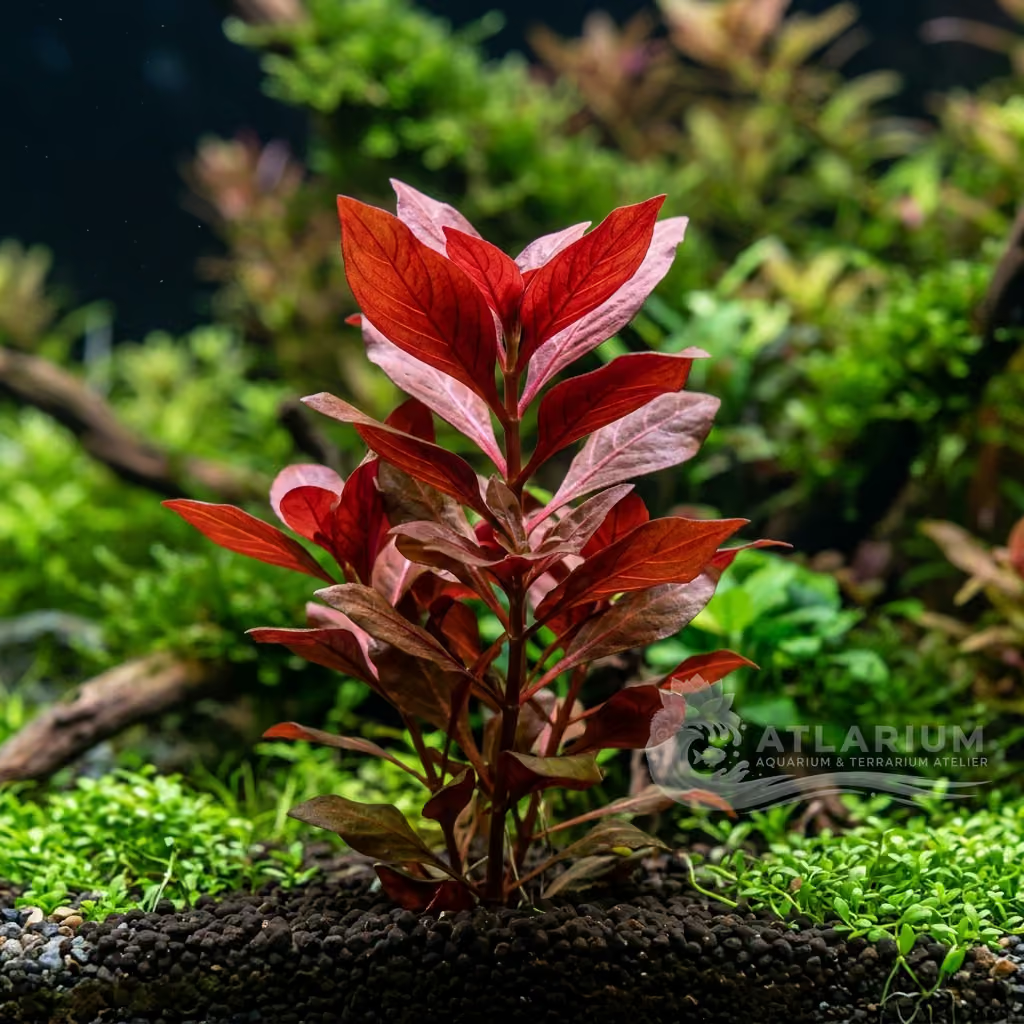
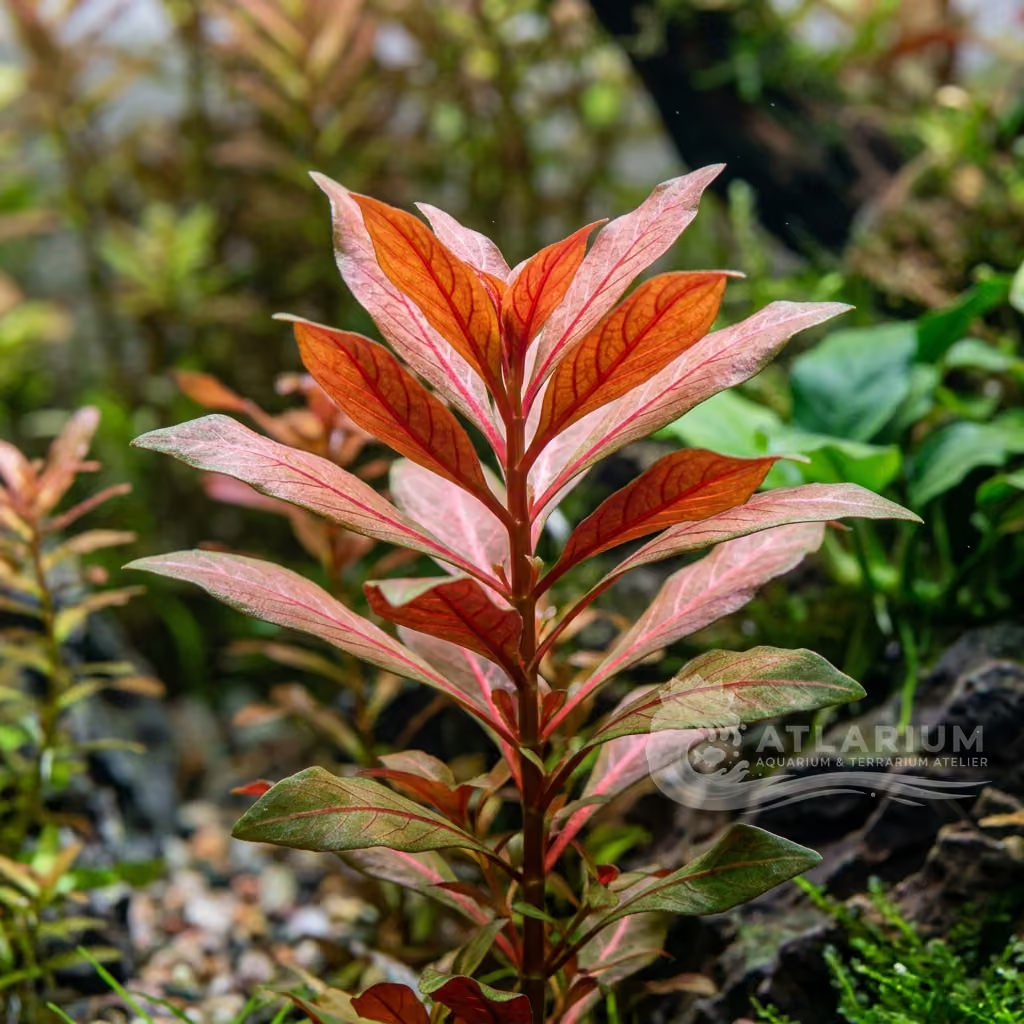
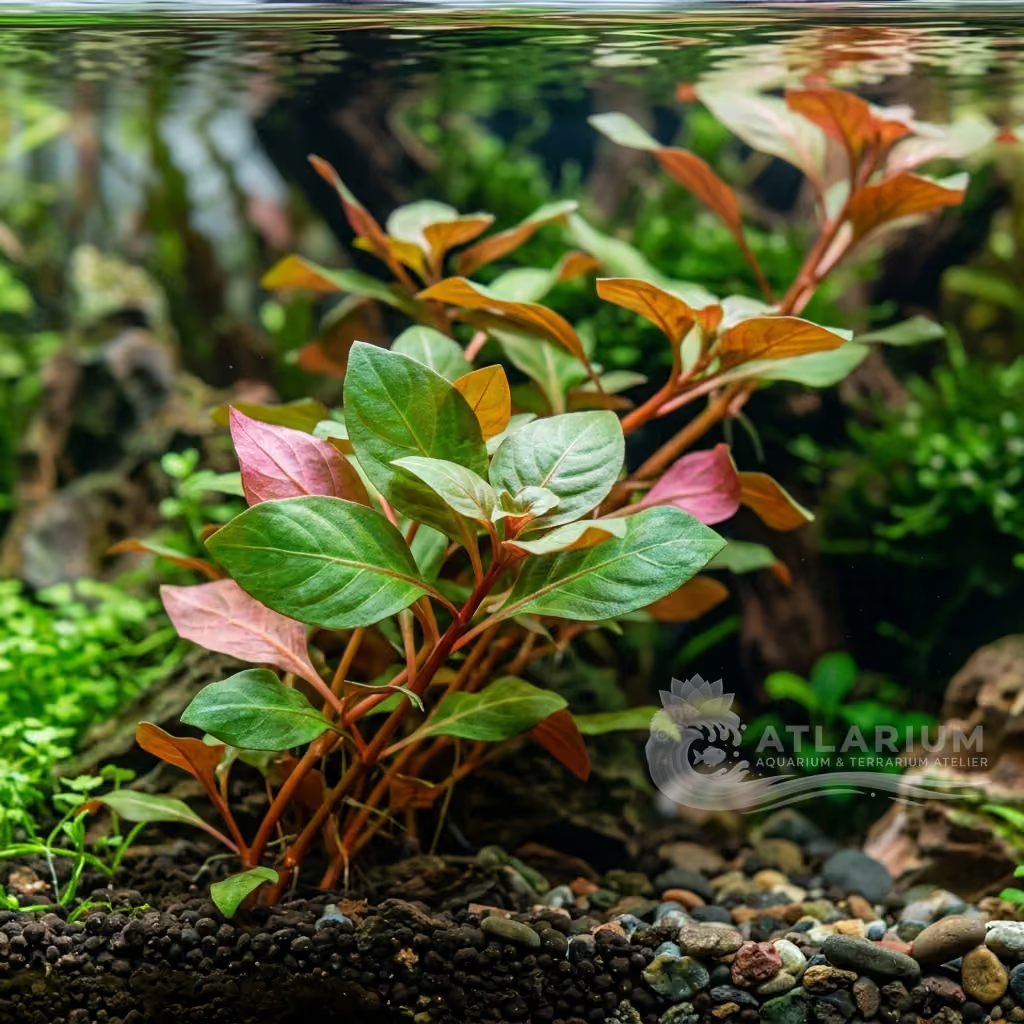
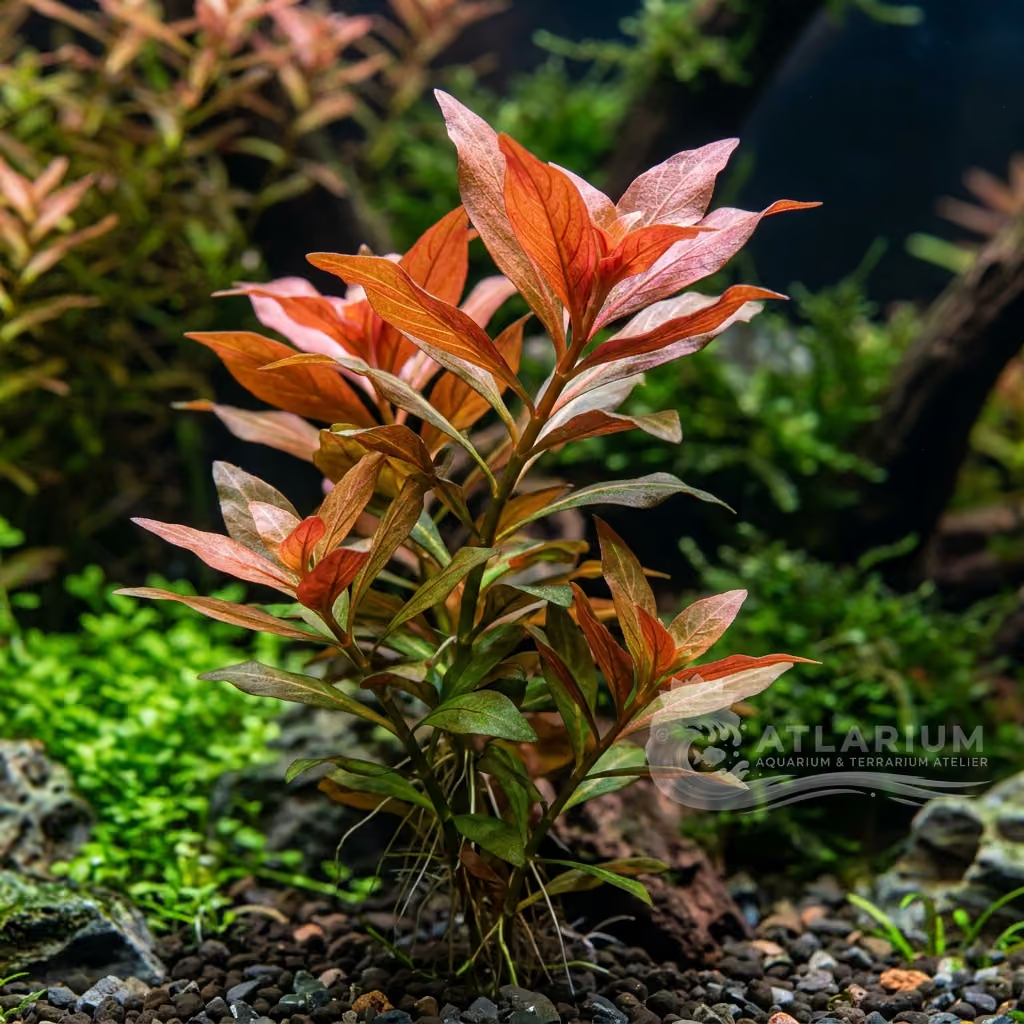
Ludwigia pulvinaris is a striking stem plant ideal for the midground of an aquascape, offering a medium growth rate and vibrant coloration. It serves as an excellent focal point or a richly colored textural contrast in planted aquariums.
Temperatura da água
20 - 28 °C
Valor de pH
6 - 7.5
Tipo de água
Água doce
Luz
Média - Alta
CO2
Média - Alta
KH
2 - 10 dKH

Descrição da espécie
Geographical Origin and Habitat: While specific natural origins for Ludwigia pulvinaris are often attributed to South America, many cultivated forms seen in the hobby are results of selective breeding for enhanced
Color & Texture: and robust growth. These plants typically thrive in shallow, nutrient-rich waters with ample light, often found along the edges of slow-moving rivers or swamps. Its adaptation to submerged conditions makes it a popular choice for freshwater aquariums worldwide, though its most vibrant forms are often propagated in specialized nurseries.
Taxonomy & Genetics: Ludwigia pulvinaris belongs to the family Onagraceae, which includes a diverse range of flowering plants, many of which are aquatic or semi-aquatic. Within the genus Ludwigia, this species is recognized for its compact growth habit and intense red coloration, which is often a result of specific genetic expressions under optimal conditions. The classification highlights its close relation to other popular aquascaping Ludwigias, yet it maintains distinct morphological and chromatic characteristics.
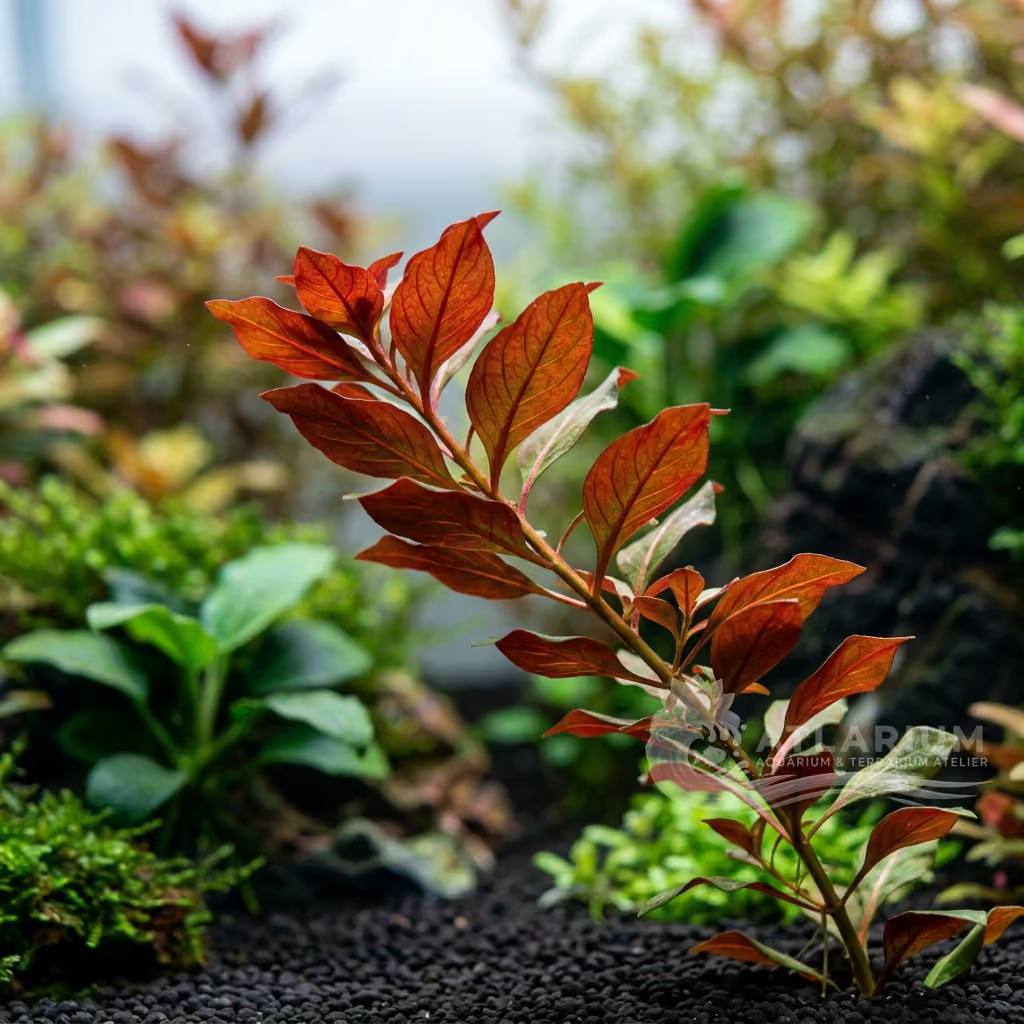
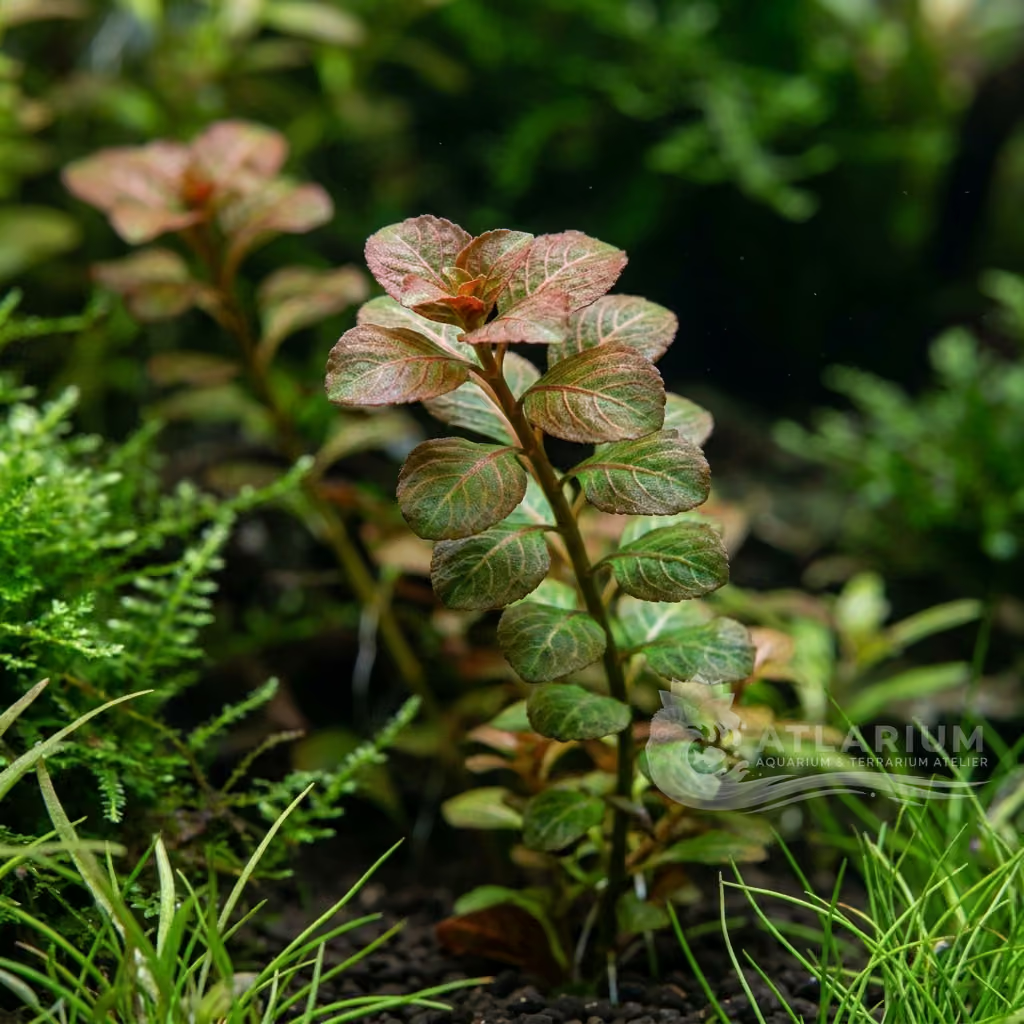
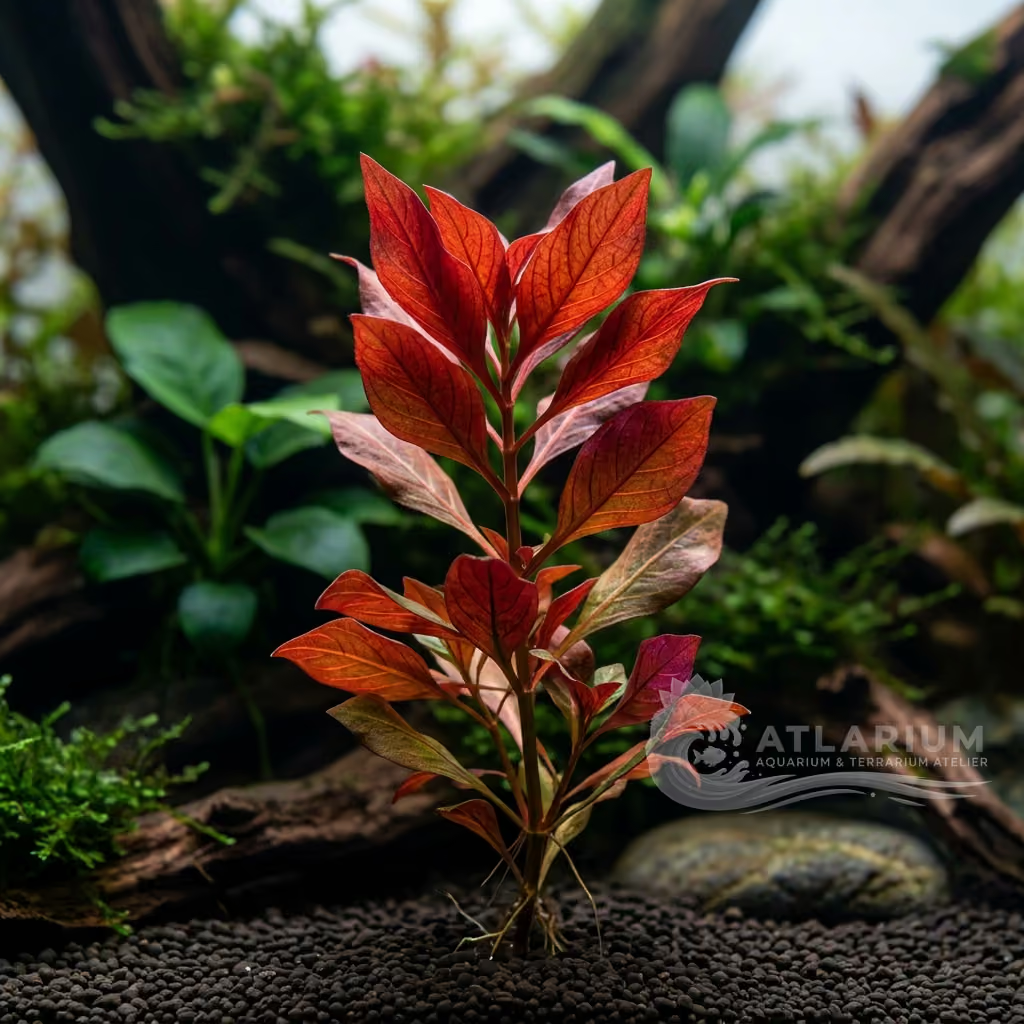
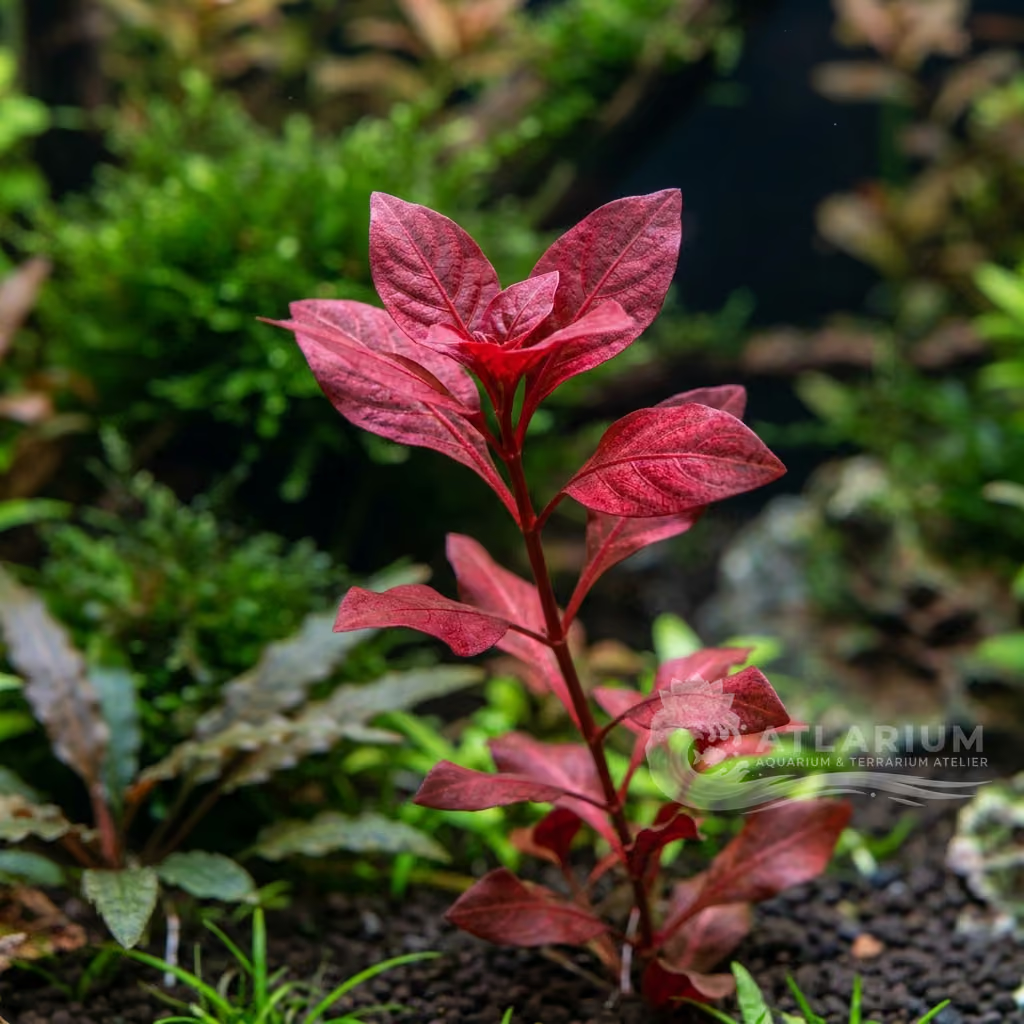
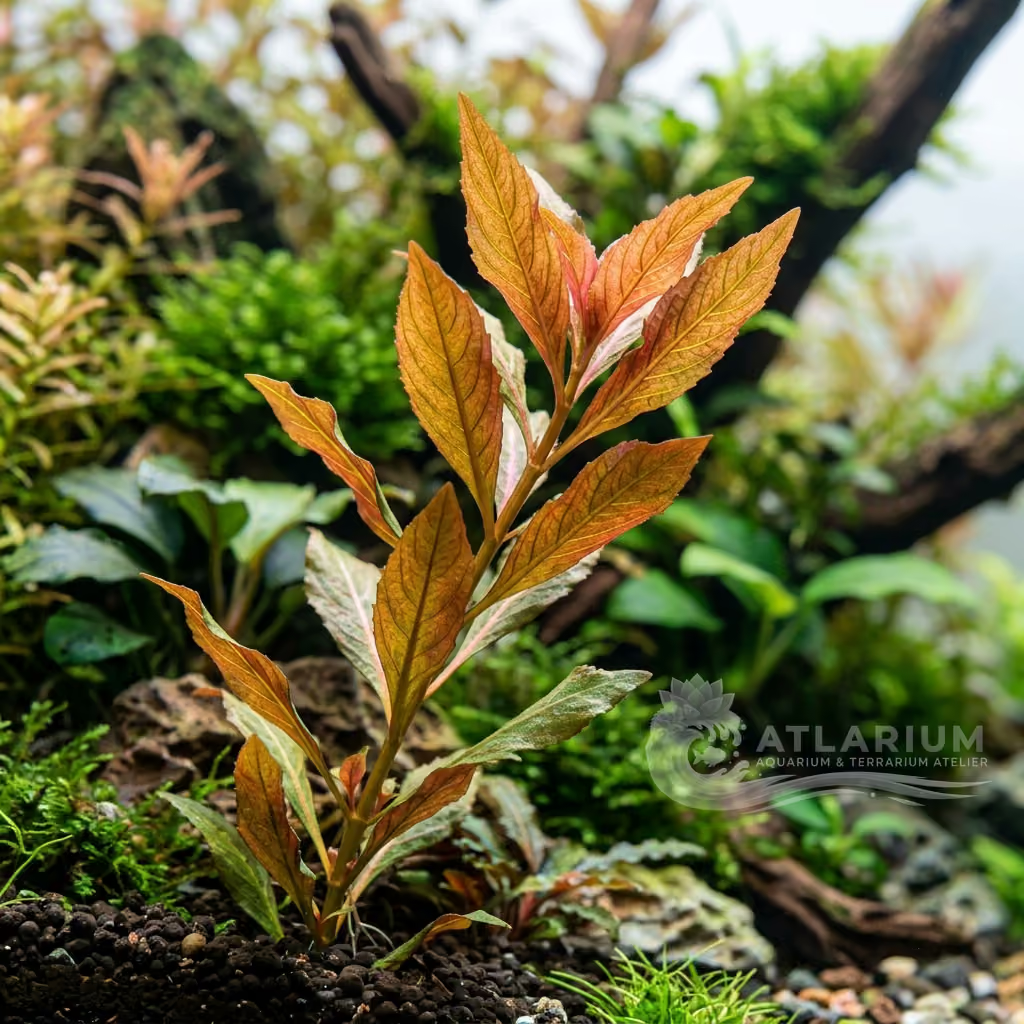
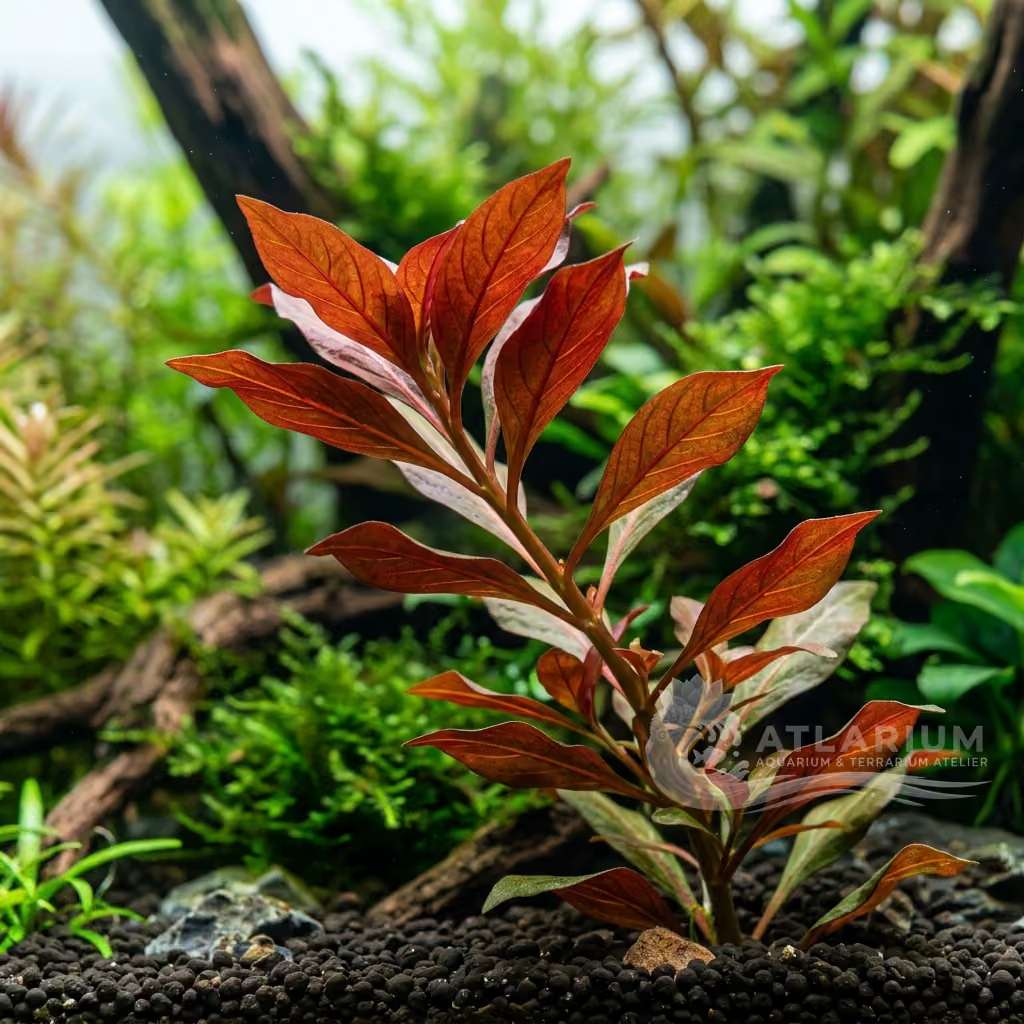
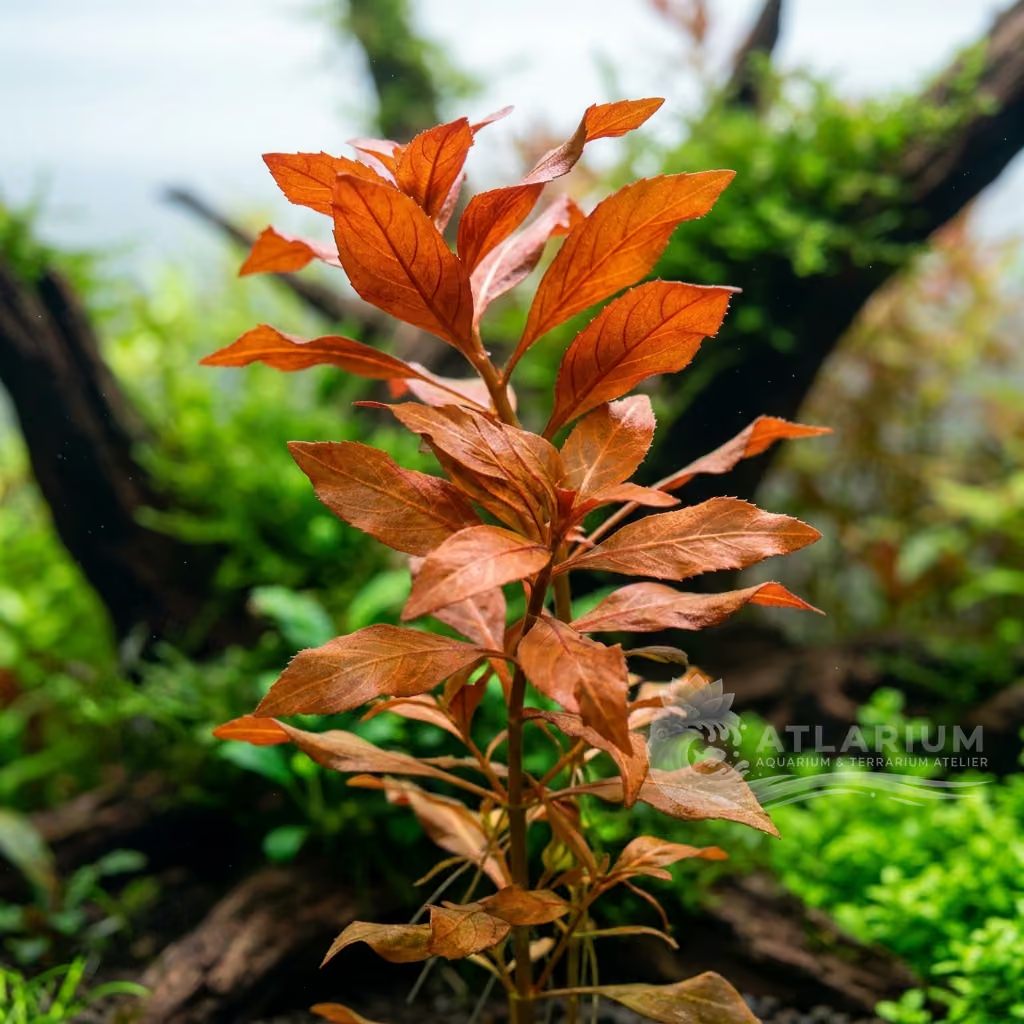
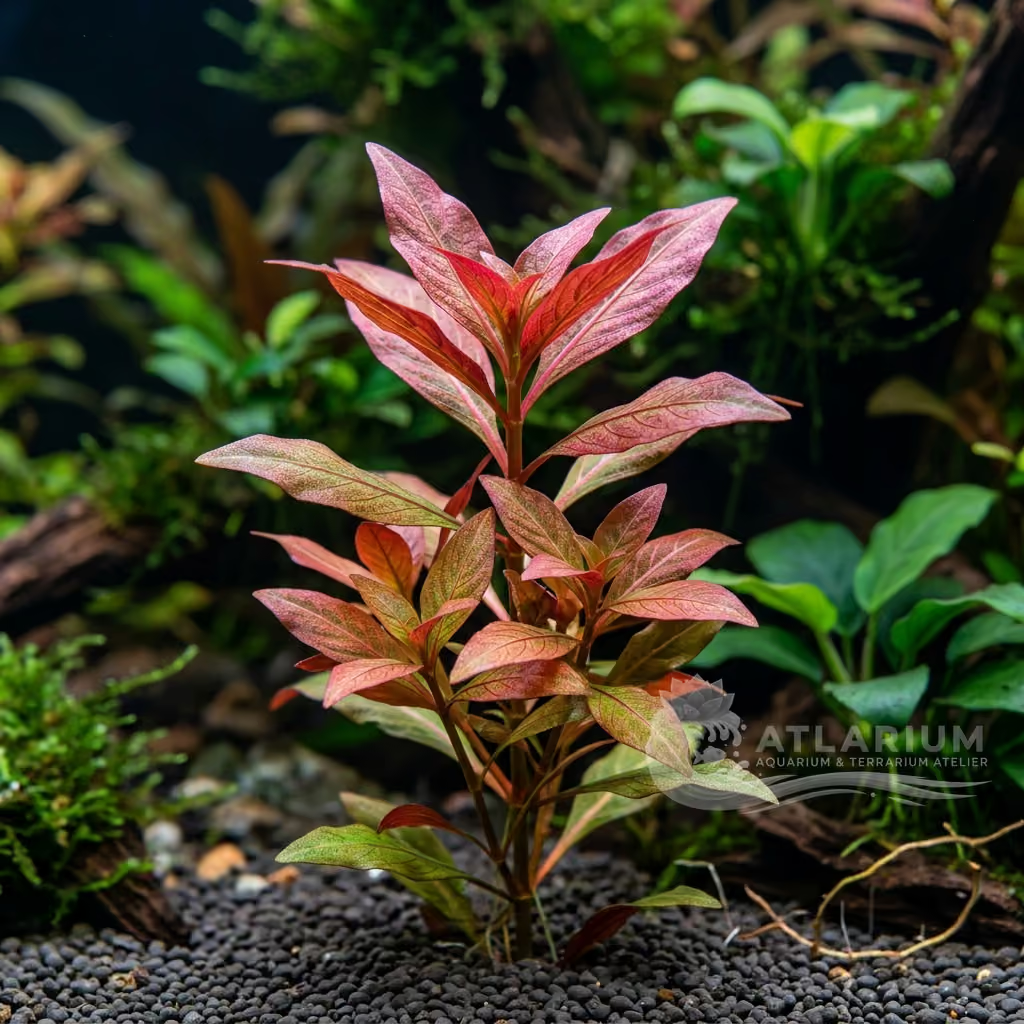
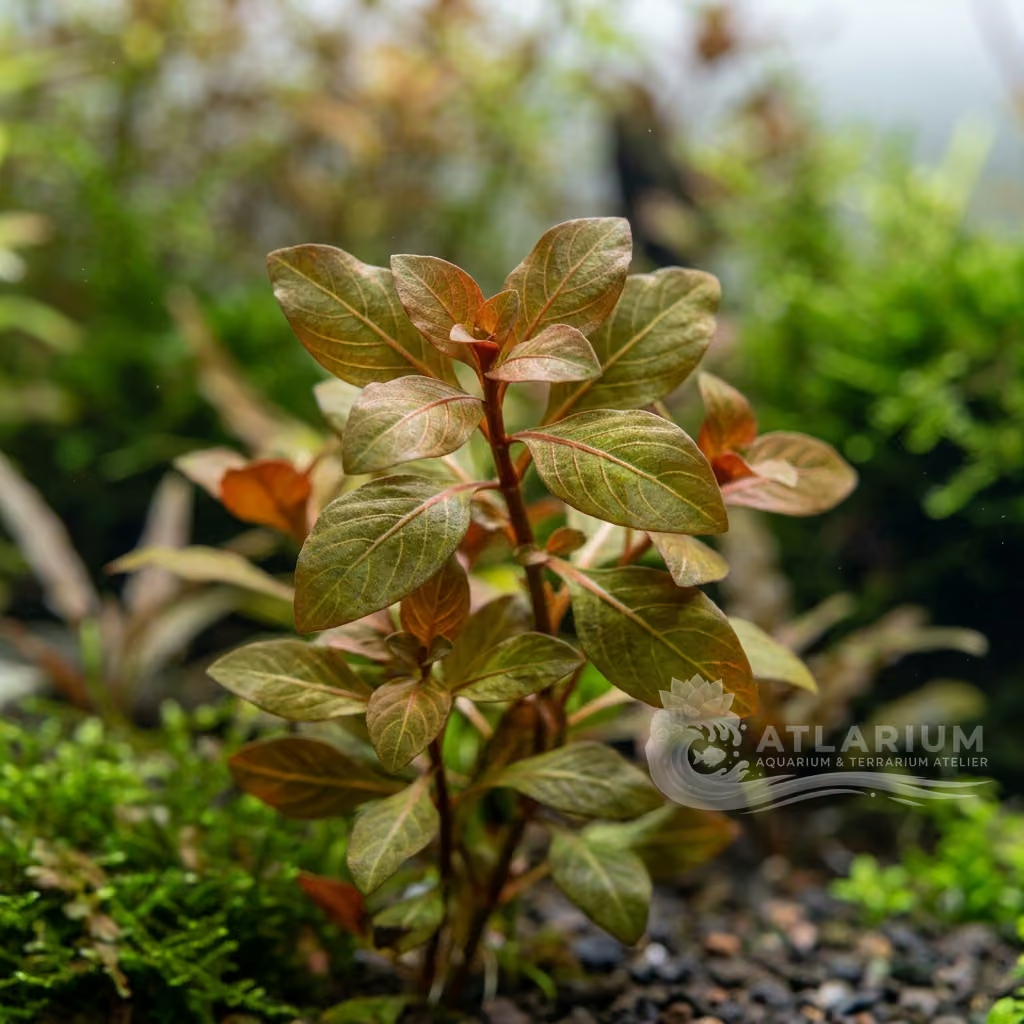
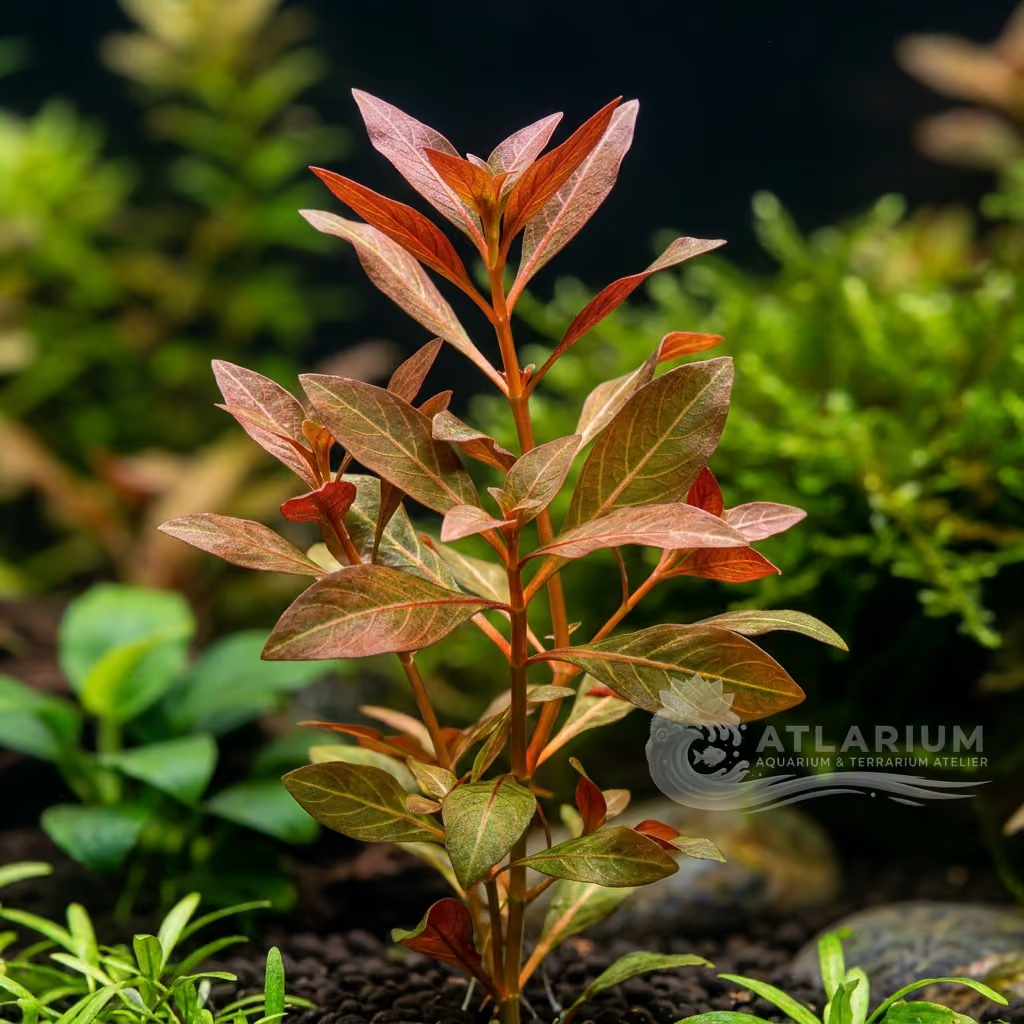
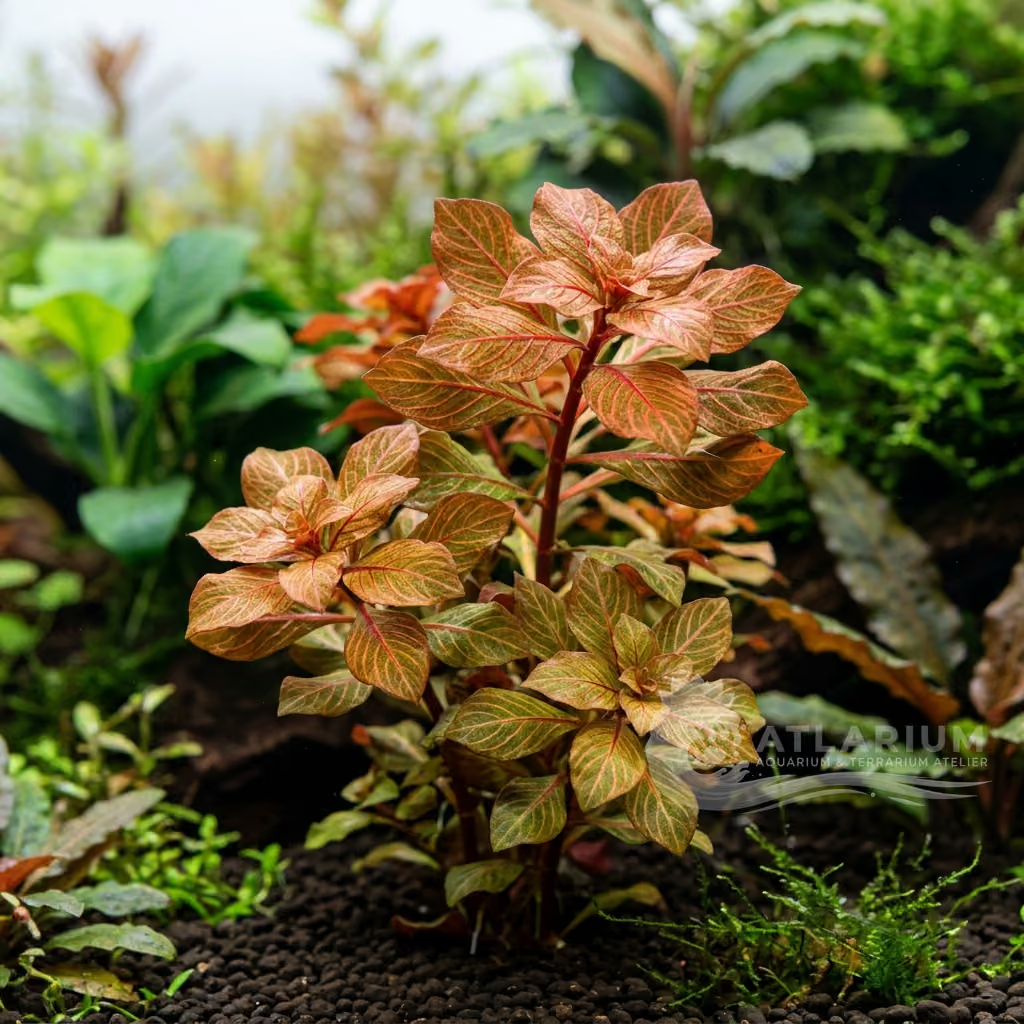
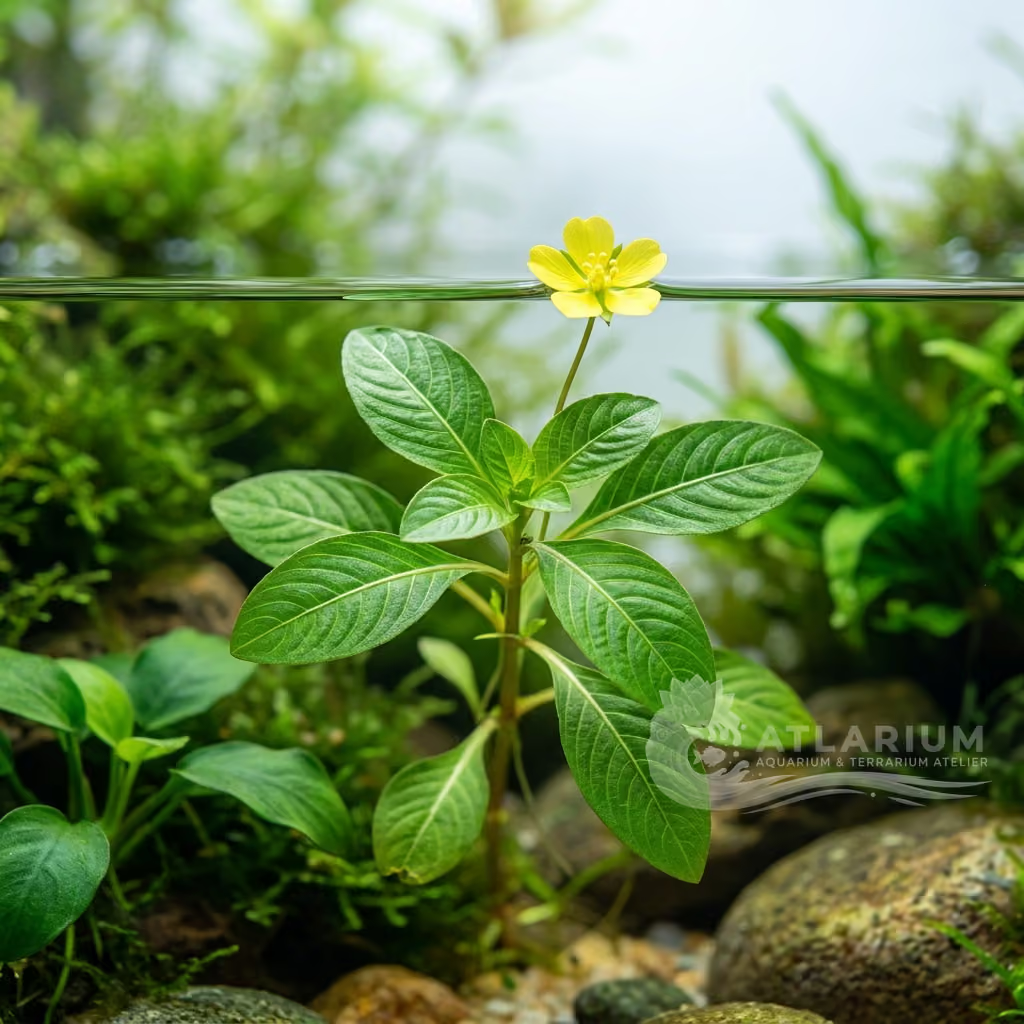
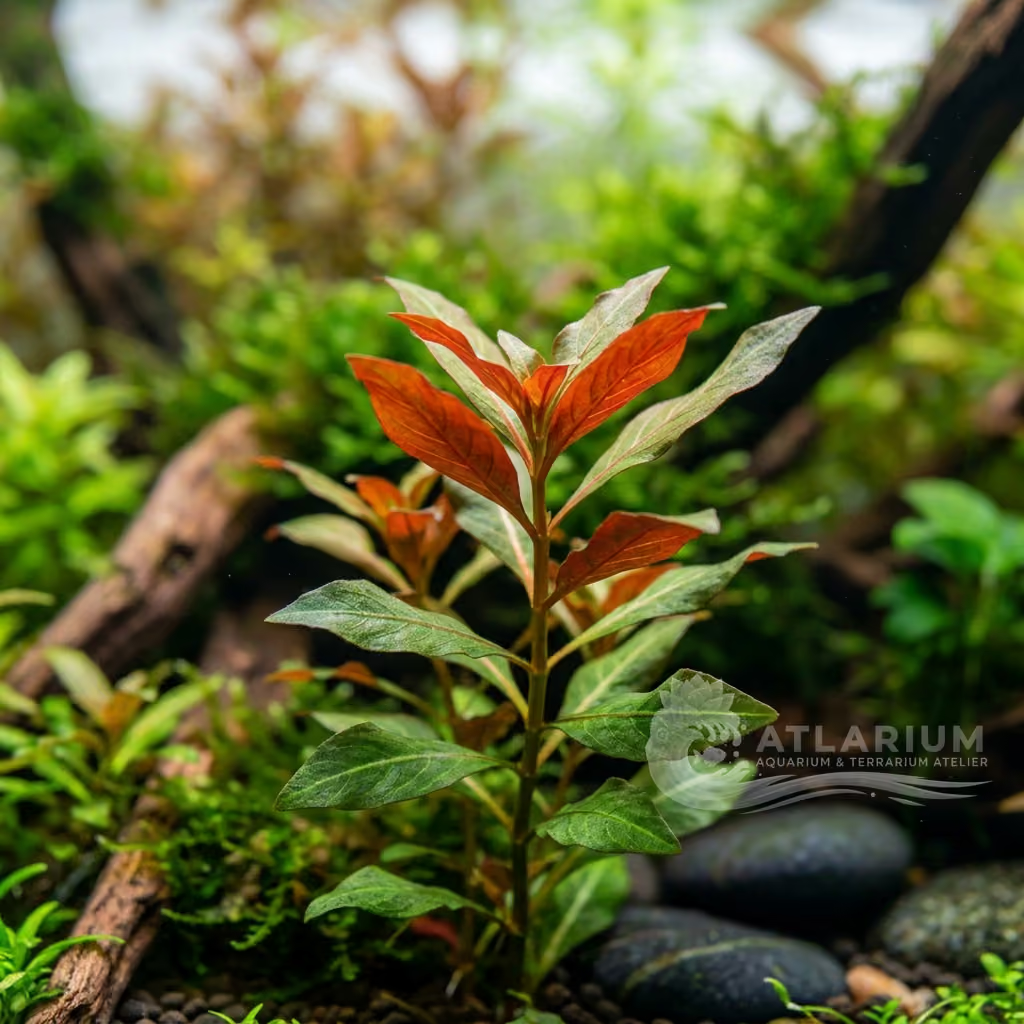
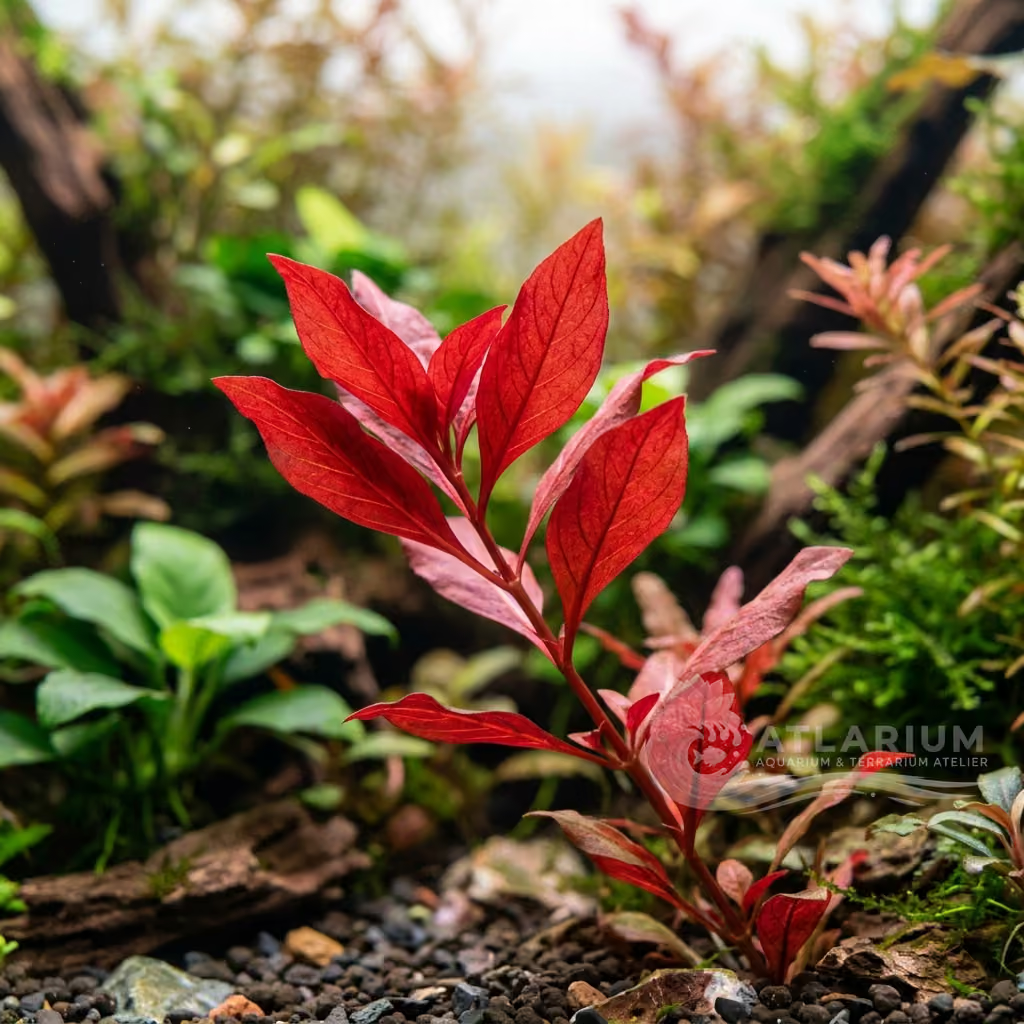
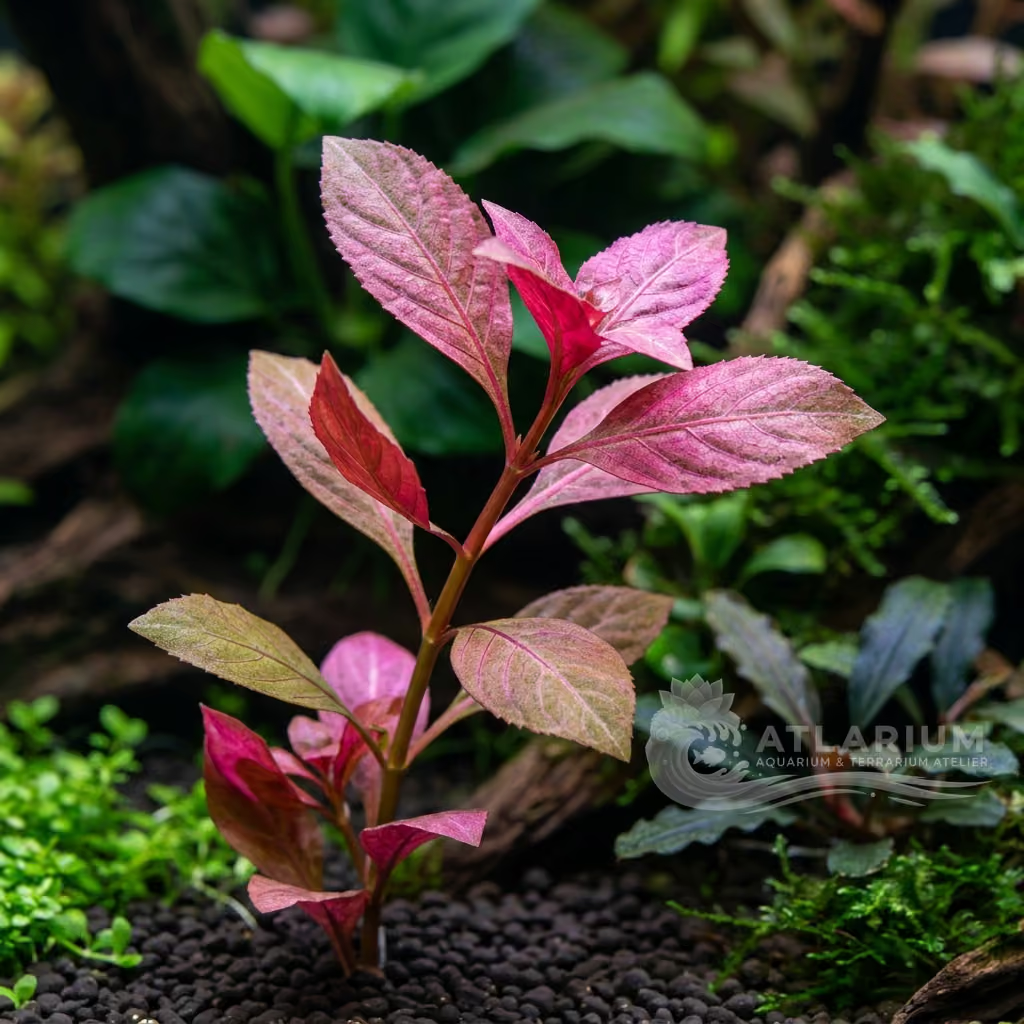
Physical Structure: This stem plant features a moderately thick, upright stem from which pairs of leaves emerge in an opposite or subopposite arrangement. Its leaves are typically ovate to spatulate, slightly succulent, and relatively small compared to some other Ludwigia species, contributing to its dense, bushy appearance. Under optimal conditions, the plant develops a robust root system that anchors it firmly in the substrate and aids in nutrient absorption.
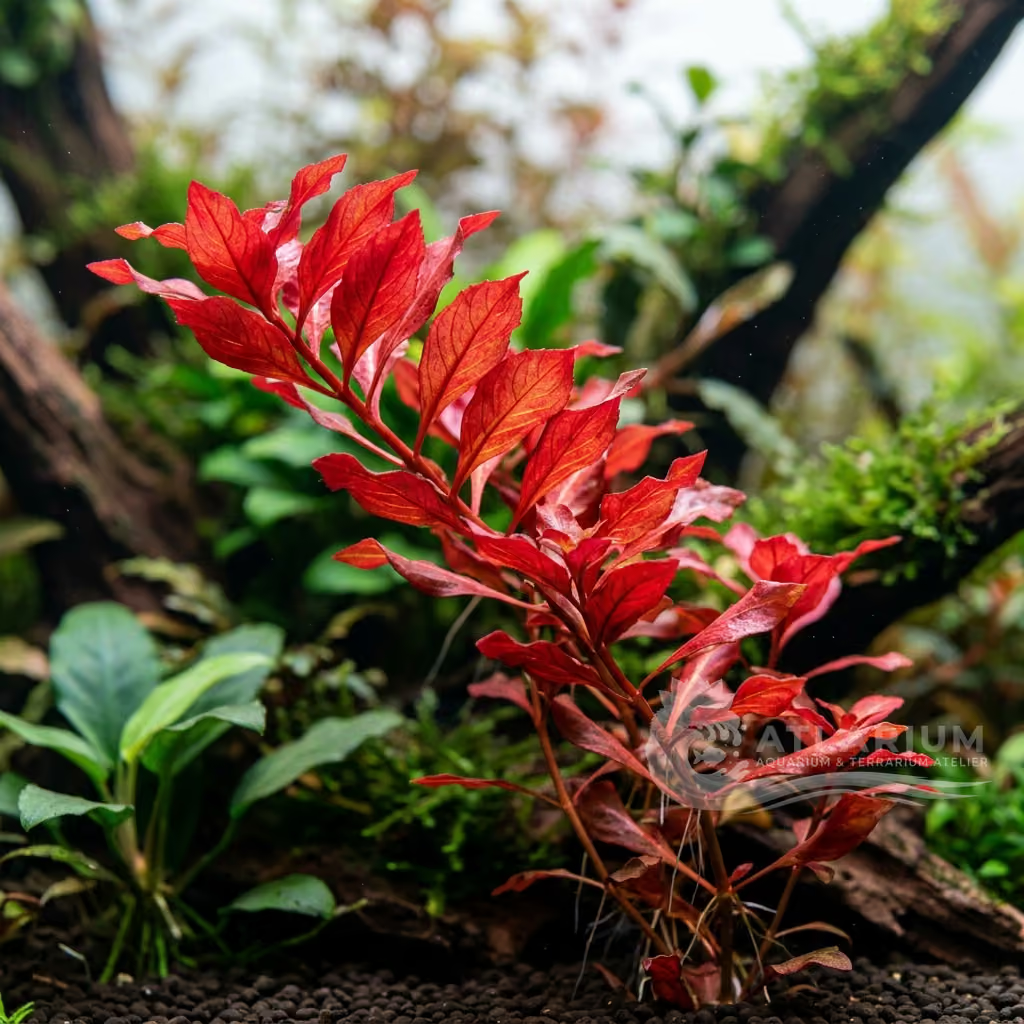
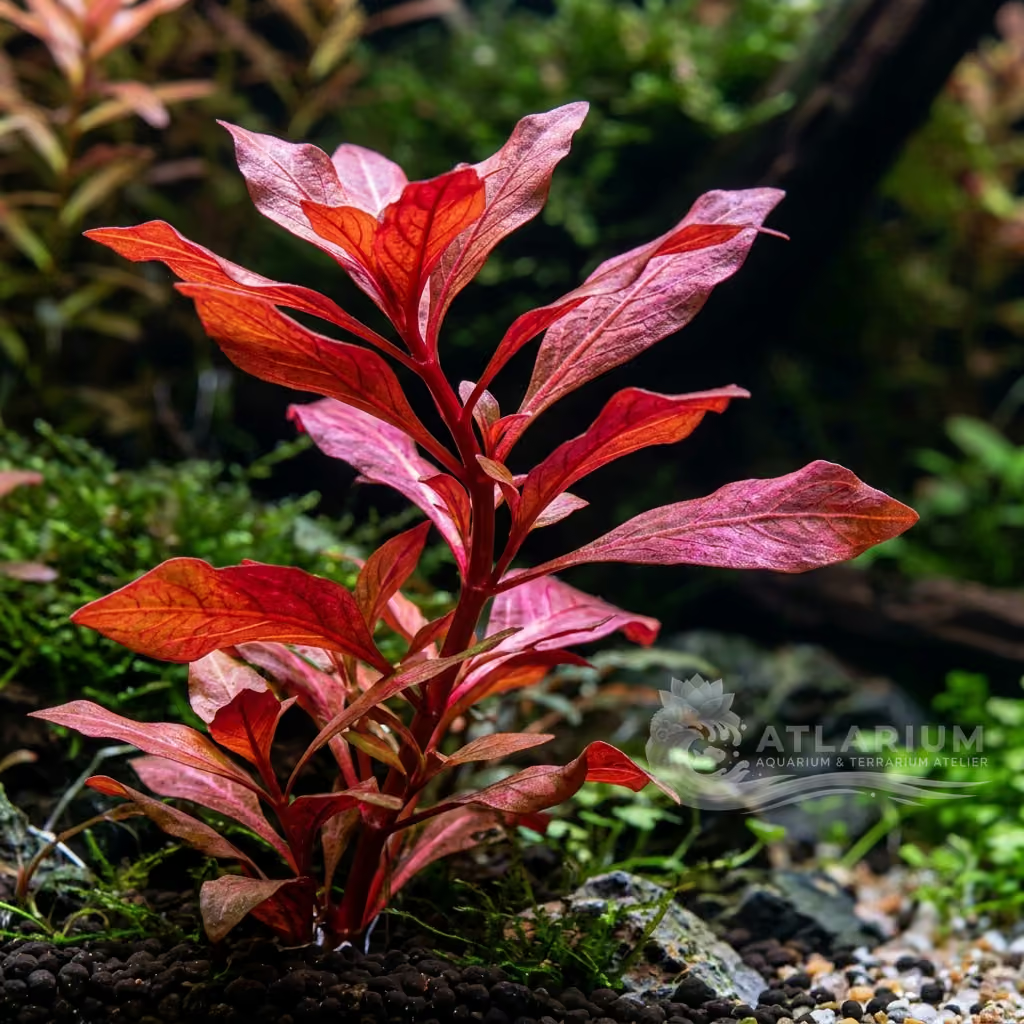
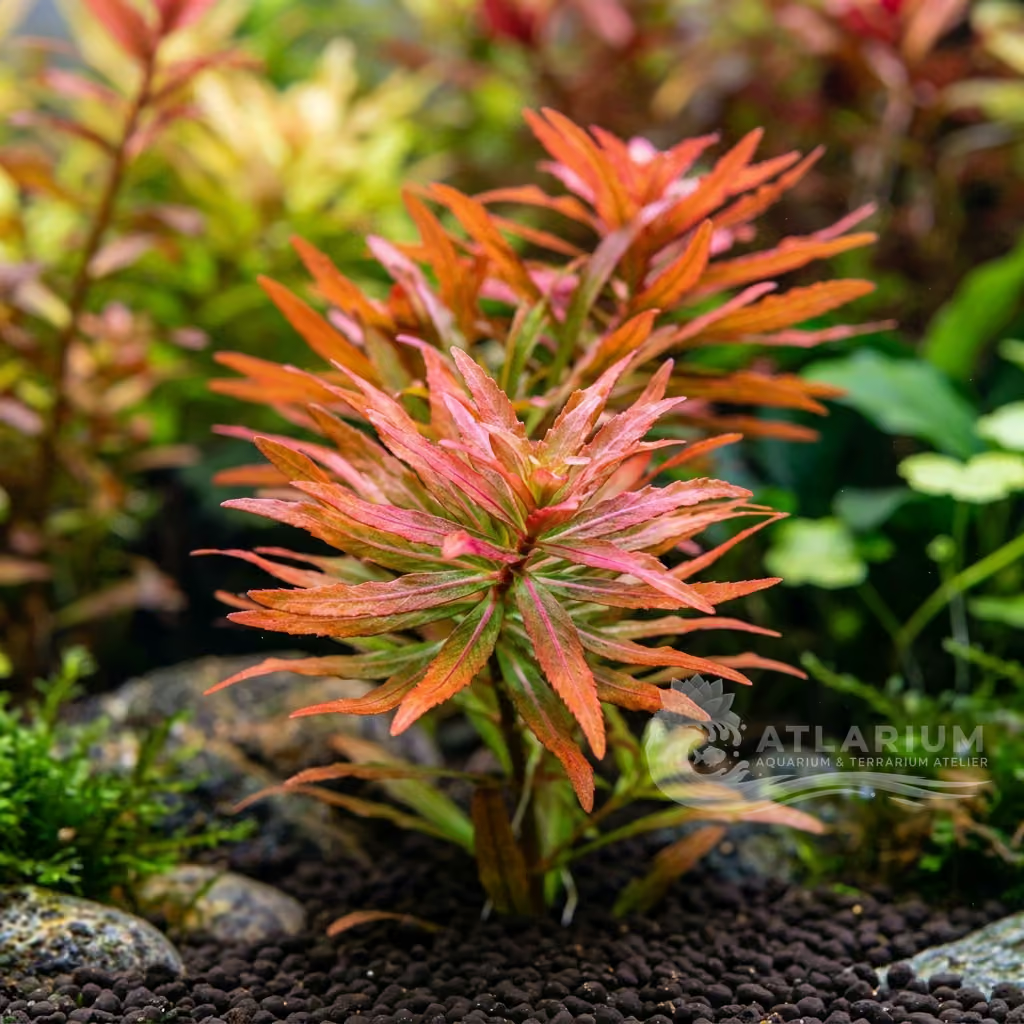
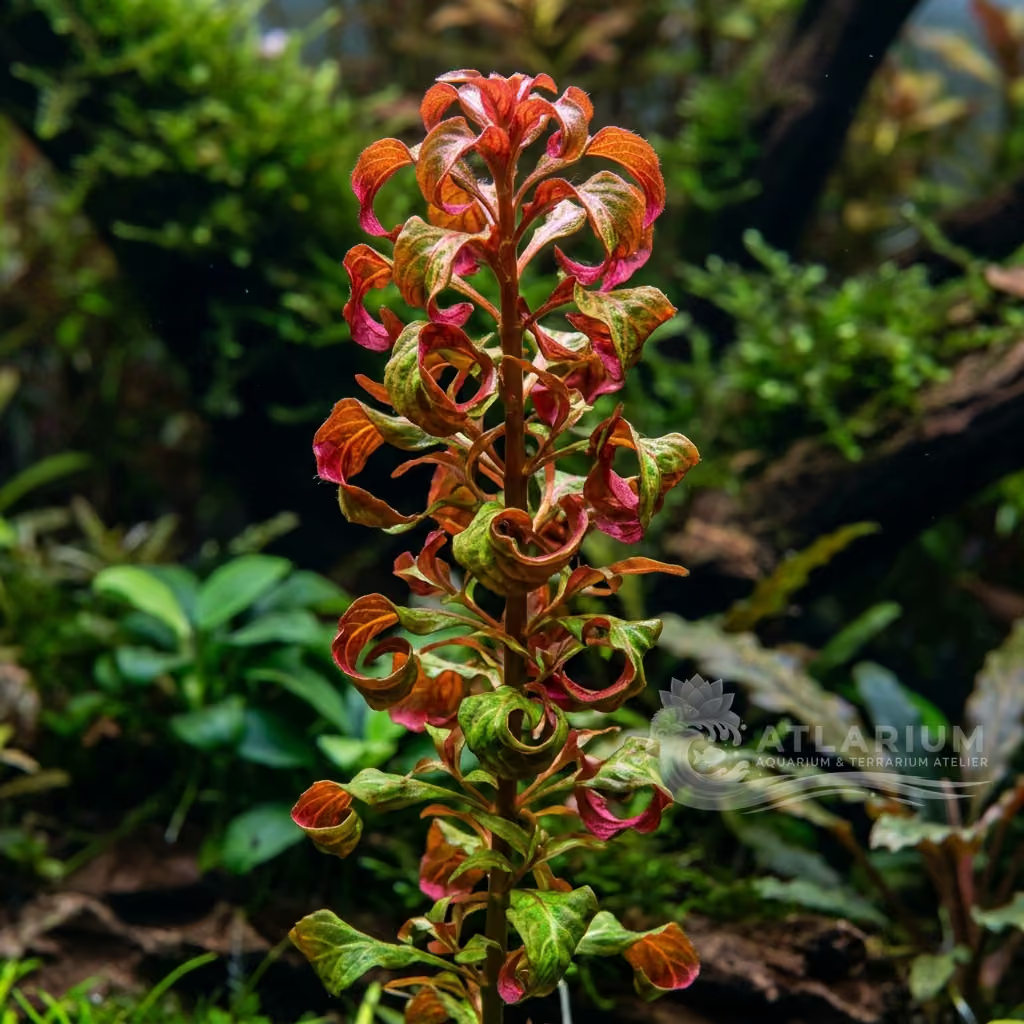
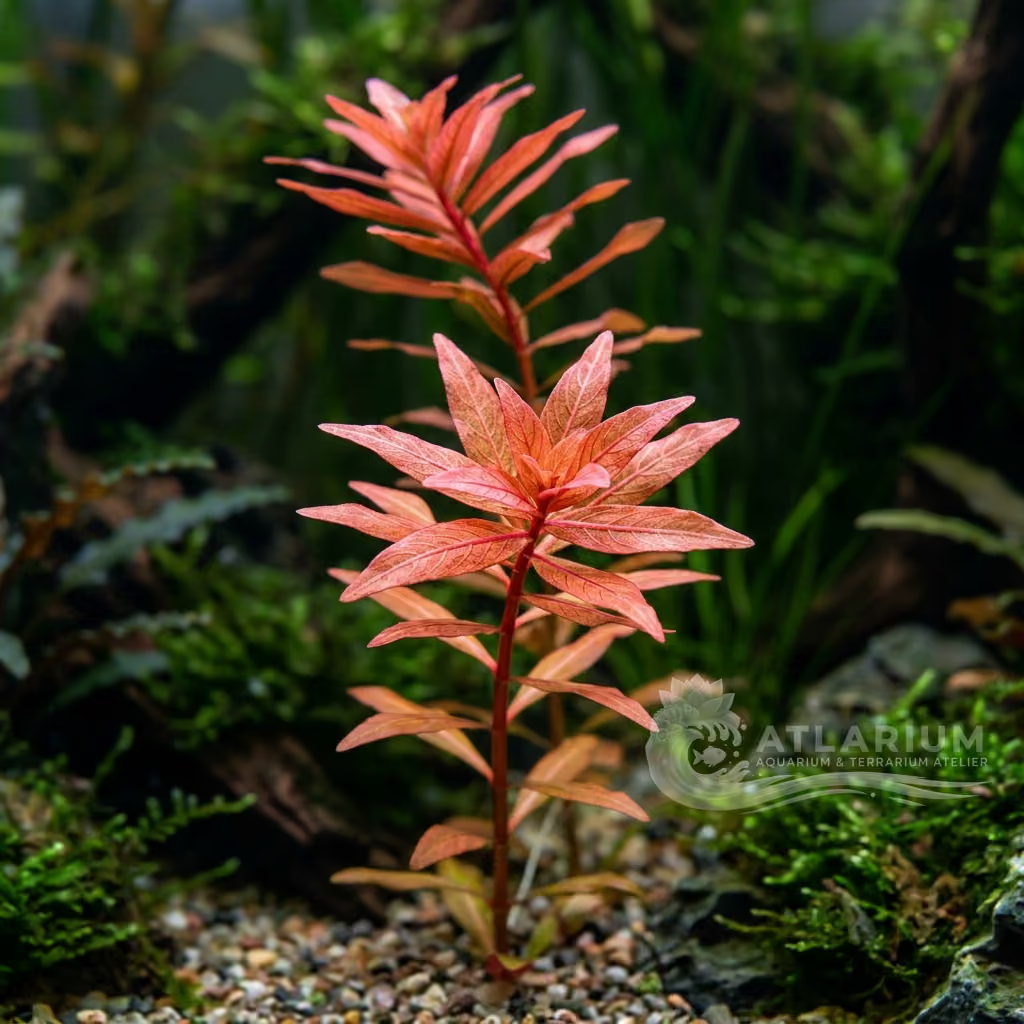
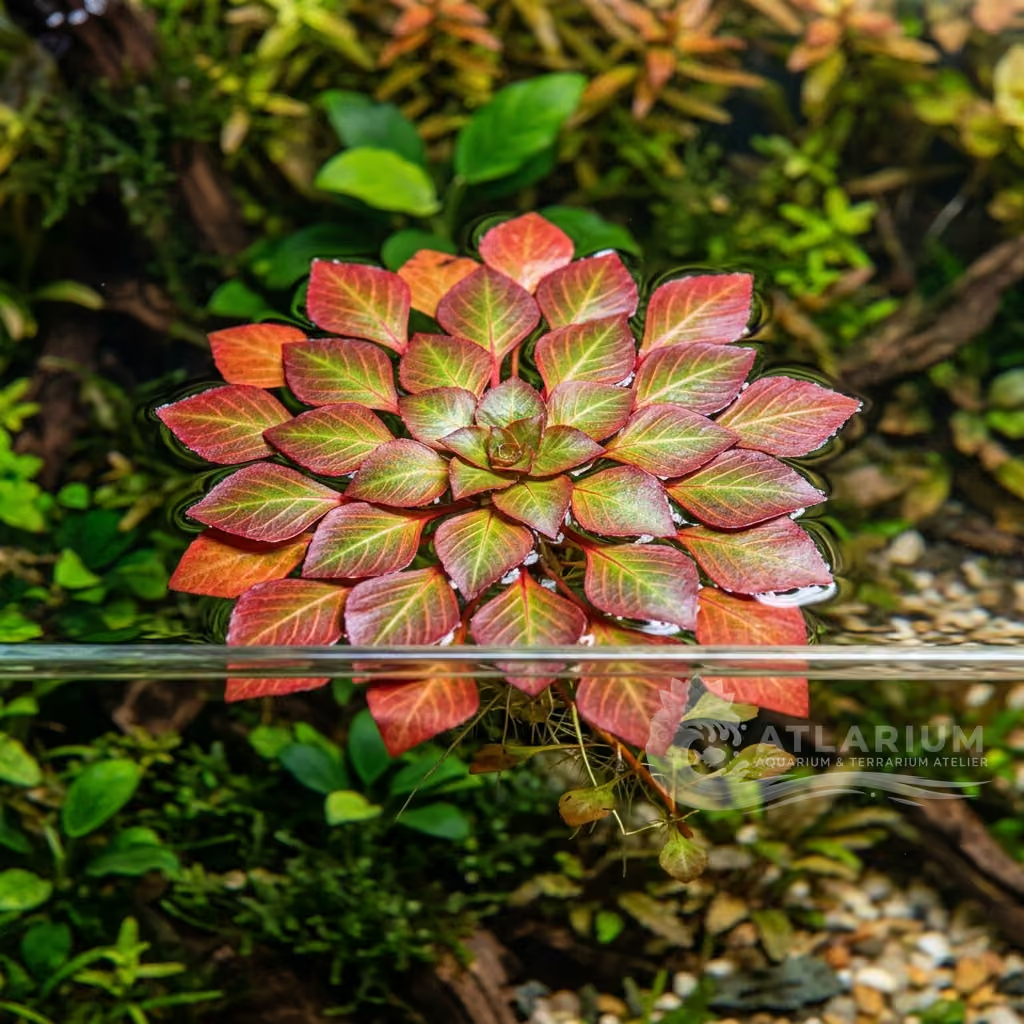
Color & Texture: The most captivating feature of Ludwigia pulvinaris is its intense coloration, which can range from fiery orange to deep crimson red, particularly under strong illumination and CO2 supplementation. The leaves exhibit a smooth, almost velvety texture, and the vibrant hues develop most prominently on the newer growth and the undersides of the leaves. Under suboptimal conditions, such as insufficient light or nutrient deficiency, the plant may exhibit duller green or brownish tones, losing its characteristic appeal.

Cuidado, criação e companheiros de tanque
Lighting & CO2: Ludwigia pulvinaris thrives under medium to high lighting conditions, which are crucial for developing its brilliant red and orange coloration. Insufficient light will result in a leggy growth habit and a duller, greener appearance. Furthermore, consistent CO2 injection is highly recommended to promote vigorous growth and intense pigmentation, allowing the plant to photosynthesize efficiently and utilize available nutrients effectively.
Nutrition & Substrate: A nutrient-rich substrate is beneficial for Ludwigia pulvinaris, providing essential micronutrients and macronutrients to its root system. Supplementation of the
Water Chemistry: This plant tolerates a broad range of water parameters, preferring temperatures between 20-28°C (68-82°F) for optimal metabolic activity and growth. A slightly acidic to neutral pH of 6.0-7.5 is ideal, while a carbonate hardness (KH) between 2-12 dKH is suitable, indicating its adaptability to various water hardness levels. Stable water parameters are more critical than hitting precise numbers within these ranges, preventing stress and promoting consistent development.
Space Management & Placement: As a midground plant, Ludwigia pulvinaris is best positioned where its vibrant colors can contrast with greener foliage or serve as a transition point between foreground and background plants. Its medium growth rate allows for controlled density, and planting in groups creates a striking visual impact. Ensure adequate spacing between stems to allow light penetration to lower leaves and promote air circulation, preventing shading and decay.
Pruning: Regular pruning is essential to maintain the desired shape, density, and health of Ludwigia pulvinaris. Trimming the apical (top) portions of the stems encourages lateral branching, leading to a bushier and more compact growth form, which is aesthetically pleasing in a midground setting. Cuttings can be easily replanted into the substrate to propagate new plants, ensuring a continuous supply of healthy specimens for your aquascape.
Risks & Diseases: While generally robust, Ludwigia pulvinaris can be susceptible to common aquatic plant issues if not properly maintained. Nutrient deficiencies, particularly iron, can lead to stunted growth and loss of red coloration. Algae can become an issue on leaves if light, CO2, and nutrient balance are not optimized, stressing the plant. Melt or decay may occur if water parameters fluctuate drastically or if the plant is introduced into an unstable environment.

Origem e distribuição geográfica
While specific natural origins for Ludwigia pulvinaris are often attributed to South America, many cultivated forms seen in the hobby are results of selective breeding for enhanced
Origem
Extra-Amazônica América do SulAmazônia, Orinoco e GuianasMelhoramento seletivo e cultivares

Perfil da planta
- Posicionamento
- Plano intermediário
- It is a versatile plant that can be used in the foreground or midground, depending on how it is trimmed. Its creeping or bushy growth habit makes it suitable for creating lush, green transitions in the aquascape. It forms attractive, dense patches when planted in groups.
- Forma botânica
- Caule
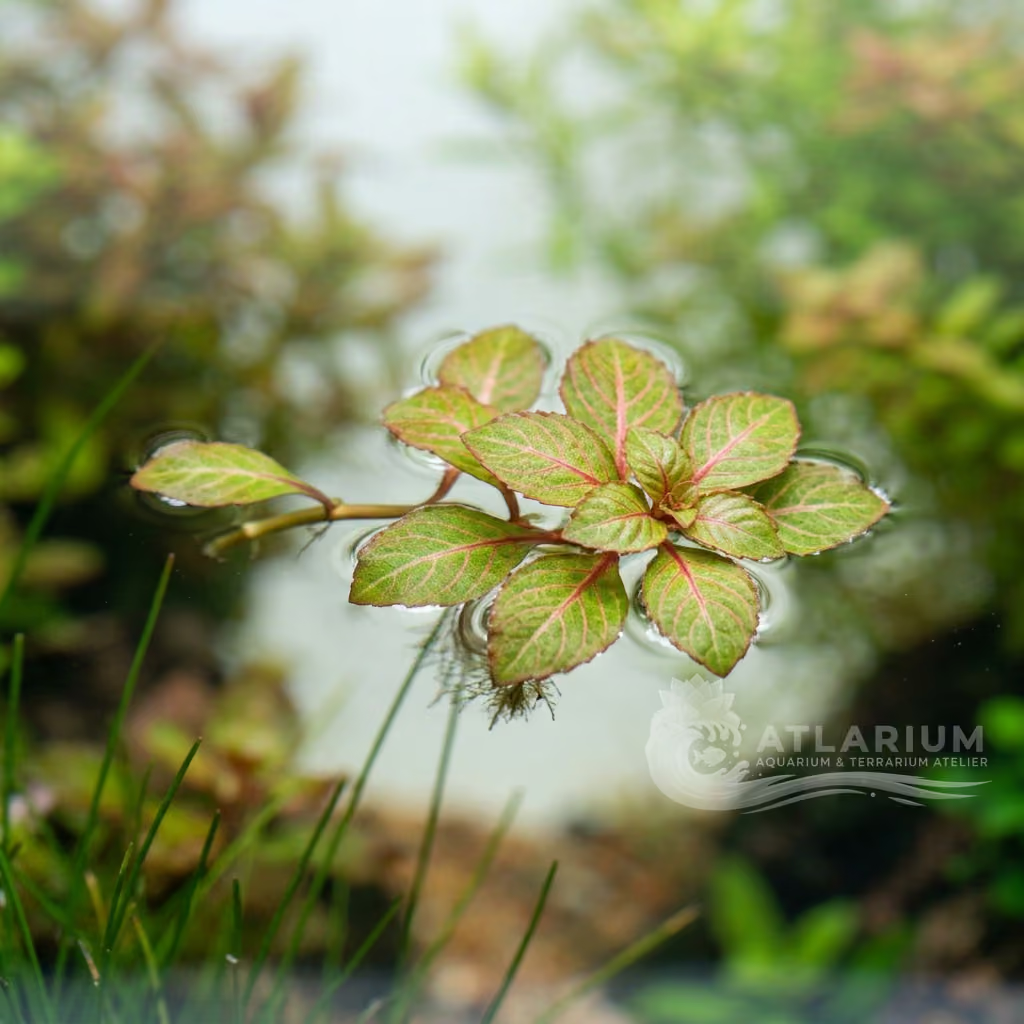
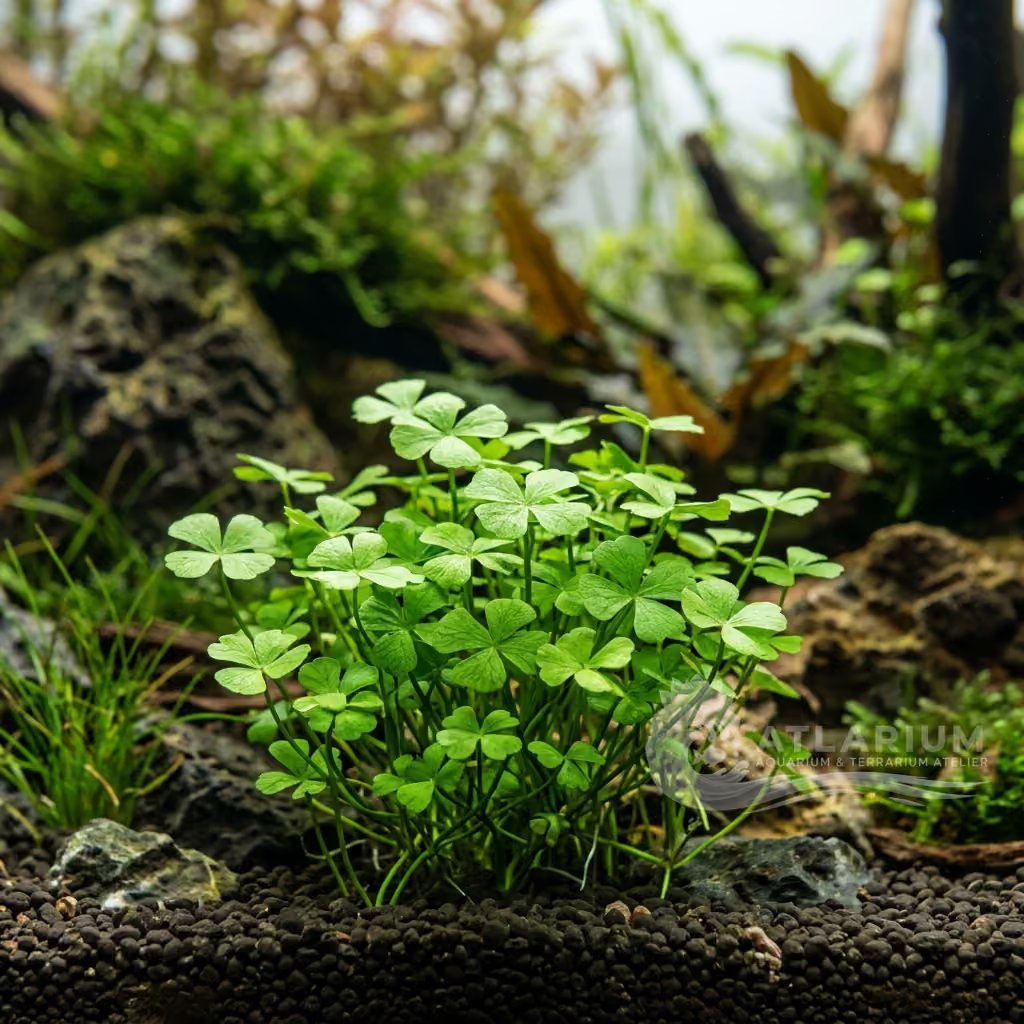
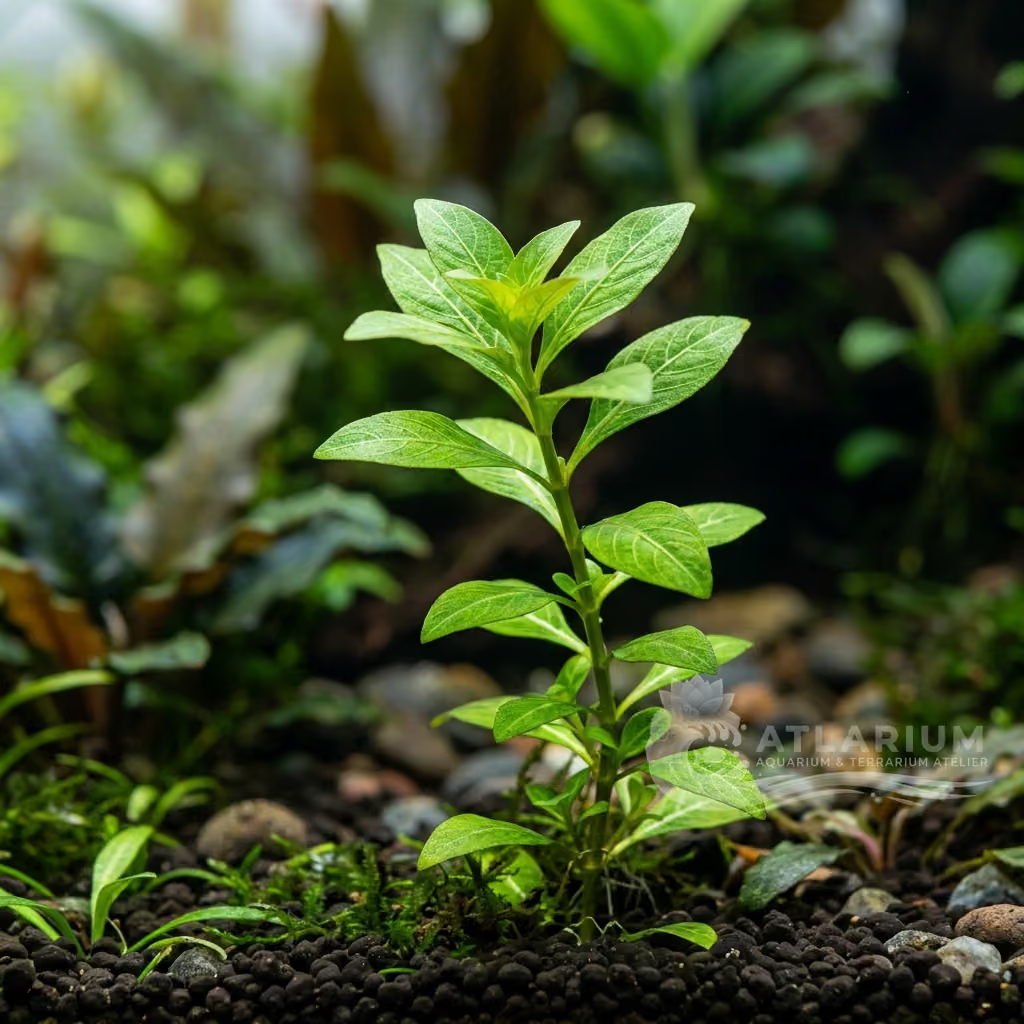
- This plant features small, rounded to oval leaves that are typically bright green. It has a tendency to grow horizontally or form a dense, cushion-like bush, hence the name 'pulvinaris'. The stems are delicate but branch readily.
- Crescimento
- Média
- It has a moderate to fast growth rate under optimal conditions. Regular pruning may be necessary to maintain the desired shape and prevent it from encroaching on other plants. It responds well to trimming, becoming bushier over time.
- Substrato
- Alta
- Ludwigia pulvinaris prefers a rich, fine-grained aqua soil to establish its delicate root system and fuel its vibrant coloration. The porous nature of the substrate allows for unhindered root expansion and maximizes the absorption of essential minerals. Maintaining a substrate thickness of 2 inches (5 cm) ensures the fragile stems remain securely planted in the aquarium bed.
- Fertilização de coluna
- Recomendada
- A comprehensive liquid fertilizer containing both micro and macronutrients is recommended. Ensuring adequate nitrogen and potassium levels helps maintain its vibrant green color. Regular dosing prevents nutrient deficiencies that could cause the leaves to pale.
- Fertilização radicular
- Recomendada
- It benefits from a nutrient-rich substrate, which supports healthy root development. Root tabs can be used to provide targeted nutrition, especially in older setups. Strong roots help anchor the plant and support its dense growth.
- Corte
- Regular
- Trimming is essential to encourage its cushion-like growth form. Cut the stems to the desired height, and the plant will respond by producing multiple side shoots. Regular pruning prevents the lower portions from becoming shaded and bare.
- Propagação
- Estacas
- Propagation is simple and is achieved by taking stem cuttings. Snip the healthy top portions or side shoots and replant them in the substrate. They root quickly and easily establish new plants.
- Sensibilidade
- Moderada
- It is generally adaptable but may become leggy and sparse under low light conditions. It requires good water circulation to prevent debris from accumulating in its dense foliage. Sudden changes in water parameters should be avoided.
- Função de layout
- Plano intermediário, group, accent
- L. pulvinaris is excellent for creating dense, bright green bushes in the midground. Its cushion-like growth provides texture and volume to the aquascape. It serves as a beautiful transition plant between lower foreground carpets and taller background stems.

Espécies relacionadas
Recomendações agrupadas por parentes próximos, escolhas de acompanhantes e cuidados semelhantes.