Nymphaea rubra
Nymphaea rubra
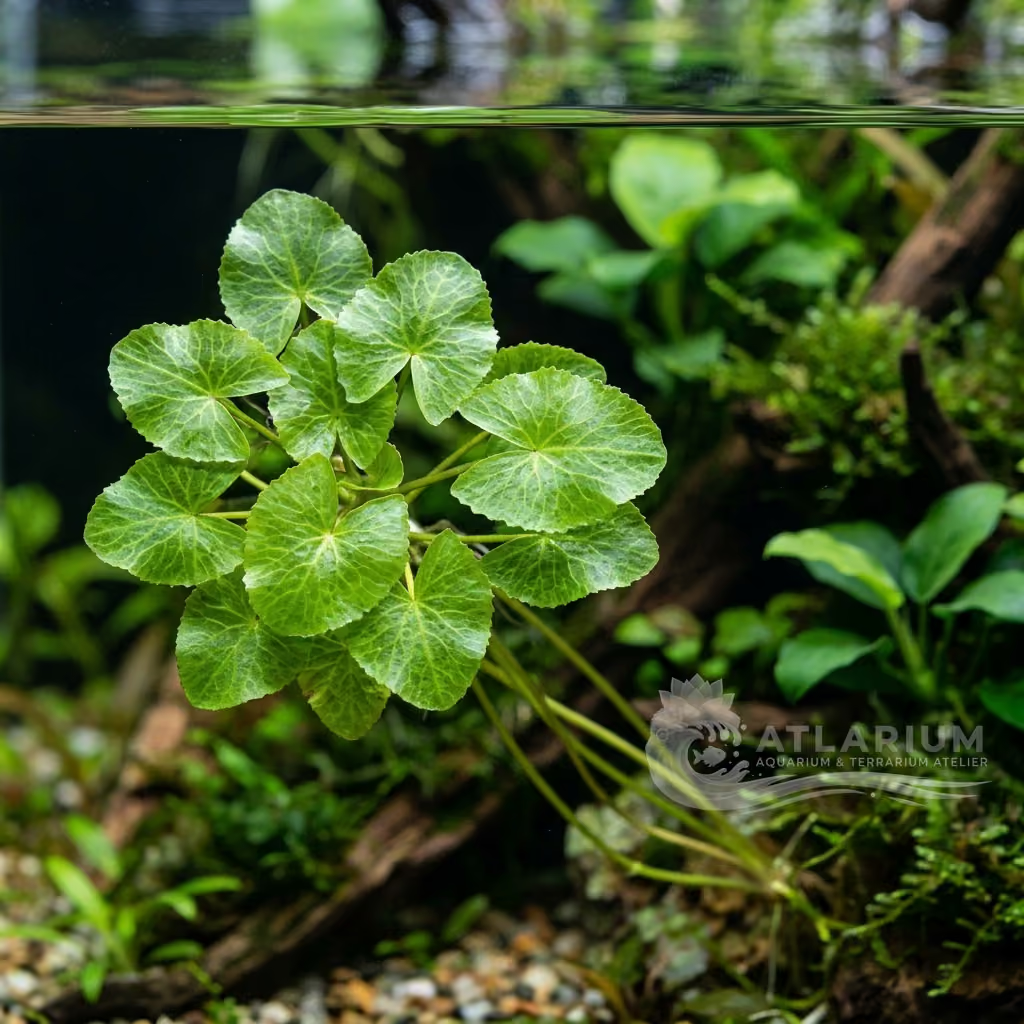
Nymphaea rubra is a stunning aquarium plant recognized by its vibrant red leaves and vigorous growth. It serves as an excellent midground focal point, adding dramatic color and texture to the aquascape.
Temperatura da água
20 - 28 °C
Valor de pH
6 - 7.5
Tipo de água
Água doce
Luz
Medium to High
CO2
Média - Alta
KH
2 - 10 dKH

Descrição da espécie
Geographical Origin and Habitat: Nymphaea rubra is native to the tropical and subtropical regions of Asia, specifically the Indian subcontinent and surrounding areas. In its natural habitat, this water lily thrives in calm, shallow waters such as ponds, lakes, and slow-moving streams, often rooting in rich, muddy substrates. These natural conditions, characterized by abundant sunlight and stable temperatures, provide insight into its requirements within an aquarium setting. Its presence in these environments contributes significantly to local aquatic biodiversity, offering shelter and food for various aquatic fauna.
Taxonomy & Genetics: Nymphaea rubra belongs to the Nymphaeaceae family, a group of flowering aquatic plants considered among the most ancient extant angiosperms. Its specific classification as "rubra" refers to the characteristic red
Color & Texture: ation of its leaves, distinguishing it from other Nymphaea species. Genetically, it is a perennial plant that develops from a tuberous rhizome or bulb, which serves as an energy reserve and from which roots, leaves, and, under optimal conditions, flowers emerge. Reproduction can occur both sexually via seeds and asexually through rhizome division or the formation of adventitious plantlets.
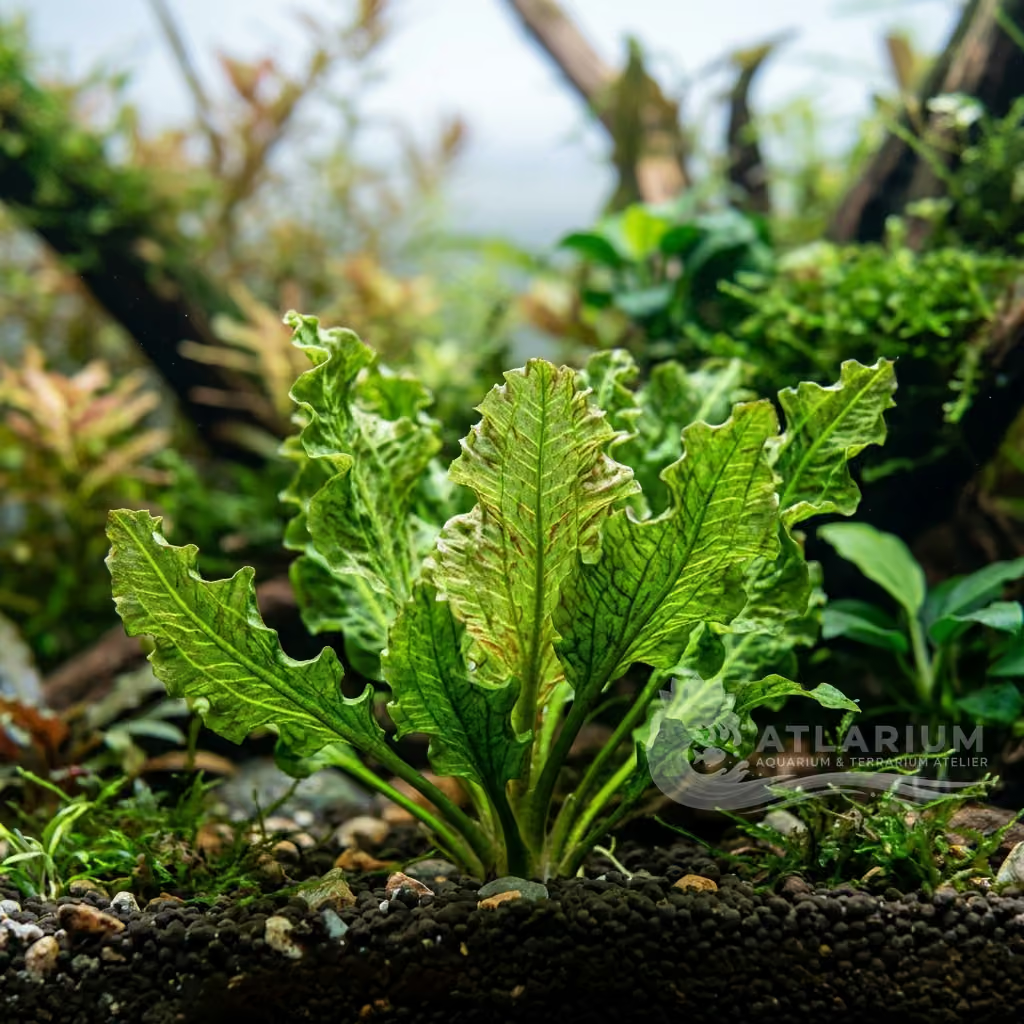
Physical Structure: Nymphaea rubra exhibits a distinctive physical structure that evolves during its growth, beginning with submerged leaves and subsequently developing floating pads and, potentially, emergent flowers. Submerged leaves are typically ovate or lanceolate, often with slightly undulating margins, and can reach considerable sizes. The robust root system firmly anchors the plant to the substrate, while an underground bulb acts as a nutrient reserve to support vigorous growth. Under ideal conditions, the plant can also produce elegant flowers that emerge on the water's surface, adding an additional element of beauty to the aquarium.
Color & Texture: The color of Nymphaea rubra is its most captivating attribute, with submerged leaves ranging from an intense red to a deep burgundy, sometimes featuring coppery hues or darker mottling, especially under intense lighting. The underside of the leaves may display greener or purplish tones, creating a fascinating visual contrast. The texture of the leaves is generally smooth and slightly waxy to the touch, lending a velvety yet robust appearance. Floating leaves tend to adopt a greener coloration with reddish undertones but still maintain their characteristic circular or heart-shaped form.

Cuidado, criação e companheiros de tanque
Lighting & CO2: Nymphaea rubra requires medium to high lighting to fully express its vibrant red coloration and maintain compact, robust growth. With insufficient light, leaves tend to become greener and less dense, and the plant may stretch excessively towards the surface. CO2 injection is highly recommended for this species, as it significantly accelerates growth and promotes efficient photosynthesis, preventing initial melting and encouraging larger, healthier leaves. A photoperiod of 8-10 hours per day is generally optimal to stimulate vigorous growth without excessively promoting algae formation.
Nutrition & Substrate: As a fast-growing plant with a robust root system, Nymphaea rubra is a heavy feeder that primarily draws nutrients from the substrate. It is crucial to use a rich, nutrient-dense substrate, such as specialized aquarium soil or aquasoil, from the initial planting. Regular addition of root tabs near the bulb is essential to ensure a constant supply of macro and micronutrients directly to the roots. Iron deficiency, in particular, can compromise the vibrancy of the red color, leading to paler or greener leaves; therefore, specific liquid iron supplementation is often advised.
Water Chemistry: Nymphaea rubra thrives in a water temperature range of 20 to 28 °C, which is ideal for most tropical aquariums. Regarding pH, it prefers slightly acidic to neutral conditions, between 6.0 and 7.5, while carbonate hardness (KH) can range from 2 to 12, indicating good adaptability to various water compositions. It is crucial to maintain stable water parameters and perform regular water changes to prevent the accumulation of nitrates and other pollutants. Clean, well-filtered water significantly contributes to the overall health of the plant and the prevention of diseases.
Space Management & Placement: Although classified as a midground plant, Nymphaea rubra can reach considerable sizes and requires adequate space to develop without overshadowing other plants or blocking light. It is important to strategically place it in an area where its leaves can expand, but where its growth towards the surface can also be controlled. Space management also involves timely removal of floating leaves to maintain a focus on submerged growth and ensure light reaches plants below. Its focal point nature makes central placement an excellent option in medium to large aquariums.
Pruning: Pruning Nymphaea rubra is a fundamental aspect of maintaining its desired shape, controlling its size, and encouraging the production of submerged leaves rather than floating pads. It is advisable to regularly remove older, damaged, or yellowing leaves from the base of the plant, cutting them as close as possible to the bulb. Leaves that begin to float should be promptly removed if predominantly submerged growth is desired, as these can excessively shade underlying plants. Furthermore, small adventitious plantlets that form on the rhizome can be detached and replanted for propagation, or removed to concentrate energy on the mother plant.
Risks & Diseases: Nymphaea rubra is generally a robust plant, but it can be susceptible to certain risks if aquarium conditions are not optimal. Nutrient deficiencies, particularly iron and potassium, can manifest as discolored, holed, or stunted leaves, making it more vulnerable. Insufficient lighting or unstable water parameters can lead to excessive floating leaf formation or foliage melt. While relatively resistant to typical aquatic plant diseases, prolonged stress conditions can weaken the plant and make it susceptible to algal attacks or, in rare cases, pests. It is crucial to constantly monitor its health and act promptly at any sign of distress.

Origem e distribuição geográfica
Nymphaea rubra is native to the tropical and subtropical regions of Asia, specifically the Indian subcontinent and surrounding areas. In its natural habitat, this water lily thrives in calm, shallow waters such as ponds, lakes, and slow-moving streams, often rooting in rich, muddy substrates. These natural conditions, characterized by abundant sunlight and stable temperatures, provide insight into its requirements within an aquarium setting. Its presence in these environments contributes significantly to local aquatic biodiversity, offering shelter and food for various aquatic fauna.
Origem
Sul e Sudeste Asiático

Perfil da planta
- Posicionamento
- Plano intermediário
- This gorgeous lily acts as a perfect centerpiece or midground focal point in medium to large aquariums. Its deep red submerged leaves contrast beautifully with green stem plants and carpeting species. If permitted, its floating leaves can create striking shaded zones, though they should be trimmed to maintain the submerged rosette.
- Forma botânica
- Roseta
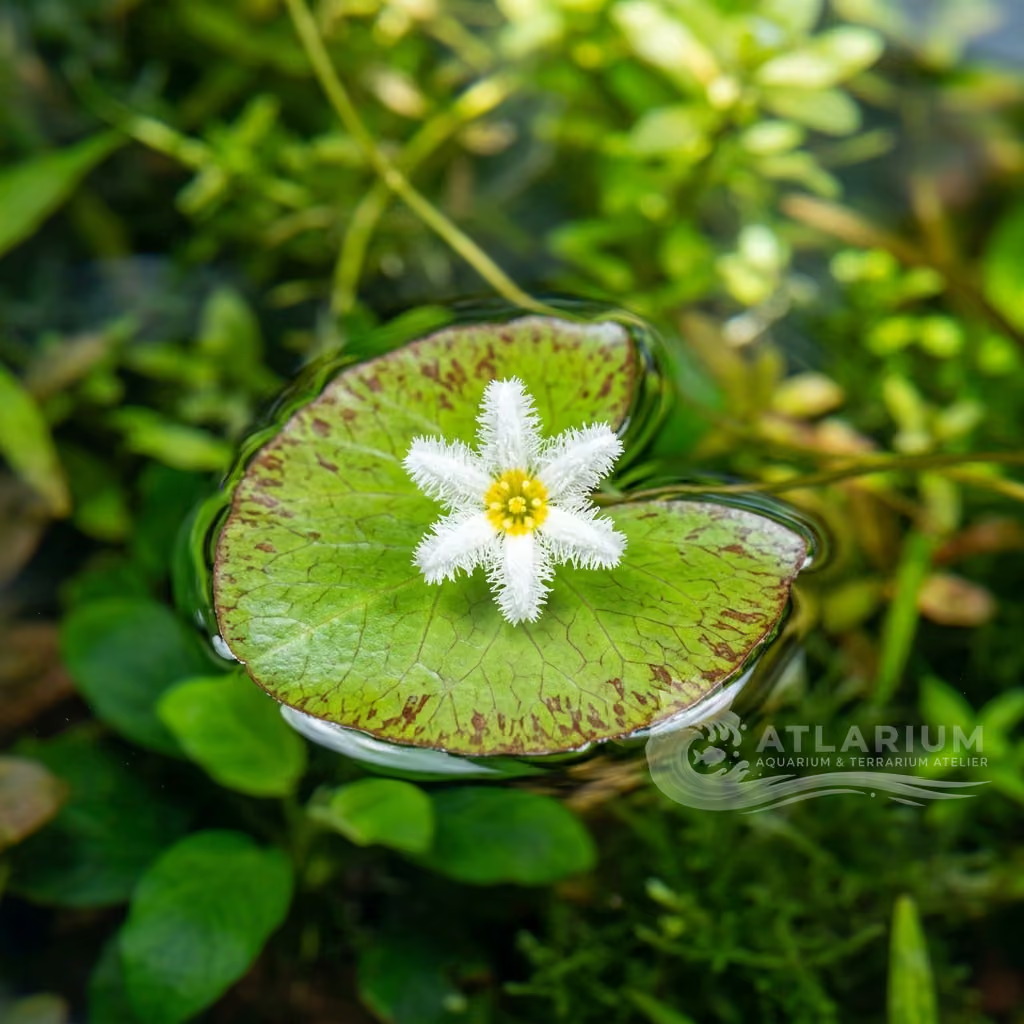
- The plant forms a lush rosette of broad, arrow-shaped leaves with slightly wavy margins emerging from a bulb. The submerged foliage is highly prized for its intense red, rust, or maroon coloration. The floating leaves are generally dark green to brownish and may accompany magnificent pink or red night-blooming flowers.
- Crescimento
- Rápida
- Under favorable conditions featuring high light and CO2, Nymphaea rubra exhibits a very fast growth rate. It constantly sends up new leaves from the central tuber, necessitating regular pruning to manage its size. Growth will be moderate but stable in lower-tech setups, though colors may not be as intense.
- Substrato
- Alta
- Cultivating this stunning plant requires a nutrient-dense and deep substrate to accommodate its vigorous root system. Aquasoils specifically designed for planted tanks are ideal, providing the necessary humic acids and minerals. Inert substrates must be heavily supplemented with clay-based root tabs to prevent starvation.
- Fertilização de coluna
- Recomendada
- Liquid dosing of micronutrients, particularly iron, directly enhances the red pigmentation of the submerged leaves. Potassium supplements ensure the broad leaves remain free of pinholes and structural degradation. Careful dosing prevents algae from settling on the slow-moving, broad leaf surfaces.
- Fertilização radicular
- Necessária
- Root feeding is unequivocally the most vital aspect of Nymphaea rubra's care. Pushing iron-rich root tabs deep under the bulb ensures sustained, explosive growth and vivid colors. These root nutrients should be replenished periodically to maintain the plant's health and striking appearance.
- Corte
- Ocasional
- To keep the plant compact and prevent it from shading the aquarium, floating leaves should be snipped off at the base of the stem as soon as they appear. Older, decaying submerged leaves should also be removed to encourage new growth. Avoid cutting the central tuber during trimming.
- Propagação
- Divisão do rizoma, Sementes
- Propagation is straightforward and usually happens via the production of daughter plants on short runners. Once these young plantlets have formed independent roots, they can be carefully snipped from the mother plant. It can also be propagated from seeds following successful flowering and pollination at the water's surface.
- Sensibilidade
- Moderada
- This lily can be sensitive to sudden changes in water parameters or an extended lack of nutrients, which may cause it to enter a dormant state. It is generally tolerant of a wide range of temperatures but prefers slightly acidic to neutral water. Ensure the tuber is not completely buried, as it may rot.
- Função de layout
- Plano intermediário, accent
- Nymphaea rubra serves as a spectacular solitary or specimen plant due to its large size and bold color. It breaks up the greenery in a planted tank and draws the eye. It is ideal for Dutch and Nature style aquariums as a contrasting element.

Espécies relacionadas
Recomendações agrupadas por parentes próximos, escolhas de acompanhantes e cuidados semelhantes.