Nymphaea lotus 'grün'
Nymphaea lotus 'grün'
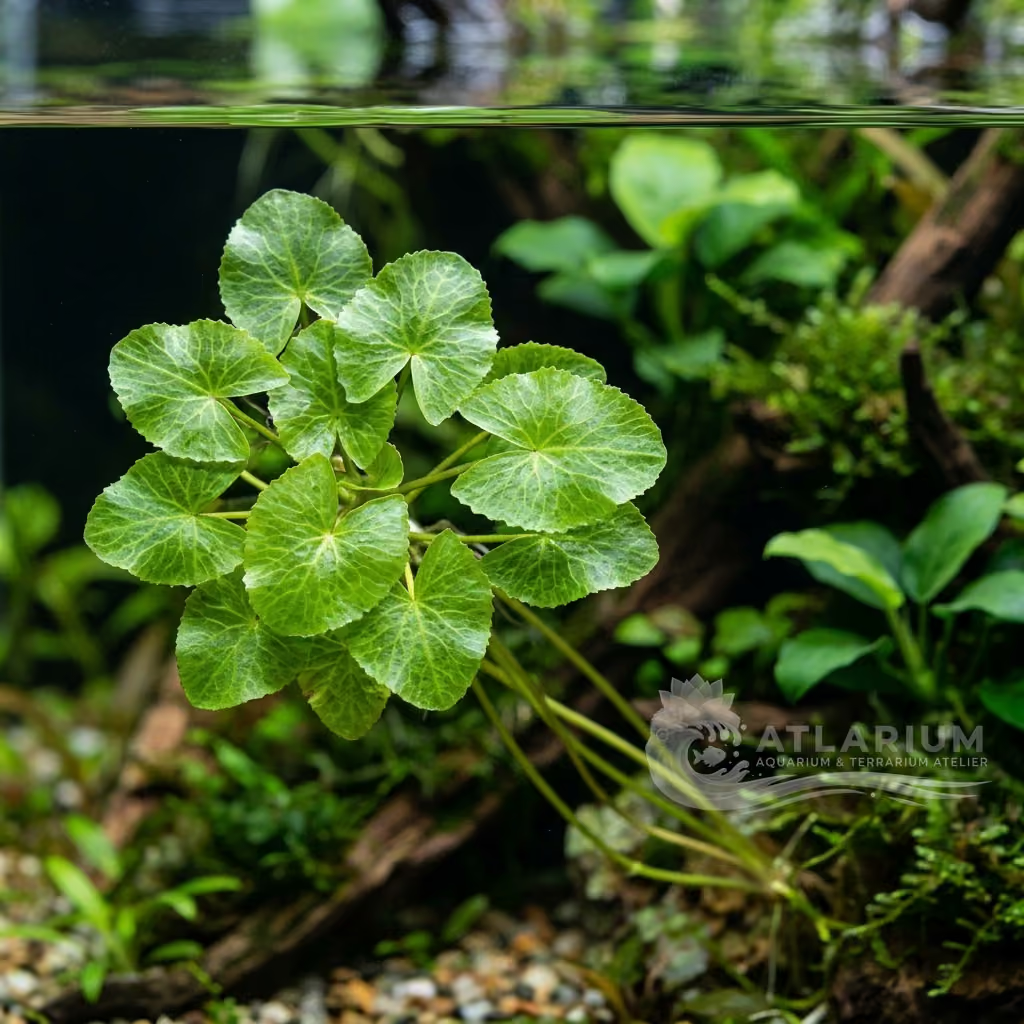
Nymphaea lotus 'grün' is a fast-growing aquatic plant ideal for the midground, offering a significant visual impact with its striking submerged leaves and potential for floating pads. This green water lily contributes to creating a lush and dynamic focal point in any aquarium setup.
Temperatura da água
15 - 30 °C
Valor de pH
5 - 8
Tipo de água
Água doce
Luz
Medium to High
CO2
Alta
Altura esperada
50 cm
Largura esperada
50 cm
KH
2 - 14 dKH

Descrição da espécie
Geographical Origin and Habitat: Nymphaea lotus originates from the tropical and subtropical regions of Africa and Southeast Asia, where it thrives naturally in still or slow-moving waters such as lakes, swamps, and ponds. The 'grün' cultivar maintains the adaptability of the wild species, flourishing in stable aquatic conditions. Despite its wild origins, this specific green variety has been selectively bred for its particular
Color & Texture: ation and forms, making it a popular choice for tropical aquariums. Its natural habitat is characterized by nutrient-rich substrates and abundant sunlight penetrating shallow waters.
Taxonomy & Genetics: Nymphaea lotus 'grün' belongs to the Nymphaeaceae family, an ancient group of aquatic plants renowned for their showy flowers and floating leaves. Nymphaea lotus is the parent species of many cultivars, and 'grün' denotes a specific horticultural selection characterized by its predominantly green leaves and vigorous growth. Genetically, this cultivar was likely developed to enhance green hues and resilience, distinguishing it from the more common red or mottled variants of the same species. Its classification highlights its nature as a water lily, with a robust rhizome and the ability to adapt to diverse aquatic environments.
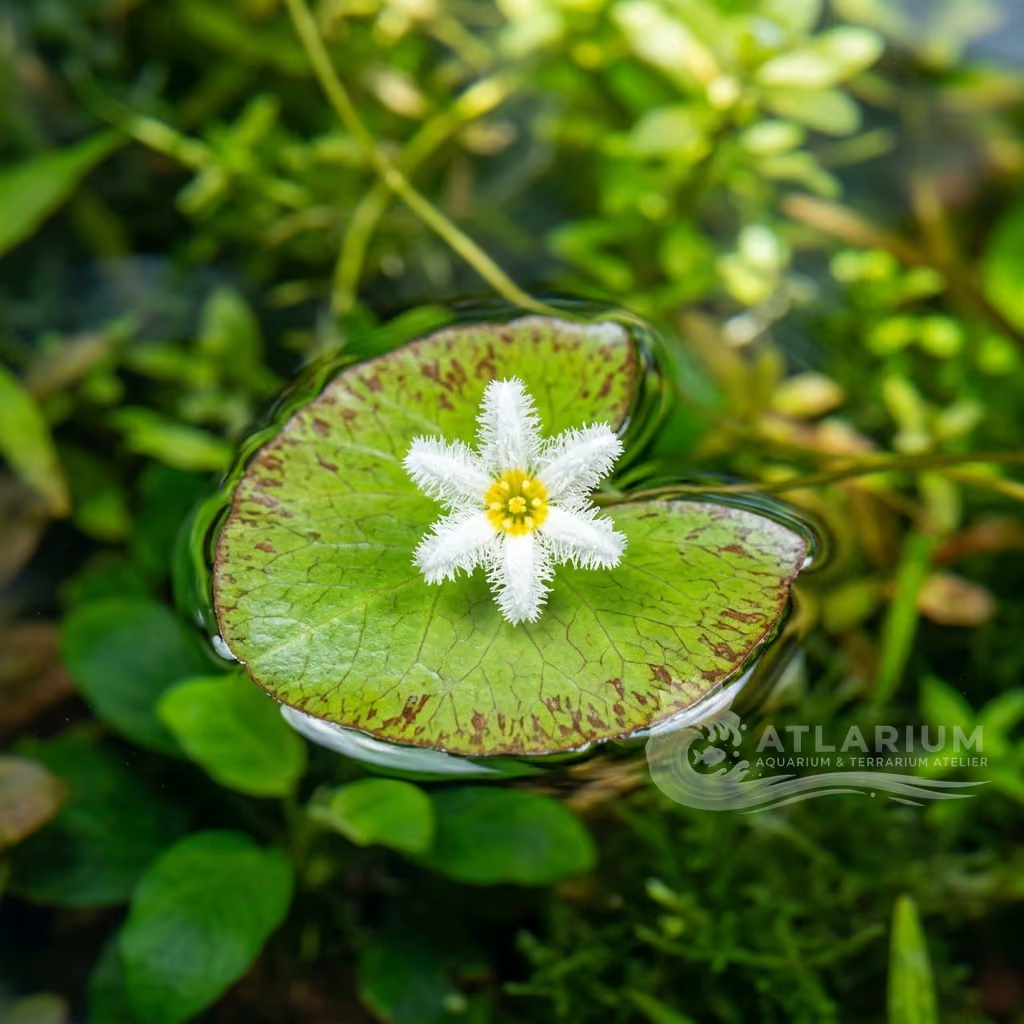
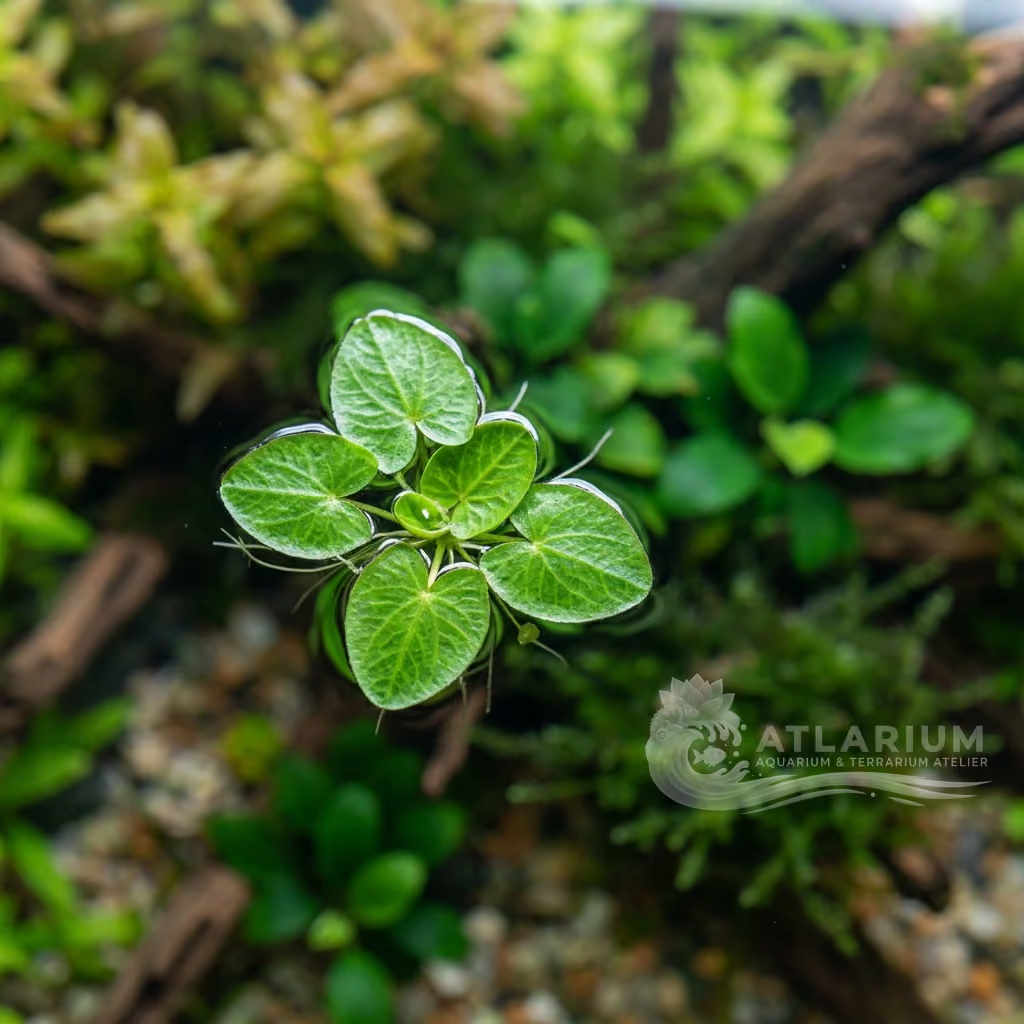
Physical Structure: Nymphaea lotus 'grün' develops a robust underground rhizome from which roots and leaf petioles emerge. Its submerged leaves are the distinct characteristic in an aquarium, generally oval or heart-shaped, with sometimes undulated margins. Under suitable conditions, the plant can also produce round floating leaves and, in exceptional cases, a beautiful flower. The size and shape of the leaves can vary depending on light intensity and CO2 availability, with more compact and intense growth under higher light.
Color & Texture: The distinguishing feature of Nymphaea lotus 'grün' is the color of its leaves, which range from a brilliant green to a darker, more intense green, depending on lighting and nutrient conditions. The leaves often have a velvety texture and a smooth surface, with the central vein prominently visible. Occasionally, under severe stress or deficiency, leaves might develop reddish tinges, but the dominant coloration remains green. This vibrant hue makes it an excellent contrast against red and brown plants in the aquarium.

Cuidado, criação e companheiros de tanque
Lighting & CO2: This
Water Chemistry: lily requires medium to high lighting to fully thrive and maintain compact, robust growth, preventing leaves from excessively stretching towards the surface. Insufficient lighting can slow growth and lead to pale, weak leaves. CO2 injection is highly recommended, especially with intense light, as it promotes rapid and vigorous growth, supporting efficient photosynthesis and preventing the premature formation of unwanted floating leaves. A photoperiod of 8-10 hours per day is generally ideal for this species.
Nutrition & Substrate: Nymphaea lotus 'grün' is a heavy root feeder, absorbing most of its nutrients directly from the substrate via its robust root system. It is essential to provide a fertile, nutrient-rich substrate, such as an aquasoil or a specialized plant substrate enriched with clay and peat. Supplementing with root tabs inserted into the substrate near the roots is highly recommended to ensure a consistent supply of macro and micronutrients. Liquid fertilizers can supplement foliar needs, but primary attention should be given to the substrate for optimal growth.
Water Chemistry: This plant is relatively tolerant regarding water parameters, thriving in a temperature range between 15°C and 30°C, although its optimum is generally between 22°C and 28°C for vigorous growth. Regarding pH, it adapts well to values ranging from 5.0 to 8.0, indicating good flexibility, but prefers slightly acidic to neutral waters. Carbonate hardness (KH) can vary between 2.0 and 14.0, demonstrating its ability to adapt to both soft and moderately hard waters. Maintaining stable parameters is crucial to avoid plant stress, with regular water changes to replenish mineral salts.
Space Management & Placement: Given its fast growth and potentially large leaf size, Nymphaea lotus 'grün' is ideal for the midground, where it can become a dominant focal point. It is crucial to consider the space required for its development, as its leaves can expand significantly and overshadow underlying or surrounding plants. In smaller aquariums, regular
Pruning: Regular pruning is essential to maintain Nymphaea lotus 'grün' in the desired shape and to promote healthy growth. Old, damaged, or yellowing leaves should be removed by cutting them at the base of the petiole with sharp scissors, close to the rhizome. If the plant begins to produce too many floating leaves, which can excessively shade the aquarium, it is advisable to systematically remove them to encourage the growth of smaller, more compact submerged leaves. Judicious pruning also prevents excessive substrate clogging and directs the plant's energy towards vigorous new leaves.
Risks & Diseases: Although a robust plant, Nymphaea lotus 'grün' can be susceptible to nutritional deficiencies if the substrate is not adequately enriched, manifesting as pale leaves or holes. Insufficient lighting can cause leaves to etiolate, becoming elongated and weak. Excess algae can be a problem if nutrients are unbalanced or light is excessive and not balanced with CO2. It is rarely attacked by specific pests, but the presence of snails or herbivorous fish could damage the leaves. Leaf "melting" can occur after transplanting or under stressful conditions, requiring patience for recovery.

Origem e distribuição geográfica
Nymphaea lotus originates from the tropical and subtropical regions of Africa and Southeast Asia, where it thrives naturally in still or slow-moving waters such as lakes, swamps, and ponds. The 'grün' cultivar maintains the adaptability of the wild species, flourishing in stable aquatic conditions. Despite its wild origins, this specific green variety has been selectively bred for its particular
Origem
África e MadagascarSul e Sudeste AsiáticoMelhoramento seletivo e cultivares

Perfil da planta
- Posicionamento
- Plano intermediário
- This large and showy plant is best utilized as a striking solitary specimen or focal point in the midground to background of the aquarium. Its massive leaves will create significant shade, so care must be taken not to place it too close to light-demanding carpeting plants. To encourage a bushy, underwater form, any leaves that begin to rocket toward the surface should be pinched or cut off near the bulb.
- Forma botânica
- Roseta
- It is a bulbous rosette plant famous for its large, somewhat arrow-shaped leaves with wavy margins. The 'grün' variant features a vibrant light to medium green base coloration, heavily speckled and mottled with striking reddish-brown or purple spots. If left untrimmed, it will quickly send up long-stemmed floating leaves and eventually produce beautiful, fragrant, nocturnal white or pinkish flowers.
- Crescimento
- Rápida
- The green Tiger Lotus exhibits a very fast growth rate when provided with a rich substrate and adequate light. It can rapidly produce huge leaves that quickly cover a large footprint, necessitating regular pruning to keep its size manageable in the tank.
- Substrato
- Alta
- A deep, nutrient-loaded substrate is absolutely vital. This plant develops a large bulb and a massive, invasive root system that requires deep soil to anchor and feed. Planting it in a premium aquasoil is the best practice; attempting to grow this heavy root-feeder in inert sand or gravel without very aggressive root fertilization will result in a stunted, unhealthy plant.
- Fertilização de coluna
- Recomendada
- While it draws the majority of its nutrition from the roots, supplementing the water column is necessary to prevent trace element deficiencies. Dosing a high-quality liquid fertilizer containing potassium and iron ensures the leaves remain large, healthy, and vividly patterned, preventing pinholes or yellowing.
- Fertilização radicular
- Necessária
- Heavy and frequent root fertilization is the most critical requirement for keeping Nymphaea lotus 'grün' thriving. It will rapidly exhaust the nutrients in even the best aquasoils. Pushing several large, comprehensive root tabs deep into the substrate directly underneath the bulb every 3 to 4 weeks is necessary to maintain its dramatic growth and large leaf size.
- Corte
- Ocasional
- To maintain a compact submerged form, promptly trim any leaves that reach for the surface. Cut the stems as close to the base as possible to encourage bushy new growth. Remove any decaying or damaged leaves to prevent water quality degradation. If you want floating leaves, simply allow the longest stems to reach the top undisturbed.
- Propagação
- Estolões
- Propagation naturally occurs when the main bulb produces smaller daughter bulbs around its perimeter. Once these daughter plants have developed their own root systems and a few leaves, they can be carefully severed from the mother bulb and replanted. It is also possible to propagate from seeds if the plant successfully flowers and is pollinated.
- Sensibilidade
- Moderada
- This species can be sensitive to sudden changes in water parameters or temperature. It is generally not tolerant of harsh chemical treatments, such as certain algae medications. Ensure the rhizome or tuber is not fully buried, as it may rot. Herbivorous fish and snails might occasionally nibble on the tender new leaves.
- Função de layout
- Plano intermediário, Fundo
- This plant serves as an excellent solitary centerpiece in many aquascaping styles. Its distinct leaf shape and color break up the monotony of typical stem plant groupings. It is widely used in Dutch-style aquariums to provide a strong visual anchor. In nature aquariums, it adds a wild, unruly element to the background or midground.

Espécies relacionadas
Recomendações agrupadas por parentes próximos, escolhas de acompanhantes e cuidados semelhantes.