Nymphaea micrantha "Gefleckt"
Nymphaea micrantha "Gefleckt"
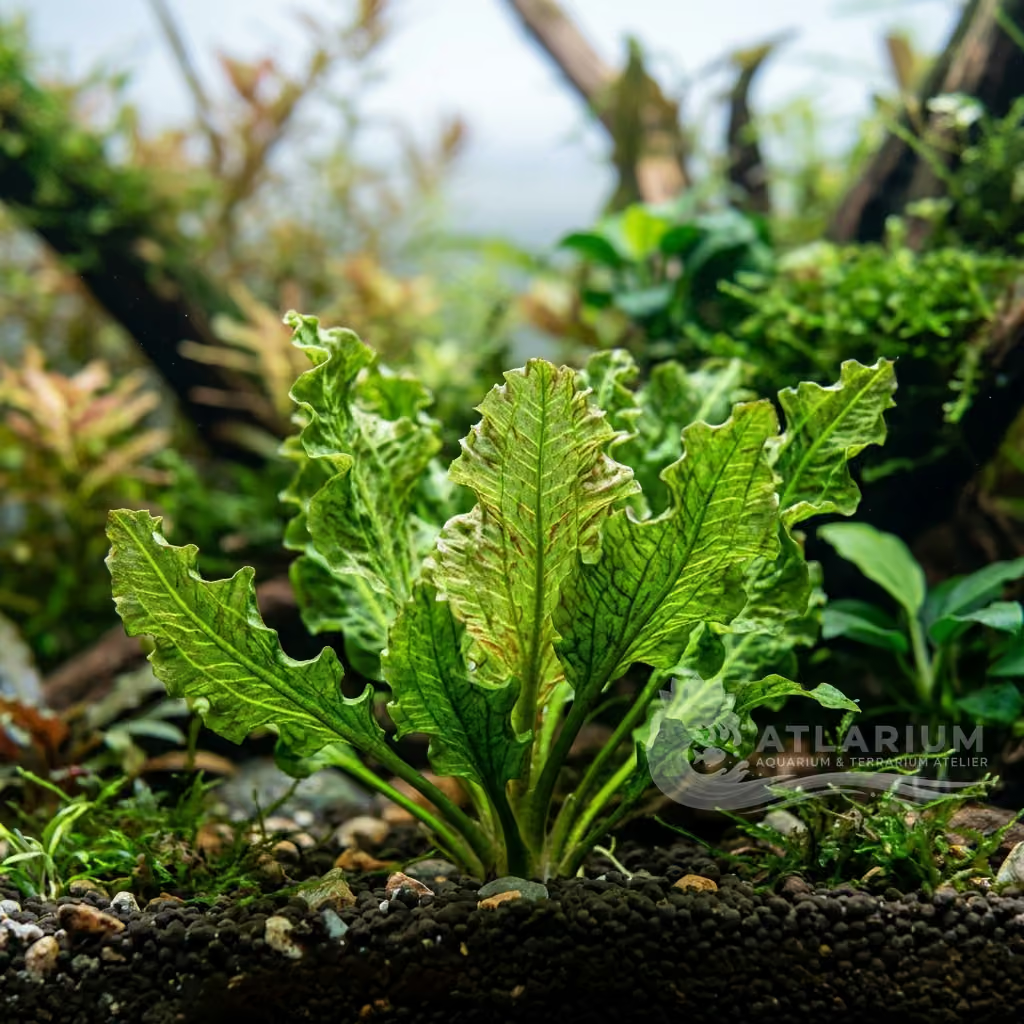
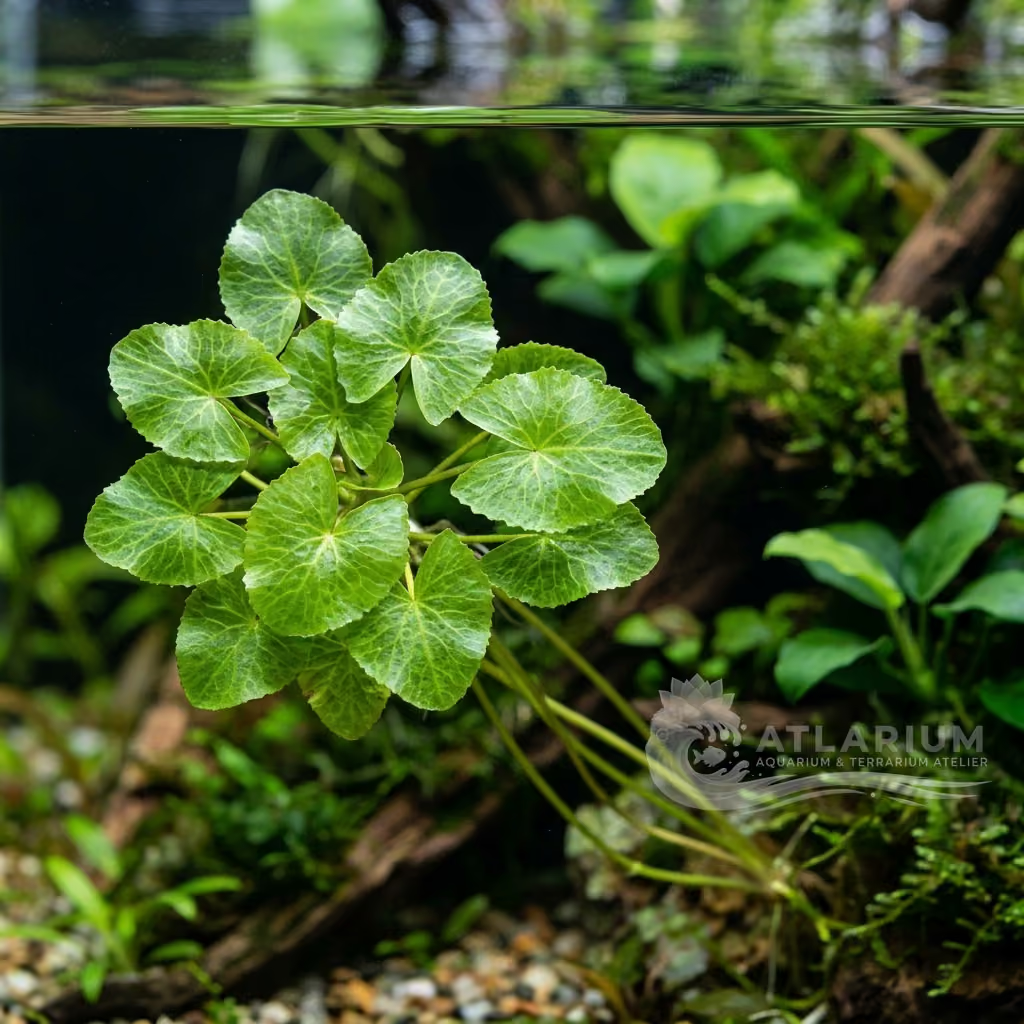
Nymphaea micrantha "Gefleckt" is a beautiful aquarium lily well-suited for the midground, boasting a medium growth rate and striking spotted leaves. This plant serves as an impressive focal point, appreciated for its distinctive submerged foliage that adds unique visual appeal to any aquascape.
Temperatura da água
18 - 32 °C
Valor de pH
6.5 - 8
Tipo de água
Água doce
Luz
Medium to High
CO2
Alta
Altura esperada
45 cm
Largura esperada
45 cm
KH
2 - 14 dKH

Descrição da espécie
Geographical Origin and Habitat: The species Nymphaea micrantha originates from the tropical regions of West Africa, where it thrives in slow-moving freshwater environments such as ponds, swamps, and floodplains. In these natural habitats, water lilies adapt to seasonal water level fluctuations, developing both submerged and floating leaves. The cultivar "Gefleckt" was likely selected for its unique aesthetic characteristics, specifically its speckled foliage, making it a highly sought-after plant among aquarists looking for a distinctive touch.
Taxonomy & Genetics: Belonging to the Nymphaeaceae family, Nymphaea micrantha is a member of the Nymphaea genus, which encompasses numerous water lily species renowned for their beauty and aquatic adaptability. The term "micrantha" refers to its relatively small flowers compared to other Nymphaea, while "Gefleckt" is a German word meaning "spotted" or "speckled," clearly indicating the primary feature of this specific cultivar. This genetic selection highlights a unique leaf pattern, achieved through years of cultivation to enhance its ornamental qualities for aquarium display.
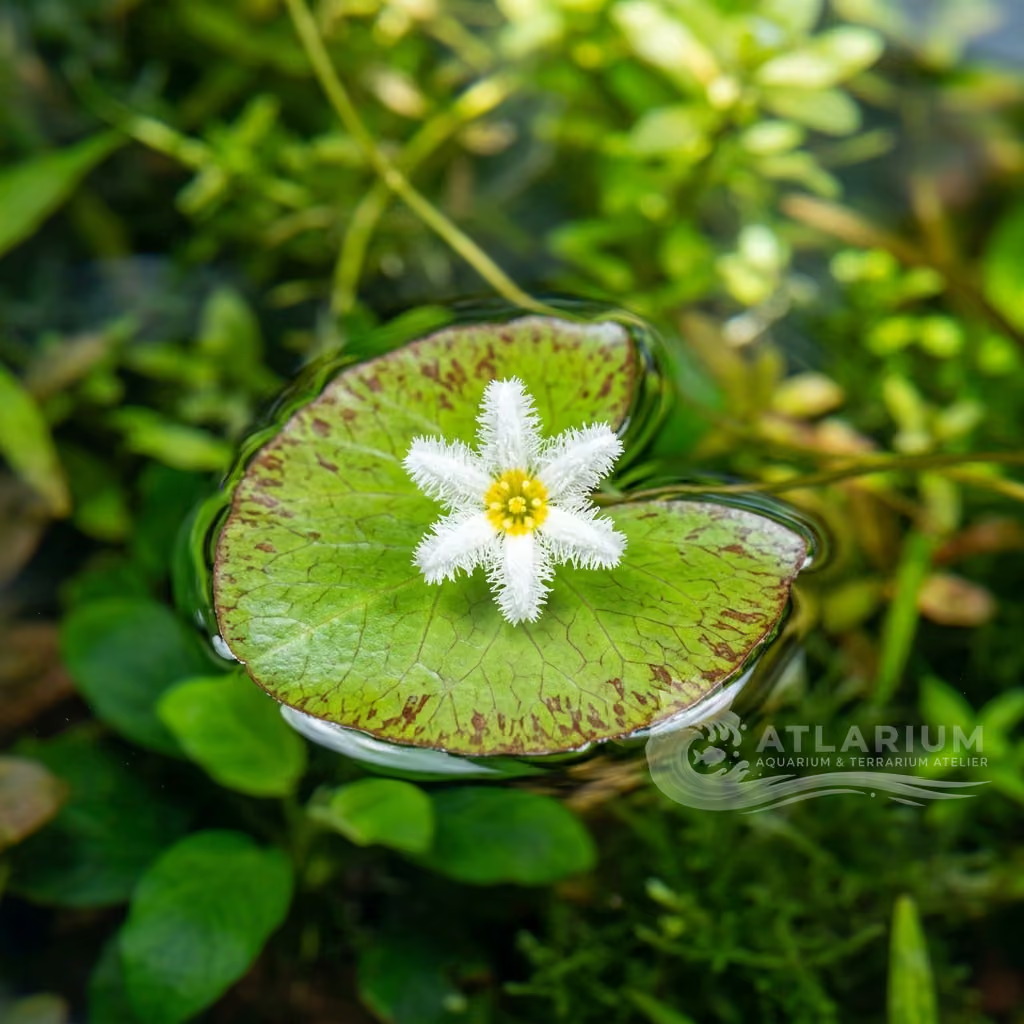
Physical Structure: This water lily develops a robust underground rhizome from which leaf petioles emerge. Submerged leaves are typically broad, oval to heart-shaped, with prominent venation and long petioles that anchor them to the substrate. Under optimal conditions and if space allows, the plant can produce floating leaves that spread across the water surface, and occasionally delicate flowers. Its physical structure allows it to form a compact bush in the midground, adding significant volume and depth to the aquascape.
Color & Texture: Nymphaea micrantha "Gefleckt" stands out due to the extraordinary coloration and texture of its leaves. The base color ranges from light green to olive green, often exhibiting reddish or bronzed undertones under intense lighting. The most captivating feature is the irregular, contrasting markings of dark green, reddish-brown, or deep purple that are randomly distributed across the leaf surface, creating a distinct "spotted" or "speckled" effect. The leaf texture is smooth and slightly waxy, with a glossy surface that reflect light appealingly, further enhancing the contrast of its patterns.

Cuidado, criação e companheiros de tanque
Lighting & CO2: For vigorous growth and to enhance the vibrancy of its distinctive markings, Nymphaea micrantha "Gefleckt" requires medium to high lighting conditions. Insufficient light can lead to paler, less mottled leaves and leggy growth, characterized by excessively elongated petioles. Carbon dioxide (CO2) supplementation is highly recommended, especially under brighter lights, as it significantly boosts photosynthesis, promoting more robust, denser growth and more intense leaf coloration. Without additional CO2, its growth might be slower and less vigorous.
Nutrition & Substrate: As a rhizomatous aquatic plant, Nymphaea micrantha "Gefleckt" is a heavy root feeder, drawing most of its nutrients directly from the substrate. It is crucial to provide a nutrient-rich substrate, fortified with clay, laterite, and other essential elements, or to supplement with root tabs placed directly beneath the rhizome. General liquid fertilization providing macro and micronutrients to the
Water Chemistry: Nymphaea micrantha "Gefleckt" is remarkably adaptable to a wide range of water parameters, making it suitable for various aquarium setups. The ideal water temperature spans from 18.0 to 32.0 °C, allowing for cultivation in both tropical and sub-tropical aquariums. Regarding carbonate hardness (KH), it tolerates values from 2.0 to 14.0, while the optimal pH ranges from 6.5 to 8.0, indicating good resilience in both slightly acidic and alkaline waters. Maintaining stable parameters is always preferable to extreme fluctuations to ensure healthy growth and prevent plant stress.
Space Management & Placement: Given its growth potential, which includes broad leaves and an expansive rhizome, Nymphaea micrantha "Gefleckt" is best suited for midground placement in medium to large-sized aquariums. It requires considerable space to develop without hindering surrounding plants or excessively overshadowing the overall layout. It is advisable to position it in an area where it can receive adequate light but also where its leaves can spread freely without completely covering the water surface, thus maintaining its submerged beauty and preventing shading of smaller plants below.
Pruning: Pruning is a crucial aspect of managing Nymphaea micrantha "Gefleckt" to maintain its shape and promote vigorous submerged growth. Regularly remove older, damaged, or yellowing leaves by cutting them at the base of the petiole with sharp scissors. If the plant begins to produce too many floating leaves, which can excessively shade underlying plants, it is advisable to systematically remove them to encourage the development of new submerged foliage. Timely removal of unwanted flower stalks will help redirect the plant's energy towards leaf growth.
Risks & Diseases: While robust, Nymphaea micrantha "Gefleckt" can exhibit some problems under suboptimal conditions. One of the most common risks is leaf "melting" during the acclimatization period to a new aquarium or following drastic changes in water parameters. Nutrient deficiencies manifest as yellowed leaves, stunted growth, or faded patterns, often indicating a lack of iron or other essential micronutrients. Algae can colonize leaves if the light/nutrient balance is incorrect, while overly dense growth can limit water circulation, favoring the accumulation of detritus and potential pathogens.

Origem e distribuição geográfica
The species Nymphaea micrantha originates from the tropical regions of West Africa, where it thrives in slow-moving freshwater environments such as ponds, swamps, and floodplains. In these natural habitats, water lilies adapt to seasonal water level fluctuations, developing both submerged and floating leaves. The cultivar "Gefleckt" was likely selected for its unique aesthetic characteristics, specifically its speckled foliage, making it a highly sought-after plant among aquarists looking for a distinctive touch.
Origem
África e MadagascarMelhoramento seletivo e cultivares

Perfil da planta
- Posicionamento
- Plano intermediário
- With its stunning, speckled leaves, it makes for a beautiful focal point in the midground or background of the aquarium. The leaves can grow quite large and cast significant shade, so it must be positioned away from smaller, delicate plants that require high light. To maintain the highly prized submerged, bushy form, aquarists must diligently pinch off any leaves that stretch upward toward the water's surface.
- Forma botânica
- Roseta
- It is a bulb-based rosette plant distinguished by its large, somewhat rounded leaves with slightly undulated edges. The "Gefleckt" (spotted/mottled) variety is famous for its striking leaf pattern: a light green or sometimes pale reddish base color heavily adorned with intricate, dark reddish-brown to purple spots and blotches. A unique characteristic of this species is its ability to produce adventitious plantlets directly at the junction of the leaf and the petiole.
- Crescimento
- Média
- This water lily features a fast growth rate, continuously pushing out new, vibrantly patterned leaves from the central rosette. Its rapid expansion requires regular pruning and maintenance to ensure it remains appropriately sized for its placement within the aquascape.
- Substrato
- Alta
- A deep, nutrient-abundant substrate is critical for this bulbous plant. It utilizes a vast root system to extract the majority of its needed nutrition directly from the soil. Cultivation in a premium, mature aquasoil is highly preferred; growing it in inert gravel or sand requires meticulous and heavy supplementation with root fertilizers to prevent the plant from wasting away.
- Fertilização de coluna
- Recomendada
- While it draws most of its sustenance through its roots, water column fertilization is necessary to ensure complete nutritional balance. Dosing a comprehensive liquid fertilizer provides essential potassium and trace elements. Adequate iron supplementation is particularly important to maintain the contrast and vibrancy of the dark spots against the lighter leaf background.
- Fertilização radicular
- Necessária
- Consistent and heavy root fertilization is the most vital aspect of its care. The extensive root network will quickly strip the surrounding substrate of nutrients. To keep the plant robust and the leaf patterns bold, several comprehensive root tabs should be pushed deep into the substrate, closely surrounding the bulb, on a monthly basis.
- Corte
- Ocasional
- To maintain a compact submerged form, promptly trim any leaves that reach for the surface. Cut the stems as close to the base as possible to encourage bushy new growth. Remove any decaying or damaged leaves to prevent water quality degradation. If you want floating leaves, simply allow the longest stems to reach the top undisturbed.
- Propagação
- Divisão
- Propagation is exceptionally unique and easy with this species. It naturally produces small, adventitious plantlets directly on the top of the leaves, right where the stem attaches to the leaf blade. Once these tiny plantlets develop their own roots and small leaves, the mother leaf can be cut, and the new plantlet can be pinned to the substrate to establish itself.
- Sensibilidade
- Moderada
- This species can be sensitive to sudden changes in water parameters or temperature. It is generally not tolerant of harsh chemical treatments, such as certain algae medications. Ensure the rhizome or tuber is not fully buried, as it may rot. Herbivorous fish and snails might occasionally nibble on the tender new leaves.
- Função de layout
- Plano intermediário
- This plant serves as an excellent solitary centerpiece in many aquascaping styles. Its distinct leaf shape and color break up the monotony of typical stem plant groupings. It is widely used in Dutch-style aquariums to provide a strong visual anchor. In nature aquariums, it adds a wild, unruly element to the background or midground.

Espécies relacionadas
Recomendações agrupadas por parentes próximos, escolhas de acompanhantes e cuidados semelhantes.