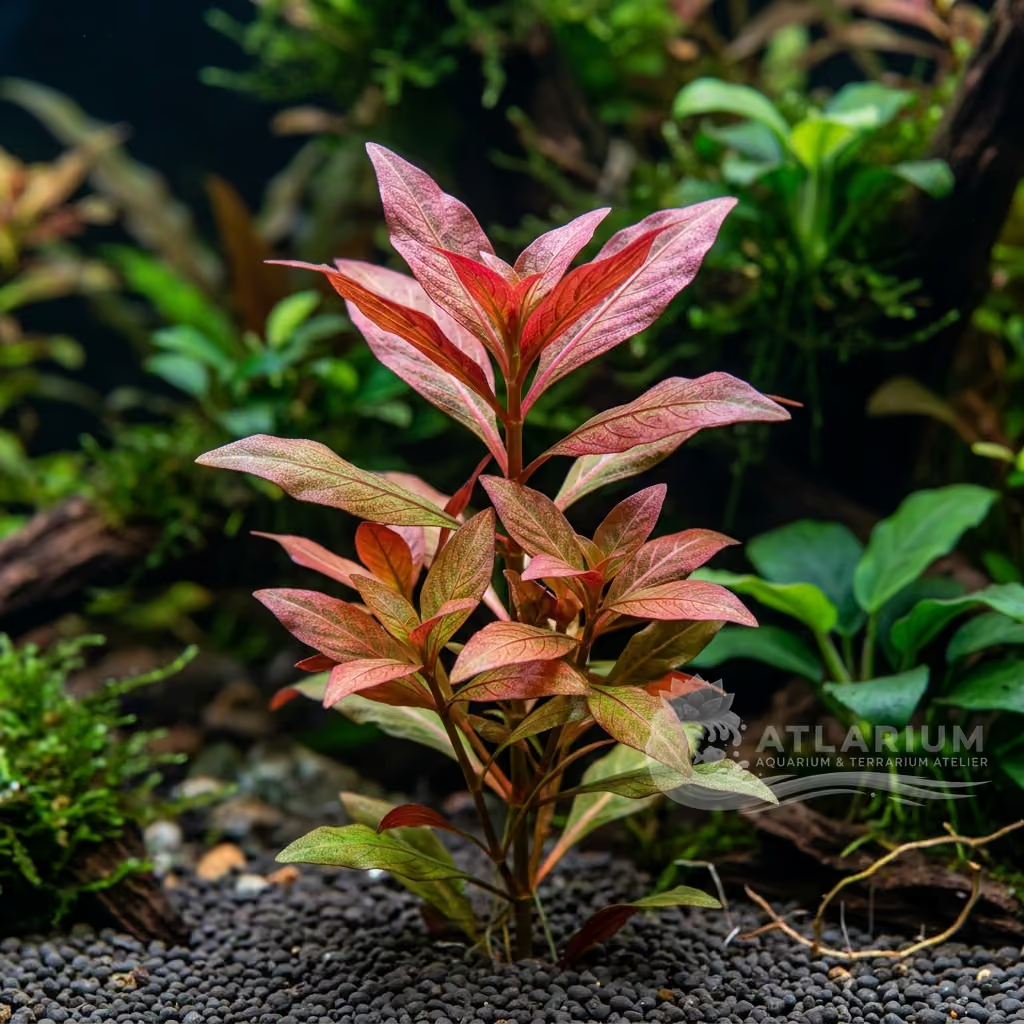
Ludwigia inclinata var. verticillata 'Curly'
Ludwigia inclinata var. verticillata 'Curly'
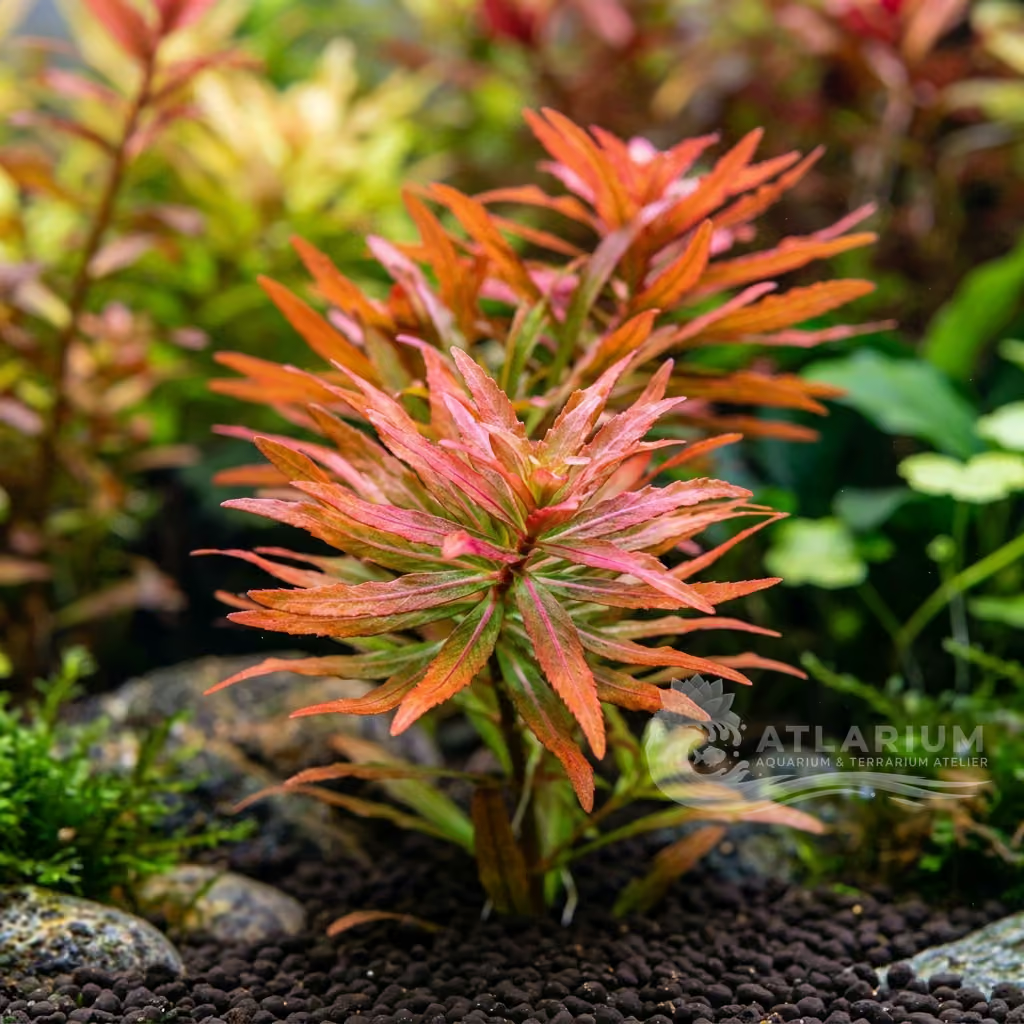
Ludwigia inclinata var. verticillata 'Curly' is a rare and sought-after cultivar, famous for its curled needle-like leaves that create a unique spiral effect along the stem.
Temperatura da água
18 - 30 °C
Valor de pH
4.5 - 7
Tipo de água
Água doce
Luz
Alta
CO2
Alta
Altura esperada
40 cm
KH
0 - 8 dKH

Descrição da espécie
Geographical Origin and Habitat: Ludwigia inclinata var. verticillata 'Curly' is a rare ornamental cultivar stabilized in culture, whose parent species (Ludwigia inclinata) is distributed in the humid wetland areas of Central and South America. This specific selection with curled leaves was isolated within commercial nurseries and propagated vegetatively. It shares the wild species' preference for warm, very soft, and acidic waters typical of sheltered Amazonian basins.
Taxonomy & Genetics: It belongs to the Onagraceae family and is a stabilized genetic mutation of Ludwigia inclinata var. verticillata. The mutation affects leaf cell wall elasticity, causing the leaves to curve downward and curl in a spiral. This phenotypic variation is purely genetic and remains stable as long as the plant is propagated vegetatively, as it cannot be passed on via seeds.
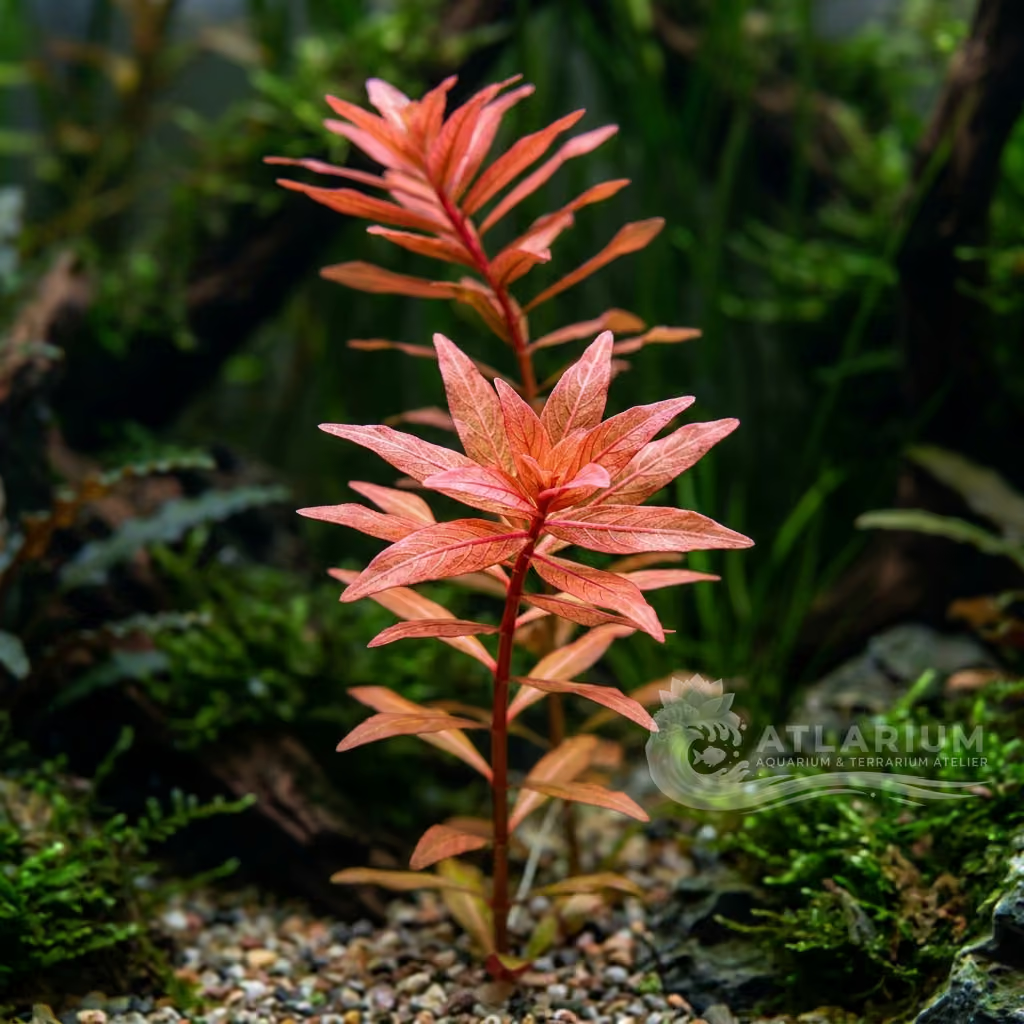
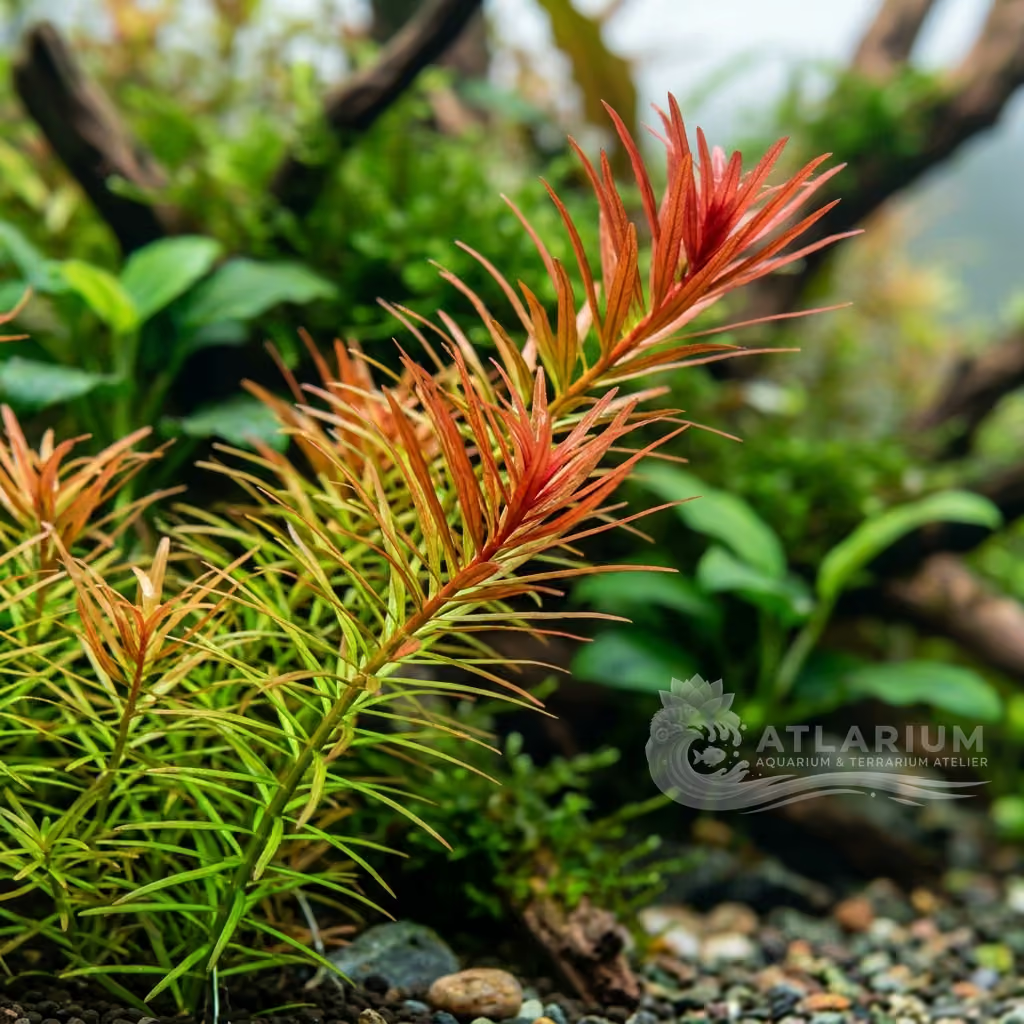
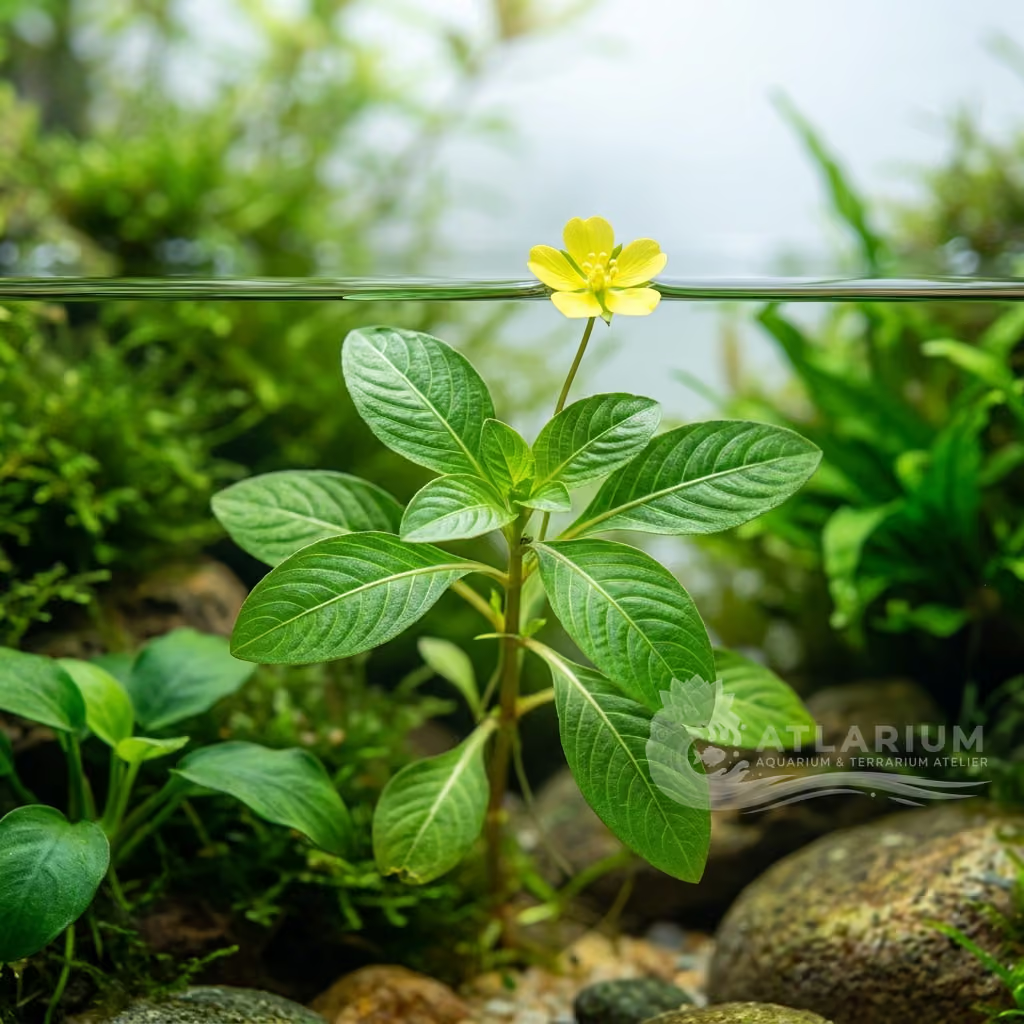
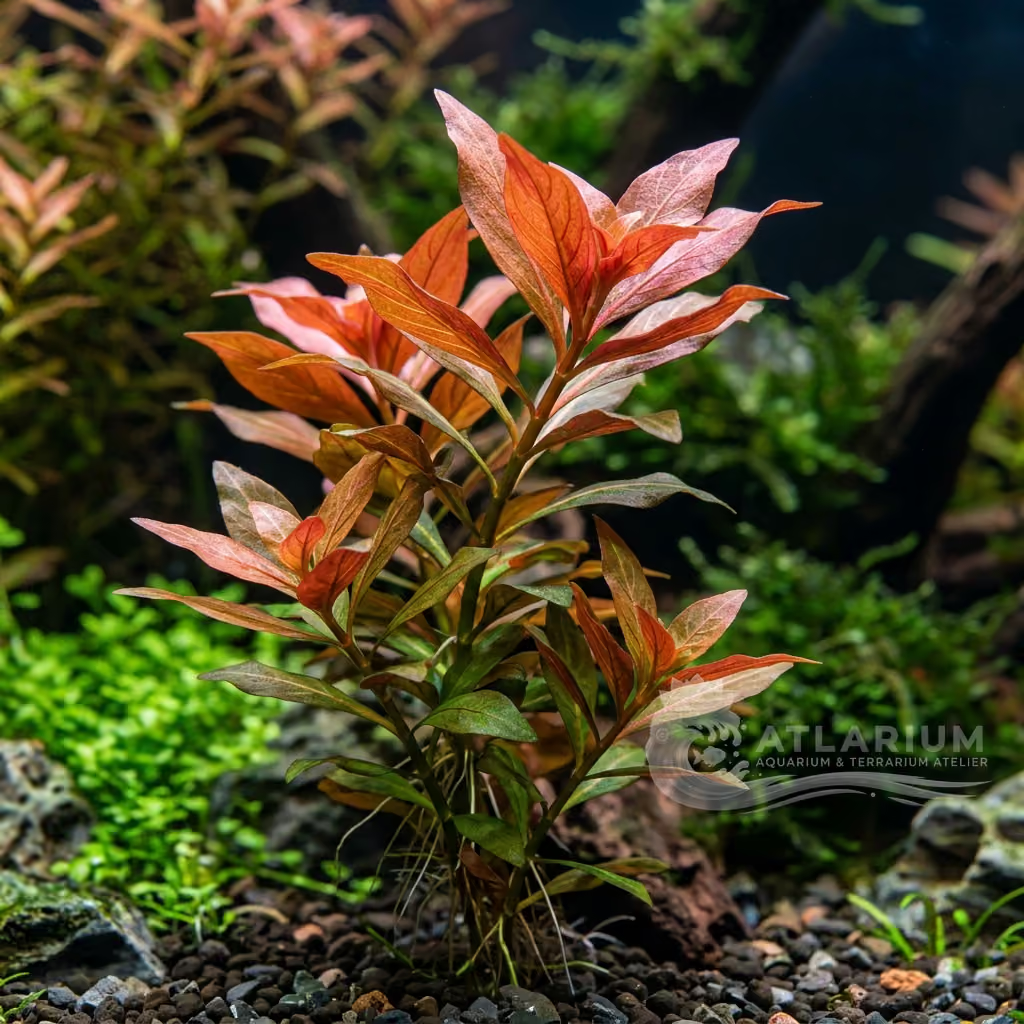
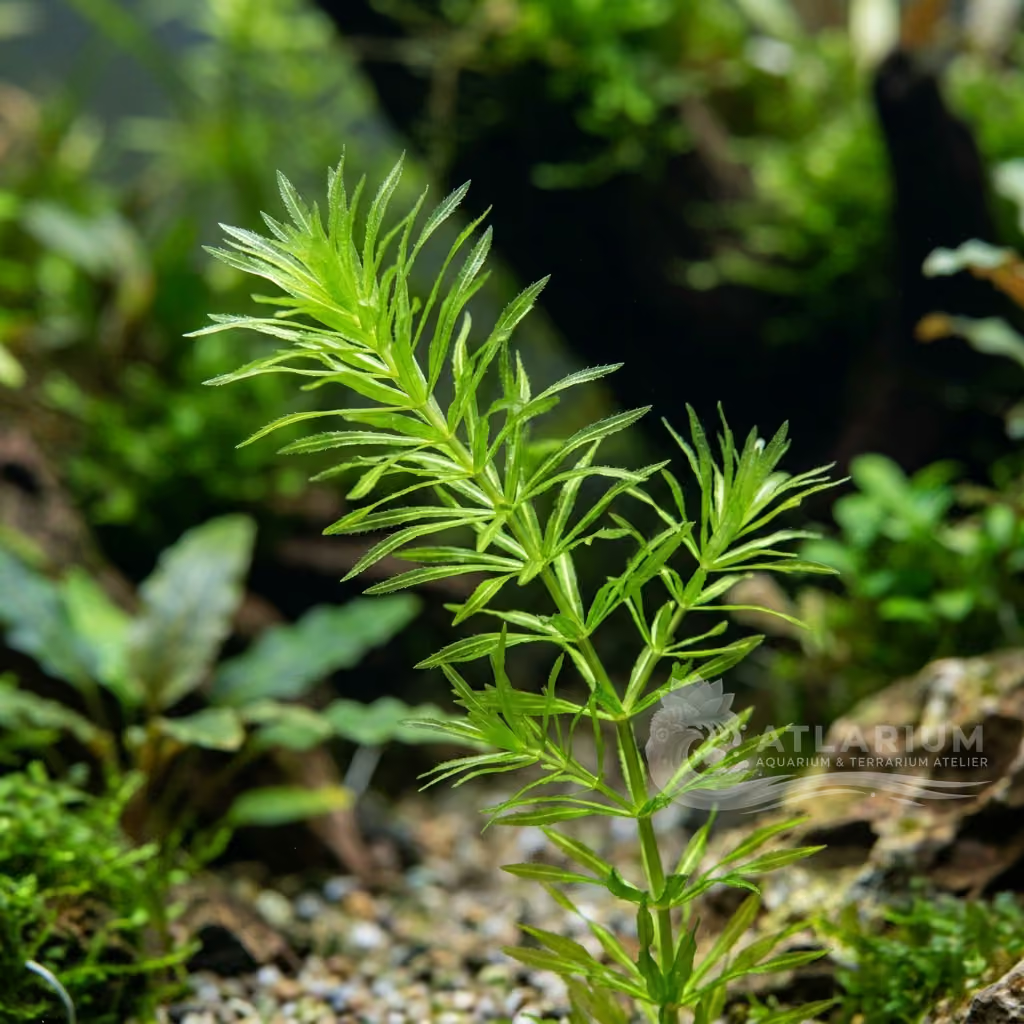
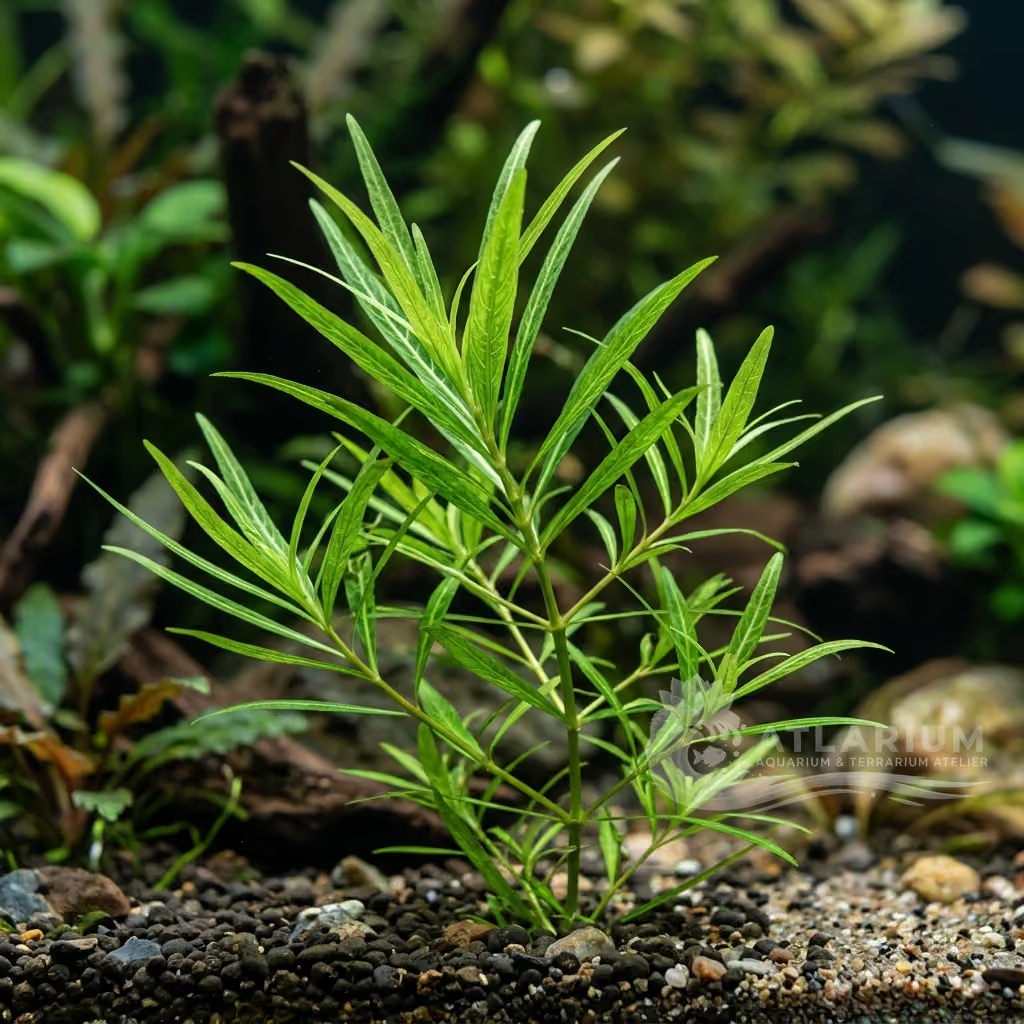
Physical Structure: It develops erect, fleshy stems of medium thickness (4-6 mm) that can reach a height of 20-40 cm. Submerged leaves are arranged in dense whorls and are very narrow and needle-like, but with the unique characteristic of being curled downward or spiraled. The overall stem resembles a complex, dense spiral column of foliage. It develops fine, efficient roots under the substrate.
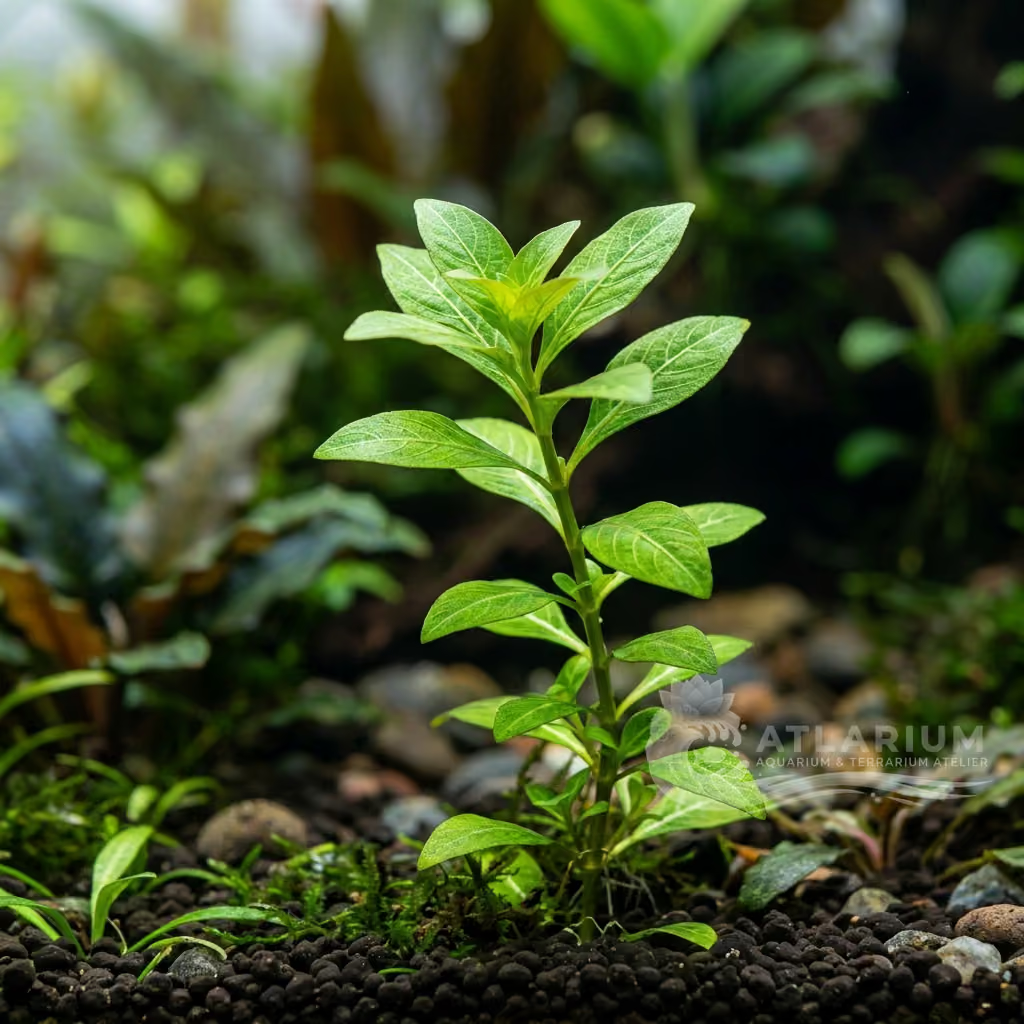
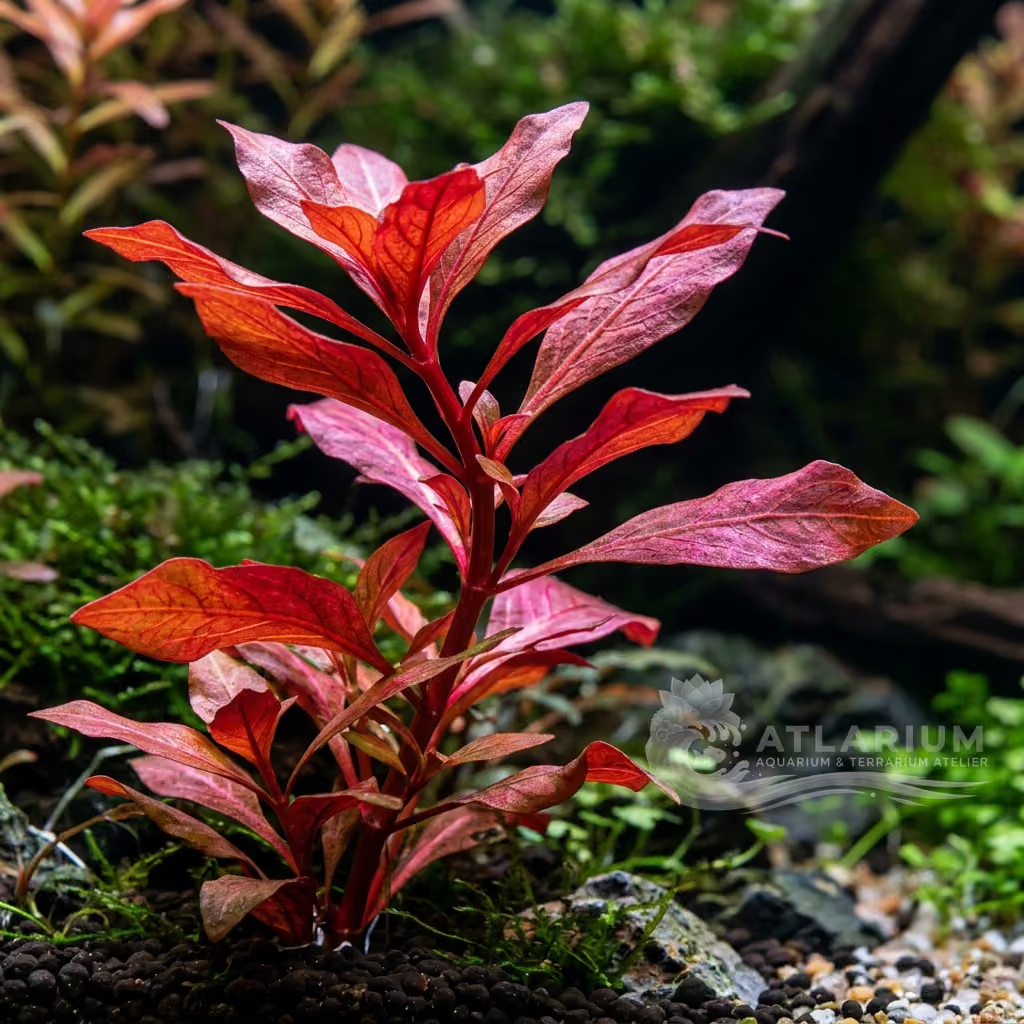
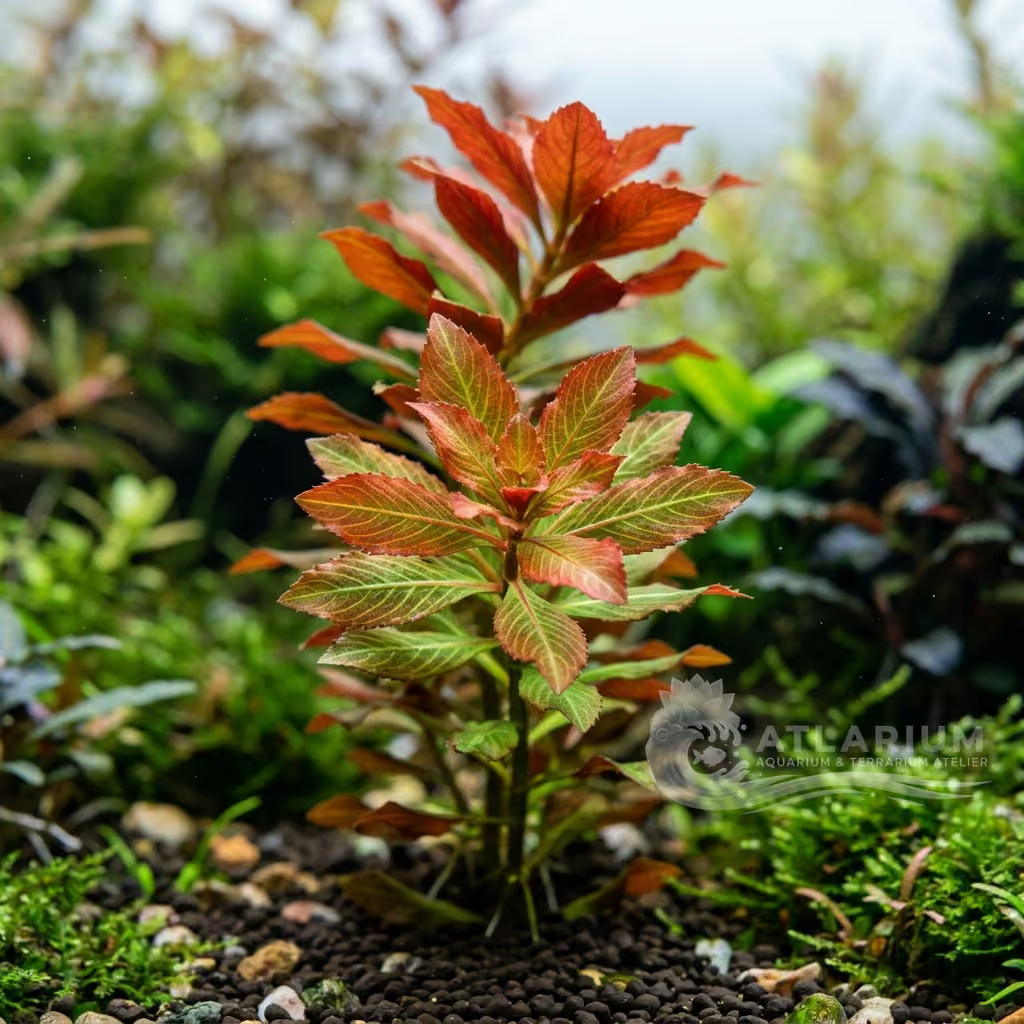
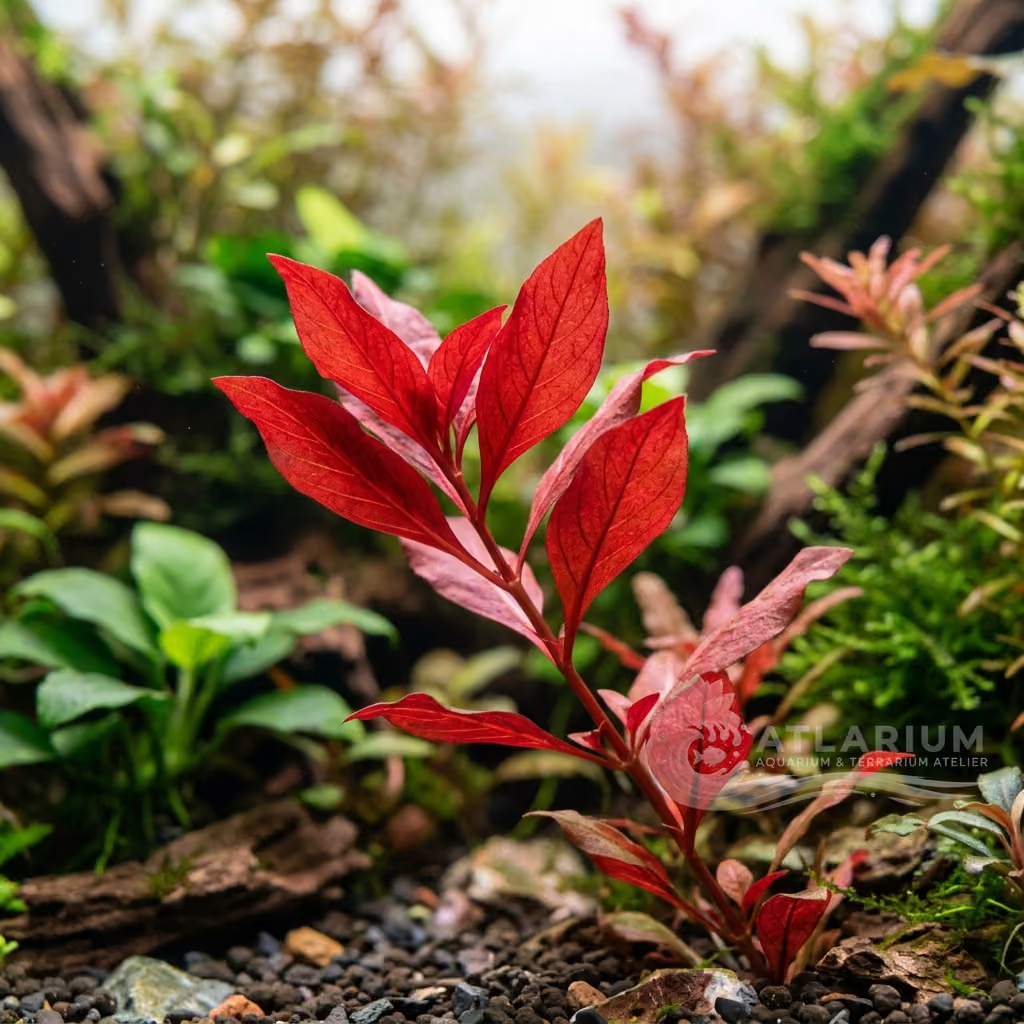
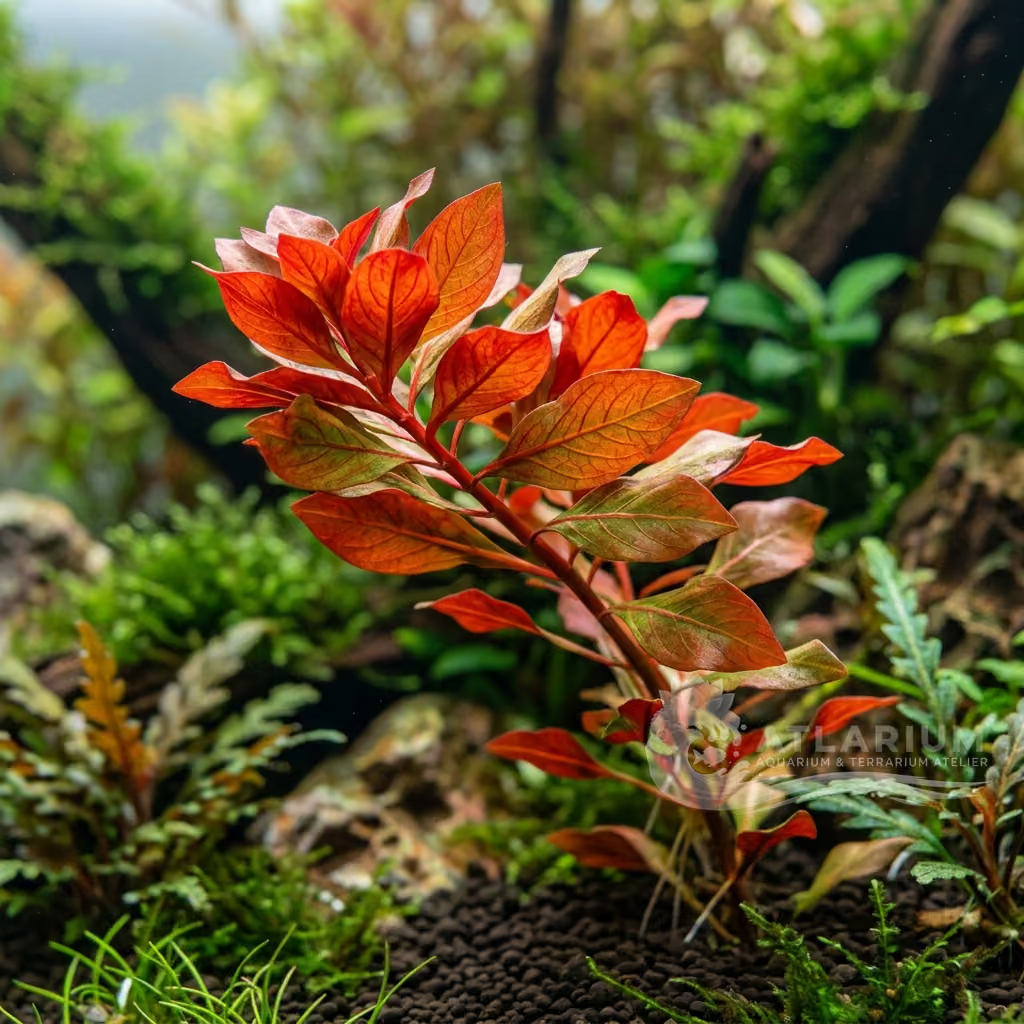
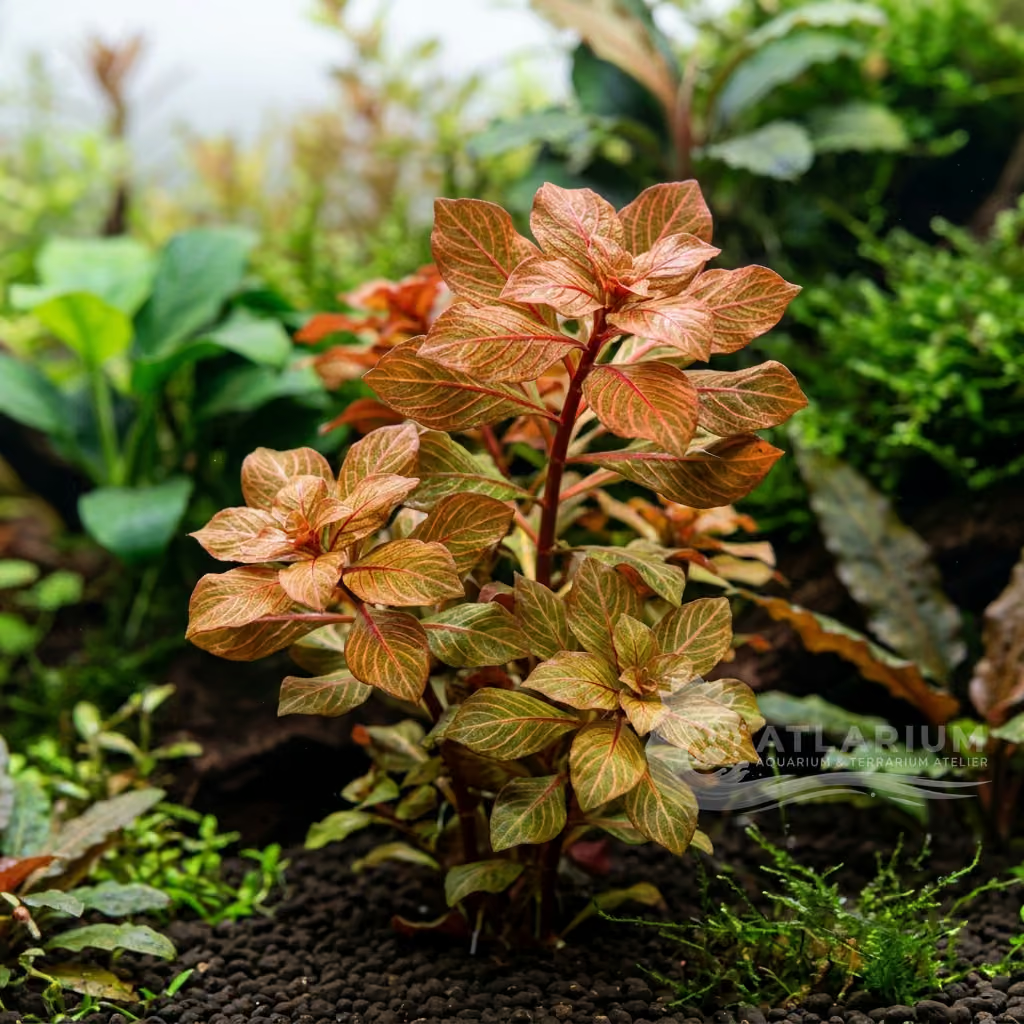
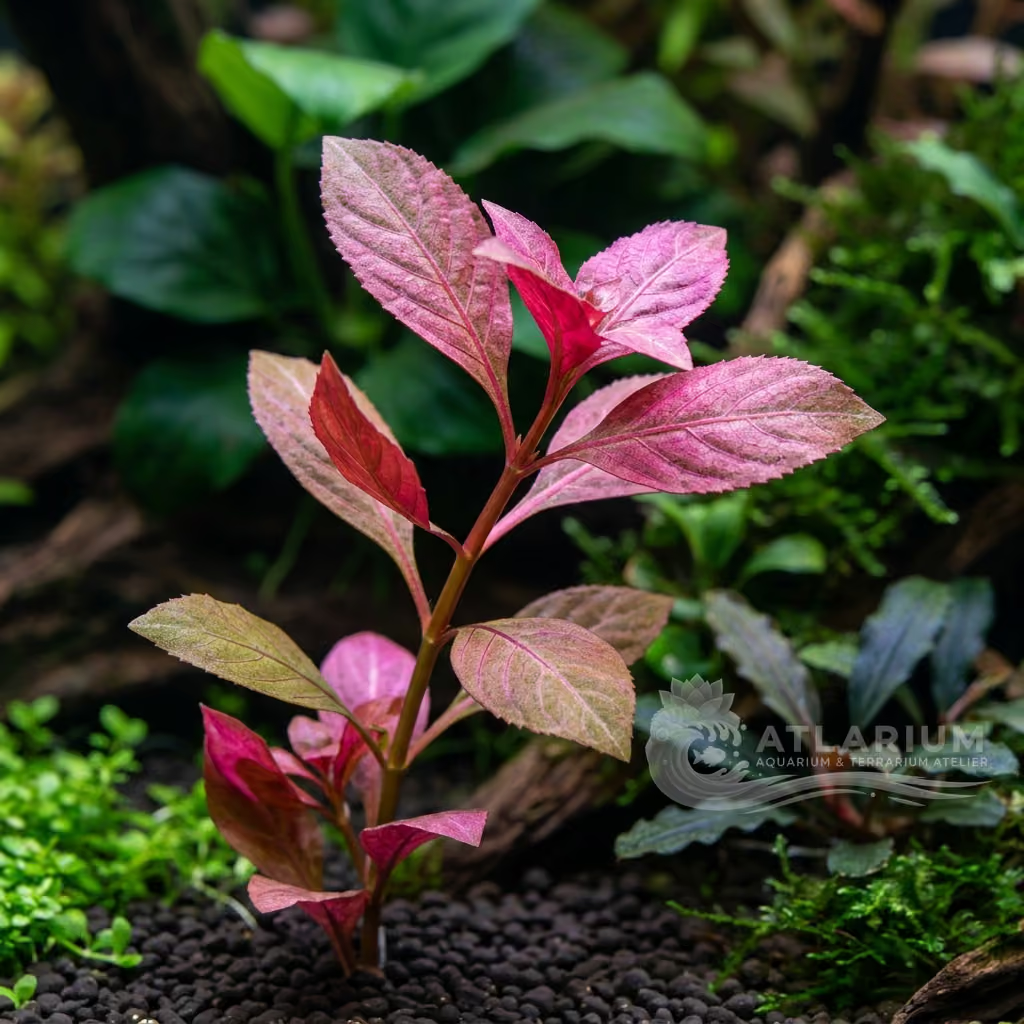
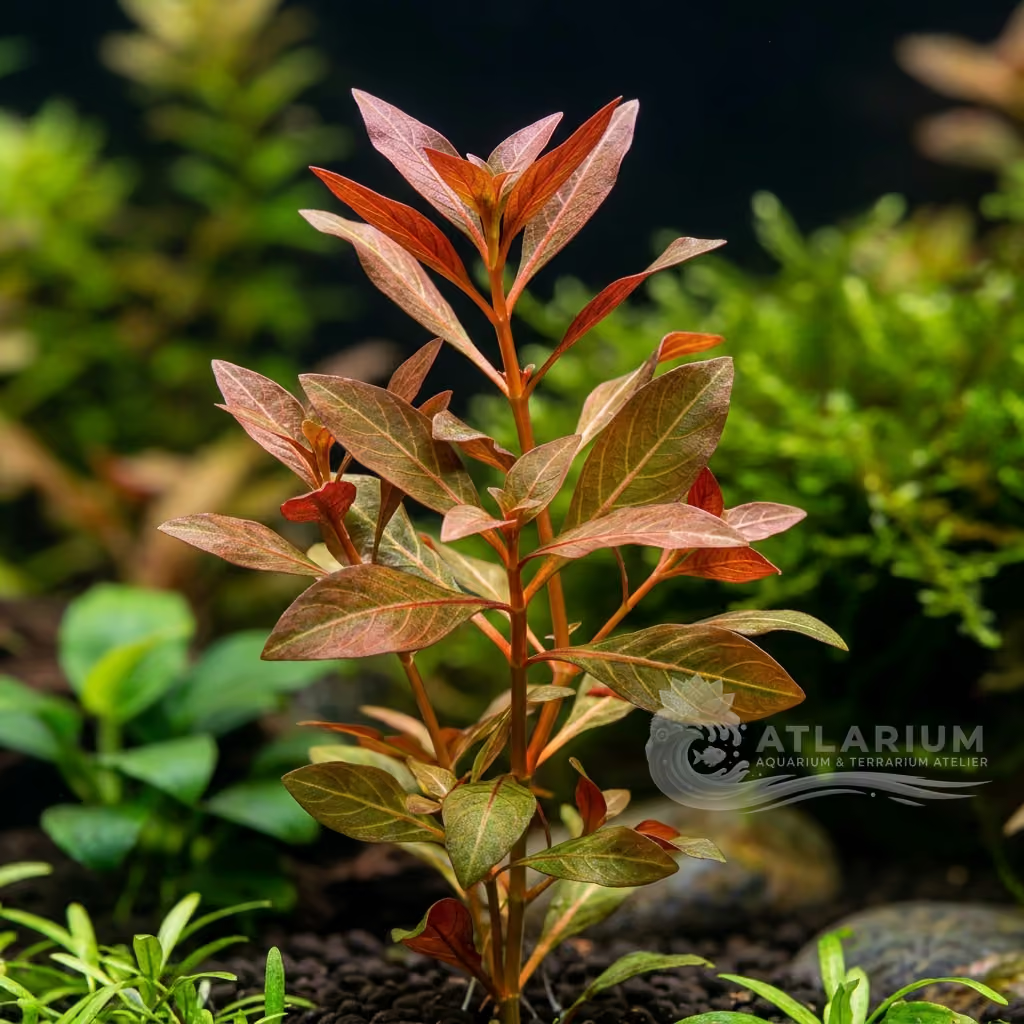
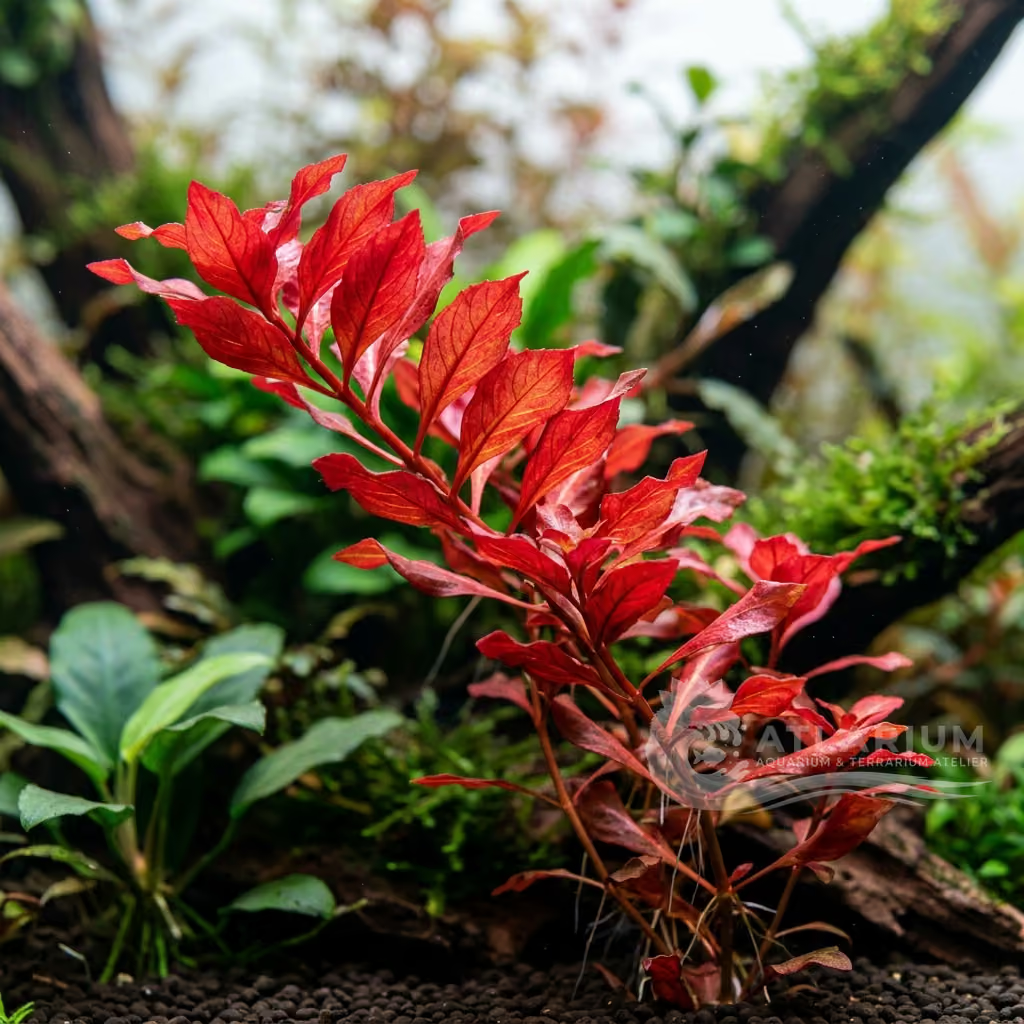
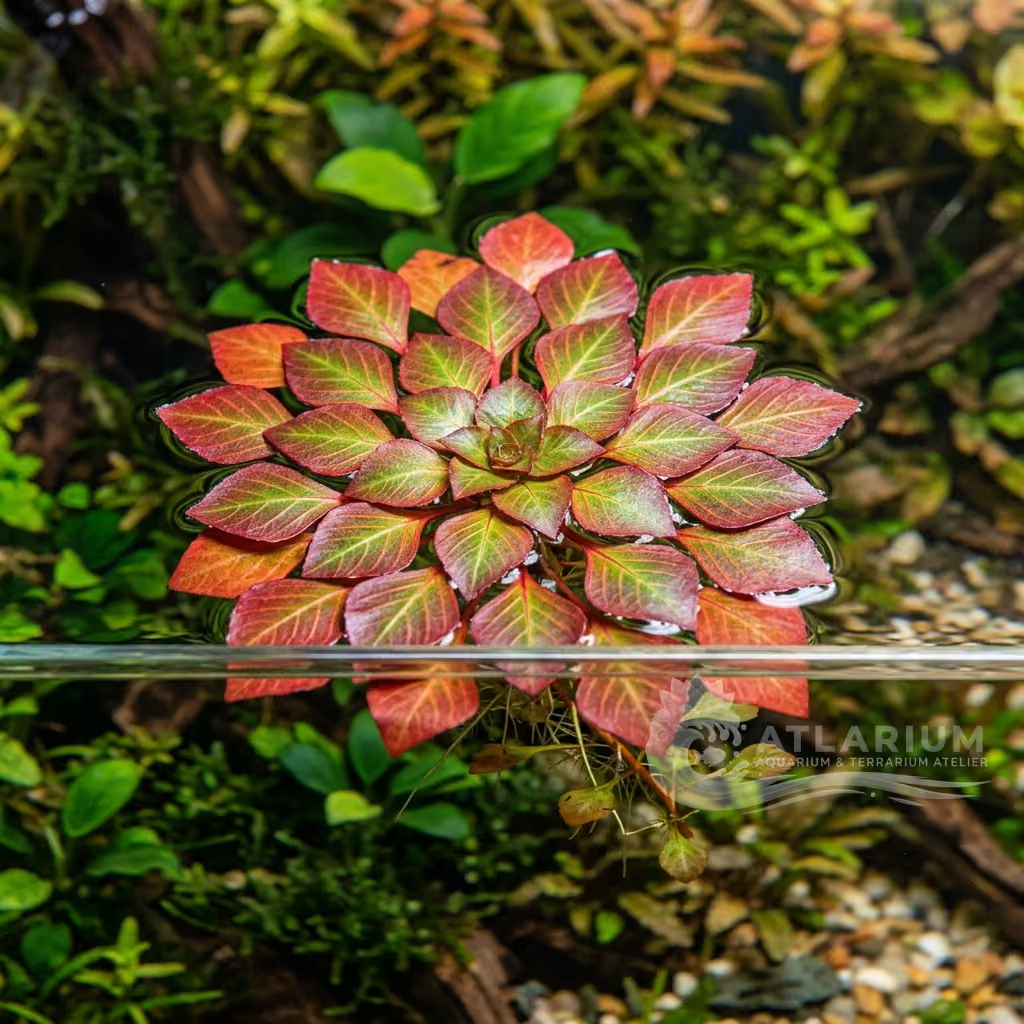
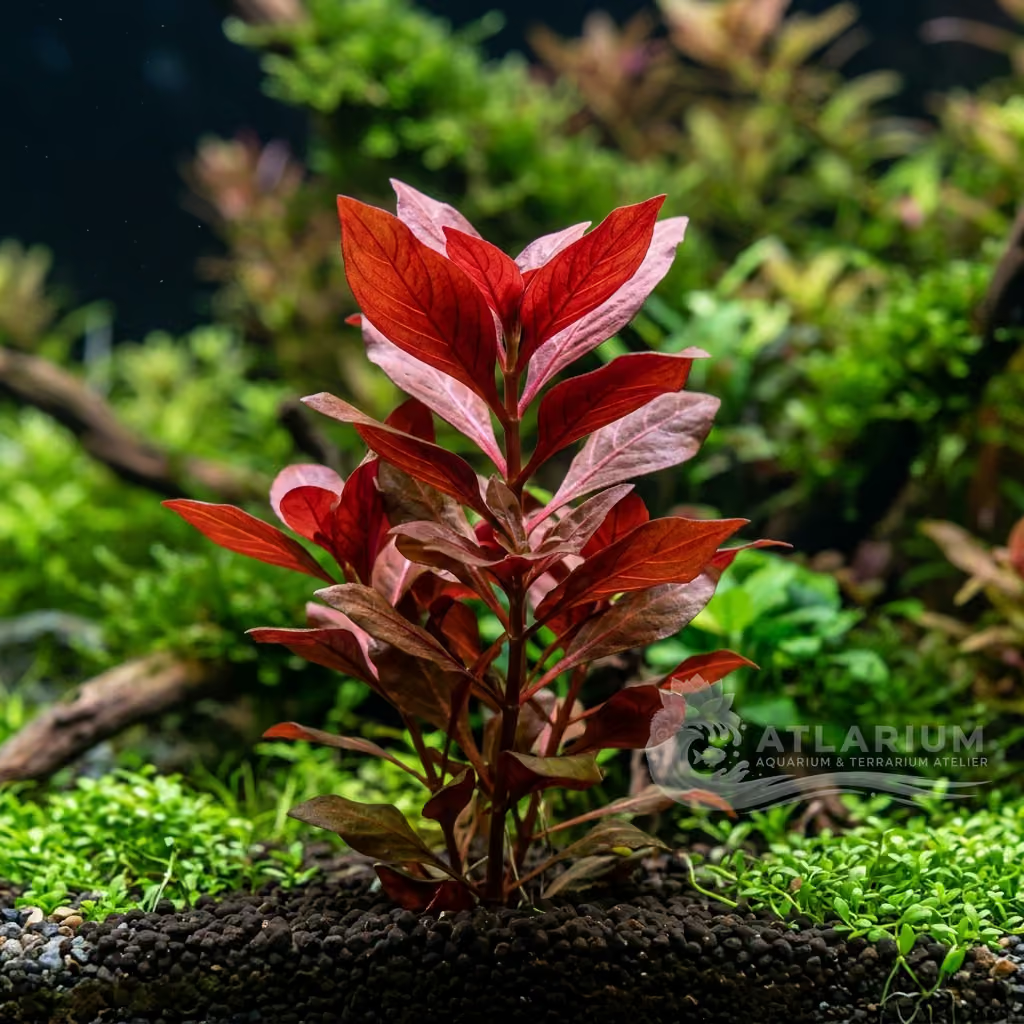
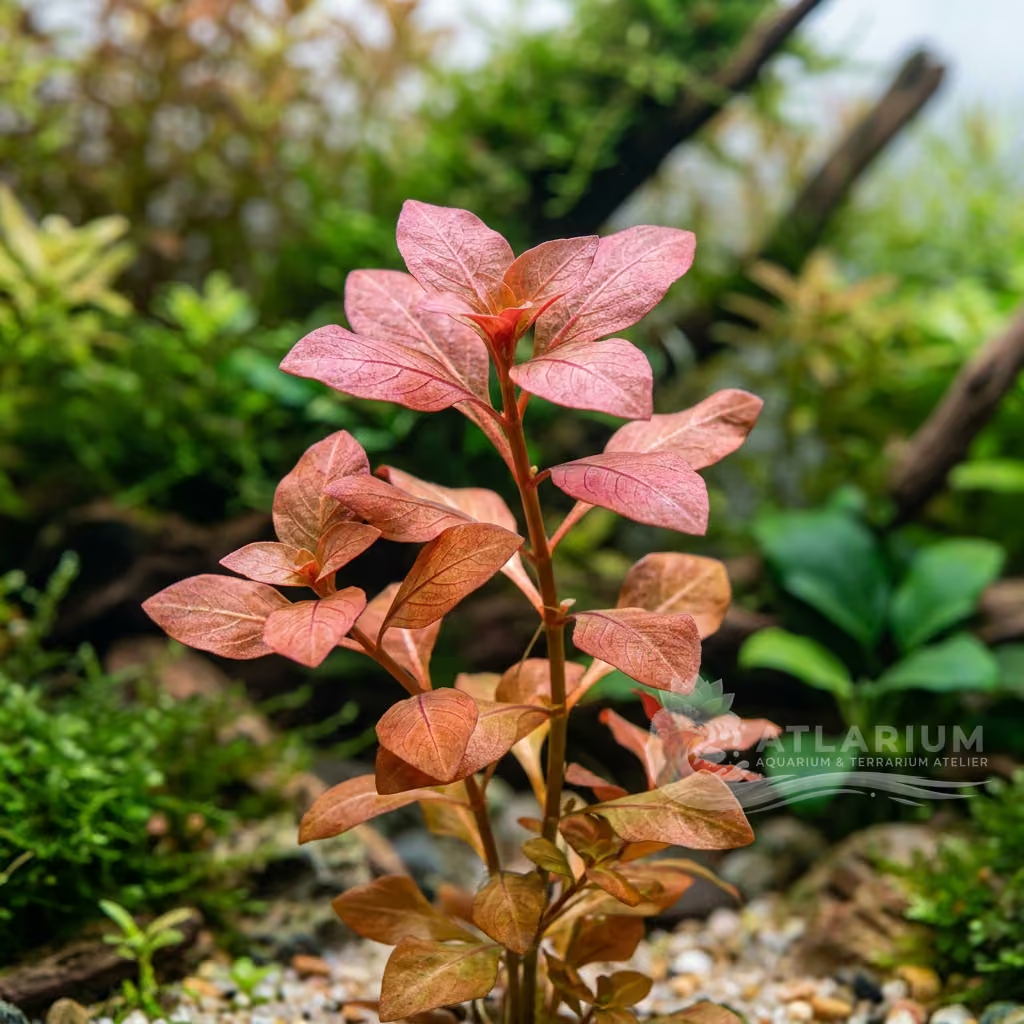
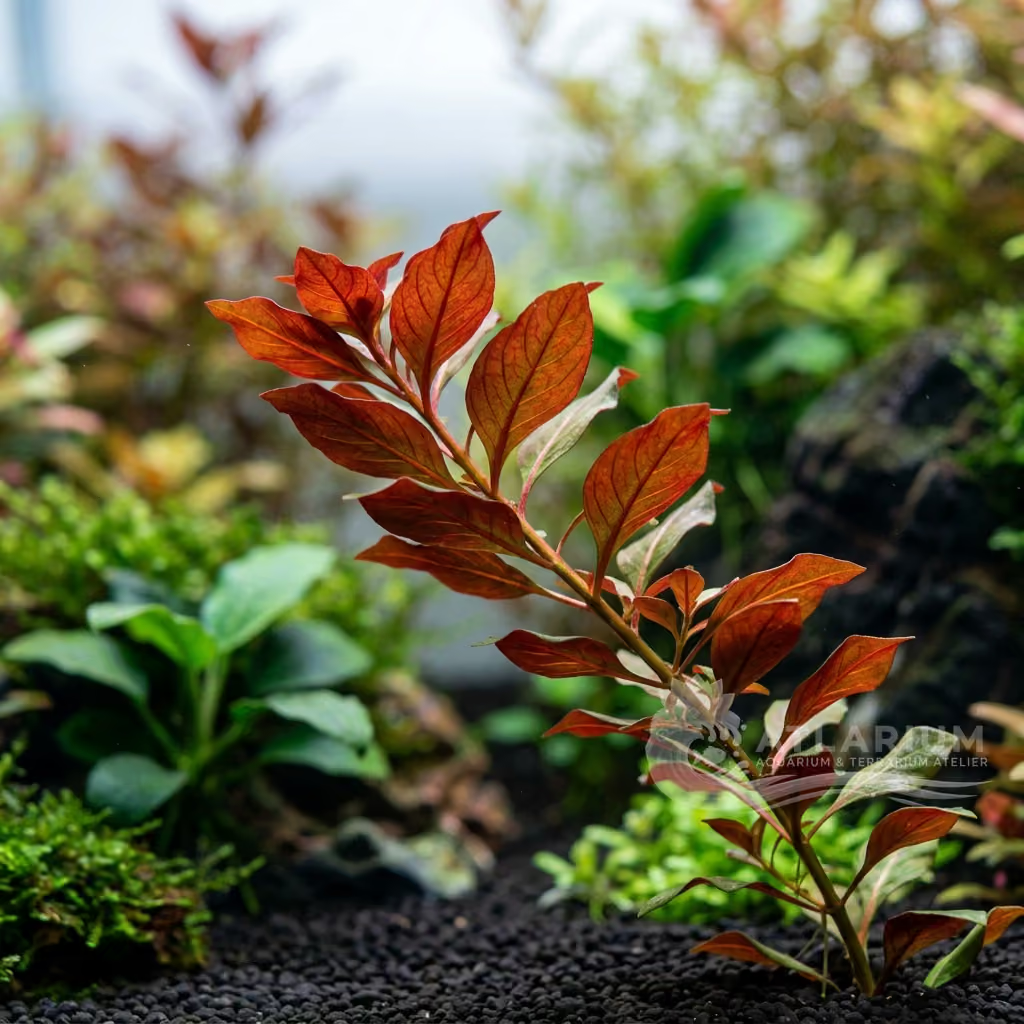
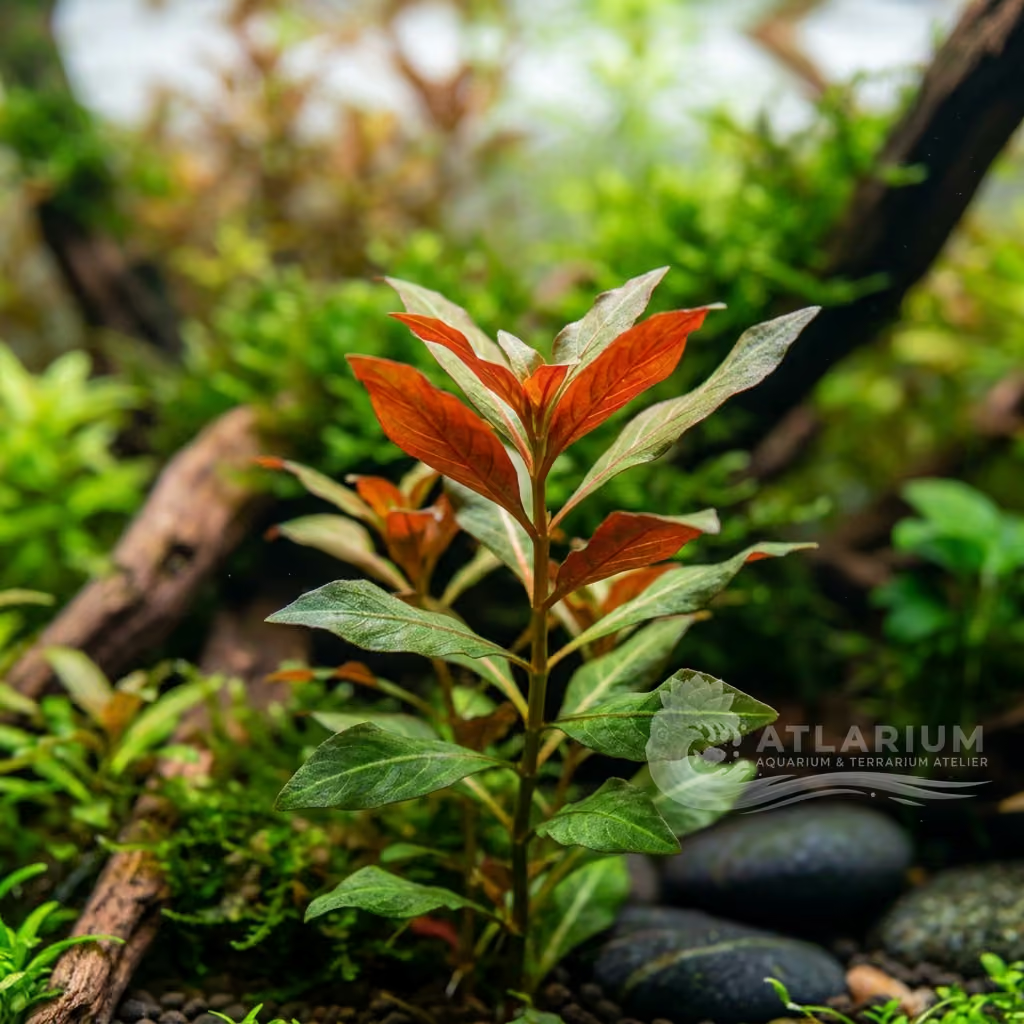
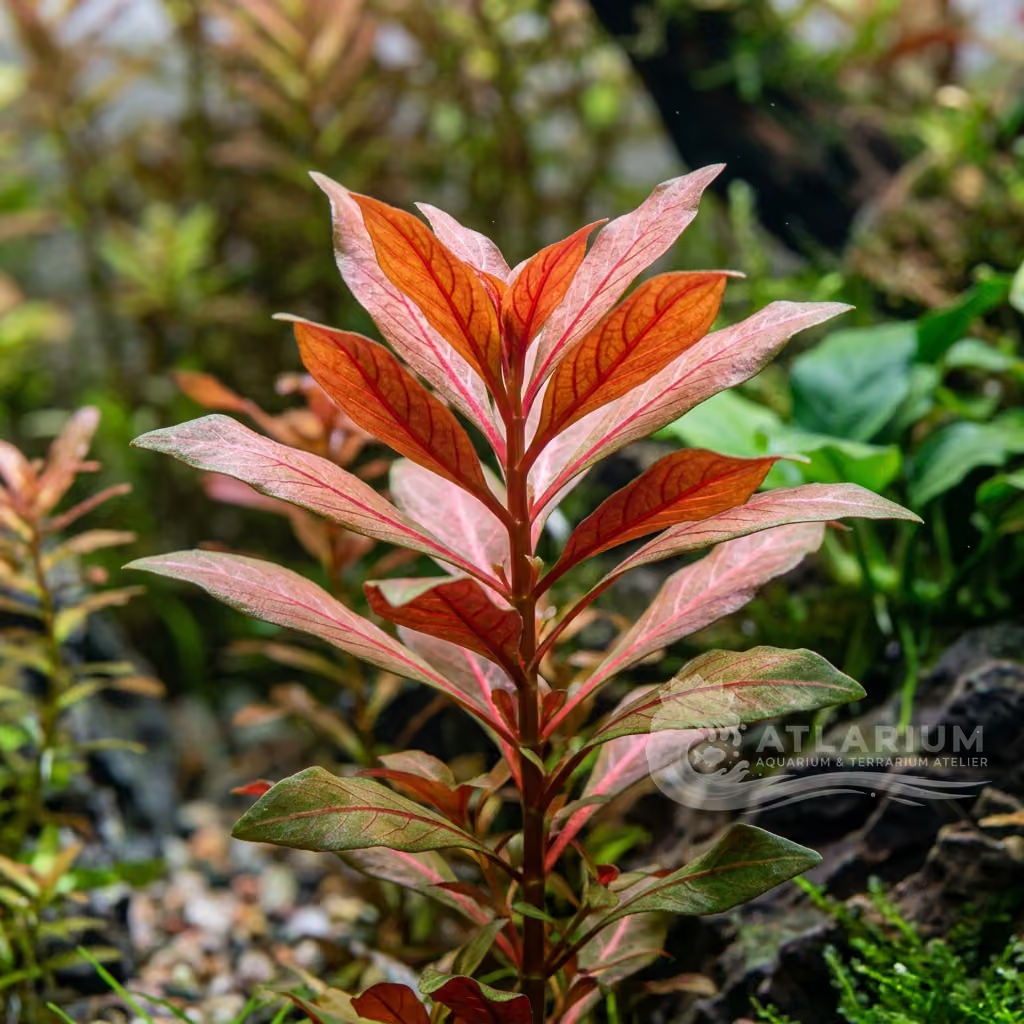
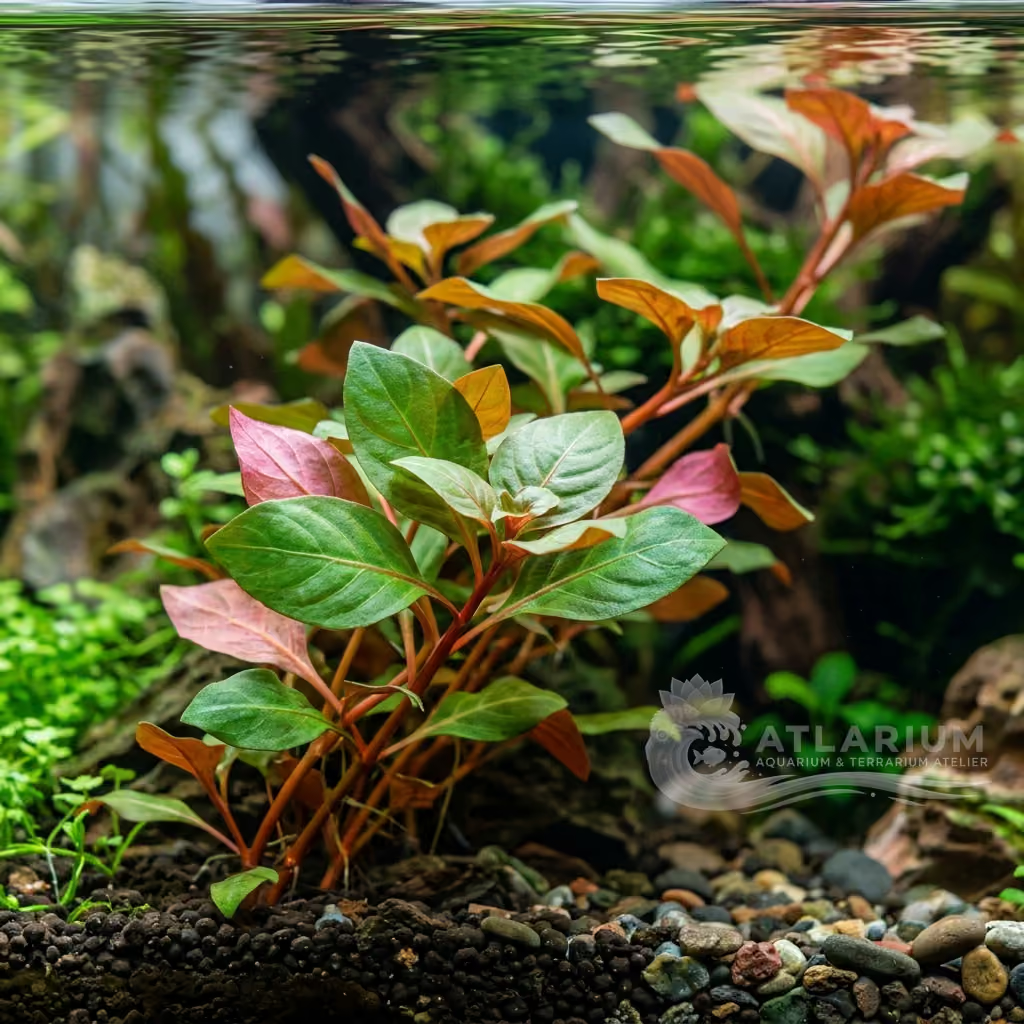
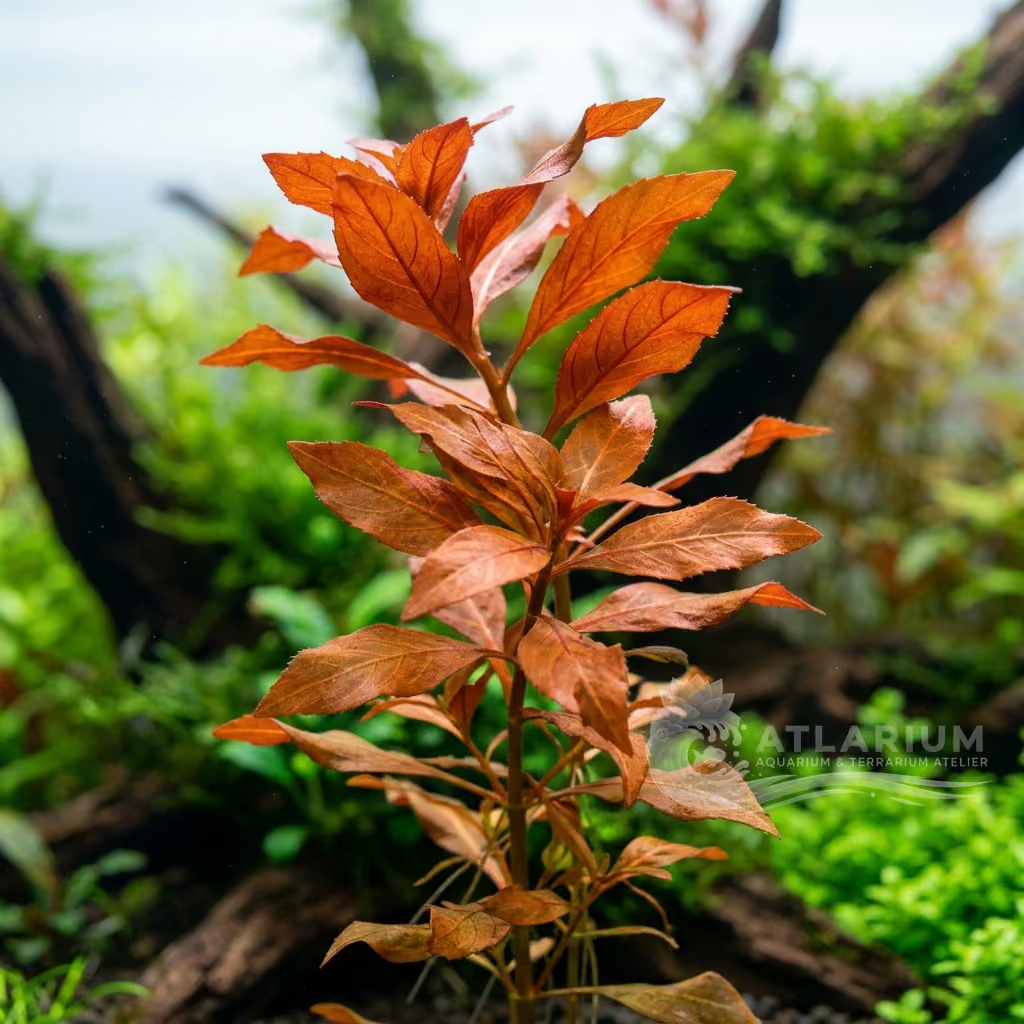
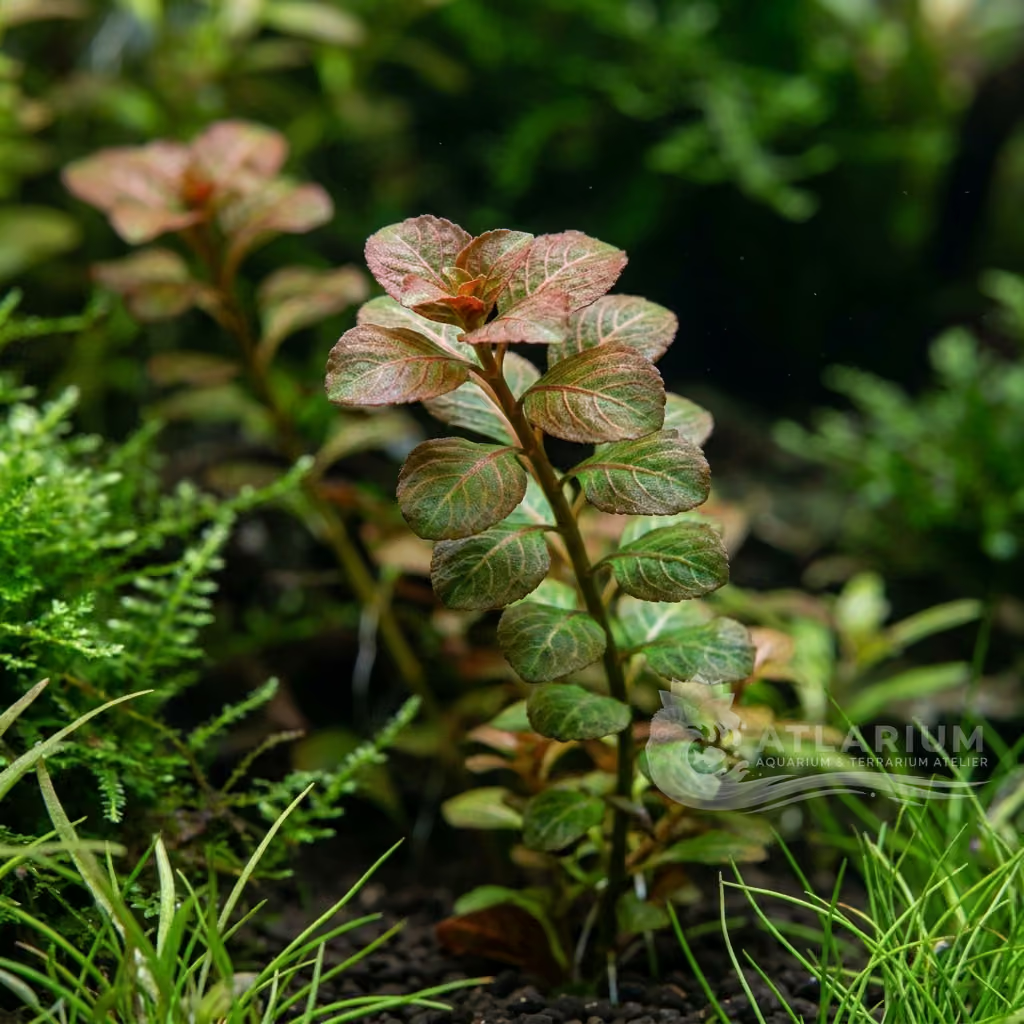
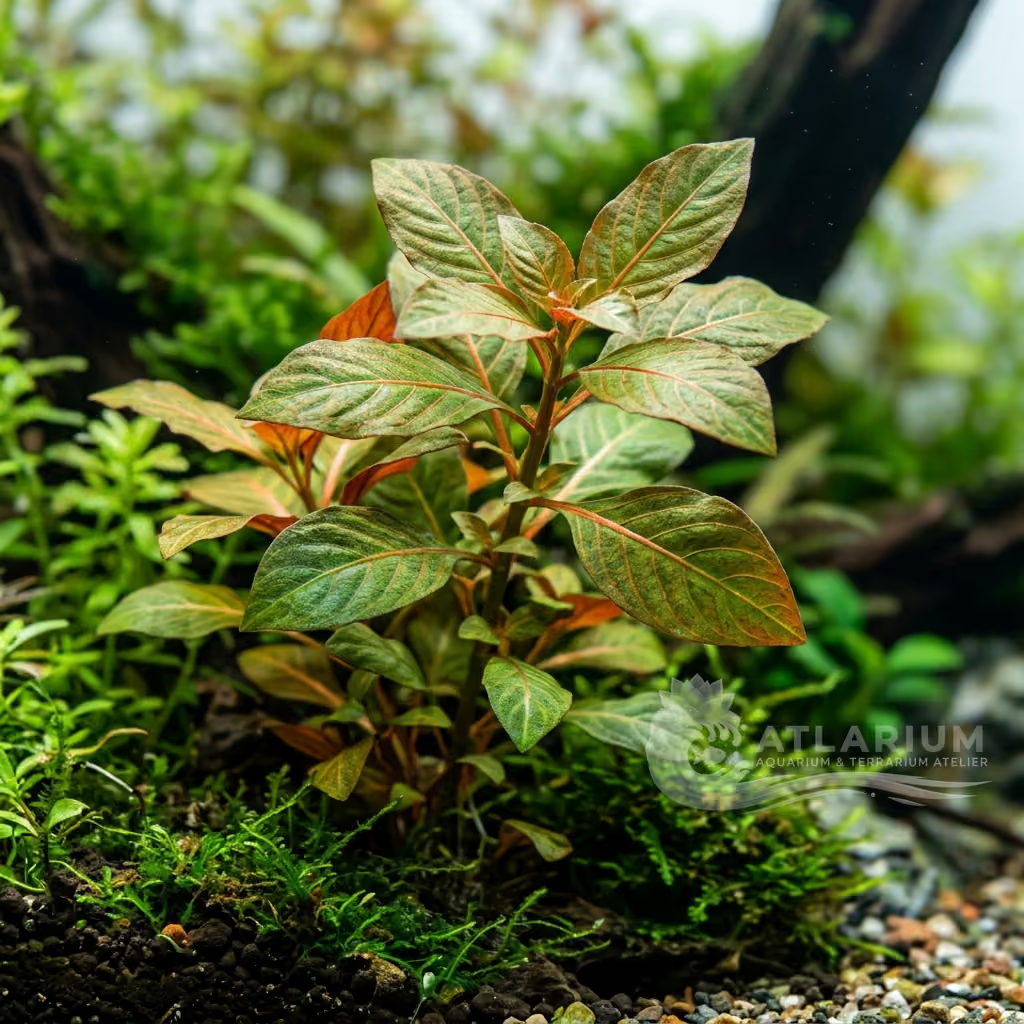
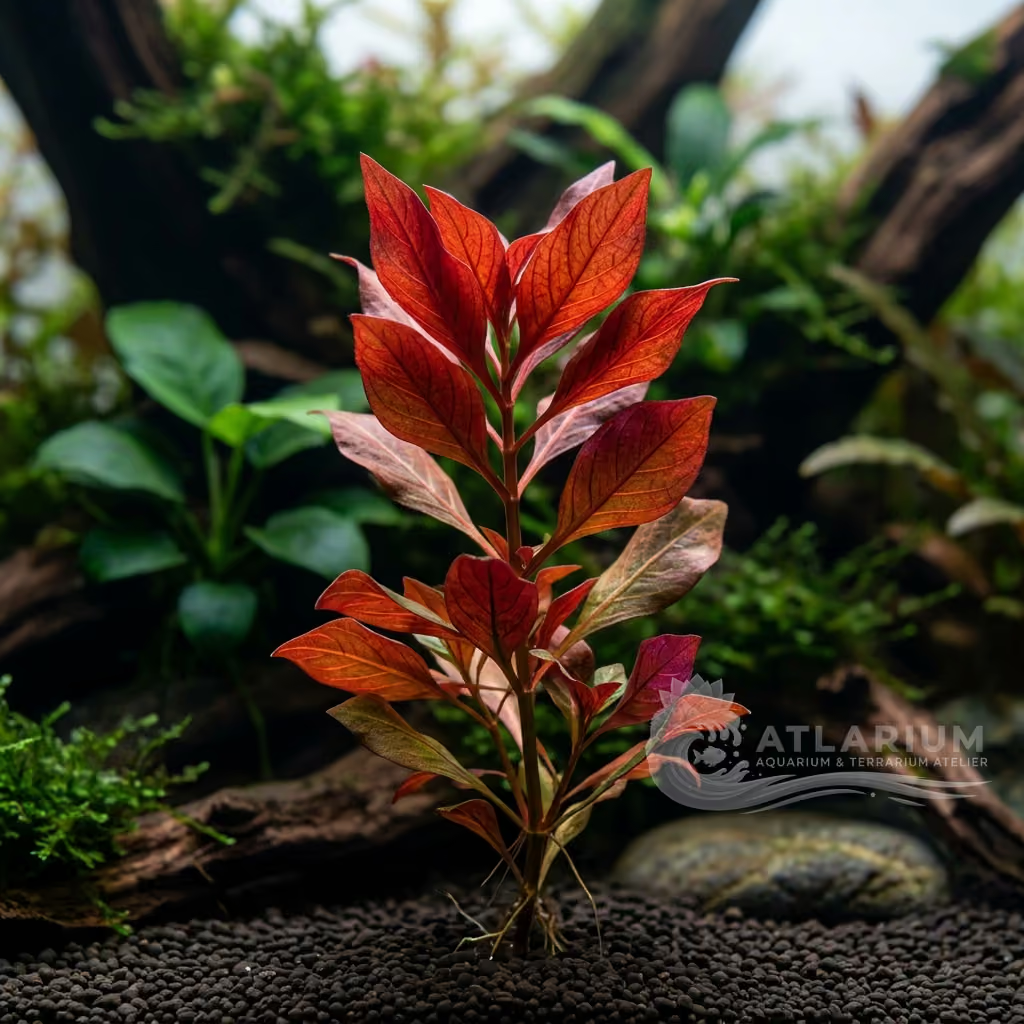
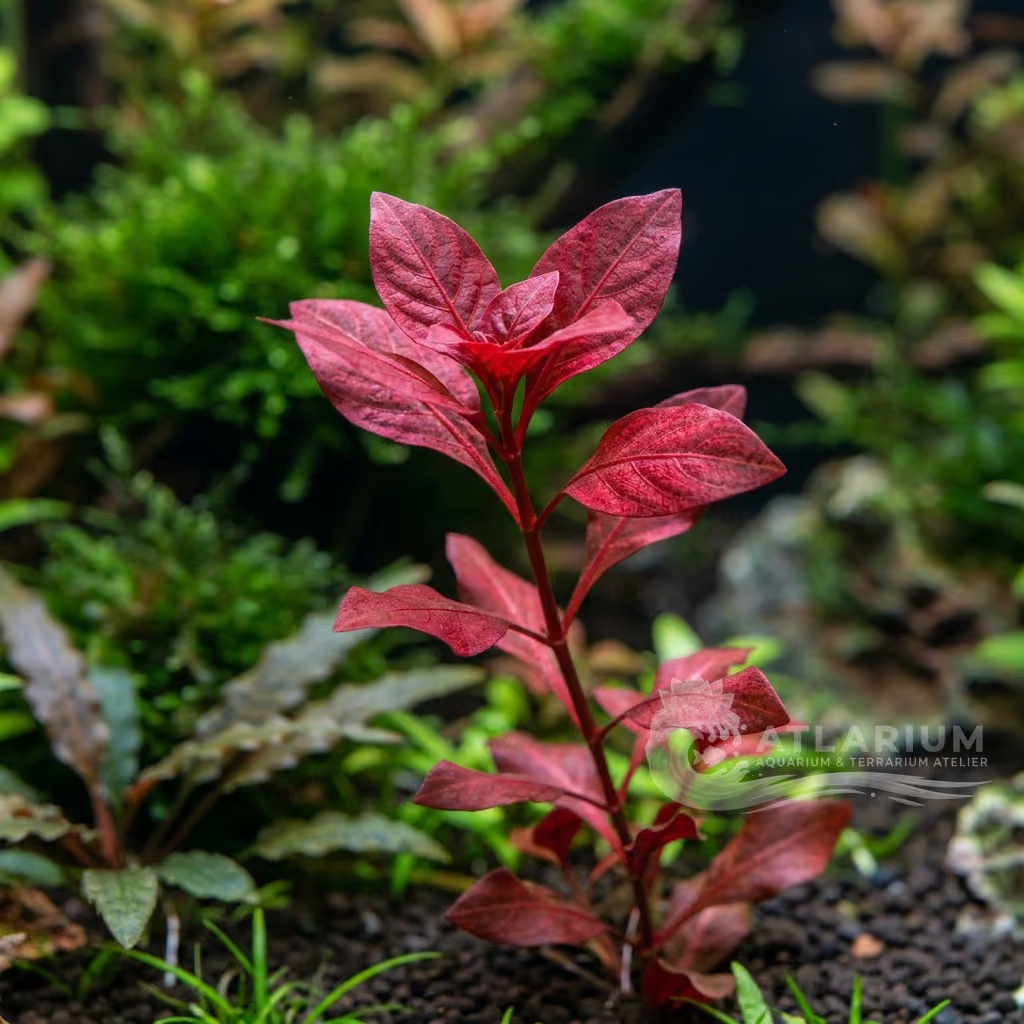
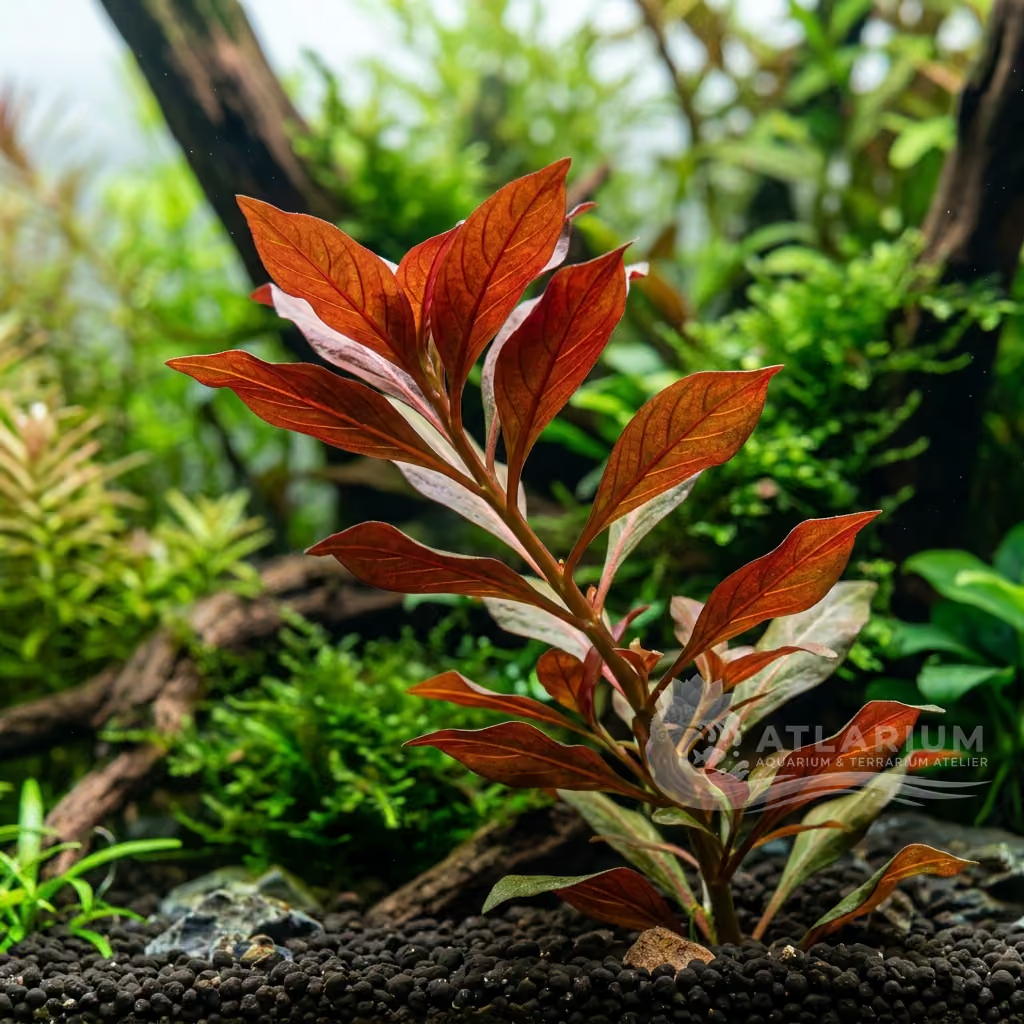
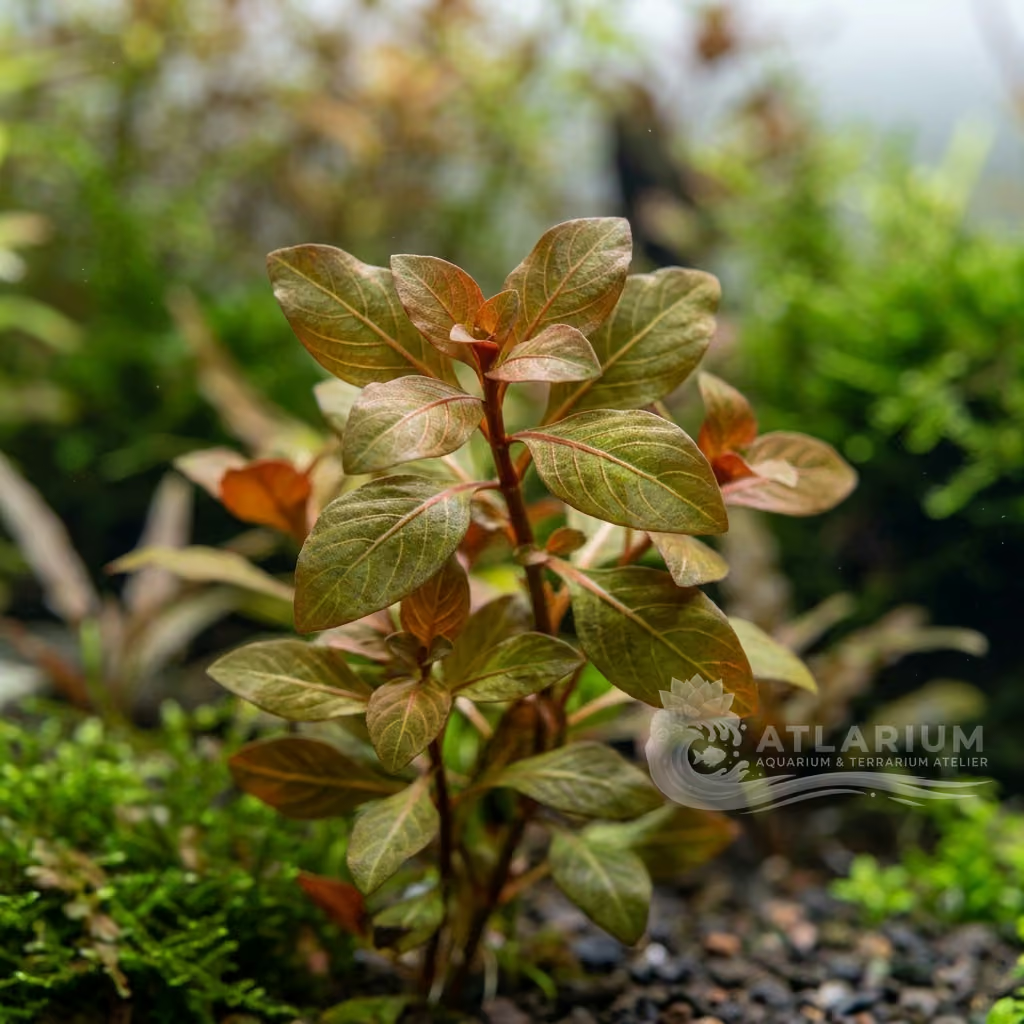
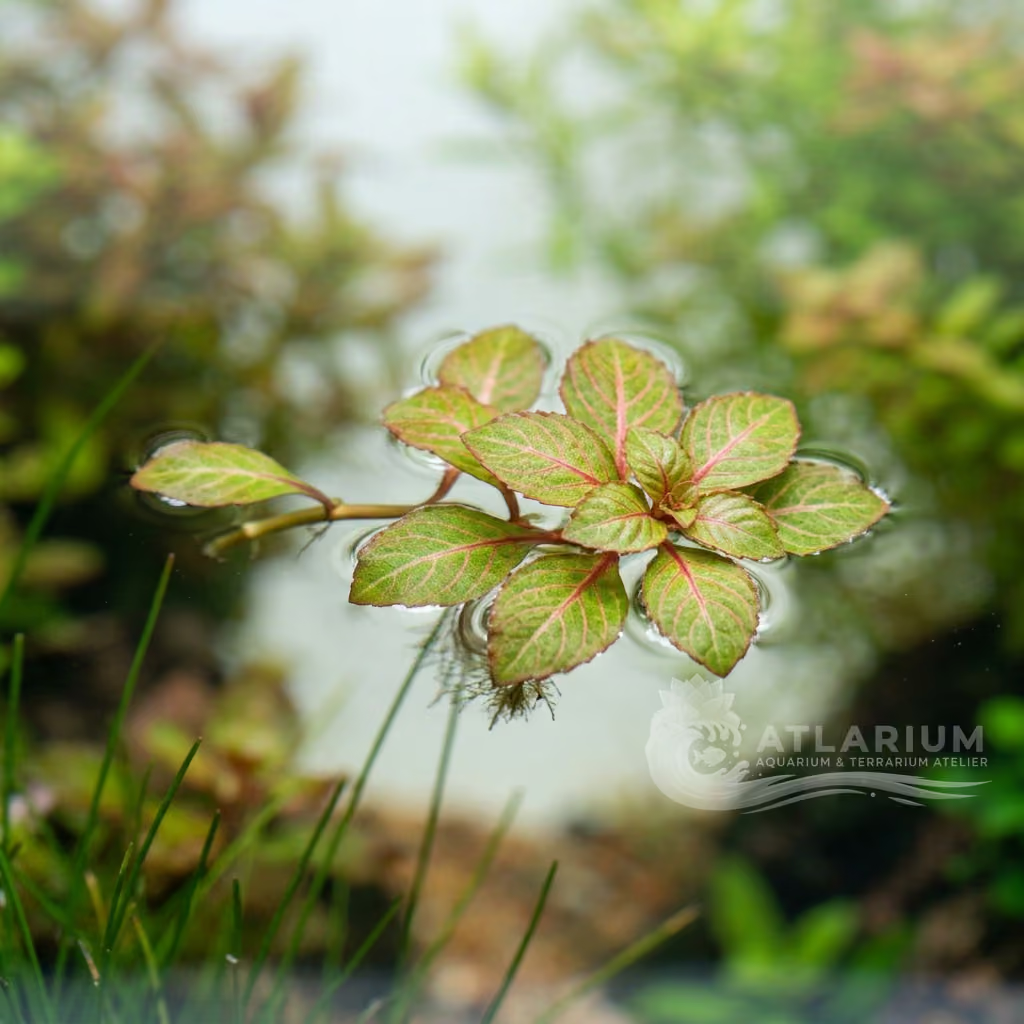
Color & Texture: It exhibits a highly attractive, iridescent coloration: submerged leaves vary from light green and yellow-green to orange, pink, and intense red near the growth tips under very intense light. The curled leaf texture creates a unique interplay of shadows and highlights, giving the plant a highly structured, three-dimensional visual quality.

Cuidado, criação e companheiros de tanque
Lighting & CO2: Requires intense, full-spectrum lighting to stimulate orange-red coloration and maintain the curled leaf shape. CO2 injection (20-30 mg/L) is indispensable; under poor CO2, the plant exhibits distorted growth and rapid leaf melting.
Nutrition & Substrate: An active and fertilized substrate (aquasoil) is essential to feed the root system. Liquid fertilization must be regular and generous, with constant dosing of potassium, chelated iron, and micronutrients. It is sensitive to sudden nutrient drops.
Water Chemistry: Very demanding regarding water chemistry: requires very soft (KH 0-8 dKH, ideally below 4 dKH) and acidic water (pH 4.5-7.0, ideally below 6.5). The optimal temperature ranges from 18°C and 30°C, preferring stable temperatures around 24-26°C. It does not tolerate hard water.
Space Management & Placement: Its natural placement is in the midground of the aquarium, or in the background of nano tanks. Due to the spiral shape of its stems, it should be placed in small, visible groups, leaving a distance of at least 2 cm between stems.
Pruning: Pruning is done by cutting the stems above a leaf node with sharp scissors. Removed tops can be replanted directly into the substrate, where they root quickly. The pruned stem base will respond by producing curled lateral shoots.
Risks & Diseases: The main risk is the necrosis of growth tips due to trace element deficiencies (especially boron and iron) or insufficient CO2. Curled leaves, due to their shape, can trap organic debris if water flow is poor, becoming targets for hair algae.

Origem e distribuição geográfica
Ludwigia inclinata var. verticillata 'Curly' is a rare ornamental cultivar stabilized in culture, whose parent species (Ludwigia inclinata) is distributed in the humid wetland areas of Central and South America. This specific selection with curled leaves was isolated within commercial nurseries and propagated vegetatively. It shares the wild species' preference for warm, very soft, and acidic waters typical of sheltered Amazonian basins.
Origem
América Central e CaribeAmazônia, Orinoco e GuianasMelhoramento seletivo e cultivares

Perfil da planta
- Posicionamento
- Plano intermediário
- This plant should be positioned in the midground or background where its curly, textured foliage can be properly showcased. It forms a dramatic, eye-catching centerpiece when planted in a small, dense group. Care must be taken not to place it where taller plants might shade it.
- Forma botânica
- Caule
- The 'Curly' variant is distinguished by its fascinating, spiraling leaves that twist tightly around the main stem. These leaves can exhibit colors ranging from light green to a vivid orange-red under strong illumination. The stems themselves are somewhat delicate but grow strictly upright.
- Crescimento
- Rápida
- Its growth rate is relatively fast when all of its demanding requirements are met, though it may grow slightly slower than the 'Cuba' variant. Under ideal conditions, it rapidly produces vertical shoots that will eventually breach the surface. If environmental conditions are less than perfect, its growth will stall significantly.
- Substrato
- Alta
- Thrives best in a nutrient-rich aqua soil that offers a constant supply of essential macro and micronutrients. Its extensive root network requires a deep, soft substrate layer of around 2-3 inches to spread and anchor properly. Regular fertilization of the substrate is critical to maintain the plant's unique curly leaves and prevent stunted growth.
- Fertilização de coluna
- Recomendada
- Water column dosing is critical for maintaining the vibrant colors and structural integrity of its curling leaves. Consistent daily dosing of a comprehensive liquid fertilizer, particularly rich in iron, is highly recommended. Deficiencies in the water column will quickly manifest as pale or decaying foliage.
- Fertilização radicular
- Nenhuma
- While it draws heavily from the water column, it benefits greatly from being rooted in a rich, active soil. Providing nutrient-dense root tabs will give the plant additional reserves to draw upon during periods of rapid growth. A nutrient-rich substrate also aids in the swift establishment of cuttings.
- Corte
- Ocasional
- Trimming should be done carefully by cutting the top portions and replanting them into the substrate to maintain a neat appearance. The lower stems can be left in place, though they may take some time to develop new, healthy side shoots. Regular pruning is necessary to prevent the plant from becoming excessively tall and leggy.
- Propagação
- Estacas
- Propagation is easily achieved by taking cuttings from the top portion of healthy stems. Simply plant the cut tops directly into the substrate, where they will quickly develop new roots. The bottom portions of the stem will often branch out, creating a bushier appearance over time.
- Sensibilidade
- Moderada
- This plant is notoriously sensitive and acts as an indicator species for water quality and nutrient balance. Fluctuations in CO2 or insufficient lighting will cause its unique curled leaves to straighten out or melt away completely. It is also prone to stunting if there is a sudden drop in micronutrients.
- Função de layout
- Plano intermediário, Fundo
- It acts as a unique textural focal point in advanced aquascapes due to its bizarre, spiraling leaf structure. It contrasts exceptionally well against plants with flat, broad leaves or dark green coloration. It is best used sparingly as a rare, jewel-like accent rather than a mass background filler.

Espécies relacionadas
Recomendações agrupadas por parentes próximos, escolhas de acompanhantes e cuidados semelhantes.