Ludwigia inclinata var. verticillata "Cuba"
Ludwigia inclinata var. verticillata "Cuba"
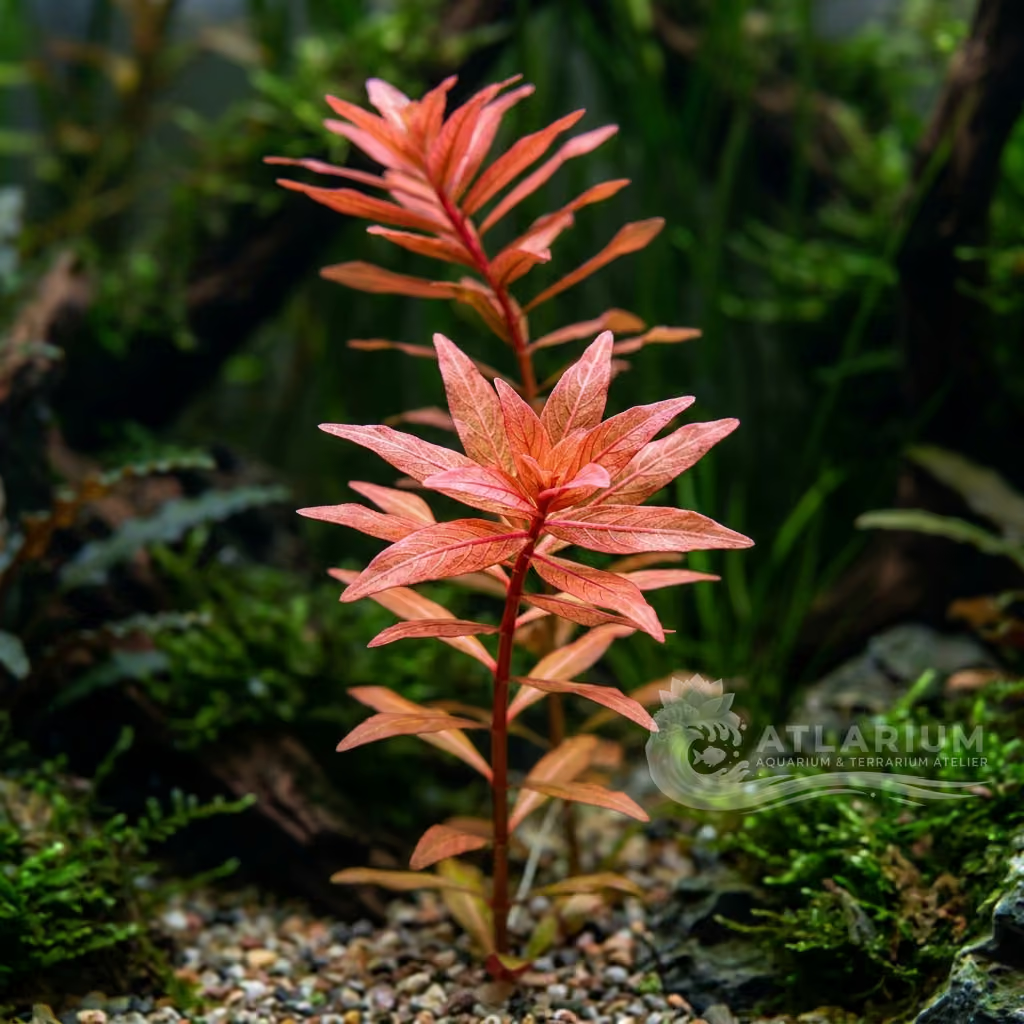
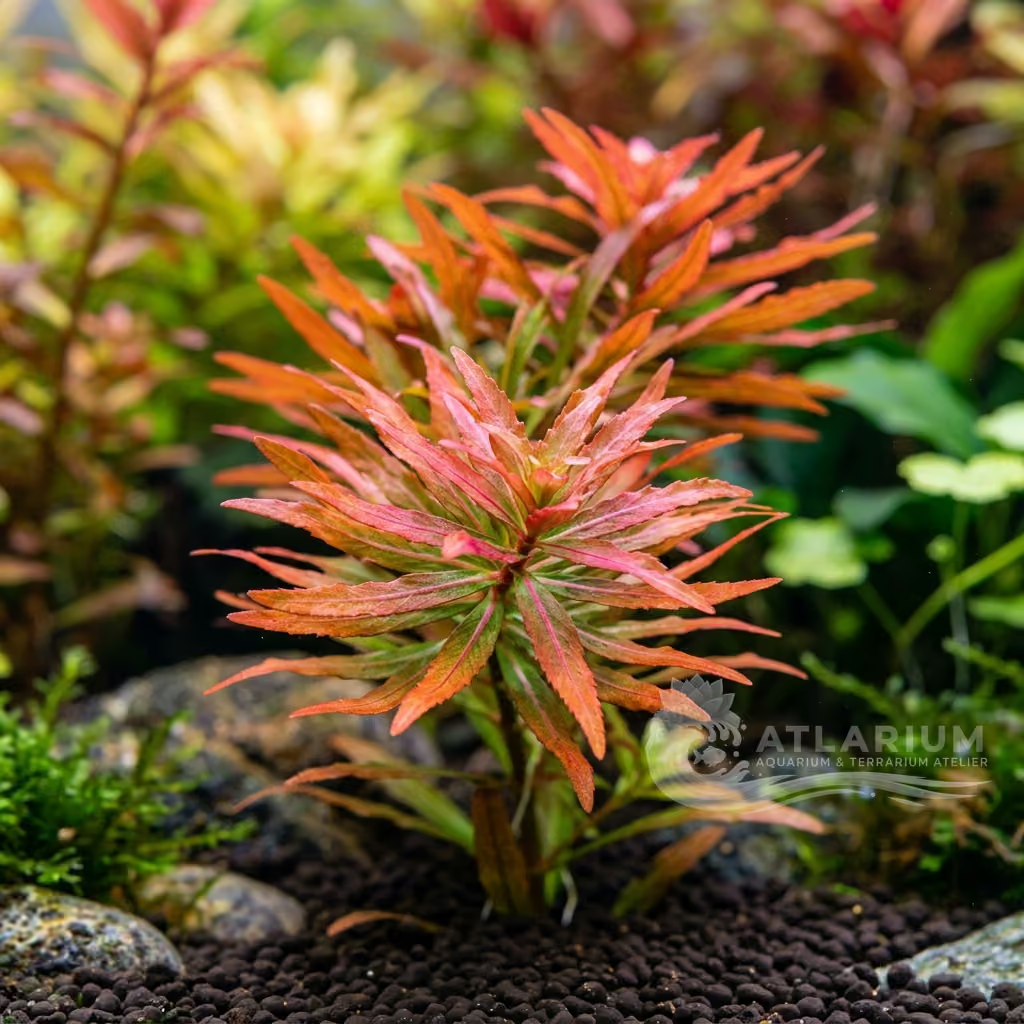
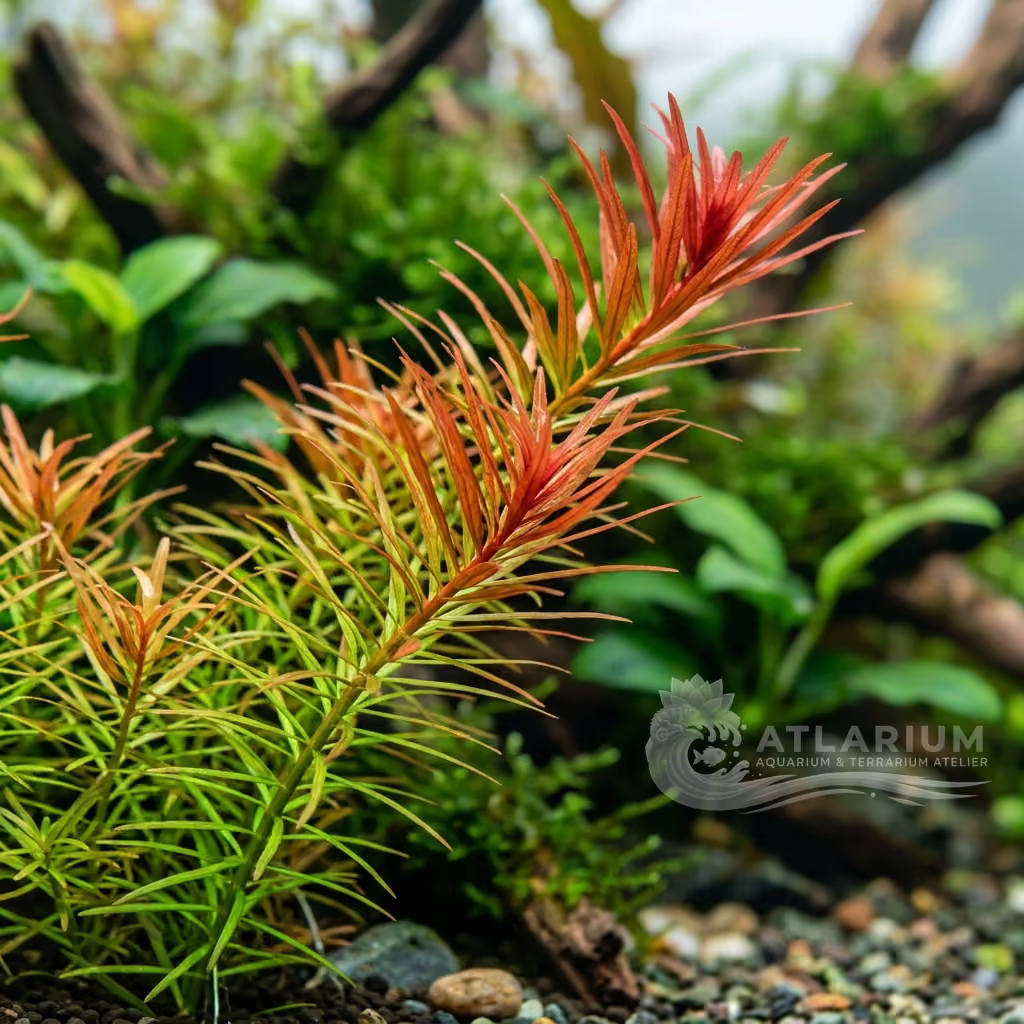
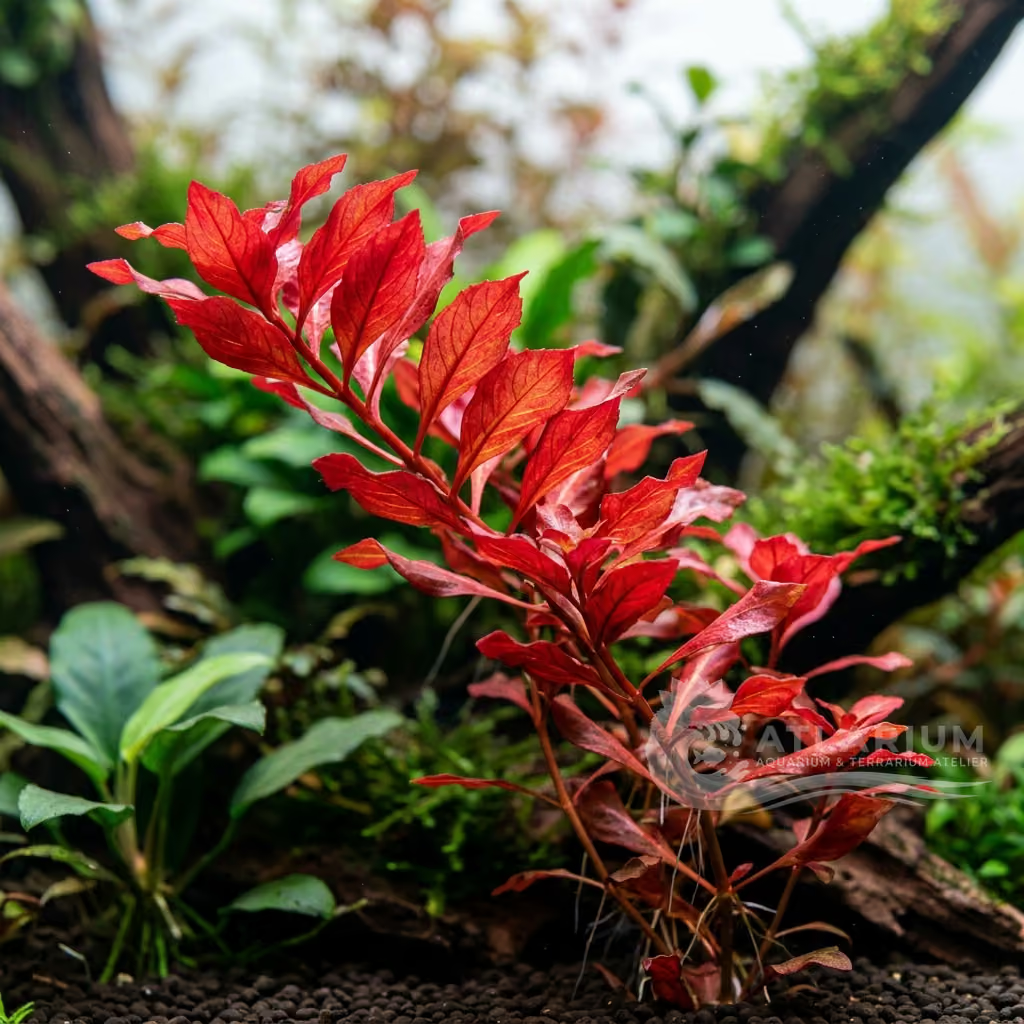
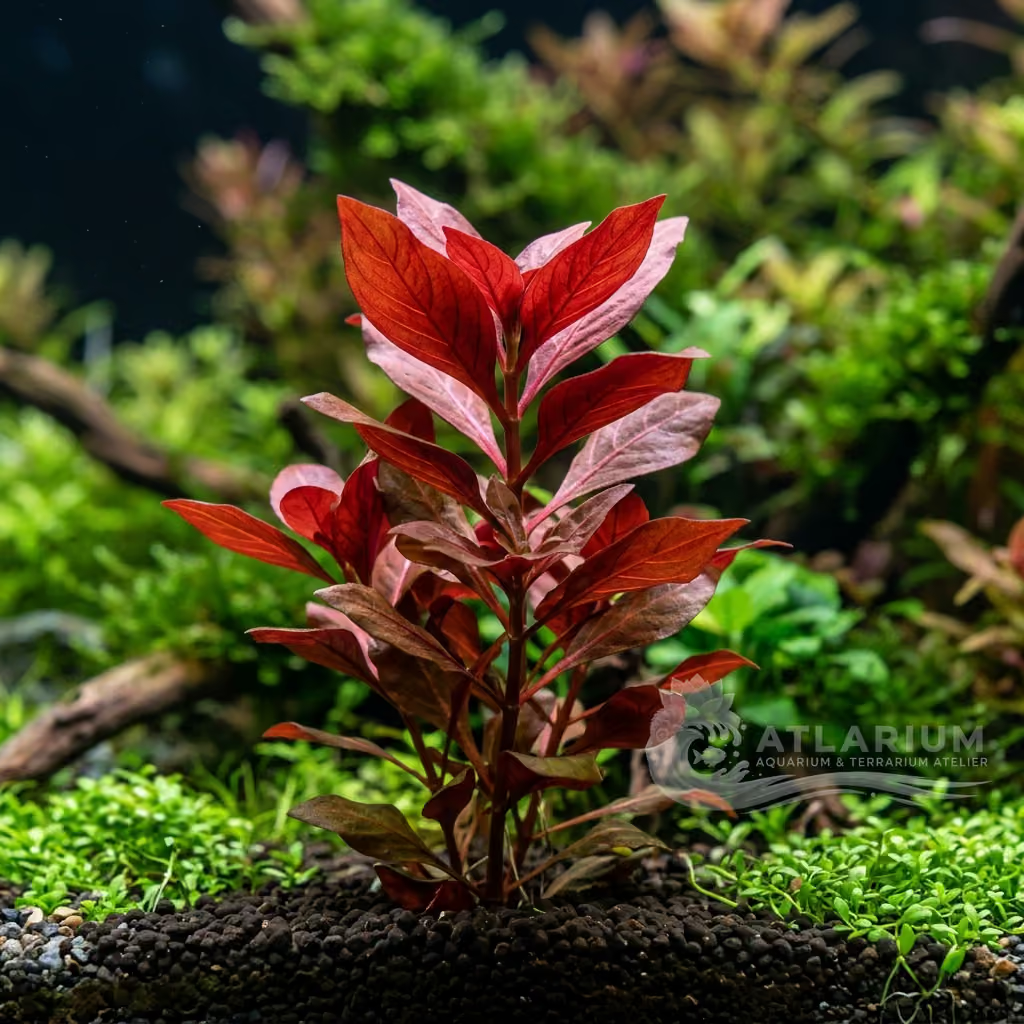
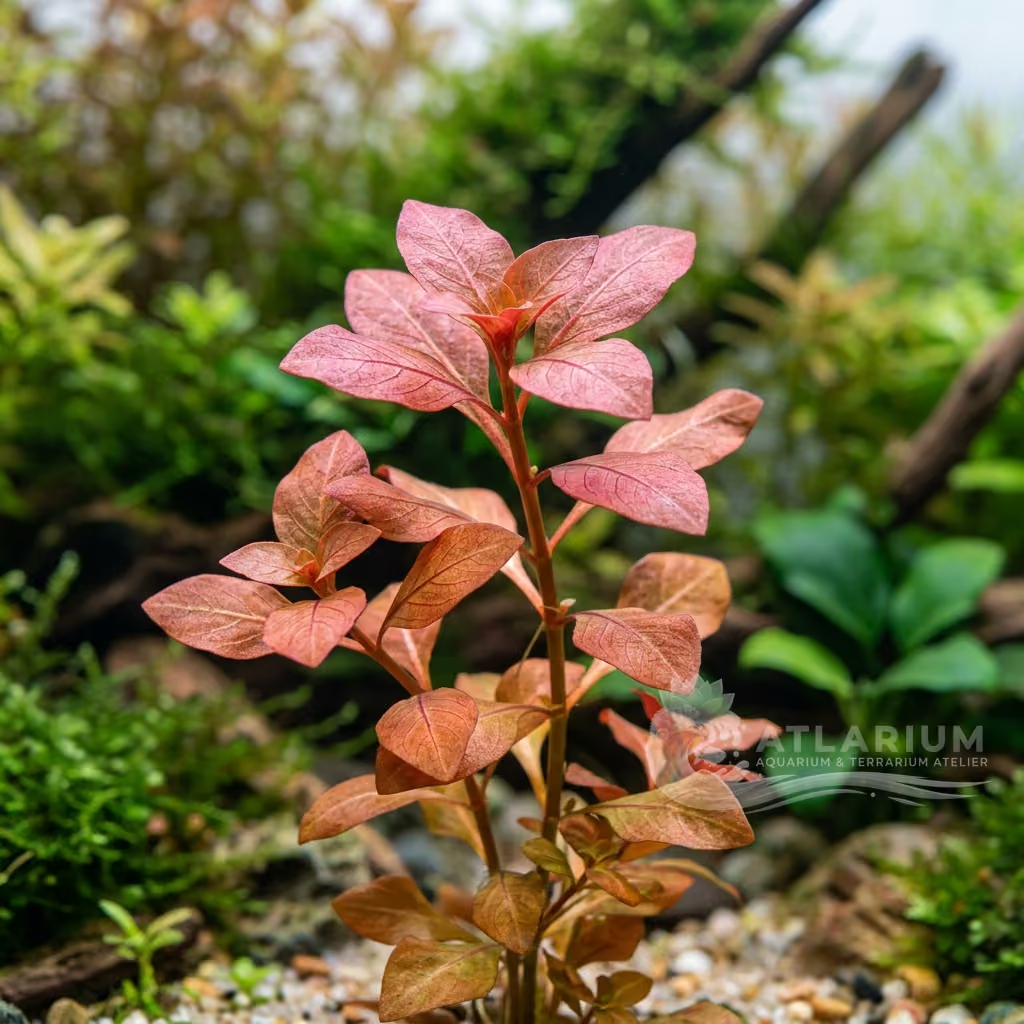
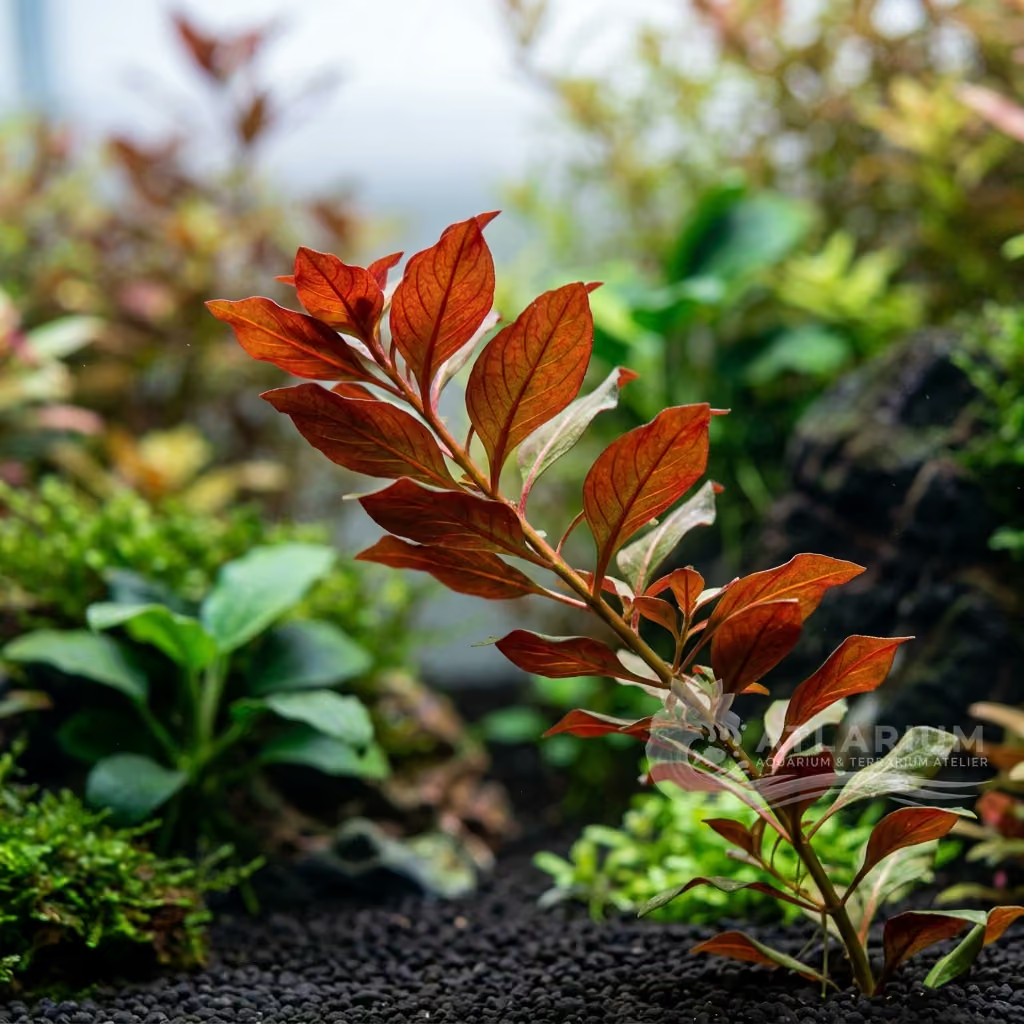
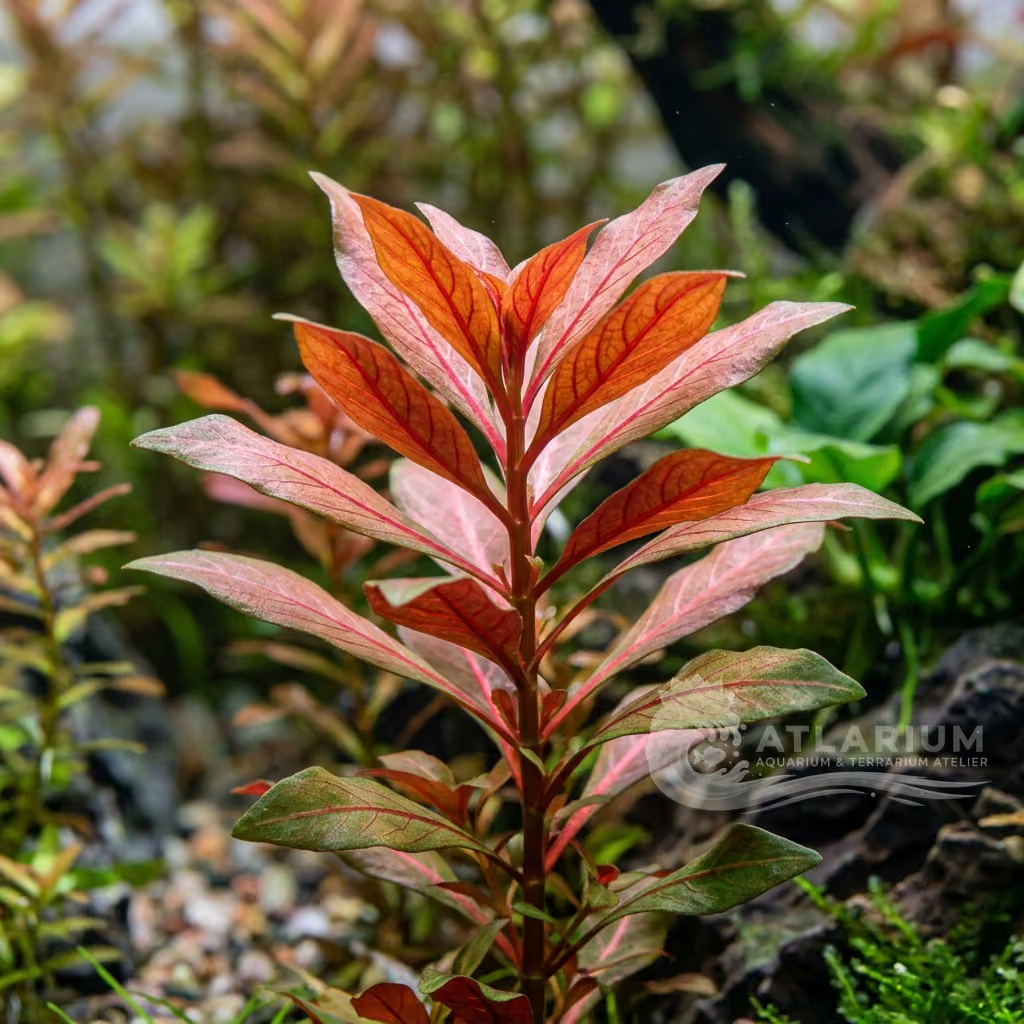
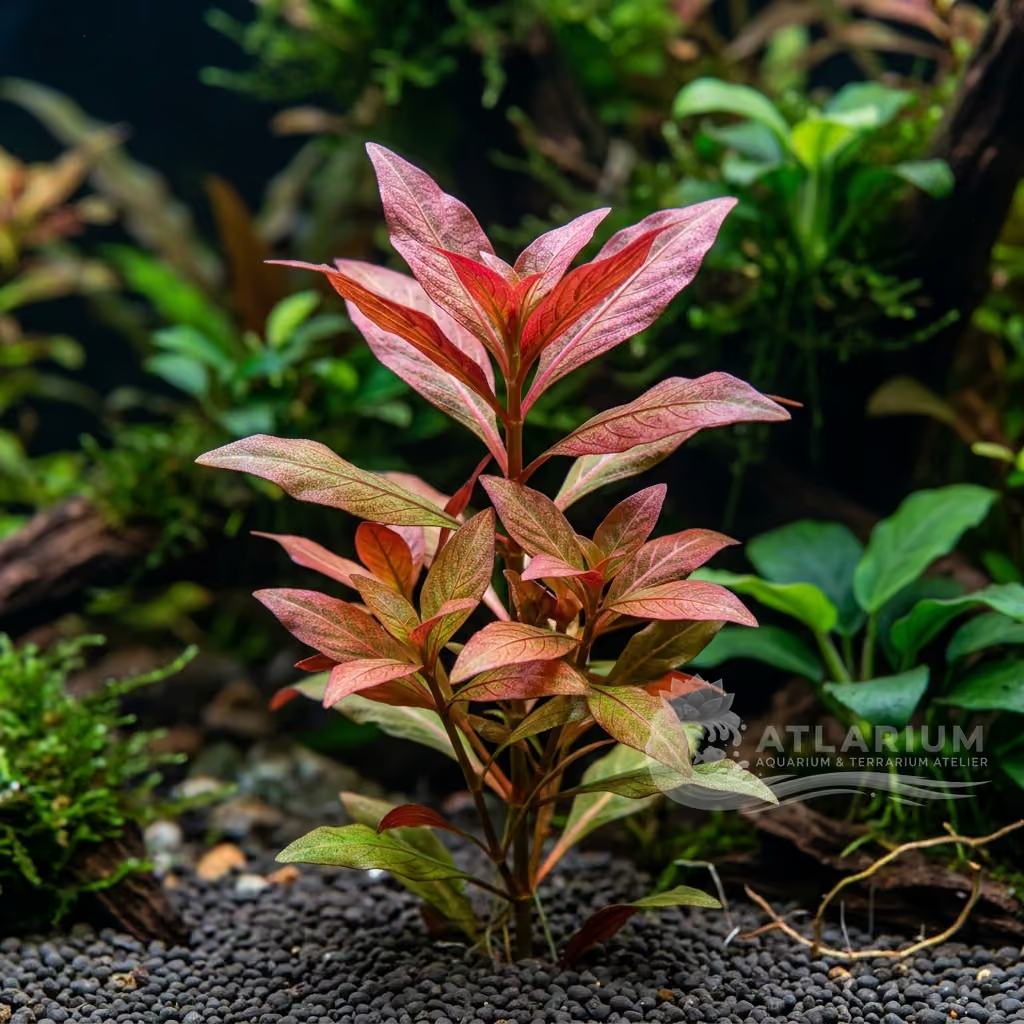
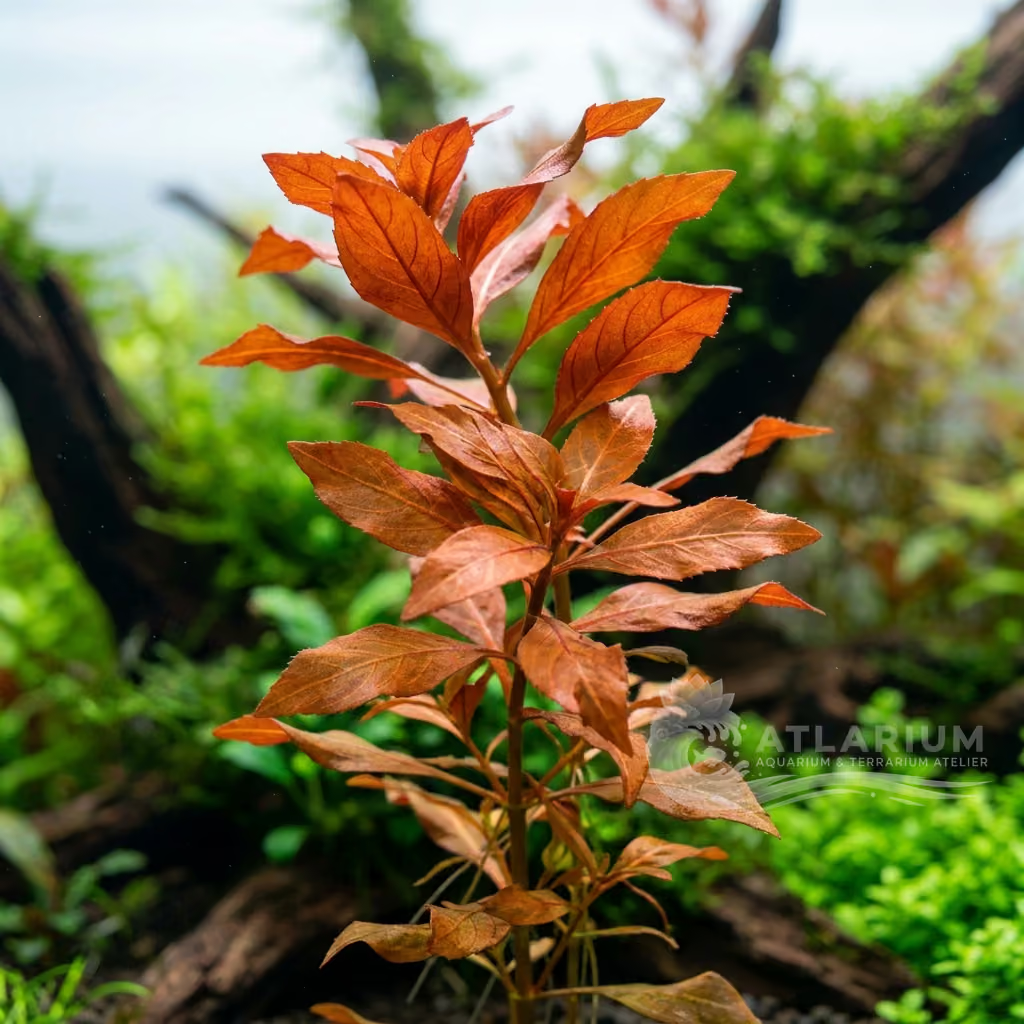
Ludwigia inclinata var. verticillata 'Cuba' is a majestic and spectacular stem plant characterized by large whorls of yellow, orange, and pink needle-like leaves.
Temperatura da água
18 - 30 °C
Valor de pH
4.5 - 7
Tipo de água
Água doce
Luz
Alta
CO2
Alta
Altura esperada
40 cm
Largura esperada
12 cm
KH
0 - 8 dKH

Descrição da espécie
Geographical Origin and Habitat: Ludwigia inclinata var. verticillata 'Cuba' is a gorgeous aquatic plant native to the swamps and wetlands of the island of Cuba in the Caribbean. In its natural habitat, it colonizes the margins of silt-rich, slow-moving rivers and shallow freshwater lagoons, which are often subject to strong seasonal water level fluctuations. It lives exposed to full sunlight in warm, extremely soft, and acidic waters that are rich in organic substances and dissolved iron from the island's lateritic soils.
Taxonomy & Genetics: It belongs to the Onagraceae family and is an established geographic variety of the species Ludwigia inclinata. Scientific classification places it in the var. verticillata due to the unique arrangement of submerged leaves in dense whorls. Genetically, it is very close to the nominate form but is distinguished by the width of its submerged rosettes and the complex expression of carotenoid pigments that yield golden-orange tones under high light.
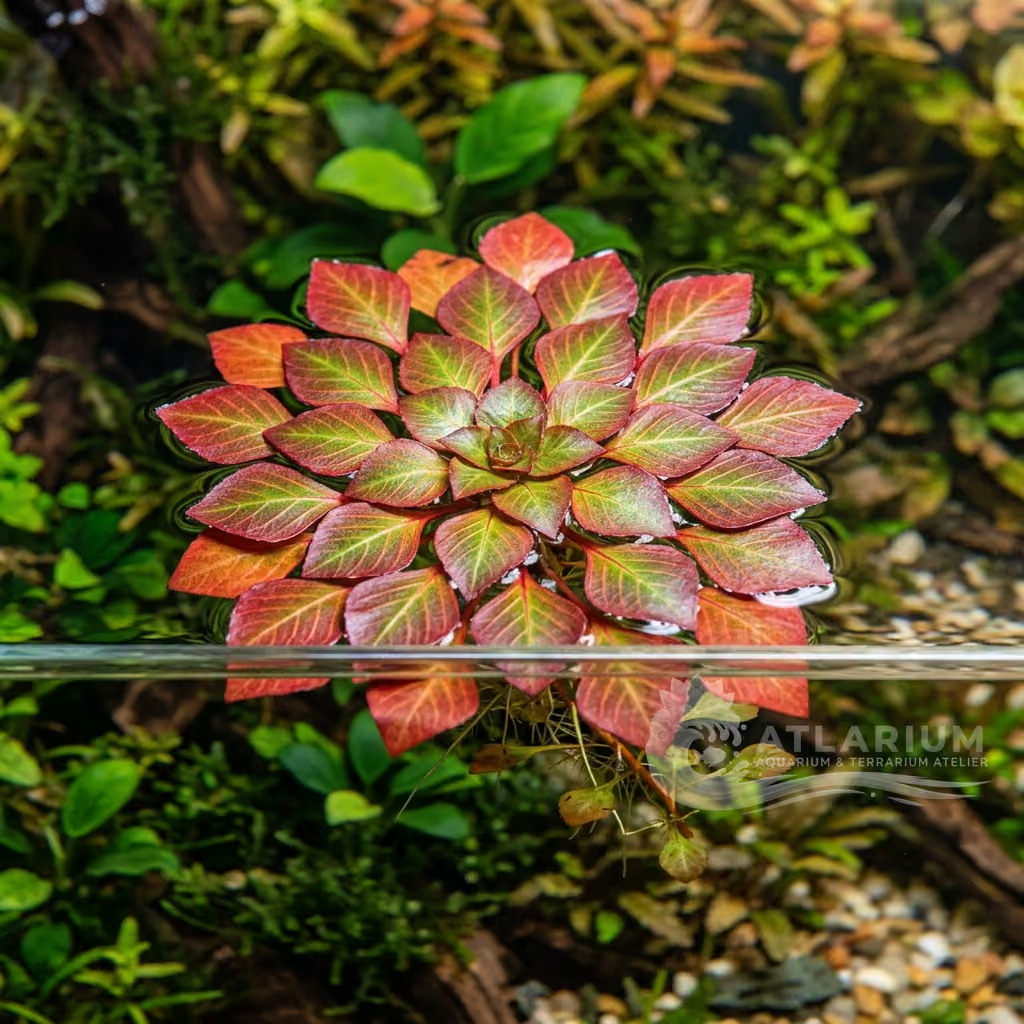
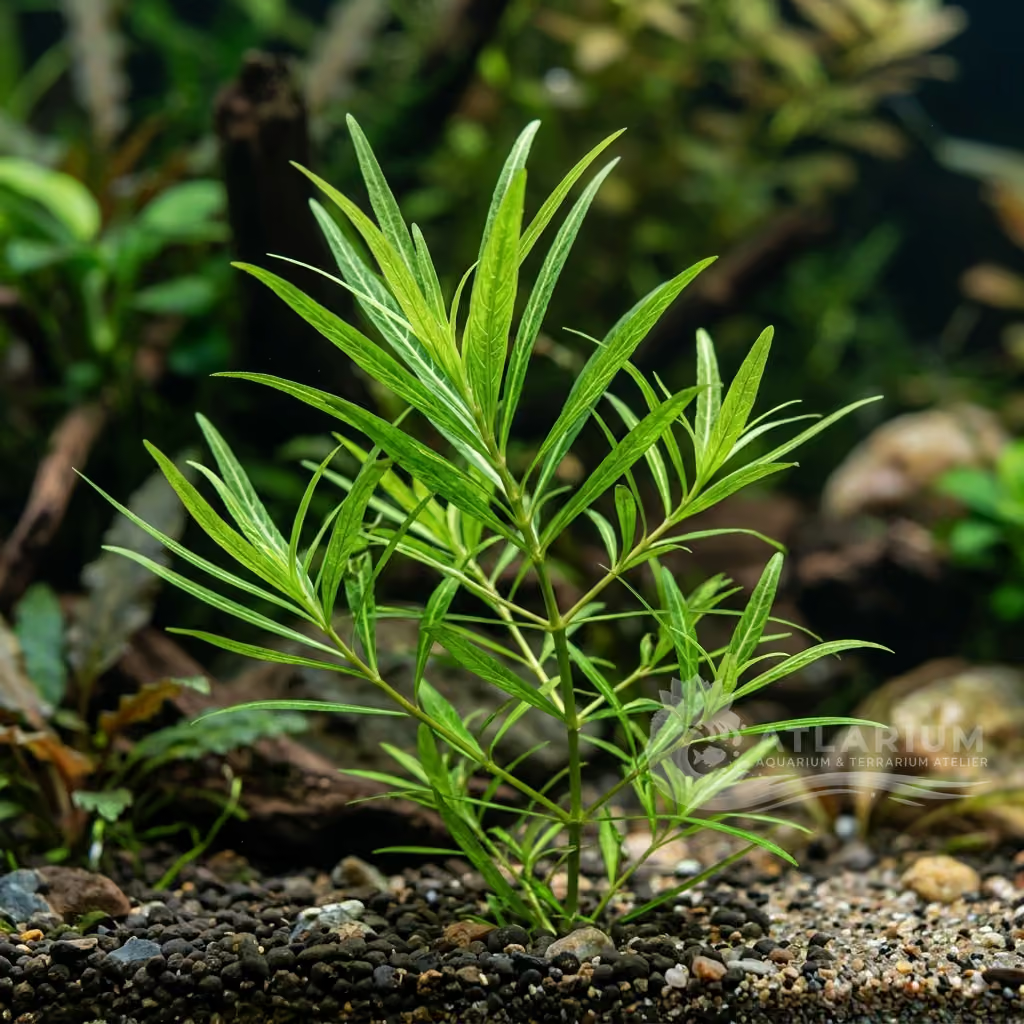
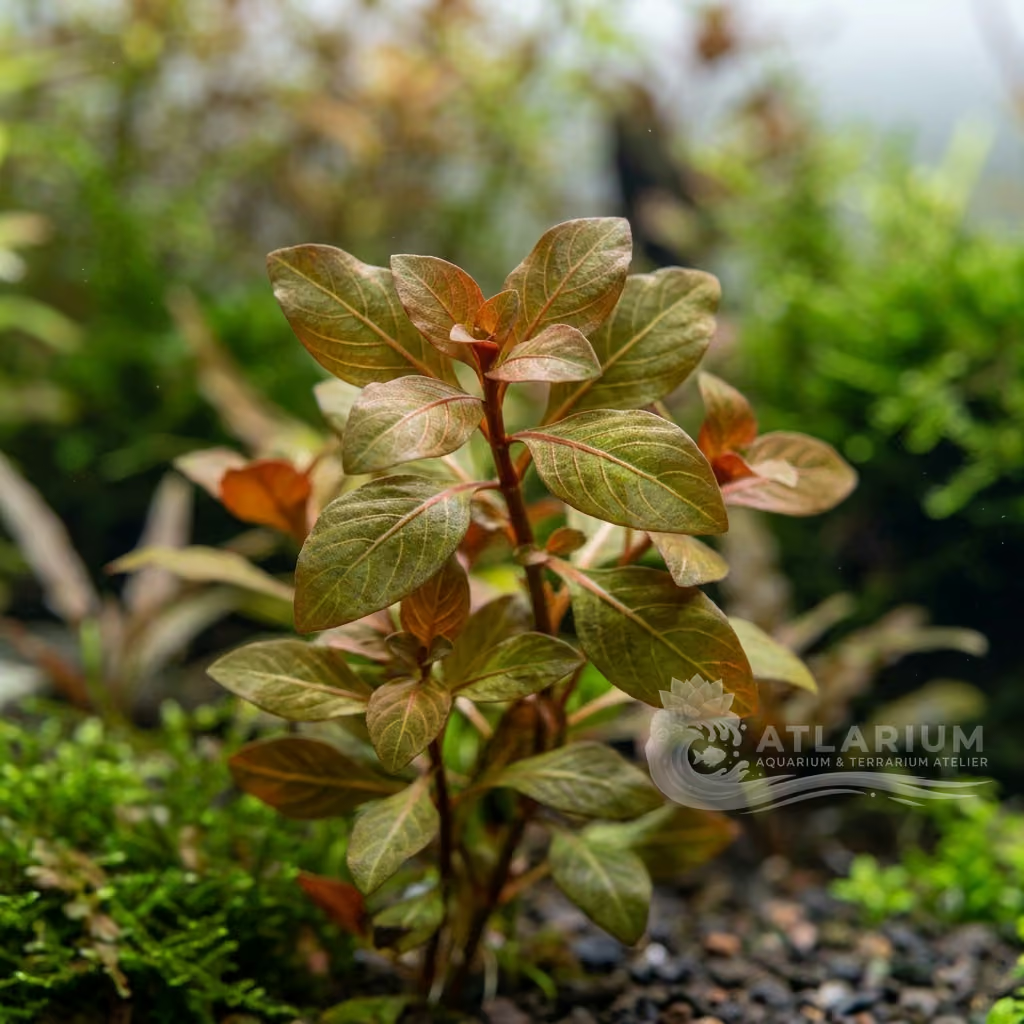
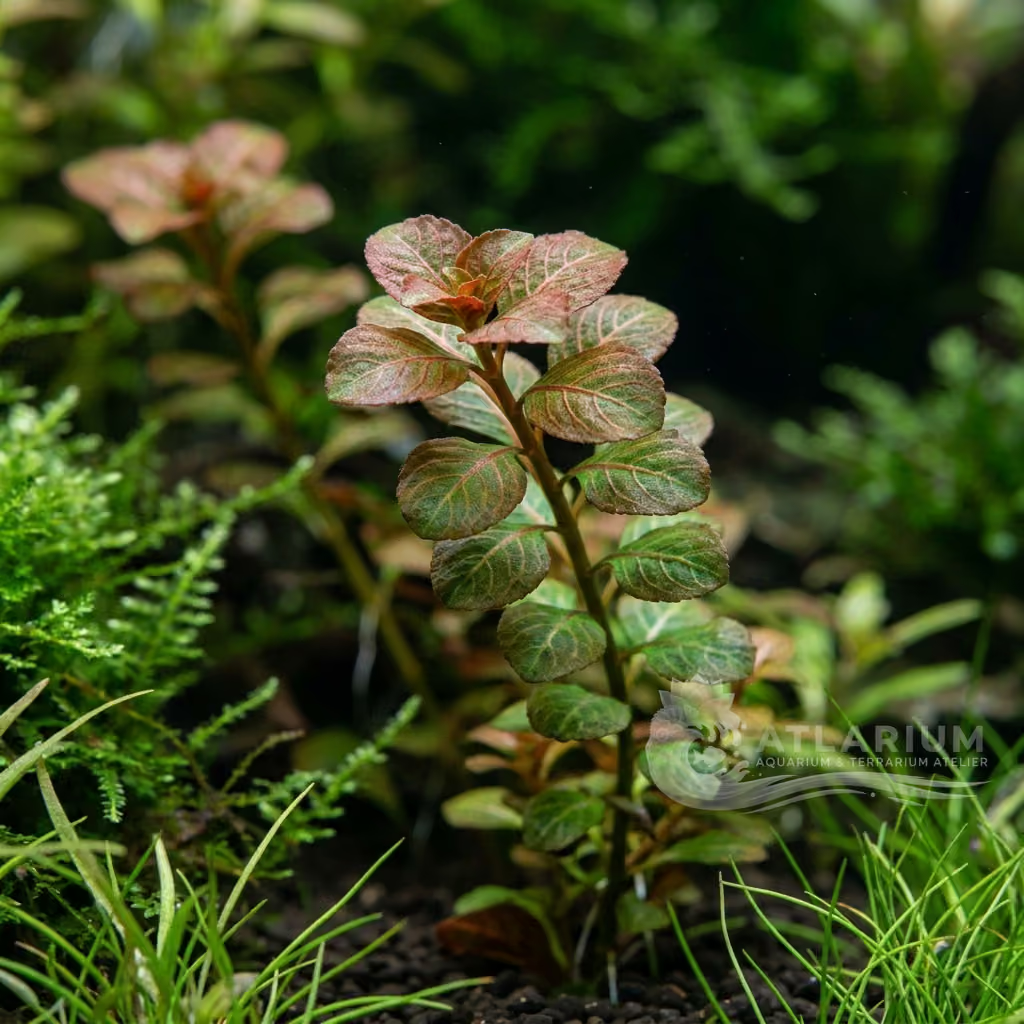
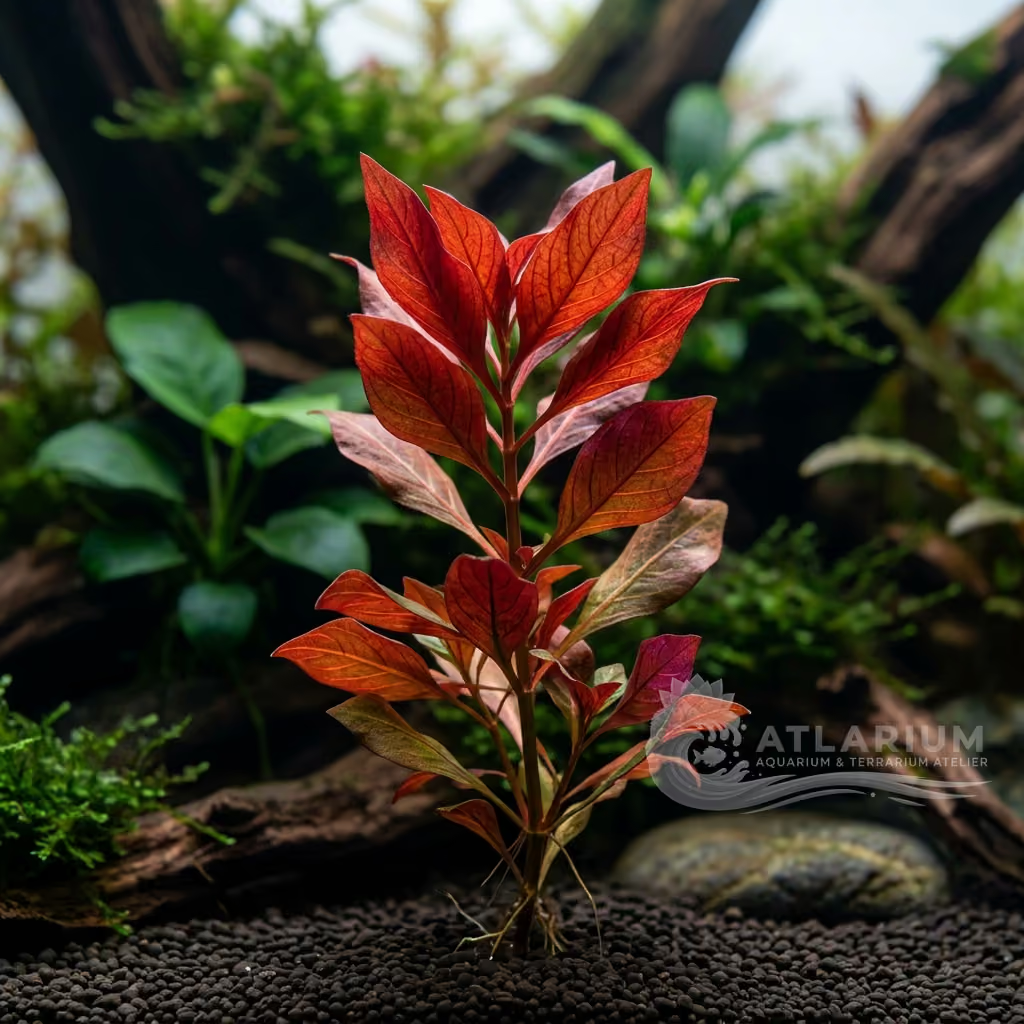
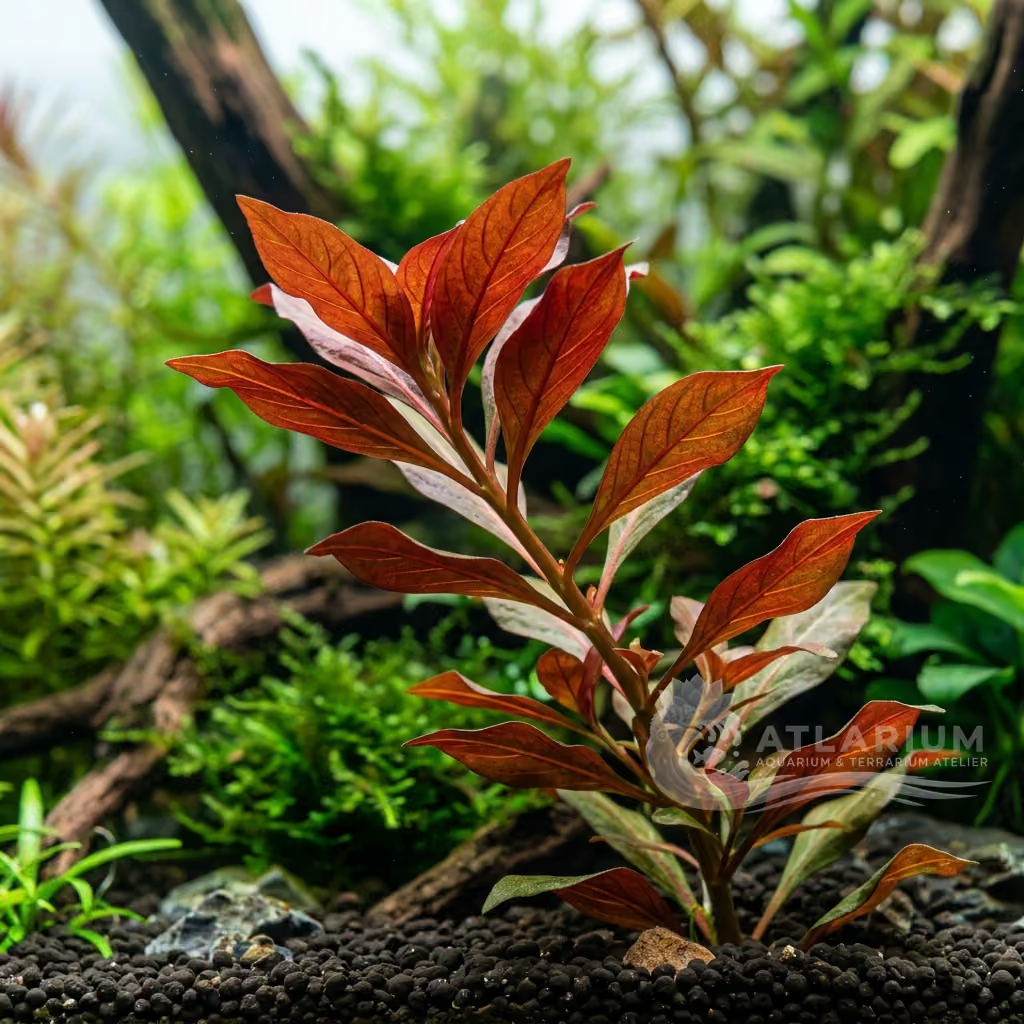
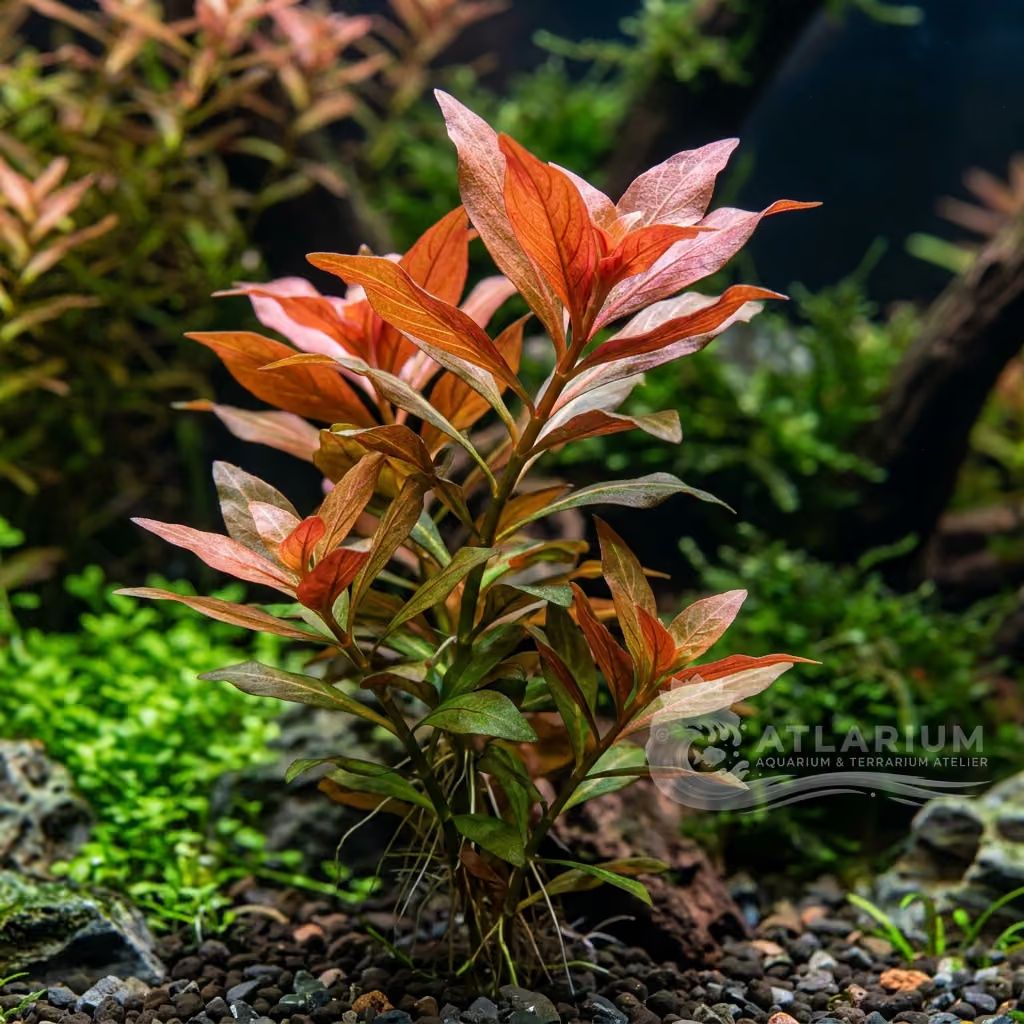
Physical Structure: In the aquarium, it develops robust, fleshy stems, 5-8 mm thick, which grow vertically to heights of 30-50 cm. Submerged leaves are very thin and needle-like, 2-4 cm long, arranged in large whorls that can reach a total apical rosette diameter of over 10-12 cm, giving the plant a majestic, star-like appearance. The root system is similarly vigorous.
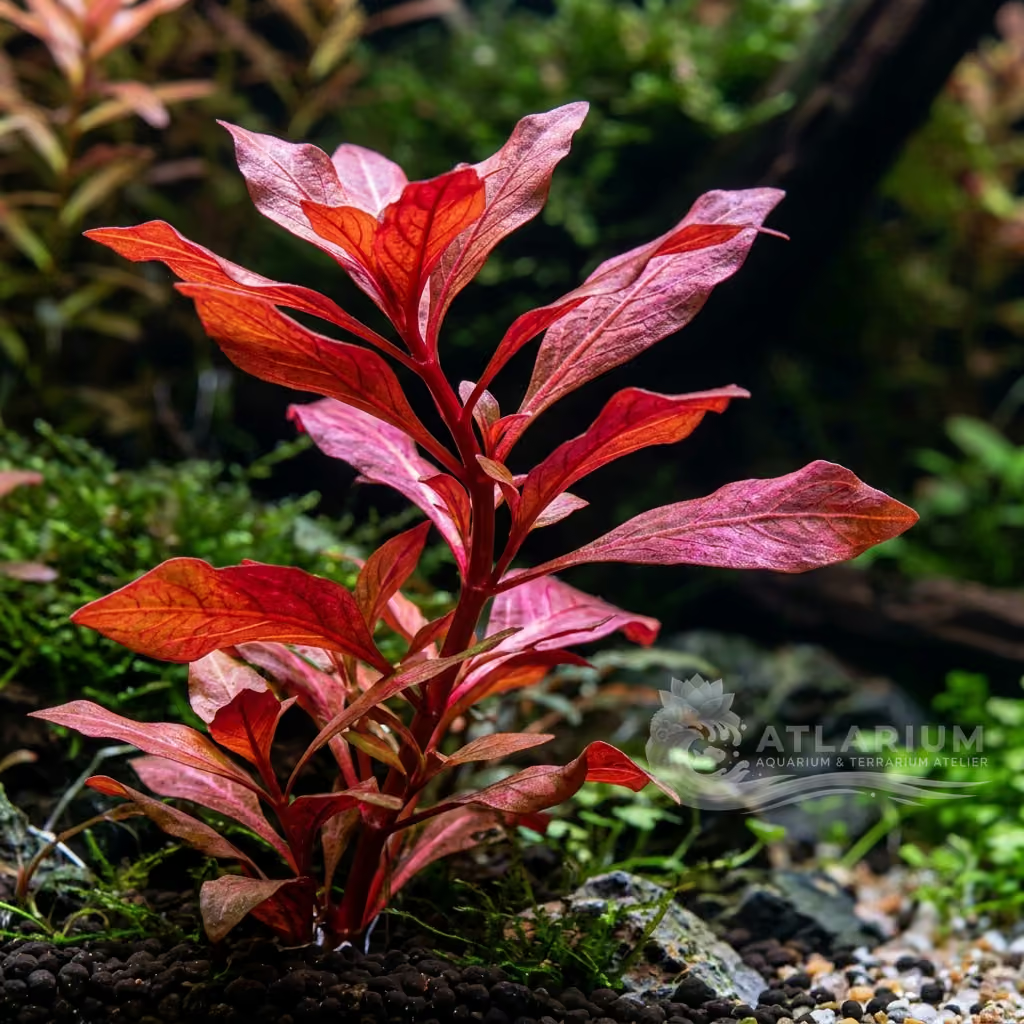
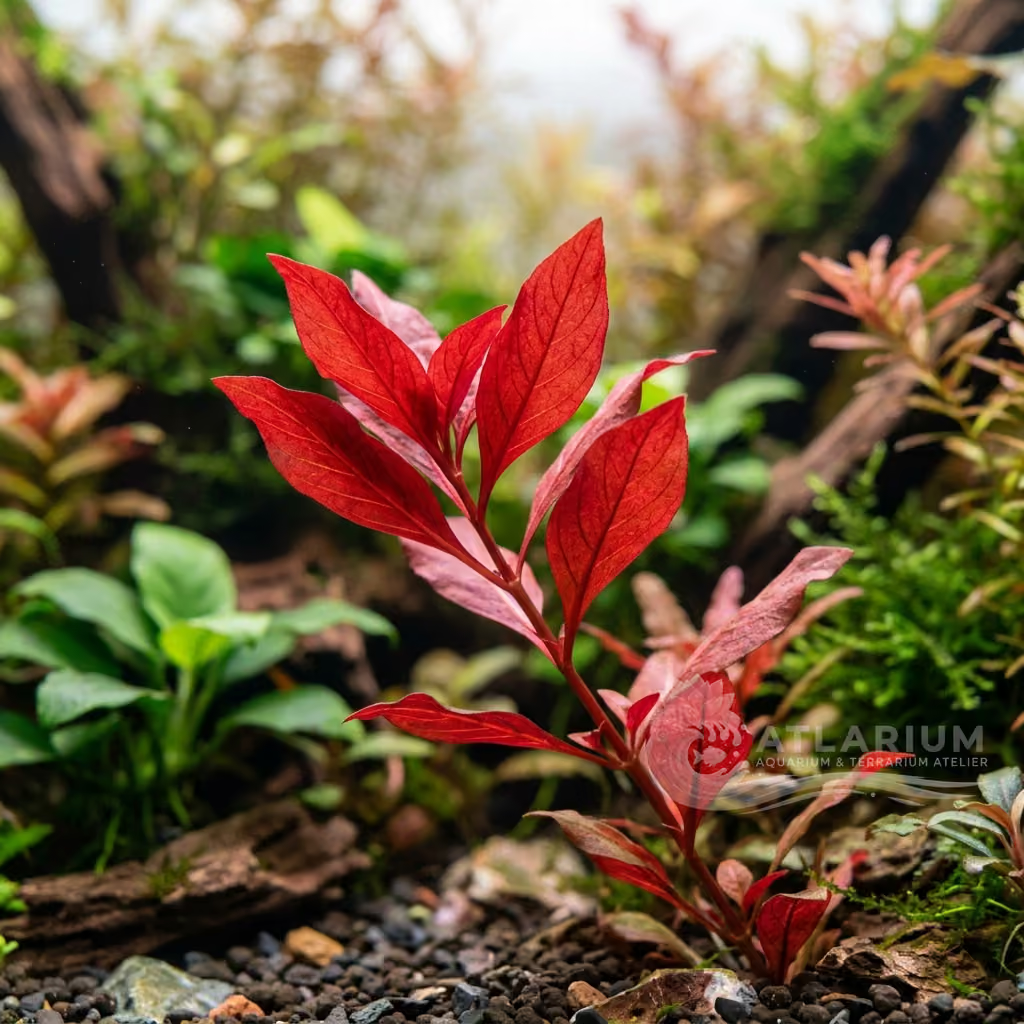
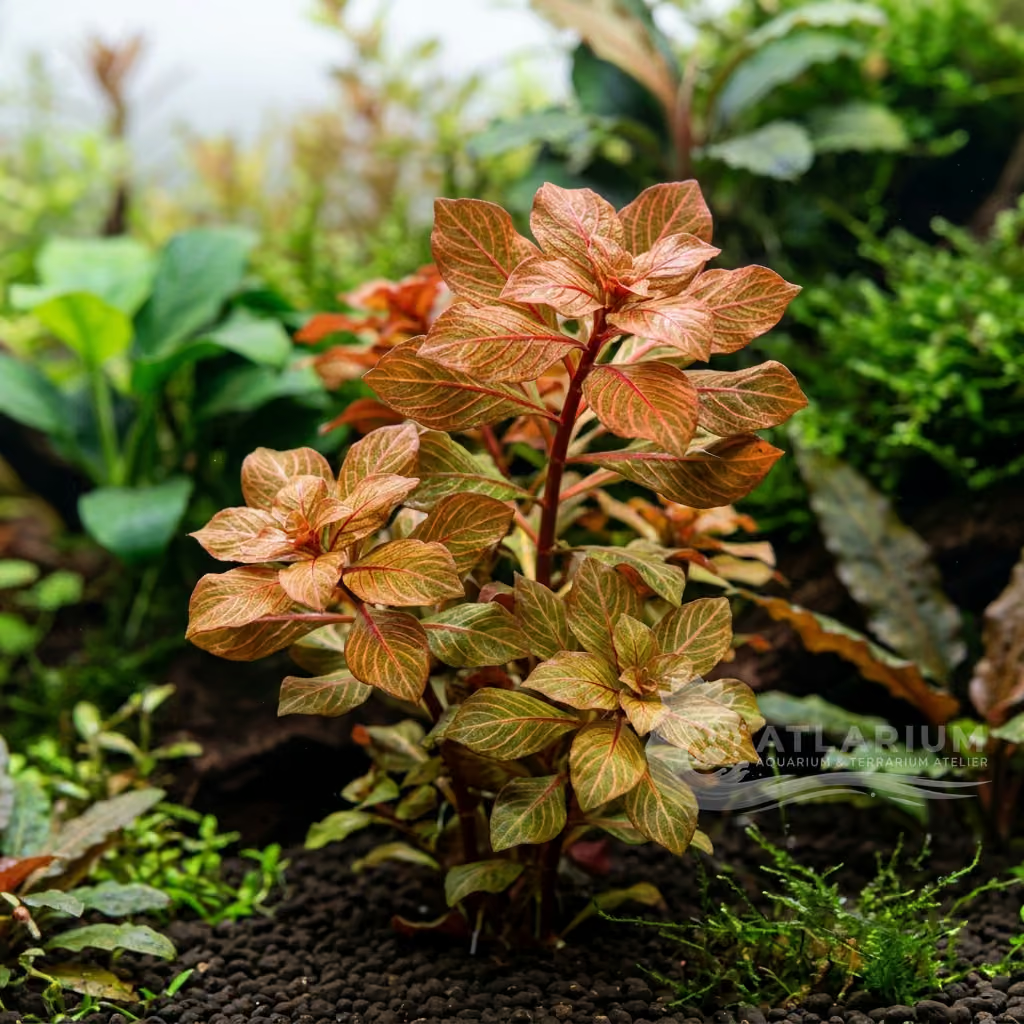
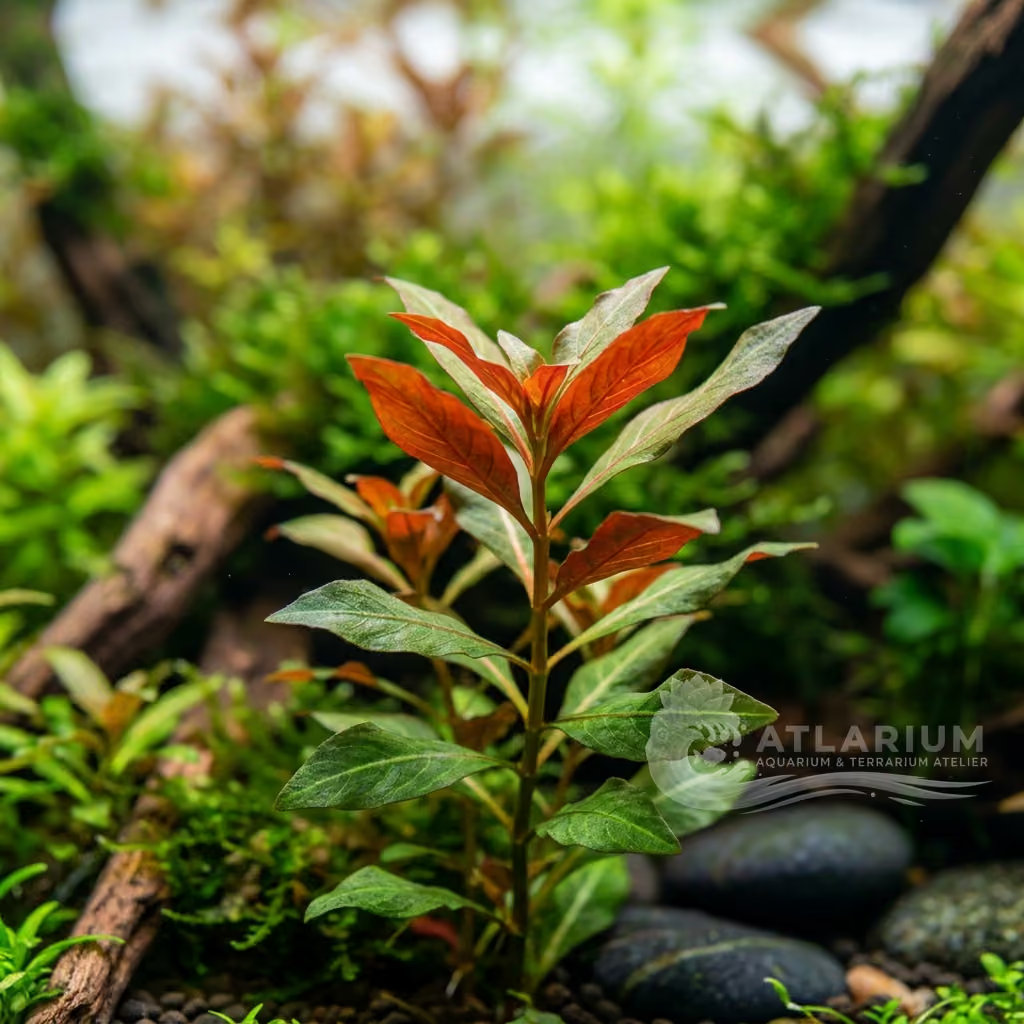
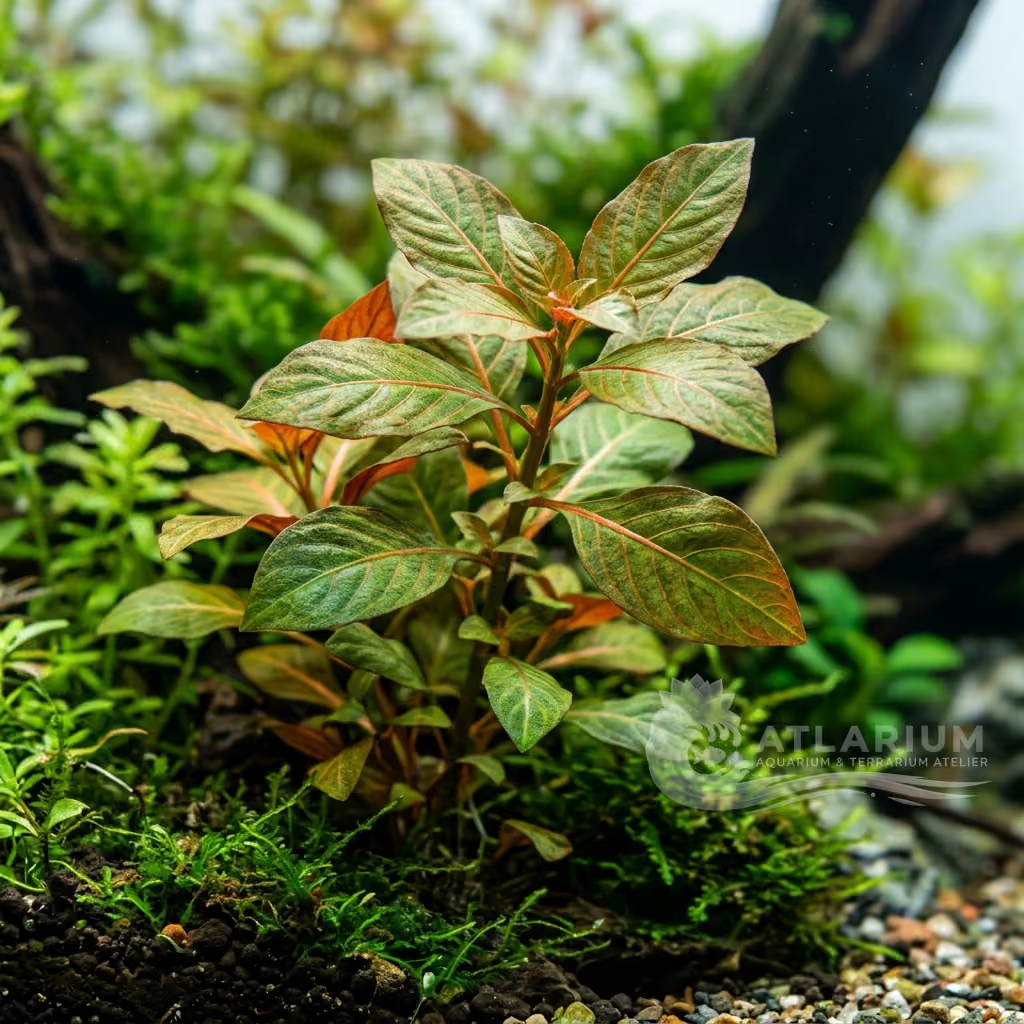
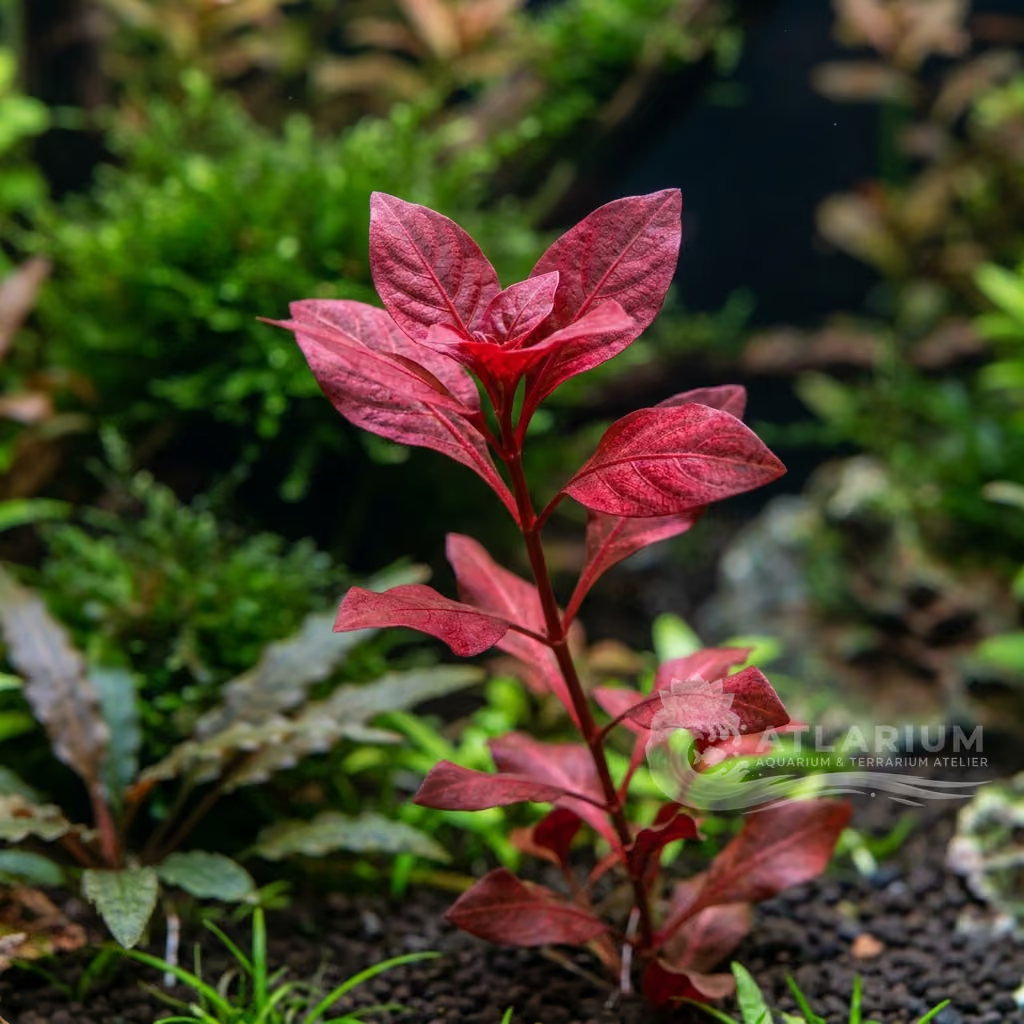
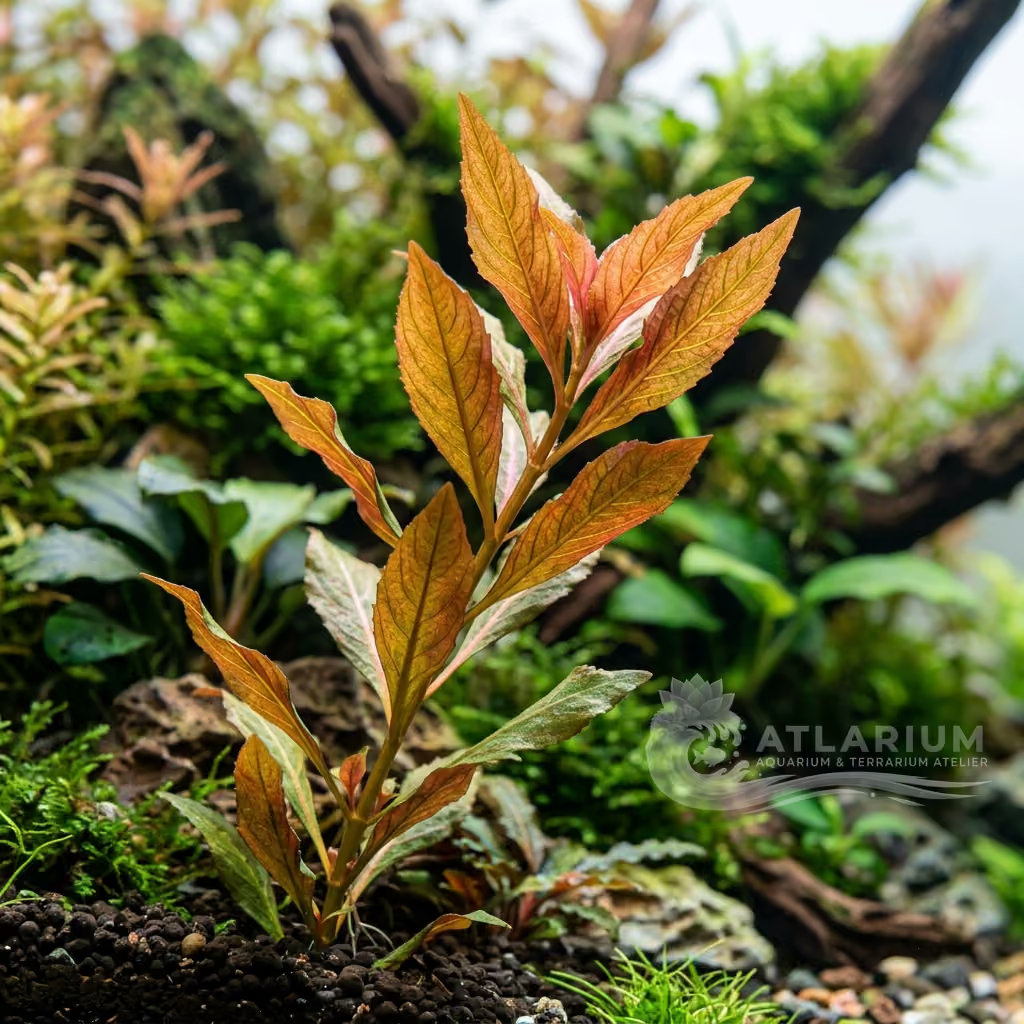
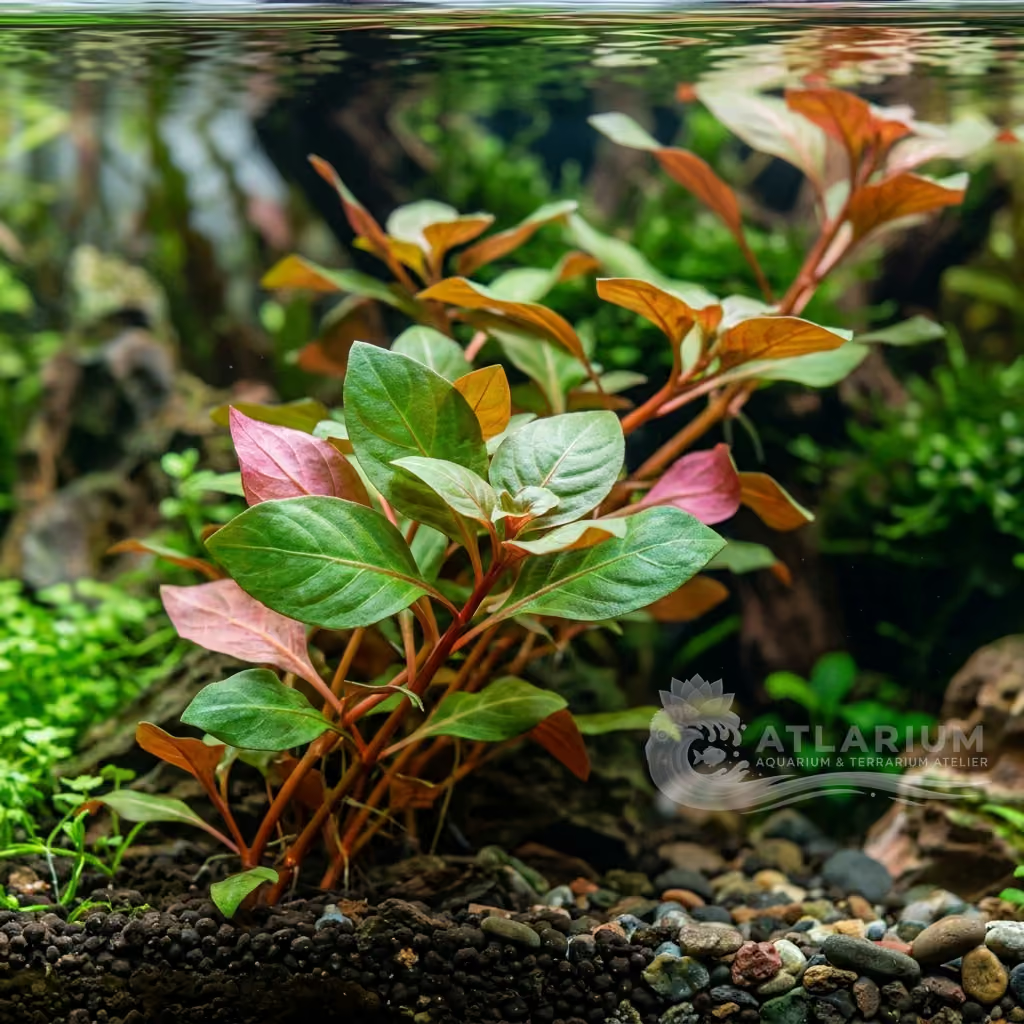
Color & Texture: It is considered one of the most spectacular plants in the hobby: the coloration of the apical rosettes fades from olive-green to golden-yellow, bright orange, and salmon-pink or coppery-red under intense light. The leaf texture is soft, thin, and silky to the touch. The combination of dense whorls and warm colors creates the illusion of submerged fireworks, offering exceptional visual impact.

Cuidado, criação e companheiros de tanque
Lighting & CO2: Requires very intense lighting (at least 40-50 lumens/liter of full-spectrum light) to encourage orange tones and prevent lower leaf loss. CO2 injection (20-30 mg/L) is indispensable; without stable supplementation, growth halts and vegetative tips quickly decay.
Nutrition & Substrate: Demands a highly fertile substrate (aquasoil) rich in iron.
Water Chemistry: Very demanding: prefers extremely soft (KH 0-6 dKH, ideally below 3 dKH) and acidic water (pH 4.5-7.0, ideally below 6.5). The optimal temperature ranges from 18°C to 30°C, with an ideal temperature of 24-26°C. It does not tolerate hard water.
Space Management & Placement: Due to the wide diameter of its apical rosettes (up to 12 cm), it requires plenty of space and must be positioned in the midground or background of spacious aquariums. Stems should be planted well apart (at least 4-5 cm) to prevent them from shading each other.
Pruning: Pruned by cutting the apical portion with sharp scissors. Removed tops can be replanted in the substrate to generate new plants, while the remaining stem base will respond by developing lateral shoots. Due to its fast growth, it must be pruned regularly.
Risks & Diseases: The main risk is the decay and rot of growth tips caused by micronutrient deficiencies (particularly boron and iron) or insufficient CO2. Under intense light, if column nutrients are unbalanced, the rosettes can be colonized by hair algae.

Origem e distribuição geográfica
Ludwigia inclinata var. verticillata 'Cuba' is a gorgeous aquatic plant native to the swamps and wetlands of the island of Cuba in the Caribbean. In its natural habitat, it colonizes the margins of silt-rich, slow-moving rivers and shallow freshwater lagoons, which are often subject to strong seasonal water level fluctuations. It lives exposed to full sunlight in warm, extremely soft, and acidic waters that are rich in organic substances and dissolved iron from the island's lateritic soils.
Origem
América Central e Caribe

Perfil da planta
- Posicionamento
- Plano intermediário
- Due to its rapid upward growth and striking appearance, it is best placed in the midground or background of the aquarium. Planting it in a staggered fashion creates a visually appealing sense of depth. Its star-like tops provide an excellent focal point when positioned correctly.
- Forma botânica
- Caule
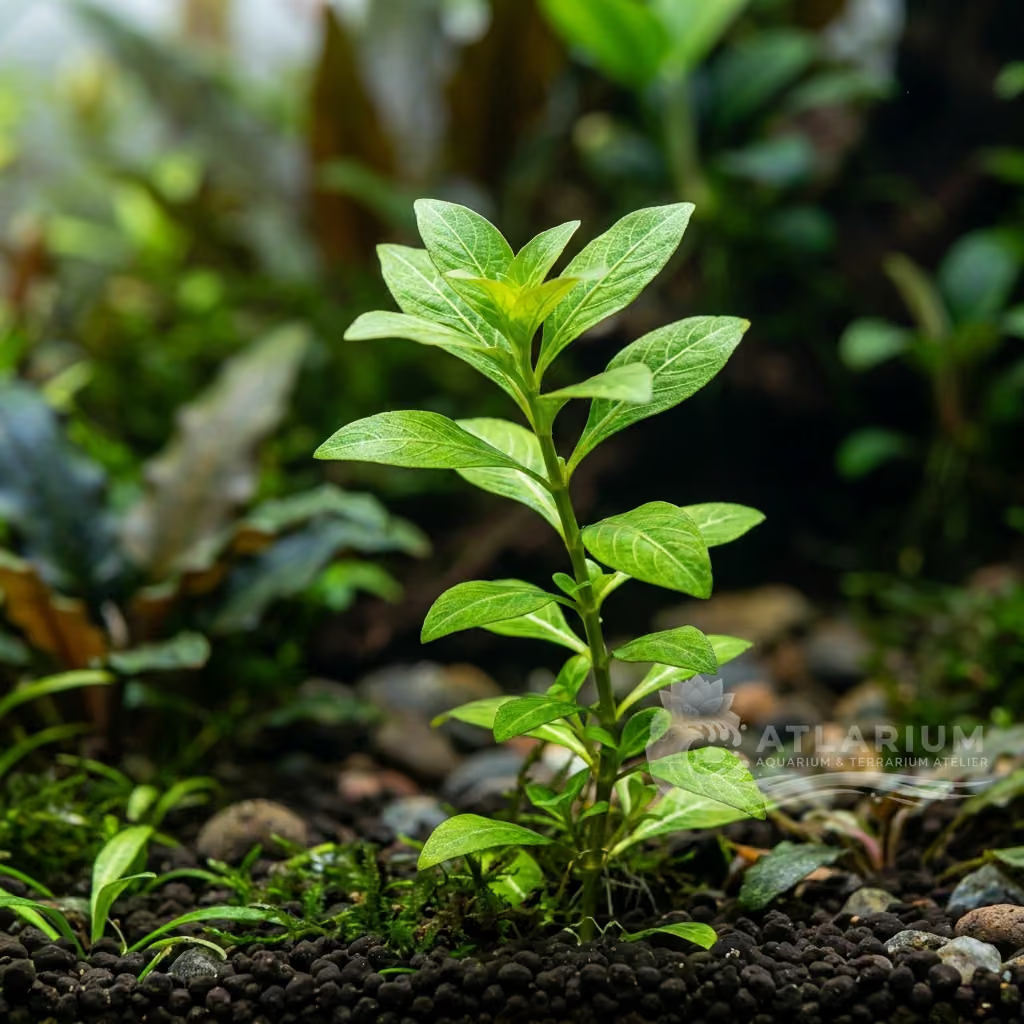
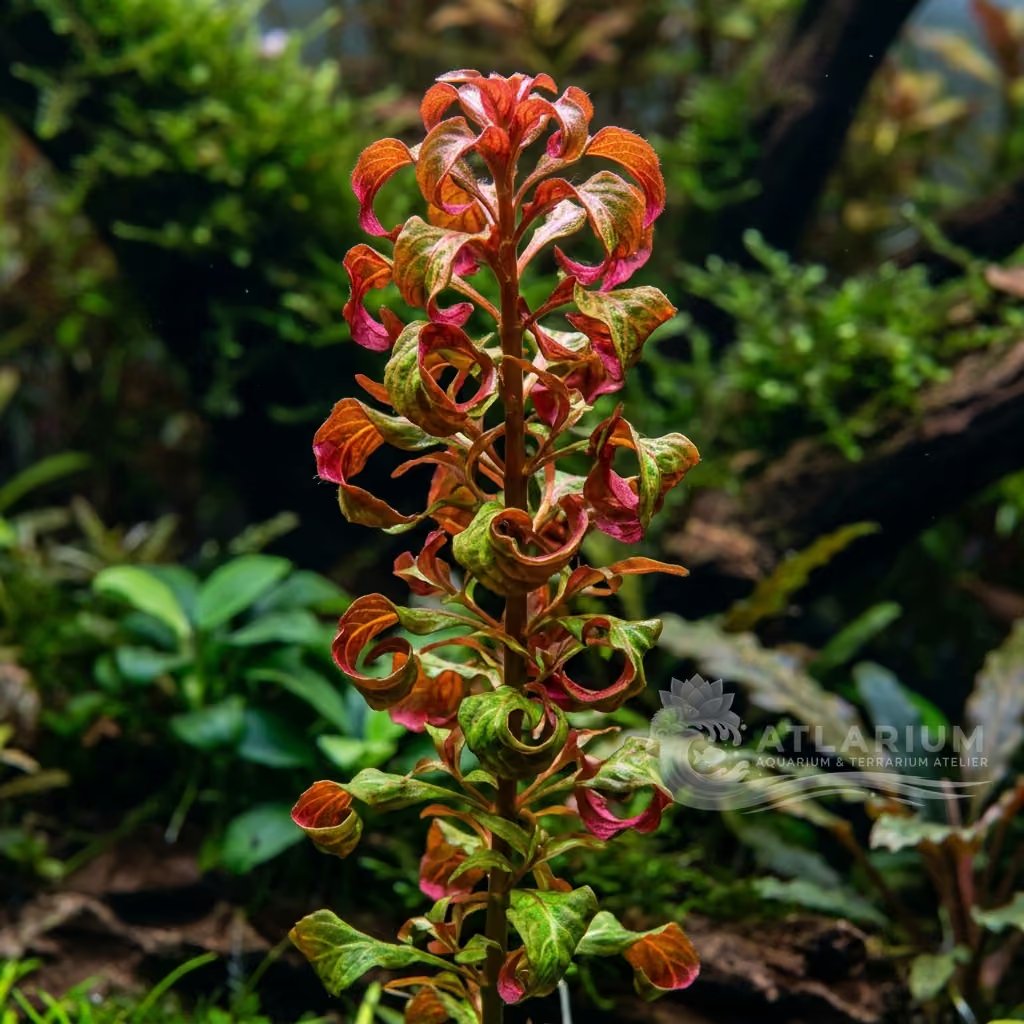
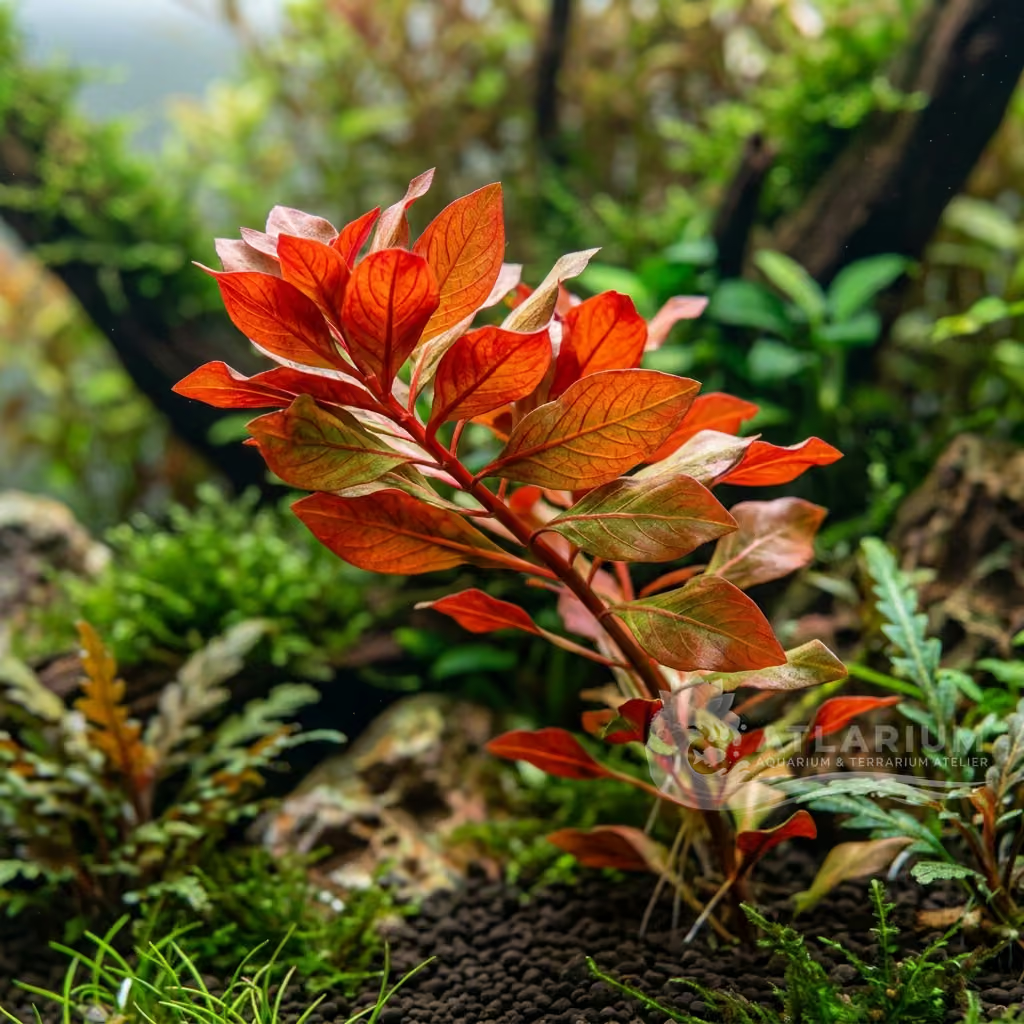
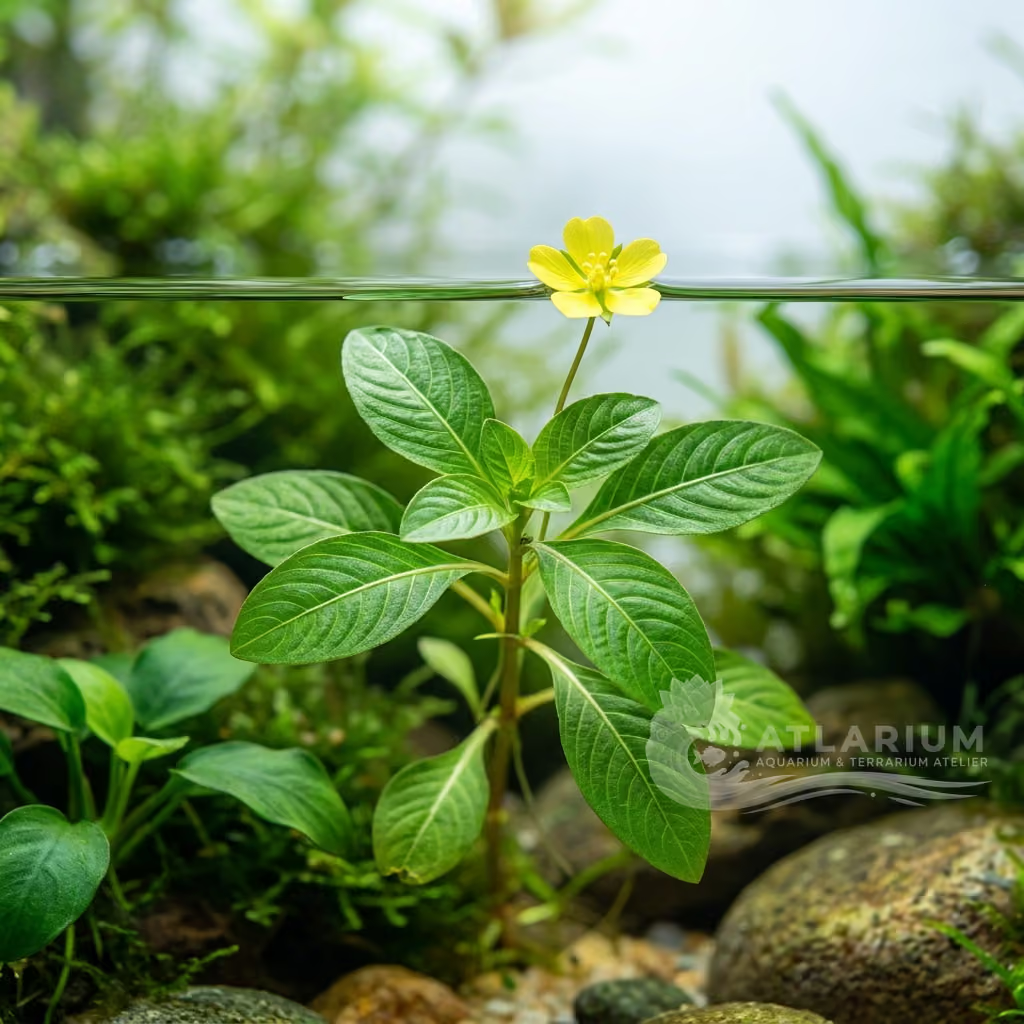
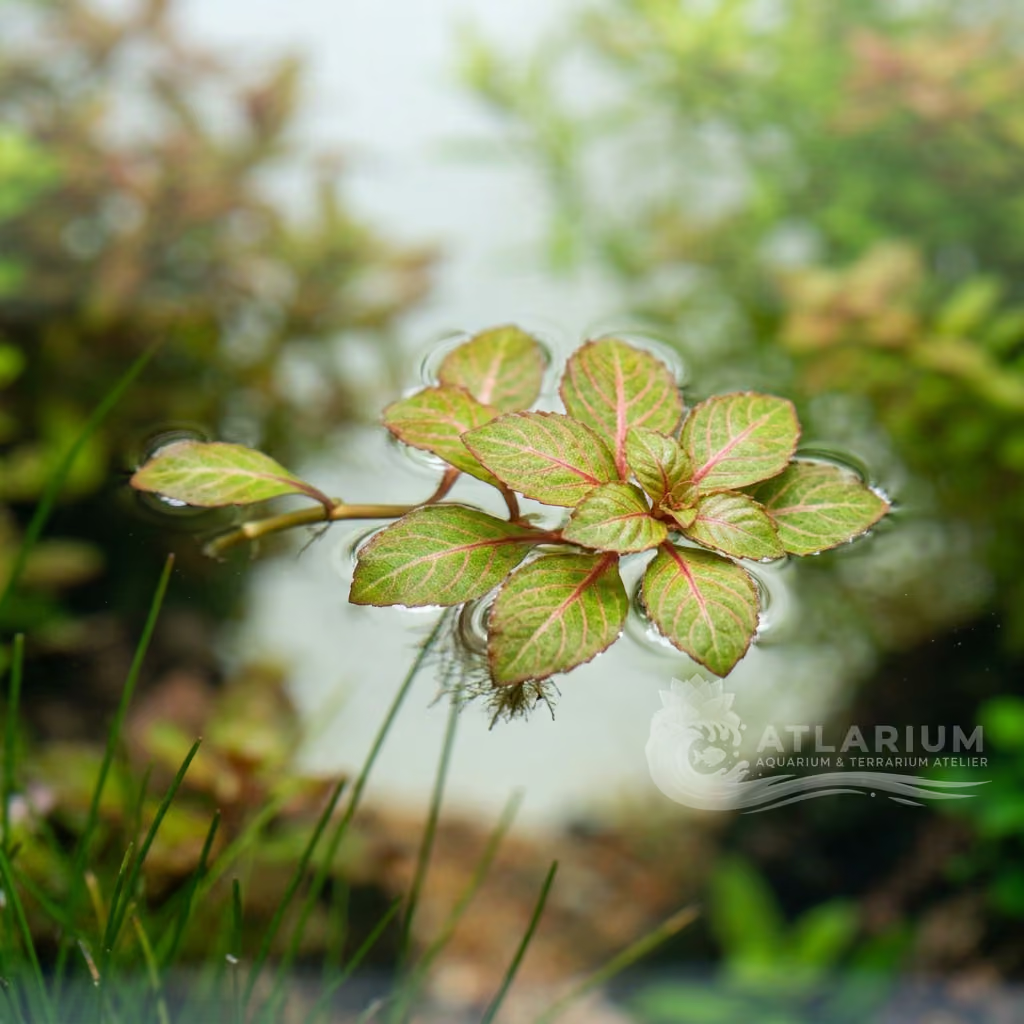
- This variety features exceptionally narrow, needle-like leaves arranged in a whorled pattern along a thick stem. The submerged leaves develop striking red and orange hues near the surface, contrasting with greener lower sections. Its emersed form differs drastically, showcasing rounded, green leaves.
- Crescimento
- Rápida
- Under optimal conditions of high light and rich nutrients, this plant exhibits a very fast growth rate. It will quickly reach the water surface if left unchecked, often requiring frequent pruning. This vigorous growth helps outcompete algae when the tank is well-balanced.
- Substrato
- Alta
- Ludwigia inclinata var. verticillata 'Cuba' thrives best when planted in a deep, nutrient-loaded aquasoil that provides a steady supply of iron and macronutrients. The plant requires a substrate depth of at least 6 centimeters to accommodate its expansive root system, which forcefully anchors its large, heavy crowns. While it aggressively feeds from the water column, the rich substrate acts as an essential nutrient reserve, promoting significantly larger whorls and more vivid red-orange coloration. A soft, granular soil prevents root damage while encouraging the robust basal growth necessary to support its massive stem structure.
- Fertilização de coluna
- Recomendada
- Liquid fertilization is crucial for the health of this species, as it heavily relies on the water column for nutrient uptake. Daily dosing of iron and trace elements helps bring out intense red coloration. A balanced NPK regimen is also necessary to sustain its rapid metabolic rate.
- Fertilização radicular
- Nenhuma
- While it absorbs many nutrients through the leaves, a nutrient-rich substrate significantly enhances its vitality. Root tabs can be added near the base to provide a steady supply of iron and macronutrients. A strong root system helps anchor its thick stems in the substrate.
- Corte
- Ocasional
- Frequent trimming is required to keep this fast-growing plant from shading its lower sections. Cutting the tops and replanting them is the best way to propagate and maintain a dense group. If trimmed too low, the remaining bare stems may struggle to produce healthy new shoots.
- Propagação
- Estacas
- Propagation is straightforward and is achieved through simple stem cuttings. Trimming healthy tops and replanting them into the substrate will yield new individual plants. Side shoots may occasionally develop after trimming, adding to the bushiness of the group.
- Sensibilidade
- Moderada
- It is exceptionally sensitive to sudden changes in water parameters or dips in CO2 concentration. Insufficient light or shading will quickly lead to the lower leaves melting and detaching. It may also stunt or twist its newly emerging leaves if micronutrients, particularly calcium or iron, are lacking.
- Função de layout
- Plano intermediário, accent, Fundo
- This plant serves as a magnificent, colorful focal point in Dutch-style and nature aquariums. Its fine, textured foliage contrasts beautifully with broader-leaved plants. It adds strong vertical lines and striking warm colors to the overall aquascape.

Espécies relacionadas
Recomendações agrupadas por parentes próximos, escolhas de acompanhantes e cuidados semelhantes.