Ludwigia mullertii
Ludwigia mullertii
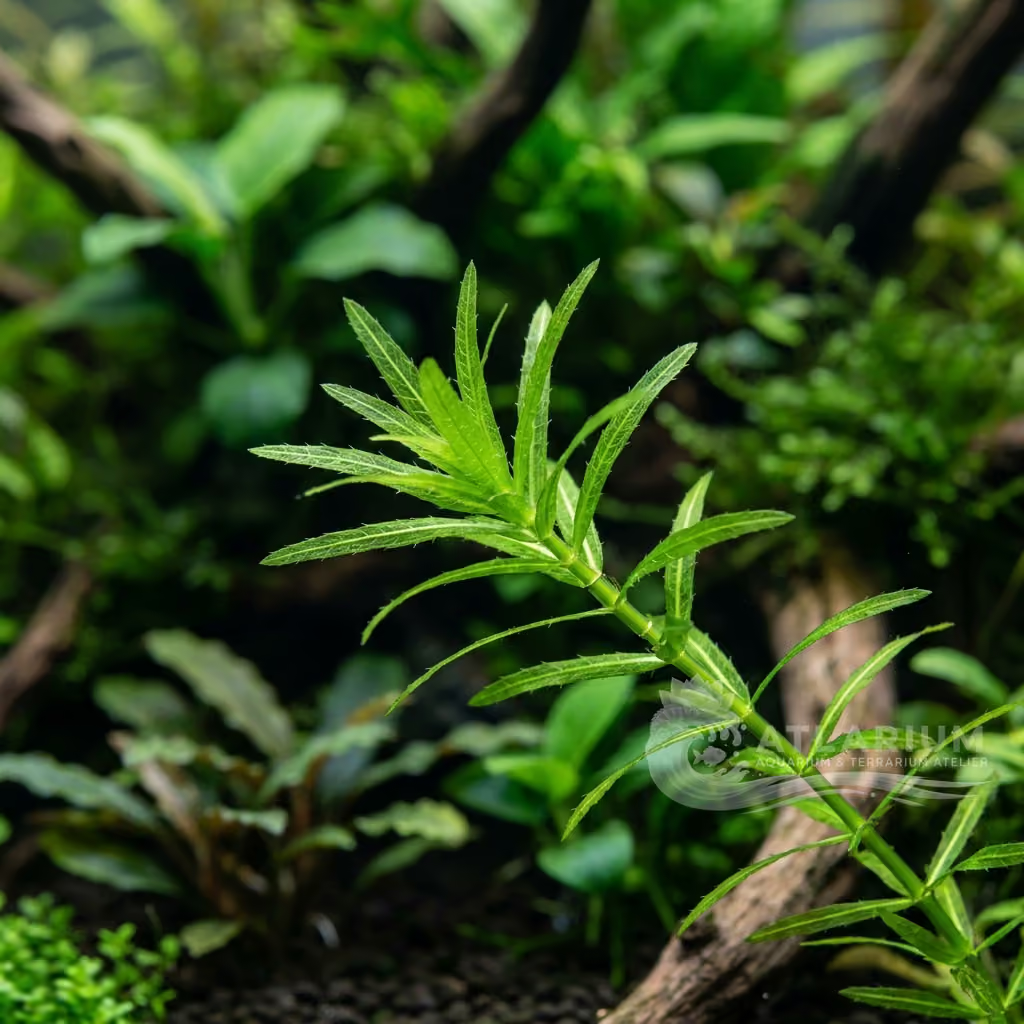
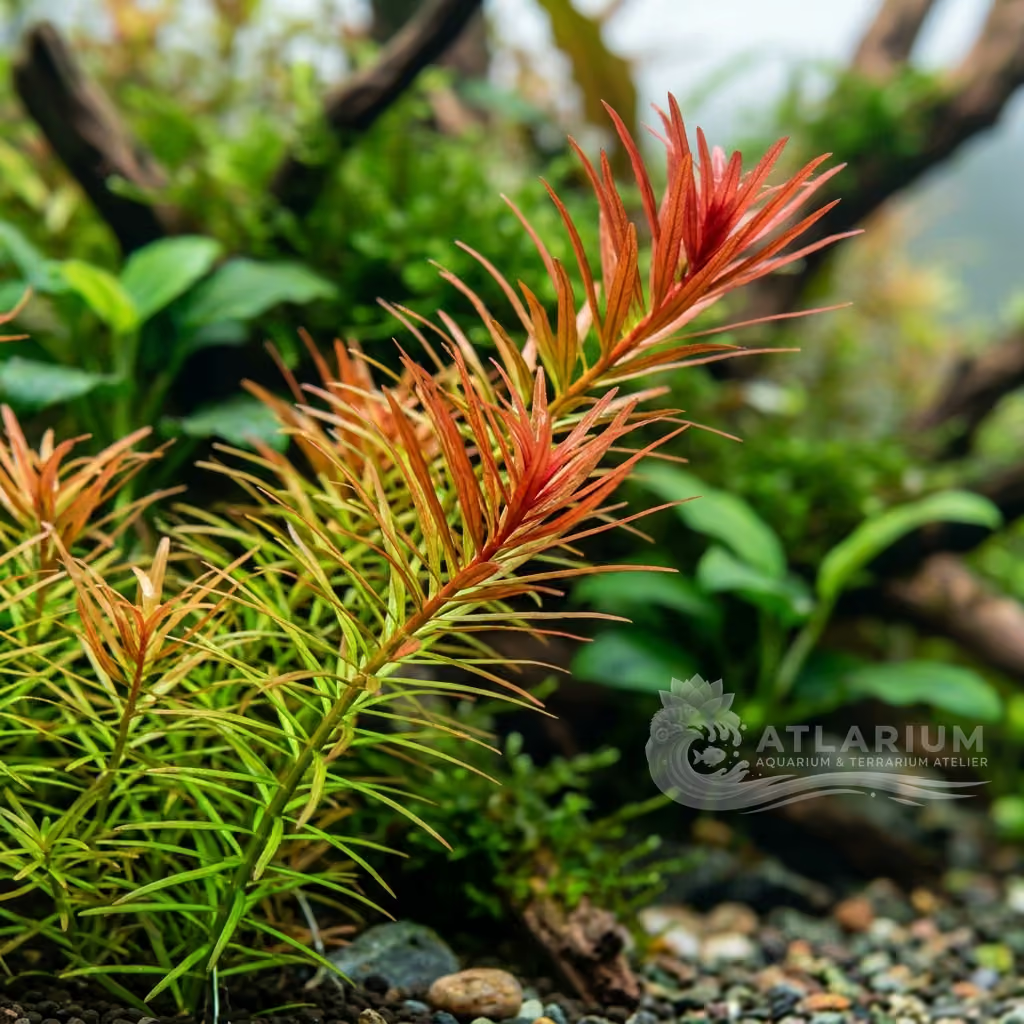
Ludwigia mullertii is a midground stem plant with a medium growth rate, perfect for creating vibrant focal points or dense background accents in an aquascape. Its rich colors and attractive foliage provide excellent contrast and depth to any aquatic display.
Temperatura da água
20 - 28 °C
Valor de pH
6 - 7.5
Tipo de água
Água doce
Luz
Média - Alta
CO2
Média - Alta
KH
2 - 10 dKH

Descrição da espécie
Geographical Origin and Habitat: Many Ludwigia species are native to tropical and subtropical regions worldwide, commonly found in swamps, river margins, and ponds. Ludwigia mullertii, like its congeners, thrives in slow-flowing or stagnant freshwater bodies where sunlight can penetrate relatively well. These natural conditions shape its adaptability to various aquatic environments, though it prefers stability and nutrient-rich surroundings. Its presence in such habitats contributes significantly to biodiversity and ecological balance.
Taxonomy & Genetics: Ludwigia mullertii belongs to the Onagraceae family, which also encompasses other well-known aquatic and terrestrial plants. Within the genus Ludwigia, it is distinguished by specific morphological characteristics that set it apart from its sister species. Its genetic classification places it among dicotyledonous plants, characterized by a complex vascular structure and reproduction often occurring through flowering and seed production, although vegetative propagation is more common in aquariums. Recent genetic studies help clarify evolutionary relationships within the genus and identify specific cultivars.
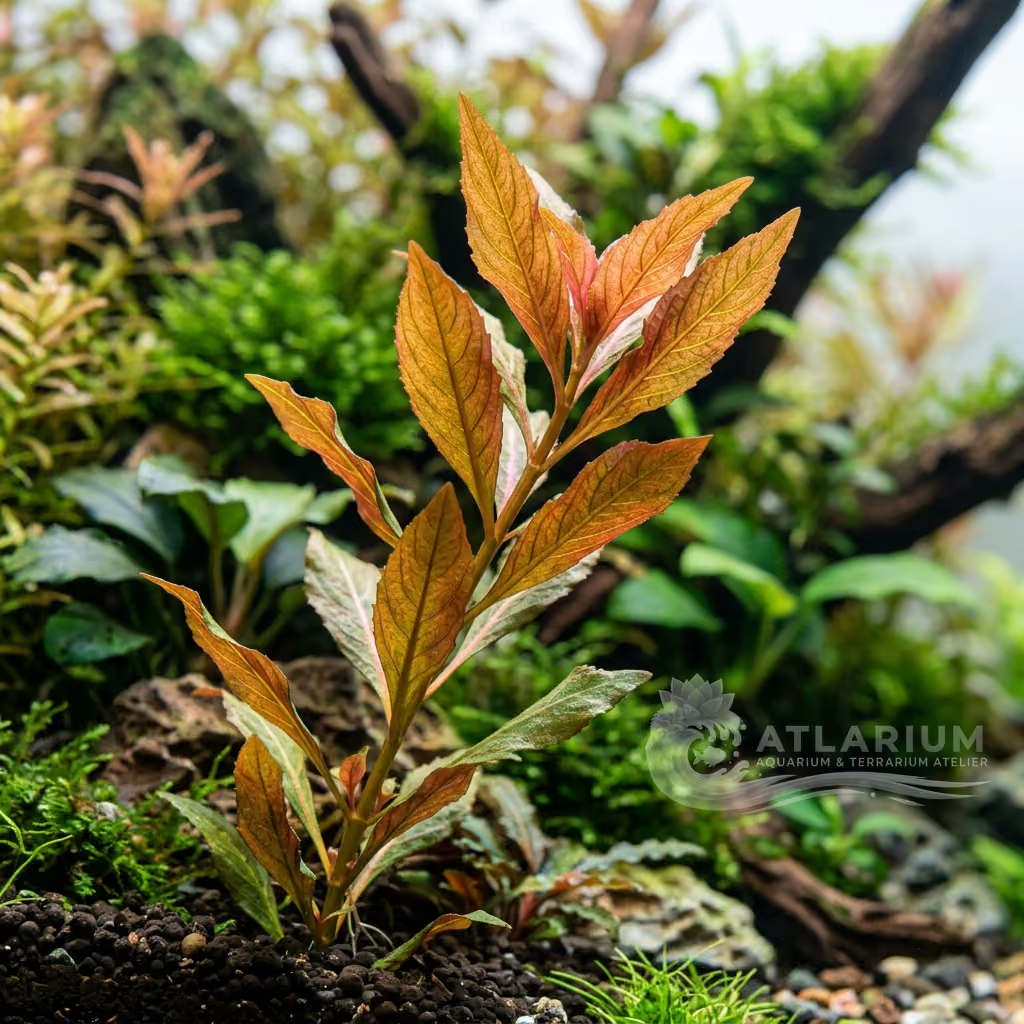
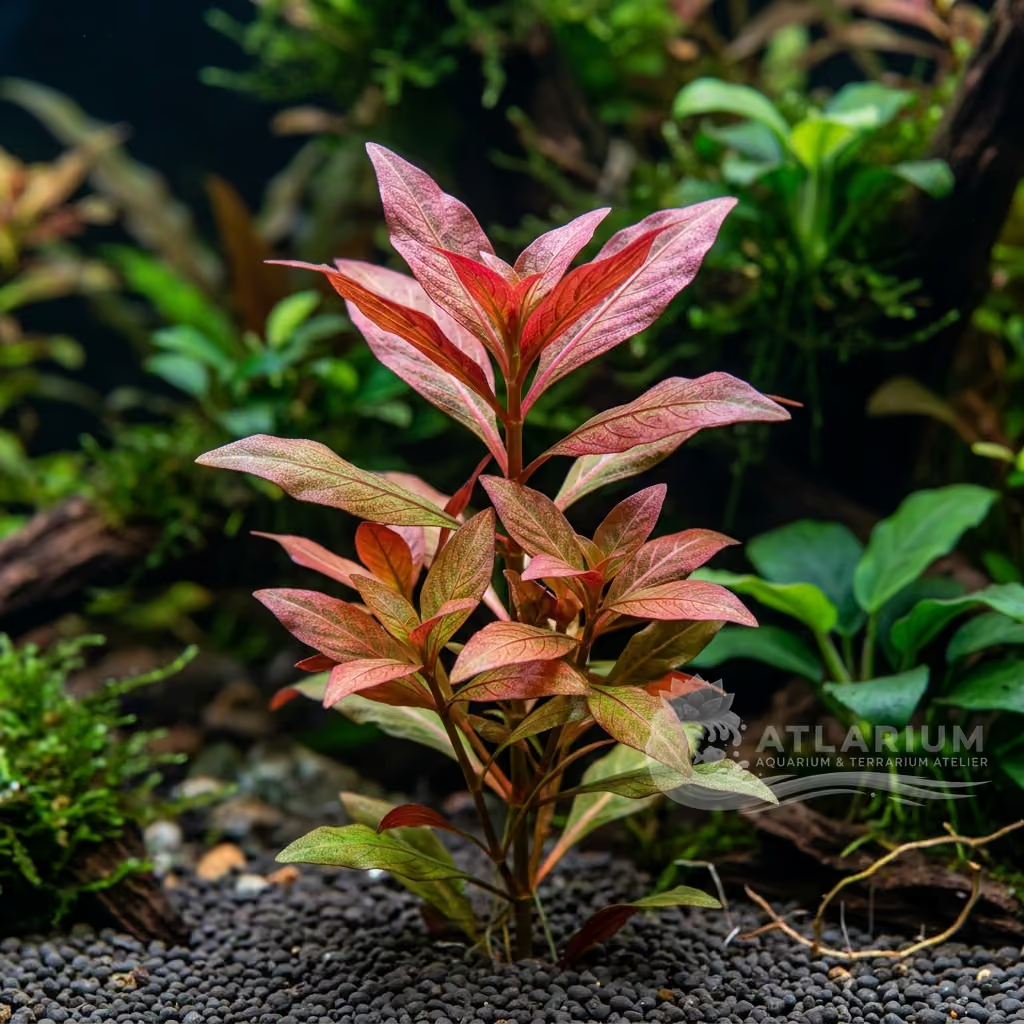
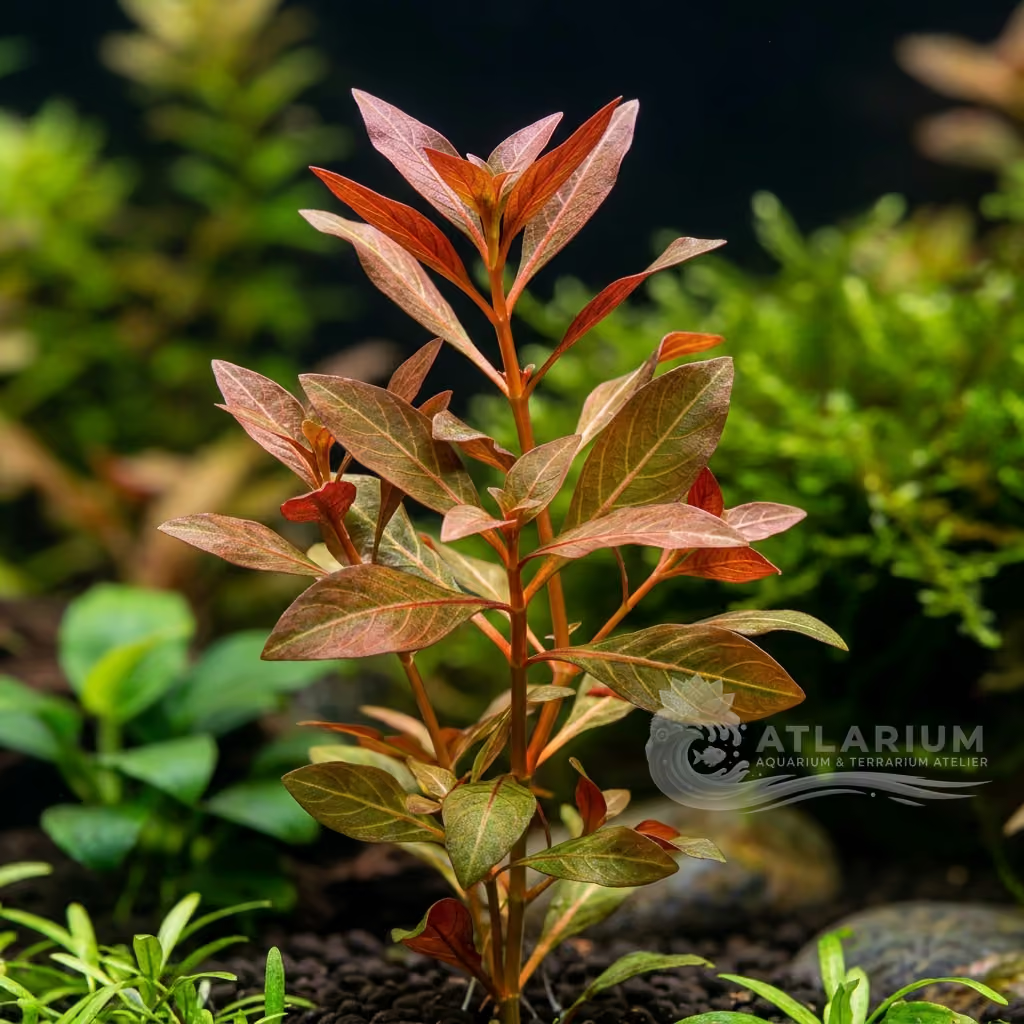
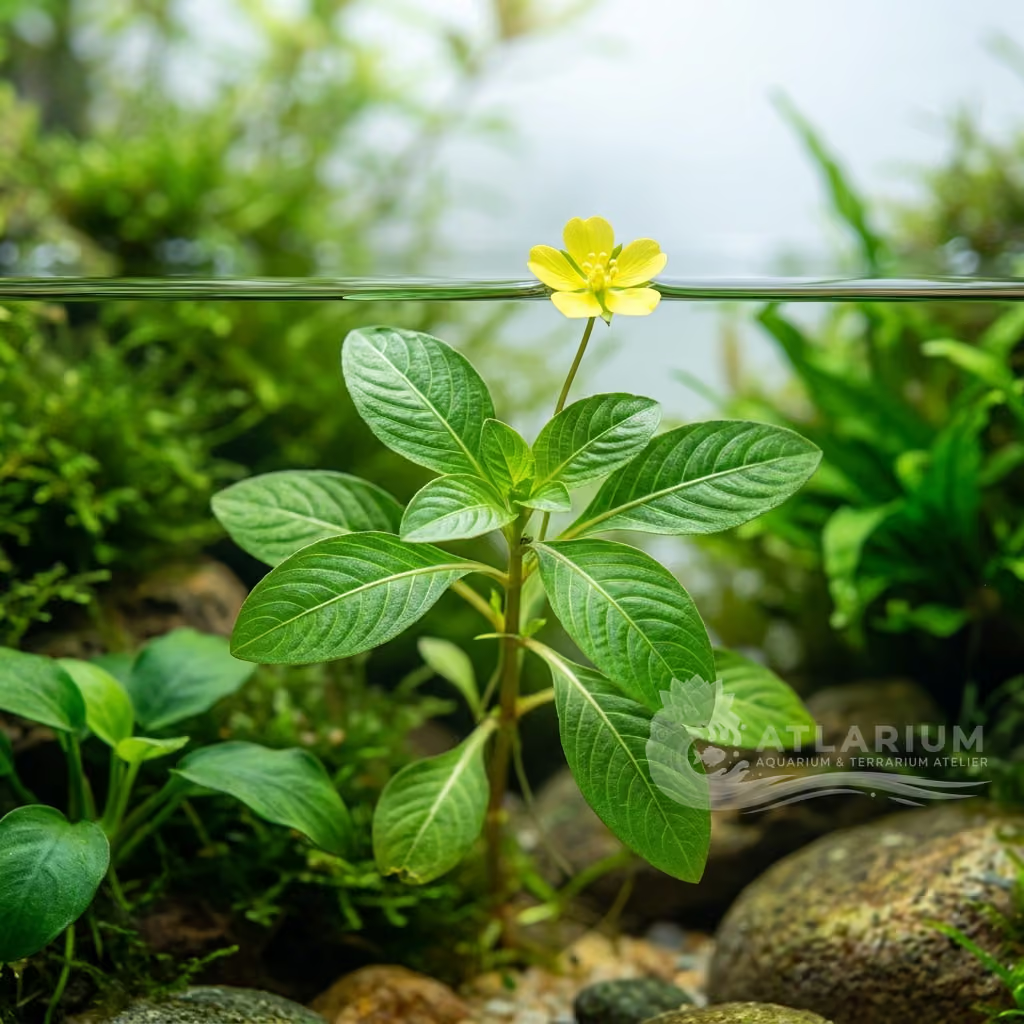
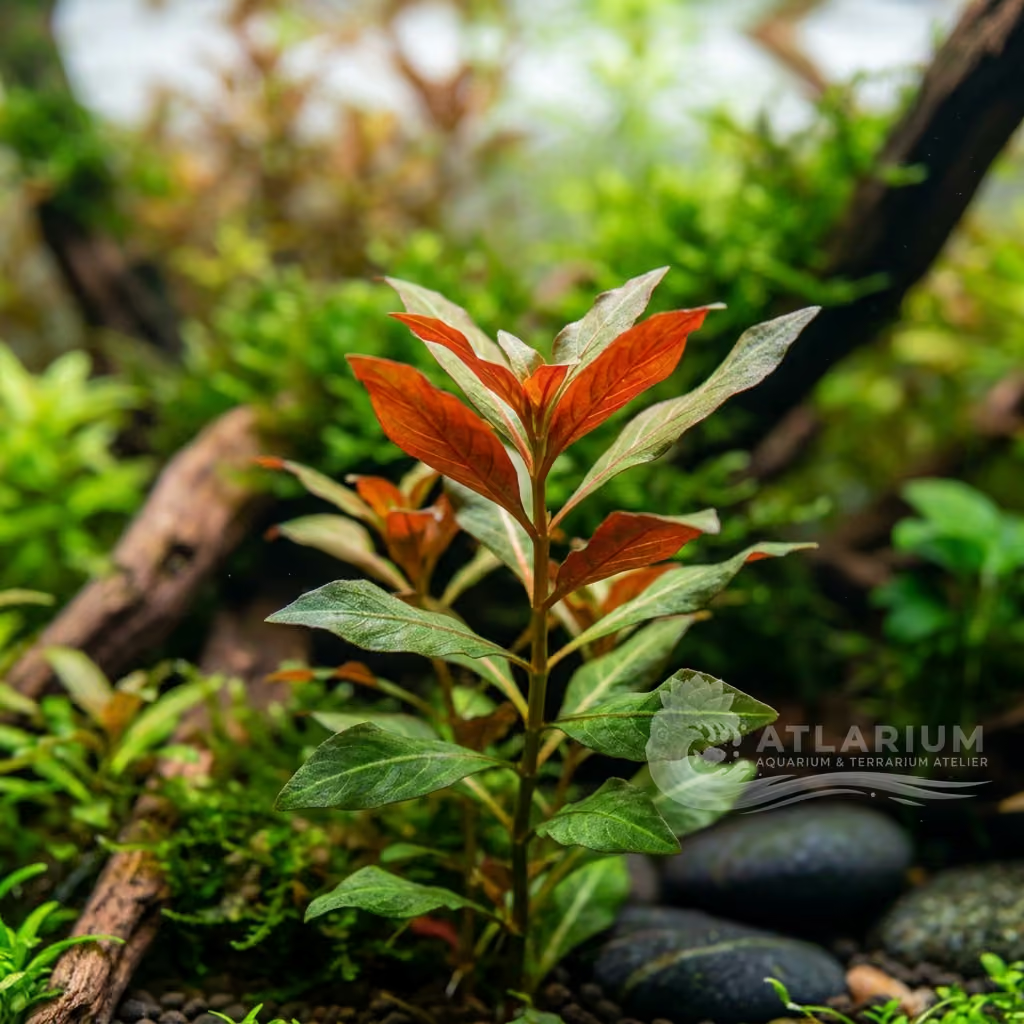
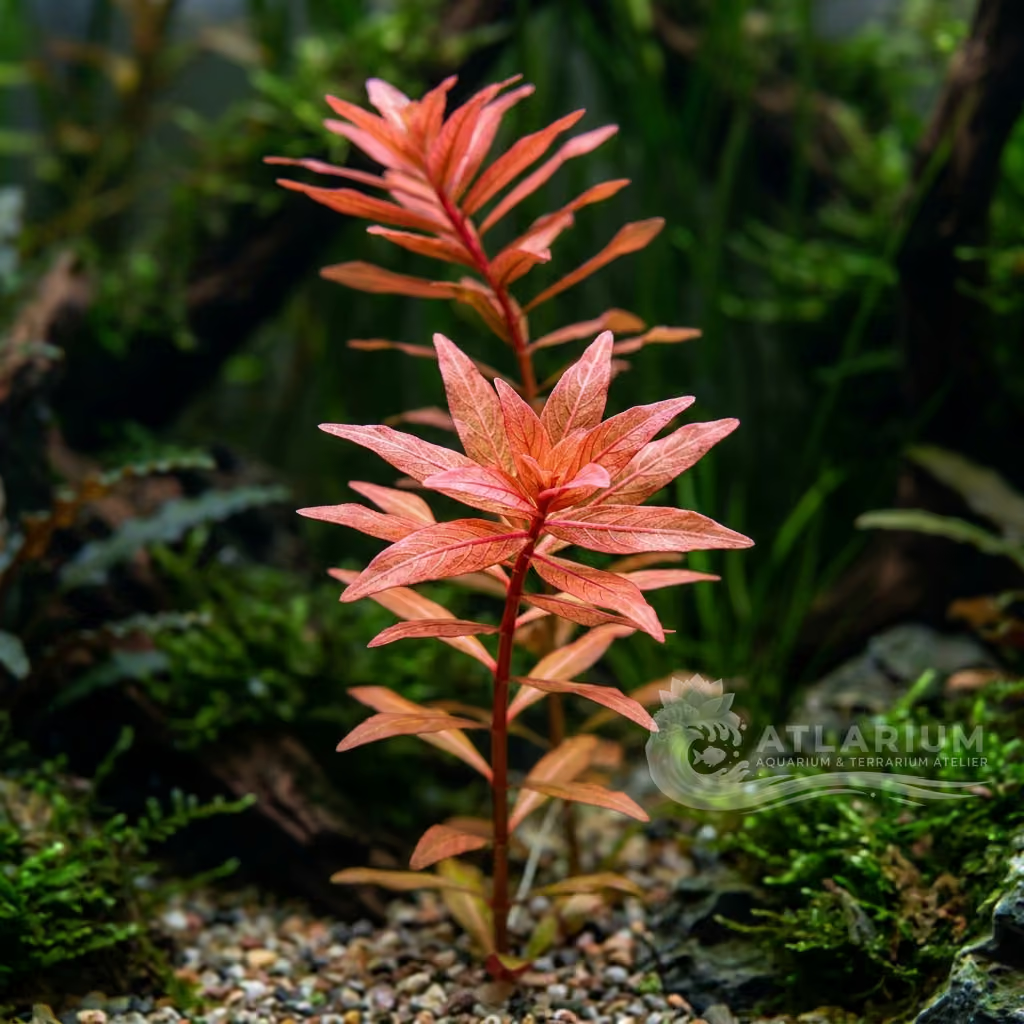
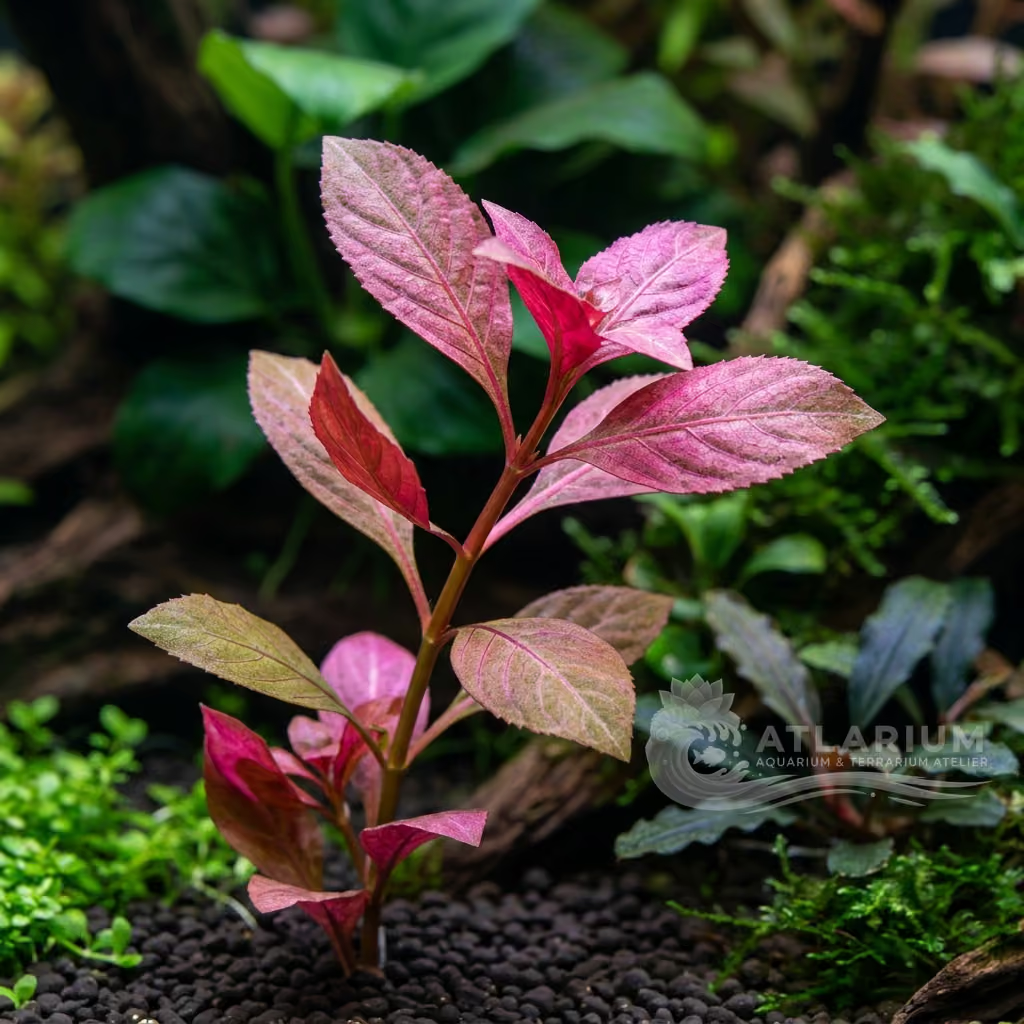
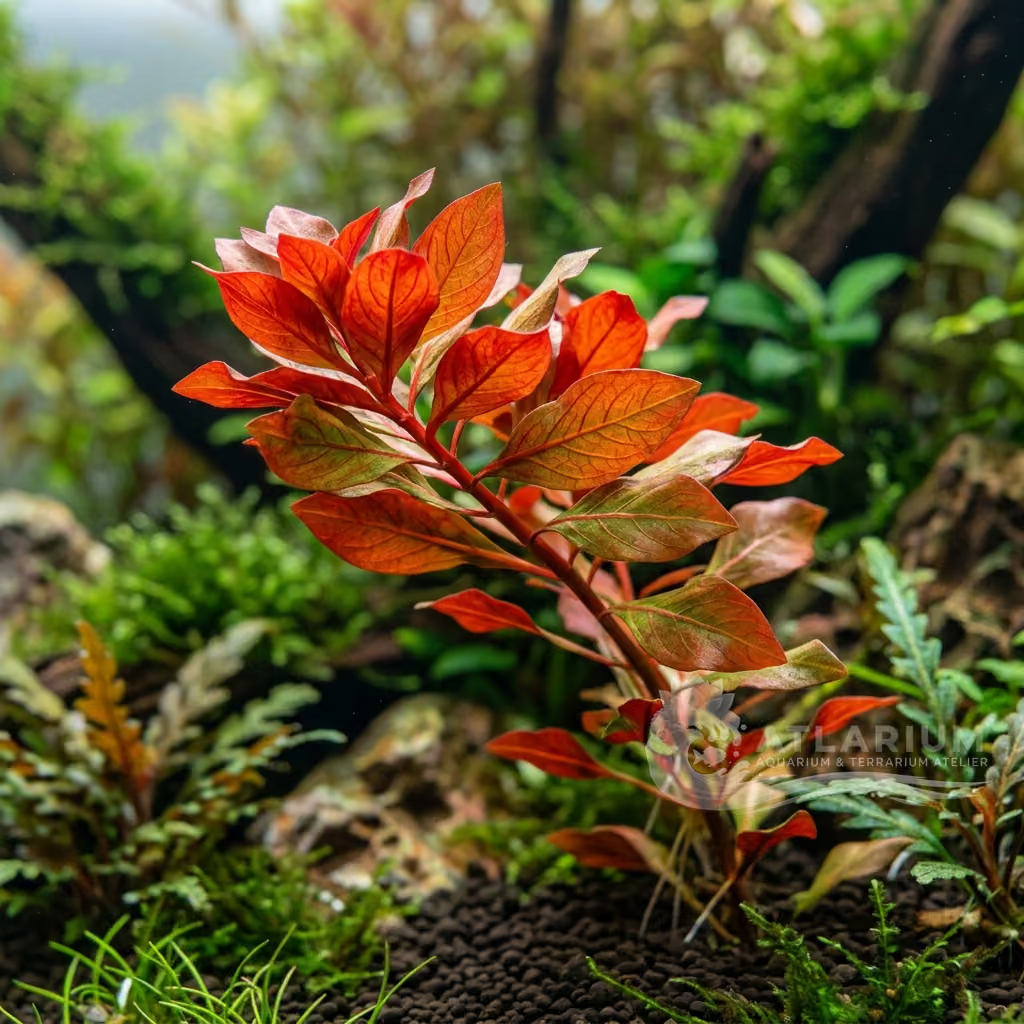
Physical Structure: Ludwigia mullertii presents as an upright stem plant with leaves arranged oppositely along the stem. Its stems can reach considerable heights under optimal conditions, making it suitable for midground or even background placement in larger tanks. The leaves, typically oval or lanceolate, are relatively robust and provide a good surface area for photosynthesis. A well-developed root system firmly anchors the plant to the substrate, providing stability and nutrient absorption.
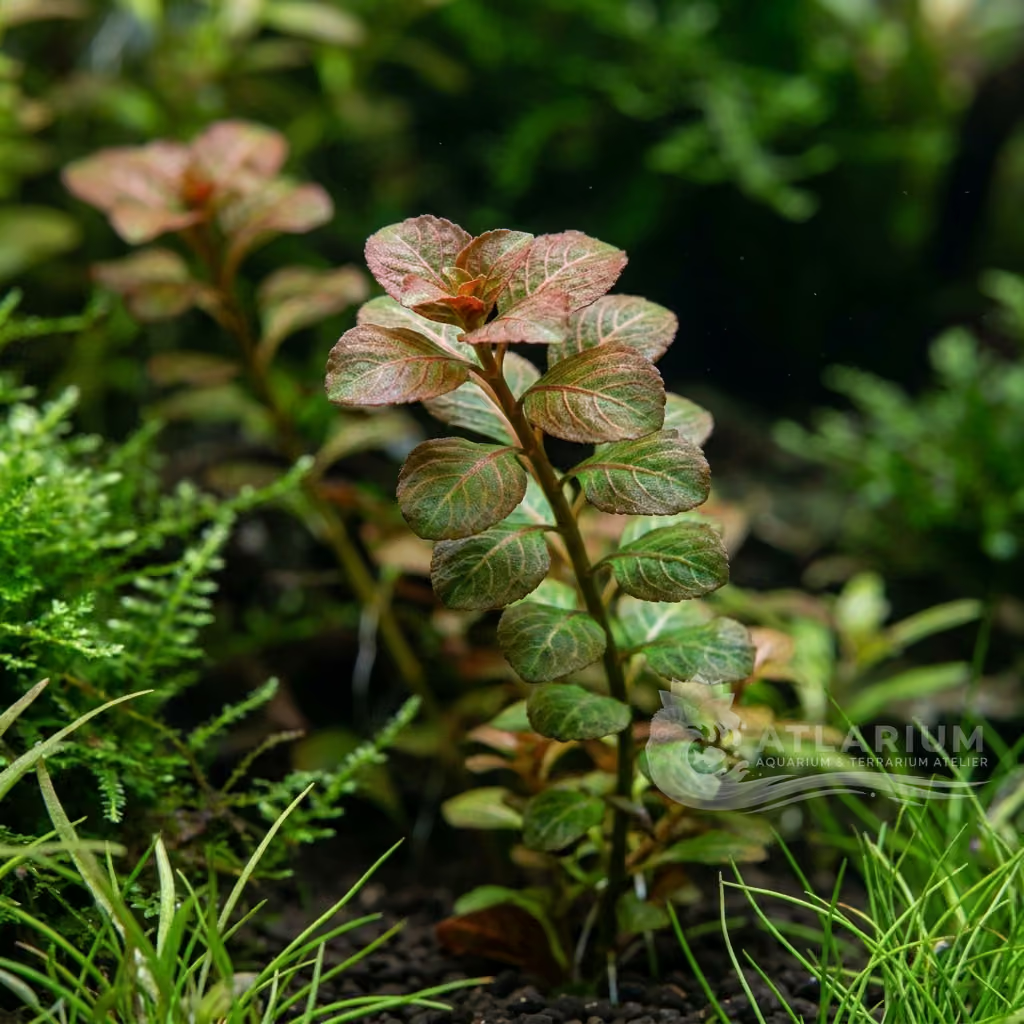
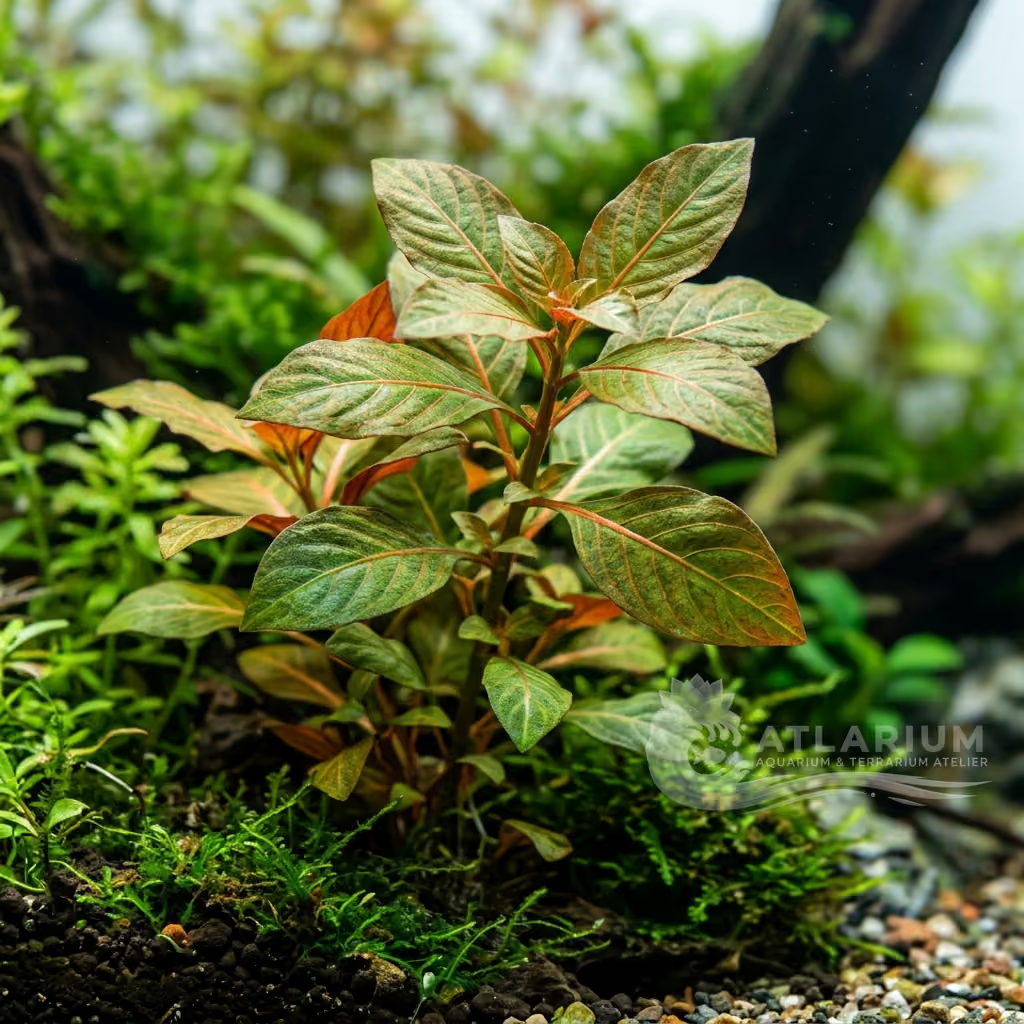
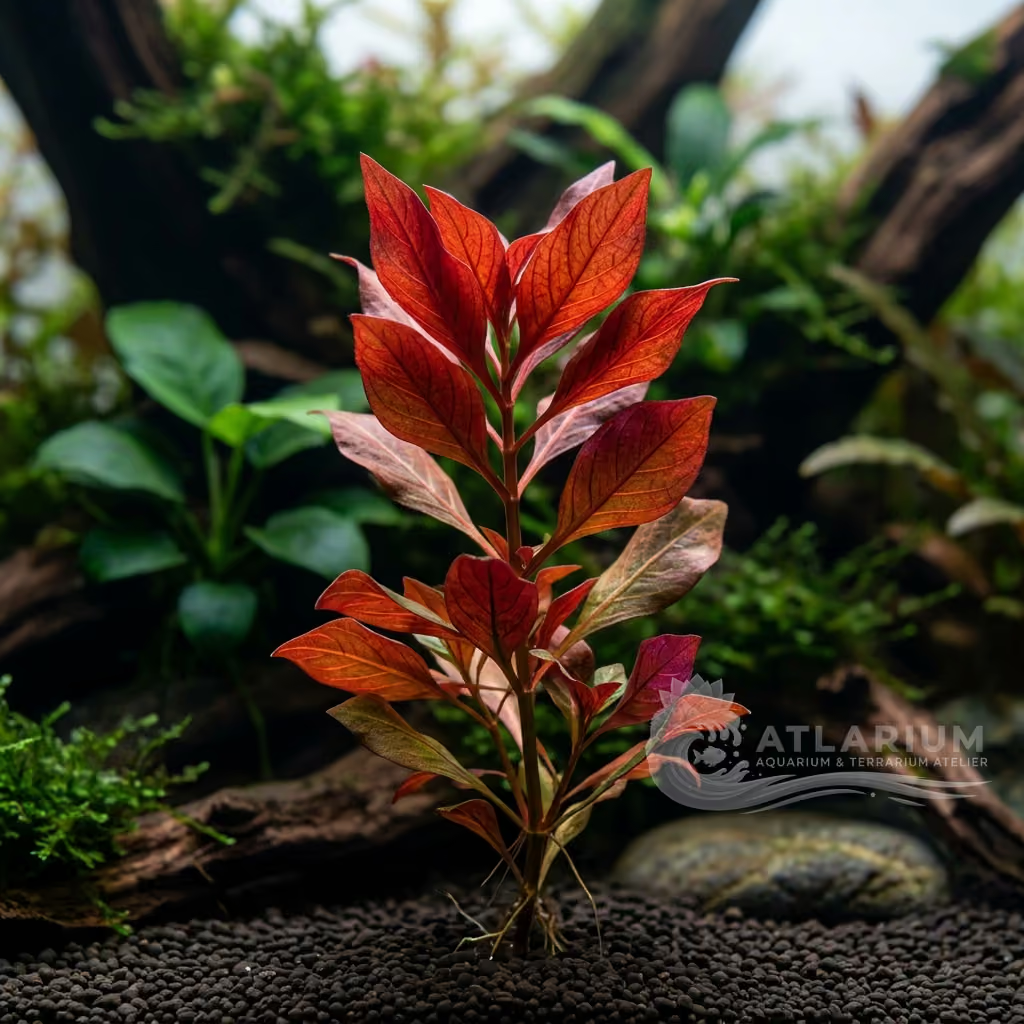
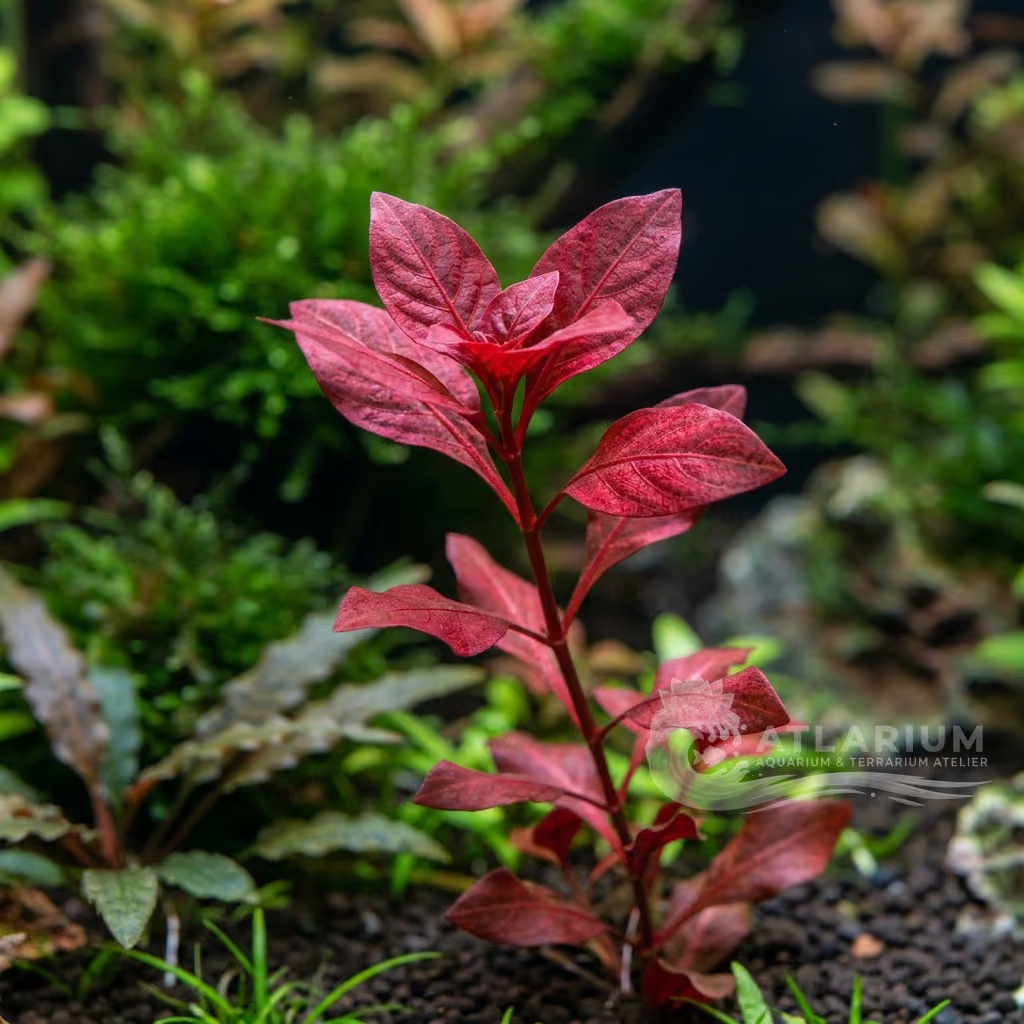
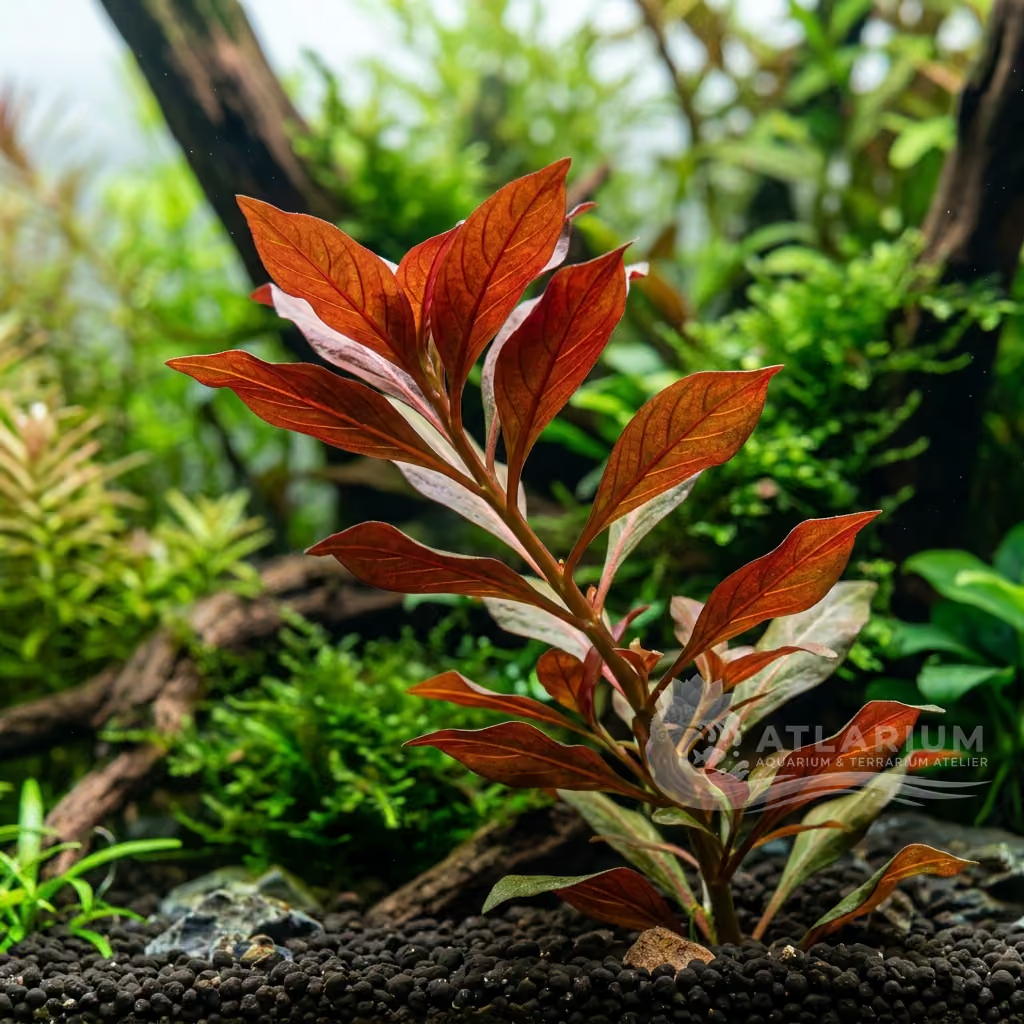
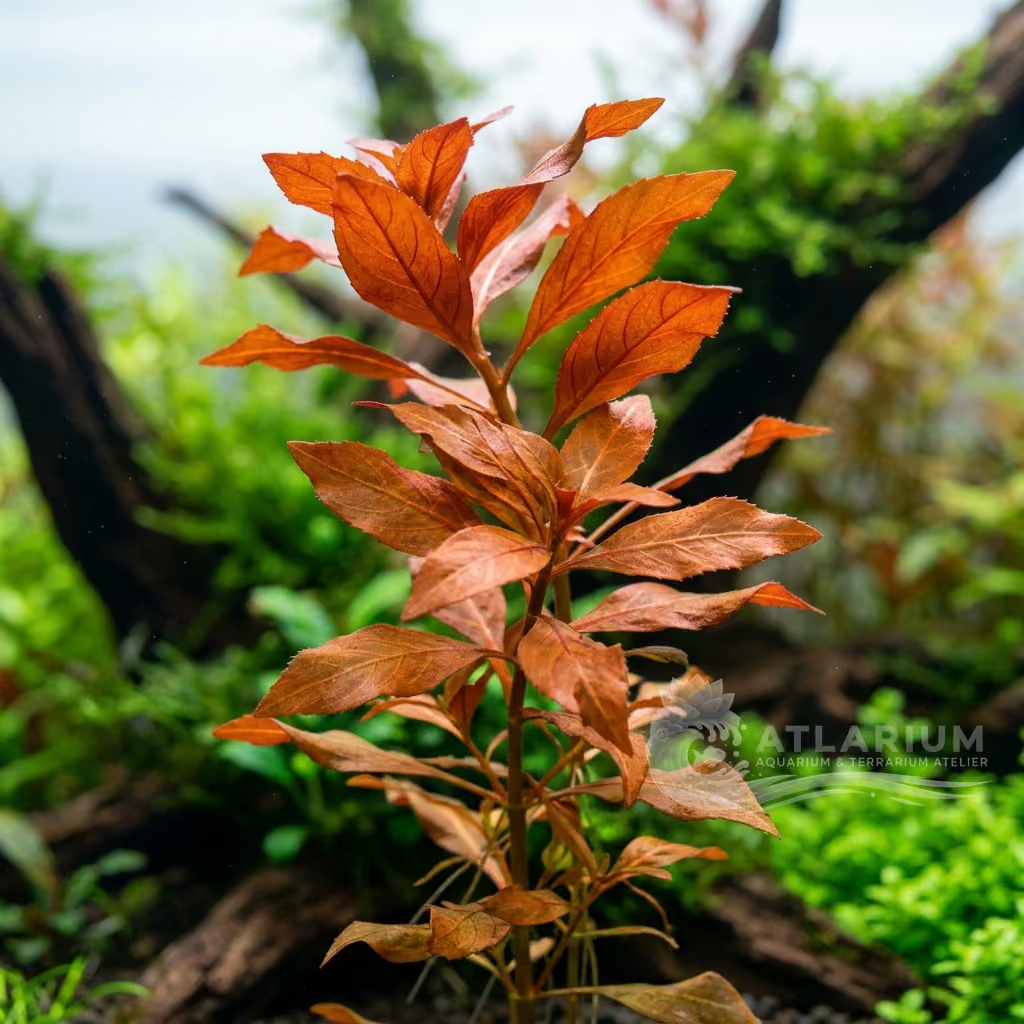
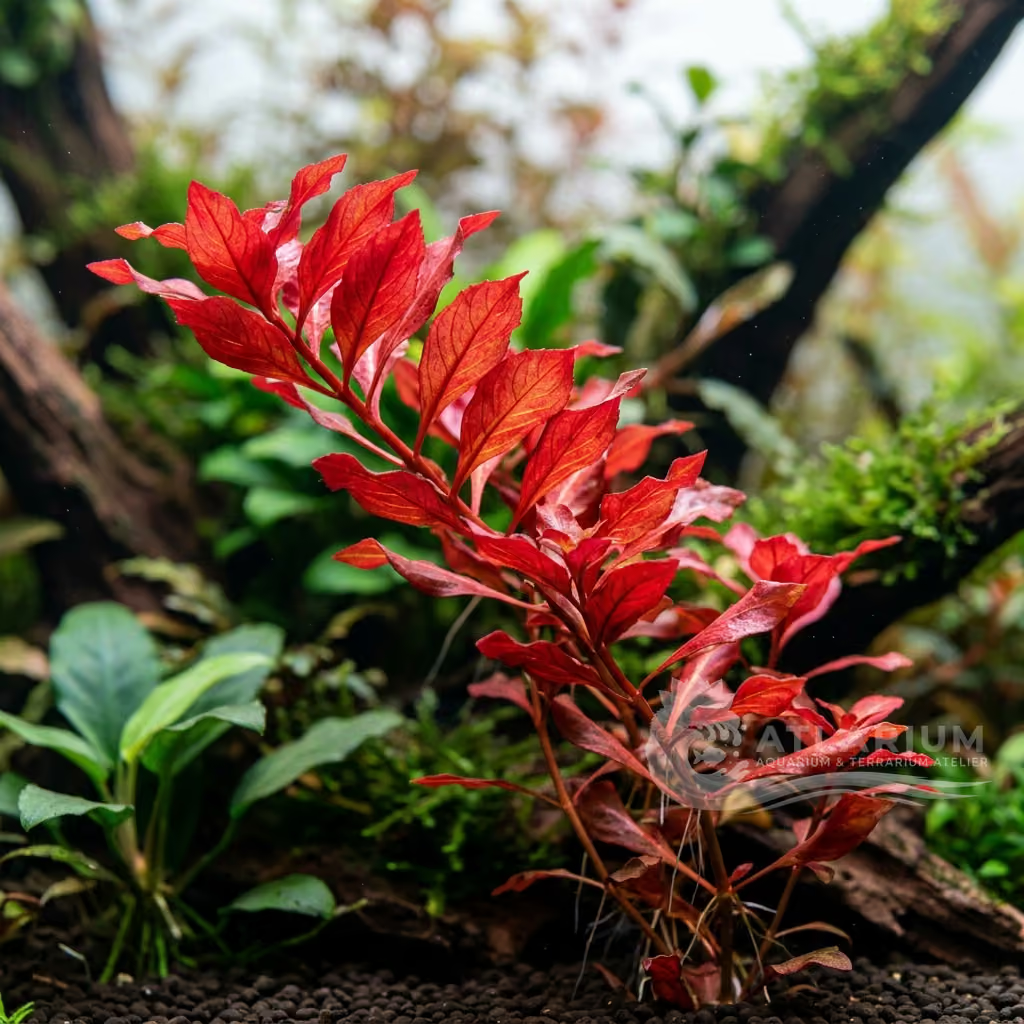
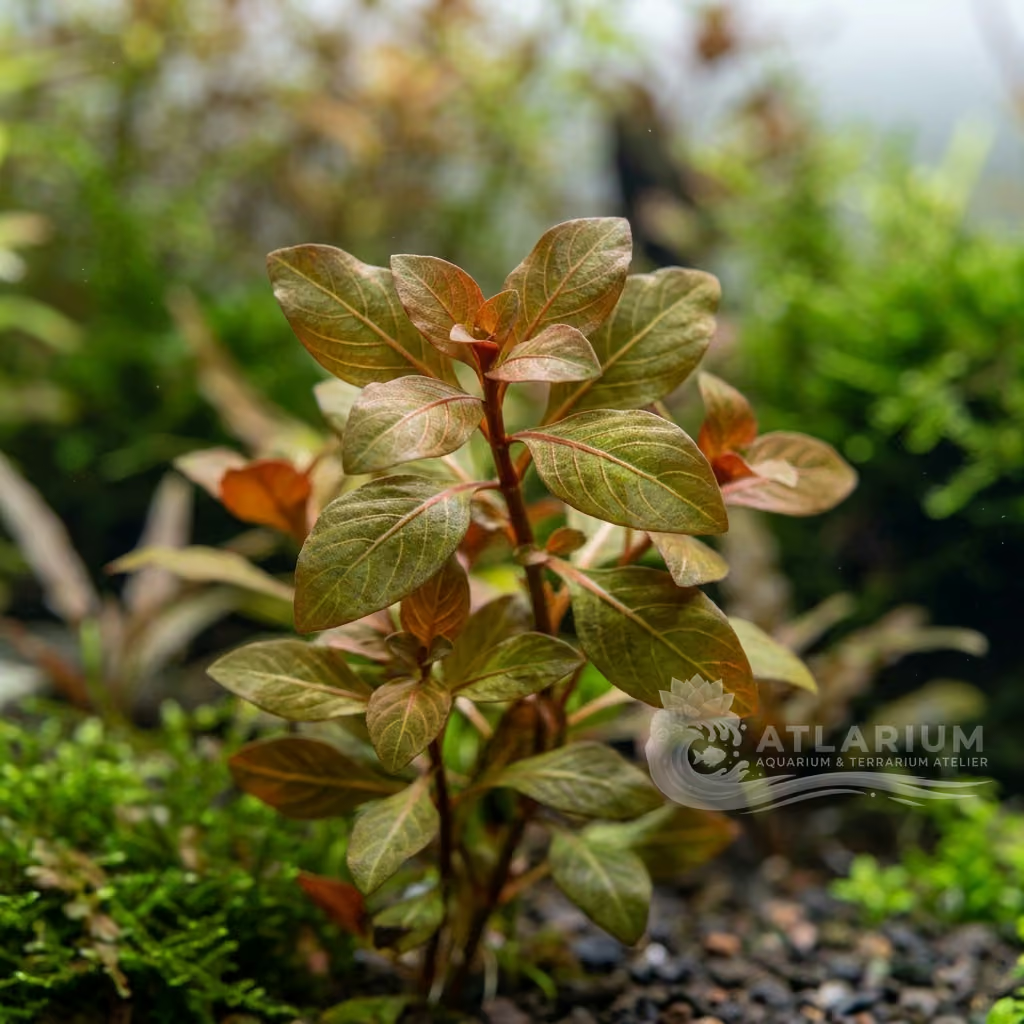
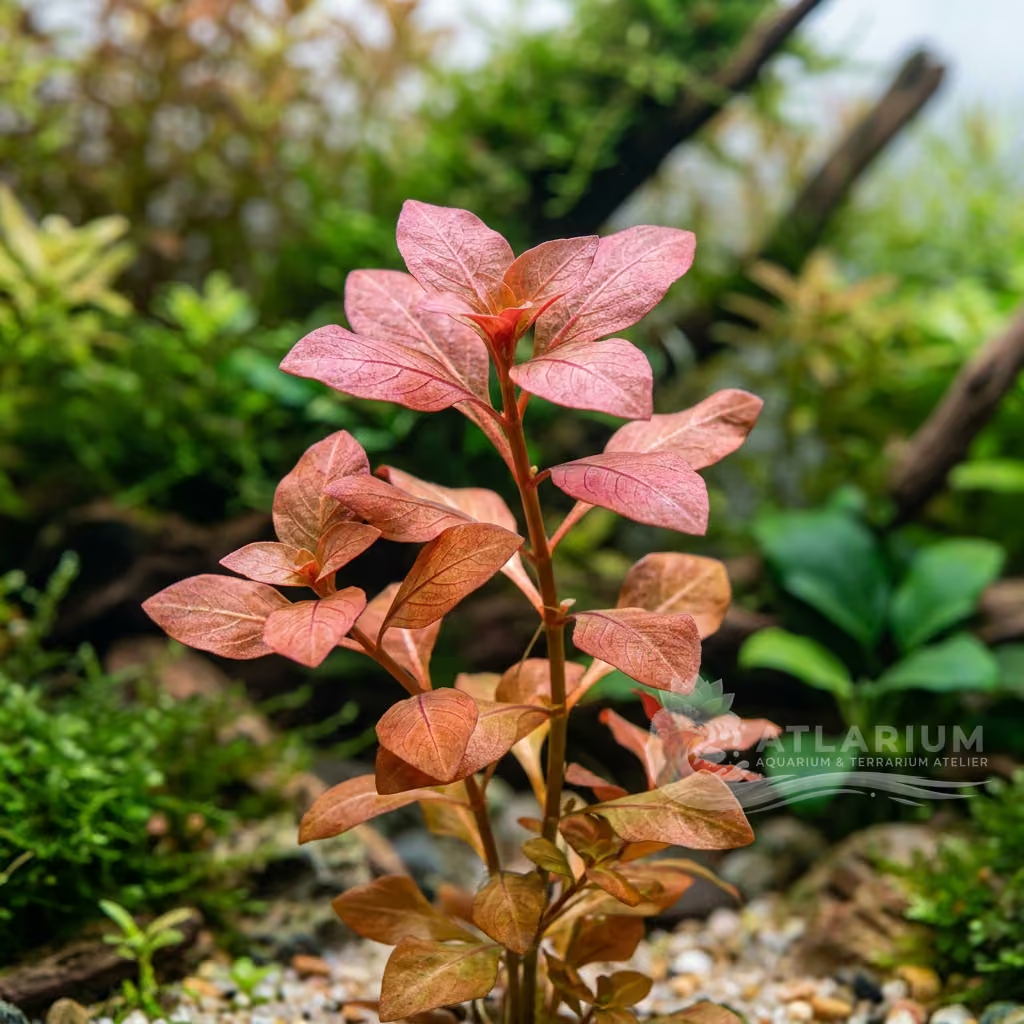
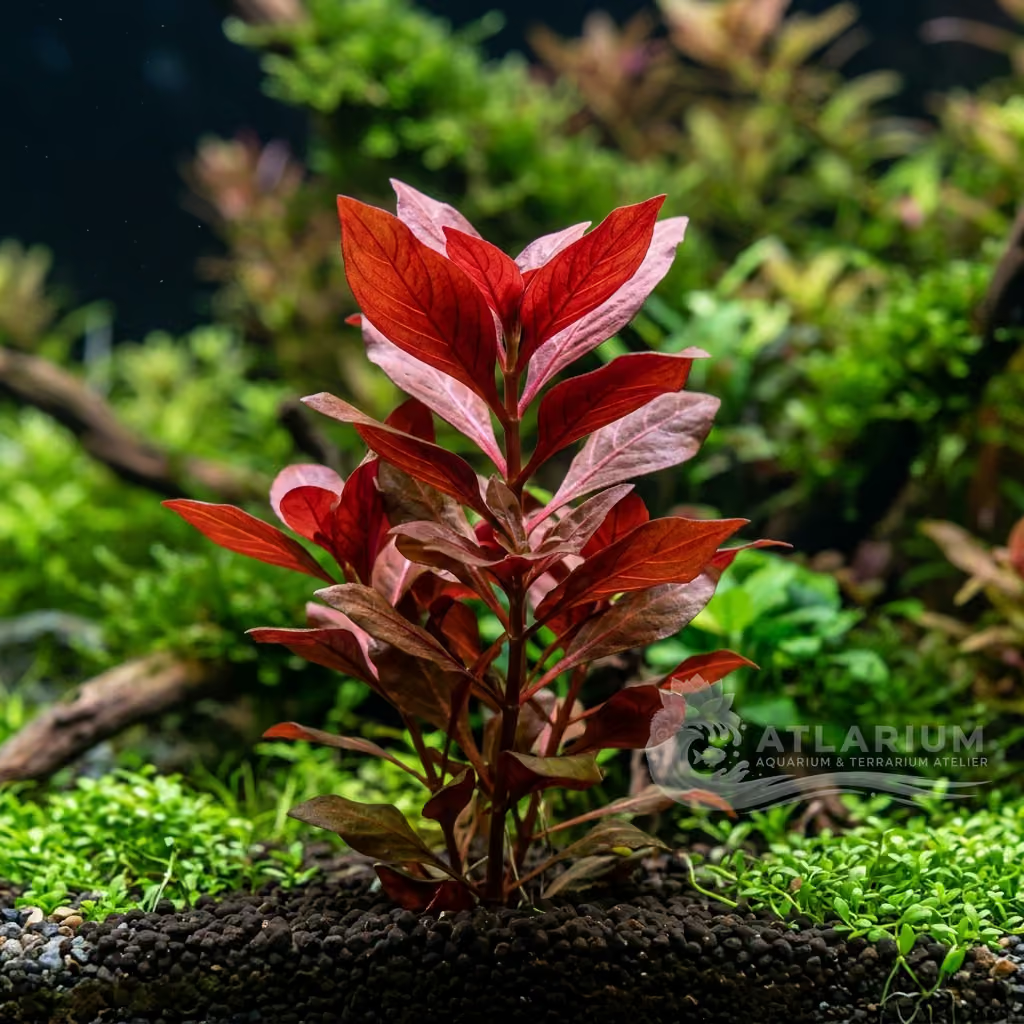
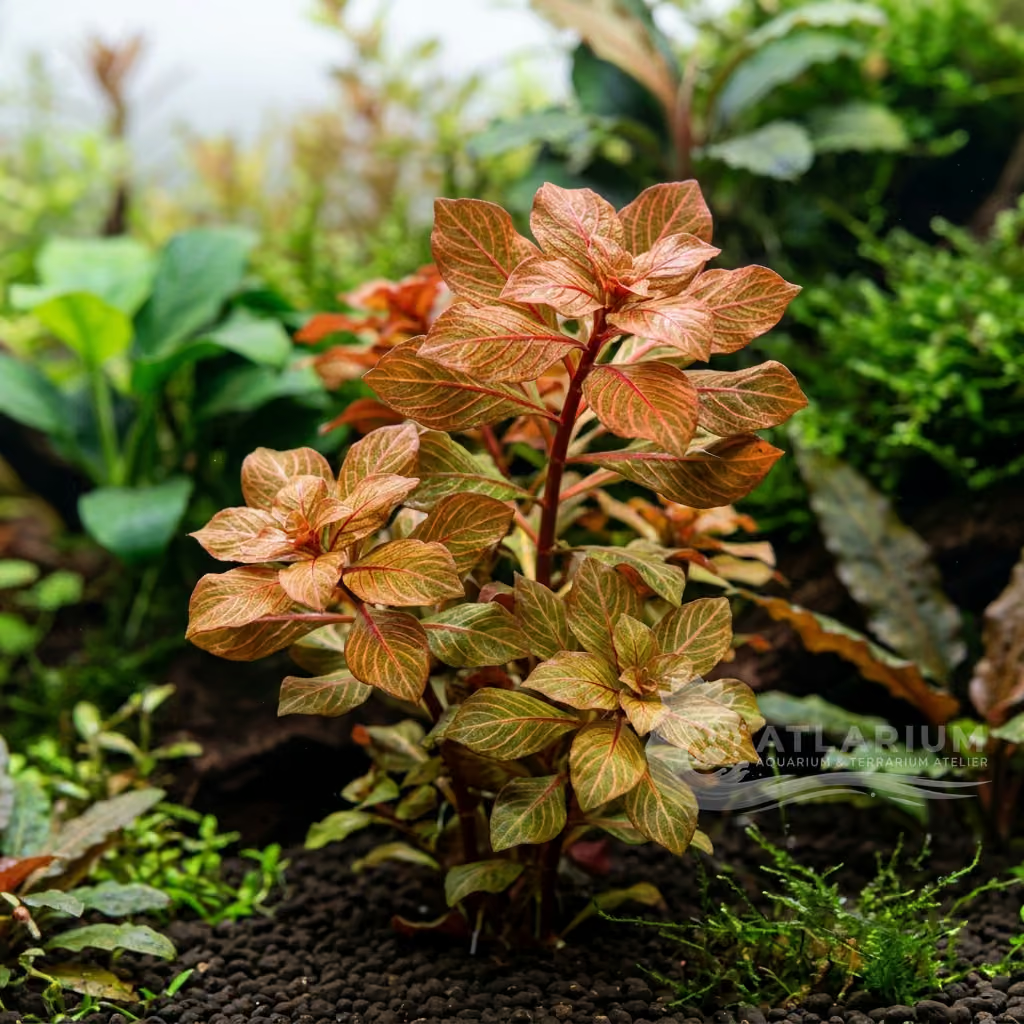
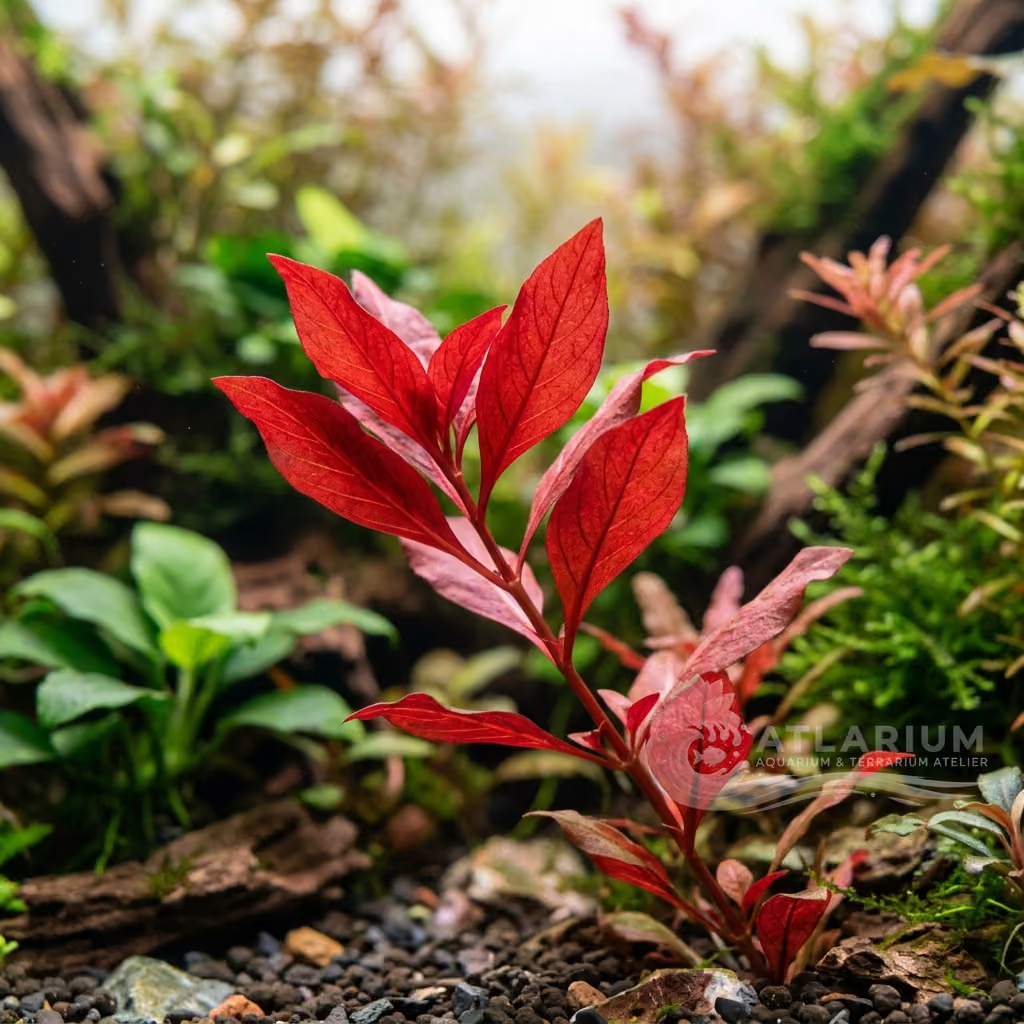
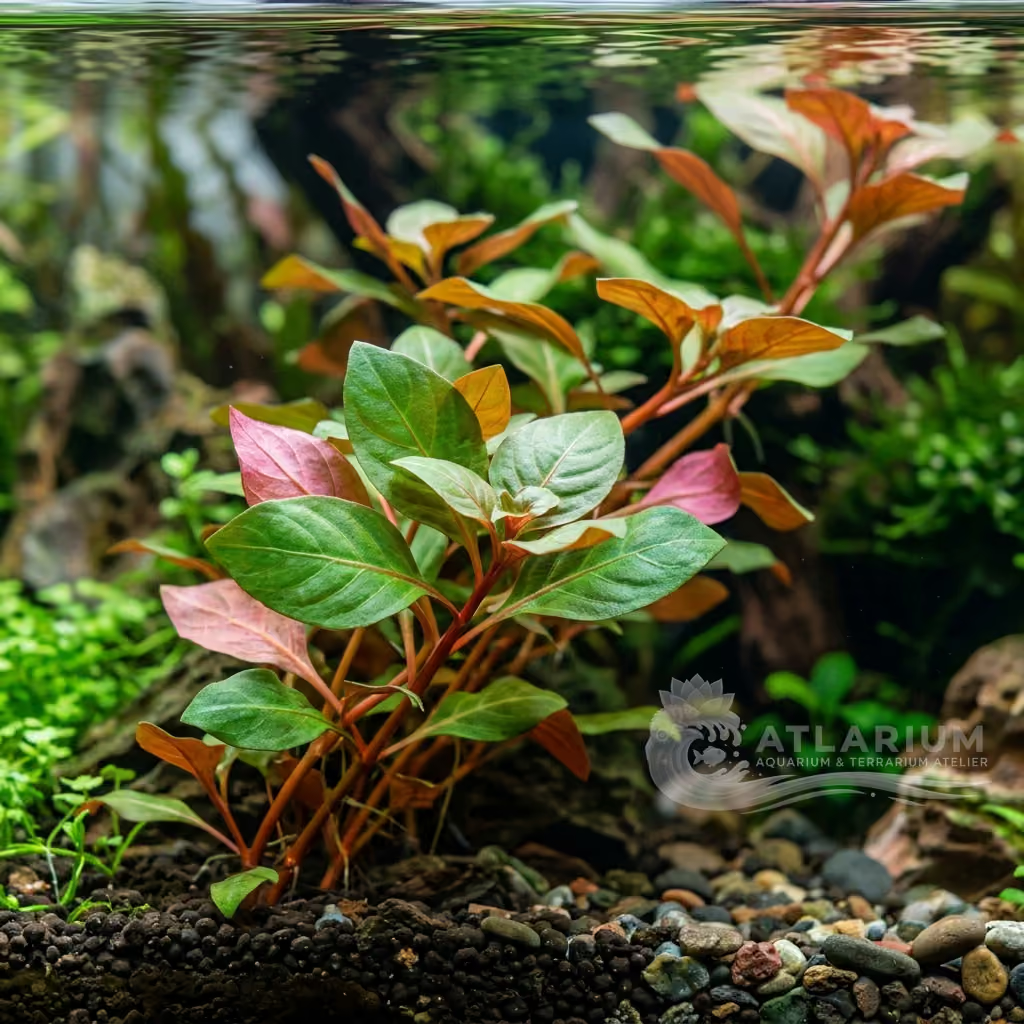
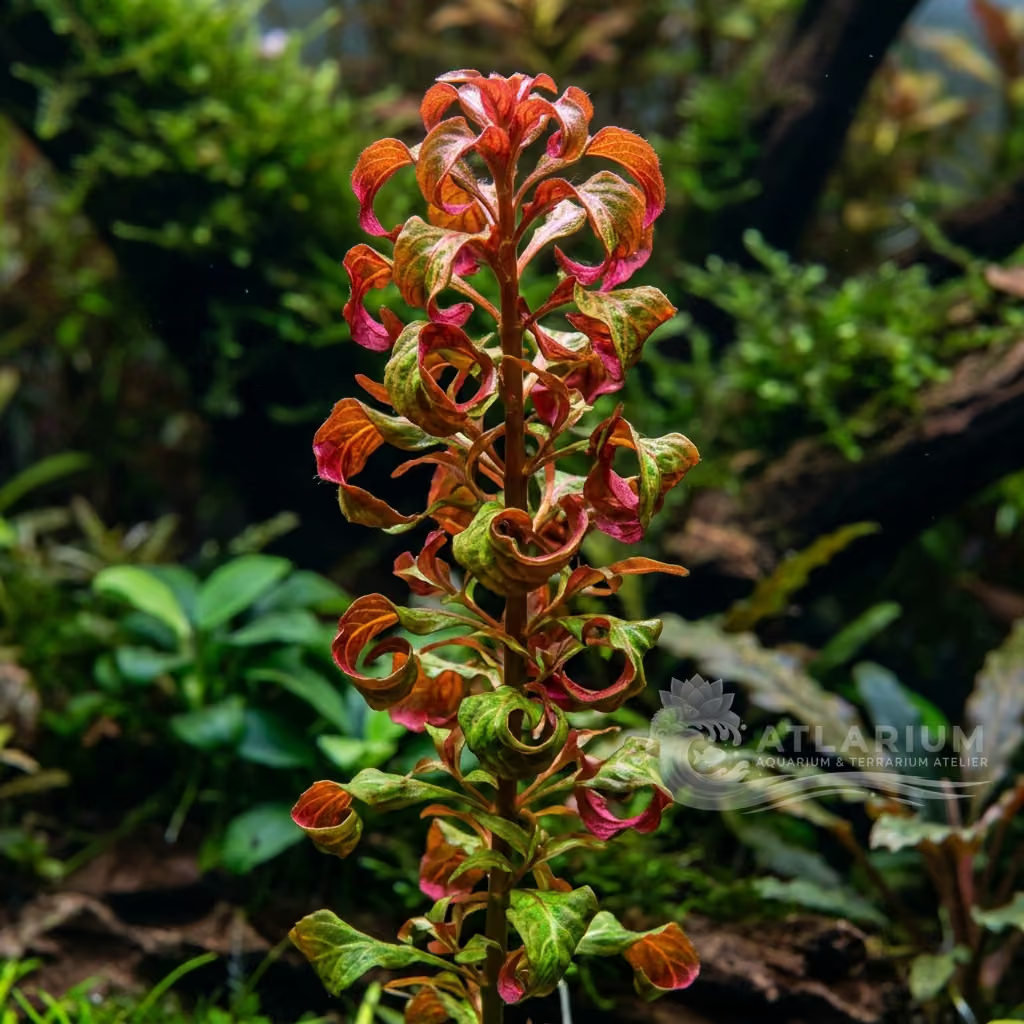
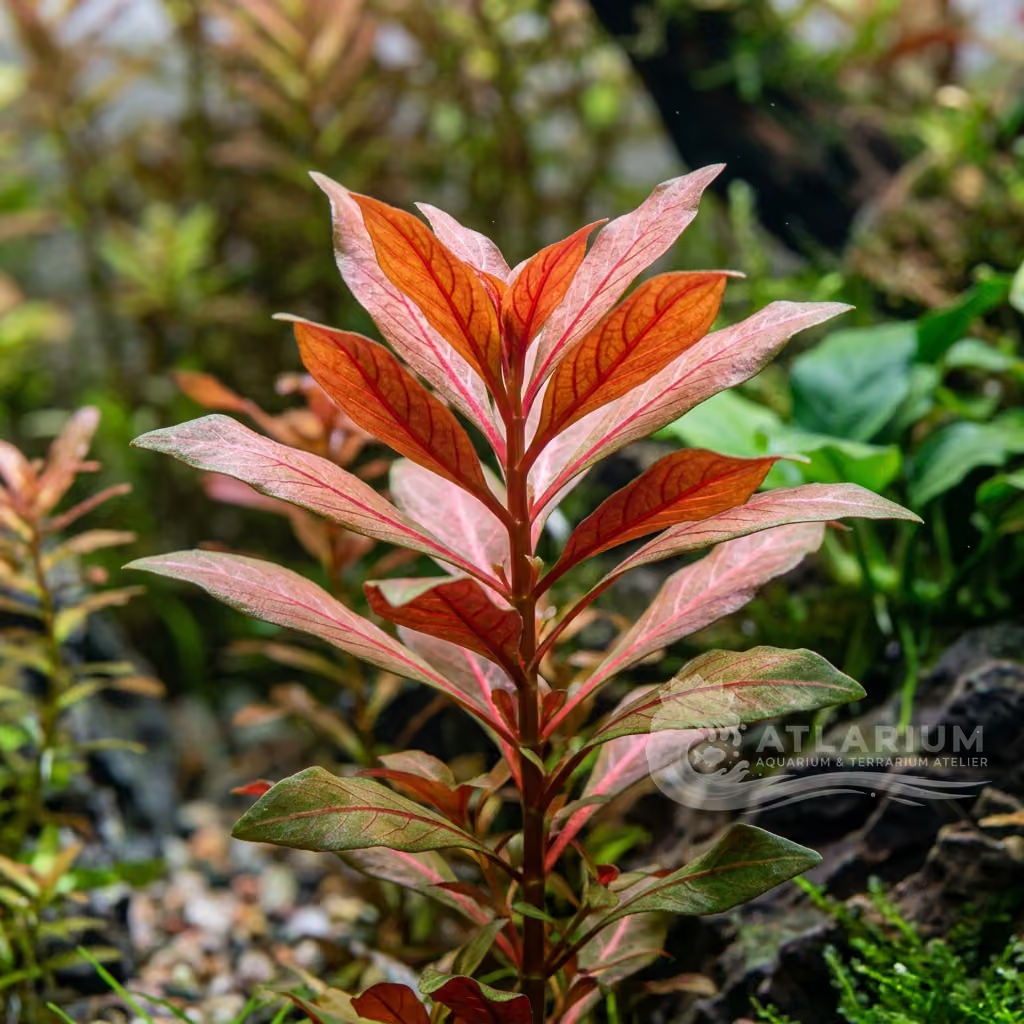
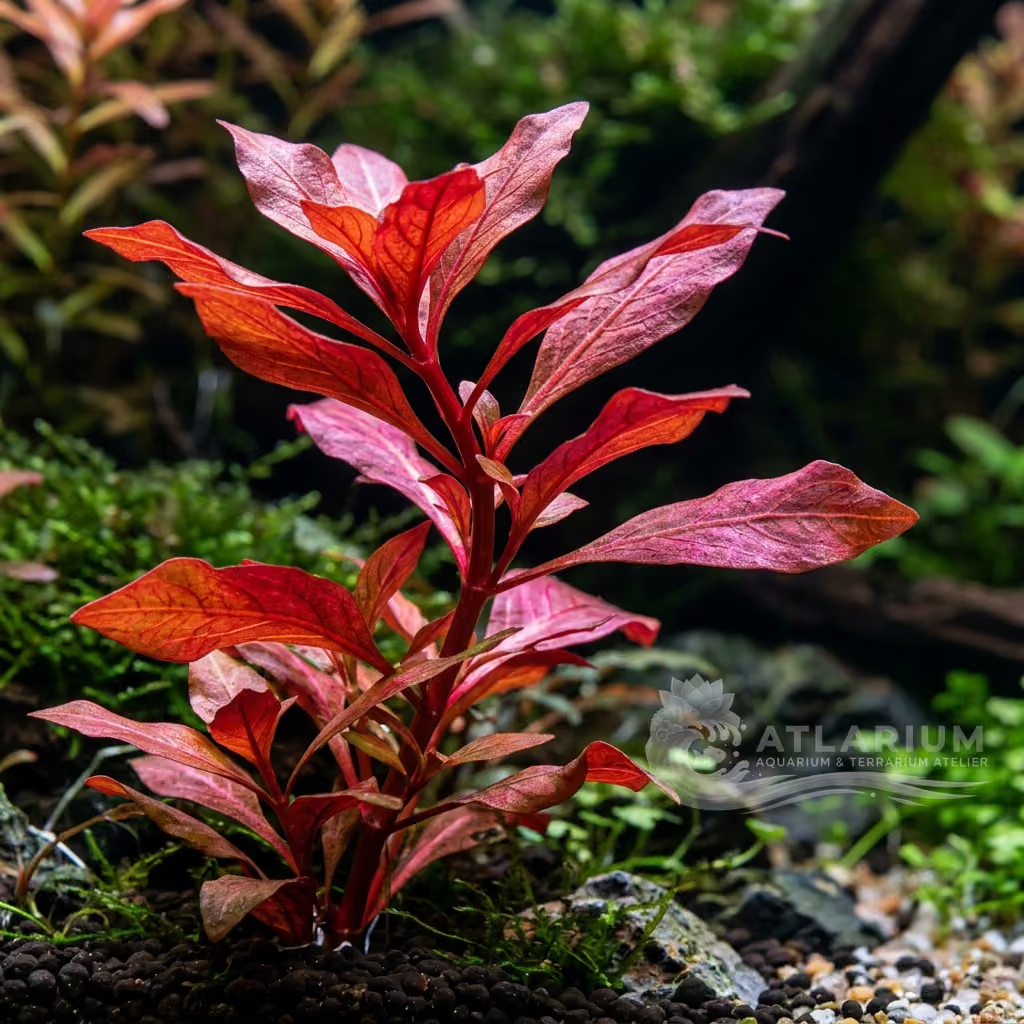
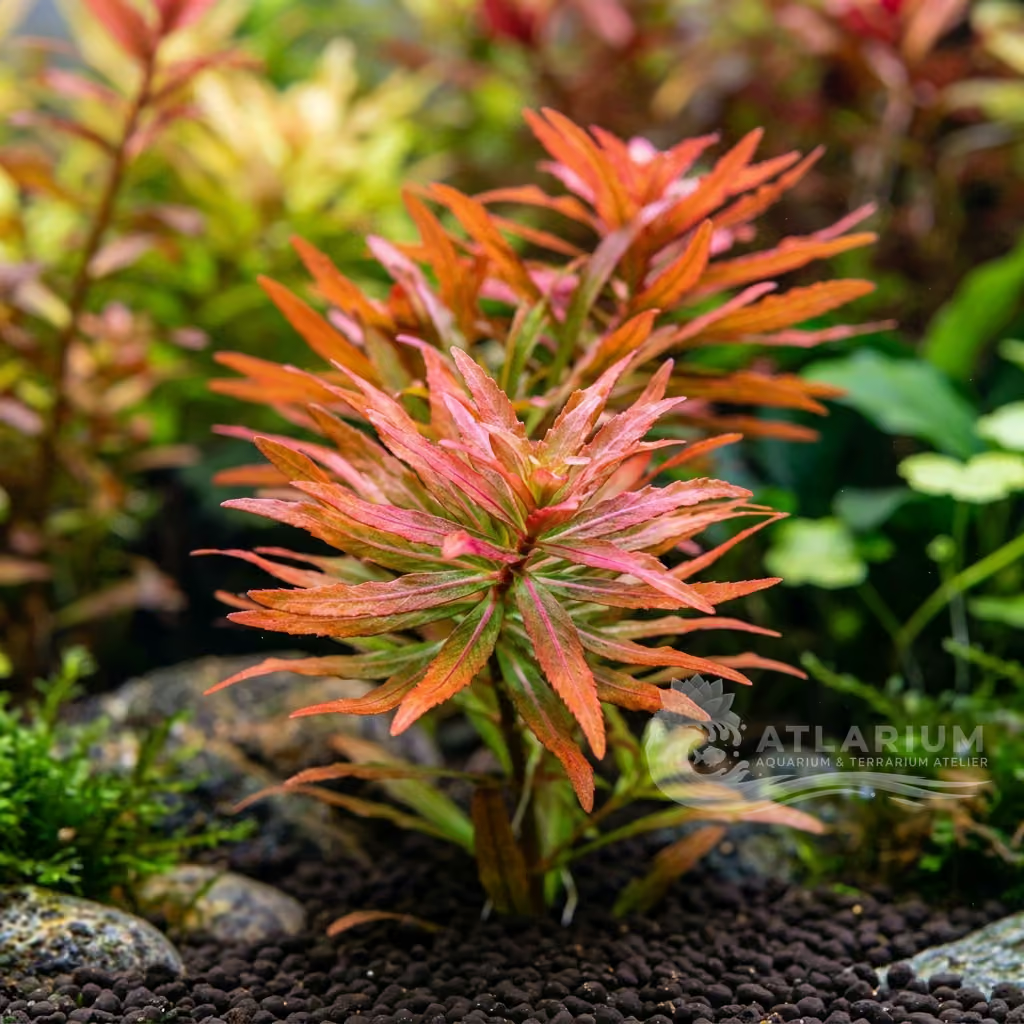
Color & Texture: The coloration of Ludwigia mullertii is one of its most distinctive features, ranging from intense green to vibrant red-orange, depending on light intensity and nutrient availability, particularly iron. The leaves often exhibit a smooth and slightly fleshy texture, which attractively reflects light under aquarium illumination. The transition in color from older to new leaves can create a dynamic visual effect, enriching the aquascape's chromatic palette. Its ability to develop red hues makes it a popular choice for creating vivid contrasts.

Cuidado, criação e companheiros de tanque
Lighting & CO2: For healthy growth and optimal coloration, Ludwigia mullertii requires medium-intensity lighting, which stimulates the development of red pigments. Insufficient light can lead to leggy stems and pale leaves, causing it to lose its vibrancy. Carbon dioxide (CO2) supplementation is highly recommended to promote robust and vigorous growth, accelerating the photosynthetic rate and allowing the plant to fully express its aesthetic potential. Good CO2 levels also prevent stunted growth and
Nutrition & Substrate: Ludwigia mullertii greatly benefits from a nutrient-rich substrate packed with essential macro and micronutrients, supporting root development and overall growth. Regular supplementation with liquid fertilizers, balanced with iron, potassium, nitrogen, and phosphorus, is crucial, especially if the substrate is inert or depleted. Iron availability is particularly critical for intensifying the red hues of the leaves, making the plant more attractive. Inadequate feeding can manifest as yellowing leaves or slow growth.
Water Chemistry: Maintaining stable water parameters is vital for the health of Ludwigia mullertii. The plant thrives within a temperature range of 20 to 28 C, a pH between 6.0 and 7.5, and a carbonate hardness (KH) between 2 and 12. Extreme or sudden fluctuations in these values can cause stress to the plant, leading to deterioration or melting of leaves. Regularly monitoring water chemistry and making small, gradual adjustments is essential to provide a stable and optimal environment.
Space Management & Placement: As a midground plant with a medium growth rate, Ludwigia mullertii should be planted in groups to create a more impactful visual effect and fill the space effectively. Allowing sufficient space between stems will permit good water circulation and light penetration, preventing mutual shading and nutrient competition. Its moderate height makes it perfect for transitions between smaller foreground plants and taller background species, contributing to the aquascape's depth. Careful layout planning maximizes its aesthetic potential.
Pruning: Regular pruning is essential to maintain the desired shape of Ludwigia mullertii and to promote bushier, denser growth. Trimming the stem tips encourages lateral branching, creating a more compact and leafy plant and preventing it from becoming overly tall and bare at the base. Pruned cuttings can be replanted into the substrate to propagate the plant or to further thicken the existing group. This process not only enhances aesthetics but also strengthens the overall health of the plant.
Risks & Diseases: Ludwigia mullertii is generally robust, but it can be susceptible to nutrient deficiencies, manifesting as chlorosis or leaf necrosis, or to algae attacks in the presence of nutrient or light imbalances. Sudden "melting" can occur during adaptation to new aquatic conditions, especially if the plants were grown emersed. It is crucial to ensure a stable environment and carefully monitor the plant for signs of stress or disease. Maintaining consistent water parameters and proper fertilization significantly reduces these risks.

Origem e distribuição geográfica
Many Ludwigia species are native to tropical and subtropical regions worldwide, commonly found in swamps, river margins, and ponds. Ludwigia mullertii, like its congeners, thrives in slow-flowing or stagnant freshwater bodies where sunlight can penetrate relatively well. These natural conditions shape its adaptability to various aquatic environments, though it prefers stability and nutrient-rich surroundings. Its presence in such habitats contributes significantly to biodiversity and ecological balance.
Origem
Amazônia, Orinoco e GuianasExtra-Amazônica América do Sul

Perfil da planta
- Posicionamento
- Plano intermediário
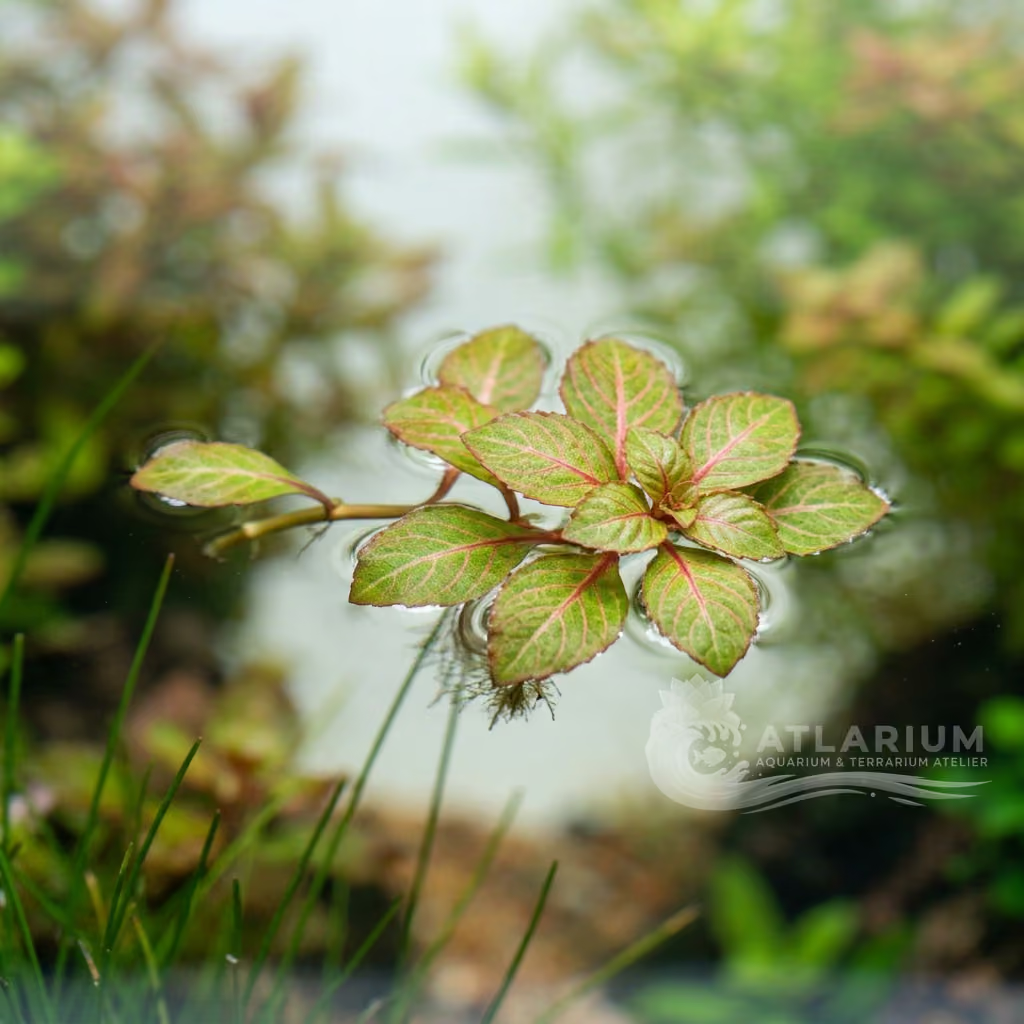
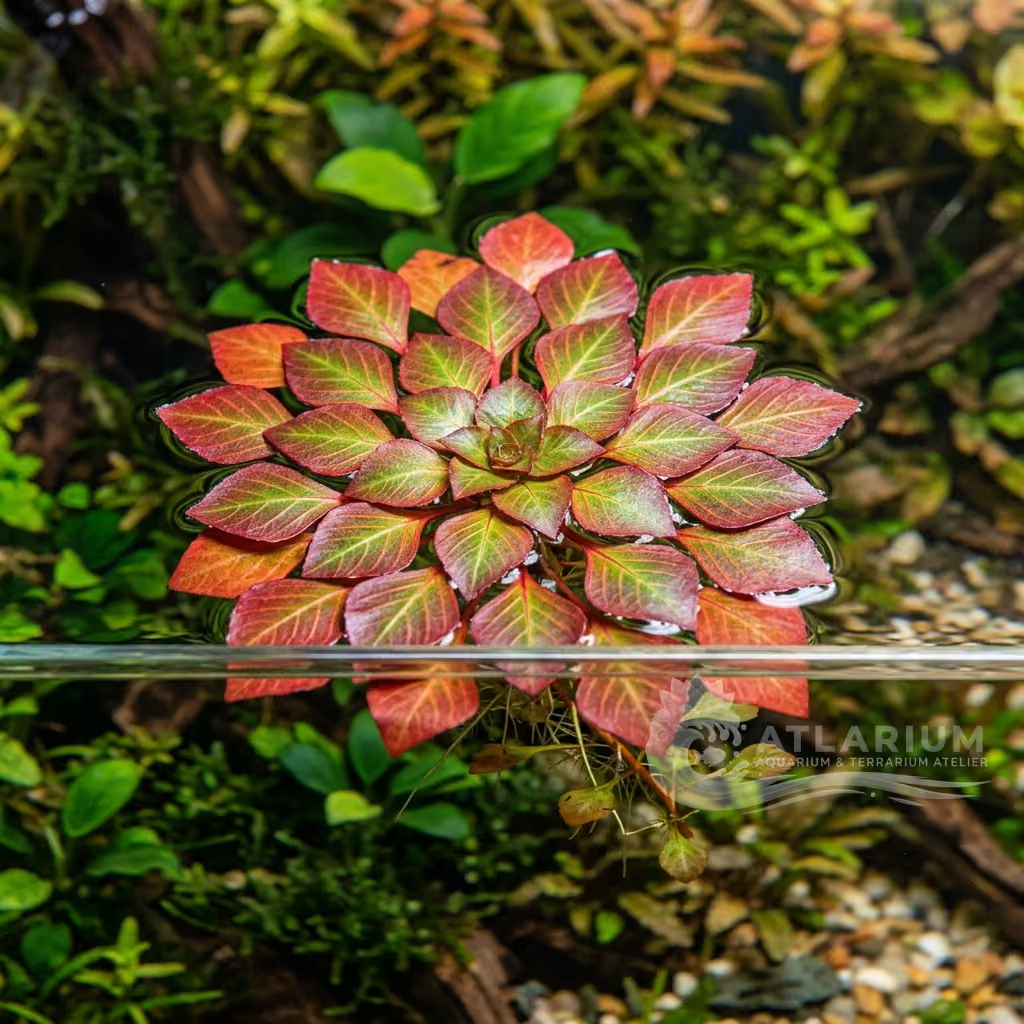
- This plant is highly versatile and can be used in the midground or background of the aquarium, depending on the tank's size. Grouping several stems together creates a vibrant and bushy focal point. It can also be allowed to float at the surface, where it provides excellent cover for fry.
- Forma botânica
- Caule
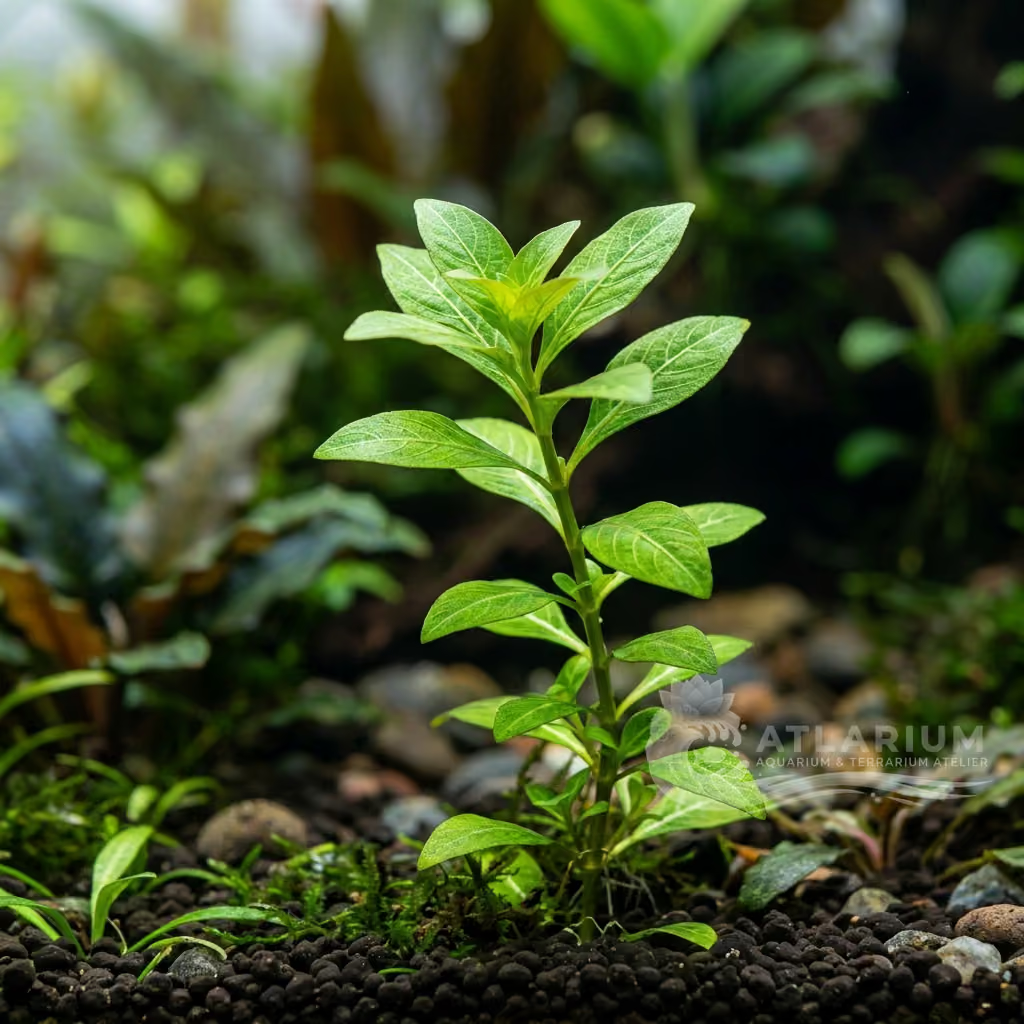
- It features oppositely arranged, slightly elongated oval leaves that grow along a sturdy stem. The leaf color can vary from olive green to a deep, rusty red depending on the intensity of the light it receives. The stems themselves often take on a reddish hue under optimal conditions.
- Crescimento
- Média
- It boasts a fast growth rate, especially when provided with strong lighting and a nutrient-rich environment. In low-tech setups without CO2 injection, it still grows steadily, albeit at a slightly slower pace. Frequent pruning will be necessary to manage its rapid upward and lateral spread.
- Substrato
- Média
- Benefits from a balanced, moderately fertile substrate like aqua soil or sand supplemented with root tabs. Its roots are adaptable and will quickly anchor into a 1.5 to 2-inch substrate bed, drawing essential nutrients for steady growth. Providing a nutrient-rich base ensures stronger stem development and more vibrant leaf coloration.
- Fertilização de coluna
- Recomendada
- Liquid fertilization is beneficial but not strictly necessary if the aquarium has a moderate fish bioload to provide natural waste. Occasional dosing of a comprehensive fertilizer will prevent nutrient deficiencies and support robust leaf development. Iron supplements are the most effective way to encourage its red pigmentation.
- Fertilização radicular
- Nenhuma
- While it can absorb nutrients through its leaves, it forms a robust root system when planted in a nutrient-rich substrate. Root tabs can be used to promote thicker stems and larger leaves, especially in tanks with inert gravel or sand. A fertile substrate also helps establish new cuttings more quickly.
- Corte
- Ocasional
- Regular trimming is essential to prevent the plant from becoming leggy and shading out its own lower leaves. Cutting the top portions and replanting them is an excellent way to maintain a fresh, compact look. The remaining lower stems will quickly sprout multiple side shoots, increasing the bushiness of the group.
- Propagação
- Estacas
- Propagation is incredibly simple and is done by taking cuttings from healthy stems. Plant the cut ends into the substrate, and they will root within a few days. Even floating cuttings will rapidly develop roots and can be planted once established.
- Sensibilidade
- Moderada
- Ludwigia mullertii is known for its hardiness and tolerance to a wide range of water parameters, making it ideal for beginners. It is not particularly sensitive to fluctuations in pH or hardness. However, insufficient light will cause it to lose its reddish coloration and revert to a plain green hue.
- Função de layout
- Plano intermediário, Fundo
- It acts as a reliable and colorful filler plant that adds volume and texture to the aquascape. Its reddish tones provide a beautiful contrast against light green background plants or dark hardscape materials. It is perfect for creating dense, natural-looking thickets in a variety of aquascaping styles.

Espécies relacionadas
Recomendações agrupadas por parentes próximos, escolhas de acompanhantes e cuidados semelhantes.