Madagascar Lagarosiphon
Lagarosiphon madagascariensis
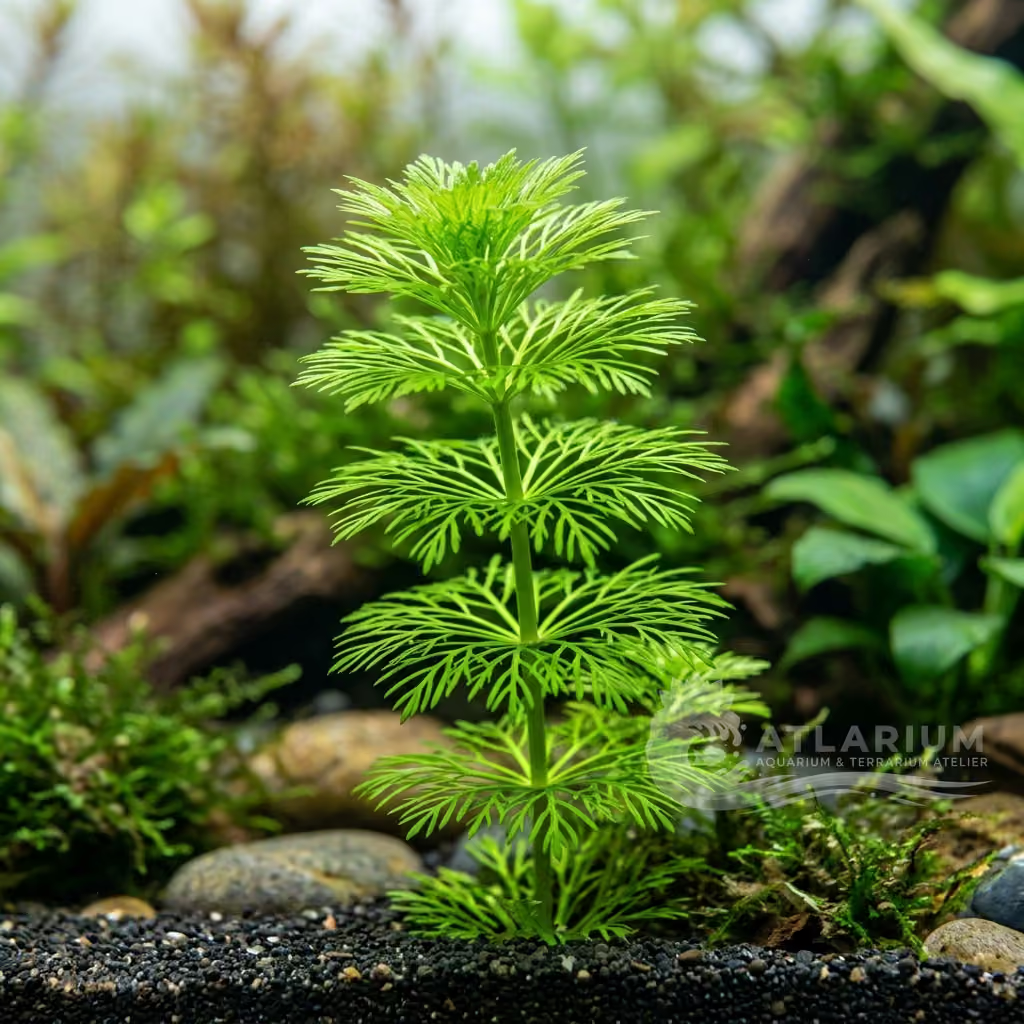
Endemic to Madagascar, this fast-growing stem plant has fine, thread-like leaves. It thrives in soft, acidic waters, demanding high light and CO2 injection to form lush, bright green thickets.
Temperatura da água
18 - 30 °C
Valor de pH
5.5 - 7
Tipo de água
Água doce
Luz
Alta
CO2
Média - Alta
GH
4 - 15 dGH
KH
2 - 10 dKH

Descrição da espécie
Geographical Origin and Habitat: Lagarosiphon madagascariensis is endemic to the island of Madagascar, where it grows in shallow, warm, flowing or standing waters that are typically very low in mineral content (soft water). This species inhabits channels, slow-flowing rivers, and lake shores that are well-lit by the tropical sun. The warm climate and direct sun exposure of its native habitat explain its rapid metabolism and preference for warm, stable aquatic conditions.
Taxonomy & Genetics: It belongs to the Hydrocharitaceae family, which also includes well-known aquatic genera such as Elodea and Vallisneria. The genus Lagarosiphon is distinguished by its leaf arrangement and reproductive characteristics. Genetically, this plant is highly adapted to high rates of photosynthesis, which is reflected in its rapid vertical growth when provided with abundant light and nutrients.
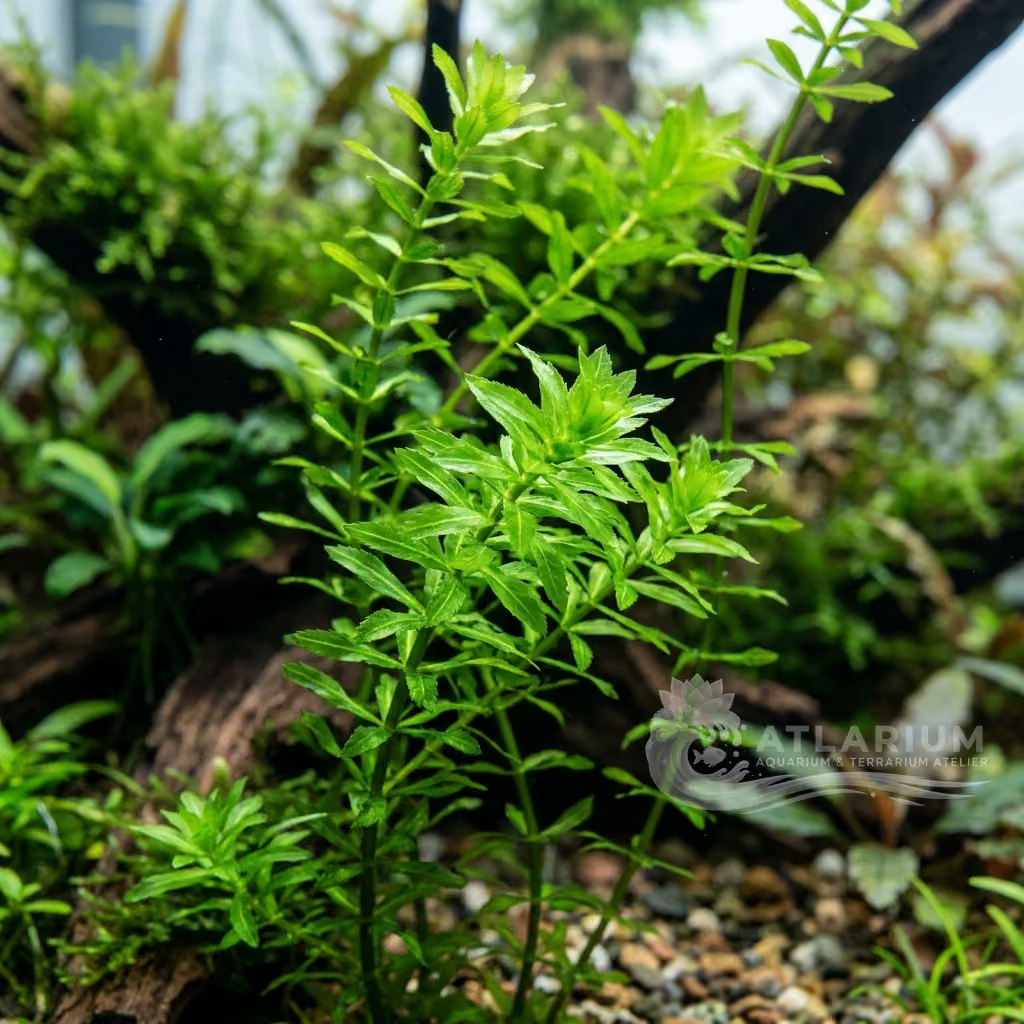
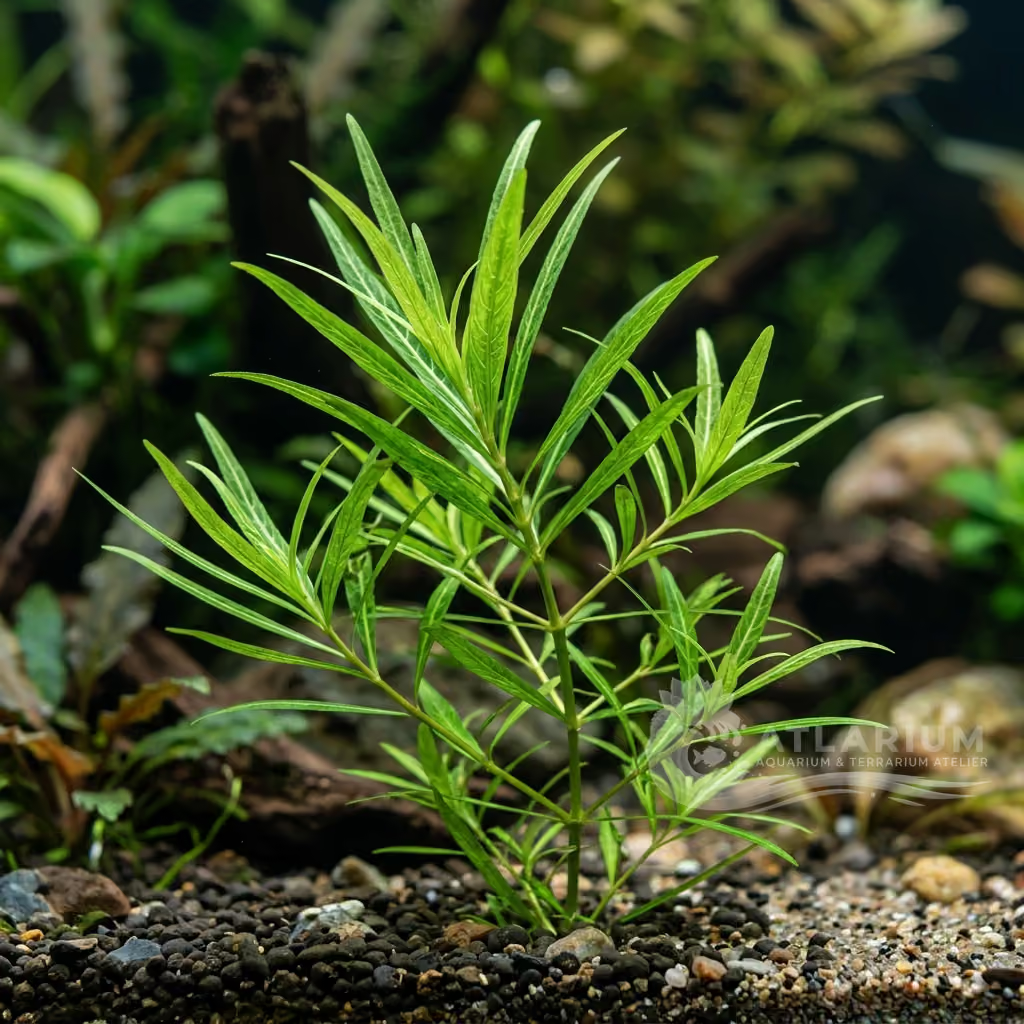
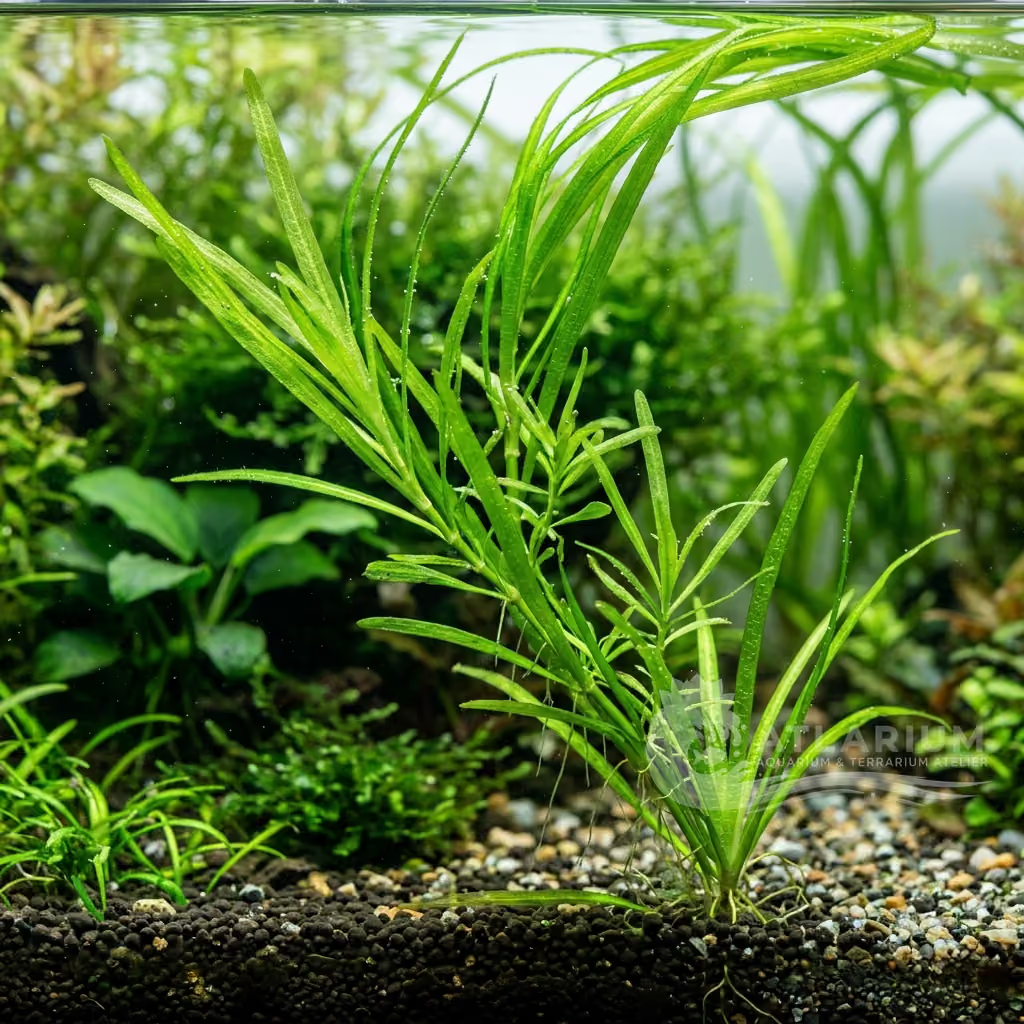
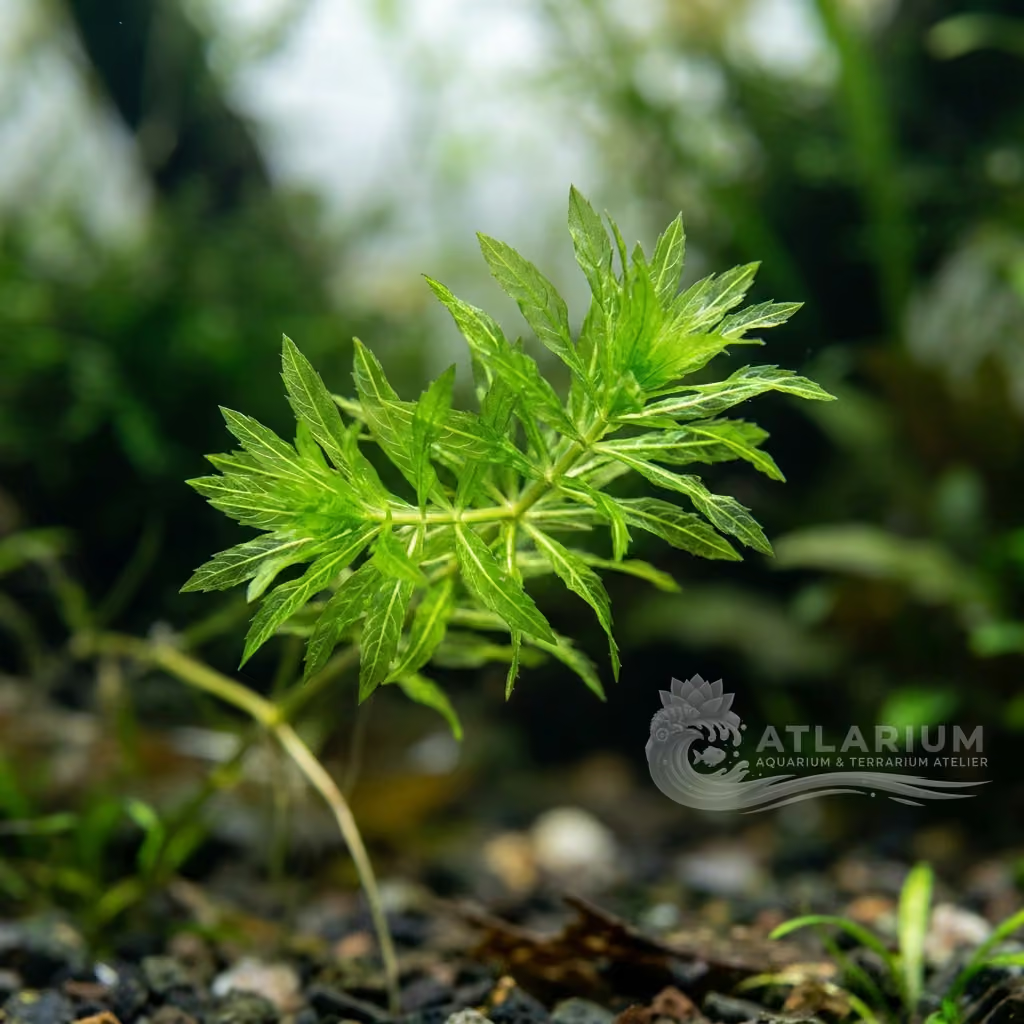
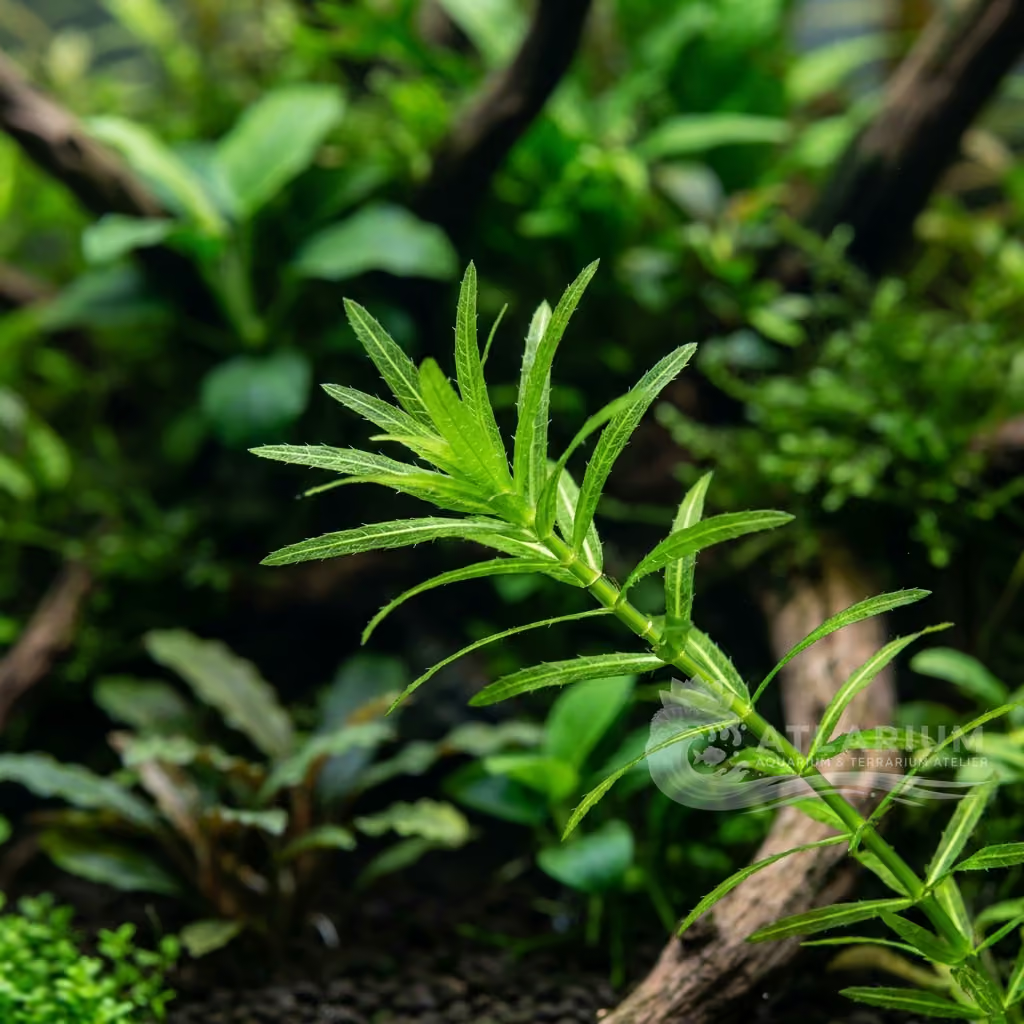
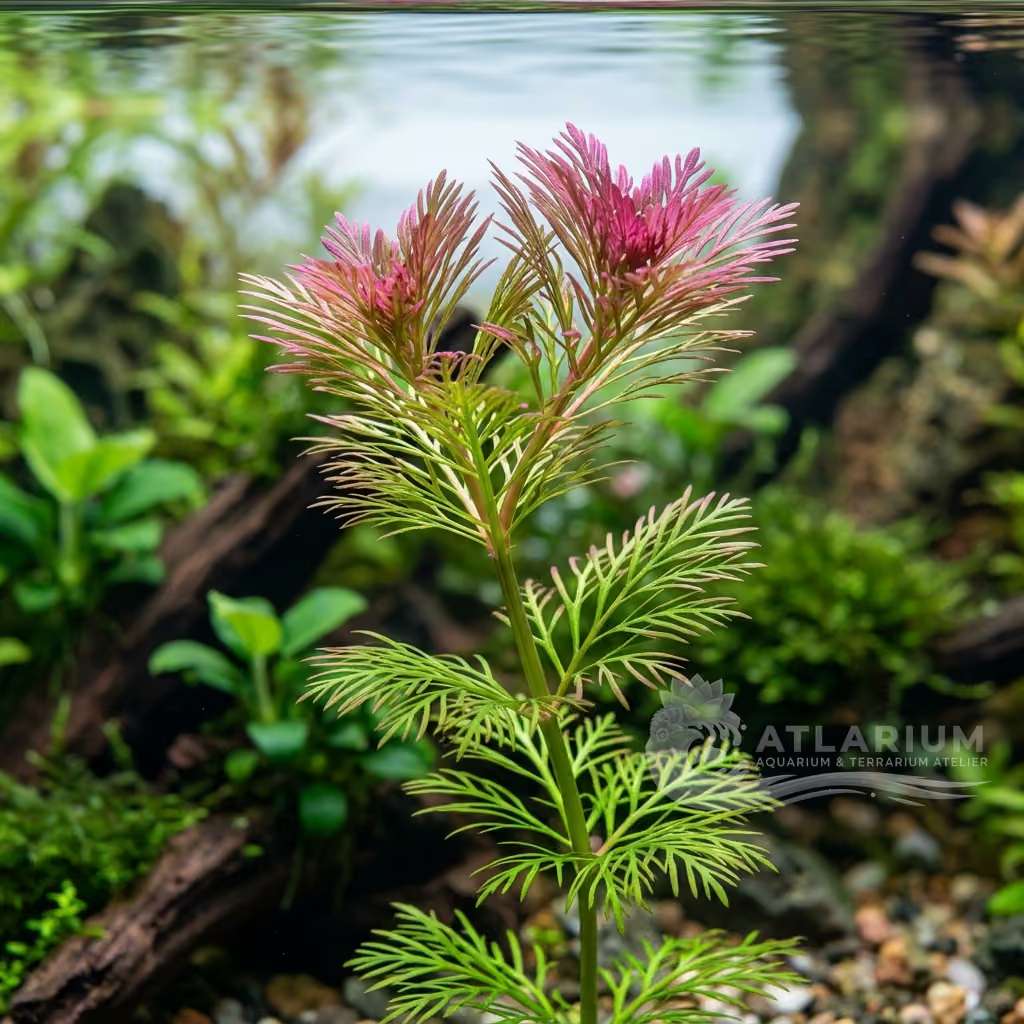
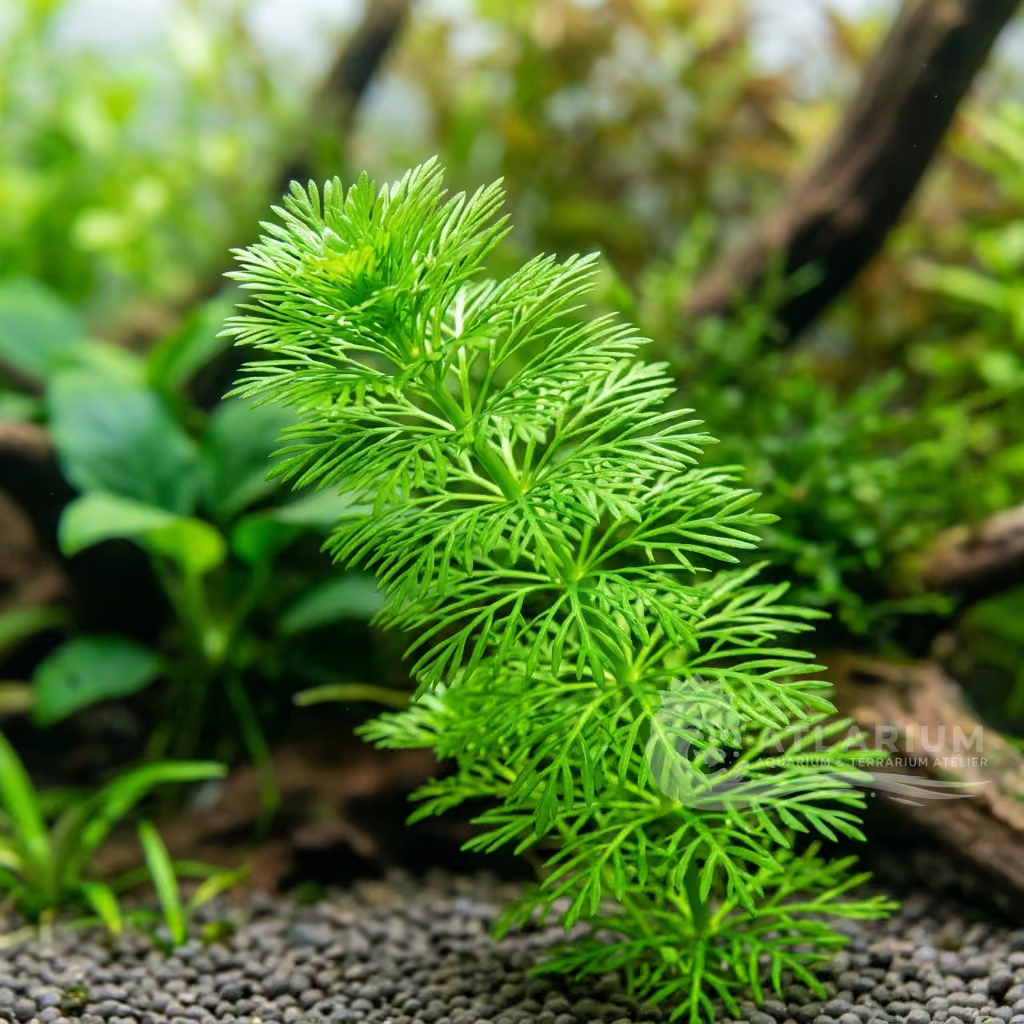
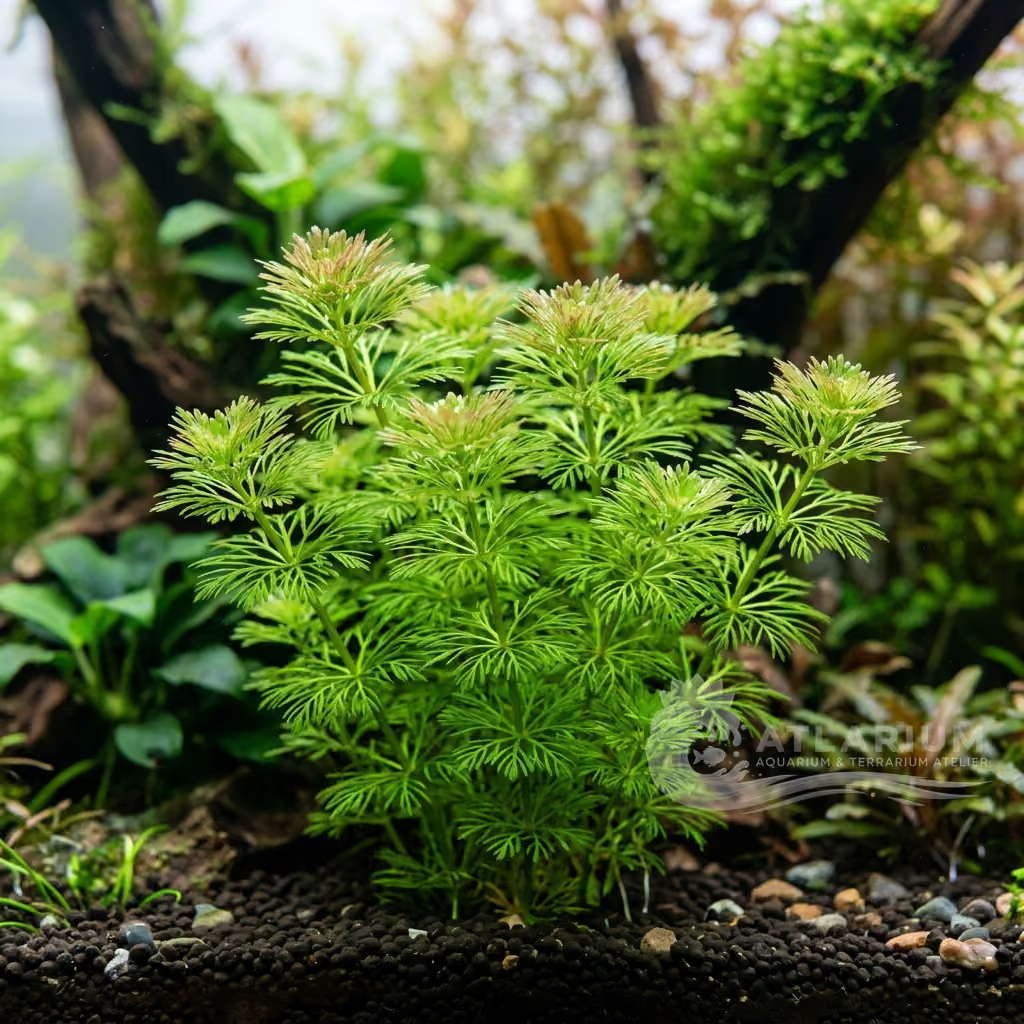
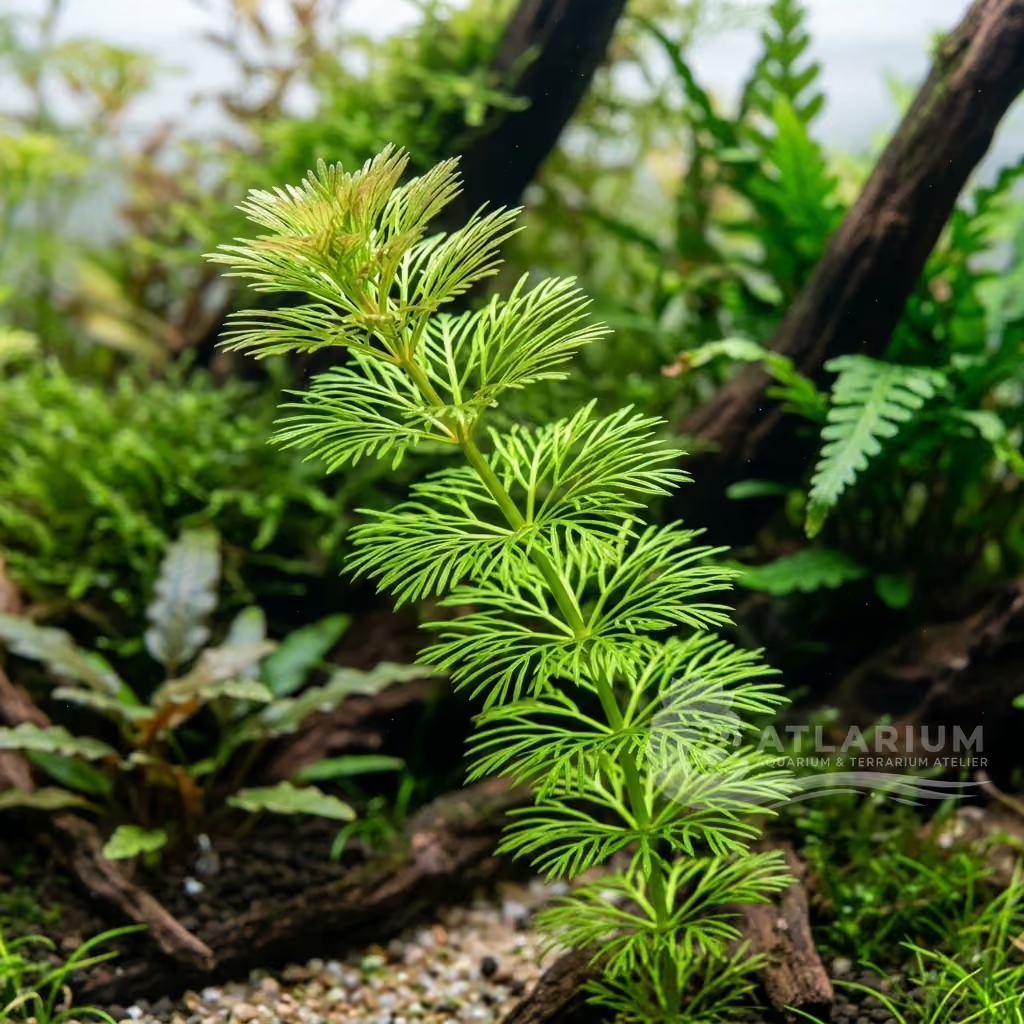
Physical Structure: The plant features extremely thin, delicate, and flexible stems that grow straight up toward the water surface. The leaves are arranged spirally along the stem, short, thread-like, and curved sharply downward. The entire stem is highly fragile and can break easily if handled roughly or exposed to strong currents from filter outputs.
Color & Texture: The color of Lagarosiphon madagascariensis is a bright, light green, turning almost golden under intense light. The leaf texture is translucent and delicate, giving the group a soft, airy, and cloud-like appearance. The combination of downward-curled leaves and slender stems creates an effect of exceptional visual lightness, unique among aquatic stem plants.

Cuidado, criação e companheiros de tanque
Lighting & CO2: This species requires high-intensity lighting to prevent the stems from becoming leggy and shedding their lower leaves. Gaseous CO2 injection is considered essential for successful, long-term cultivation; it helps stabilize stem development and prevents yellowing and subsequent decay of the plant tissue.
Nutrition & Substrate: Although it absorbs most of its nutrients directly from the
Water Chemistry: It prefers soft, acidic water, with an optimal pH range of 5.5 to 7.0 and low KH (2-10). The ideal temperature ranges from 18 to 30 °C, making it one of the more heat-tolerant tropical stem plants. It does not tolerate hard, alkaline water, which can cause its delicate stem tissues to rapidly melt.
Space Management & Placement: The ideal placement is in the background or as a dense group in the midground. Due to its very fast growth rate, it can quickly shade and crowd out neighboring plants. It should be planted with space between individual stems to ensure that light can penetrate to the base of the group.
Pruning: Frequent pruning is necessary due to the rapid growth rate. Trim the top portion of the stems (the tips) and replant them in the substrate to propagate the plant, discarding the lower woody or bare sections if necessary. Use extremely sharp scissors to avoid crushing the delicate, thin stems during trimming.
Risks & Diseases: The greatest risk is nutrient starvation, which shows as stunted growth and melting of the stems starting from the tips. It is also prone to accumulating hair algae among its dense leaves if water nutrients are unbalanced or if lighting is too high relative to available CO2.

Origem e distribuição geográfica
Lagarosiphon madagascariensis is endemic to the island of Madagascar, where it grows in shallow, warm, flowing or standing waters that are typically very low in mineral content (soft water). This species inhabits channels, slow-flowing rivers, and lake shores that are well-lit by the tropical sun. The warm climate and direct sun exposure of its native habitat explain its rapid metabolism and preference for warm, stable aquatic conditions.
Origem
África e Madagascar

Perfil da planta
- Posicionamento
- Plano intermediário
- This plant is ideal for the midground or background of the aquascape. Due to its extremely fine texture, it looks best when planted in dense, compact groups. It can be used to create soft, undulating bushes that contrast well with hardscape materials.
- Forma botânica
- Caule
- The plant features exceptionally fine, almost hair-like leaves that grow densely along thin stems. It possesses a very delicate and fragile appearance, moving gracefully with the water current. When grown compactly, it forms beautiful, bright green tufts.
- Crescimento
- VERY_FAST
- It is known for its incredibly fast growth rate under optimal conditions. Frequent pruning is a necessity, sometimes requiring weekly maintenance in high-tech setups. Its rapid nutrient uptake makes it a great ally in preventing algae blooms.
- Substrato
- Baixa
- Lagarosiphon madagascariensis possesses a relatively light root system that mainly functions to anchor the plant against water currents. It adapts well to inert substrates like fine sand or gravel, relying heavily on the water column for nutrient uptake. A shallow substrate depth of a few centimeters is perfectly adequate to secure the stems, with no need for specialized nutrient-rich aqua soils.
- Fertilização de coluna
- Recomendada
- This species primarily draws its nutrients directly from the water column. Consistent dosing of NPK and trace elements is vital to support its high metabolic rate. Without adequate water column fertilization, it will deteriorate rapidly.
- Fertilização radicular
- Nenhuma
- While it roots readily in the substrate, root fertilization is secondary to water column dosing. A nutrient-rich soil can provide a helpful buffer and improve stability. However, the plant relies on its leaves for the majority of its nutrient absorption.
- Corte
- Ocasional
- Trimming is best done by completely removing the top portions and either discarding the old lower stems or replanting the tops. Continuously trimming the tops while leaving the bases can lead to unsightly, bare lower stems over time. Replanting healthy tops ensures the group remains vibrant and bushy.
- Propagação
- Estacas
- Propagation is very simple through stem cuttings. Simply snip a healthy top shoot and insert it gently into the substrate using tweezers. The cutting will quickly establish a root system and continue its rapid upward growth.
- Sensibilidade
- Moderada
- Lagarosiphon madagascariensis is quite demanding and sensitive to poor conditions. It requires high light levels and consistent CO2 injection to maintain its compact form and health. It is also sensitive to sudden fluctuations in water chemistry and can melt if parameters swing drastically.
- Função de layout
- Plano intermediário, Fundo
- Its primary role is providing a very fine, bright green textural element in the midground to background. It excels at softening the edges of rocks or driftwood. It is highly valued in nature aquarium styles for its delicate and ethereal appearance.

Espécies relacionadas
Recomendações agrupadas por parentes próximos, escolhas de acompanhantes e cuidados semelhantes.