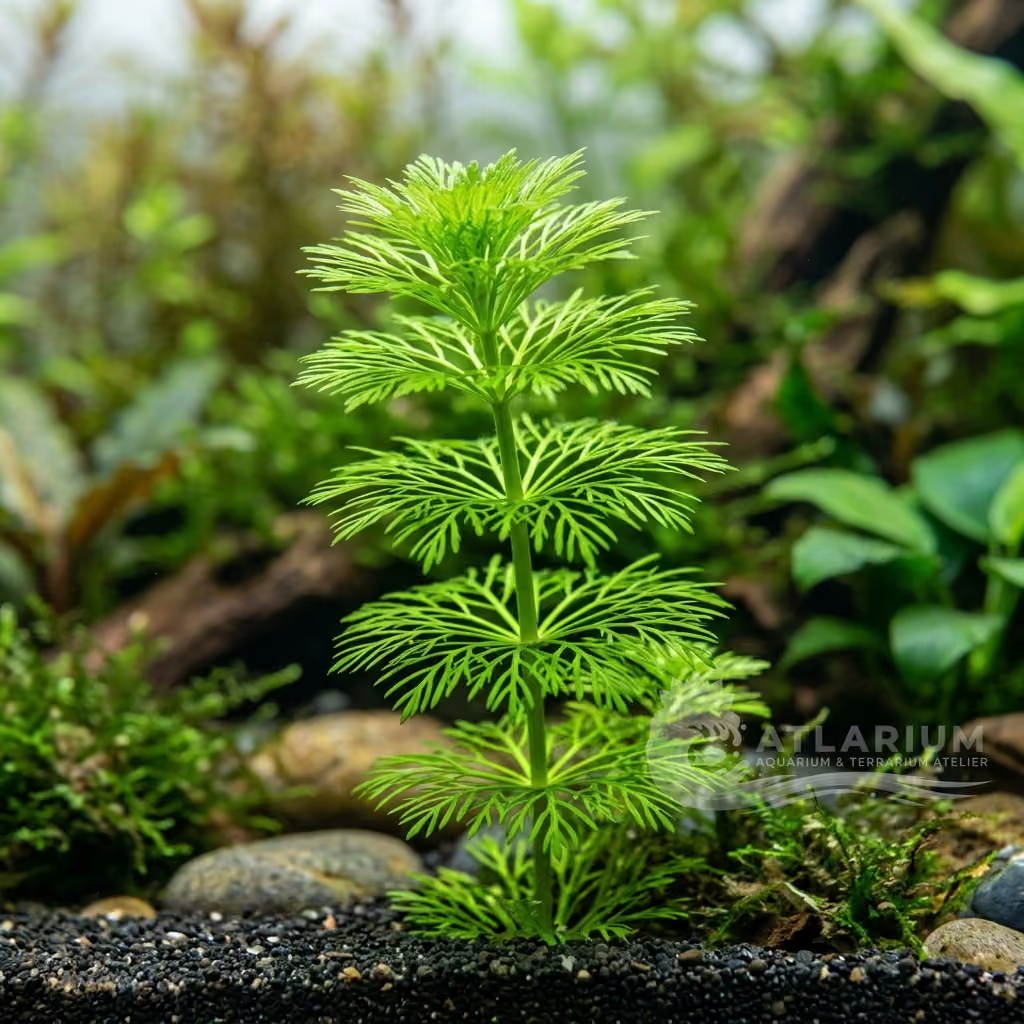
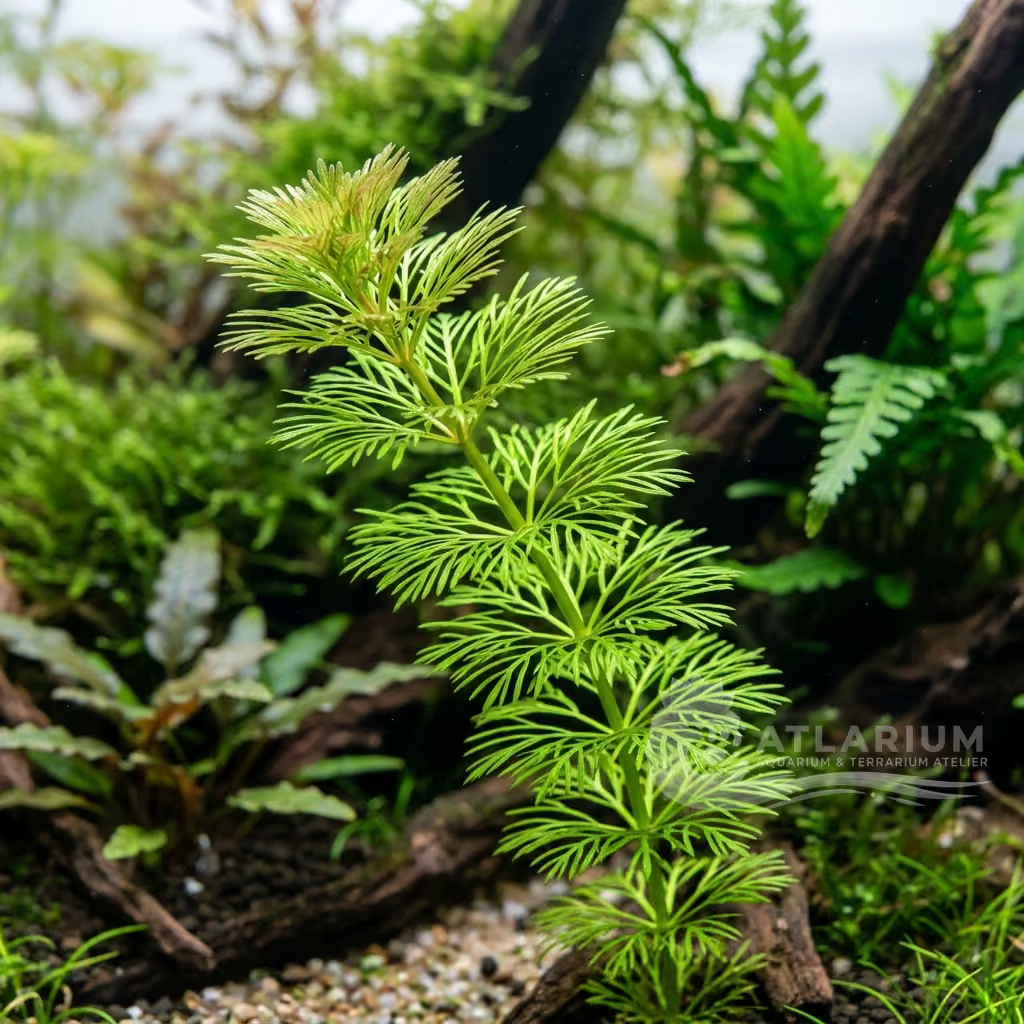
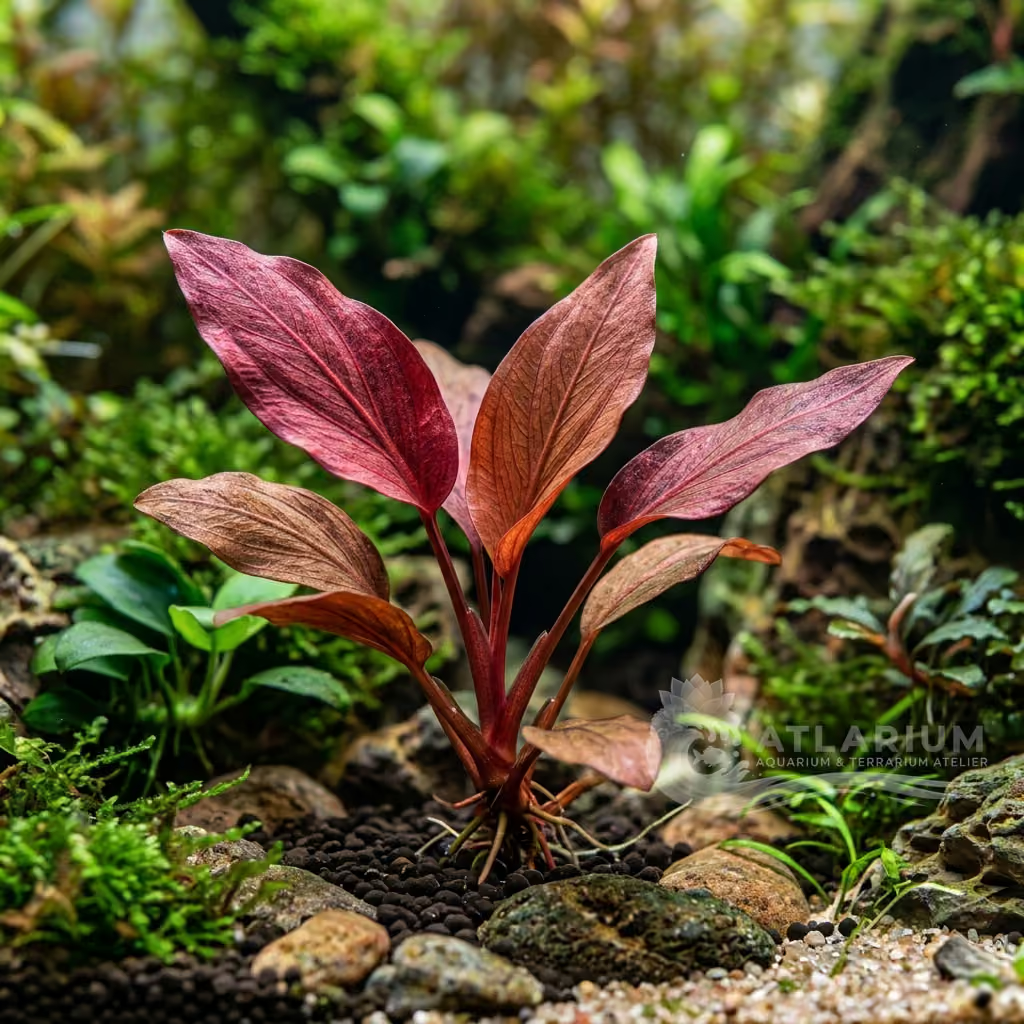
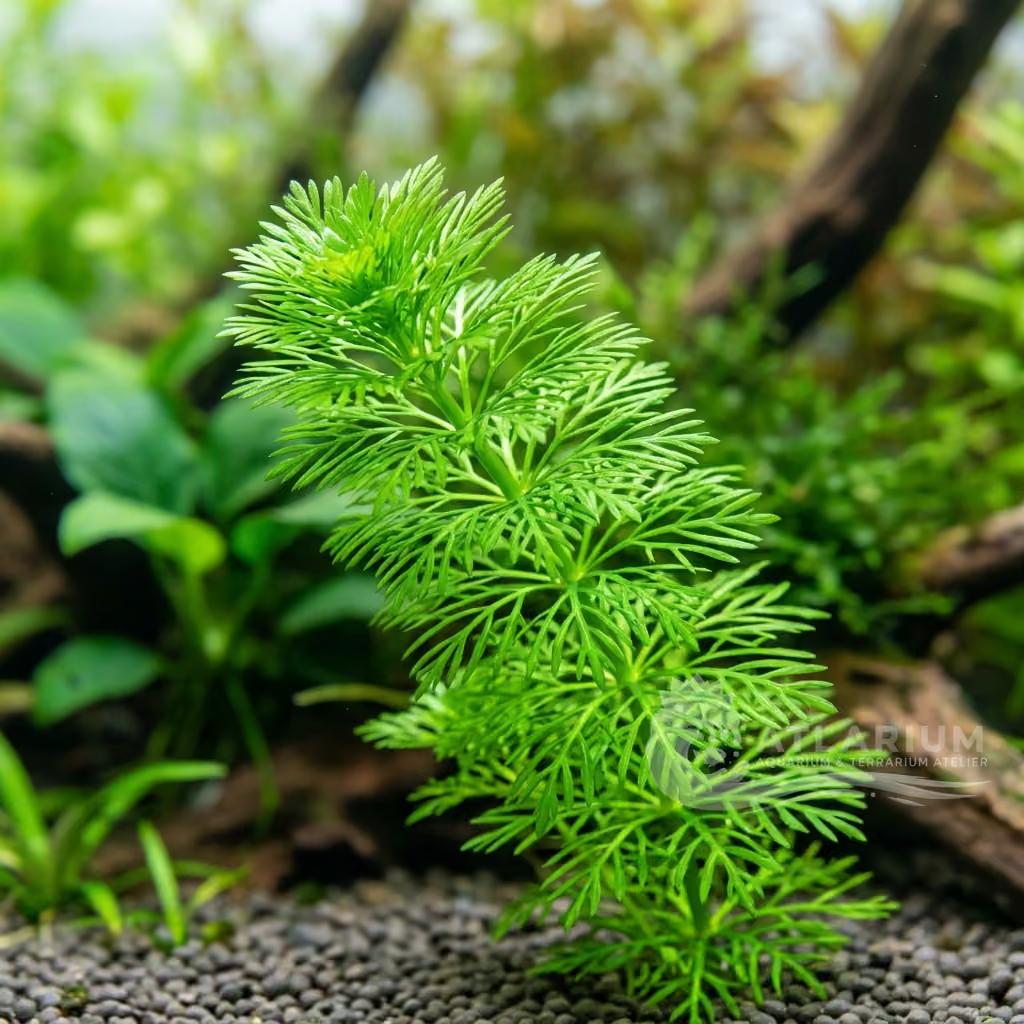
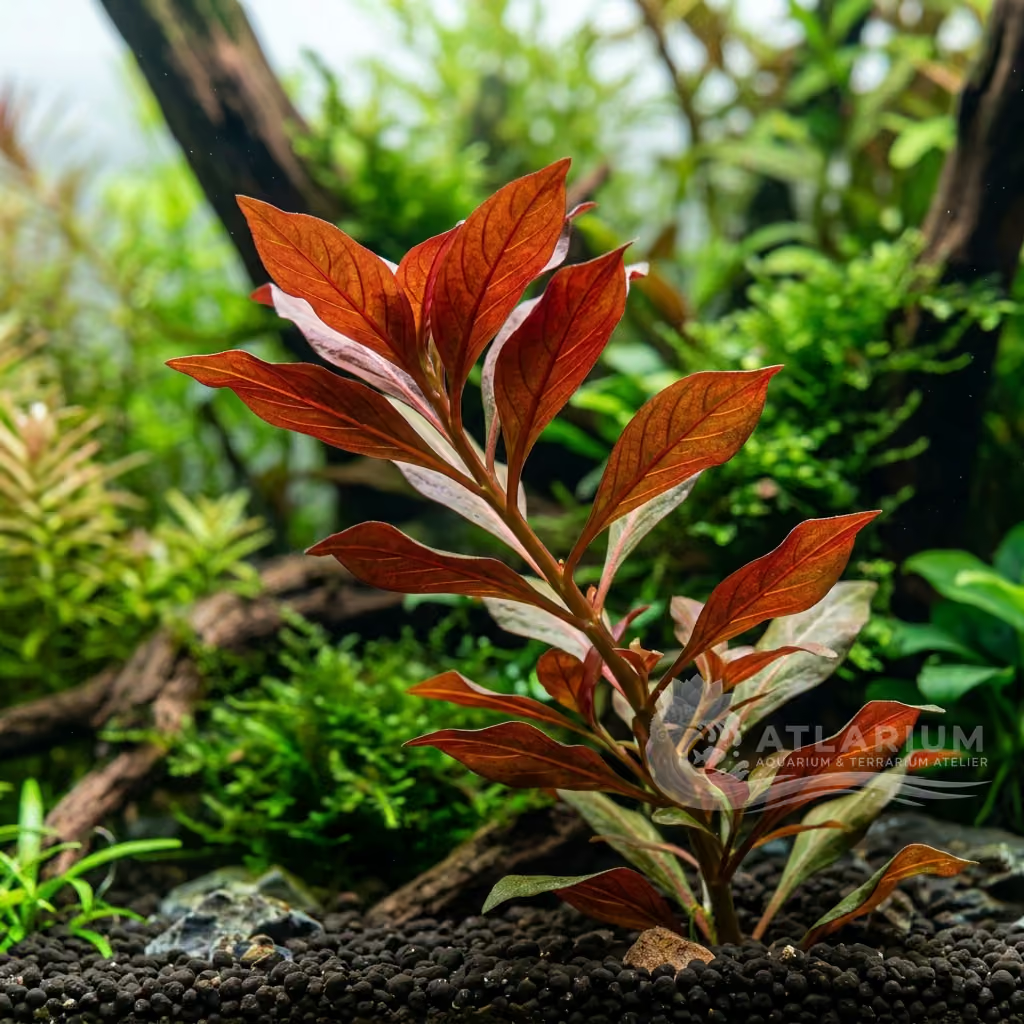
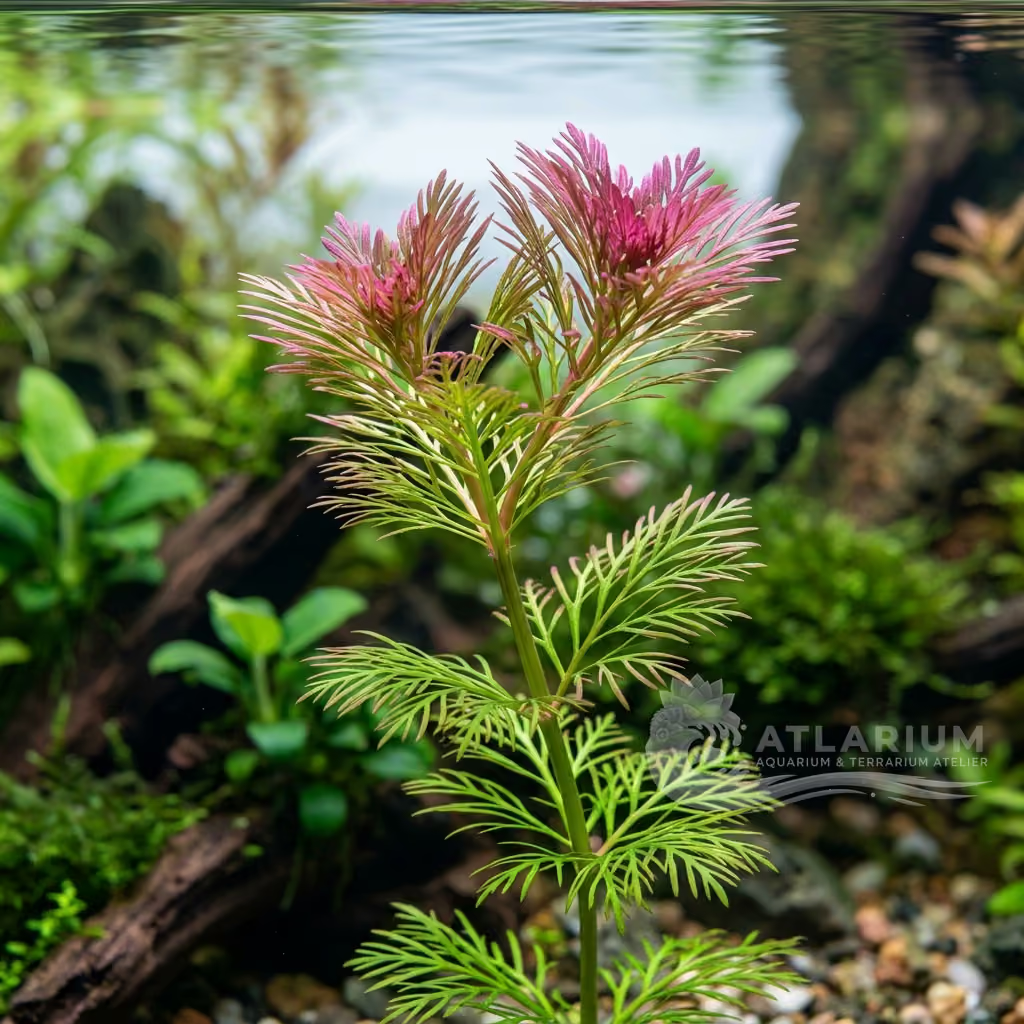
Hygrophila corymbosa "Stricta"
Hygrophila corymbosa
Robust upright variety with large, lanceolate leaves. Highly adaptable to various water parameters, benefiting from rich substrates and medium-high light.
Temperatura da água
20 - 28 °C
Valor de pH
6 - 7.5
Tipo de água
Água doce
Luz
Média - Alta
CO2
Low to Medium
Altura esperada
40 cm
Largura esperada
20 cm
GH
4 - 20 dGH
KH
2 - 14 dKH

Descrição da espécie
Geographical Origin and Habitat: Widely distributed across Southeast Asia, where the parent species grows in tropical wetlands, marshes, rice paddies, and along riverbanks, adapting to seasonal water level shifts.
Taxonomy & Genetics: Belonging to the family Acanthaceae. The 'Stricta' variety is selected for its upright growth and large, lanceolate leaf structure.
Physical Structure: Develops thick, woody stems with large, oppositely arranged lanceolate leaves. It produces an extensive, strong root system that anchors deeply in the substrate.
Color & Texture: Leaves are bright green to grass green. Under high light, the top leaves can develop a bronze tint. The wide, bold foliage offers a great structural contrast against fine-textured plants.

Cuidado, criação e companheiros de tanque
Lighting & CO2: Requires medium to high lighting. While not strictly mandatory, CO2 injection helps maintain a dense foliage density and reduces the loss of lower leaves.
Nutrition & Substrate: Demands high nutrient levels. A rich substrate or root fertilizer tabs are highly recommended.
Water Chemistry: Highly adaptable. Thrives in a pH range of 5.5 to 7.5 and tolerates soft to hard water. Temperature should be kept between 18°C and 30°C (64°F - 86°F).
Space Management & Placement: Best suited for the midground or background of medium to large aquariums. Its large leaves (up to 12 cm long) require sufficient room to expand without shading neighbors.
Pruning: Prune by pinching or cutting the main stem. This encourages side shoots to develop, creating a bushier group. Replant the healthy tops to propagate.
Risks & Diseases: Very sensitive to potassium deficiency, which manifests as pinholes in older leaves, followed by leaf yellowing and drop, leaving the lower stems bare.

Origem e distribuição geográfica
Widely distributed across Southeast Asia, where the parent species grows in tropical wetlands, marshes, rice paddies, and along riverbanks, adapting to seasonal water level shifts.
Origem
Sul e Sudeste Asiático

Perfil da planta
- Posicionamento
- Plano intermediário
- This robust plant is ideally suited for the background or midground in larger aquariums. Its tall, upright growth pattern creates strong vertical lines that draw the eye upward. Grouping several stems together enhances its bushy appearance and provides an excellent contrast to finer-leaved plants.
- Forma botânica
- Caule
- This variant features sturdy, upright stems adorned with large, elongated, and slightly serrated green leaves. The leaves are typically broader and stiffer compared to other varieties, giving it a bold texture. Under intense lighting, the top leaves can develop an attractive reddish or brownish tint.
- Crescimento
- Rápida
- It exhibits a relatively fast growth rate under optimal conditions with high light and CO2. Even in lower-tech setups, it grows steadily and consistently. Its vigorous growth can quickly fill empty spaces, requiring regular maintenance to prevent it from overshadowing neighboring plants.
- Substrato
- Alta
- Hygrophila corymbosa "Stricta" thrives best in a nutrient-rich substrate, preferably aquasoil, which caters to its high demand for root-fed nutrients. A generous substrate depth of at least 5-7 centimeters is required to accommodate its extensive, fast-growing root system and establish a sturdy anchor. While the plant can absorb some nutrients from the water column, a robust soil environment significantly promotes thicker stems, larger leaves, and vigorous overall growth.
- Fertilização de coluna
- Recomendada
- Liquid fertilization is highly beneficial, as it readily absorbs nutrients through its large leaves. Regular dosing of nitrogen, phosphorus, and especially potassium will promote healthy and vigorous growth. Supplementing with trace elements ensures the plant maintains its structural integrity and vibrant hue.
- Fertilização radicular
- Recomendada
- While it draws significant nutrients from the water column, it also develops a strong root system. Providing a nutrient-rich substrate or inserting root tabs will significantly boost its overall health and stability. A fertile bed helps sustain its large size and prevents premature lower leaf drop.
- Corte
- Ocasional
- Regular trimming is necessary to manage its height and encourage lateral branching, which results in a bushier appearance. You can top the plant by cutting the stem above a leaf node and replanting the cutting. The lower portion will often produce multiple side shoots, increasing the density of the group.
- Propagação
- Estacas
- Propagation is straightforward and achieved through simple stem cuttings. Simply snip a healthy top shoot and plant it directly into the substrate. Additionally, side shoots that develop along the main stem can be carefully removed and replanted to expand the group.
- Sensibilidade
- Moderada
- This species is generally quite hardy but can be sensitive to sudden changes in water parameters, leading to temporary melting. It is particularly prone to potassium deficiency, so monitoring for small holes in older leaves is important. It tolerates a wide range of temperatures and pH levels.
- Função de layout
- Plano intermediário, Fundo
- In the aquascape, it serves as a dominant background plant or a structural midground element in larger tanks. Its bold, thick foliage provides a solid green backdrop that contrasts beautifully with red plants or fine-textured species. It can also be used to conceal equipment or visually anchor hardscape materials.

Espécies relacionadas
Recomendações agrupadas por parentes próximos, escolhas de acompanhantes e cuidados semelhantes.