Harrison's Pencilfish
Nannostomus harrisoni
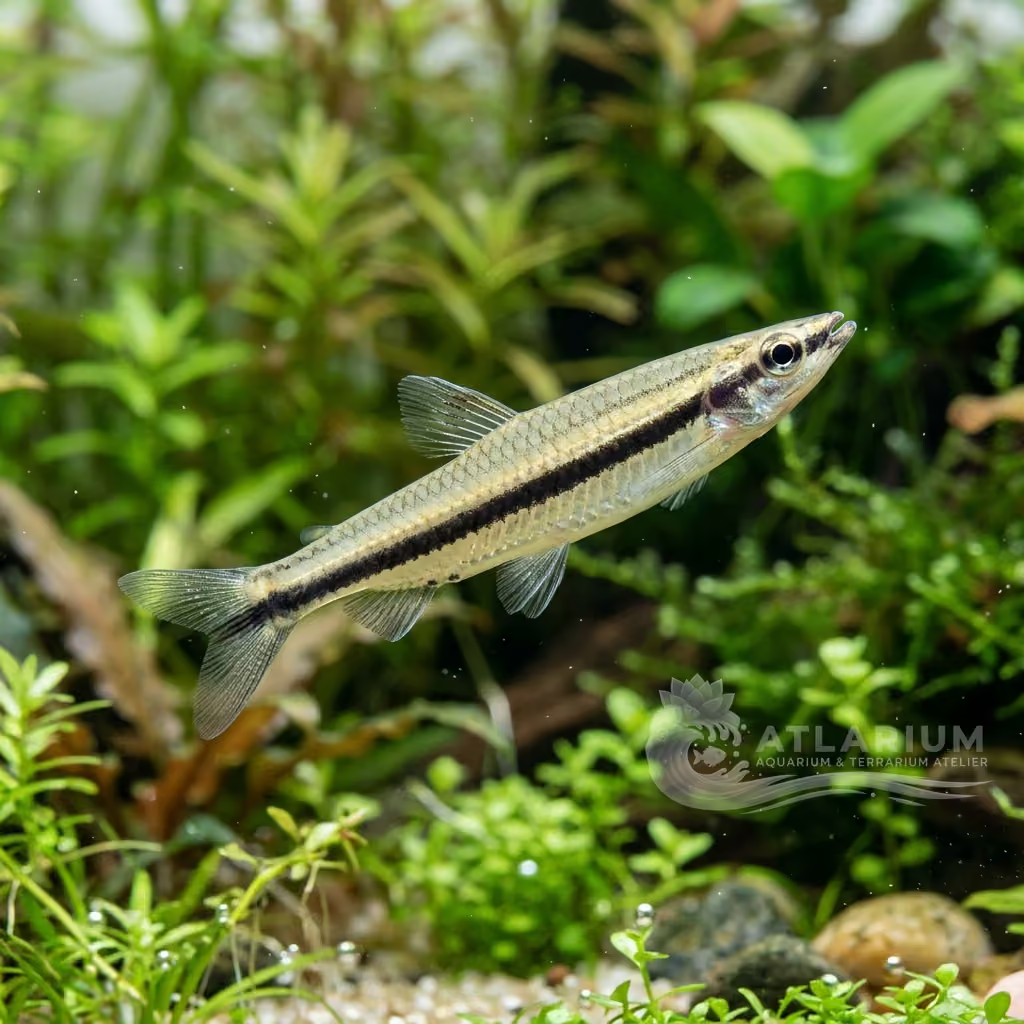
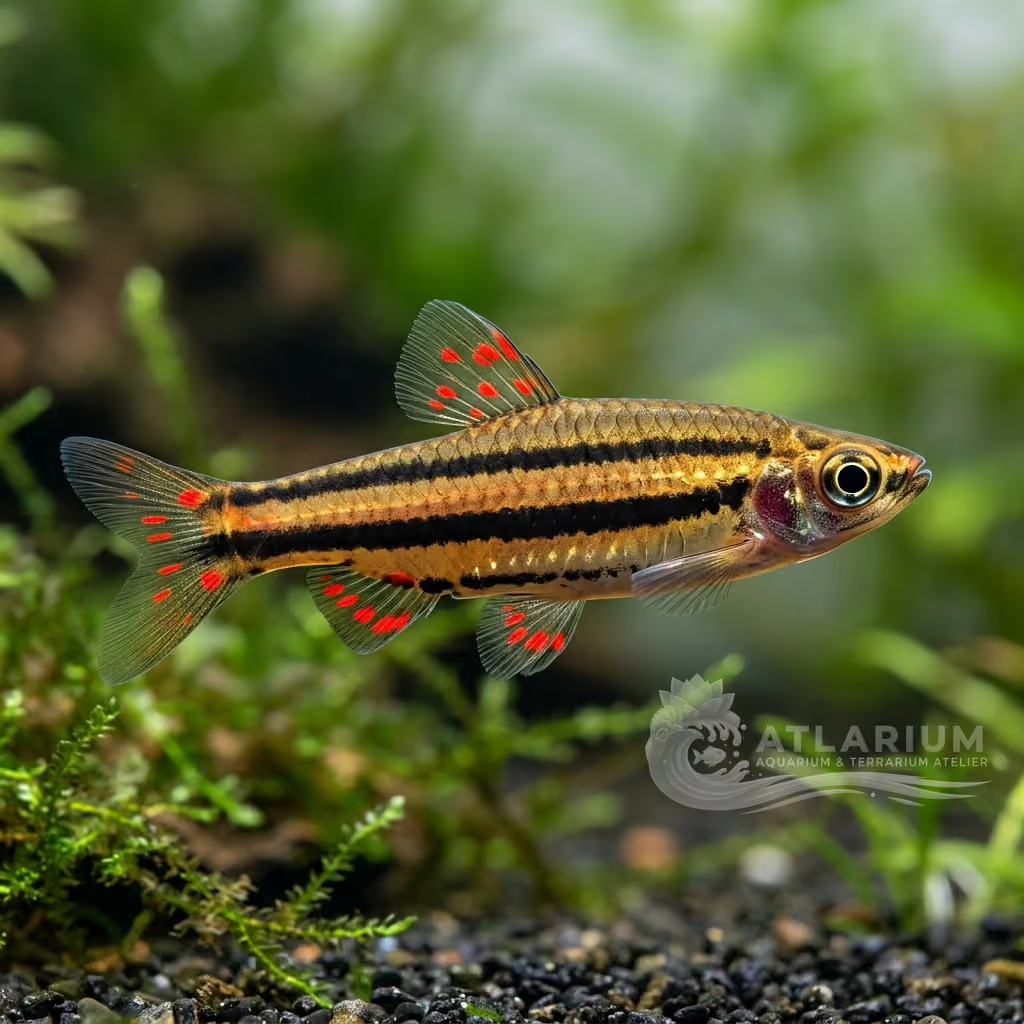
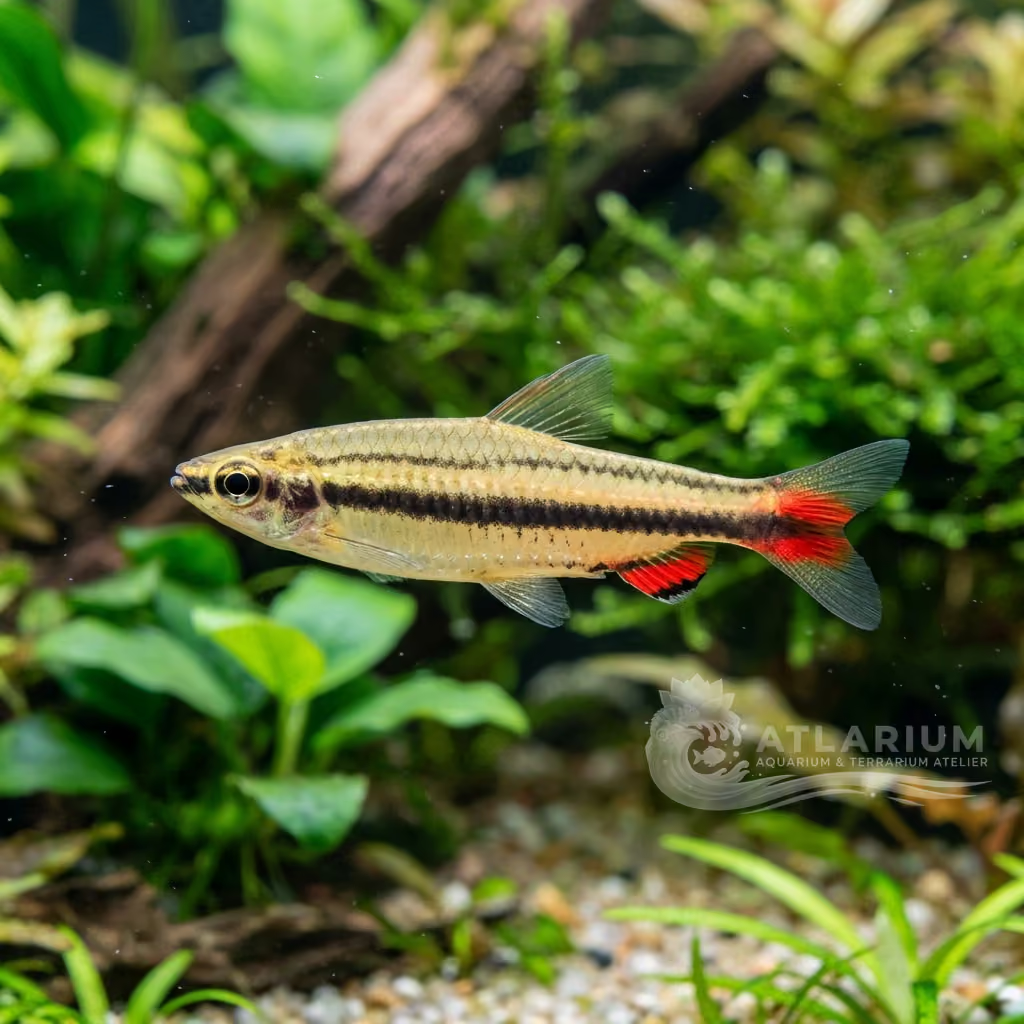
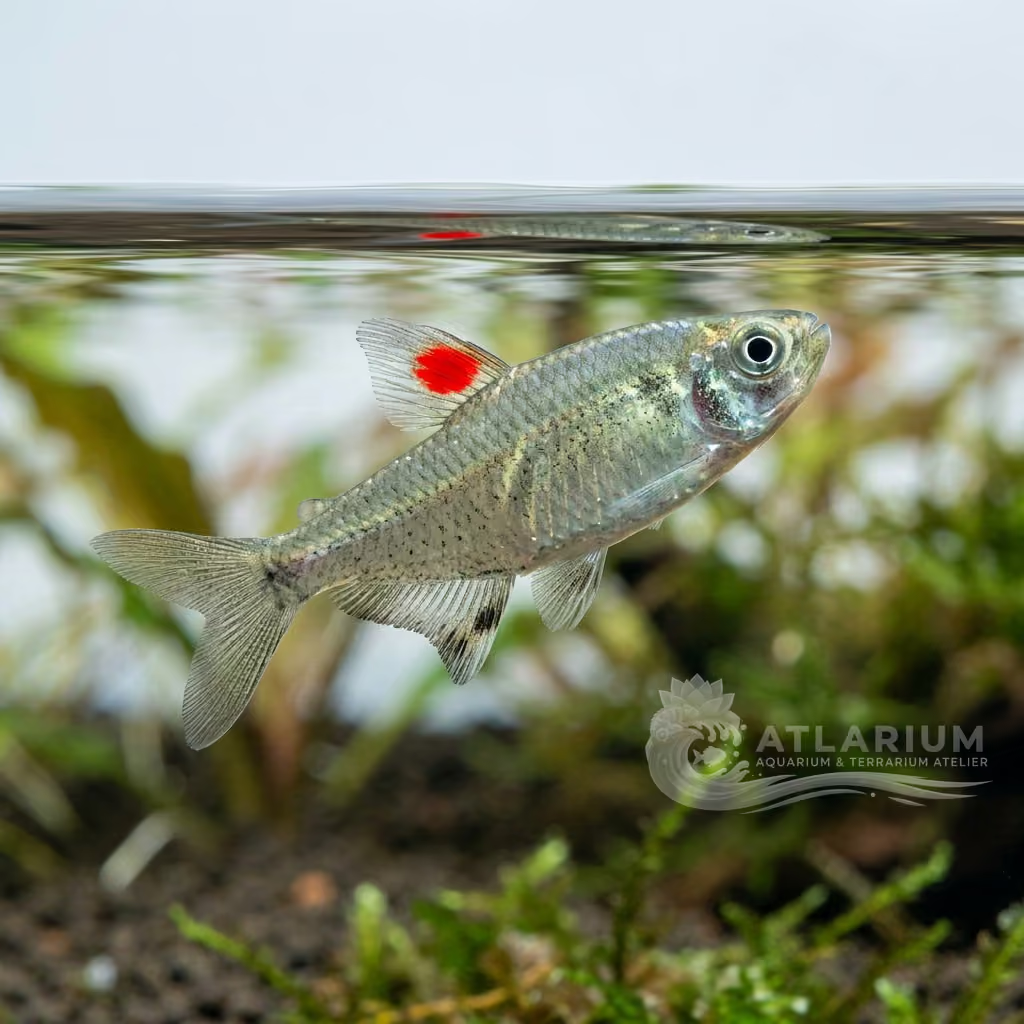
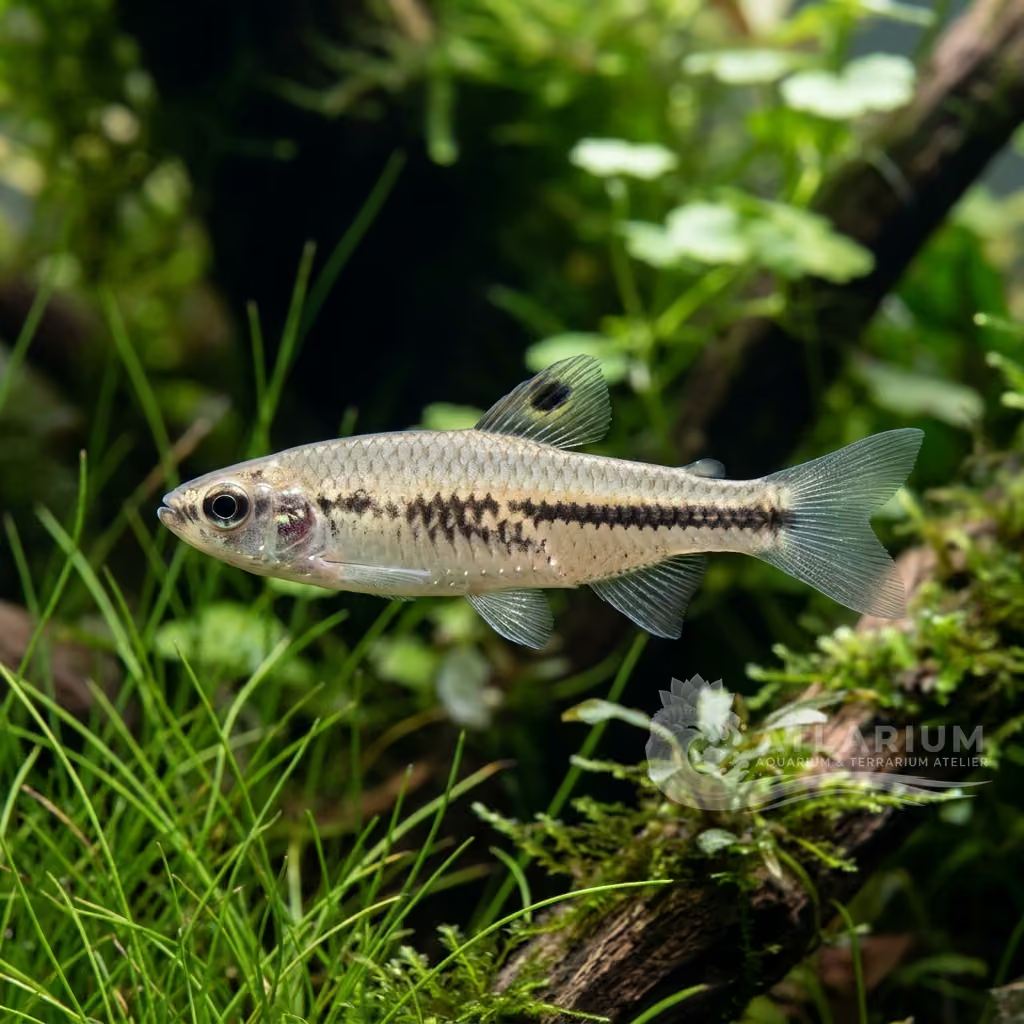
A large, sleek torpedo-shaped pencilfish (reaching 6 cm). Elegant and peaceful, distinguished by a single, sharp black lateral line and bright red pelvic fins on the males. Requires open swimming space.
Temperatura da água
24 - 28 °C
Valor de pH
5.5 - 7
Tipo de água
Água doce
Nível do tanque
Superfície e meio
Tamanho adulto
6 cm
Volume mínimo do tanque
>= 60 L
Grupo mínimo
>= 6
GH
1 - 10 dGH
KH
1 - 5 dKH
TDS
25 - 200 ppm
Condutividade
39 - 313 uS/cm

Descrição da espécie
Geographical Origin and Habitat: Guyana (Demerara river and other basins). Typical blackwater species: oxbow lakes, swamps and very slow rivers loaded with rotting wood and obscuring tannins.
Taxonomy and Morphology: Harrison's Pencilfish / Blackstripe Pencilfish (Nannostomus harrisoni). The slender "giant" of pencilfish. Very long and filiform (up to 6 cm / 2.3 inches), very thin mouth, but perfectly horizontal posture unlike the eques.
Social Behavior: Compact and stationary schooling fish. Males duel by swimming alongside each other and arching their bodies in harmless visual displays. Must be kept in groups of at least 8-10.
Coloration and Sexual Dimorphism: Features the boldest, widest and most defined black band of the entire Nannostomus genus, crossing the entire body horizontally from eye to tail. The parading male has spectacular vibrant red lower margins.

Cuidado, criação e companheiros de tanque
Aquarium Setup: Tank (min. 80-100 cm / 32-40 inches) furnished with dark roots, many oak leaves on the bottom. Amber water and low light shielded by surface plants are essential to reassure them.
Diet and Feeding: Timid micropredator. Despite its length, it has a microscopic mouth. Must be fed with very fine flakes, daphnia and, primarily, brine shrimp nauplii or finely chopped tubifex.
Water Quality: Unforgiving of neglect. The water must be kept pristine, very soft (GH < 5) and decidedly acidic (pH < 6.5) due to their delicate skins accustomed to peaty rivers.
Compatibility and Cohabitation: Absolutely unsuitable for noisy mixed communities. They will NEVER compete for food. Insert together with small timid loricariids (e.g. Farlowella) or small characins (Ember Tetras / Hyphessobrycon amandae).
Aquarium Breeding: Very complex. They scatter eggs (often a single egg per embrace, rarely and with difficulty) in thick moss. Very prolific in devouring them before they even fall.
Risks and Diseases: Chronic refusal of food. Wild Caught N. harrisoni (the majority on the market) often die of starvation because they do not recognize dry food. It is imperative to slowly accustom them starting only with live or frozen food.

Origem e distribuição geográfica
Guyana (Demerara river and other basins). Typical blackwater species: oxbow lakes, swamps and very slow rivers loaded with rotting wood and obscuring tannins.
Origem
Amazônia, Orinoco e Guianas

Perfil de peixe
- Temperamento
- Semi-aggressive
- They are peaceful, somewhat delicate fish that require a calm and stable environment. While males spar harmlessly, they never cause actual damage to one another. They display their best behaviors and colors when feeling secure among dense plants.
- Dieta
- Omnivore
- They are omnivorous micro-predators that eagerly accept most appropriately sized aquarium foods. High-quality flakes, micro-pellets, and frozen bloodworms or daphnia make up a great diet. Providing a varied menu is key to maintaining their vibrant stripes.
- Expectativa de vida
- 3-5 years
- Tamanho adulto
- 6 cm
- Proporção sexual
- School
- A mixed group of both sexes in a school of six or more is highly recommended. Males are generally more slender and colorful, often displaying to each other. Keeping more females than males can help diffuse any mild bickering.
- Frequência de alimentação
- Twice daily
- Feeding them one to two times daily with small amounts is optimal. They are methodical eaters, so ensure food remains accessible long enough for them. Careful observation prevents them from being outcompeted by greedier tank mates.
- Carga biológica
- Low
- Harrison's Pencilfish produces a relatively low bioload despite being slightly larger. They are efficient processors of small foods, creating minimal excess waste. Standard filtration systems are perfectly adequate to maintain high water quality.
- Fluxo
- Stagnant
- They prefer slow to moderate water currents, avoiding highly turbulent areas. Gentle circulation from a spray bar or a low-flow filter suits them perfectly. Too much flow forces them to hide and expends their energy needlessly.
- Risco de salto
- Yes
- They are notorious jumpers, particularly when startled or when first introduced. A tightly fitting aquarium cover is an absolute necessity to prevent losses. Surface vegetation can also provide a comforting barrier that discourages jumping.
- Reprodução
- Oviparous
- Breeding requires a dedicated, dimly lit setup with very soft and acidic water. They are egg scatterers that deposit their eggs among fine-leaved plants. Parents must be removed immediately after spawning to prevent egg cannibalism.
- Compatibilidade e companheiros de tanque
- Peaceful
- They are peaceful schooling fish that thrive in quiet, planted community aquariums. Ideal companions are similarly sized peaceful species like corydoras and small rasboras. Fast-swimming, aggressive feeders should be avoided as they will induce stress.
- Nível do tanque
- Top/Middle
- They generally cruise the middle to upper levels of the water column. Their sleek, torpedo-like bodies are adapted for hovering near tall vegetation. They rarely interact with the bottom substrate unless chasing a sinking morsel.

Modelos e parâmetros científicos
FishBase
Acesso aos dados científicos oficiais da espécie
FishBase v25.04Dados sincronizados em: 15/06/2026
- Nível trófico
- 3,3 ± 0,4 se
- Unicidade filogenética (PD50)
- 0.5
- Relação bayesiana comprimento-peso
- a = 0.00646, b = 3.13
- VulnerabilidadeVulnerabilidade baixa (10 / 100)

Espécies relacionadas
Recomendações agrupadas por parentes próximos, escolhas de acompanhantes e cuidados semelhantes.