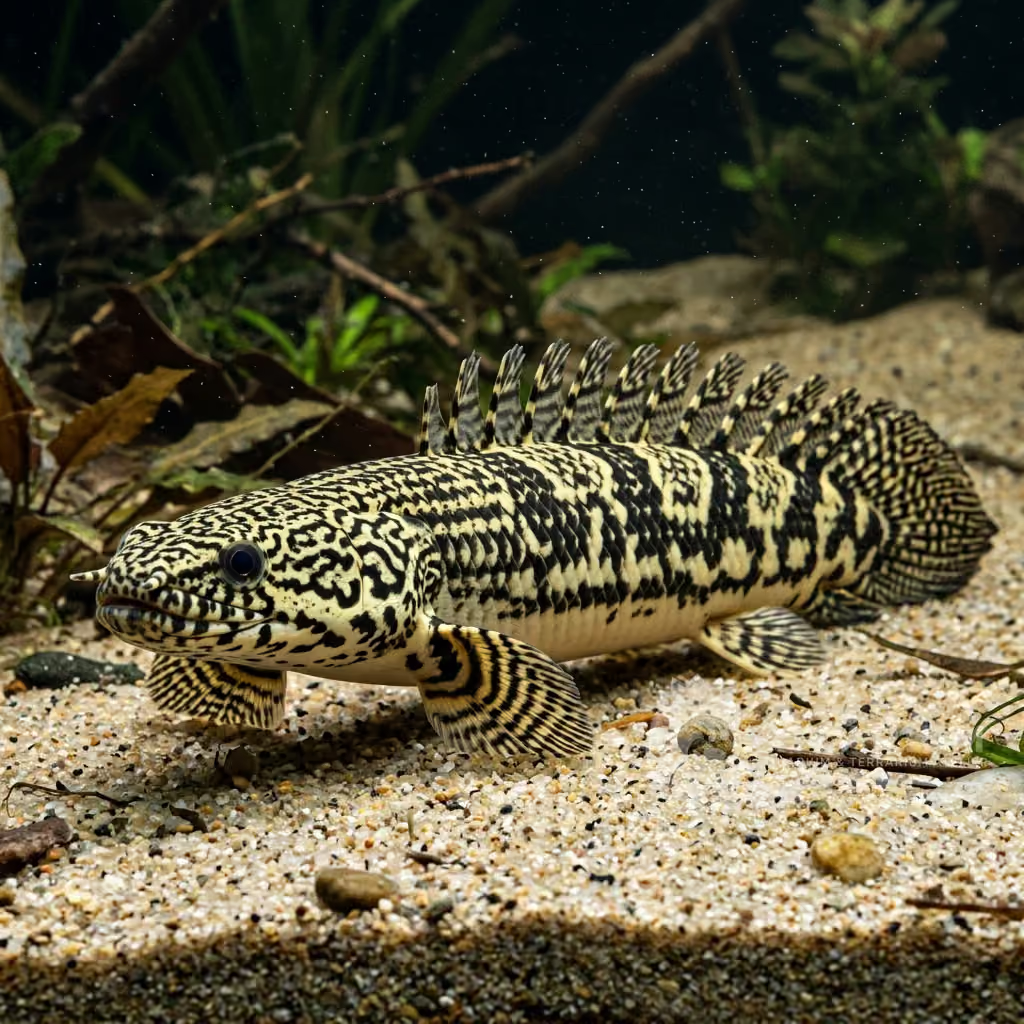
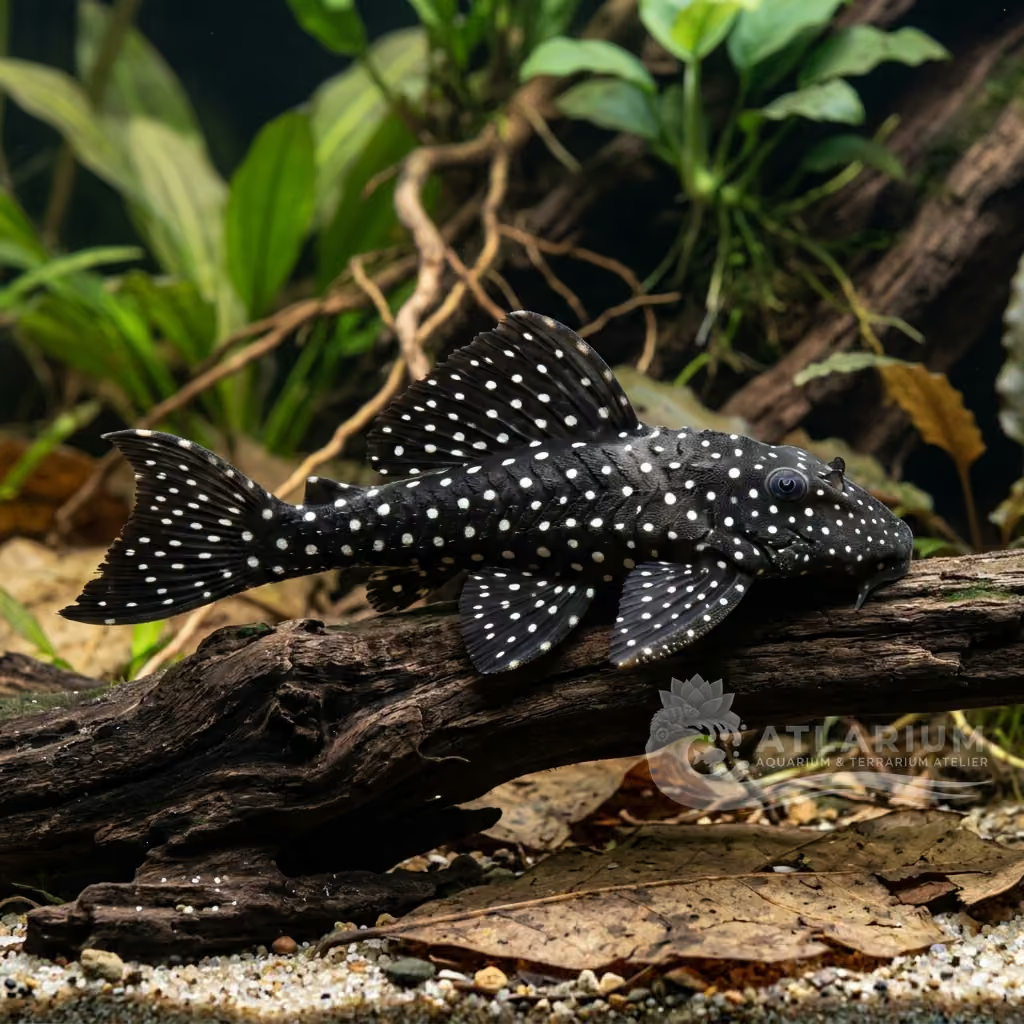
Red-Bellied Pacu
Piaractus brachypomus
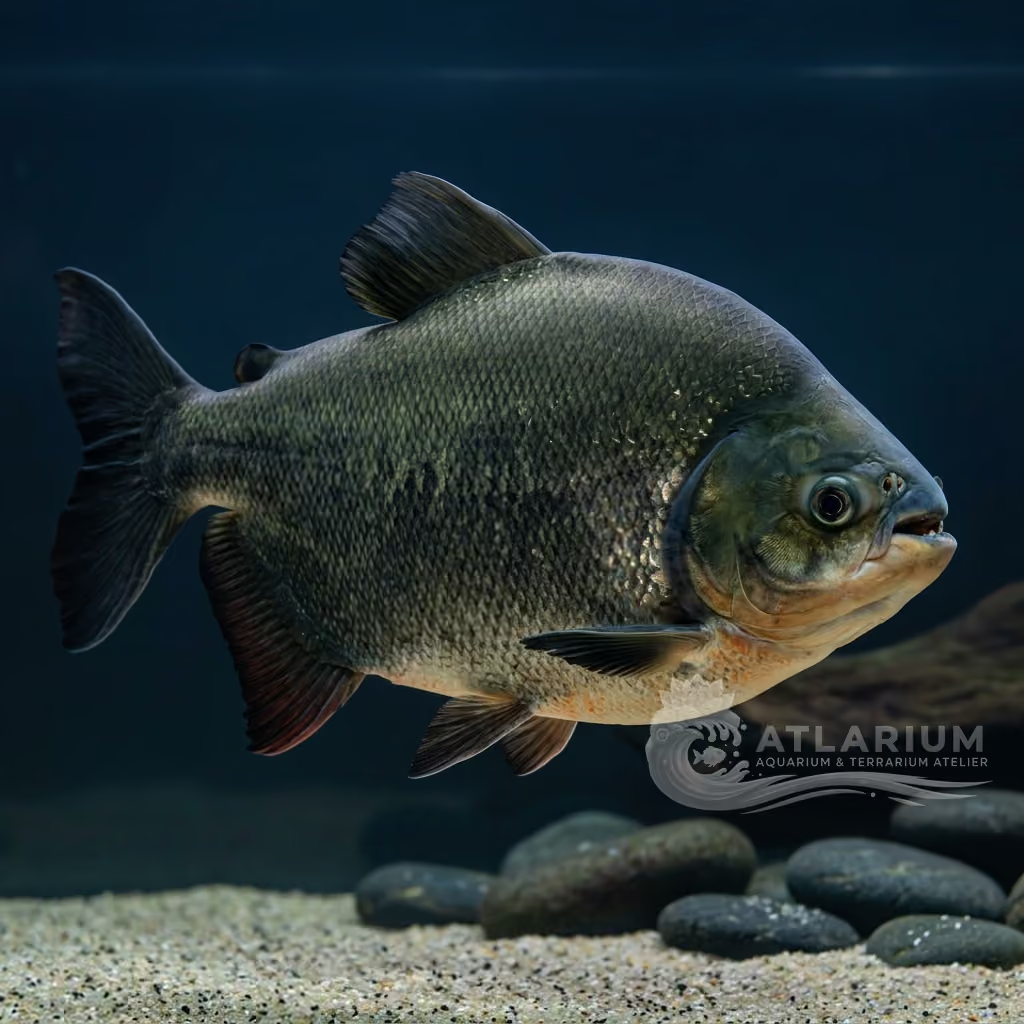
The 'Vegetarian Piranha' and the Tank Buster (60-80 cm / 2-3 feet). The Pacu represents the most irresponsibly sold fish in the entire aquarium industry. At 2 inches long, they look absolutely identical to the deadly, bloodthirsty Red-Bellied Piranha, complete with a gorgeous, glowing red belly. Unknowing beginners buy them thinking they are getting a badass killer. Instead, the Pacu is a peaceful, fruit-eating, skittish giant that explodes in growth to the size of a trash-can lid (weighing up to 50 lbs). They possess horrifyingly human-like square teeth for crushing walnuts, completely destroy all aquarium plants, and strictly require massive 1,000+ gallon indoor ponds.
24 - 28 °C
6 - 7.5
Água doce
Todos os níveis
88 cm
>= 500 L
>= 1
2 - 15 dGH
1 - 7 dKH
40 - 295 ppm
63 - 461 uS/cm

Descrição da espécie

Cuidado, criação e companheiros de tanque

Origem e distribuição geográfica
Origem

Perfil de peixe
- Temperamento
- Semi-aggressive
- They are generally docile, skittish giants that can easily become panicked by sudden movements or lights. Despite their powerful jaws and human-like teeth, they rarely show aggression toward tankmates. They are known for destroying aquatic plants, so planted tanks are not an option.
- Dieta
- Omnivore
- They are primarily herbivorous, feeding heavily on nuts, fruits, and seeds in the wild. In the aquarium, they eagerly accept high-quality herbivore pellets, algae wafers, and plenty of fresh vegetables like zucchini, peas, and spinach. Occasional meaty foods or insects can be offered as a rare treat.
- Expectativa de vida
- 15-25 years
- Tamanho adulto
- 88 cm
- Proporção sexual
- Solitary
- There is no required sex ratio for keeping them, as they are mostly kept as single specimens due to their colossal size. If a truly massive tank is available, they can be kept in small groups without issue. Visually determining the sex is quite difficult.
- Frequência de alimentação
- Twice daily
- Due to their high metabolism and fast growth, young pacus should be fed once or twice a day. Adult pacus can be fed large meals once a day or every other day. Be careful not to overfeed, as uneaten food will quickly ruin the water quality in their large tanks.
- Carga biológica
- Extreme
- The Redbelly pacu produces a massive bioload due to its extremely large adult size and constant eating habits. Exceptional mechanical and biological filtration is absolutely essential. Keeping nitrates under control requires huge, routine water changes and meticulous tank maintenance.
- Fluxo
- Stagnant
- They are robust swimmers that appreciate a moderate to strong water flow, simulating the river environments they naturally inhabit. Good water circulation helps keep them active and oxygenates the massive tanks they require. The flow should not be so overpowering that they cannot rest.
- Risco de salto
- Yes
- Pacus have a very high risk of jumping, especially if they are startled or the tank is too small. Their immense power can easily break standard aquarium lids or light fixtures. A reinforced, tightly fitted lid is completely mandatory to prevent disastrous escapes.
- Reprodução
- Oviparous
- Breeding Redbelly pacus in home aquariums is virtually impossible due to the enormous tank size required for spawning adults. In commercial aquaculture, they are bred in massive outdoor ponds. There are no reliable reports of them naturally completing their reproductive cycle in hobbyist setups.
- Compatibilidade e companheiros de tanque
- With caution
- Despite their intimidating size and relation to piranhas, they are generally peaceful herbivores. They should be kept with other large, robust, and peaceful fish that will not nip their fins. Small fish may be accidentally eaten if they fit in the pacu's mouth, but they are not active predators.
- Nível do tanque
- All levels
- They utilize all levels of the aquarium but will mostly be seen swimming in the mid to upper water column. They are constantly roaming and inspecting their environment for food. Providing large, open swimming areas devoid of fragile decorations is vital.

Modelos e parâmetros científicos
Acesso aos dados científicos oficiais da espécie
- Nível trófico
- 2,5 ± 0,22 se
- Resiliência
- Baixa (4,5 - 14 anos)
- Unicidade filogenética (PD50)
- 0.625
- Relação bayesiana comprimento-peso
- a = 0.03162, b = 2.99
- VulnerabilidadeVulnerabilidade alta (55 / 100)

Espécies relacionadas
Recomendações agrupadas por parentes próximos, escolhas de acompanhantes e cuidados semelhantes.