Redhook Myleus
Myloplus rubripinnis
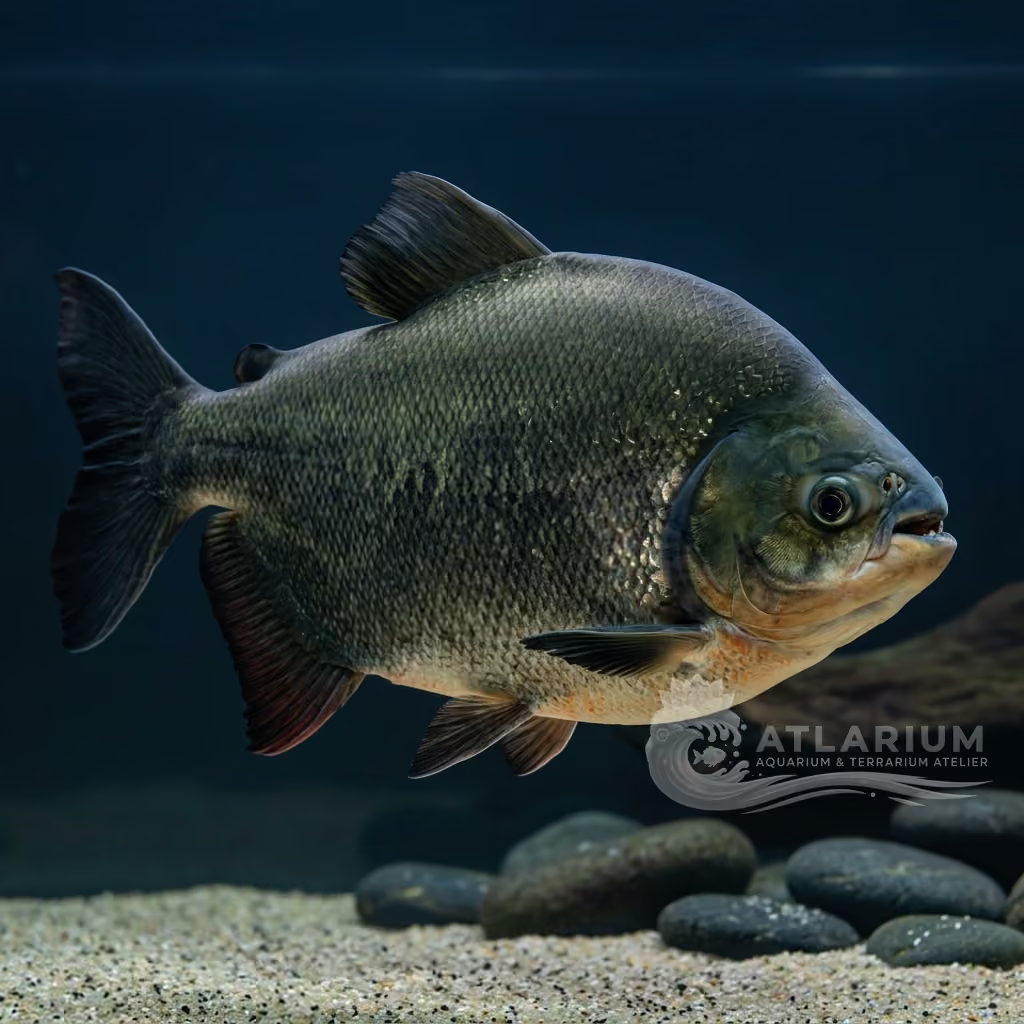
The Redhook Myleus (Myloplus rubripinnis) is the 'Premium' and noticeably larger version of the common Silver Dollar. This imposing disc-shaped characin sports a brilliant silvery livery accentuated, in adult males, by reddish or golden hues on the flanks. Its unmistakable feature is the anal fin: a majestic and pronounced hook-shaped lobe tinted a vibrant ruby red edged with black. Reaching 25 cm (10 inches), this vigorous swimmer requires colossal setups, but repays the effort with a regal presence in XXL South American tanks.
23 - 28 °C
5.5 - 7.5
Água doce
Superfície e meio
25 cm
>= 600 L
>= 5
4 - 12 dGH
2 - 6 dKH
80 - 240 ppm
125 - 375 uS/cm

Descrição da espécie

Cuidado, criação e companheiros de tanque

Origem e distribuição geográfica
Origem

Perfil de peixe
- Temperamento
- Active
- They exhibit a generally peaceful and skittish temperament when kept in groups. However, they can be easily startled and may dash erratically. Providing ample swimming space and secure hiding spots keeps them calm.
- Dieta
- Herbivore
- They are primarily herbivorous, feeding heavily on aquatic vegetation in the wild. In the aquarium, they readily accept vegetable-based flakes and blanched zucchini. Their main diet must be plant-based to ensure proper digestion.
- Expectativa de vida
- 5-12 years
- Tamanho adulto
- 25 cm
- Proporção sexual
- School
- Adult males often display a more intensely colored and elongated anal fin. A specific male-to-female ratio is not strictly required for a community display. Keeping them in a large school balances their social interactions naturally.
- Frequência de alimentação
- Twice daily
- They should be fed two to three times daily to satisfy grazing habits. Offering smaller portions frequently is better than a single large meal. A steady supply of greens deters them from destroying robust plants.
- Carga biológica
- High
- The Redhook Myleus generates a high bioload due to its large adult size. A powerful and efficient filtration system is mandatory to keep parameters stable. Large, frequent water changes are necessary to remove significant metabolic waste.
- Fluxo
- Moderate
- They prefer moderate to strong water currents that simulate South American rivers. Good water circulation is important for their exercise and assists heavy filtration. Strategically placed powerheads encourage their natural schooling behavior.
- Risco de salto
- Yes
- As powerful and easily spooked fish, they pose a significant jumping risk. A tight, heavy-duty aquarium lid is absolutely necessary to prevent escapes. Care should be taken to avoid sudden movements during tank maintenance.
- Reprodução
- Oviparous
- Breeding in captivity is rare and requires a very large specialized setup. They are egg-scatterers that release large numbers of eggs among submerged vegetation. Commercial specimens are typically bred in massive outdoor ponds.
- Compatibilidade e companheiros de tanque
- Highly aggressive
- This species is peaceful but large, making it unsuitable for very small fish. They do best in groups of at least five individuals. Small fish that fit into their mouths might be eaten or stressed.
- Nível do tanque
- Top/Middle
- They are primarily active in the middle levels of the aquarium. They require plenty of unobstructed horizontal swimming space for their size. The mid-water region is their primary domain for cruising.

Modelos e parâmetros científicos
Acesso aos dados científicos oficiais da espécie
- Nível trófico
- 2 ± 0 se
- Resiliência
- Alta (menos de 15 meses)
- Unicidade filogenética (PD50)
- 0.5001
- Relação bayesiana comprimento-peso
- a = 0.02344, b = 2.97
- VulnerabilidadeVulnerabilidade de baixa a moderada (32 / 100)

Espécies relacionadas
Recomendações agrupadas por parentes próximos, escolhas de acompanhantes e cuidados semelhantes.