Dwarf Pencilfish
Nannostomus minimus
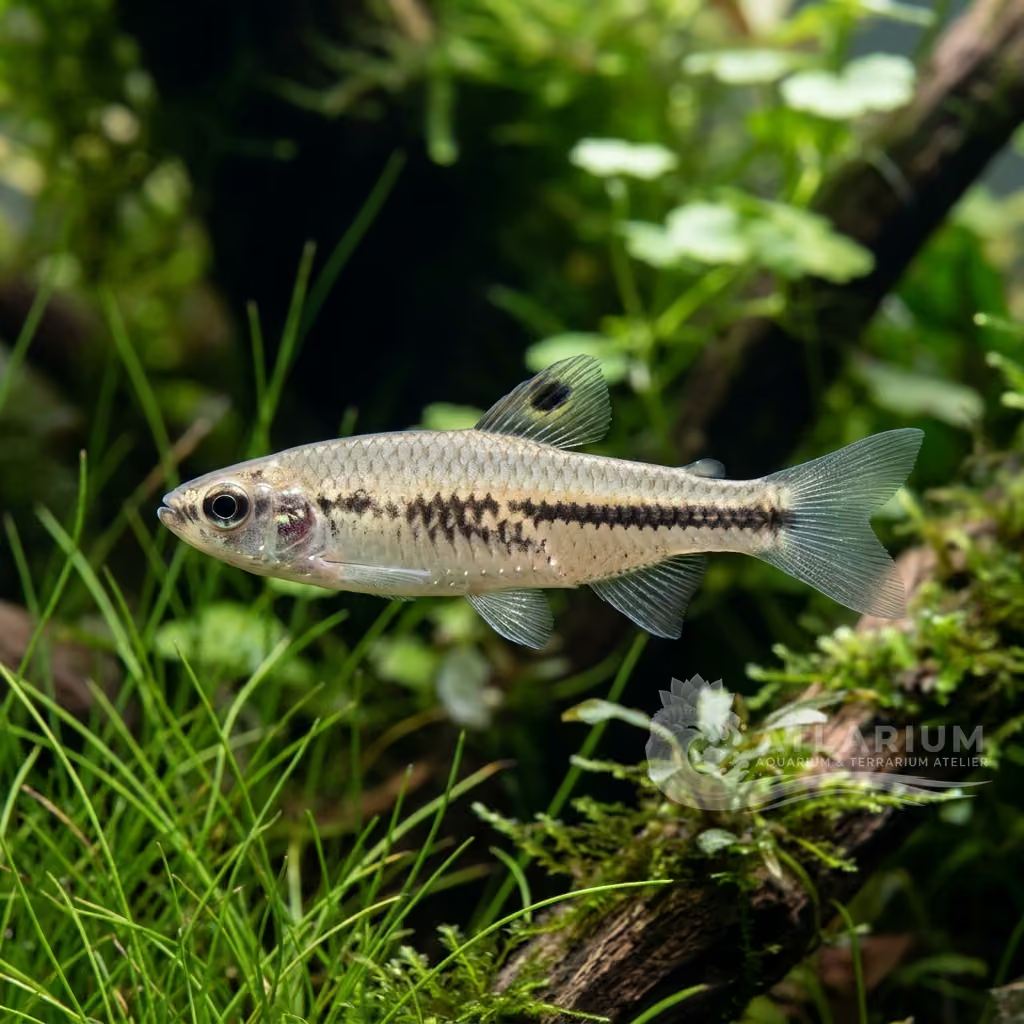
The Least Pencilfish is an ultra-rare, microscopic marvel with a delicate dark stripe. It thrives in dimly lit, heavily planted pico-tanks with perfectly stable water conditions.
Temperatura da água
23 - 28 °C
Valor de pH
5.5 - 7
Tipo de água
Água doce
Nível do tanque
Superfície e meio
Tamanho adulto
2,3 cm
Volume mínimo do tanque
>= 40 L
Grupo mínimo
>= 6
GH
1 - 8 dGH
KH
1 - 4 dKH
TDS
25 - 160 ppm
Condutividade
39 - 250 uS/cm

Descrição da espécie
Geographical Origin and Habitat: Restricted to the Mazaruni and Potaro river systems (Guyana). Found in small wooded tributaries with dense forest cover, clear but dark waters, rich in roots and decomposed leaves.
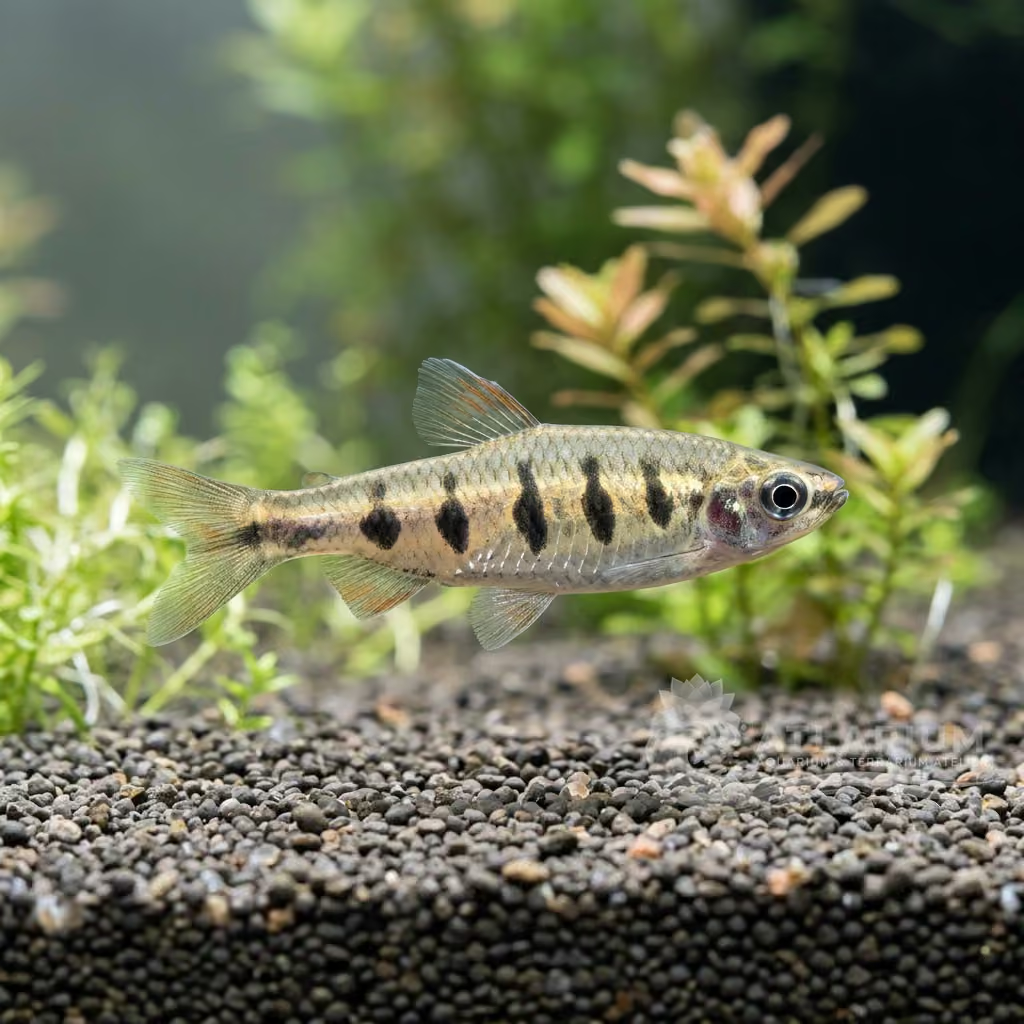
Taxonomy and Morphology: Least Pencilfish (Nannostomus minimus). One of the smallest members of the genus (barely exceeds 2 cm / 0.8 inches). Stocky but tapered profile, similar to marginatus but much smaller.
Social Behavior: Refugee. Tends to remain suspended in mid-water almost motionless under floating leaves to hide from predators. Fundamental to form groups of 10+ specimens to see them swim.
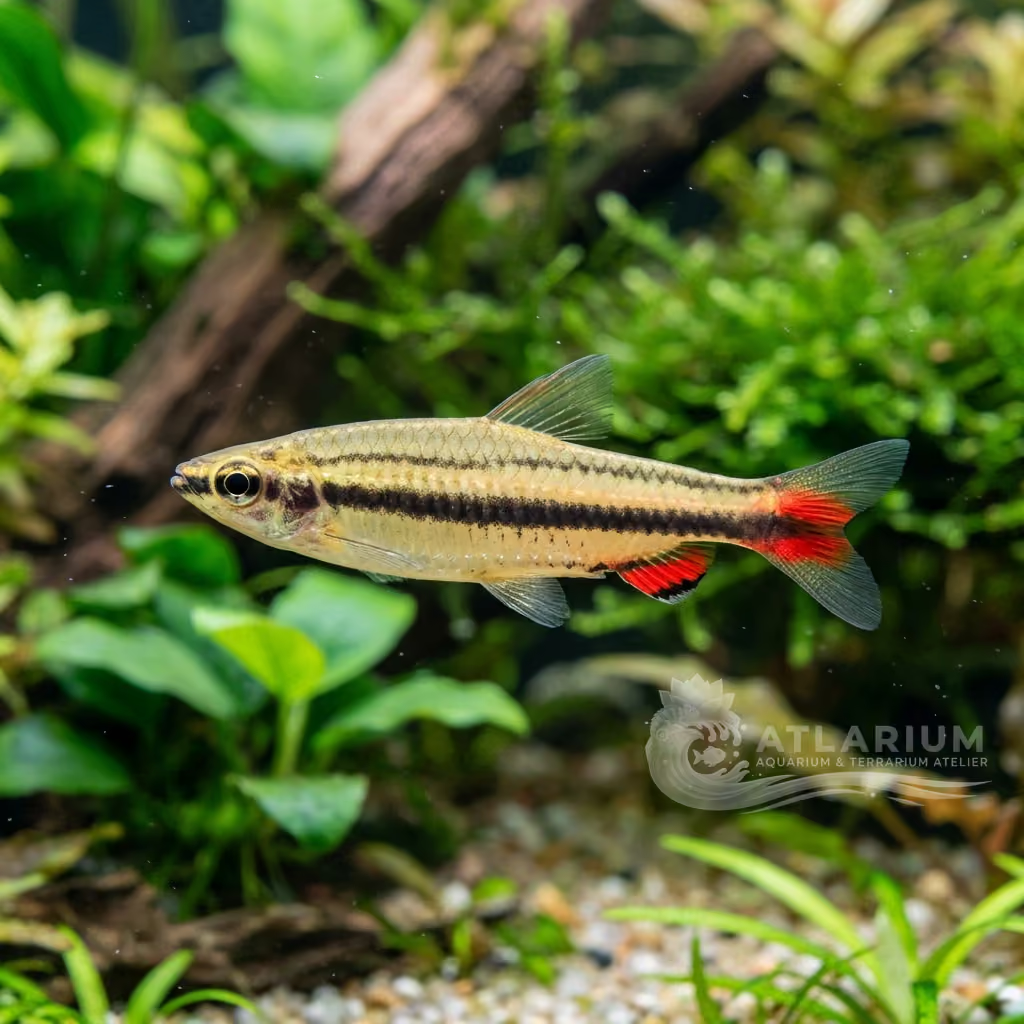
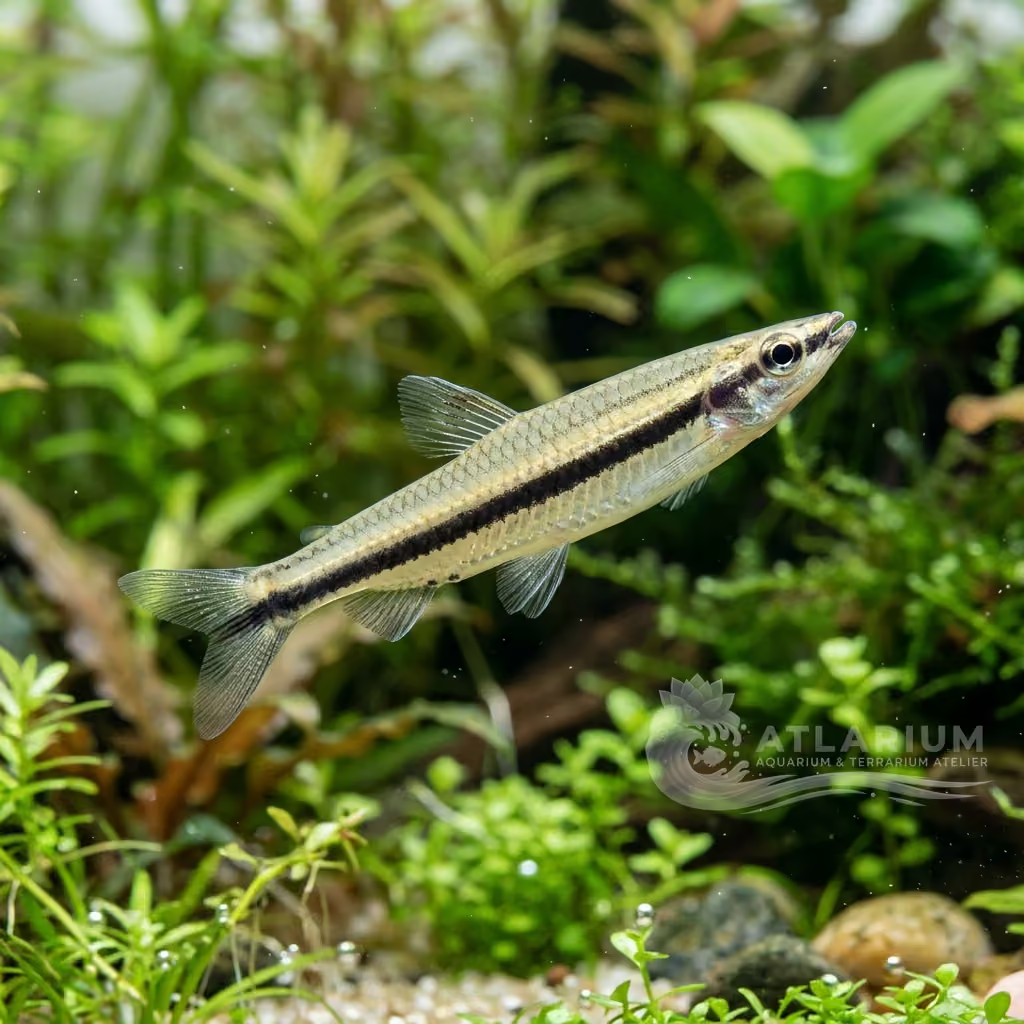
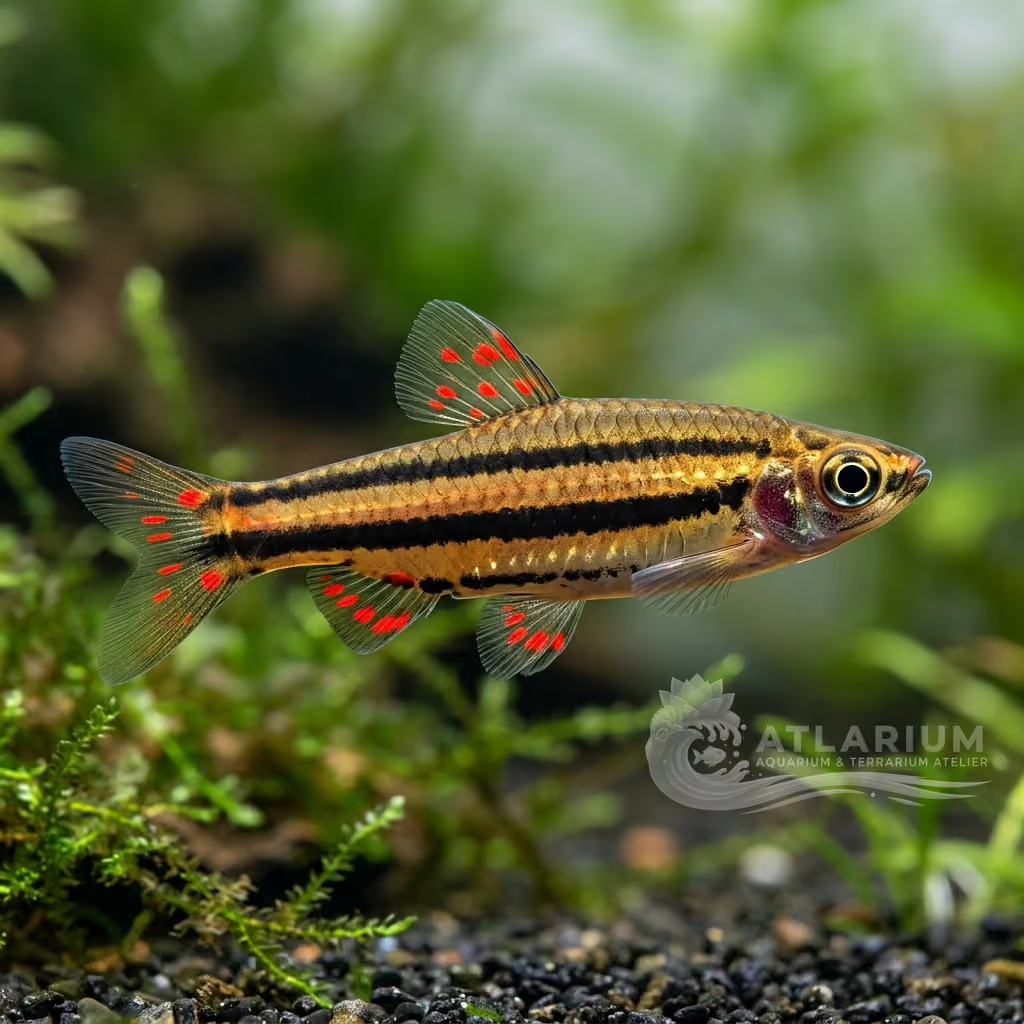
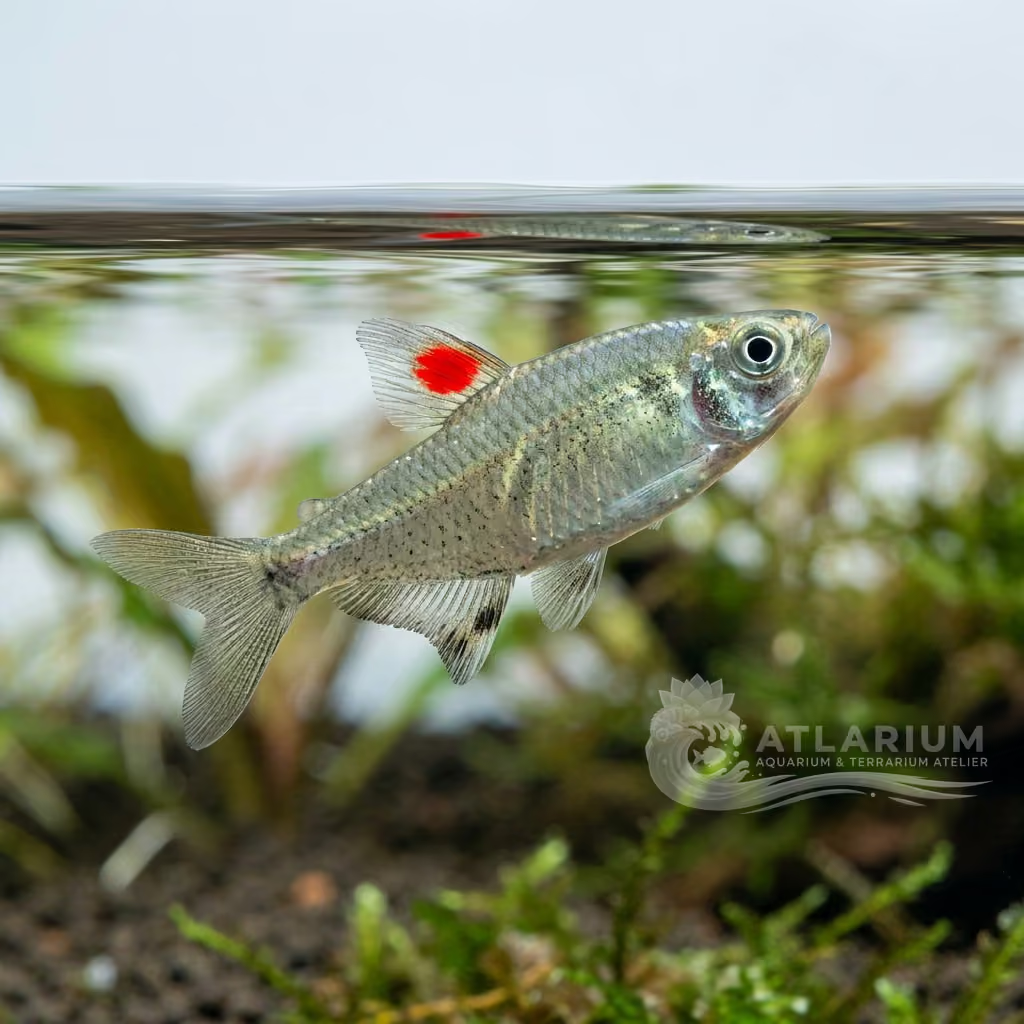
Coloration and Sexual Dimorphism: A single solid dark band crosses the clear silvery flanks. Adult males have warmer reddish or pinkish hues (especially on the anal fin and caudal base) compared to the gray females, as well as being noticeably slenderer.

Cuidado, criação e companheiros de tanque
Aquarium Setup: Pico-tanks (40-60 cm / 16-24 inches) are adequate given the tiny size. Mandatory peat, dry leaves (Catappa) on the bottom and lots of dense vegetation (Microsorum, Moss). Minimal or no water flow.
Diet and Feeding: Micro-planktivore. Often starves to death in tanks that are too "clean". In addition to very fine dry foods, requires infusoria (which it naturally finds among the moss), brine shrimp nauplii and microworms.
Water Quality: Fish strictly dependent on chemical stability. Demineralized water (reverse osmosis), GH < 5 and weakly acidic pH (6.0-6.5). Very sensitive to ammonia and nitrites.
Compatibility and Cohabitation: Candidate only for Species Tank or pairings with ultra-peaceful companions (e.g. Neocaridina snails, although baby snails might bother them, Boraras maculatus or Corydoras hastatus).
Aquarium Breeding: Practically absent in the hobbyist sector due to the rarity and microscopic size of the larvae, which would take weeks before accepting food visible to the naked eye.
Risks and Diseases: Fatal invisibility. This fish is so small and fearful that in tanks larger than 60 cm (24 inches) it will disappear forever behind the filter or among the plants, risking wasting away without the aquarist being able to monitor its nutritional status.

Origem e distribuição geográfica
Restricted to the Mazaruni and Potaro river systems (Guyana). Found in small wooded tributaries with dense forest cover, clear but dark waters, rich in roots and decomposed leaves.
Origem
Amazônia, Orinoco e Guianas

Perfil de peixe
- Temperamento
- Semi-aggressive
- They are exceptionally timid and require heavy planting to feel safe. In a peaceful, dedicated micro-community, they are fascinating to watch. They are entirely non-aggressive and pose zero threat to any tank inhabitants.
- Dieta
- Carnivore
- They require tiny, specialized foods like infusoria and newly hatched brine shrimp. Finely powdered high-quality commercial flakes or micro-pellets are also accepted. A mature planted tank provides natural microfauna that supplements their diet perfectly.
- Expectativa de vida
- 2-5 years
- Tamanho adulto
- 2.3 cm
- Proporção sexual
- School
- Keeping a large mixed group of ten or more creates a stunning natural display. Males are slightly more vibrant and will occasionally perform harmless lateral displays. A larger school gives them the confidence they need to explore the tank.
- Frequência de alimentação
- Twice daily
- Frequent, tiny feedings two to three times a day are absolutely necessary. Their diminutive digestive systems process food quickly, so they cannot store much energy. Direct feeding using a pipette ensures they receive enough nourishment.
- Carga biológica
- Low
- The Least Pencilfish has an extremely low bioload, fitting for its micro-fish status. They produce barely any waste, making water quality easy to manage in mature tanks. A simple, low-flow sponge filter is entirely adequate for their needs.
- Fluxo
- Stagnant
- They demand extremely gentle flow, mimicking their sluggish, weed-filled natural habitats. Strong currents will blow them around and cause severe, life-threatening stress. Gentle sponge filtration provides the necessary biological cleaning without excessive water movement.
- Risco de salto
- Yes
- Despite their microscopic size, they are easily spooked and capable of jumping. A completely sealed aquarium lid is required to prevent accidental escapes. Floating plants provide a secure canopy that dramatically reduces jumping behavior.
- Reprodução
- Oviparous
- Breeding is difficult due to the microscopic size of the fry, which require infusoria. They scatter their eggs among dense moss in soft, acidic water conditions. Adults will eat their own eggs and must be removed after spawning.
- Compatibilidade e companheiros de tanque
- Peaceful
- They are completely peaceful and highly vulnerable to larger, active tank mates. They should only be housed with other micro-species or dwarf shrimp. Aggressive eaters will easily starve them by outcompeting them for food.
- Nível do tanque
- Top/Middle
- They generally hover in the upper and middle portions of the aquarium. They seek out calm pockets of water among dense plant leaves. They almost never venture to the substrate unless hunting for fallen morsels.

Modelos e parâmetros científicos
FishBase
Acesso aos dados científicos oficiais da espécie
FishBase v25.04Dados sincronizados em: 15/06/2026
- Nível trófico
- 3,1 ± 0,4 se
- Unicidade filogenética (PD50)
- 0.5
- Relação bayesiana comprimento-peso
- a = 0.00646, b = 3.13
- VulnerabilidadeVulnerabilidade baixa (10 / 100)

Espécies relacionadas
Recomendações agrupadas por parentes próximos, escolhas de acompanhantes e cuidados semelhantes.