Splash Tetra / Spraying Characin
Copella arnoldi
An extraordinary Amazonian fish that jumps out of the water to lay eggs on overhanging leaves. The male actively splashes water to keep the clutch moist until the fry hatch.
Temperatura da água
24 - 28 °C
Valor de pH
5.5 - 7.5
Tipo de água
Água doce
Nível do tanque
Parte inferior e intermediária
Tamanho adulto
6 cm
Volume mínimo do tanque
>= 60 L
Grupo mínimo
>= 6
GH
2 - 12 dGH
KH
1 - 6 dKH
TDS
40 - 240 ppm
Condutividade
63 - 375 uS/cm

Descrição da espécie
Geographical Origin and Habitat: Native to the Pará River basin and the lower Amazon River (Brazil). Inhabits flooded forest areas, slow-flowing streams and shallow marshes, characterized by dense marsh vegetation emerging from the water.
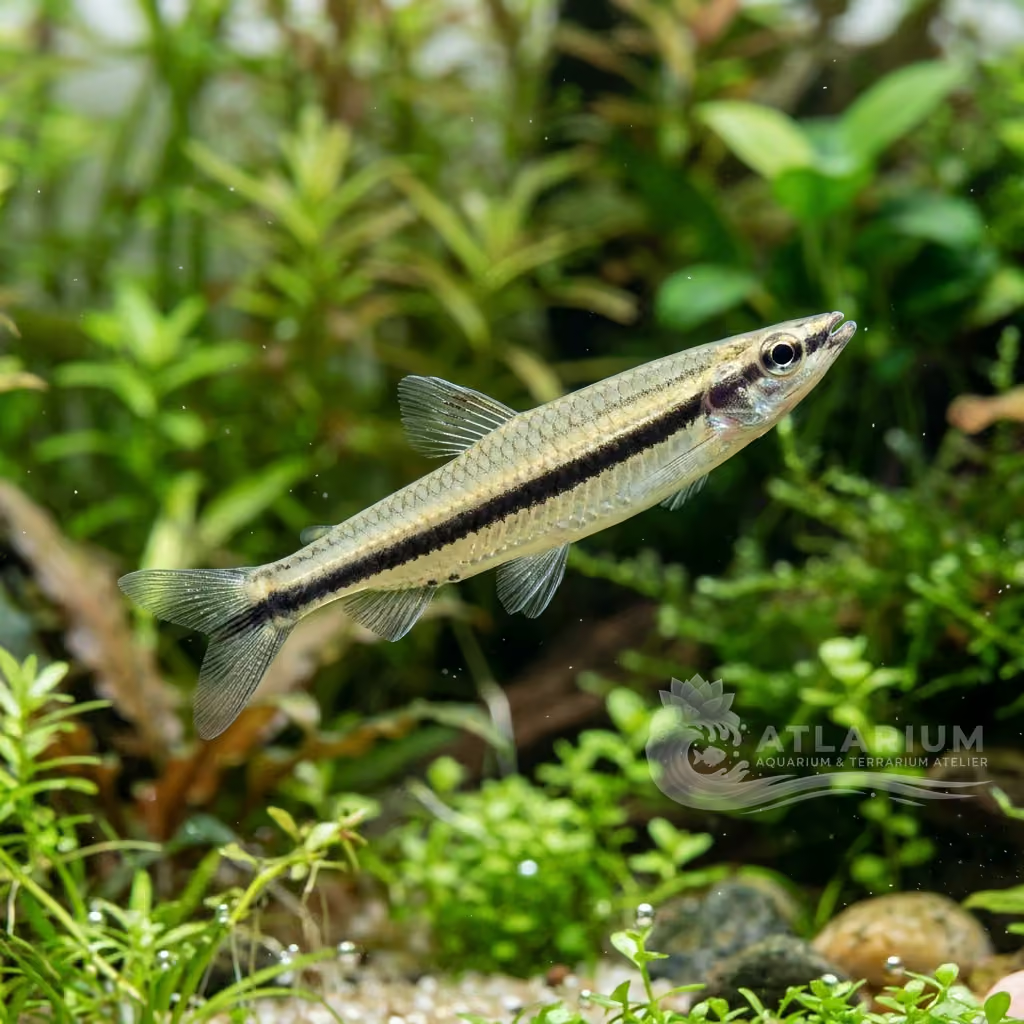
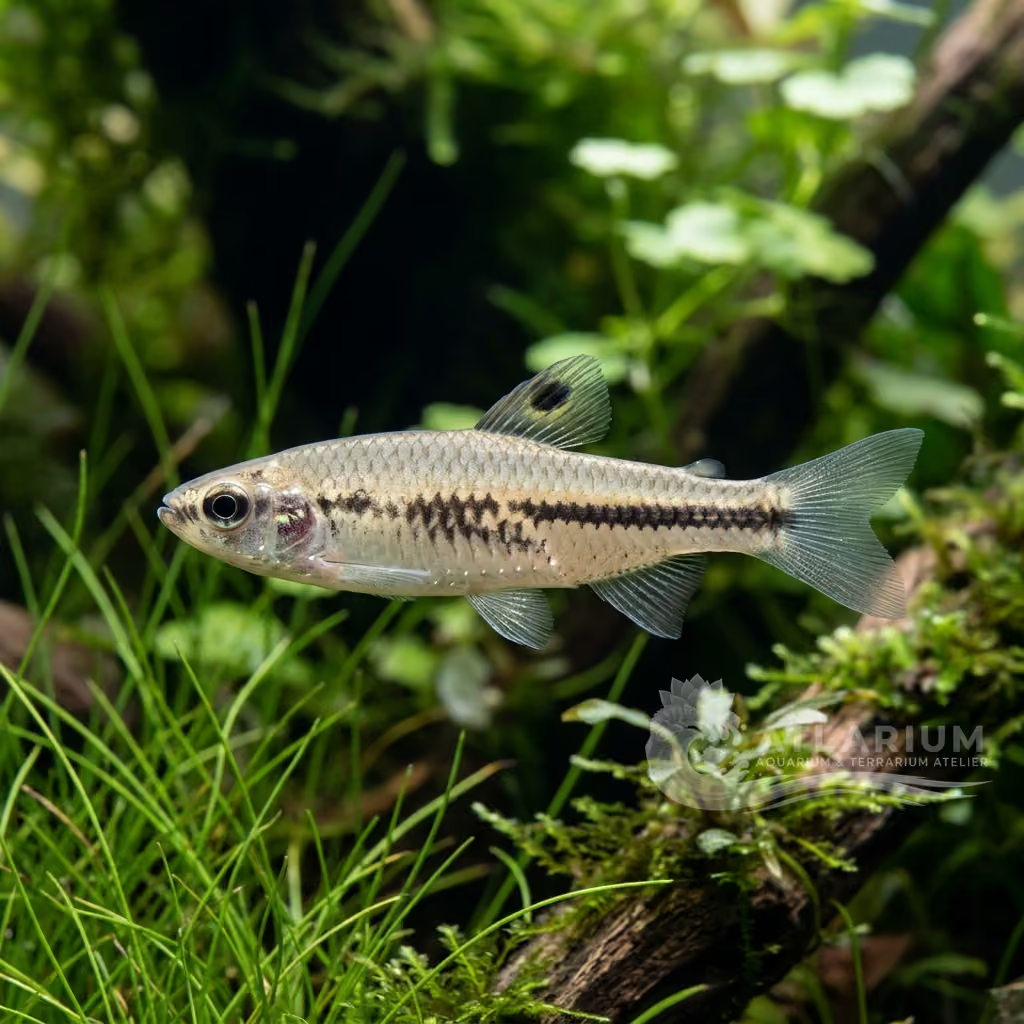
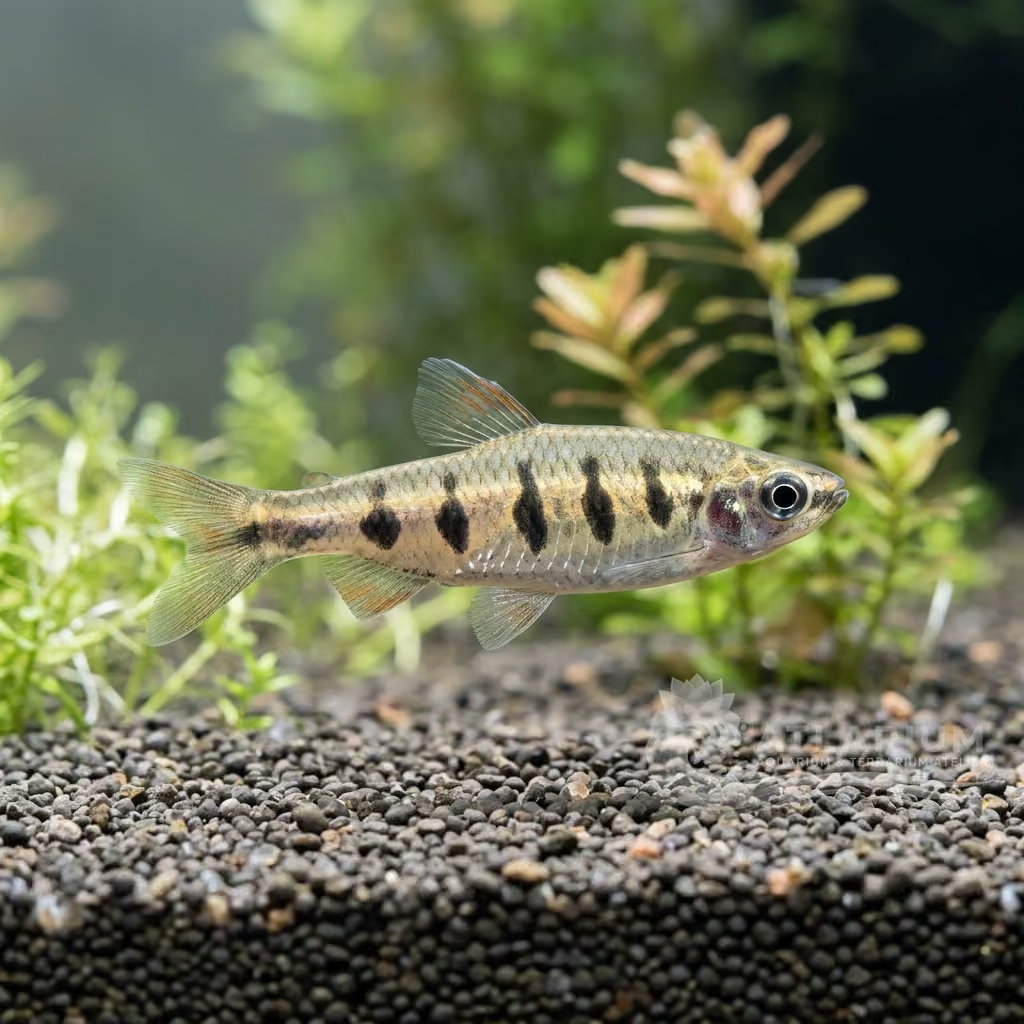
Taxonomy and Morphology: Splash Tetra / Jumping Tetra (Copella arnoldi). Small tapered Lebiasinid with a torpedo-shaped body. The pectoral fins are muscular and developed to allow formidable leaps, while the mouth is superior.
Social Behavior: Extremely peaceful and shy. Must be kept in schools of at least 6-8 specimens. They spend almost all their time swimming horizontally in the very first top layer of water, ready to dart for food or reproduction.
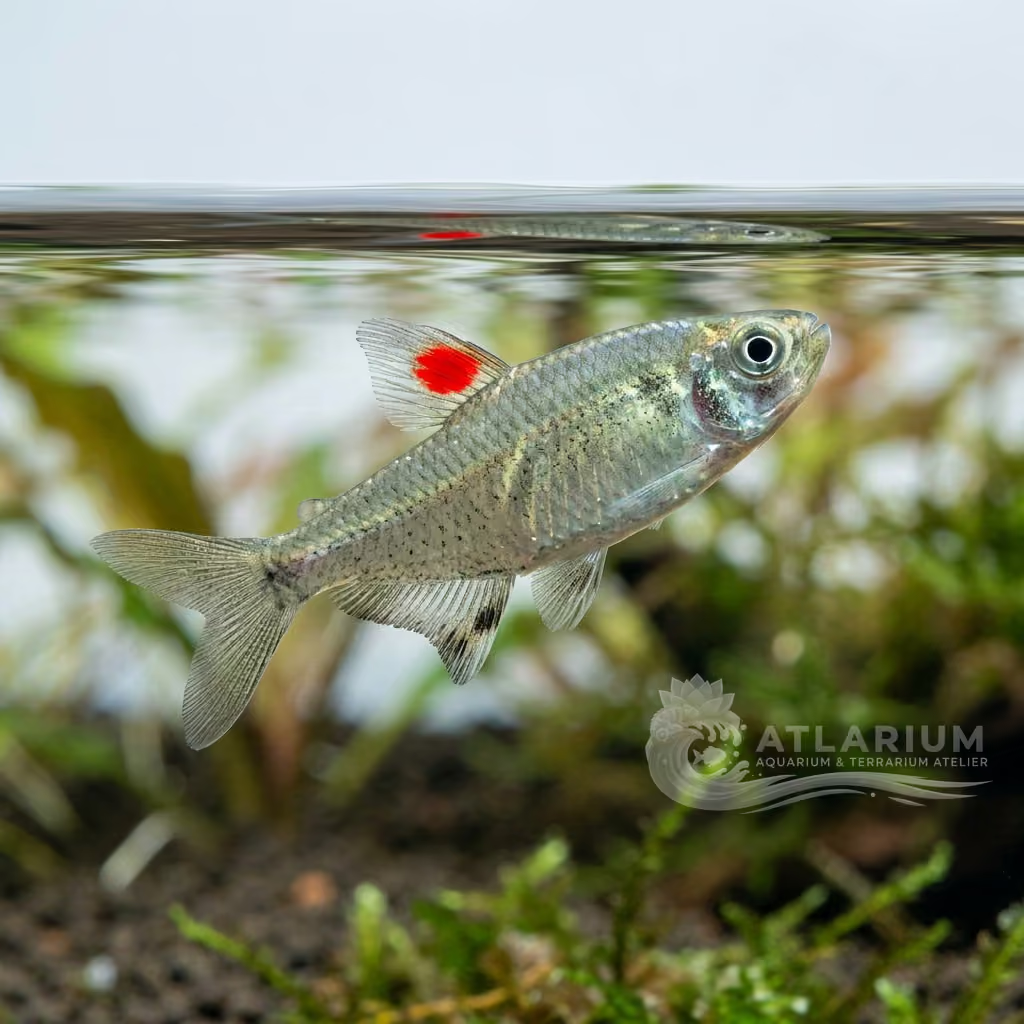
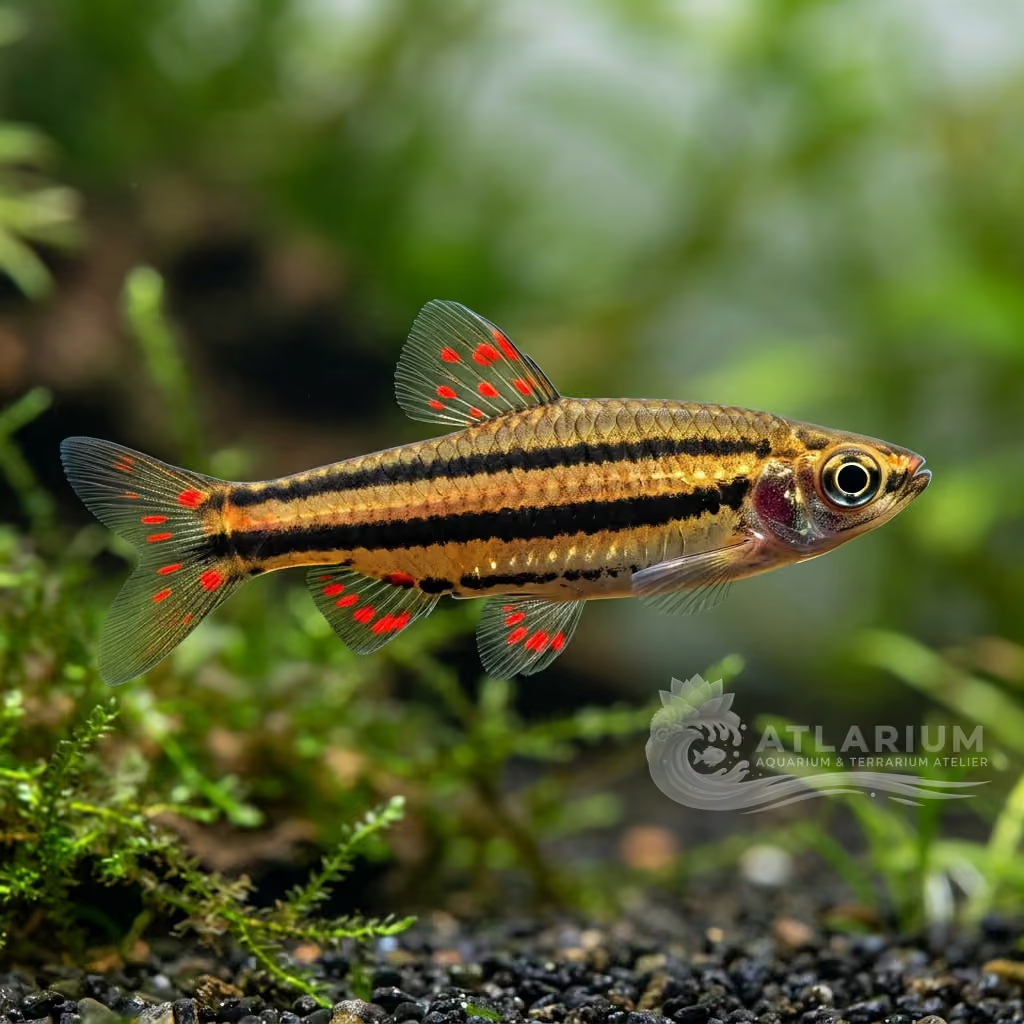
Coloration and Sexual Dimorphism: Delicate beige/yellowish coloration with iridescent reflections. The male, in addition to having much more intense colors (with red and black spots on the elongated fins), is significantly larger (6 cm / 2.4 inches) than the female (4 cm / 1.6 inches).

Cuidado, criação e companheiros de tanque
Aquarium Setup: Unique in its kind: it needs a "paludarium" or an aquarium filled only halfway. The tank (minimum 80 cm / 32 inches) must have branches, leaves (like Anubias or Philodendron) or the cover glass located a few inches ABOVE the water level. Cover is imperative.
Diet and Feeding: Surface insectivorous micro-predator. Feeds exclusively on small insects caught by jumping out of the water. In the tank it requires live food (fruit flies, bloodworms) or high quality floating flakes.
Water Quality: Requires calm waters, with very gentle filtration that does not create current on the surface, ideally filtered over peat. Any turbulence disorients them and prevents feeding. Warm and possibly amber water.
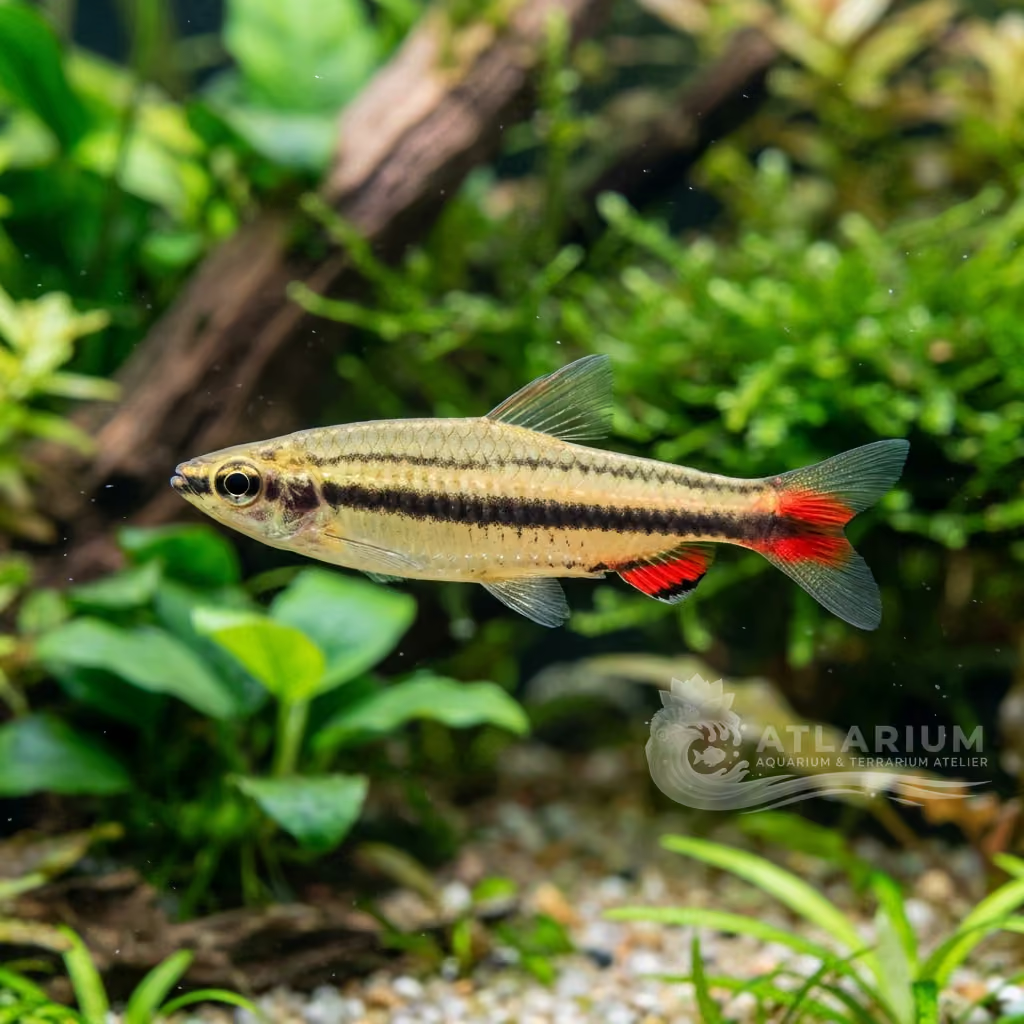
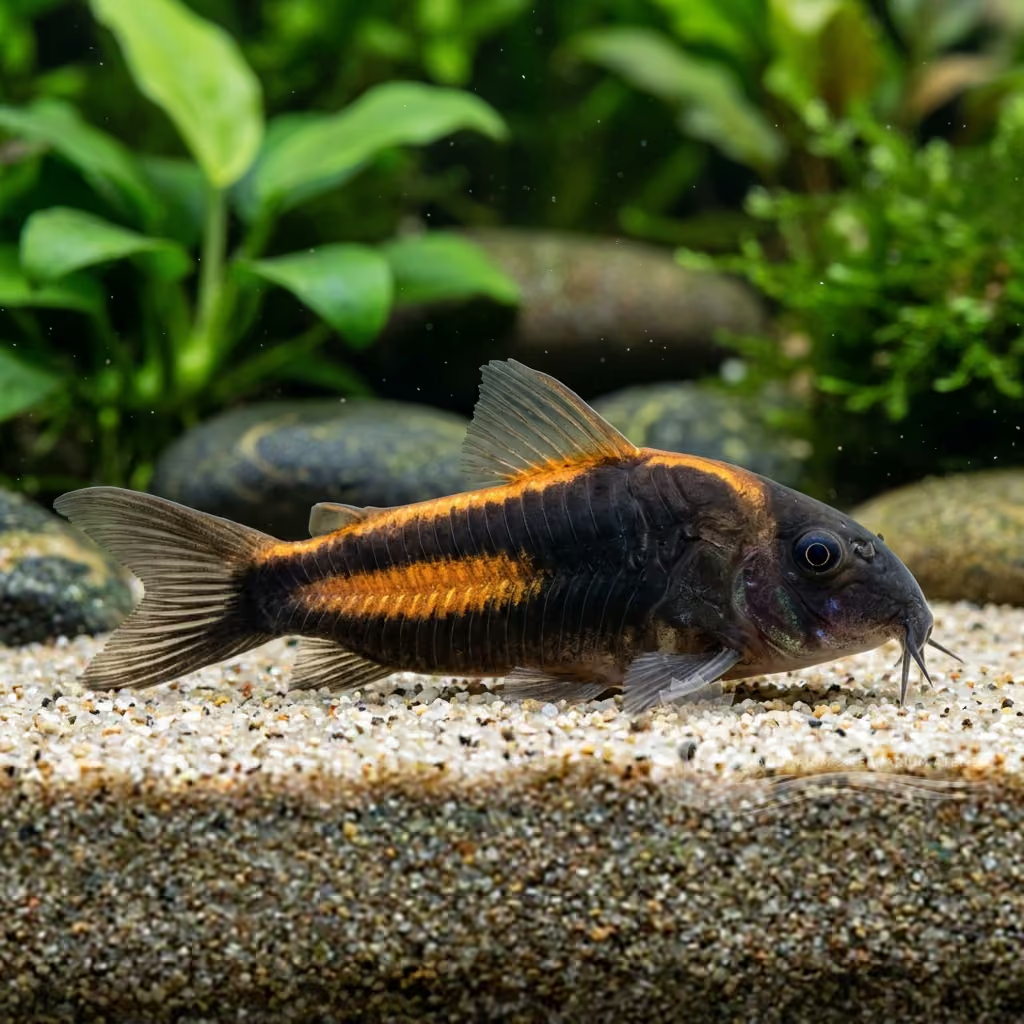
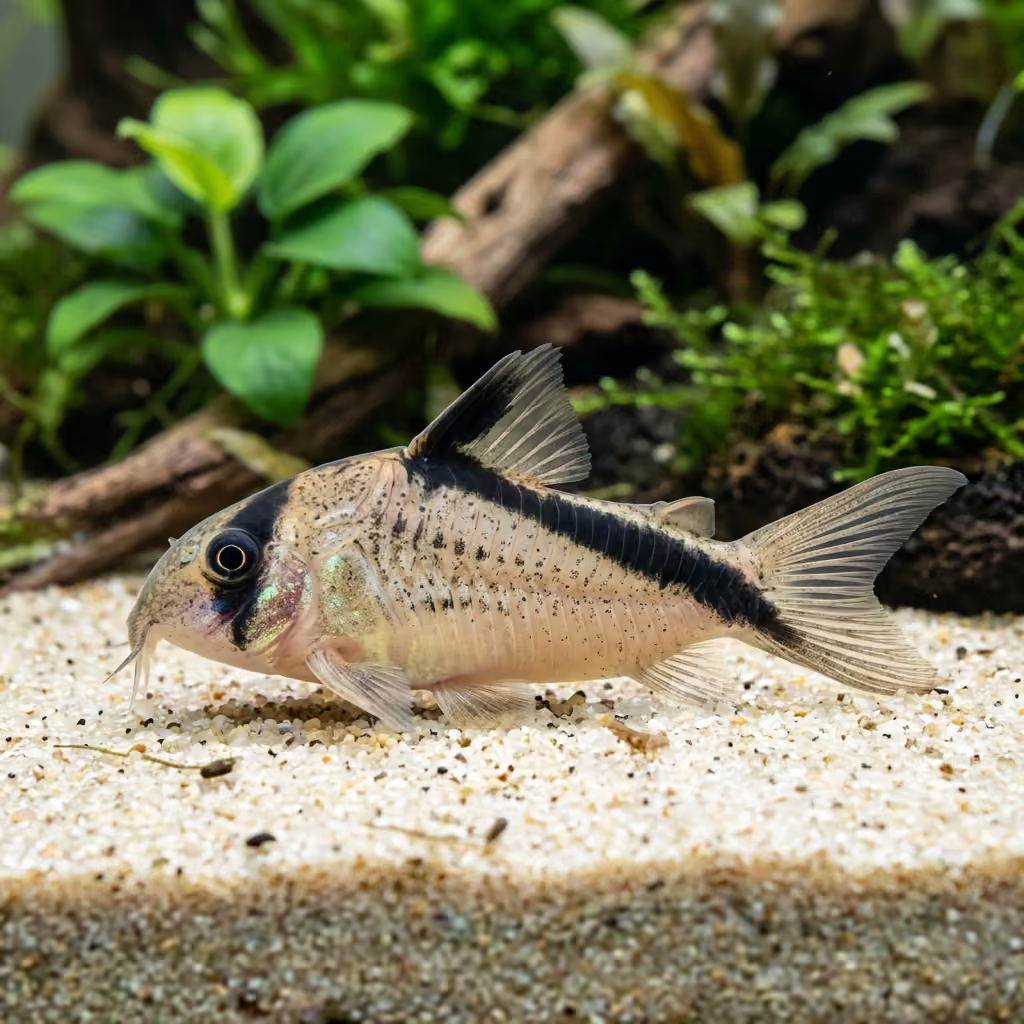
Compatibility and Cohabitation: Ideal fish for the upper zone of peaceful amber tanks. Cohabits with small Characins (Neons, Cardinals), dwarf Corydoras, slow Loricariids and very docile dwarf Cichlids.
Aquarium Breeding: Extraordinary! The pair jumps *out of the water* and clings to an emerged leaf (or the lid) for a few seconds to lay/fertilize a few eggs at a time. The male will then stay under the leaf and with his tail will "splash" drops of water on the emerged eggs for days, keeping them moist until the larvae fall into the water.
Risks and Diseases: If there is no lid, they will invariably jump onto the floor. The newborns (who fall into the water) are tiny and are eaten by the parents themselves or end up sucked up by the filters if not promptly separated.

Origem e distribuição geográfica
Native to the Pará River basin and the lower Amazon River (Brazil). Inhabits flooded forest areas, slow-flowing streams and shallow marshes, characterized by dense marsh vegetation emerging from the water.
Origem
Oceanos tropicais e recifesAmazônia, Orinoco e Guianas

Perfil de peixe
- Temperamento
- Semi-aggressive
- They exhibit a gregarious and peaceful social behavior, making it essential to keep them in groups of at least 6-8 specimens. They spend almost all of their time immediately below the water surface, where they feel secure among the floating vegetation. They show a shy nature that requires a quiet environment to display their natural behaviors.
- Dieta
- Omnivore
- As specialized micropredators that hunt near the surface, they prefer small insects and larvae. In captivity, their diet should consist of small live or frozen foods such as drosophila (fruit flies), newly hatched brine shrimp, and daphnia. They also accept dry food in flakes or floating micro-granules, provided the size is appropriate for their very small mouths.
- Expectativa de vida
- 3-5 years
- Tamanho adulto
- 6 cm
- Proporção sexual
- Group
- It is best to keep splash tetras in groups with a ratio favoring females, ideally two to three females for every male. The males spend significant energy displaying and attempting to coax females into participating in their unique jumping spawning ritual. Having multiple females ensures that the male's relentless courting behavior is dispersed, preventing any single female from becoming overly stressed or exhausted. In a suitably large tank, a larger mixed-sex group can be kept to observe fascinating social dynamics.
- Frequência de alimentação
- Twice daily
- They require feeding once or twice daily with minimal amounts that they can consume quickly. Because they have small stomachs and a fast metabolism, frequent but small feedings are preferable to a single large meal. Care must be taken to ensure that the food does not sink quickly to the bottom, where it would be ignored.
- Carga biológica
- Low
- The splash tetra has a very low bioload, consistent with its small size and modest dietary requirements. They are micro-predators that feed on small insects and zooplankton, meaning they require only small amounts of food in captivity. Standard biological and mechanical filtration, along with regular water maintenance, easily manages their waste output. Overfeeding should be avoided, as decaying food will pollute the water much faster than the fish themselves.
- Fluxo
- Stagnant
- They prefer waters with weak or almost no current, favoring calm areas of the aquarium rich in plants. Excessive flow would force them into continuous physical effort that could eventually weaken them. The inclusion of floating plants is optimal both for shading the light and damping the flow of surface filters.
- Risco de salto
- Yes
- The splash tetra is famous for its unique reproductive strategy, which involves literally jumping out of the water to lay eggs on overhanging leaves. Consequently, their jump risk is exceptionally high, as leaping is an ingrained, instinctual behavior for this species. A very tight, secure lid is absolutely mandatory, and there should be a few inches of airspace between the water surface and the cover to allow for natural behaviors. Without a secure top, it is almost guaranteed that these fish will end up outside the aquarium.
- Reprodução
- Oviparous
- This species is famous for its extraordinary method of reproduction out of the water. The pair jumps in unison out of the tank to adhere to the underside of an overhanging leaf, where they lay and fertilize the eggs within seconds. The male remains beneath the leaf and, vigorously moving his tail, constantly splashes water onto the eggs to keep them moist until they hatch.
- Compatibilidade e companheiros de tanque
- Peaceful
- They are extremely peaceful and shy fish that must be kept in dedicated aquariums or with very quiet tankmates. Ideal companions are other small characins, pencilfish, dwarf Corydoras, and small loricariids. It is absolutely mandatory to have a tightly fitting lid on the tank, given their exceptional propensity to jump.
- Nível do tanque
- Middle/Bottom
- Surface

Modelos e parâmetros científicos
FishBase
Acesso aos dados científicos oficiais da espécie
FishBase v25.04Dados sincronizados em: 15/06/2026
- Nível trófico
- 3,3 ± 0,4 se
- Resiliência
- Média (1,4 - 4,4 anos)
- Unicidade filogenética (PD50)
- 0.5156
- Relação bayesiana comprimento-peso
- a = 0.00661, b = 3.11
- VulnerabilidadeVulnerabilidade baixa (10 / 100)

Espécies relacionadas
Recomendações agrupadas por parentes próximos, escolhas de acompanhantes e cuidados semelhantes.