Silver Dollar
Metynnis argenteus
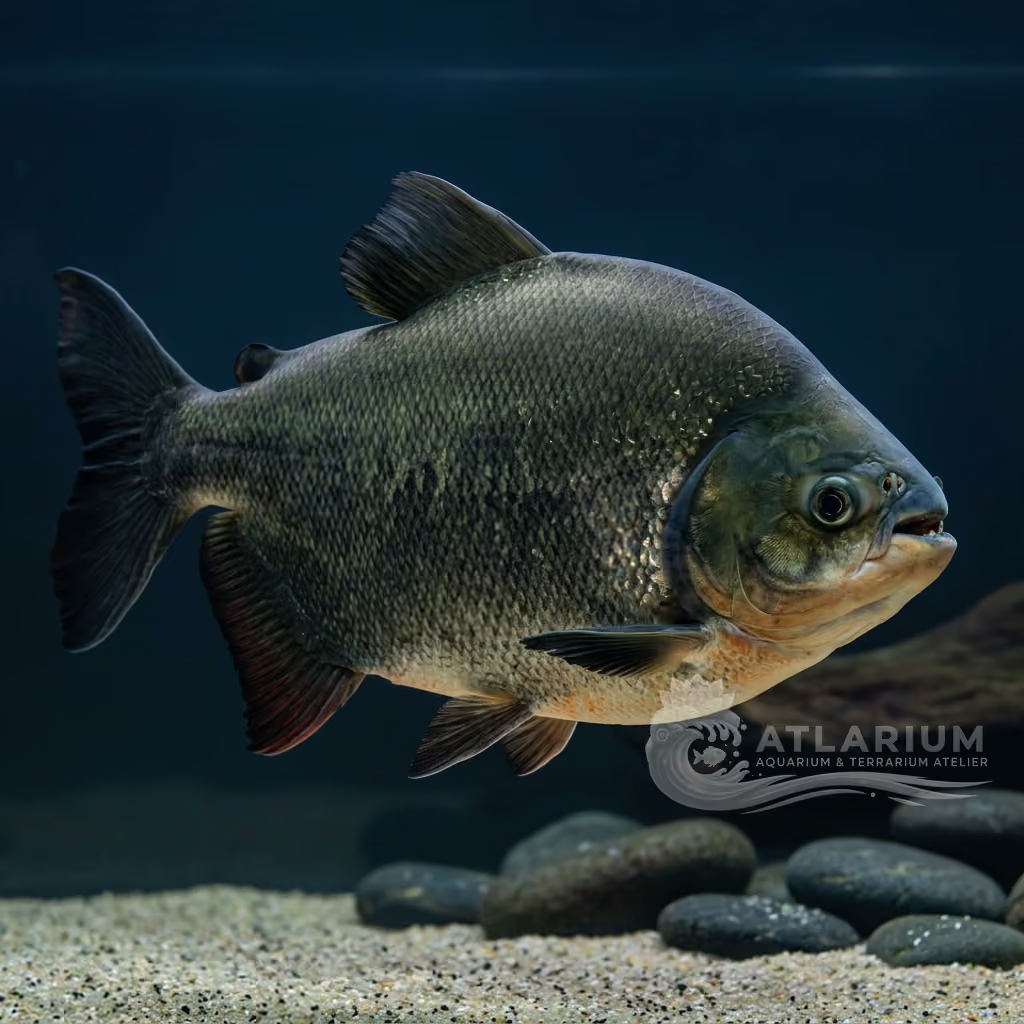
The Silver Dollar (Metynnis argenteus) is the emblem of the schooling fish for large aquariums. As the name suggests, it possesses a round, high, laterally compressed body that, covered with tiny scales, shines like a disc of pure metallic silver in the light. This close herbivorous relative of Piranhas sports an elegant and nervous swimming style, moving in unison in tight schools. Its adult size (15 cm / 6 inches) and propensity to eagerly devour any aquatic plant make it the perfect companion for bare tanks dedicated to large South American cichlids.
24 - 28 °C
6 - 7.5
Água doce
Superfície e meio
15 cm
>= 300 L
>= 6
4 - 15 dGH
2 - 7 dKH
80 - 295 ppm
125 - 461 uS/cm

Descrição da espécie

Cuidado, criação e companheiros de tanque

Origem e distribuição geográfica
Origem

Perfil de peixe
- Temperamento
- Peaceful
- They are peaceful and somewhat timid fish despite their large, imposing appearance. They rely heavily on the security of their school and can become extremely stressed or easily frightened if kept alone or in small numbers. They are not aggressive but their nervous darting can stress out more sedate tank mates.
- Dieta
- Herbivore
- They are primarily herbivores and will enthusiastically consume almost all types of aquatic plants in an aquarium. Their diet should be rich in high-quality vegetable flakes, spirulina, and fresh greens like romaine lettuce or cucumber. Providing occasional meaty treats like bloodworms is acceptable but should not form the bulk of their meals.
- Expectativa de vida
- 10-15 years
- Tamanho adulto
- 15 cm
- Proporção sexual
- School
- Sex ratio is generally not a significant concern for this schooling species outside of active breeding setups. It is more important to keep them in a sizable school of at least six individuals to reduce stress and skittishness. Males can be distinguished by a slightly longer anal fin tinged with red.
- Frequência de alimentação
- Twice daily
- Silver Dollars should be fed two to three times a day in portions they can consume within a few minutes. Their fast metabolism and active nature require consistent caloric intake. Supplementing their diet with constantly available greens like blanched spinach helps satiate their constant grazing behavior.
- Carga biológica
- Medium to High
- Silver Dollars produce a substantial bioload due to their large size and messy eating habits. They are schooling fish that require spacious aquariums, meaning the cumulative waste output is significant. Heavy filtration and regular, large water changes are necessary to prevent the accumulation of toxic compounds.
- Fluxo
- Strong
- They are accustomed to the moderate currents of South American river basins and appreciate a decent water flow. A good current will encourage their natural schooling behavior and keep them active. Ensure the flow is not so strong that it exhausts them, providing calmer resting areas in the tank.
- Risco de salto
- Yes
- These fish are extremely skittish and prone to panicking, making them a very high jump risk. Any sudden movements or turning on bright lights can cause them to dart to the surface and jump. A tight-fitting, secure, and robust lid is absolutely mandatory for their safety.
- Reprodução
- Oviparous
- They are egg scatterers and do not provide any parental care for their young. In a dedicated breeding tank, females will release thousands of eggs among fine-leaved plants or a spawning mop. The parents must be removed immediately after spawning to prevent them from eating the eggs.
- Compatibilidade e companheiros de tanque
- Highly aggressive
- They are generally peaceful schooling fish that do well in large community setups. However, their size can be intimidating to very small tank mates, and they may occasionally nip at much smaller fish if underfed. Excellent companions include other large tetras, peaceful cichlids, and sizeable catfish.
- Nível do tanque
- Top/Middle
- Silver Dollars are highly active swimmers that primarily occupy the middle and upper levels of the water column. They need plenty of open swimming space to accommodate their size and active schooling behavior. They rarely venture to the bottom substrate unless searching for sunken food.

Modelos e parâmetros científicos
Acesso aos dados científicos oficiais da espécie
- Nível trófico
- 3,4 ± 0,6 se
- Resiliência
- Alta (menos de 15 meses)
- Unicidade filogenética (PD50)
- 0.5001
- Relação bayesiana comprimento-peso
- a = 0.02754, b = 3.11
- VulnerabilidadeVulnerabilidade baixa (10 / 100)

Espécies relacionadas
Recomendações agrupadas por parentes próximos, escolhas de acompanhantes e cuidados semelhantes.