Electric Blue Ram
Mikrogeophagus ramirezi
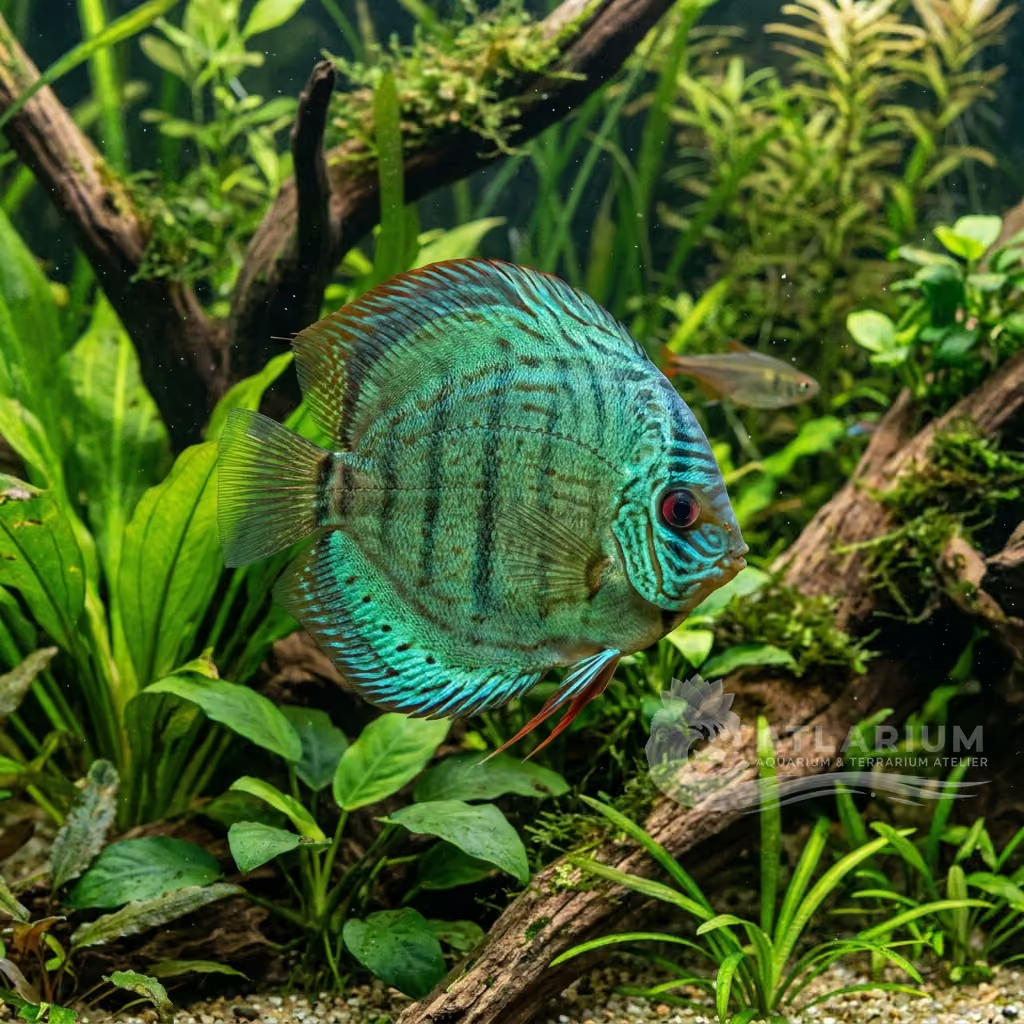
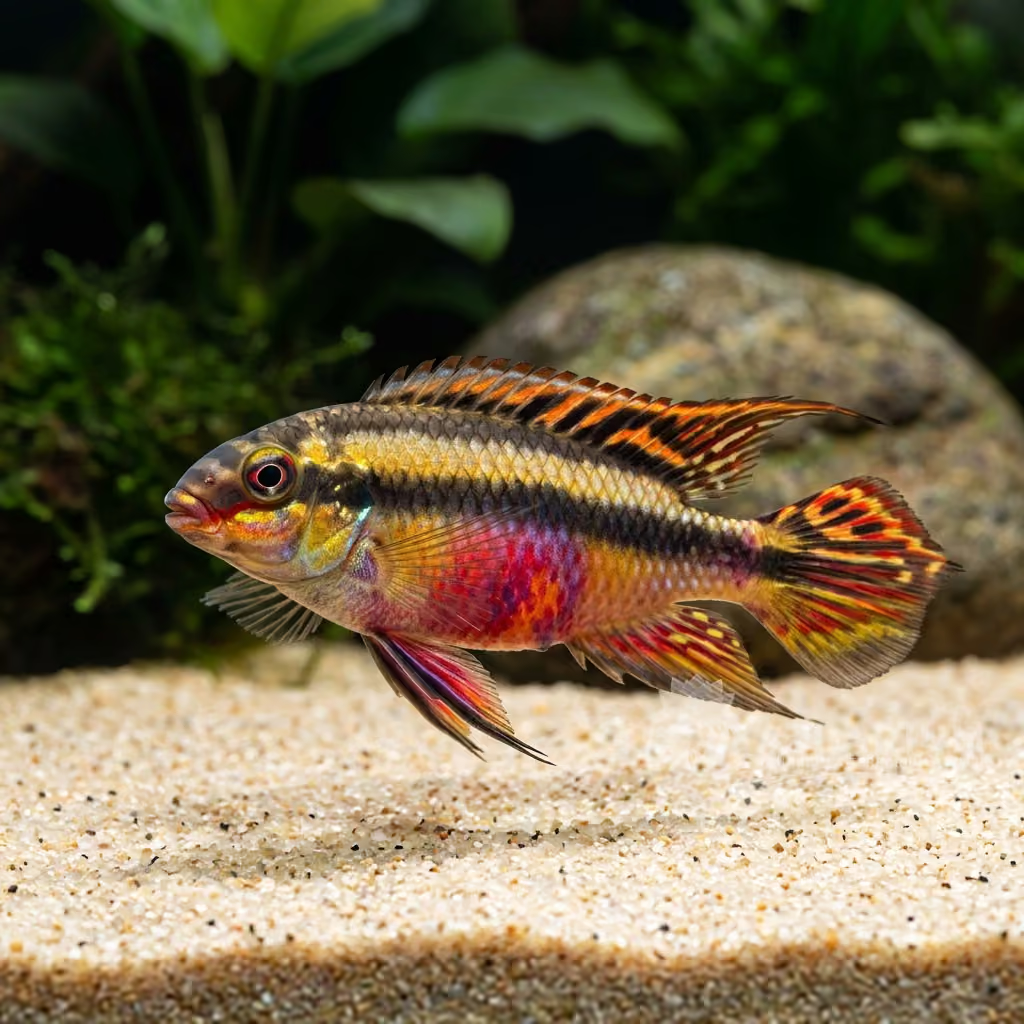
The Electric Blue Ram exhibits a dazzling metallic cyan blue coloration, the result of a genetic mutation isolated in Asian breeding facilities. This visual marvel is, unfortunately, accompanied by genetics devastated by extreme inbreeding. It is a very fragile fish, with a dramatically short life expectancy in amateur tanks. To survive, it demands clinical conditions: constant 28-30°C, RO water acidified with peat (NO tap water), frozen or live food, and the total absence of aggressive or fast fish.
27 - 30 °C
5.5 - 6.8
Água doce
Parte inferior e intermediária
7 cm
>= 60 L
>= 2
1 - 5 dGH
1 - 2 dKH
25 - 95 ppm
39 - 148 uS/cm

Descrição da espécie

Cuidado, criação e companheiros de tanque

Origem e distribuição geográfica
Origem

Perfil de peixe
- Temperamento
- Peaceful
- They possess a generally peaceful, somewhat shy, and delicate temperament. While males will establish and defend small territories, their aggression is largely restricted to posturing and short chases. They require a heavily planted aquarium with numerous hiding spots to feel secure and display their best behavior.
- Dieta
- Micro-predator
- They are omnivorous micropredators that require a high-quality, varied diet to maintain their stunning blue coloration. Sinking micro-pellets should be supplemented with frequent offerings of frozen or live foods like daphnia, bloodworms, and brine shrimp. Proper nutrition is critical to bolster their often fragile immune systems.
- Expectativa de vida
- 2-3 years
- Tamanho adulto
- 7 cm
- Proporção sexual
- Solitary
- Sexing Electric Blue Rams can be more challenging than the wild type as the females lack the distinct pink belly. Keeping a confirmed pair is the ideal scenario, though a single specimen will also thrive. Two males in a small tank will relentlessly harass each other over territorial disputes.
- Frequência de alimentação
- Twice daily
- Feeding them small amounts twice a day is ideal to ensure they receive sufficient calories. Because they feed slowly and deliberately, it is crucial to observe that they are actually getting food before faster fish consume it all. Target feeding is often necessary when housing them with more aggressive eaters.
- Carga biológica
- Low
- The Electric Blue Ram, a highly bred color variant, produces a moderate bioload similar to the wild type. Due to extensive line breeding, their genetic hardiness is often compromised, making them hyper-sensitive to any water quality issues. Maintaining absolute pristine water conditions through rigorous maintenance is non-negotiable for their survival.
- Fluxo
- Stagnant
- They require a calm environment with slow to moderate water movement, mimicking their natural South American origins. Strong water flow will rapidly exhaust these delicate fish and induce severe stress. Utilizing sponge filters or heavily baffling power filter outputs is highly recommended.
- Risco de salto
- No
- Reprodução
- Oviparous
- They are substrate spawners and form monogamous pairs, although heavily line-bred variants sometimes display poor parenting instincts. If successful, the female lays eggs on a flat surface, and the pair will attempt to defend the site. In many cases, aquarists must artificially hatch and raise the fry as the parents may eat the eggs.
- Compatibilidade e companheiros de tanque
- Species only
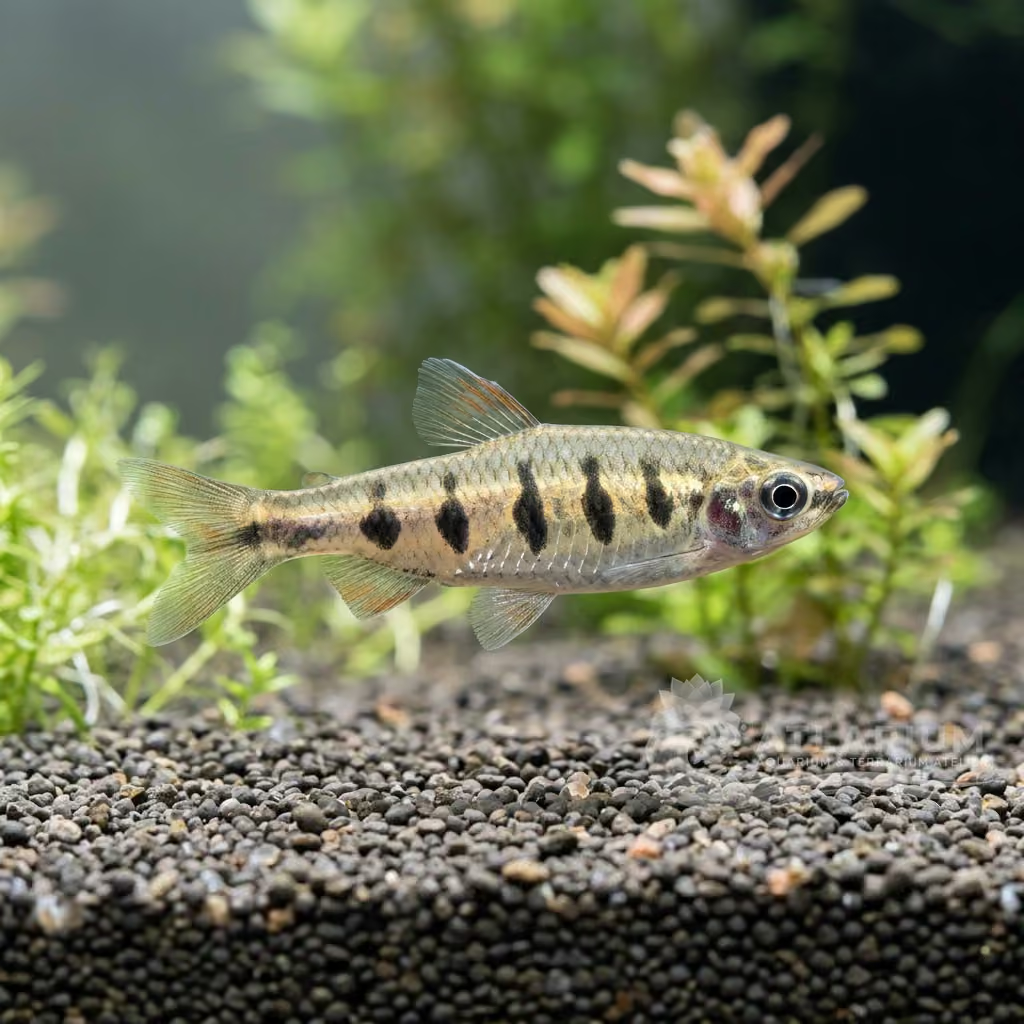
- They are peaceful dwarf cichlids best kept in a tranquil community setting with other docile species. Excellent companions include small tetras, pencilfish, and bottom-dwelling corydoras that appreciate warmer water temperatures. They will easily be outcompeted and stressed to death by fast-swimming or aggressive tank mates.
- Nível do tanque
- Middle/Bottom
- They predominantly occupy the bottom and lower-mid levels of the aquarium, frequently hovering just above the substrate. They exhibit the characteristic sifting behavior of Geophagus relatives, taking mouthfuls of sand to extract food. A soft, fine sand substrate is absolutely essential for their well-being.

Modelos e parâmetros científicos
Acesso aos dados científicos oficiais da espécie
- Nível trófico
- 3,1 ± 0,5 se
- Resiliência
- Alta (menos de 15 meses)
- Unicidade filogenética (PD50)
- 0.75
- Relação bayesiana comprimento-peso
- a = 0.01445, b = 3.08
- VulnerabilidadeVulnerabilidade baixa (10 / 100)

Espécies relacionadas
Recomendações agrupadas por parentes próximos, escolhas de acompanhantes e cuidados semelhantes.