Otocinclus (Dwarf Sucker)
Otocinclus affinis
Known everywhere as 'Oto'. A miniature catfish (4 cm), shaped like a tiny torpedo. The most efficient and relentless scavenger of diatom algae and soft green films for delicate planted aquariums.
Temperatura da água
21 - 26 °C
Valor de pH
6 - 7.5
Tipo de água
Água doce
Nível do tanque
Parte inferior e intermediária
Tamanho adulto
4 cm
Volume mínimo do tanque
>= 30 L
Grupo mínimo
>= 1
GH
2 - 15 dGH
KH
1 - 7 dKH
TDS
40 - 295 ppm
Condutividade
63 - 461 uS/cm

Descrição da espécie
Geographical Origin and Habitat: Primarily native to the river basins of southeastern Brazil (Rio de Janeiro state) and northern Argentina. Inhabits clear, slow-moving streams, small forest channels, and river margins densely choked with marginal vegetation and rich beds of algae and biofilm.
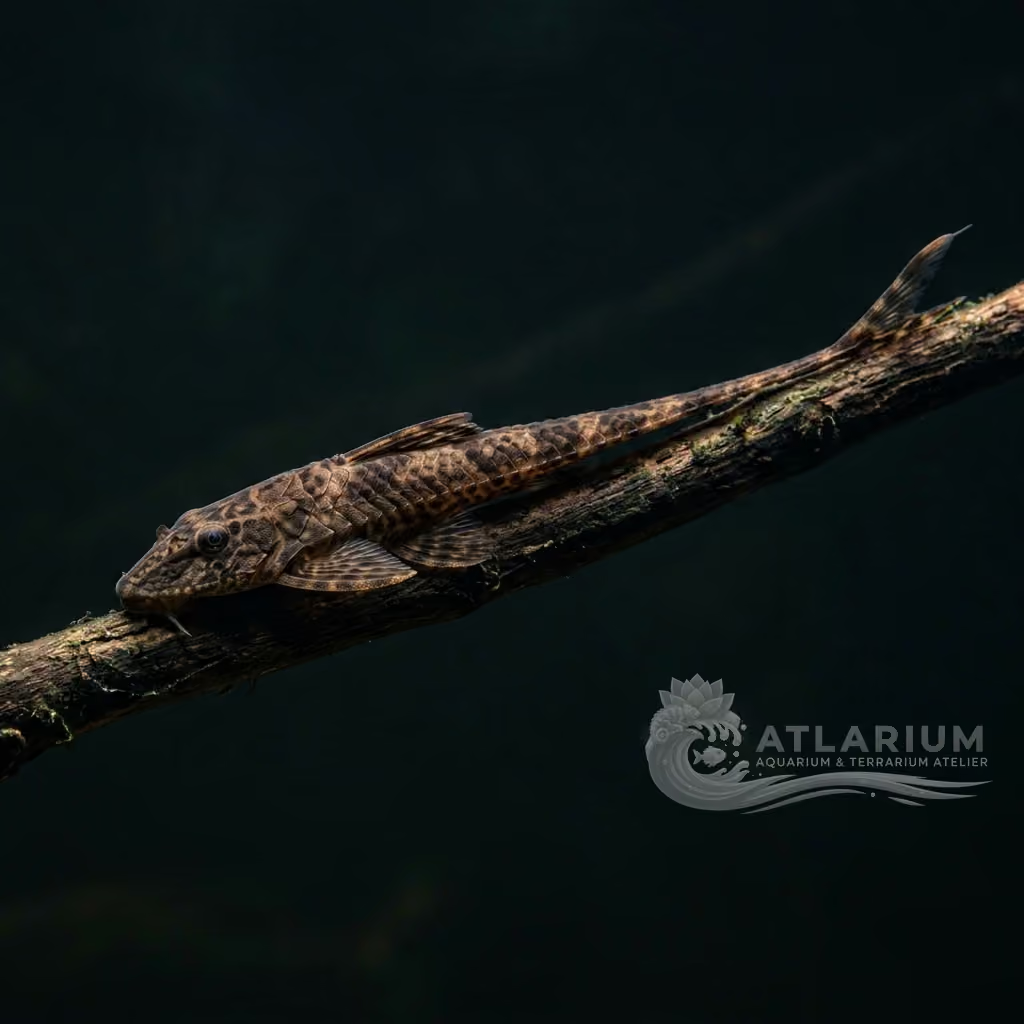
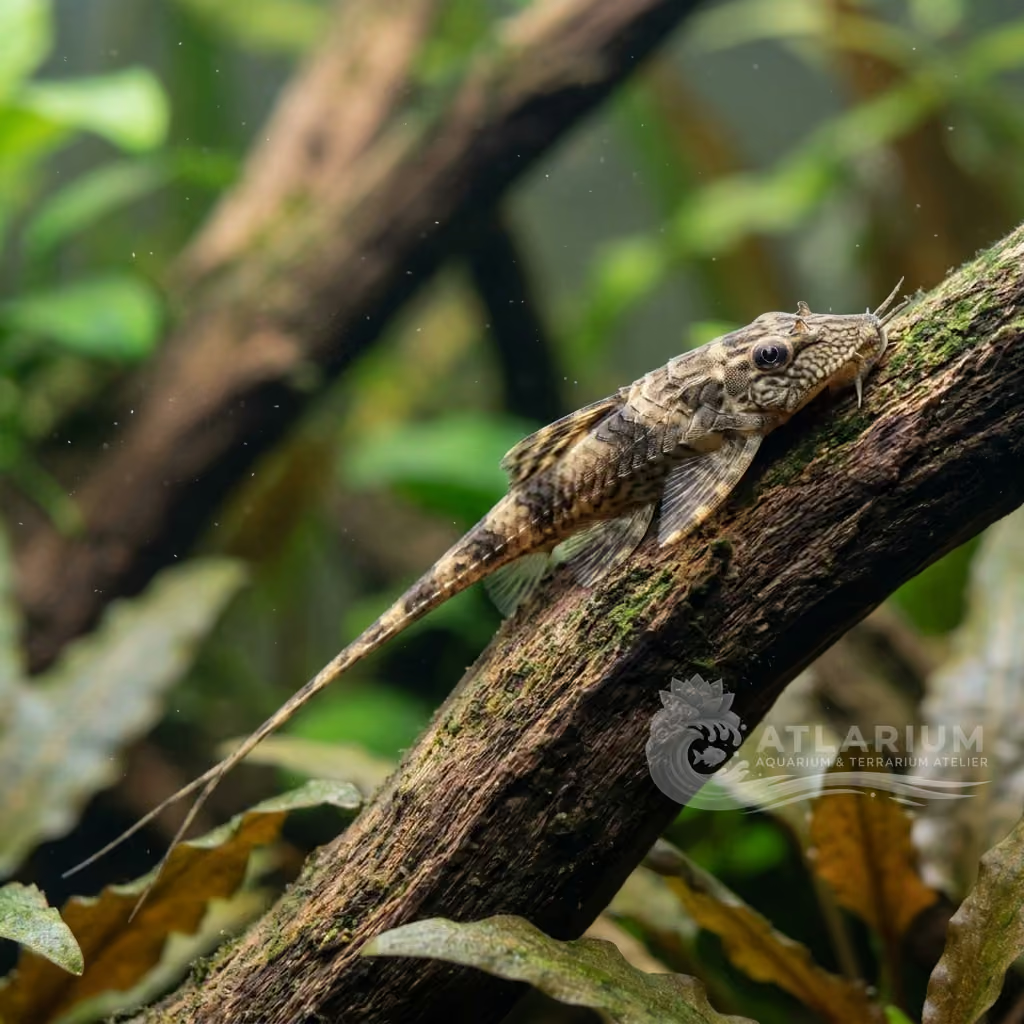
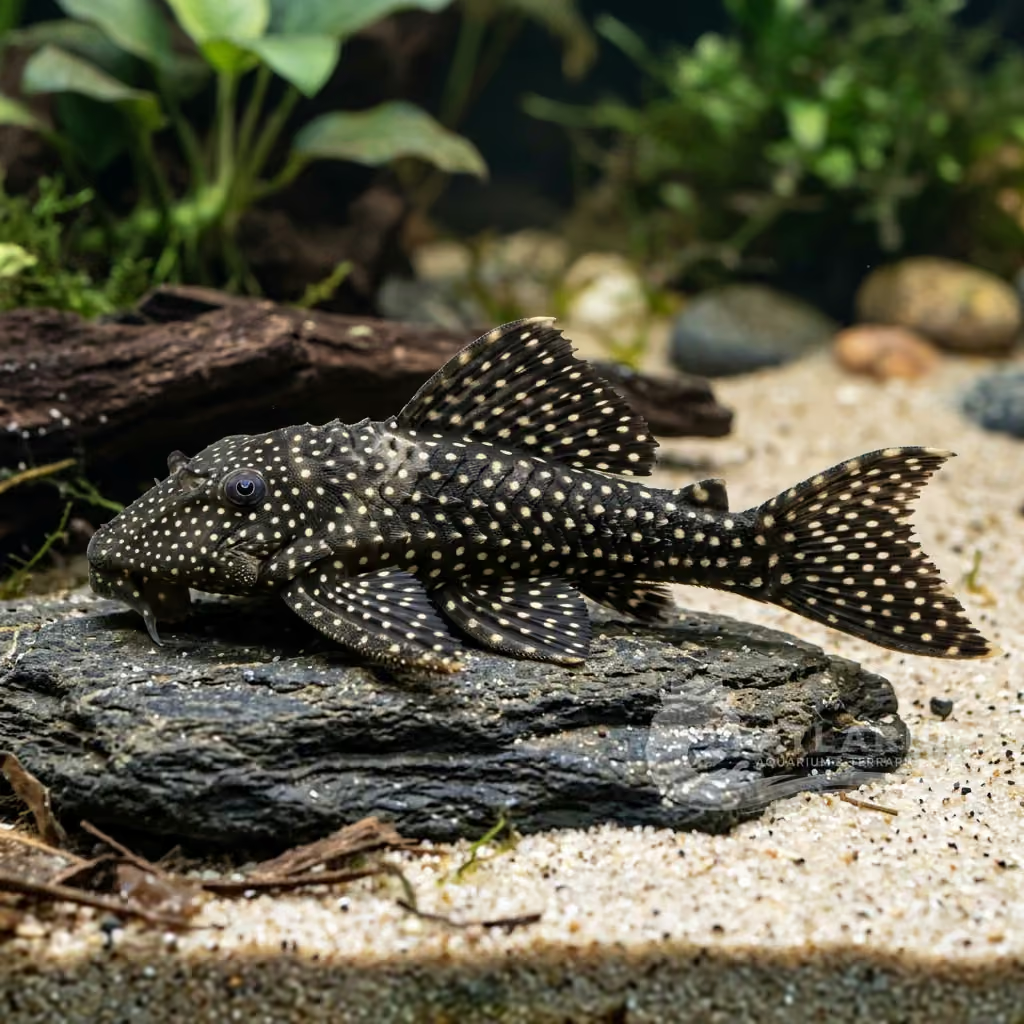
Taxonomy and Morphology: Universally loved in the hobby as the "Oto" or "Dwarf Sucker". Belongs to the Loricariidae family but is incredibly tiny (max 4-5 cm / 1.5-2 inches adult). Torpedo-shaped body, ventral sucker-mouth, and an iconic thick, sharp black lateral stripe running from the tip of its snout straight through to the caudal fin.
Social Behavior: Extremely peaceful and highly gregarious. Unlike most Plecos, Otocinclus MUST be kept in tightly knit schools (minimum 6-10 individuals) to feel secure and prevent severe stress. They spend their days hopping from leaf to leaf, frantically rasping the surface, often resting in parallel alignment on broad plant leaves.
Coloration and Sexual Dimorphism: The base body color is olive-gray to silvery-beige, anchored by the striking dark lateral band. The belly is flat and bright silver. Sexual dimorphism is imperceptible in juveniles; in mature adults, females look noticeably plumper, rounder, and wider across the belly compared to the slender males.

Cuidado, criação e companheiros de tanque
Aquarium Setup: Strictly requires a MATURE, heavily planted aquarium. It is pure folly to add them to a newly cycled tank. The aquarium must contain abundant natural driftwood and broad-leaved plants (Amazon Swords, Anubias) offering endless grazing surfaces. Well-oxygenated water with gentle to moderate flow completes the perfect habitat.
Diet and Feeding: Herbivore and obligate "Aufwuchs" (biofilm, soft green algae, and brown diatoms) grazer. This is the #1 cause of death: they do NOT eat tough hair or beard algae. Once the soft algae on the glass is gone, they quickly starve. It is vital to supplement them daily with blanched zucchini, cucumber slices, and soft sinking spirulina wafers.
Water Quality: Highly intolerant of chemical or thermal fluctuations. Demands a chemically stable tank, pristine water, and very low nitrates. Tolerates soft to medium-hard water (GH 4-12) and slightly acidic to neutral pH (6.0 - 7.5). Ideal temperatures are cooler, between 21-26°C (70-79°F). They suffer horribly in extreme summer heat.
Compatibility and Cohabitation: The absolute perfect resident for "nano" community tanks or shrimp-scaping setups. Utterly harmless to all fish, snails, and even baby shrimp. Should only be housed with equally tiny, peaceful fish (Neon Tetras, Rasboras, dwarf Corydoras). Even mildly aggressive fish or medium Cichlids will easily swallow them or stress them to death.
Aquarium Breeding: Difficult, but occasionally achieved in large groups fed exclusively on heavy green diets and triggered by cool water changes mimicking rainfall. They scatter tiny adhesive eggs on the undersides of broad leaves (they do not use caves). Parents usually ignore the eggs, but the microscopic fry require deeply mature, biofilm-rich tanks to avoid starvation.
Risks and Diseases: 1. Post-Purchase Mortality (the "50% Die-Off"): often wild-caught using harsh chemicals, they arrive at stores starving with destroyed gut bacteria, dropping dead within 10 days. 2. Starvation: a sunken, flat belly means imminent death. 3. Osmotic Shock: highly sensitive to new water; always drip-acclimate slowly.

Origem e distribuição geográfica
Primarily native to the river basins of southeastern Brazil (Rio de Janeiro state) and northern Argentina. Inhabits clear, slow-moving streams, small forest channels, and river margins densely choked with marginal vegetation and rich beds of algae and biofilm.
Origem
Oceanos tropicais e recifesExtra-Amazônica América do Sul

Perfil de peixe
- Temperamento
- Semi-aggressive
- They are very timid, social fish that must be kept in groups to thrive. Solitary specimens become highly stressed and hide constantly. They are industrious workers, spending their entire day cleaning algae off surfaces.
- Dieta
- Omnivore
- They are strict herbivores that feed almost entirely on soft green algae and diatoms. A mature tank with established algae growth is essential before introducing them. Their diet must be supplemented with blanched zucchini, spinach, or high-quality algae wafers.
- Expectativa de vida
- 3-5 years
- Tamanho adulto
- 4 cm
- Proporção sexual
- Group
- Females are noticeably broader and more robust than males when viewed from above. Keeping them in groups of six or more ensures a good mix of sexes. A larger group also makes them significantly more active and comfortable.
- Frequência de alimentação
- Twice daily
- They graze constantly throughout the day and night. Supplemental food should be offered daily if natural algae is sparse. Remove uneaten vegetables after 24 hours to prevent water fouling.
- Carga biológica
- Low
- Otocinclus Catfish have a minimal bioload due to their small size. They produce very little waste and are excellent for planted nano tanks. However, they are sensitive to nitrates, so regular water changes are required.
- Fluxo
- Stagnant
- They prefer gentle to moderate water flow. While they appreciate well-oxygenated water, they don't need raging torrents. They will often stick to glass or leaves in areas with a slight current.
- Risco de salto
- No
- Reprodução
- Oviparous
- Breeding is rare but possible in heavily planted tanks with pristine water. They scatter adhesive eggs on the undersides of broad leaves. Raising the tiny fry requires copious amounts of infusoria and microscopic algae.
- Compatibilidade e companheiros de tanque
- Semi-aggressive
- They are completely peaceful and harmless to all other fish, fry, and shrimp. They should be kept with other gentle community species like tetras, rasboras, and corydoras. Avoid keeping them with large or aggressive fish that could eat them.
- Nível do tanque
- Middle/Bottom
- They are primarily bottom and mid-level dwellers. You will mostly find them attached to aquarium glass, plant leaves, and driftwood. They rarely swim freely in the open water column.

Modelos e parâmetros científicos
FishBase
Acesso aos dados científicos oficiais da espécie
FishBase v25.04Dados sincronizados em: 15/06/2026
- Nível trófico
- 2 ± 0 se
- Unicidade filogenética (PD50)
- 0.5
- Relação bayesiana comprimento-peso
- a = 0.00977, b = 3.06
- VulnerabilidadeVulnerabilidade baixa (10 / 100)

Espécies relacionadas
Recomendações agrupadas por parentes próximos, escolhas de acompanhantes e cuidados semelhantes.