Red Lizard Catfish (L010a)
Leliella sp. “Red Lizard” (L010a)
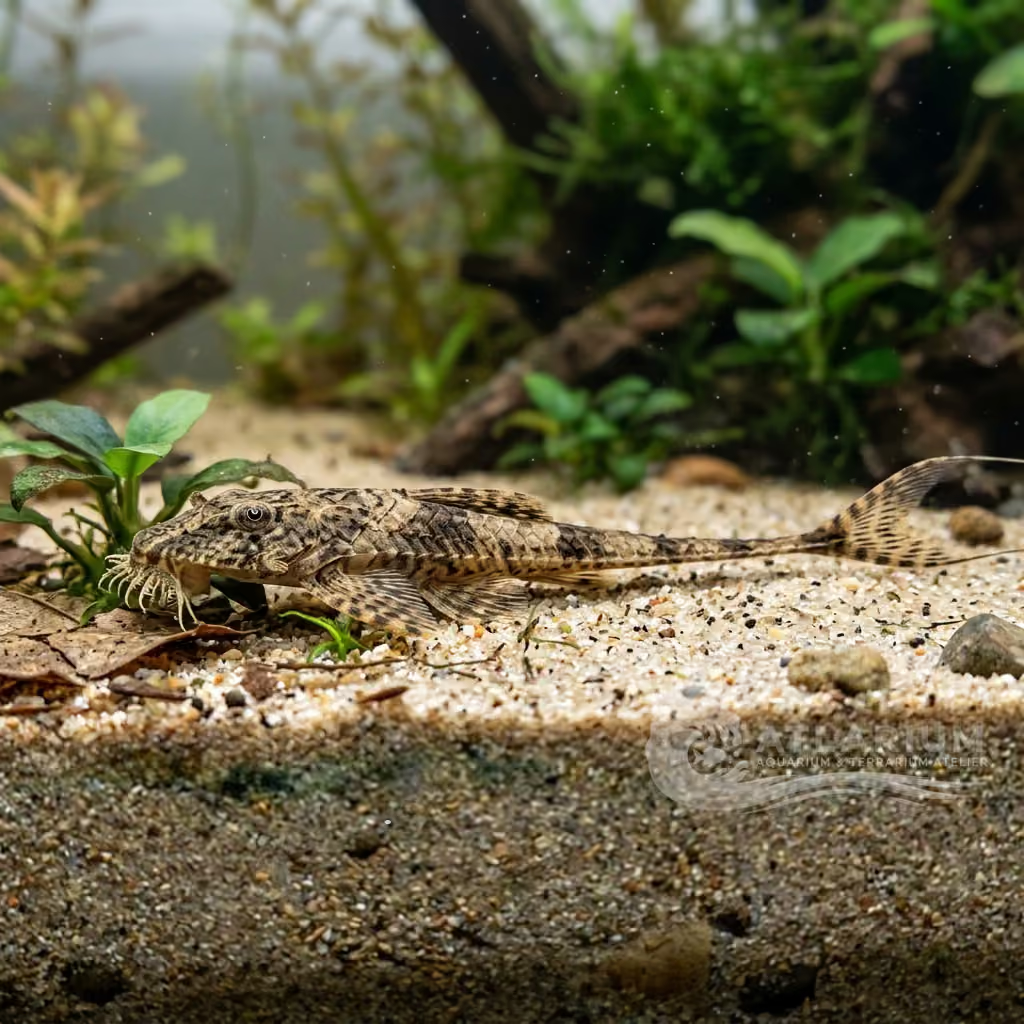
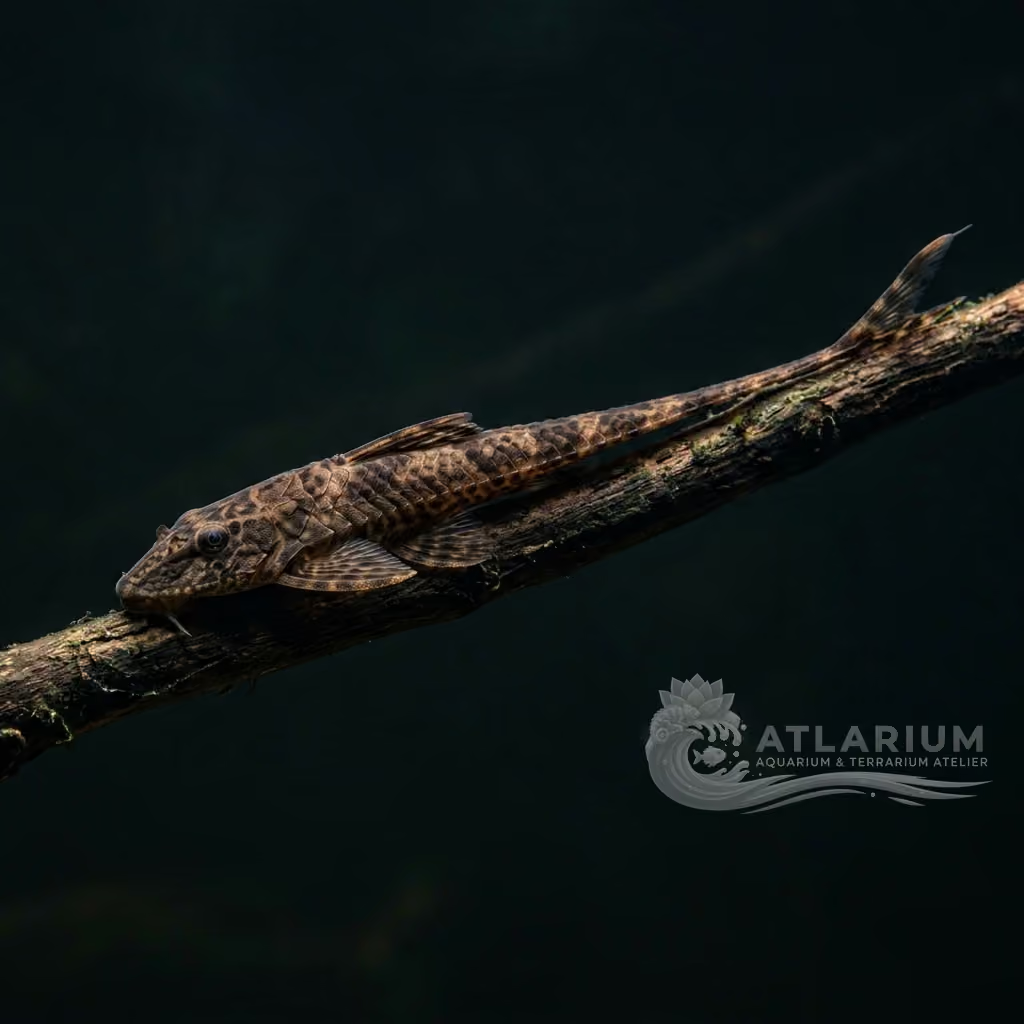
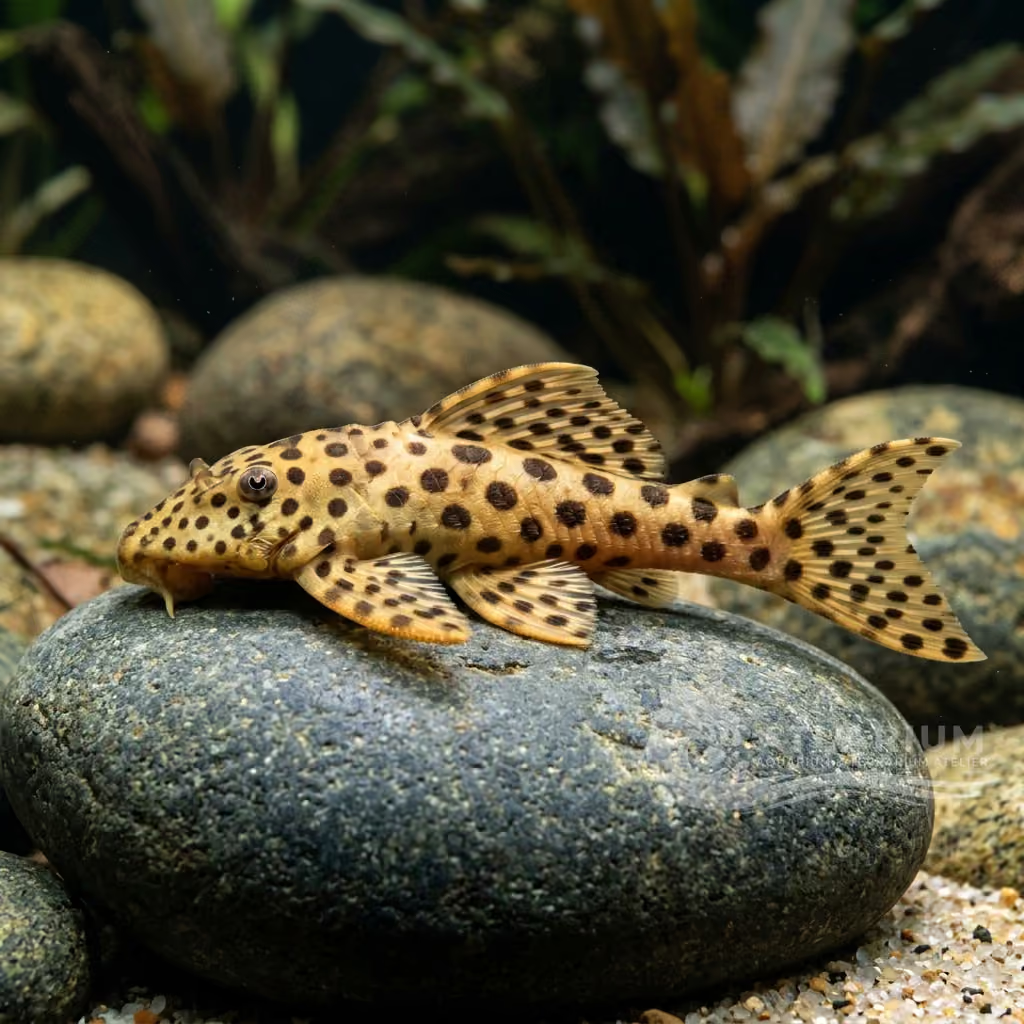
The 'Red Lizard Catfish' (L010a) is a magnificent Loricariid (11 cm) with a bright brick red color. Slender, peaceful, and very prolific, it is an excellent scavenger and guest for planted community aquariums.
Temperatura da água
24 - 28 °C
Valor de pH
6 - 7.5
Tipo de água
Água doce
Nível do tanque
Parte inferior
Tamanho adulto
11 cm
Volume mínimo do tanque
>= 100 L
Grupo mínimo
>= 1
GH
1 - 15 dGH
KH
1 - 7 dKH
TDS
25 - 295 ppm
Condutividade
39 - 461 uS/cm

Descrição da espécie
Geographical Origin and Habitat: Aquarium culture (Captive bred selection). It is believed to derive from the hybridization or genetic fixation of species originating from the Araguaia-Tocantins basin, a habitat with sandy rivers and clear waters.
Taxonomy and Morphology: Red Lizard Whiptail / Leliella sp. "Red". Whip-tail Loricariid. Has an elongated snout without the long rostrums typical of Farlowella, cylindrical body covered with bony plates that tapers like a whip.
Social Behavior: Peculiar laziness. Spends the entirety of its time perfectly still, anchored camouflaged on a branch or on the aquarium glass. Totally peaceful; in a group they tolerate each other lying stacked one on top of the other.
Coloration and Sexual Dimorphism: The coloration is the "selling-point": a uniform dark brick red or terracotta. Mature males (more slender) are identified by the development of dense hirsute hairs (odontodes) similar to a "beard" along the cheeks and upper lip.

Cuidado, criação e companheiros de tanque
Aquarium Setup: 80+ cm (32+ inches) tank. Fine sand necessary (they bury themselves in case of danger). Many long and smooth cylindrical woods arranged vertically/obliquely are their natural "tracks". Mature biological filtration without impetuous currents.
Diet and Feeding: Surface omnivore. While picking at tender algae and biofilms, it is carnivorous by nature. Disdains dry flakes: must be fed with protein gels spread on the woods, live worms or tubifex, sinking pastes. Cannot withstand competition with voracious fish.
Water Quality: Tolerates wide ranges being of domestic line, however demands purity. A high organic level causes bacteriosis to the fragile caudal plates. Keep temperatures warm (26°C / 79°F is ideal).
Compatibility and Cohabitation: Ideal companions: Dwarf Tetras (Neon, Ember), Rasboras, and Corydoras. Ban fast bottom fish like Loaches (will stress them to death by stealing food) and large Cichlids that could mistake them for earthworms.
Aquarium Breeding: Simple if fed live food. The male (Cave-spawner) cleans the inside of a narrow PVC pipe or bamboo cane, where the female lays large amber eggs. The male takes care of the offspring ignoring females until the fry swim.
Risks and Diseases: Caudal bone fragility. Grabbing it badly with the net or causing it a crushing shock will fracture its very slender tail (which has no regenerative capacity like in newts), condemning it to paralysis.

Origem e distribuição geográfica
Aquarium culture (Captive bred selection). It is believed to derive from the hybridization or genetic fixation of species originating from the Araguaia-Tocantins basin, a habitat with sandy rivers and clear waters.
Origem
Melhoramento seletivo e cultivaresAmazônia, Orinoco e GuianasOceanos tropicais e recifes

Perfil de peixe
- Temperamento
- Semi-aggressive
- This is one of the most docile and retiring catfish available in the aquarium hobby. They have absolutely no aggressive tendencies and rely entirely on camouflage for protection. A quiet environment with plenty of hiding spots is essential to make them feel secure.
- Dieta
- Omnivore
- They are omnivorous scavengers that feed on biofilm, micro-crustaceans, and soft algae. Their diet should be supplemented with sinking herbivore wafers, fresh blanched vegetables, and occasional meaty foods like frozen daphnia. Ensure that food reaches the bottom, as they will not swim up to compete for floating flakes.
- Expectativa de vida
- 5-10 years
- Tamanho adulto
- 11 cm
- Proporção sexual
- Pair
- Sexing is difficult until they reach maturity, at which point males may develop slight 'beard' growth on their cheeks. They are peaceful towards each other and can easily be kept in small groups. Keeping a mixed group increases the chances of forming a compatible breeding pair naturally.
- Frequência de alimentação
- Twice daily
- Feeding them once a day, preferably after the aquarium lights have been turned off, is highly recommended. Because they are slow, deliberate eaters, they need time to find and consume their food without harassment. Constant access to mature, biofilm-covered surfaces provides them with snacks throughout the day.
- Carga biológica
- Low to Medium
- This slender whiptail catfish produces a very low bioload compared to broader, heavier plecos. Their metabolic rate is modest and their waste output is minimal if fed appropriately. They are excellent candidates for peaceful, heavily planted setups where water quality is naturally maintained.
- Fluxo
- Stagnant
- They originate from sluggish streams and margins, strongly preferring a slow to moderate water flow. High-velocity currents will quickly exhaust them and prevent them from resting naturally on broad leaves. Ensure the tank has quiet zones where the water is relatively still.
- Risco de salto
- No
- Reprodução
- Oviparous
- They are fascinating cave or crevice spawners; the male will clean a tight space, such as a bamboo tube, to attract a female. After she lays the eggs, the male takes over full responsibility for guarding and fanning them. Raising the fry can be challenging as they require constant access to fine biofilm to survive.
- Compatibilidade e companheiros de tanque
- Vulnerable
- They are incredibly peaceful and completely defenseless, making them vulnerable to aggressive tank mates. They must be housed with small, peaceful community fish like rasboras, small tetras, and Corydoras. Boisterous or nippy fish will quickly stress them and outcompete them for food.
- Nível do tanque
- Bottom
- They are bottom and lower-middle dwellers that spend most of their time resting motionless. They love to perch on broad-leaved plants, driftwood branches, and even the aquarium glass. Their twig-like appearance allows them to blend perfectly into heavily decorated environments.

Espécies relacionadas
Recomendações agrupadas por parentes próximos, escolhas de acompanhantes e cuidados semelhantes.