Sveni Eartheater
Geophagus sveni
A magnificent eartheater from the Rio Tocantins boasting trailing fin filaments. It incessantly sifts fine sand for detritus, requiring massive freshwater setups decorated with smooth wood and no sharp rocks.
Temperatura da água
26 - 30 °C
Valor de pH
6 - 7.5
Tipo de água
Água doce
Nível do tanque
Parte inferior e intermediária
Tamanho adulto
25 cm
Volume mínimo do tanque
>= 300 L
Grupo mínimo
>= 1
GH
4 - 10 dGH
KH
2 - 5 dKH
TDS
80 - 200 ppm
Condutividade
125 - 313 uS/cm

Descrição da espécie
Geographical Origin and Habitat: Native to the Rio Tocantins basin in Brazil. Discovered relatively recently, it inhabits both the main river channel and the calm, coastal waters rich in very fine quartz sand bottoms and submerged forests.
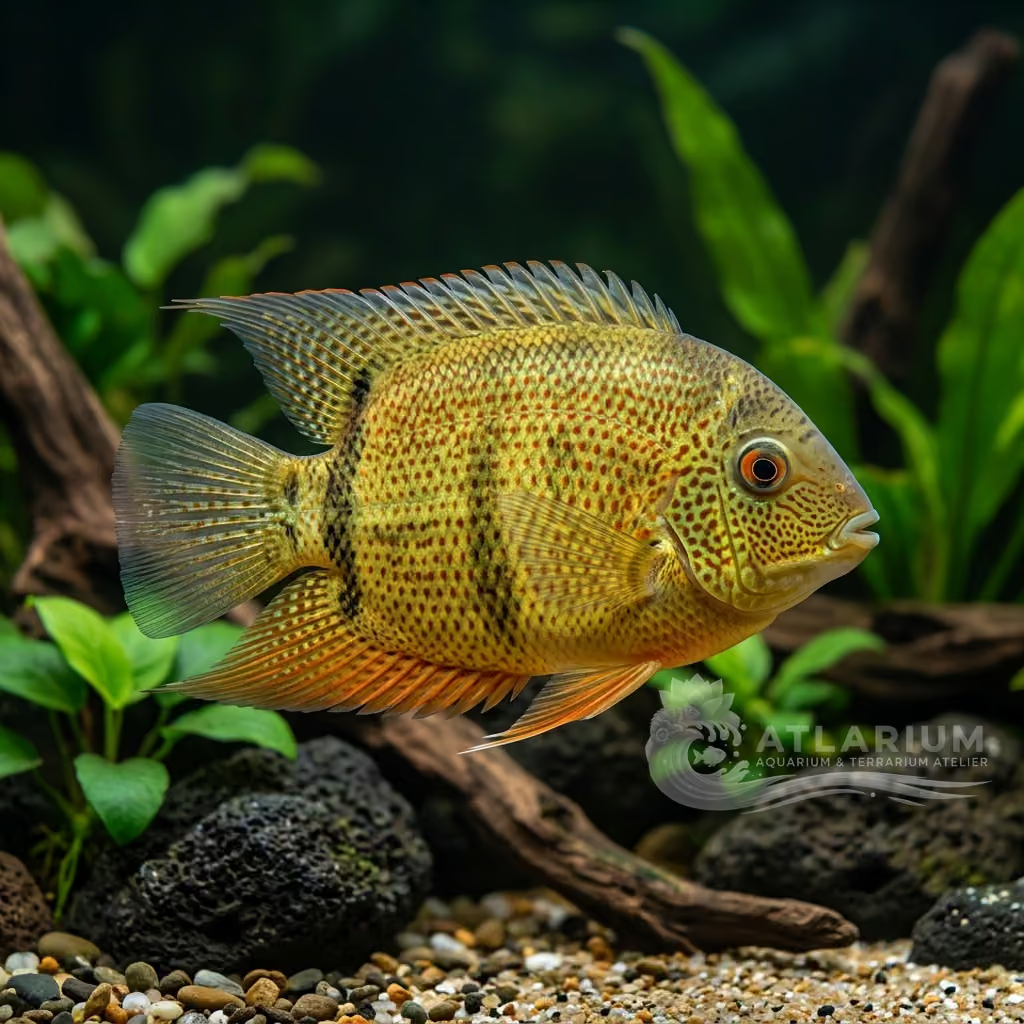
Taxonomy and Morphology: G. sveni. Belongs to the "surinamensis" group. Fish with an unmistakable silhouette, with a gently arched head profile and elongated body. The unpaired fins present extreme filaments that double the apparent length of the fish. Easily reaches 25 cm (10 inches).
Social Behavior: Absolutely peaceful, majestic and strictly gregarious (insert in groups of minimum 5-6 specimens). They are not true aggressors: they resolve hierarchical disputes by opening their gills out of all proportion in visual parades without biting each other. They work the sand incessantly all day.
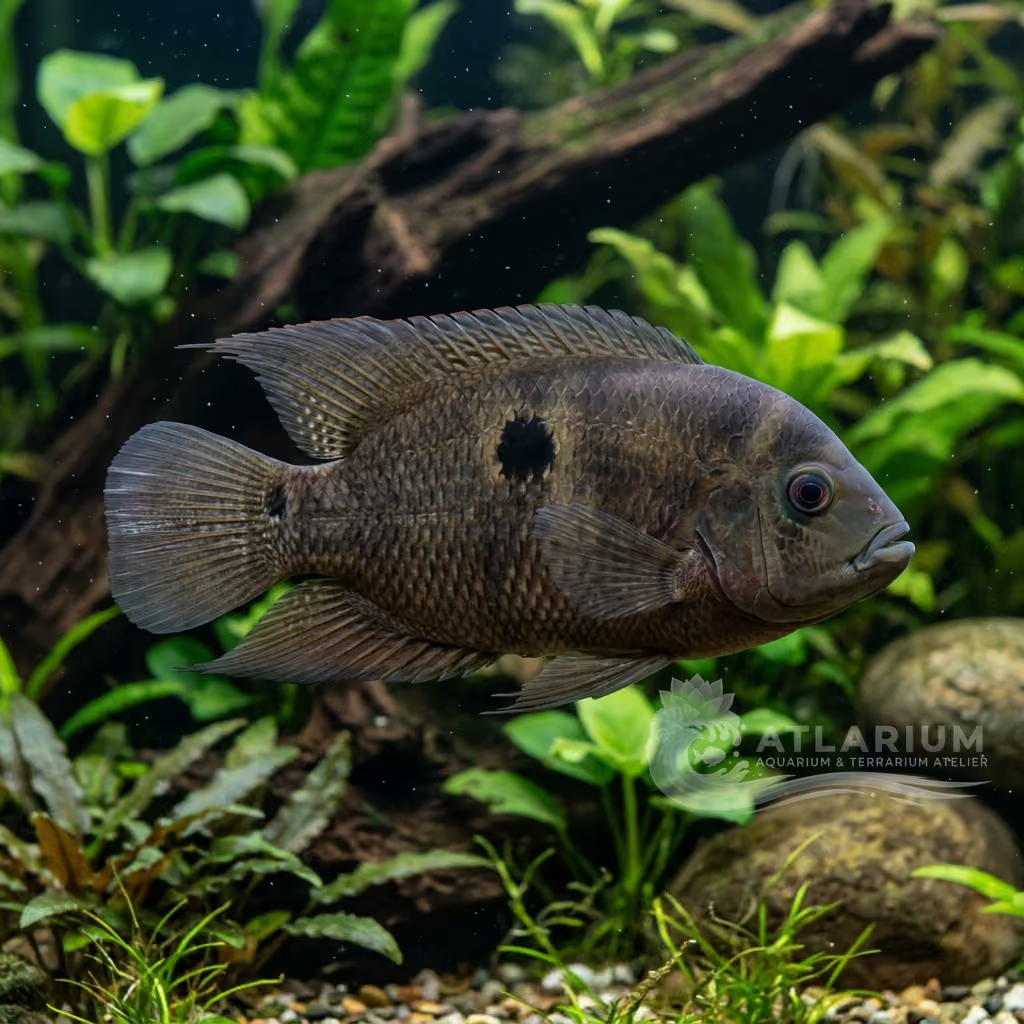
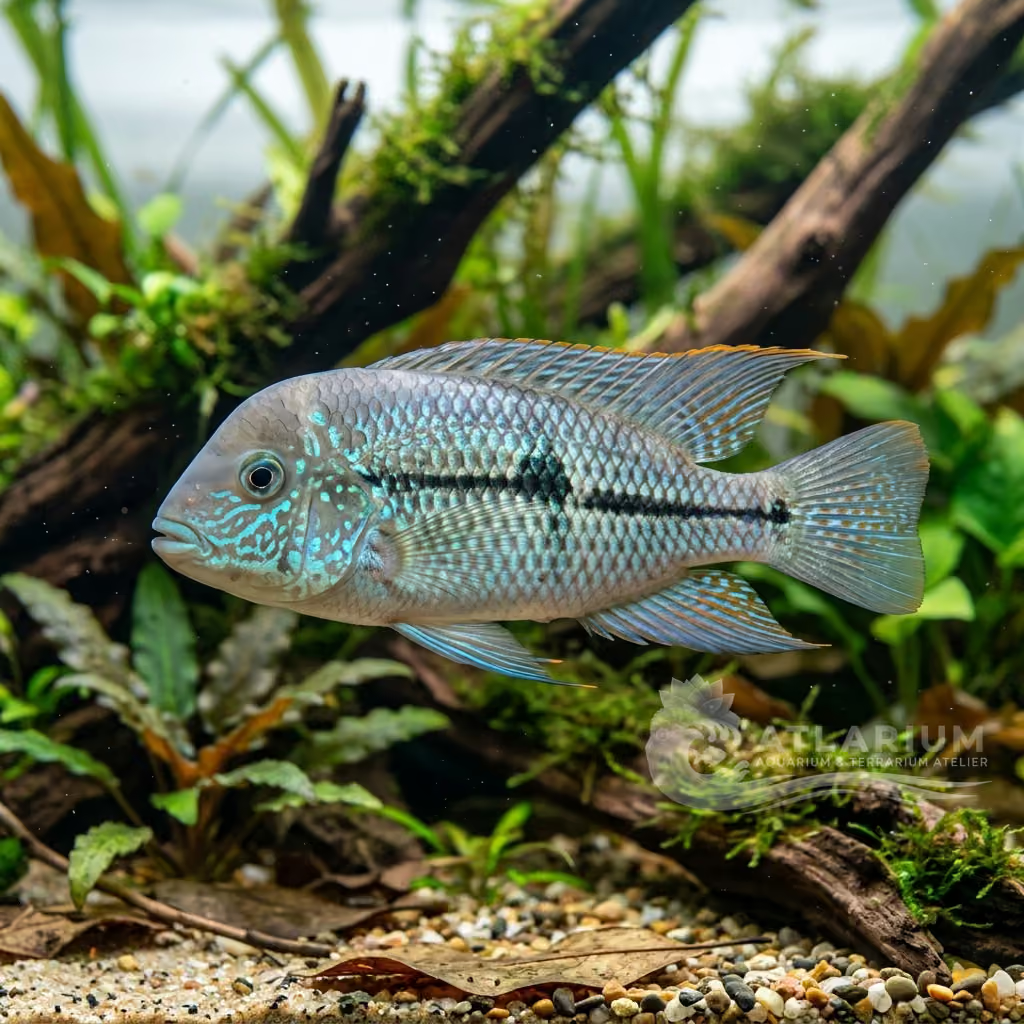
Coloration and Sexual Dimorphism: The most colorful and desired Geophagus in modern aquarium hobby. Coppery or metallic green background with five flashy vertical bands along the body. It is studded with electric blue and ruby red iridescence on scales, cheeks and fins. Evident black spot in the center of the flank. Slight dimorphism.

Cuidado, criação e companheiros de tanque
Aquarium Setup: Monumental dimensions (minimum 150 cm / 5 feet / 400 liters). FINE SAND is the only allowed bottom, otherwise they cannot filter food and injure themselves. Arrange numerous intertwined manzanita branches to shield the light, without sharp rocks. They do not destroy robust plants (Echinodorus).
Diet and Feeding: They suck in huge mouthfuls of sand in which the feed is deposited, retain it by filtering it with their gills and spit it out from the gill slits. Strictly offer soft sinking food: bloodworms, tubifex and high quality pellets no larger than 2mm. They ignore floating flakes.
Water Quality: Stringent requirements: they love very warm water (27-30°C / 81-86°F), acidic or neutral (pH 6.0-7.5) and very clean. They tolerate nitrates above 25ppm very badly (which cause lethal corrosion of the very long fin filaments and ulcers). Mechanical filtration must be excellent (they suck and move a lot of sand).
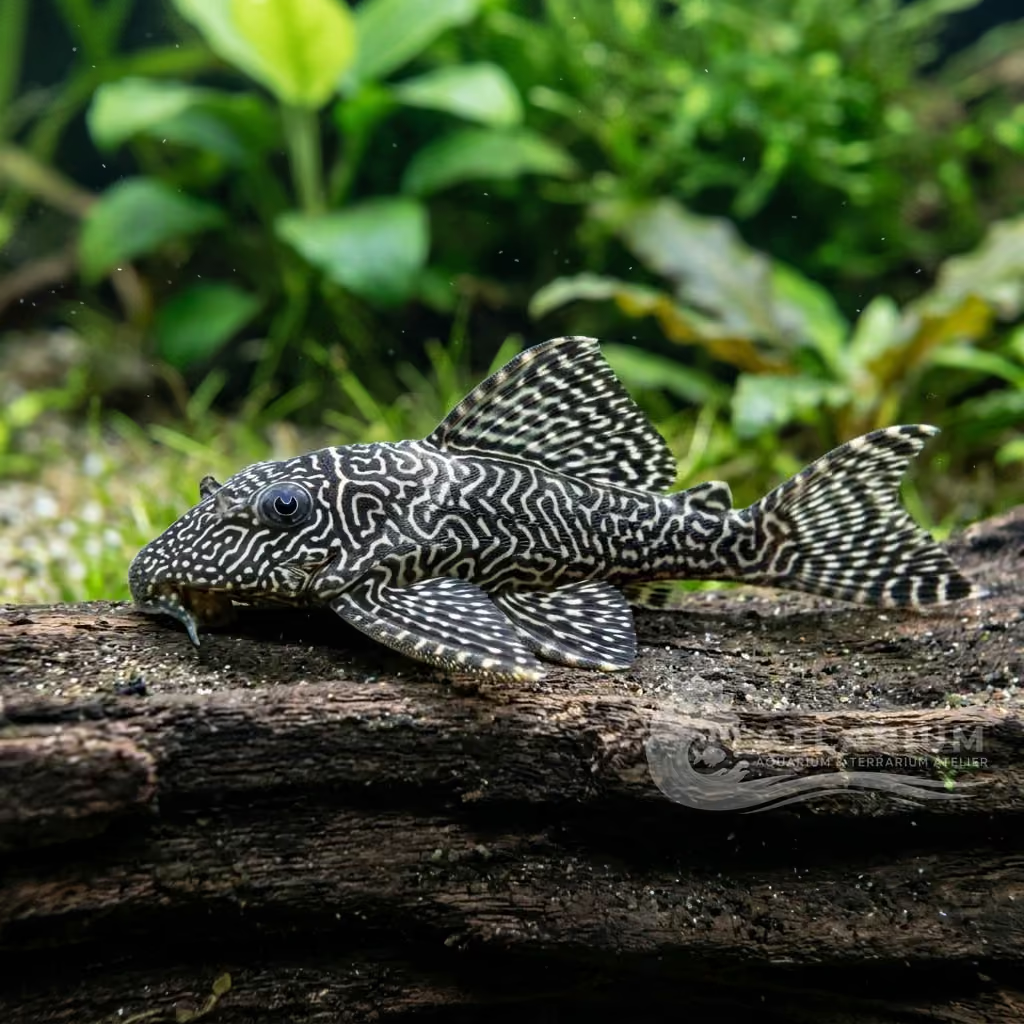
Compatibility and Cohabitation: Among the most peaceful cichlids ever. Excellent with large schools of Characins (Lemon Tetras, Giant Cardinals), herbivorous Loricariids (Panaque, Baryancistrus) or Symphysodon (Discus), with whom they share the warm habitat. Bellicose Central American cichlids absolutely to be avoided.
Aquarium Breeding: Delayed biparental Mouthbrooders. They lay their eggs on a substrate (a stone or wood); once hatched, the tiny larvae are sucked into the mother's mouth (and sometimes also the male's) for weeks, being released in safe clouds only to eat.
Risks and Diseases: The most lethal mistake for this species is the use of gravel, sharp quartz or granular allophanic soils: they get stuck in the mouth and lacerate the gills, slowly killing it. Very susceptible to hole in the head disease (Hexamita) if stress increases or nitrates rise.

Origem e distribuição geográfica
Native to the Rio Tocantins basin in Brazil. Discovered relatively recently, it inhabits both the main river channel and the calm, coastal waters rich in very fine quartz sand bottoms and submerged forests.
Origem
Oceanos tropicais e recifesAmazônia, Orinoco e Guianas

Perfil de peixe
- Temperamento
- Semi-aggressive
- It is a mild-mannered cichlid. Unprovoked aggression is very rare. It is a wonderful centerpiece fish.
- Dieta
- Omnivore
- It is an eartheater. Feed sinking pellets and frozen bloodworms. A fine sand substrate is mandatory.
- Expectativa de vida
- 8-10 years
- Tamanho adulto
- 25 cm
- Proporção sexual
- Pair
- Keep them in groups. This diffuses natural aggression. Pairs will emerge as they mature.
- Frequência de alimentação
- Twice daily
- It constantly sifts the sand. Feed multiple small meals daily. This mimics natural continuous foraging.
- Carga biológica
- Medium to High
- This fish produces a high bioload. Robust biological filtration is essential. Frequent water changes are necessary.
- Fluxo
- Stagnant
- It originates from riverine environments. It prefers moderate water flow. Provide resting areas with calm water.
- Risco de salto
- Yes
- It is a bottom dweller. It can jump if startled. A secure lid is always recommended.
- Reprodução
- Oviparous
- Many are mouthbrooders. Parents fiercely guard eggs and fry. Breeding pairs form naturally over time.
- Compatibilidade e companheiros de tanque
- Semi-aggressive
- It is generally peaceful. It fits well in community tanks. It becomes territorial during spawning.
- Nível do tanque
- Middle/Bottom
- It stays at the bottom. It continuously sifts the sand. A large footprint is required.

Modelos e parâmetros científicos
FishBase
Acesso aos dados científicos oficiais da espécie
FishBase v25.04Dados sincronizados em: 15/06/2026
- Nível trófico
- 2,3 ± 0,1 se
- Resiliência
- Alta (menos de 15 meses)
- Unicidade filogenética (PD50)
- 0.5
- Relação bayesiana comprimento-peso
- a = 0.02399, b = 3.01
- VulnerabilidadeVulnerabilidade baixa (10 / 100)

Espécies relacionadas
Recomendações agrupadas por parentes próximos, escolhas de acompanhantes e cuidados semelhantes.