Surinam Eartheater
Geophagus surinamensis
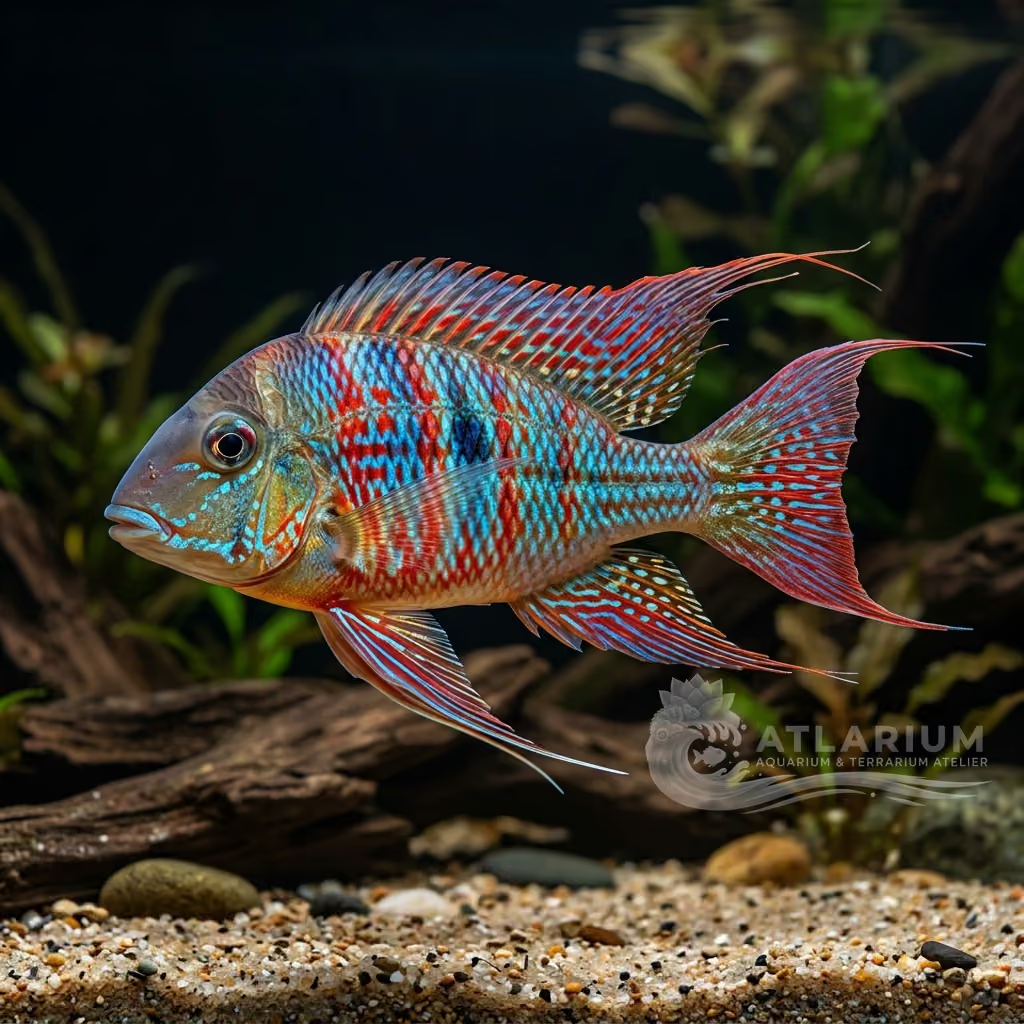
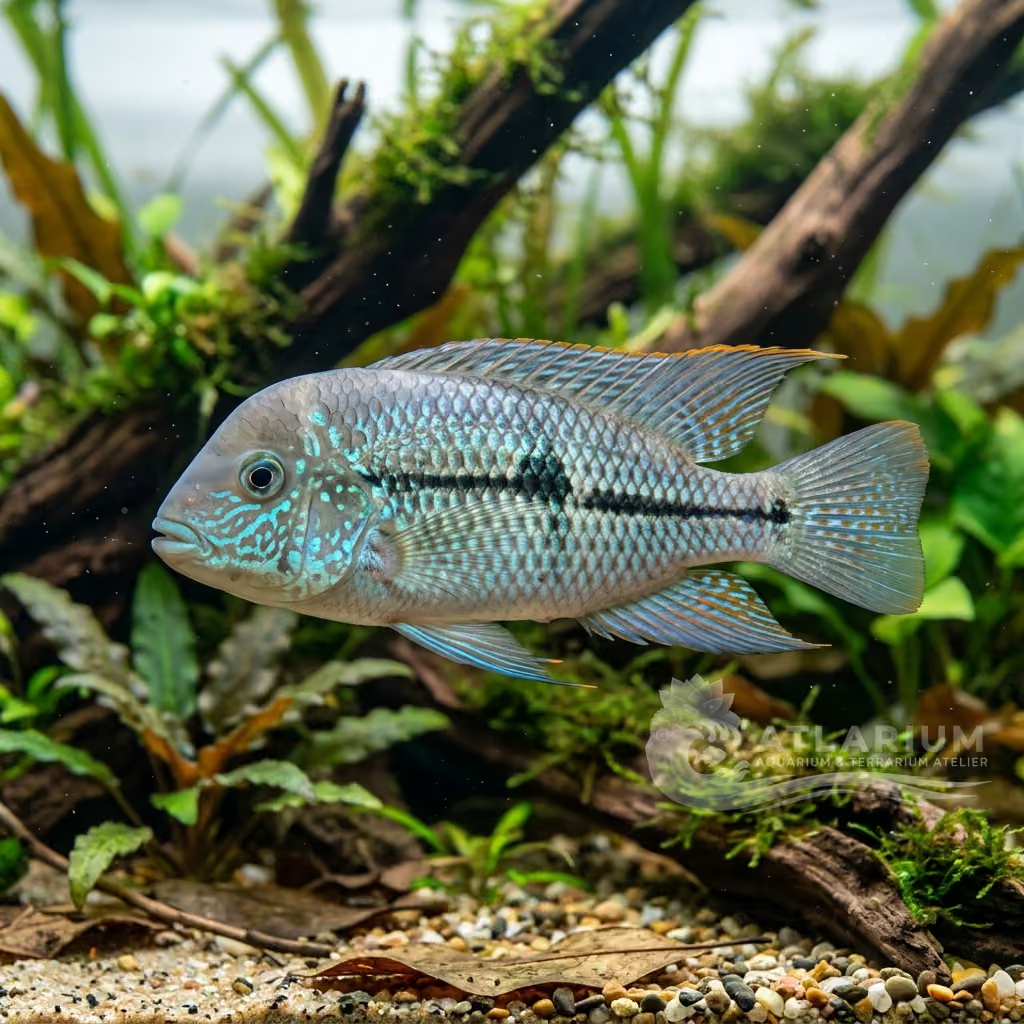
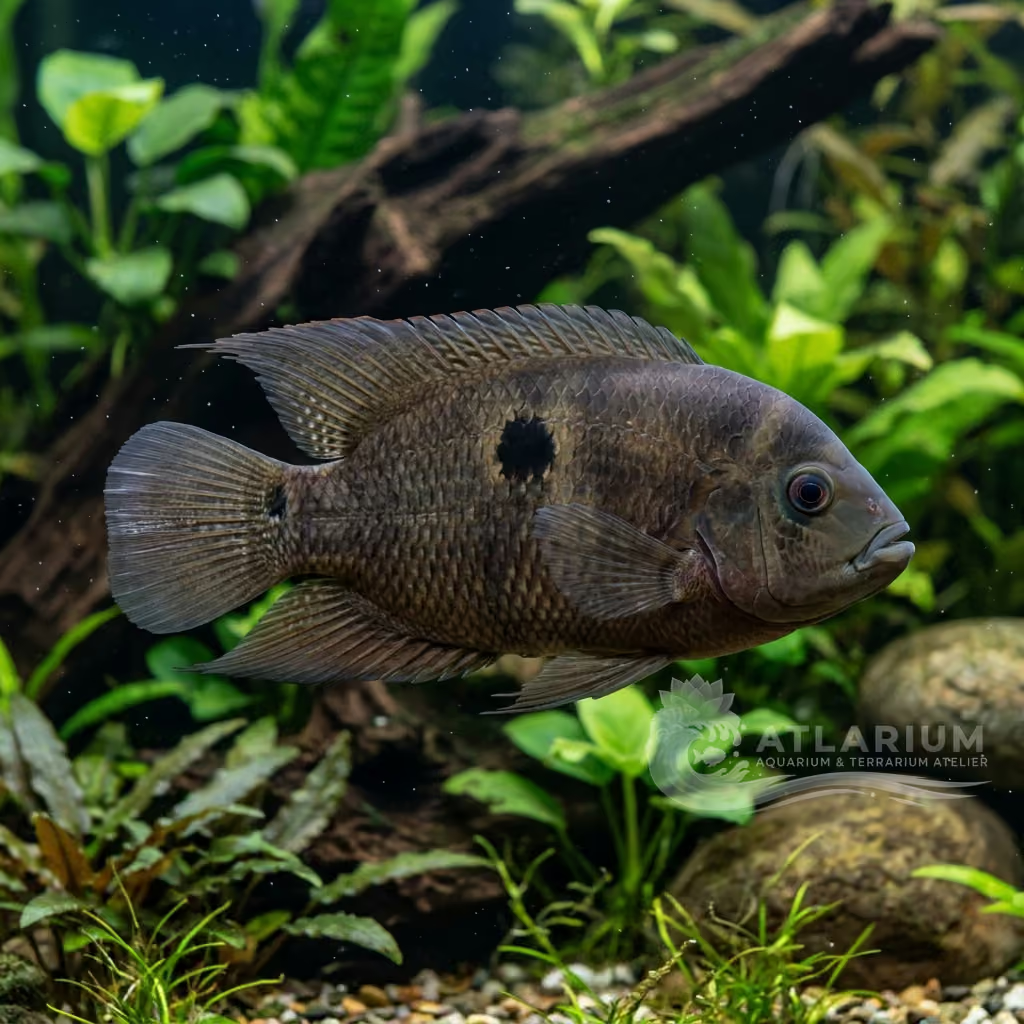
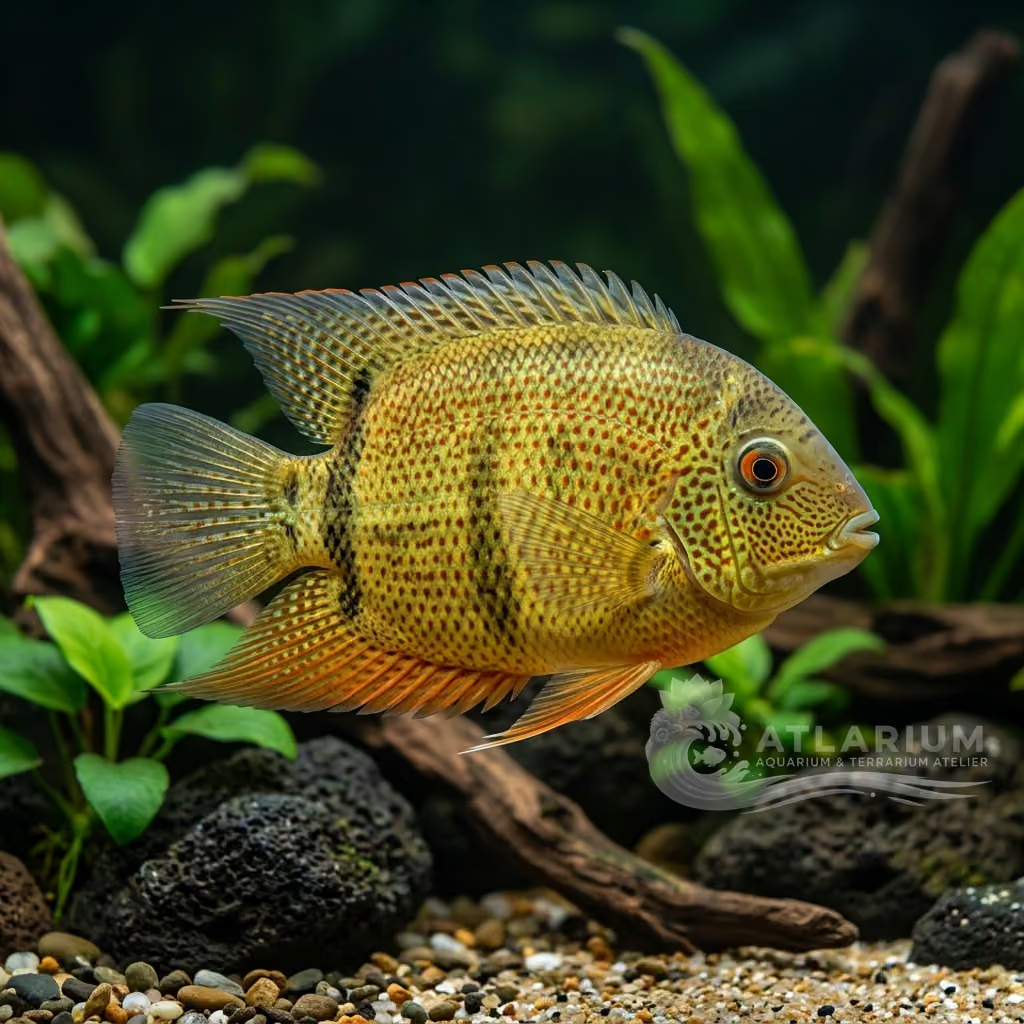
The 'Surinam Geophagus' (25 cm). One of the oldest and most famous earth-eaters in the aquarium hobby, even if often confused with other species. Fascinating, peaceful and of imposing size, it boasts a livery mottled with iridescent reflections and a placid and hypnotic social behavior based on constant sand filtering.
Temperatura da água
24 - 28 °C
Valor de pH
6 - 7.5
Tipo de água
Água doce
Nível do tanque
Parte inferior
Tamanho adulto
25 cm
Volume mínimo do tanque
>= 300 L
Grupo mínimo
>= 1
GH
2 - 12 dGH
KH
1 - 6 dKH
TDS
40 - 240 ppm
Condutividade
63 - 375 uS/cm

Descrição da espécie
Geographical Origin and Habitat: Suriname and Marowijne river basin in South America. Lives in coastal areas, slow streams and flooded plains with muddy/sandy beds and lots of decomposed vegetation.
Taxonomy and Morphology: Surinam Eartheater (Geophagus surinamensis). It is the "Type" fish that gives its name to the colossal and confused "Surinamensis" group. Sloping frontal profile (horse snout) to dive into the sand, and compressed aerodynamic shape.
Social Behavior: Gregarious, peaceful, swims incessantly around the tank digging upside down. Males establish mock supremacy fights ("Lip locking" or kisses) without hurting each other, keeping their balance in schools of 5-8 elements.
Coloration and Sexual Dimorphism: Iridescent silver base with 4-5 faint longitudinal golden bands. In the center of the flank stands a single, marked round black spot. Males and females are identical, but the male has more elongated fins developed into filaments.

Cuidado, criação e companheiros de tanque
Aquarium Setup: Tank for large fish: 150-180 cm (60-72 inches) in length. The fish's life revolves around SAND, which must be very fine, thick (at least 8 cm / 3 inches) and without sharp edges. Suspended woods and dark branches. No plants (they uproot them daily).
Diet and Feeding: Classic Geophagous (Eartheater). Takes shovelfuls of sand in its mouth, sifting it through its gills to extract food, and expels the rest. Offer sinking protein granules, krill, spirulina tablets and bloodworms.
Water Quality: Monstrous waste producers, yet sensitive to pollution. Requires an oversized filtration system that cleans the water but does not suck up the sand moved by the fish. Nitrates below 20 ppm or they get sick.
Compatibility and Cohabitation: Excellent tankmate for large South American fish (Severums, Uaru, Angelfish or large Tetras like Congos or Silver Dollars). They are vulnerable to attacks from biting Cichlids or piranhas.
Aquarium Breeding: "Delayed" larvophile mouthbrooders. They clean a piece of wood, lay, and after the eggs hatch (about 3 days), mom and dad suck the small larvae into their mouths protecting them in turn until they swim free (2 weeks).
Risks and Diseases: The TRUE identity: in 99% of cases, the fish sold as "G. surinamensis" in stores is actually a Geophagus altifrons or abalios. The true surinamensis is almost absent from the trade.

Origem e distribuição geográfica
Suriname and Marowijne river basin in South America. Lives in coastal areas, slow streams and flooded plains with muddy/sandy beds and lots of decomposed vegetation.
Origem
Oceanos tropicais e recifesAmazônia, Orinoco e GuianasLeste Asiático

Perfil de peixe
- Temperamento
- Semi-aggressive
- It is a mild-mannered cichlid. Unprovoked aggression is very rare. It is a wonderful centerpiece fish.
- Dieta
- Omnivore
- It is an eartheater. Feed sinking pellets and frozen bloodworms. A fine sand substrate is mandatory.
- Expectativa de vida
- 8-10 years
- Tamanho adulto
- 25 cm
- Proporção sexual
- Pair
- Keep them in groups. This diffuses natural aggression. Pairs will emerge as they mature.
- Frequência de alimentação
- Twice daily
- It constantly sifts the sand. Feed multiple small meals daily. This mimics natural continuous foraging.
- Carga biológica
- Medium to High
- This fish produces a high bioload. Robust biological filtration is essential. Frequent water changes are necessary.
- Fluxo
- Stagnant
- It originates from riverine environments. It prefers moderate water flow. Provide resting areas with calm water.
- Risco de salto
- Yes
- It is a bottom dweller. It can jump if startled. A secure lid is always recommended.
- Reprodução
- Oviparous
- Many are mouthbrooders. Parents fiercely guard eggs and fry. Breeding pairs form naturally over time.
- Compatibilidade e companheiros de tanque
- Peaceful
- It is generally peaceful. It fits well in community tanks. It becomes territorial during spawning.
- Nível do tanque
- Bottom
- It stays at the bottom. It continuously sifts the sand. A large footprint is required.

Modelos e parâmetros científicos
FishBase
Acesso aos dados científicos oficiais da espécie
FishBase v25.04Dados sincronizados em: 15/06/2026
- Nível trófico
- 2,3 ± 0,1 se
- Resiliência
- Média (1,4 - 4,4 anos)
- Unicidade filogenética (PD50)
- 0.5
- Relação bayesiana comprimento-peso
- a = 0.02455, b = 3.04
- VulnerabilidadeVulnerabilidade baixa (11 / 100)

Espécies relacionadas
Recomendações agrupadas por parentes próximos, escolhas de acompanhantes e cuidados semelhantes.