Melon Barb
Haludaria fasciata
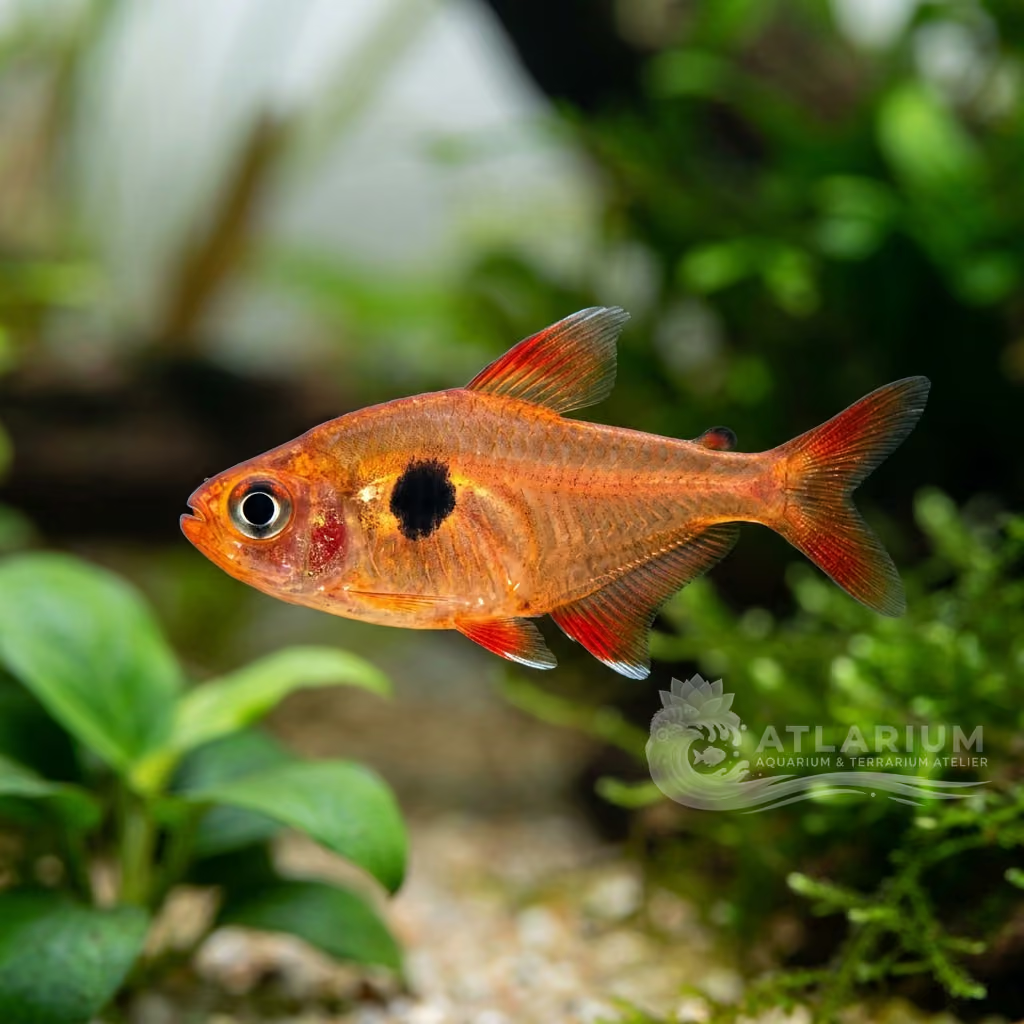
A little-known but stunning Indian barb. During spawning, males explode into an intensely deep purple/melon-red color crossed by vertical black bands. Unlike Tiger Barbs, it is very peaceful.
Temperatura da água
22 - 26 °C
Valor de pH
6 - 7.5
Tipo de água
Água doce
Nível do tanque
Meio
Tamanho adulto
7 cm
Volume mínimo do tanque
>= 60 L
Grupo mínimo
>= 1
GH
2 - 12 dGH
KH
1 - 6 dKH
TDS
40 - 240 ppm
Condutividade
63 - 375 uS/cm

Descrição da espécie
Geographical Origin and Habitat: Endemic to the Western Ghats in southern India. Frequents slow-flowing streams shaded by dense forests, with abundant leaf cover on the bottom and debris.
Taxonomy and Morphology: Melon Barb (Haludaria fasciata, formerly Puntius fasciatus). Peaceful and stocky cyprinid. It is known for the absence of pronounced barbels, with an oval, massive and well-developed body in height.
Social Behavior: Quiet, peaceful and sometimes shy. Unlike its Tiger Barb cousins, it does not attack or nip fins. Must be kept in large schools (minimum 8-10 fish) to make the extreme colors bloom.
Coloration and Sexual Dimorphism: Absolutely wonderful: pinkish/purplish base ("melon" color) furrowed by 3-4 very black vertical bands that fade on the belly. In heat the male literally "bleeds" total bright red all over his body; the female remains duller, olive-pink and round.

Cuidado, criação e companheiros de tanque
Aquarium Setup: Standard Amazonian aquarium, minimum 100 cm (40 inches). Loves heavily planted areas (Cryptocorynes, ferns) and sunken woods that obscure part of the light. Avoid glaring lights. Water preferably slightly peaty (humic).
Diet and Feeding: Mid-tank micro-predator and omnivore. Voraciously accepts vegetable flakes and protein granules; to trigger mating colors administer bloodworms, live daphnia and brine shrimp in quantity (at least twice a week).
Water Quality: Very robust and adaptable, lives well at pH 6.5 as at 7.5. Only weakness: lack of oxygenation and high nitrates make it turn pale becoming a "transparent" and nervous fish.
Compatibility and Cohabitation: One of the best community Barbs. Excellent companion for Trichogaster (Gourami), schools of Rasboras (Trigonostigma), Botias, and Garra rufa. Being mild, it will not stress slow fish nor will it be bothered by cleaners.
Aquarium Breeding: Full-blown Egg-scatterer. Scatters eggs among fine-leaved plants like Java moss at dawn, eating them immediately after. Without a protective net, the eggs will disappear in a flash.
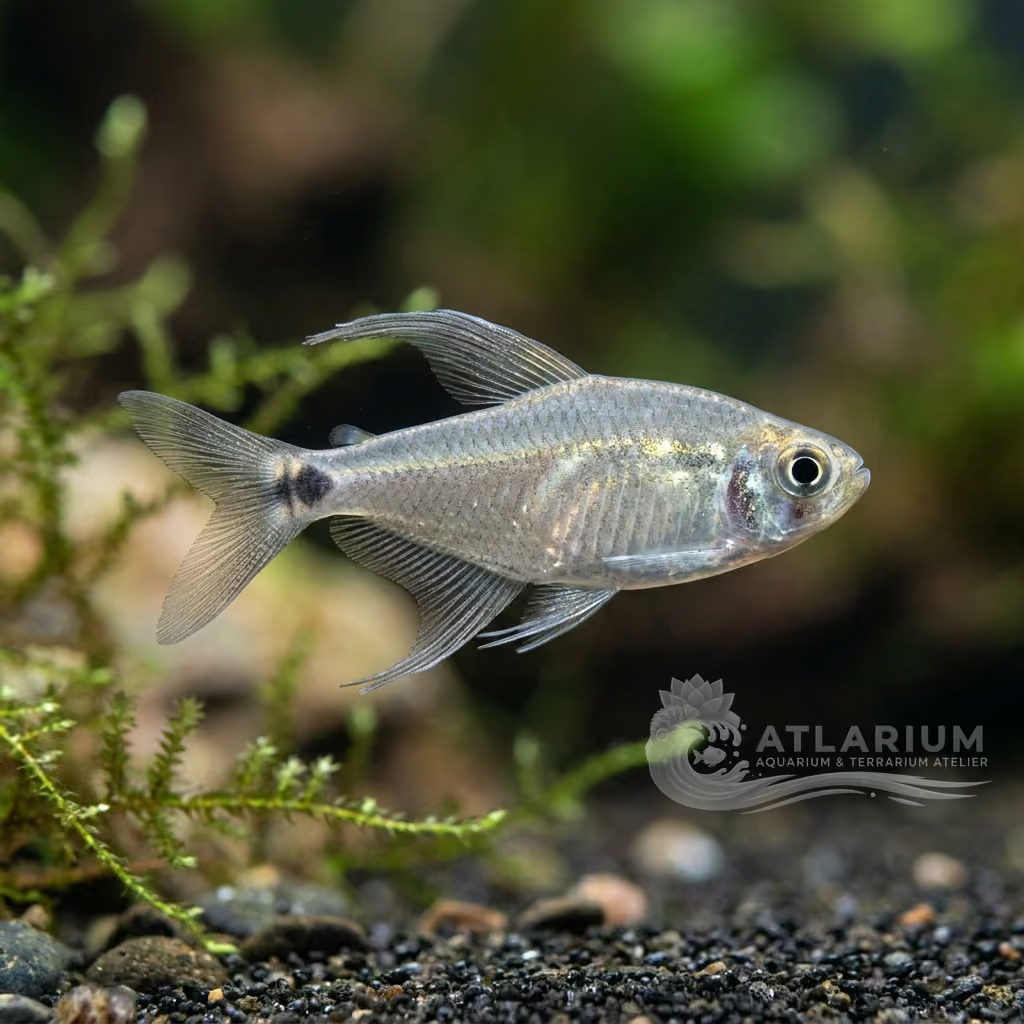
Risks and Diseases: The "ugly duckling": in the store it appears pale, silvery-gray, and is often not sold. Buying young specimens trusting in their future color metamorphosis requires patience.

Origem e distribuição geográfica
Endemic to the Western Ghats in southern India. Frequents slow-flowing streams shaded by dense forests, with abundant leaf cover on the bottom and debris.
Origem
Oceanos tropicais e recifesSul e Sudeste Asiático

Perfil de peixe
- Temperamento
- Semi-aggressive
- They have a lively, active, and peaceful temperament suitable for community setups. Keeping them in a sufficiently large school is crucial to prevent shyness and reduce fin-nipping tendencies. They are robust and energetic, bringing constant motion to the freshwater aquarium.
- Dieta
- Omnivore
- This species is an omnivore that enthusiastically accepts a wide variety of foods. Their diet should be based on high-quality flakes or micro-pellets supplemented with live or frozen foods. Offer daphnia, bloodworms, and some vegetable matter to enhance their coloration.
- Expectativa de vida
- 3-5 years
- Tamanho adulto
- 7 cm
- Proporção sexual
- School
- Males are generally more colorful and slightly slimmer than the females. It is best to keep them in a mixed-sex school of at least six to eight individuals. This ratio helps disperse any mild aggression and encourages natural shoaling behavior.
- Frequência de alimentação
- Twice daily
- Feed the Melon Barb once or twice a day in small amounts. They are eager eaters and will quickly consume whatever is offered. Be careful not to overfeed, as uneaten food will degrade the aquarium's water quality.
- Carga biológica
- Low
- The Melon Barb produces a moderate bioload typical of active schooling cyprinids. A group of these barbs will eat enthusiastically and generate a fair amount of waste. Standard filtration and regular water changes are sufficient to maintain good water quality.
- Fluxo
- Stagnant
- They prefer moderate water movement that simulates the flowing rivers of their native habitat. A decent current encourages their active schooling behavior and improves oxygenation. However, ensure there are quieter resting areas within the planted sections of the tank.
- Risco de salto
- Yes
- While not as notorious as some species, they can jump if frightened or pursued. Sudden changes in lighting or poor water quality can also trigger jumping behavior. A standard aquarium lid is usually sufficient to keep them safely contained.
- Reprodução
- Oviparous
- They are egg-scatterers that show no parental care for their offspring. To breed them, a separate tank with fine-leaved plants or a spawning mop is required. The adults must be removed immediately after spawning to prevent them from eating the eggs.
- Compatibilidade e companheiros de tanque
- Semi-aggressive
- It is a peaceful schooling fish that does well in a community aquarium. They should be kept with other similarly sized, active, and peaceful freshwater species. Avoid keeping them with long-finned, slow-moving fish as they may occasionally fin-nip.
- Nível do tanque
- Middle
- Melon Barbs are very active swimmers that primarily occupy the middle and lower levels of the tank. They spend their time exploring the substrate and weaving through aquatic vegetation. They appreciate open swimming spaces combined with densely planted areas for cover.

Modelos e parâmetros científicos
FishBase
Acesso aos dados científicos oficiais da espécie
Dados sincronizados em: 15/06/2026
- Nível trófico
- 2,9 ± 0,3 se
- Resiliência
- Alta (menos de 15 meses)
- Unicidade filogenética (PD50)
- 0.5625
- Relação bayesiana comprimento-peso
- a = 0.01072, b = 3.02
- VulnerabilidadeVulnerabilidade baixa (10 / 100)

Espécies relacionadas
Recomendações agrupadas por parentes próximos, escolhas de acompanhantes e cuidados semelhantes.