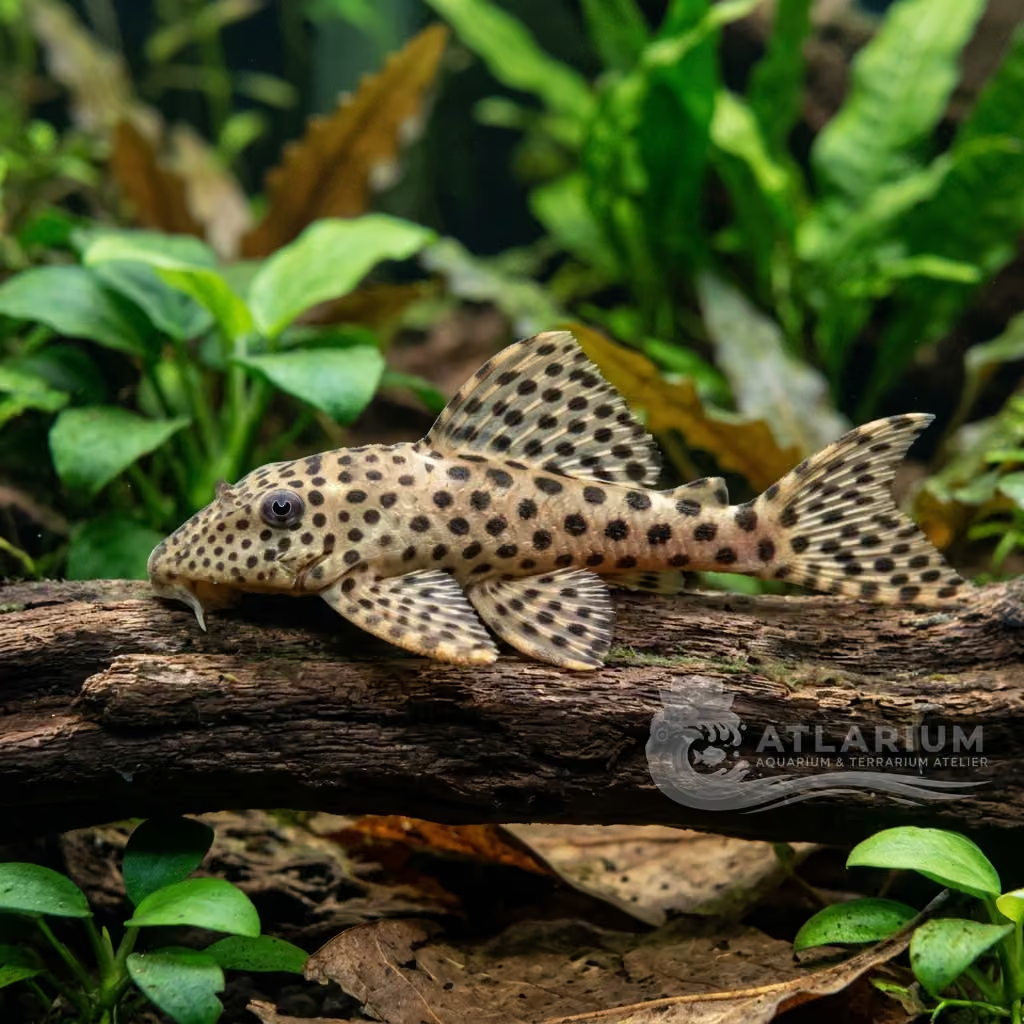
Flying Fox
Epalzeorhynchos kalopterum
A stunning bottom-dwelling fish frequently confused with the Siamese Algae Eater (SAE). As an adult, the true Flying Fox stops eating algae, becomes strictly solitary, and displays fierce territoriality toward its own kind.
Temperatura da água
24 - 27 °C
Valor de pH
6 - 7.5
Tipo de água
Água doce
Nível do tanque
Parte inferior e intermediária
Tamanho adulto
15 cm
Volume mínimo do tanque
>= 180 L
Grupo mínimo
>= 1
GH
2 - 12 dGH
KH
1 - 6 dKH
TDS
40 - 240 ppm
Condutividade
63 - 375 uS/cm

Descrição da espécie
Geographical Origin and Habitat: Southeast Asia (Thailand, Indonesia). Frequents fast rivers or forest streams with solid substrates (rocks and wood) where abundant algal biofilm (aufwuchs) proliferates.
Taxonomy and Morphology: Flying Fox (Epalzeorhynchos kalopterum). Benthic cyprinid, often mistaken in shops for Crossocheilus siamensis (SAE - Siamese Algae Eater). It has a downward-facing mouth equipped with flaps for scraping.
Social Behavior: In youth a solitary worker, tolerates other fish on the bottom. As it becomes an adult it becomes distinctly intolerant, hyper-territorial and often openly aggressive towards fish with a similar silhouette.
Coloration and Sexual Dimorphism: Torpedo-shaped body. Olive-brown background above, marked horizontal black line surrounded by a thin blazing golden line above it. The pectoral, dorsal and anal fins are very dark (black/red and edged with white), a key distinction from the SAE (which has them transparent).

Cuidado, criação e companheiros de tanque
Aquarium Setup: A mature and spacious aquarium is essential (min. 120 cm / 48 inches). Many seasoned woods and rounded stones. It rests picturesquely on large leaves such as Anubias and ferns. The water must be oxygenated.
Diet and Feeding: Biofilm scraper, will devour young algae. Not satisfied with just algae: requires a substantial protein integration (bloodworms, brine shrimp, sunk pellets). Often in adulthood it prefers feeds to algae.
Water Quality: Requires clean waters but tolerates a certain amount of humic acids. Being a current fish, oxygen crashes immediately send it into anoxia.
Compatibility and Cohabitation: Must be introduced in SINGLE specimens. Cohabits well with mid-sized water column fish such as Rasboras, Gouramis, or Barbs, but will relentlessly attack other Epalzeorhynchos (including the famous "Labeo" bicolor or frenatus).
Aquarium Breeding: Never achieved in home aquariums (often relies on hormonal injections in Southeast Asian farms).
Risks and Diseases: Risk of wrong purchases (mistaken for the perfect "algae eater"). It will never eradicate black beard algae (BBA) like the real Siamese Algae Eater does.

Origem e distribuição geográfica
Southeast Asia (Thailand, Indonesia). Frequents fast rivers or forest streams with solid substrates (rocks and wood) where abundant algal biofilm (aufwuchs) proliferates.
Origem
Sul e Sudeste Asiático

Perfil de peixe
- Temperamento
- Semi-aggressive
- Their temperament shifts from relatively peaceful juveniles to distinctly territorial and aggressive adults. They fiercely defend their chosen resting spots from any intruders, especially other bottom-feeders. A spacious tank with numerous visual barriers is crucial for maintaining overall peace.
- Dieta
- Omnivore
- They are enthusiastic omnivores that spend their days grazing on various types of algae and periphyton. Their diet should be supplemented with sinking algae wafers, spirulina flakes, and fresh vegetables. They also eagerly consume live or frozen foods like daphnia and bloodworms.
- Expectativa de vida
- 8-10 years
- Tamanho adulto
- 15 cm
- Proporção sexual
- Solitary
- It is generally advised to keep only a single specimen per tank to avoid severe intraspecific aggression. If keeping a group, a very large tank is required with a ratio of one male to several females. However, solitary keeping remains the safest and most common practice.
- Frequência de alimentação
- Twice daily
- It is best to feed them small amounts once or twice daily. Make sure to only provide what they can completely finish in about three minutes. Supplementing their diet is crucial if the tank lacks sufficient natural algae growth.
- Carga biológica
- Medium
- The Flying fox produces a moderate bioload that is easily managed in a well-maintained setup. Reliable mechanical and biological filtration are necessary to keep the water pristine. Weekly water changes of around twenty to thirty percent are highly recommended.
- Fluxo
- Stagnant
- They originate from fast-flowing streams and naturally prefer highly oxygenated water with strong currents. Utilizing a powerhead or a strong canister filter return will simulate their natural environment perfectly. This strong flow also helps keep the substrate clean and algae-free.
- Risco de salto
- Yes
- Like many stream-dwelling cyprinids, they possess a strong instinct to jump when startled or stressed. A completely secure and tight-fitting aquarium cover is strictly necessary to prevent accidental escapes. Ensure all small gaps near equipment are thoroughly blocked off.
- Reprodução
- Oviparous
- Captive breeding of the Flying fox in standard home aquariums is virtually undocumented. Commercial fish farms breed them on a large scale using specialized hormonal injections. They are egg-layers, but their strong territorial nature makes natural aquarium spawning nearly impossible.
- Compatibilidade e companheiros de tanque
- With caution
- They are generally peaceful when young but can become increasingly territorial and aggressive as they age. They often harass similar-looking species like Siamese algae eaters or other bottom-dwellers. They do best with robust, fast-moving mid-to-top dwelling tank mates.
- Nível do tanque
- Middle/Bottom
- They are primarily bottom to lower-middle level dwellers that constantly rest on broad leaves or driftwood. You will often see them perching on flat surfaces using their specialized pectoral fins. Providing plenty of broad-leaved plants and smooth rocks is highly beneficial.

Modelos e parâmetros científicos
FishBase
Acesso aos dados científicos oficiais da espécie
FishBase v25.04Dados sincronizados em: 15/06/2026
- Nível trófico
- 3 ± 0,34 se
- Resiliência
- Alta (menos de 15 meses)
- Unicidade filogenética (PD50)
- 0.5625
- Relação bayesiana comprimento-peso
- a = 0.00813, b = 3.05
- VulnerabilidadeVulnerabilidade baixa (10 / 100)

Espécies relacionadas
Recomendações agrupadas por parentes próximos, escolhas de acompanhantes e cuidados semelhantes.