Zebrina Pike Cichlid
Crenicichla zebrina
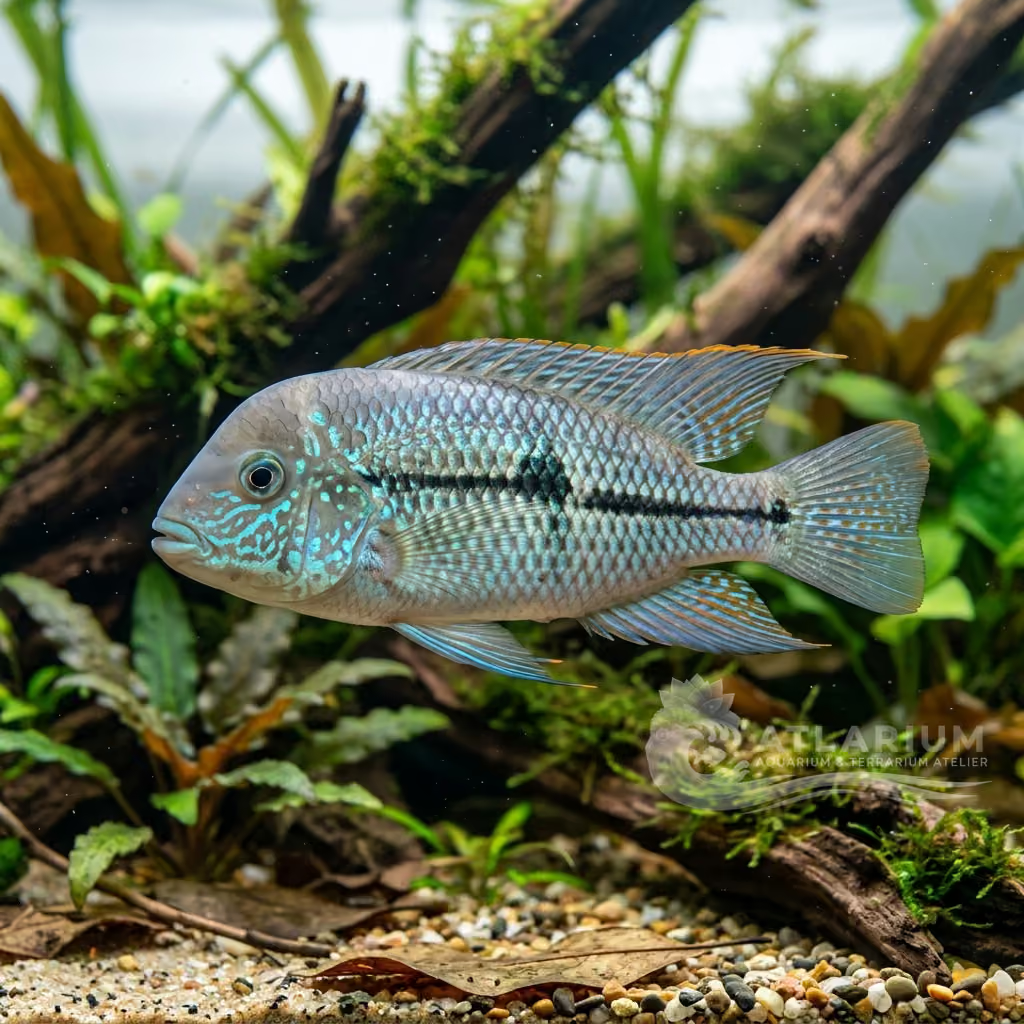
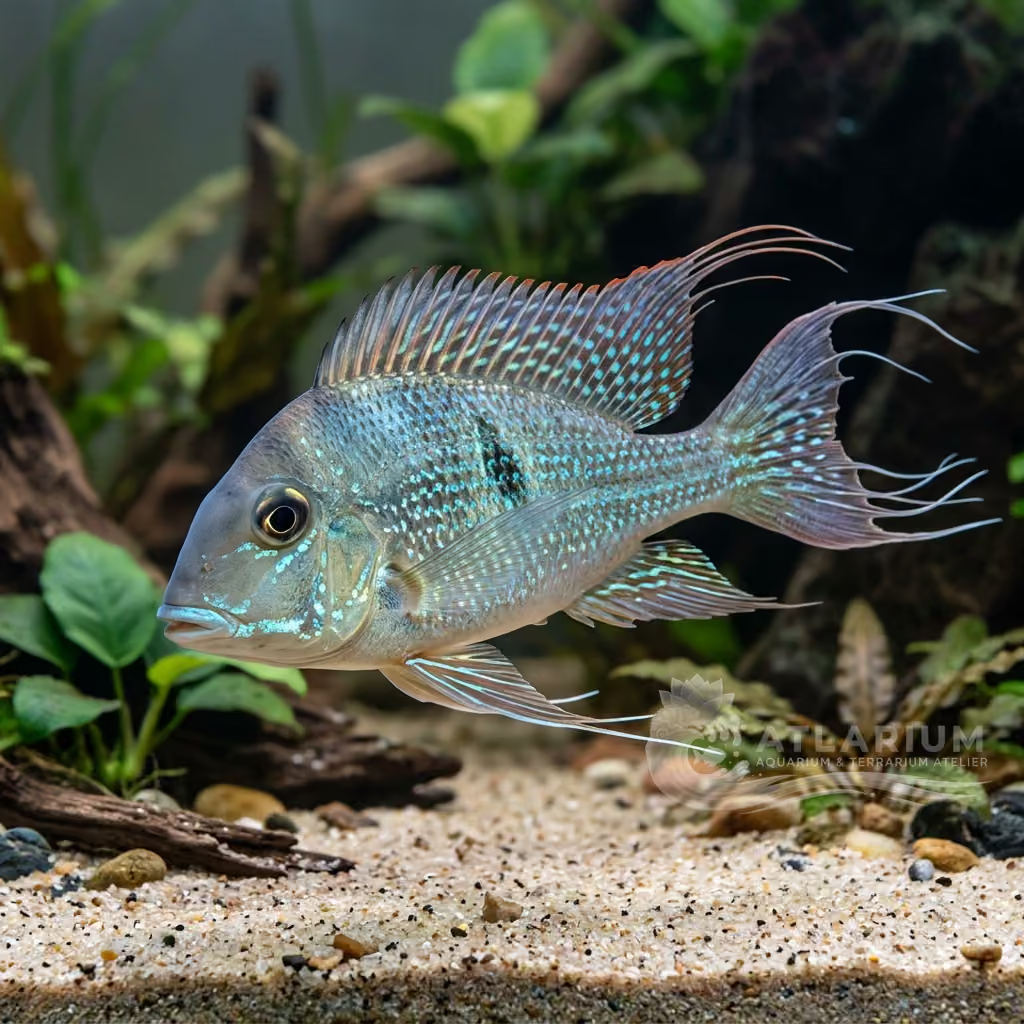
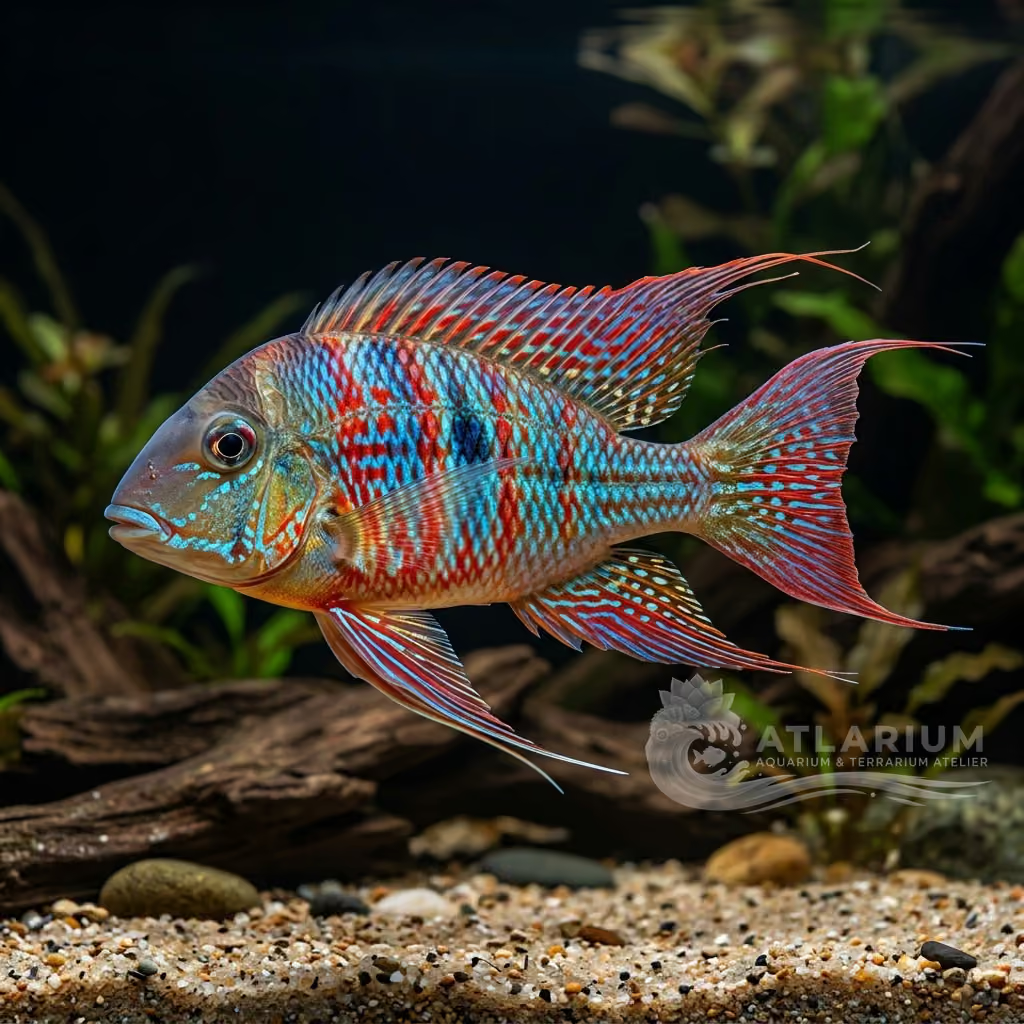
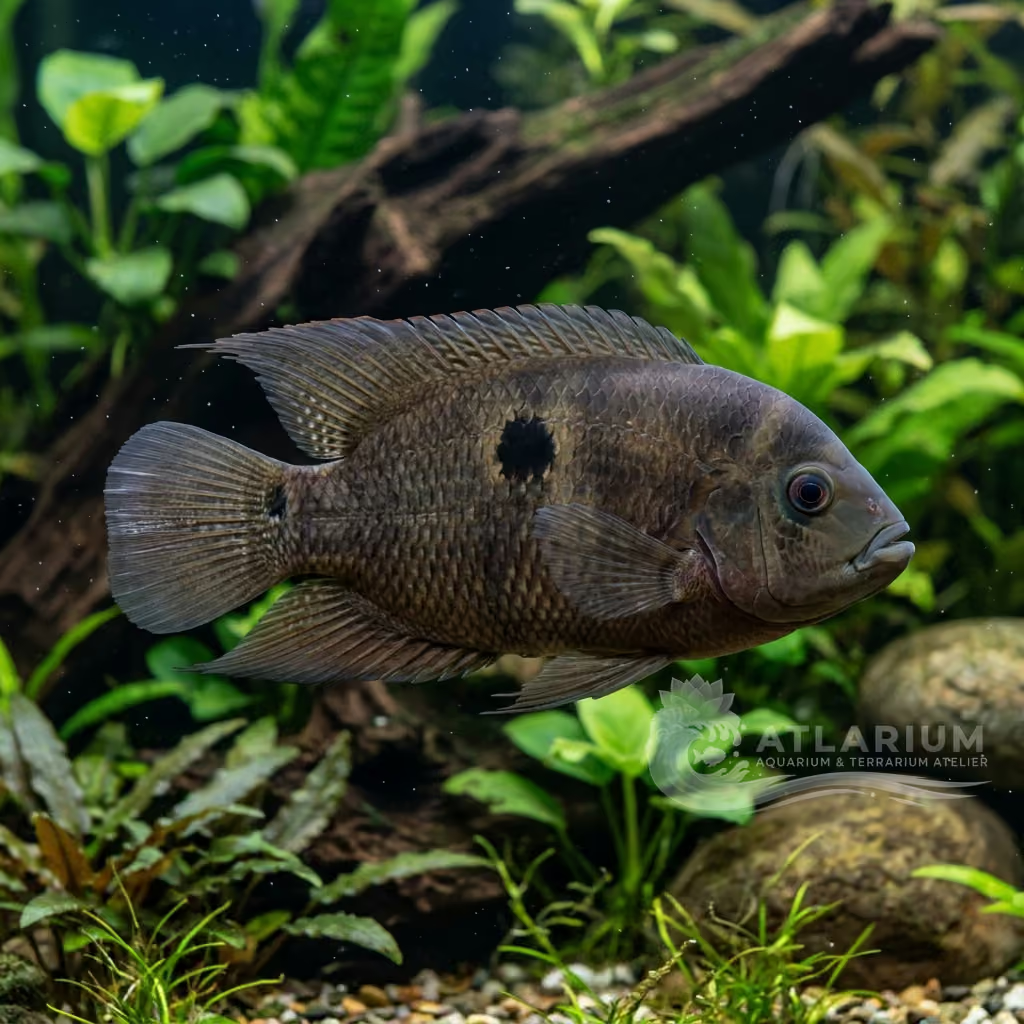
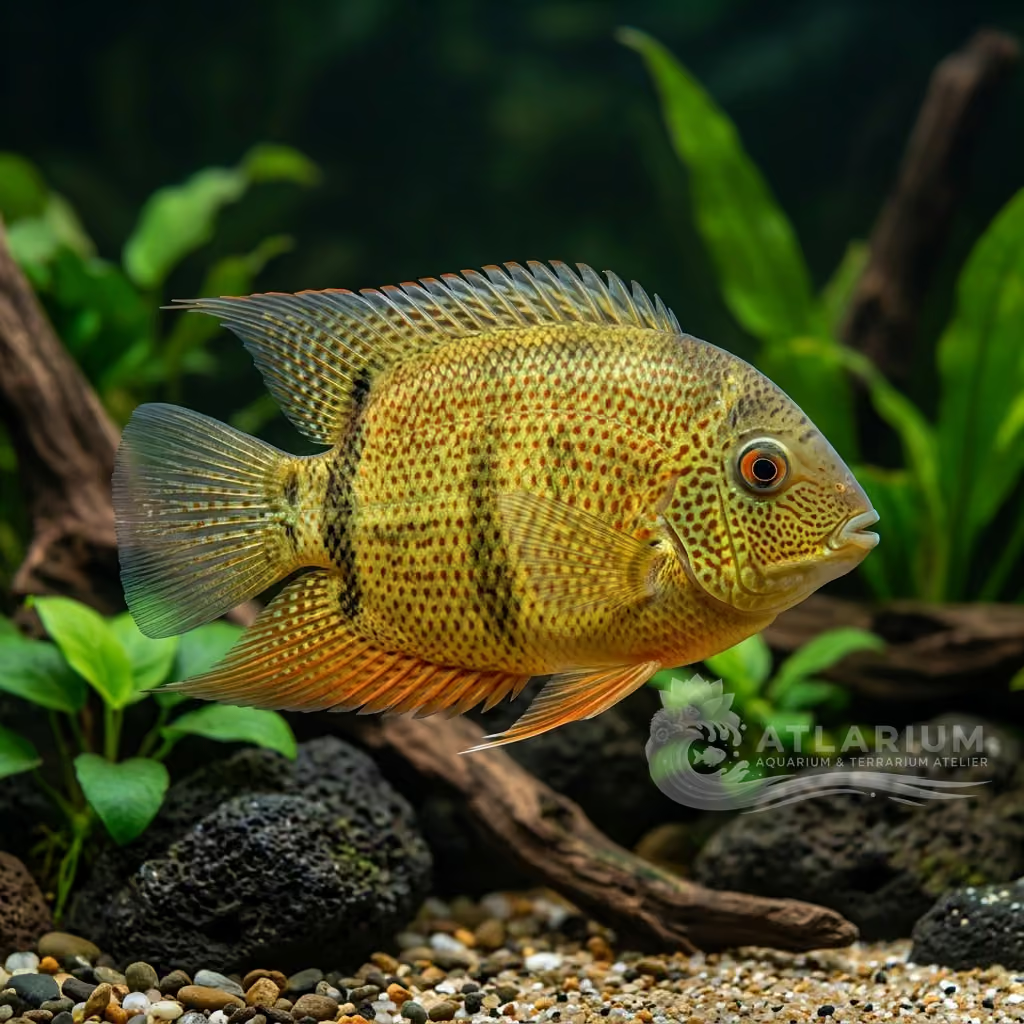
The colossal and extremely rare 'Zebrina Pike Cichlid' (25-30 cm). Considered one of the most coveted, expensive and unobtainable Crenicichlas on the global market. Belonging to the group of large Pike Cichlids, the specimen shows off a shocking parade dress: a very intense black and cream zebra pattern that covers the posterior half of the body as if painted. It is an exacting and very robust giant hyper-predator, governed by a very high metabolism in warm and torrential waters, and fiercely aggressive towards any other rheophilic cichlid.
24 - 28 °C
6 - 7.2
Água doce
Parte inferior e intermediária
35 cm
>= 300 L
>= 1
2 - 10 dGH
1 - 5 dKH
40 - 200 ppm
63 - 313 uS/cm

Descrição da espécie

Cuidado, criação e companheiros de tanque

Origem e distribuição geográfica
Origem

Perfil de peixe
- Temperamento
- Semi-aggressive
- They are exceptionally aggressive and territorial, typical of the larger Crenicichla species. They will fiercely defend their territory from any perceived intruders, regardless of species. Their predatory instinct is strong, and they will instinctively attack anything resembling prey. Only experienced aquarists should attempt to keep this formidable and challenging species.
- Dieta
- Omnivore
- Crenicichla zebrina is a specialized piscivore that naturally hunts smaller fish. In captivity, they require a diet based on whole meaty foods like lancefish, shrimp, mussels, and high-quality large pellets. It is important to avoid mammalian meat like beef heart, which they cannot digest properly. Feeding them live feeder fish should be avoided due to the risk of introducing diseases.
- Expectativa de vida
- 10-15 years
- Tamanho adulto
- 35 cm
- Proporção sexual
- Solitary
- It is generally safest to keep them singly unless a compatible male and female pair has formed from a group of juveniles. Keeping multiple males or adults together in anything but a public aquarium-sized display will result in severe aggression. Bonded pairs can turn on each other if the tank is too small or if environmental conditions shift. Great caution must be exercised when attempting to pair them.
- Frequência de alimentação
- Twice daily
- Adults typically only need to be fed once every day or every other day. Overfeeding these large predators can lead to serious health issues and rapid deterioration of water quality. Juveniles may be fed slightly more often to support their rapid growth rate. Their metabolism will dictate the precise frequency, but a day of fasting weekly is beneficial.
- Carga biológica
- High
- This large and highly predatory species produces a substantial bioload. The aquarium requires heavy, efficient filtration to handle the waste generated by their high-protein diet. Large and frequent water changes are absolutely necessary to keep nitrates at acceptable levels. Over-filtration is highly recommended to ensure pristine water conditions at all times.
- Fluxo
- Stagnant
- They are accustomed to fast-flowing rivers and streams in the wild and appreciate strong water movement in the aquarium. Powerheads or strong filter returns can provide the necessary current and oxygenation. The turbulent water helps recreate their natural environment and keeps them active. However, ensure there are some areas of lesser flow where they can rest behind hardscape.
- Risco de salto
- Yes
- Due to their size and powerful swimming capabilities, they pose a significant jump risk. They can easily dislodge loosely fitting lids, so a heavy, secure aquarium cover is mandatory. Startling them or keeping them in a tank that is too small drastically increases the likelihood of them jumping. All equipment openings should be securely blocked.
- Reprodução
- Oviparous
- Reproduction in captivity is extremely rare and requires a massive aquarium to accommodate a breeding pair. They are cave spawners that need a suitably massive structure to lay their eggs. The aggression between partners can be lethal, so observing them closely during courtship is critical. Both parents are fiercely protective, making tank maintenance difficult during breeding.
- Compatibilidade e companheiros de tanque
- Species only
- They are highly aggressive and highly predatory fish, best kept in a species-only tank or with very large, robust tankmates. Any fish that can fit into their impressively large mouths will eventually be eaten. Even similarly sized fish might face relentless aggression and territorial disputes. Cichlids of similar size and aggression, or heavily armored catfish, might work in extremely large aquariums.
- Nível do tanque
- Middle/Bottom
- They predominantly occupy the middle and lower levels of the water column. They love to ambush prey from hiding spots among large rocks and submerged wood near the bottom. While they will swim throughout the tank, they feel most secure when close to substantial hardscape. Providing large, secure structures is essential for their well-being.

Modelos e parâmetros científicos
Acesso aos dados científicos oficiais da espécie
- Nível trófico
- 3,3 ± 0,5 se
- Resiliência
- Média (1,4 - 4,4 anos)
- Unicidade filogenética (PD50)
- 0.5
- Relação bayesiana comprimento-peso
- a = 0.00741, b = 3.11
- VulnerabilidadeVulnerabilidade baixa (22 / 100)

Espécies relacionadas
Recomendações agrupadas por parentes próximos, escolhas de acompanhantes e cuidados semelhantes.