Eartheater Cichlid
Geophagus altifrons
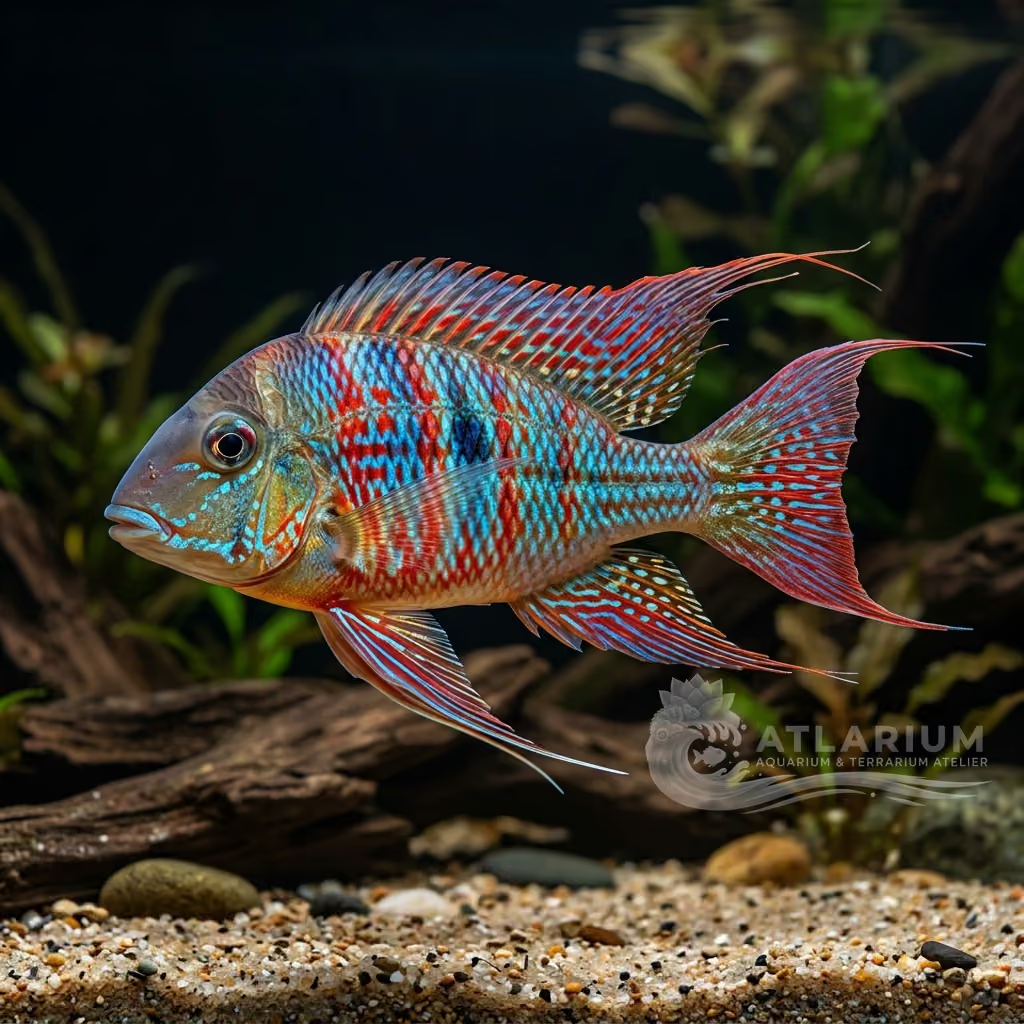
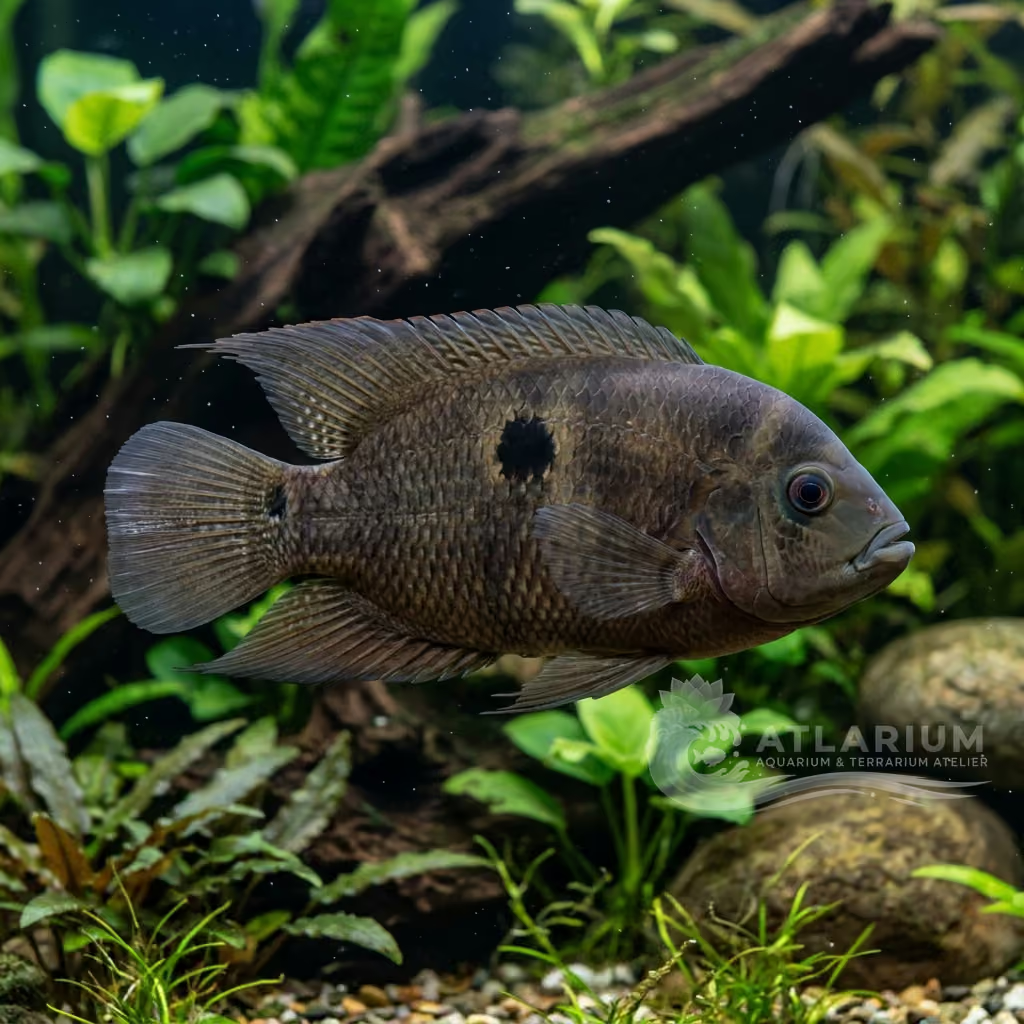
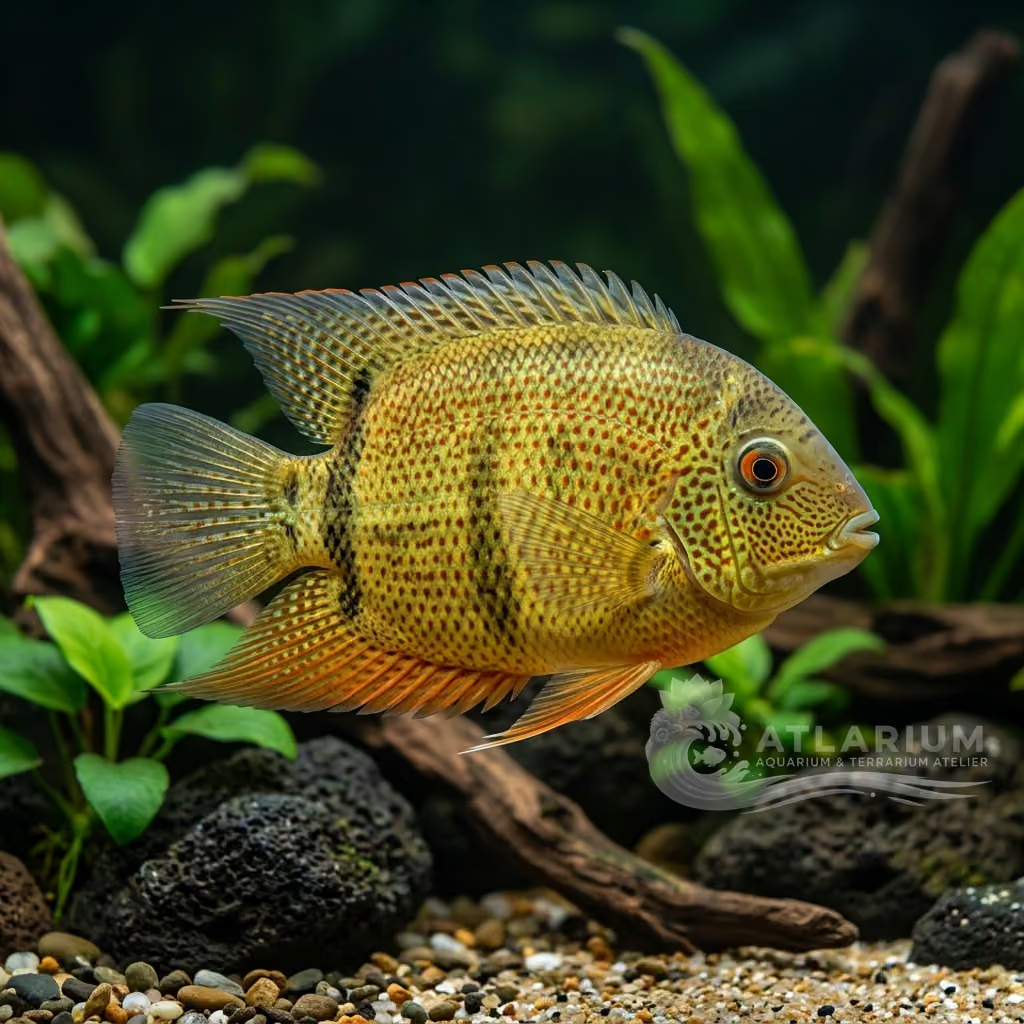
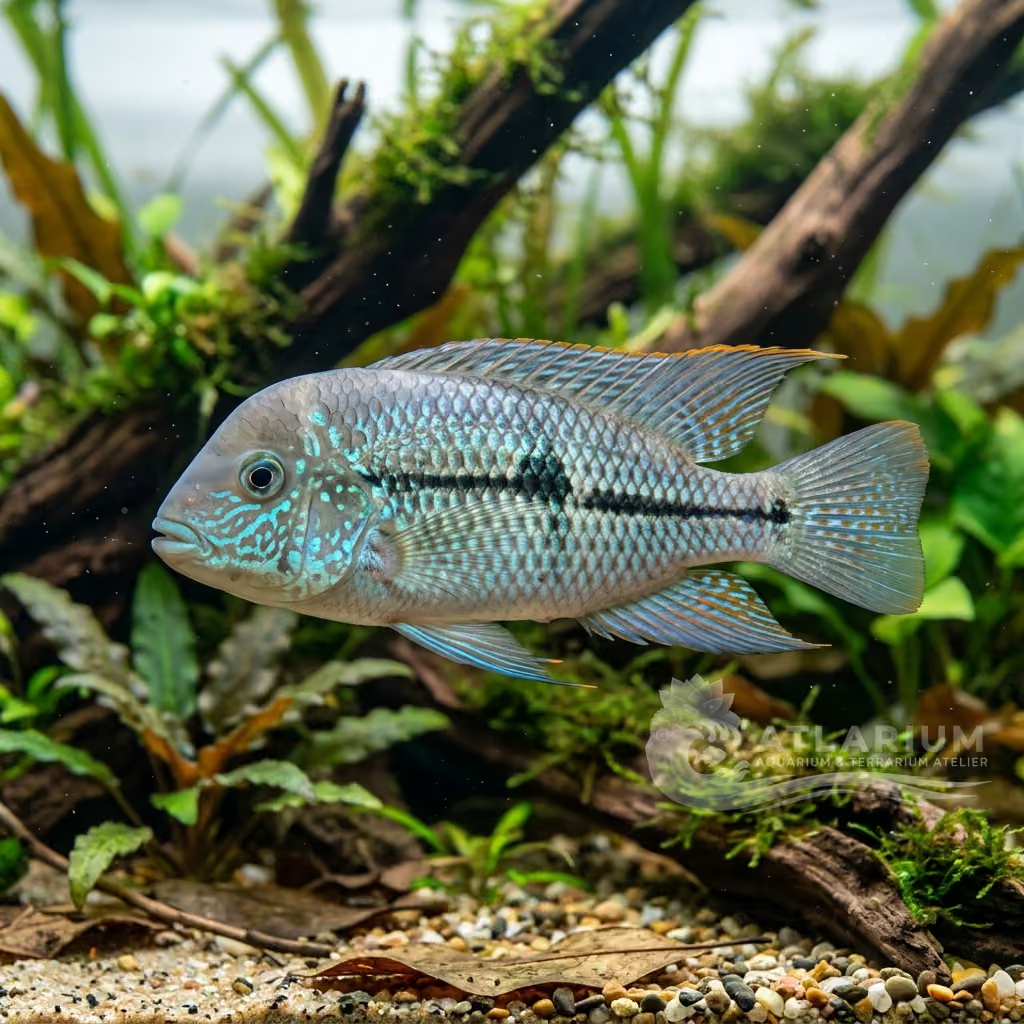
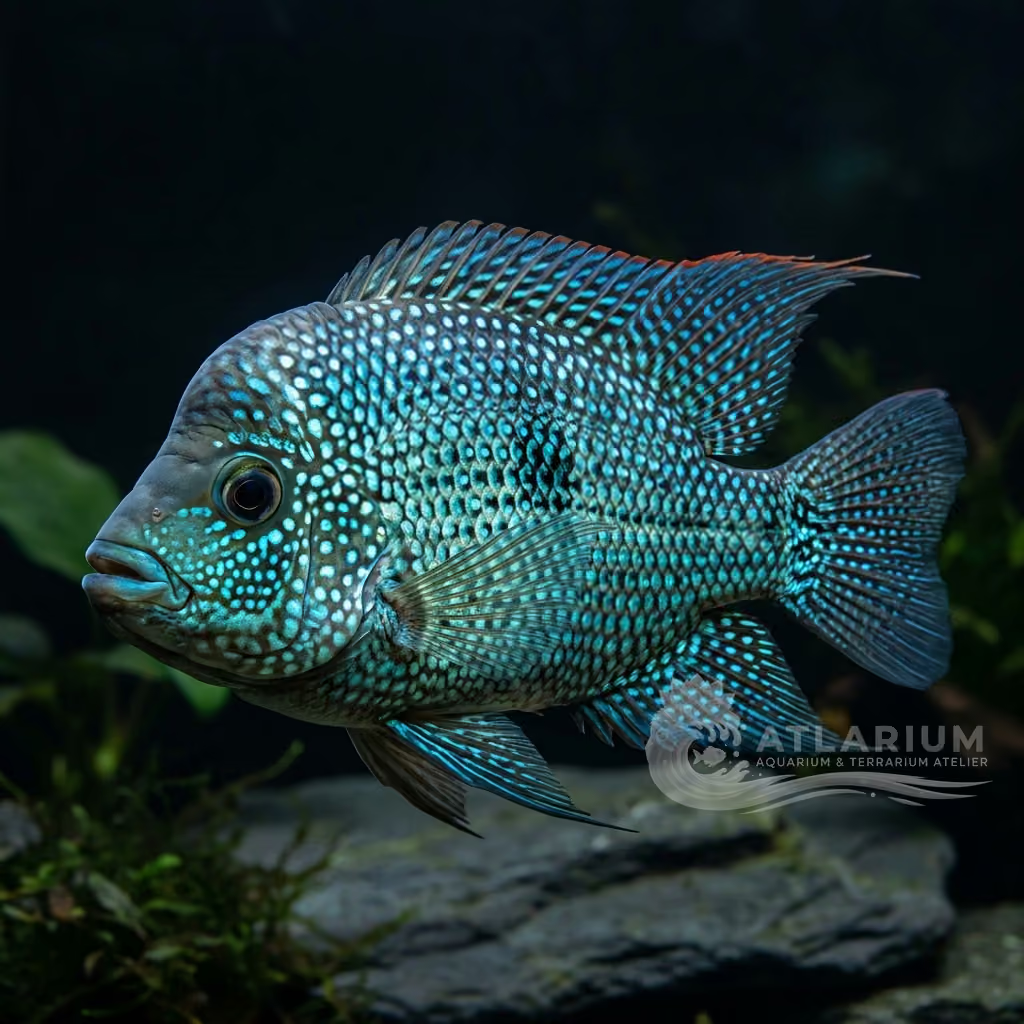
Geophagus, literally translated as 'eartheaters', are fascinating South American cichlids famous for their incessant and tireless sifting of sand. Endowed with spectacular long filamentous fins and pearlescent pastel colorations, these sizable fish (up to 25 cm / 10 inches) spend their entire day gathering mouthfuls of sand, sifting edible detritus from it, and expelling the sand out through their gills. They are incredibly peaceful cichlids if kept in the correct setup, ideal as giant scavengers for maxi-sized community aquariums.
Temperatura da água
26 - 30 °C
Valor de pH
6 - 7.5
Tipo de água
Água doce
Nível do tanque
Parte inferior e intermediária
Tamanho adulto
25 cm
Volume mínimo do tanque
>= 400 L
Grupo mínimo
>= 5
GH
4 - 10 dGH
KH
2 - 5 dKH
TDS
80 - 200 ppm
Condutividade
125 - 313 uS/cm
Descrição da espécie
Geographical Origin and Habitat: Native to the large Amazon basins, in particular Rio Negro and Rio Trombetas (Brazil). Inhabits warm, sandy and calm waters (clear or dark), foraging the bottom in the shelter of flooded woods and submerged roots.
Taxonomy and Morphology: Geophagus (Earth-eating Cichlid). Large (25 cm / 10 inches) and elegant species. Steep cranial profile (hence "altifrons", high forehead), with mouth positioned low to favor benthic nutrition. Laterally compressed body and very extensive fins.
Social Behavior: Essential gregariousness. Must be strictly kept in schools (5-8 specimens) to dissipate hierarchical aggression; single specimens become shy or, conversely, neurotic. Incessantly busy digging ("earth-eater").
Coloration and Sexual Dimorphism: Spectacle of iridescence. Sand or gray background, covered by iridescent light blue, green and golden streaks on the flanks and on the wide fins, which have very long terminal filaments (especially in dominant males). Females are identical but slightly less stocky and less gaudy.
Cuidado, criação e companheiros de tanque

Aquarium Setup: Very large tank (minimum 150 cm / 5 feet in length / 400 liters). THE BOTTOM IS CRITICAL: strictly and only use very fine sand (not sharp quartz or gravel) 5-7 cm deep. Arrange arched woods and Echinodorus (if well anchored, they might be uprooted).
Diet and Feeding: Filters the sand through its gills, extracting benthic invertebrates. In the aquarium they swallow mouthfuls of sand mixed with food, spitting out the gravel. Feed with sinking pellets (max 1-2 mm), bloodworms, tubifex and frozen brine shrimp. Food that doesn't sink will be ignored.
Water Quality: Warm Amazonian waters: 26-30°C (79-86°F), pH 6.0-7.5, soft (GH 4-10). Being constantly moving bottom sifters, they raise a lot of particulate matter: the mechanical filter must be excellent. Nitrates must remain below 20 ppm.
Compatibility and Cohabitation: Large but docile cichlid. Perfect in immense South American biotope tanks (Geophagus tank) in the company of large schools of Tetras (Cardinals, Bleheri), Loricariids (Ancistrus, Panaque), Uaru or Severum. Ignores fish that swim high.
Aquarium Breeding: Delayed maternal mouthbrooders. After laying and fertilizing the eggs (100-200) on a meticulously cleaned smooth stone, at the time of hatching (72h) the female welcomes the larvae into her mouth (mouthbrooding) protecting them for weeks and releasing them only to let them feed.
Risks and Diseases: Sharp substrates, coarse gravel or basalt will cause chronic abrasions to the mouth and gills which will lead them to death (Mouth rot). Sensitive to Hexamita (hole in the head) if subjected to strong stress from poor water quality or vitamin deficiencies.
Origem e distribuição geográfica
Native to the large Amazon basins, in particular Rio Negro and Rio Trombetas (Brazil). Inhabits warm, sandy and calm waters (clear or dark), foraging the bottom in the shelter of flooded woods and submerged roots.
Origem
Amazônia, Orinoco e GuianasLeste Asiático
Perfil de peixe
- Temperamento
- Peaceful
- It is a mild-mannered cichlid. Unprovoked aggression is very rare. It is a wonderful centerpiece fish.
- Dieta
- Omnivore
- It is an eartheater. Feed sinking pellets and frozen bloodworms. A fine sand substrate is mandatory.
- Expectativa de vida
- 10 years
- Tamanho adulto
- 25 cm
- Proporção sexual
- Flexible
- Keep them in groups. This diffuses natural aggression. Pairs will emerge as they mature.
- Frequência de alimentação
- Twice daily
- It constantly sifts the sand. Feed multiple small meals daily. This mimics natural continuous foraging.
- Carga biológica
- Medium to High
- This fish produces a high bioload. Robust biological filtration is essential. Frequent water changes are necessary.
- Fluxo
- Moderate
- It originates from riverine environments. It prefers moderate water flow. Provide resting areas with calm water.
- Risco de salto
- No
- Reprodução
- Mouthbrooder
- Many are mouthbrooders. Parents fiercely guard eggs and fry. Breeding pairs form naturally over time.
- Compatibilidade e companheiros de tanque
- Verify
- It is generally peaceful. It fits well in community tanks. It becomes territorial during spawning.
- Nível do tanque
- Middle/Bottom
- It stays at the bottom. It continuously sifts the sand. A large footprint is required.

Modelos e parâmetros científicos
FishBase
Acesso aos dados científicos oficiais da espécie
FishBase v25.04Dados sincronizados em: 15/06/2026
- Nível trófico
- 2,2 ± 0,1 se
- Resiliência
- Alta (menos de 15 meses)
- Unicidade filogenética (PD50)
- 0.5
- Relação bayesiana comprimento-peso
- a = 0.01905, b = 2.99
- VulnerabilidadeVulnerabilidade baixa (17 / 100)