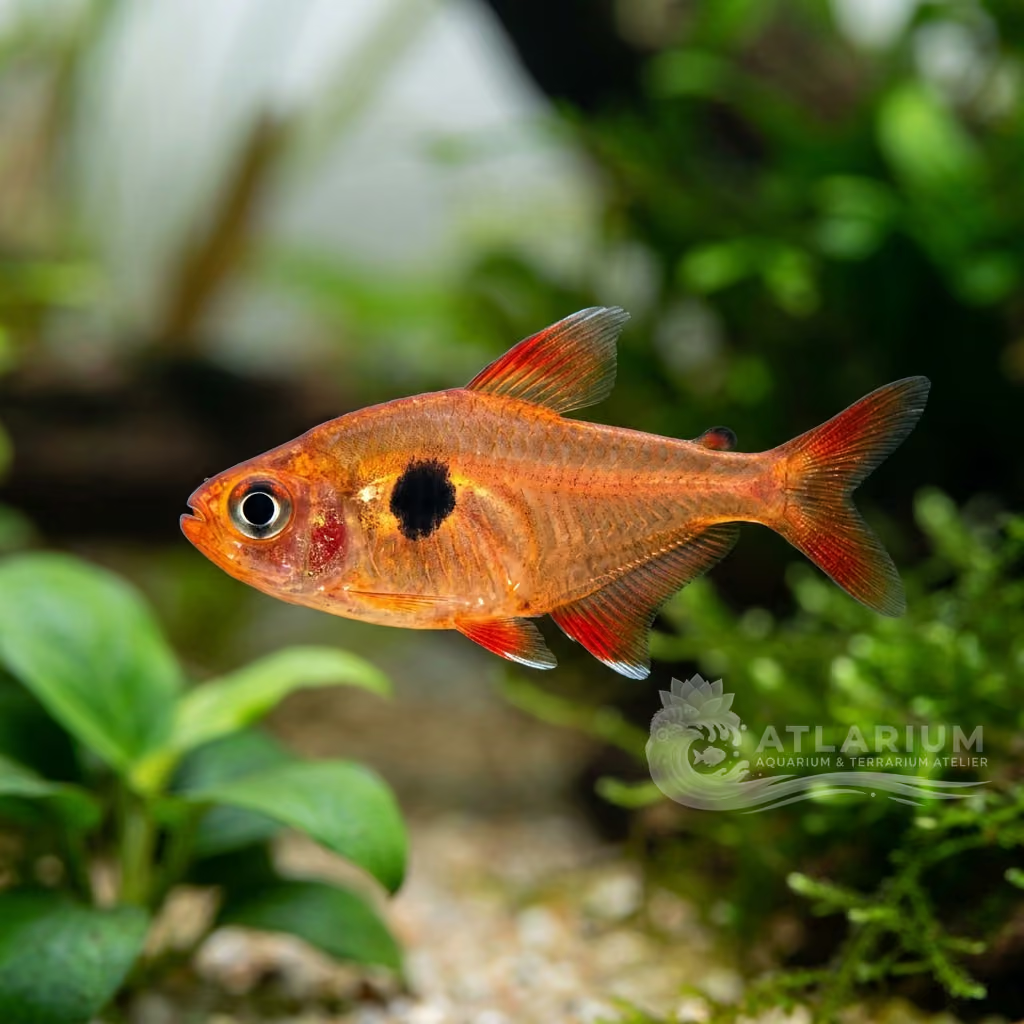
Pearl Cichlid
Geophagus brasiliensis
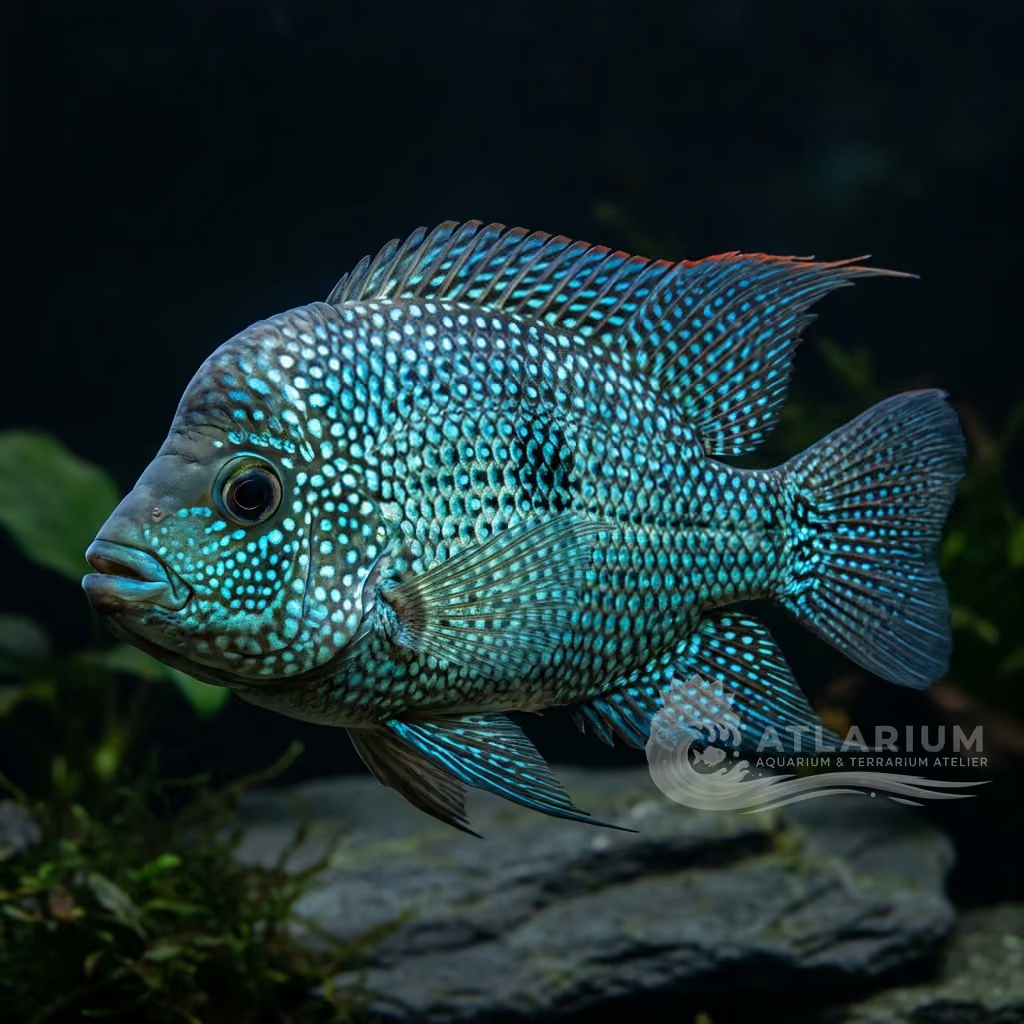
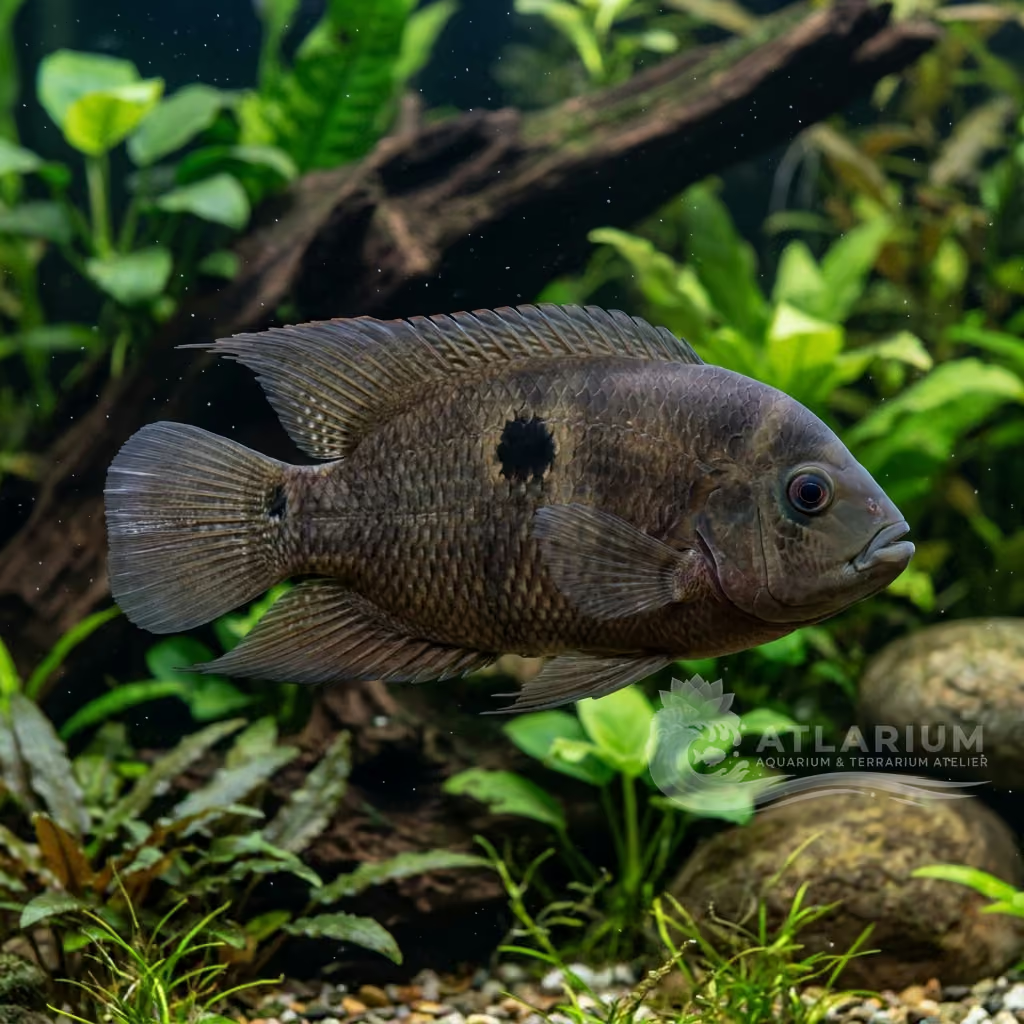
South America's 'earth eater': takes mouthfuls of sand, filters them through the gills extracting micro-organisms, and spits out the residue. This 'earth eating' behavior is unique and hypnotic to watch. Olive-green body with pearly iridescent scales and a central black spot. Tolerant of low temperatures (down to 14 °C). Reaches 25+ cm — large tank mandatory.
Temperatura da água
20 - 28 °C
Valor de pH
6 - 8
Tipo de água
Água doce
Nível do tanque
Parte inferior e intermediária
Tamanho adulto
25 cm
Volume mínimo do tanque
>= 200 L
Grupo mínimo
>= 2
GH
4 - 15 dGH
KH
2 - 7 dKH
TDS
80 - 295 ppm
Condutividade
125 - 461 uS/cm

Descrição da espécie
Geographical Origin and Habitat: Extremely widespread throughout southern Brazil and Uruguay. It is not a true Amazonian fish: it inhabits coastal rivers, lakes and even brackish lagoons with muddy bottoms and distinctly cooler temperatures compared to the Amazon basin.
Taxonomy and Morphology: Pearl Cichlid. Belongs to the "brasiliensis" complex (often not true Geophagus). Much stockier and more aggressive build compared to classic eartheaters; easily reaches 25-28 cm (10-11 inches) in length and considerable thickness.
Social Behavior: Unlike true Geophagus (peaceful and gregarious), the brasiliensis is an extremely territorial, irascible and solitary fish (or to be kept in a single pair). Closely resembles the brawling character of large Central American Cichlids.
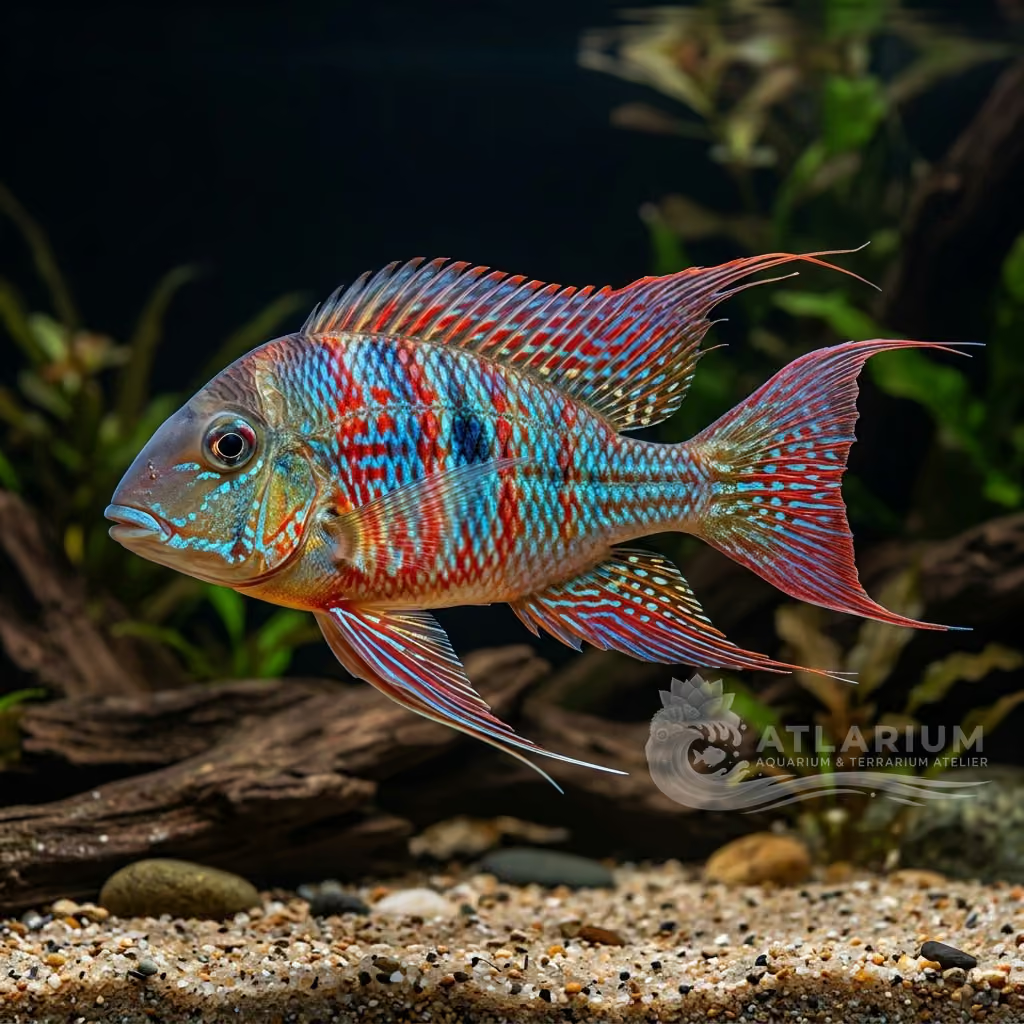
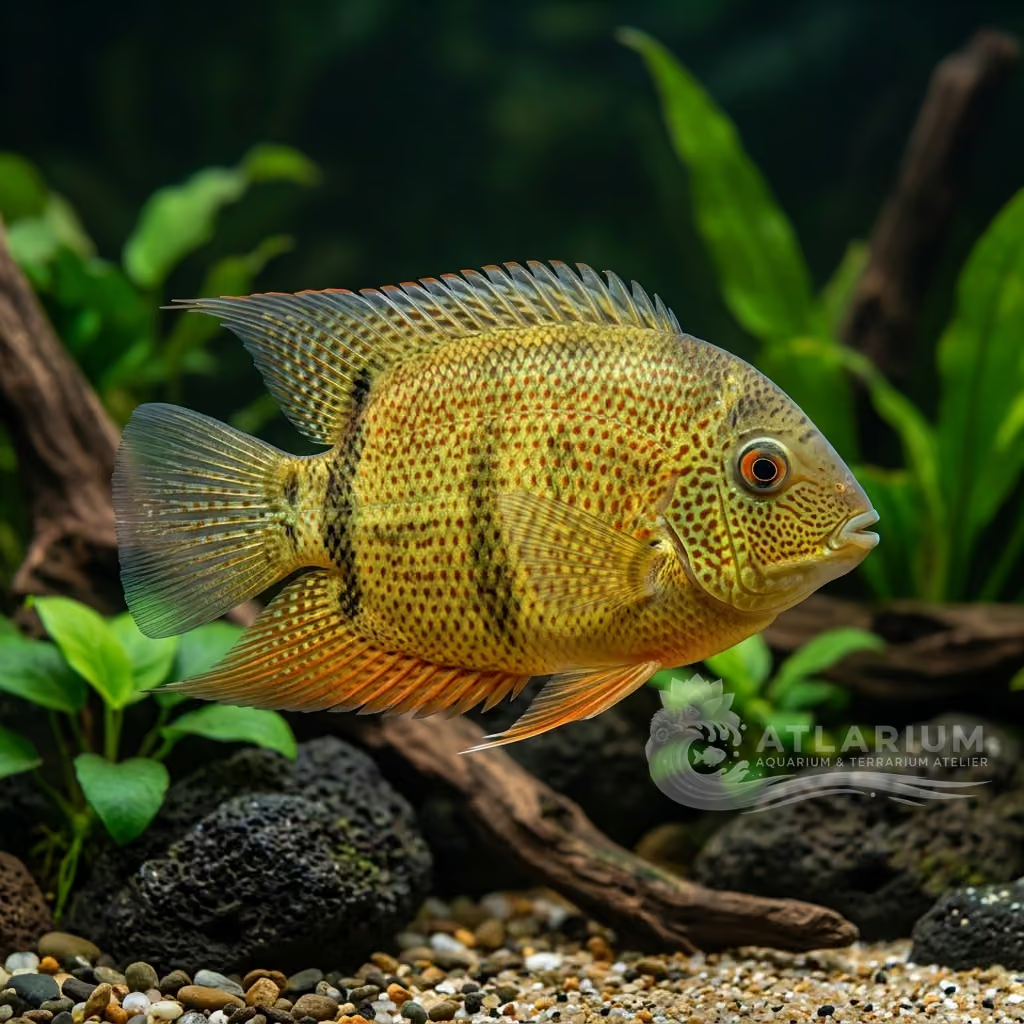
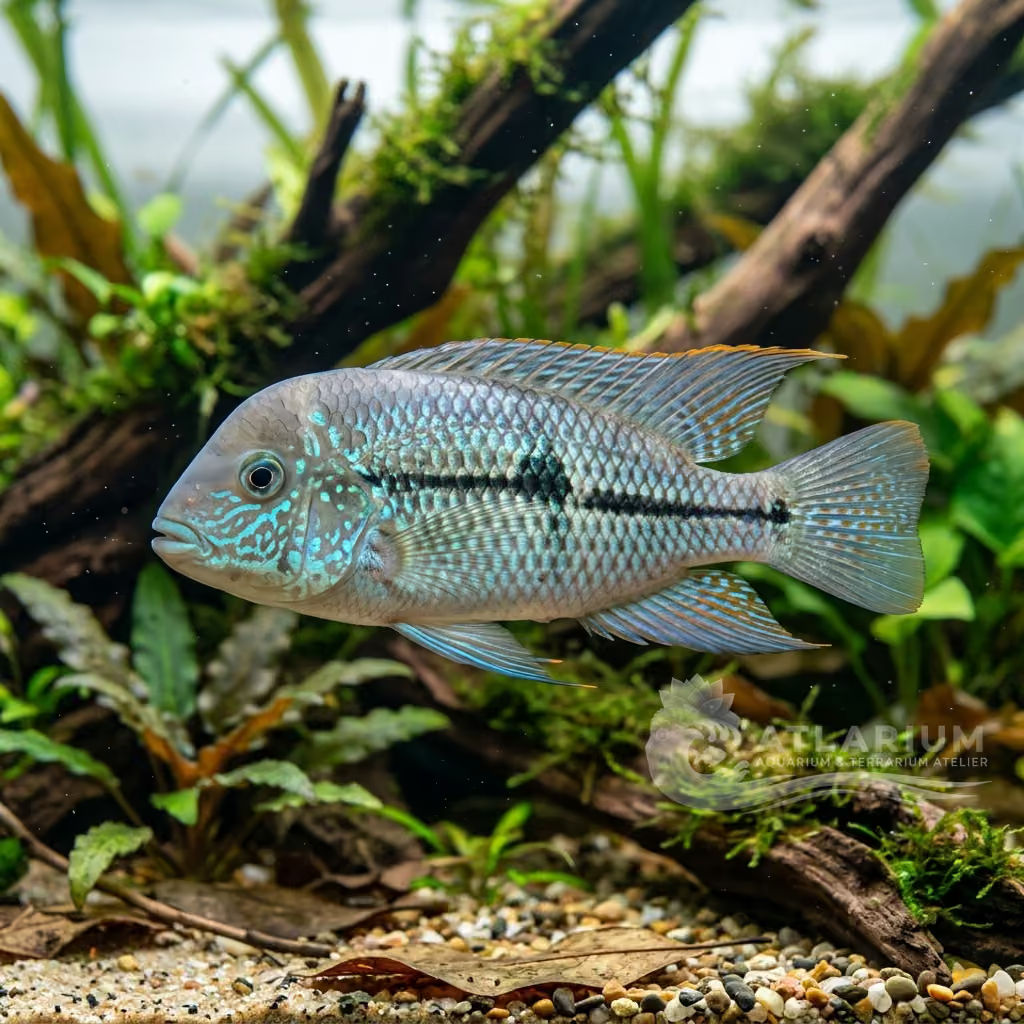
Coloration and Sexual Dimorphism: Background varying from dark olive green to gray, literally studded with hundreds of huge light blue, golden and white "pearls". A large black ocellus stands out in the center of the flank. Adult males develop a colossal and evident nuchal hump and pointed fins.

Cuidado, criação e companheiros de tanque
Aquarium Setup: Robust tank of at least 300 liters (80 gallons) for a pair. Despite the name, they dig the sand much less, preferring to move large pebbles to delimit their territory. Spartan furnishings with heavy stones glued to the bottom, large woods. They destroy delicate plants.
Diet and Feeding: Extremely voracious omnivore (not a filter-feeding micro-predator). Greedily accepts huge cichlid pellets, whole earthworms, shelled shrimp, mussels and strips of fish. Supplement weekly with peas and spirulina for intestinal health.
Water Quality: A stainless rock. Perfect fish for beginners of large cichlids thanks to its frightening tolerance: pH 6.0-8.0, GH 4-15, temperatures even very cool (20-28°C / 68-82°F). Also tolerates and thrives in slightly brackish waters.
Compatibility and Cohabitation: In small tanks it will kill its own kind and other fish. Cohabits well only in giant tanks (over 600 liters / 150 gallons) with other giants with a strong temperament: Jack Dempsey, Oscars, large armored Loricariids. Absolutely unsuitable for peaceful fish or true Geophagus.
Aquarium Breeding: Open substrate spawners (not mouthbrooders). The pair obsessively cleans a flat stone or the bottom glass, laying up to 800 eggs. The violence with which they defend the offspring is unprecedented: they will ruthlessly attack the breeder's siphon.
Risks and Diseases: Very robust from a pathological point of view. The most serious risk in the aquarium hobby is mistaken identity: sold as a peaceful eartheater, it ends up decimating tankmates. Subject to Hexamita (holes in the head) only if kept in filthy water.

Origem e distribuição geográfica
Extremely widespread throughout southern Brazil and Uruguay. It is not a true Amazonian fish: it inhabits coastal rivers, lakes and even brackish lagoons with muddy bottoms and distinctly cooler temperatures compared to the Amazon basin.
Origem
Cosmopolita ou apresentadoAmazônia, Orinoco e Guianas

Perfil de peixe
- Temperamento
- Semi-aggressive
- It is a mild-mannered cichlid. Unprovoked aggression is very rare. It is a wonderful centerpiece fish.
- Dieta
- Omnivore
- It is an eartheater. Feed sinking pellets and frozen bloodworms. A fine sand substrate is mandatory.
- Expectativa de vida
- 8-15 years
- Tamanho adulto
- 25 cm
- Proporção sexual
- Group
- Keep them in groups. This diffuses natural aggression. Pairs will emerge as they mature.
- Frequência de alimentação
- Twice daily
- It constantly sifts the sand. Feed multiple small meals daily. This mimics natural continuous foraging.
- Carga biológica
- High
- This fish produces a high bioload. Robust biological filtration is essential. Frequent water changes are necessary.
- Fluxo
- Strong
- It originates from riverine environments. It prefers moderate water flow. Provide resting areas with calm water.
- Risco de salto
- No
- Reprodução
- Mouthbrooder
- Many are mouthbrooders. Parents fiercely guard eggs and fry. Breeding pairs form naturally over time.
- Compatibilidade e companheiros de tanque
- Aggressive
- It is generally peaceful. It fits well in community tanks. It becomes territorial during spawning.
- Nível do tanque
- Middle/Bottom
- It stays at the bottom. It continuously sifts the sand. A large footprint is required.

Modelos e parâmetros científicos
FishBase
Acesso aos dados científicos oficiais da espécie
FishBase v25.04Dados sincronizados em: 15/06/2026
- Nível trófico
- 2,6 ± 0,26 se
- Resiliência
- Média (1,4 - 4,4 anos)
- Unicidade filogenética (PD50)
- 0.5
- Relação bayesiana comprimento-peso
- a = 0.01905, b = 3.02
- VulnerabilidadeVulnerabilidade baixa (18 / 100)

Galeria de imagens
Imagens licenciadas vinculadas à espécie ou, quando marcadas, ao táxon representativo mais próximo.

Espécies relacionadas
Recomendações agrupadas por parentes próximos, escolhas de acompanhantes e cuidados semelhantes.