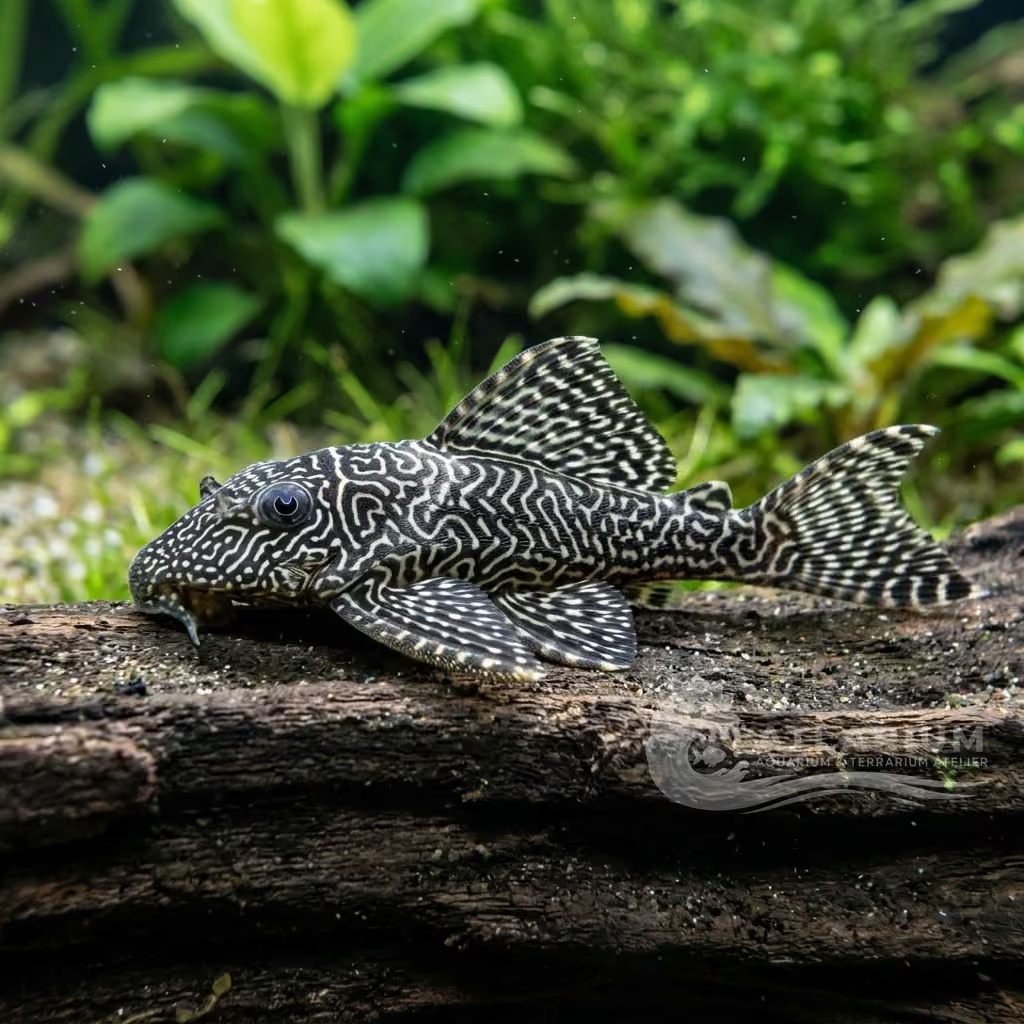
Foirni Checkerboard Cichlid
Dicrossus foirni
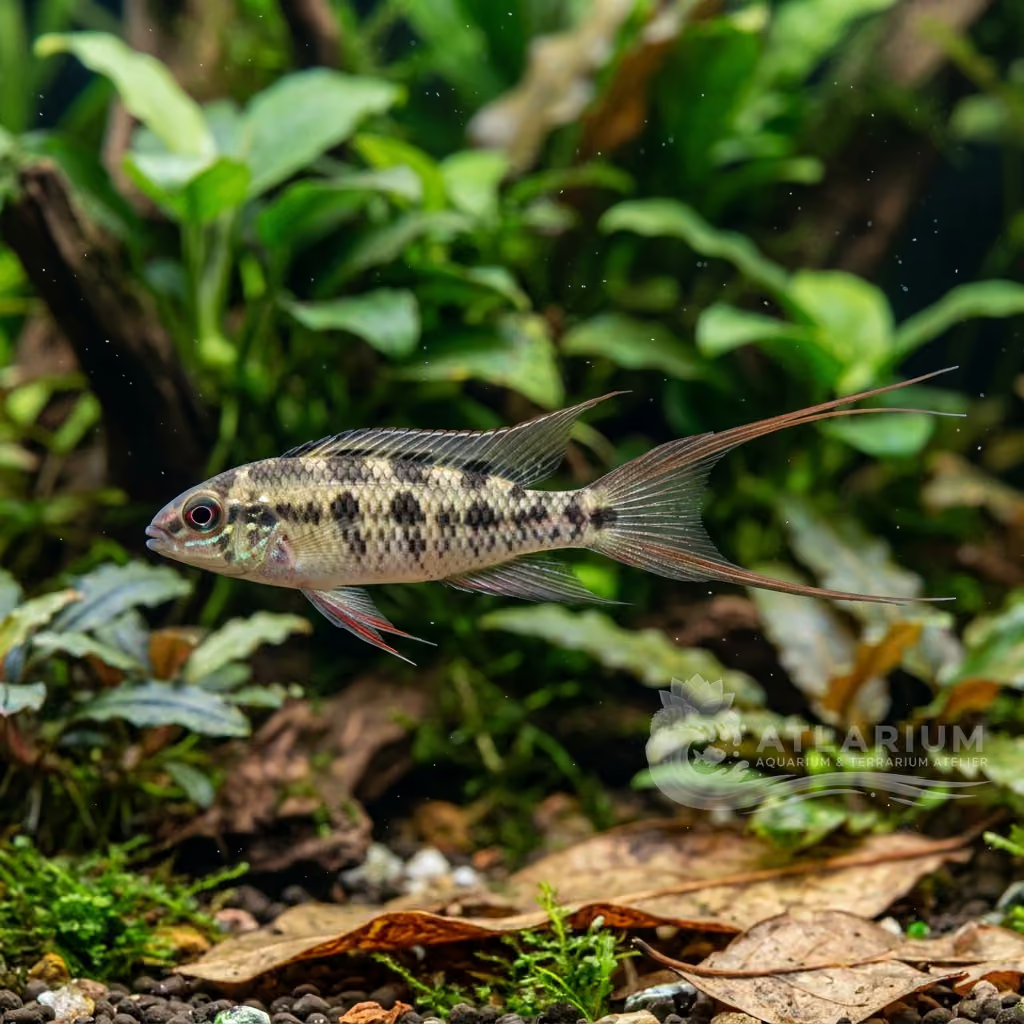
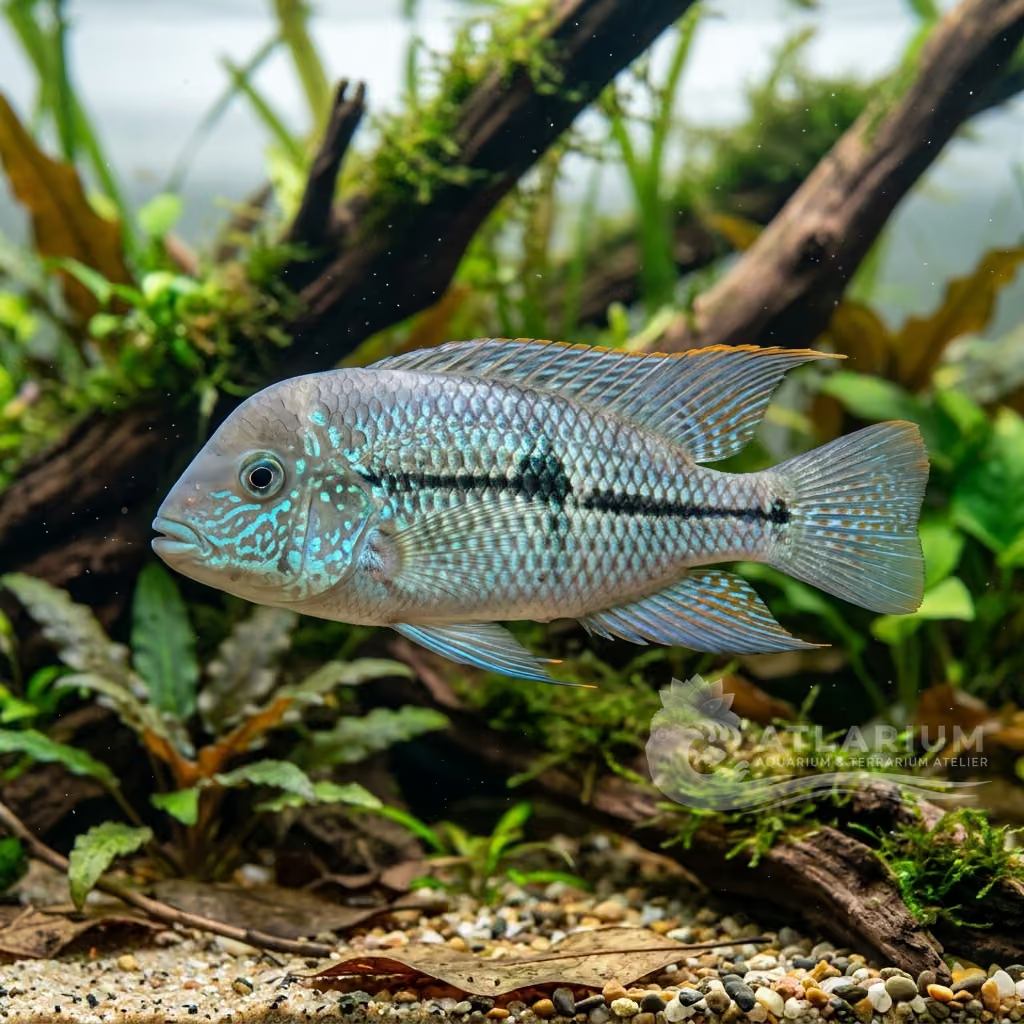
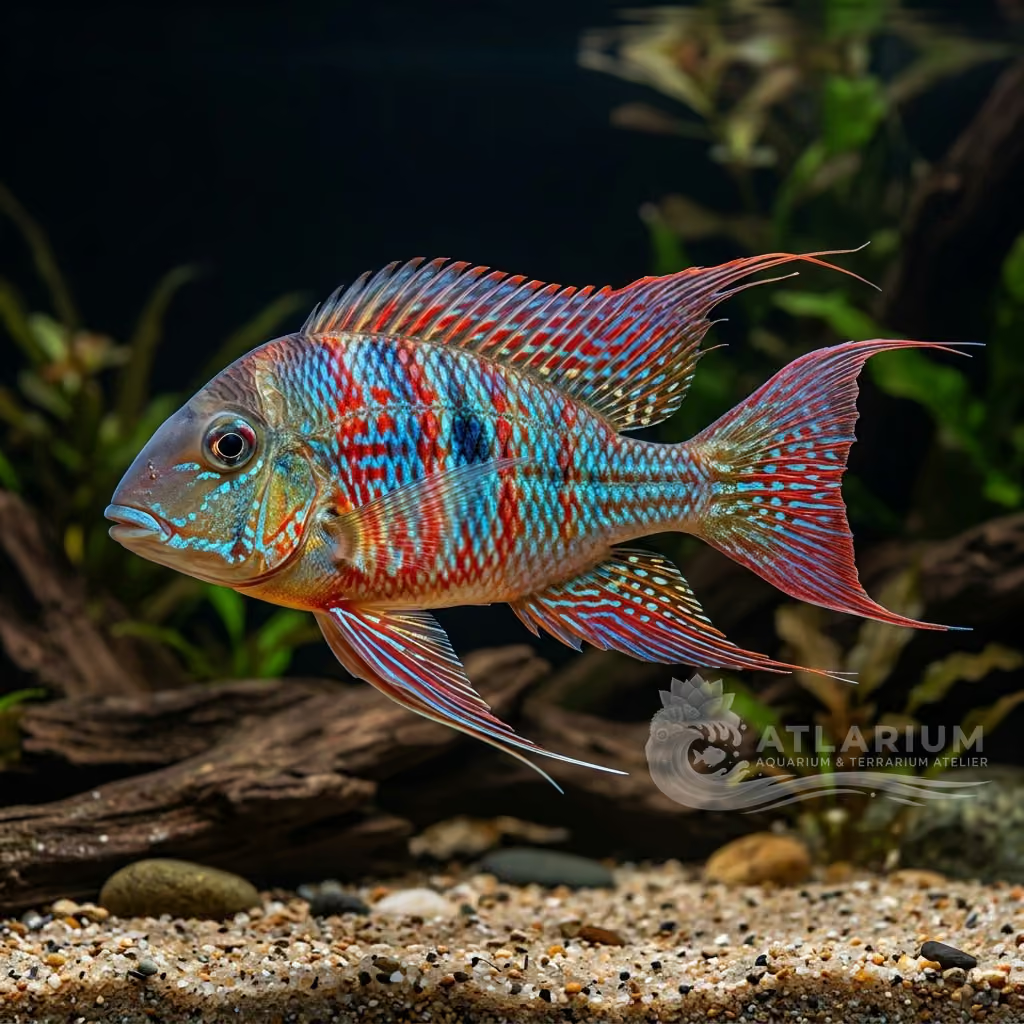
The precious and very rare 'Rio Negro Checkerboard Cichlid' (5-7 cm). Less common than its cousin D. filamentosus, the Dicrossus foirni is a tiny cylindrical jewel originating from the extreme Brazilian blackwaters. It is distinguished by its slightly more robust build and, above all, by the irregular checkerboard pattern that often merges into double broken lateral bands. Lacking the formidable lyre tail of the filamentosus, the male shows off a finely rounded lanceolate caudal fin with blue reflections. Severely delicate, it demands housing in sterile, hyper-acidic (pH < 5.5) and tannin-saturated waters.
25 - 29 °C
4.5 - 6.5
Água doce
Parte inferior e intermediária
9 cm
>= 100 L
>= 1
1 - 5 dGH
1 - 2 dKH
25 - 95 ppm
39 - 148 uS/cm

Descrição da espécie

Cuidado, criação e companheiros de tanque

Origem e distribuição geográfica
Origem

Perfil de peixe
- Temperamento
- Semi-aggressive
- Dicrossus foirni possesses a profoundly peaceful, shy, and retiring temperament. They are easily startled and require an environment with subdued lighting and numerous hiding spots to feel secure. When kept in a suitable biotope with gentle companions, they are fascinating to observe as they carefully explore their territory. They are an advanced-level fish that requires a dedicated aquarist willing to meet their stringent environmental and dietary demands.
- Dieta
- Omnivore
- They are strict micro-predators that feed heavily on tiny crustaceans and benthic invertebrates in their natural habitat. In the aquarium, they require a varied diet of small, meaty live or frozen foods to survive and thrive. Daily offerings of newly hatched brine shrimp, daphnia, and finely chopped bloodworms are essential for their nutritional needs. They will almost certainly refuse dry flakes or pellets, making them a demanding species to feed.
- Expectativa de vida
- 3-5 years
- Tamanho adulto
- 9 cm
- Proporção sexual
- Harem
- They are best maintained in a harem configuration consisting of one male and several females (ideally three or more). This structure mimics their natural social dynamics and prevents the male from aggressively pursuing a single female to exhaustion. Multiple males should only be kept if the aquarium is exceptionally large with numerous broken lines of sight to establish separate territories. A proper sex ratio is crucial to maintaining a peaceful and stress-free environment.
- Frequência de alimentação
- Twice daily
- Due to their small digestive tracts and active foraging behavior, they require multiple small feedings throughout the day. Providing two to three small meals daily ensures they receive enough calories without fouling the water with uneaten food. Because they are slow, deliberate eaters, care must be taken to ensure they are not outcompeted by faster tank mates. Target feeding with a pipette may be required to ensure they receive adequate nutrition.
- Carga biológica
- Low to Medium
- Like other species in its genus, Dicrossus foirni produces a very minimal bioload, making it manageable for smaller setups. However, their extreme intolerance to any buildup of nitrogenous waste means pristine water quality is absolutely non-negotiable. They require a fully mature, stable aquarium with highly efficient biological filtration. Rigorous maintenance, including frequent small water changes with reverse osmosis water, is essential to keep them healthy.
- Fluxo
- Stagnant
- Endemic to the slow-moving, tannin-rich blackwater environments of the Rio Negro basin, they demand almost stagnant water conditions. Strong water flow will rapidly exhaust them and prevent them from engaging in natural foraging behaviors. Filtration should be very gentle, ideally utilizing a mature sponge filter or a heavily baffled canister filter. Creating a calm, serene aquatic environment is critical for their long-term survival in captivity.
- Risco de salto
- Yes
- They are not prone to jumping and spend the vast majority of their time navigating the lower strata of the aquarium. Jumping is highly unlikely unless they are experiencing severe harassment from tank mates or acutely toxic water conditions. While a tightly fitting lid is not strictly required to prevent escapes, it helps maintain the warm, stable air and water temperatures they need. Dim lighting and floating plants further reduce any stress-induced erratic behavior.
- Reprodução
- Oviparous
- Breeding D. foirni is exceptionally challenging, requiring extremely acidic (pH 4.0-5.5) and soft water to simulate their natural breeding grounds. They are substrate spawners that lay their eggs discreetly on broad leaves or hidden hardscape elements. The female takes sole responsibility for guarding the clutch and the ensuing fry, becoming highly territorial during this period. The minuscule fry are highly sensitive and require immediate feeding with infusoria or rotifers.
- Compatibilidade e companheiros de tanque
- Species only
- They are a highly delicate and peaceful dwarf cichlid that must only be housed with similarly gentle, small tank mates. Excellent companions include small tetras like the Cardinal or Green Fire Tetra, and peaceful bottom dwellers like small Corydoras species. Fast, boisterous, or aggressive fish will easily outcompete them for food and cause severe, often fatal, stress. They do best in a species-only biotope or a carefully curated, tranquil South American community.
- Nível do tanque
- Middle/Bottom
- They are definitively bottom-dwellers, intimately associating with the substrate and low-lying hardscape. A soft, sandy bottom scattered with a thick layer of dried botanical leaves is absolutely essential for their comfort and natural behavior. They spend their days meticulously inspecting the leaf litter for microscopic food items. They will only venture into the mid-water column momentarily, quickly returning to the safety of the substrate.

Modelos e parâmetros científicos
Acesso aos dados científicos oficiais da espécie
- Nível trófico
- 3,2 ± 0,5 se
- Unicidade filogenética (PD50)
- 0.5312
- Relação bayesiana comprimento-peso
- a = 0.00724, b = 3.13
- VulnerabilidadeVulnerabilidade baixa (10 / 100)

Espécies relacionadas
Recomendações agrupadas por parentes próximos, escolhas de acompanhantes e cuidados semelhantes.