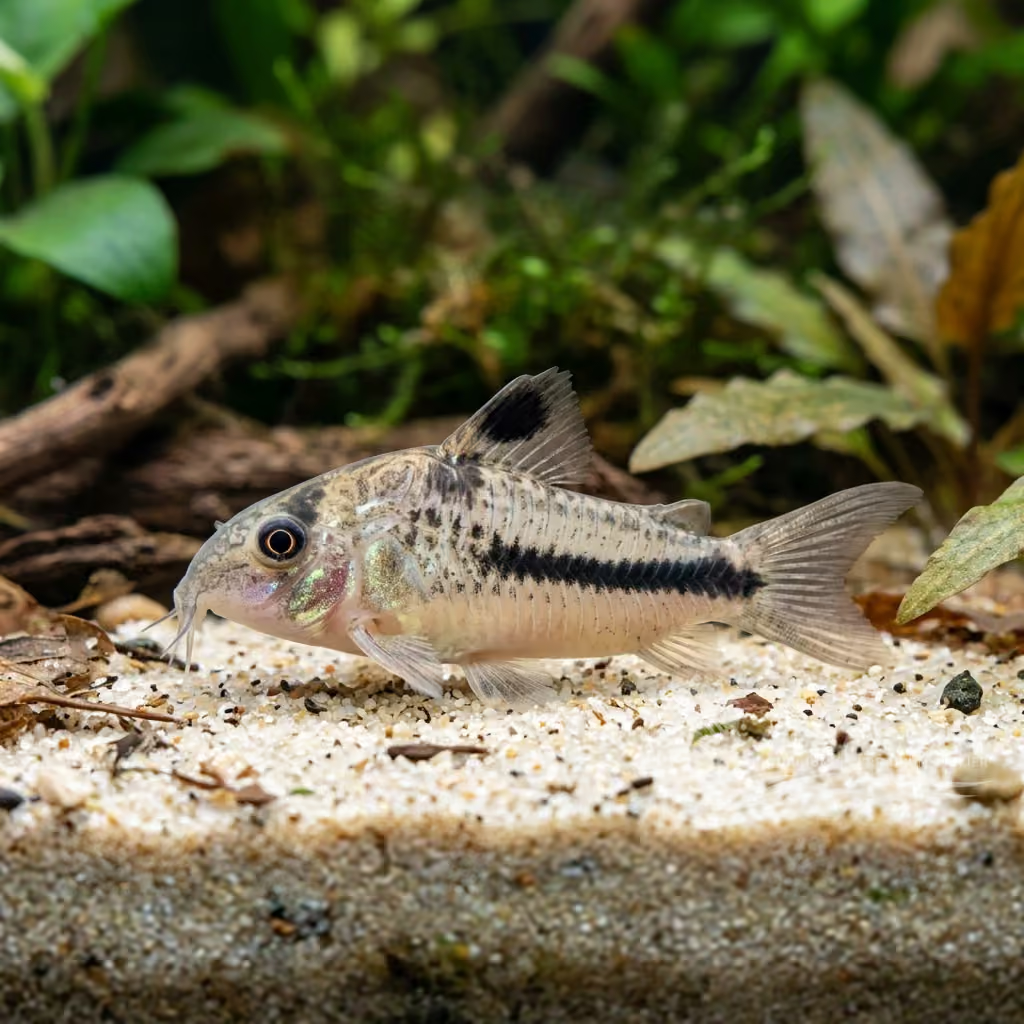
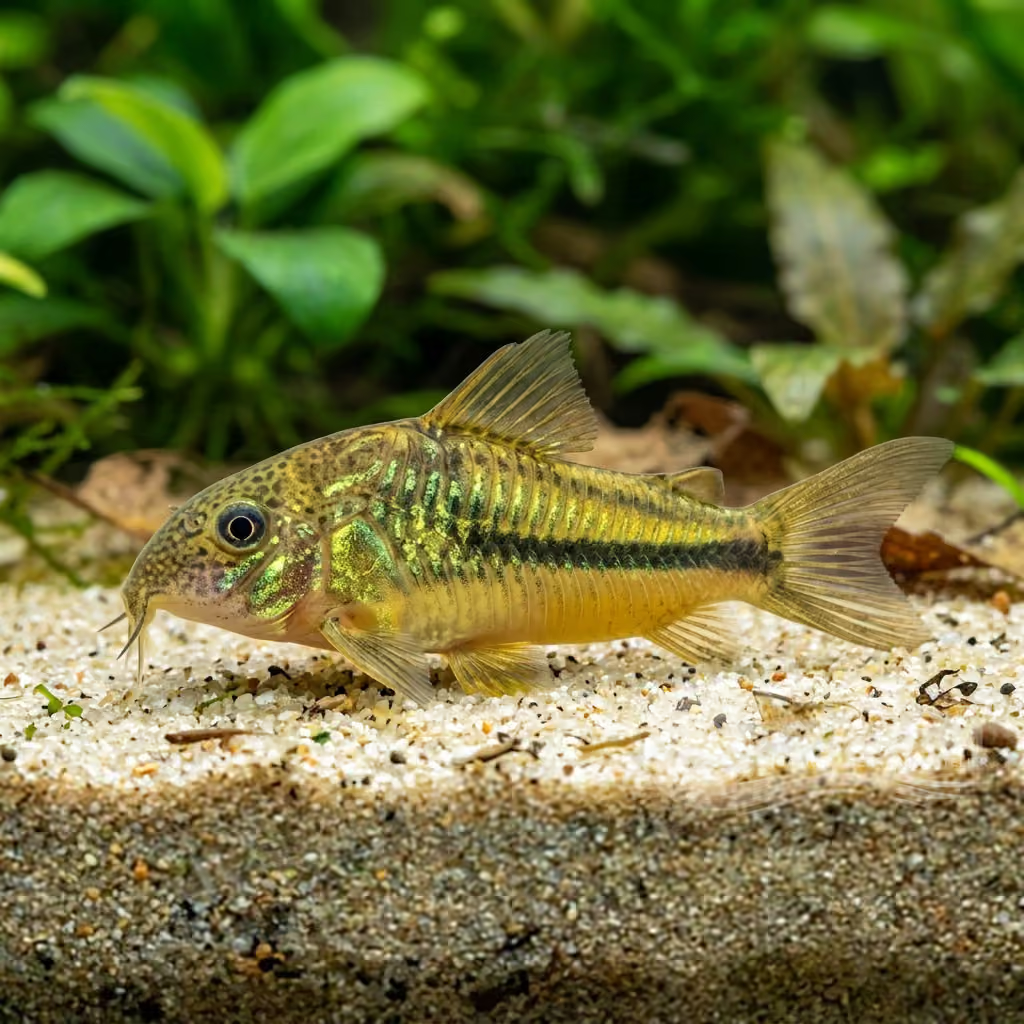
Keyhole cichlid
Cleithracara maronii
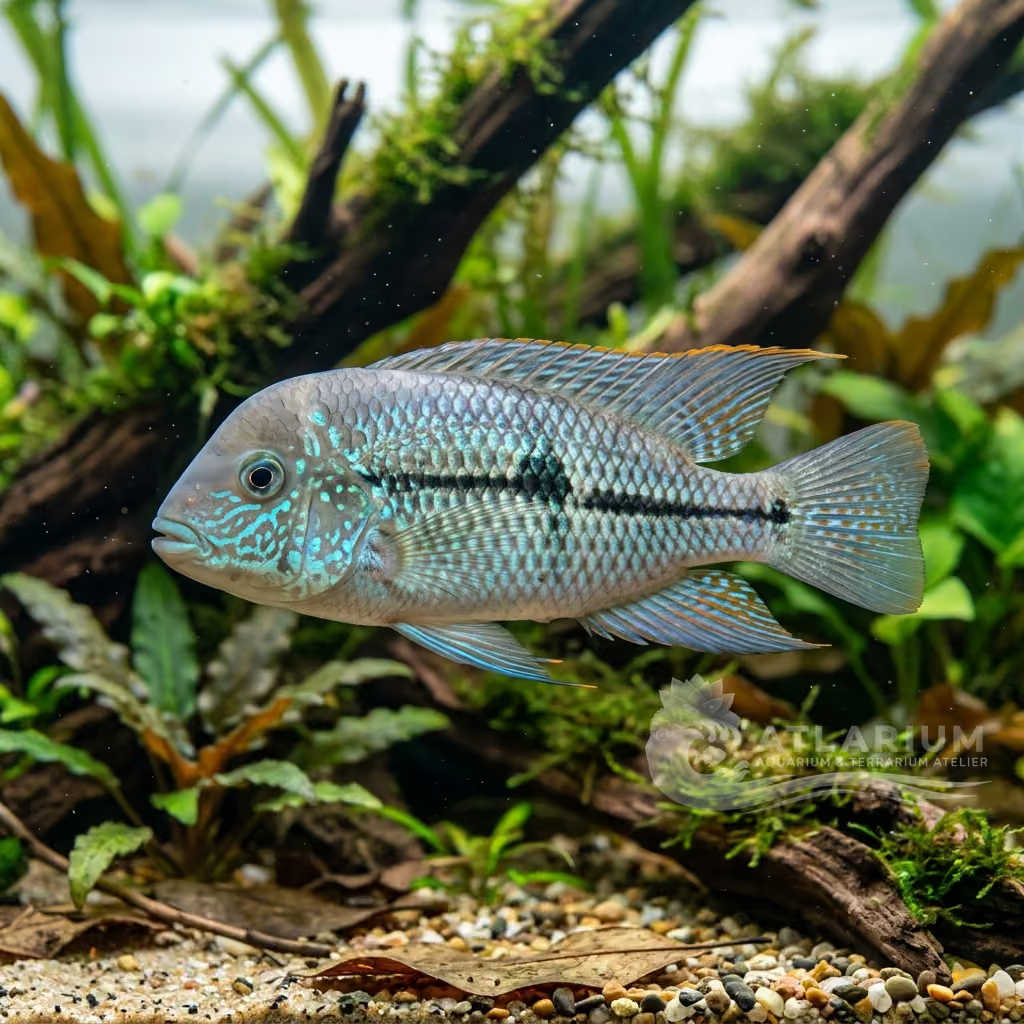
The most peaceful and shy cichlid available in fishkeeping: its name comes from the keyhole-shaped dark mark on its flanks. Native to slow-moving South American waters, it is the exception that proves the rule about cichlid aggression — it does not dig, uproot plants or terrorize tankmates. Takes time to acclimate and show its best coloration (warm beige with yellow and black hues), preferring densely planted tanks with many shelters. Forms stable monogamous pairs and attentive, gentle parents that escort fry around the tank.
22 - 28 °C
6 - 7.5
Água doce
Parte inferior e intermediária
10 cm
>= 100 L
>= 2
2 - 12 dGH
1 - 6 dKH
40 - 240 ppm
63 - 375 uS/cm

Descrição da espécie

Cuidado, criação e companheiros de tanque

Origem e distribuição geográfica
Origem

Perfil de peixe
- Temperamento
- Semi-aggressive
- Keyhole Cichlids are peaceful, shy, and gentle fish that occupy the middle and lower levels of the aquarium. They can easily become stressed by loud noises or active tank activity, often changing color to a darker mottled pattern when frightened. They do not dig up plants or damage the aquascape.
- Dieta
- Omnivore
- They are omnivorous cichlids that accept a wide range of foods. Provide high-quality cichlid pellets, flakes, and a variety of frozen foods such as bloodworms, mysis, and daphnia. They also benefit from occasional vegetable matter, such as blanched peas or zucchini.
- Expectativa de vida
- 7-10 years
- Tamanho adulto
- 10 cm
- Proporção sexual
- Solitary
- While they do not strictly require a specific sex ratio to thrive, keeping them in a group until a natural pair forms is the most successful approach for breeding. Once a compatible male and female pair bonds, they are generally peaceful and monogamous. For community setups, a single individual or an established pair works best to prevent minor territorial squabbles. If attempting to house multiple pairs, a significantly larger tank with broken lines of sight is essential.
- Frequência de alimentação
- Twice daily
- They should be fed once or twice daily with small amounts that they can consume within a few minutes. Since they are slow, deliberate eaters, ensure that more active tankmates do not outcompete them for food. Regular, controlled feedings support their health and prevent water issues.
- Carga biológica
- Low to Medium
- Low-medium
- Fluxo
- Strong
- They prefer weak to moderate water flow, which replicates the slow-moving, shaded creeks and forest streams of their native South American habitat. Strong currents should be avoided as they can stress these timid fish and hinder their swimming. Provide plenty of calm zones with plants and driftwood.
- Risco de salto
- No
- Reprodução
- Oviparous
- They are monogamous substrate spawners that form strong pair bonds and exhibit excellent parental care. They lay adhesive eggs on flat surfaces such as rocks, driftwood, or broad leaves, and both parents guard the nest and fry diligently. They are relatively easy to breed in a quiet, dedicated setup with soft, slightly acidic water.
- Compatibilidade e companheiros de tanque
- Peaceful
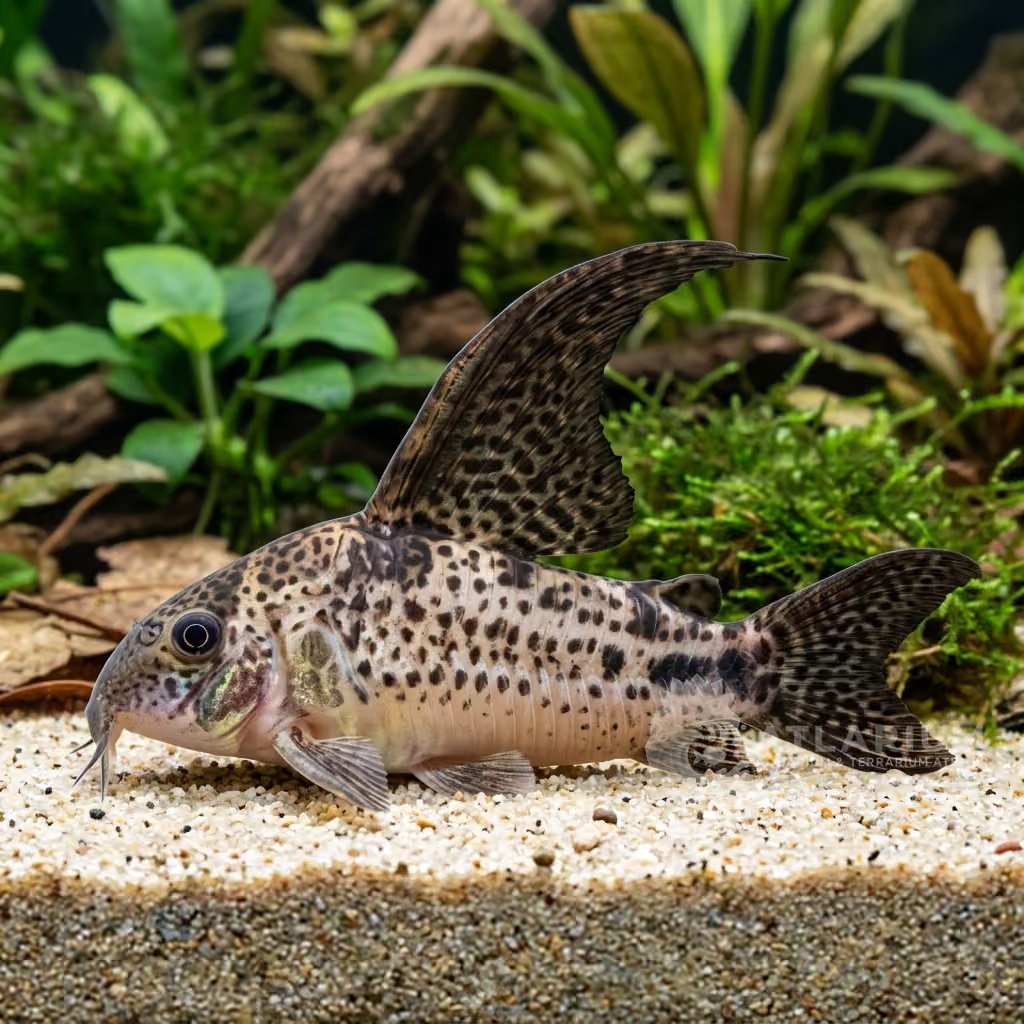
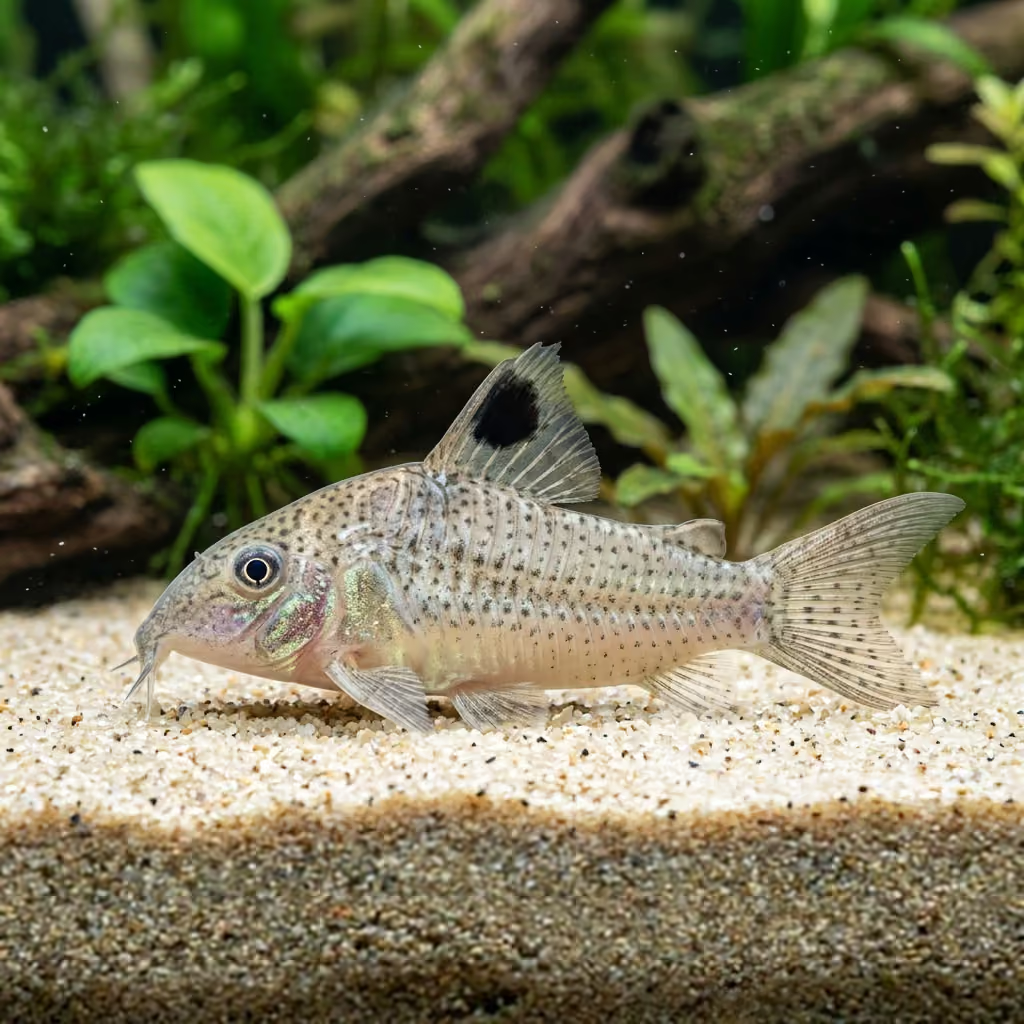
- They are exceptionally peaceful cichlids that do well in community tanks with other docile species of similar size. Ideal tankmates include small tetras, rasboras, Corydoras, and dwarf gouramis. Avoid keeping them with aggressive, territorial, or fin-nipping fish that could easily intimidate them.
- Nível do tanque
- Middle/Bottom
- Keyhole cichlids are primarily mid-to-bottom level swimmers that heavily rely on the presence of structure and cover. They spend the majority of their time navigating through dense vegetation, driftwood roots, and the lower stratum of the aquarium. Although they will occasionally venture to the surface during feeding time, their natural inclination is to remain near the safety of the substrate. Open, brightly lit upper water columns are generally avoided by this shy species.

Modelos e parâmetros científicos
Acesso aos dados científicos oficiais da espécie
- Nível trófico
- 3,3 ± 0,39 se
- Resiliência
- Alta (menos de 15 meses)
- Unicidade filogenética (PD50)
- 1
- Relação bayesiana comprimento-peso
- a = 0.03548, b = 3.11
- VulnerabilidadeVulnerabilidade baixa (10 / 100)

Espécies relacionadas
Recomendações agrupadas por parentes próximos, escolhas de acompanhantes e cuidados semelhantes.