Agassiz's Corydoras
Brochis agassizii
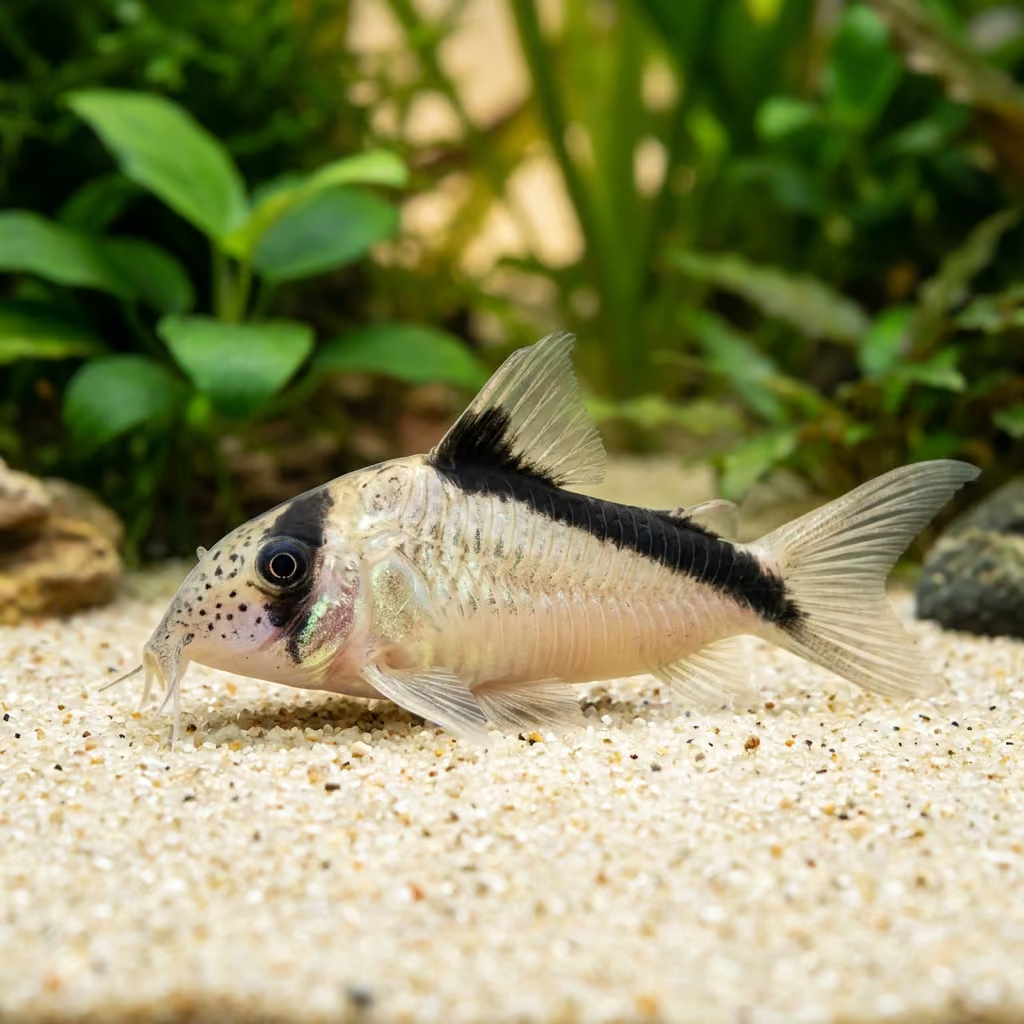
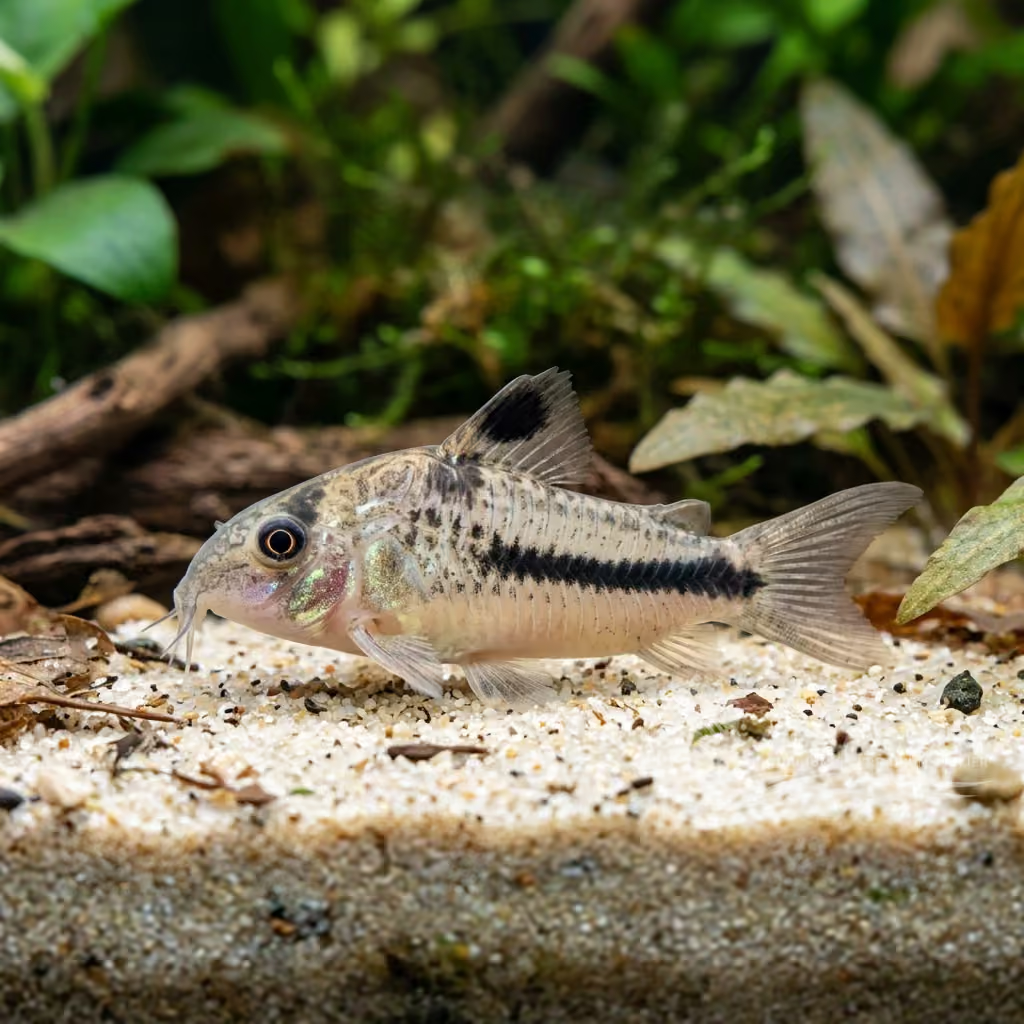
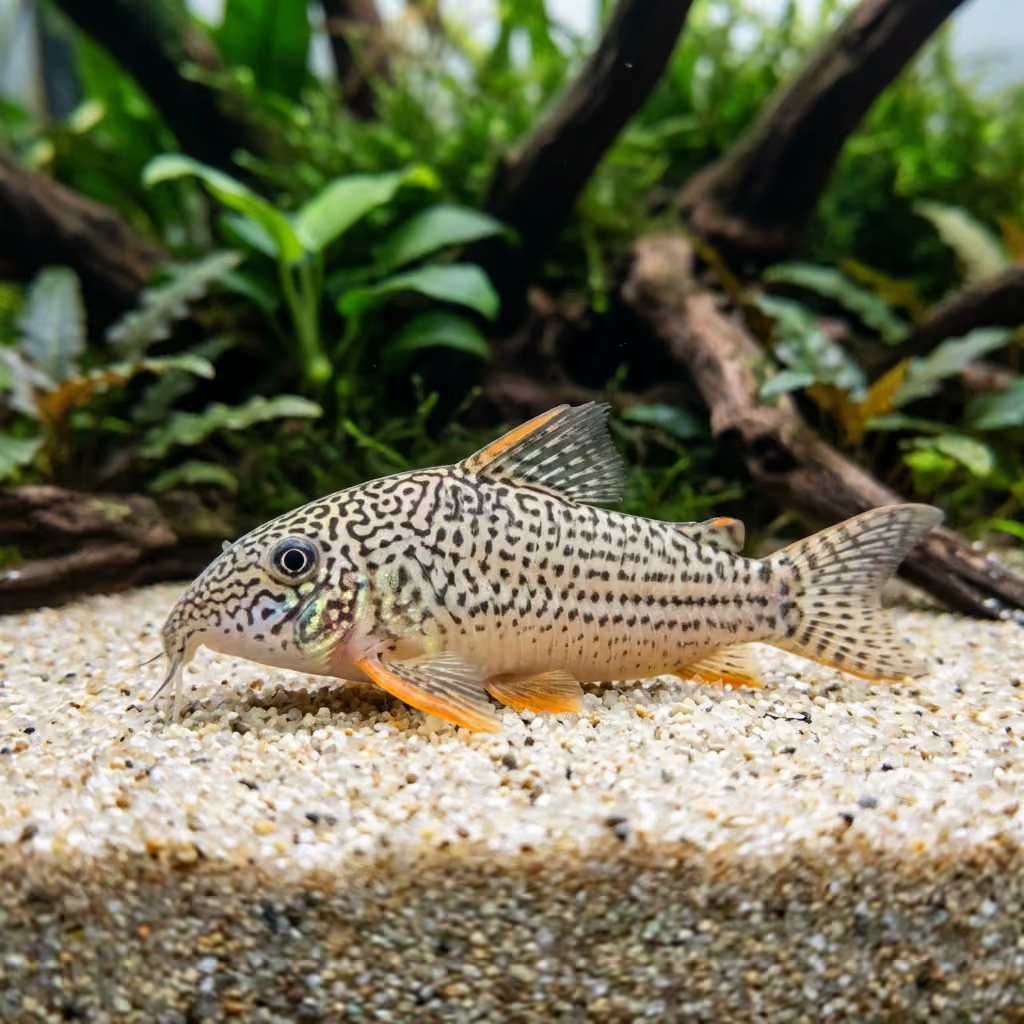
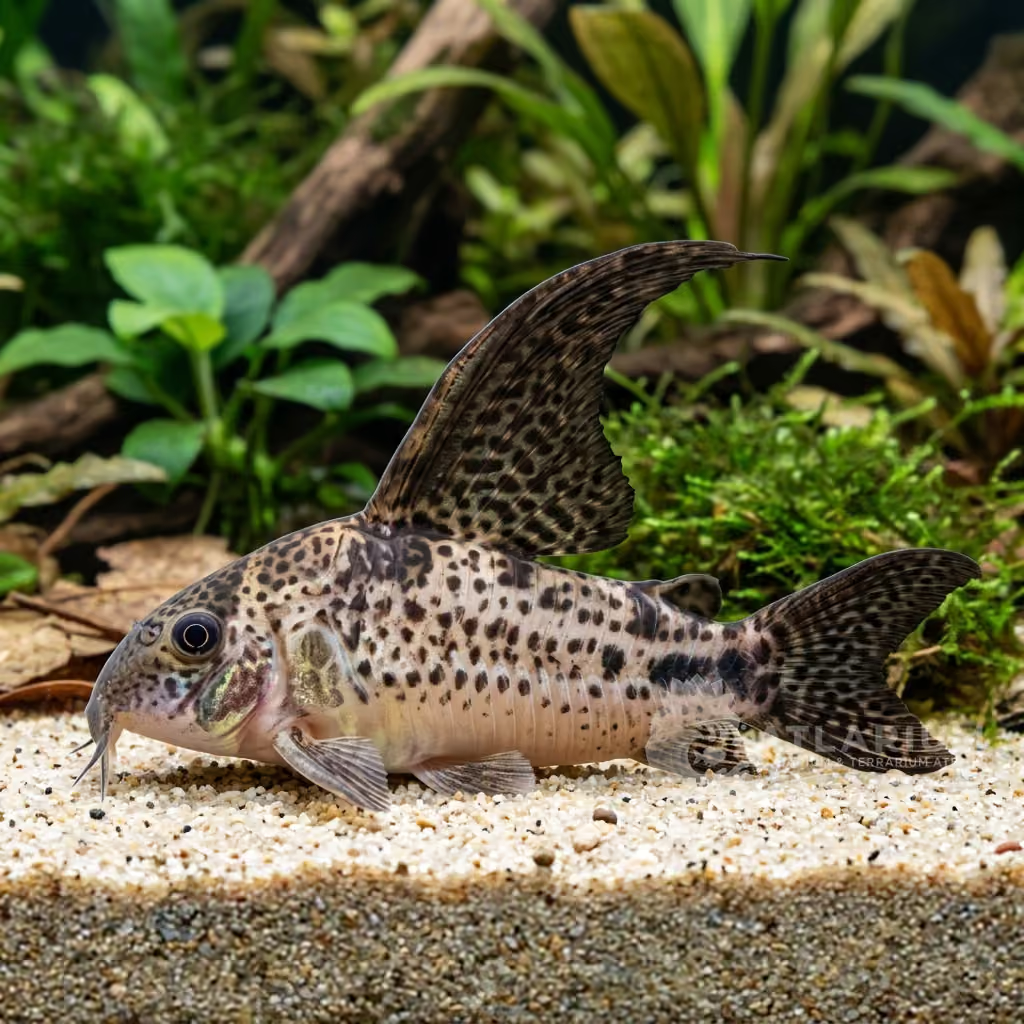
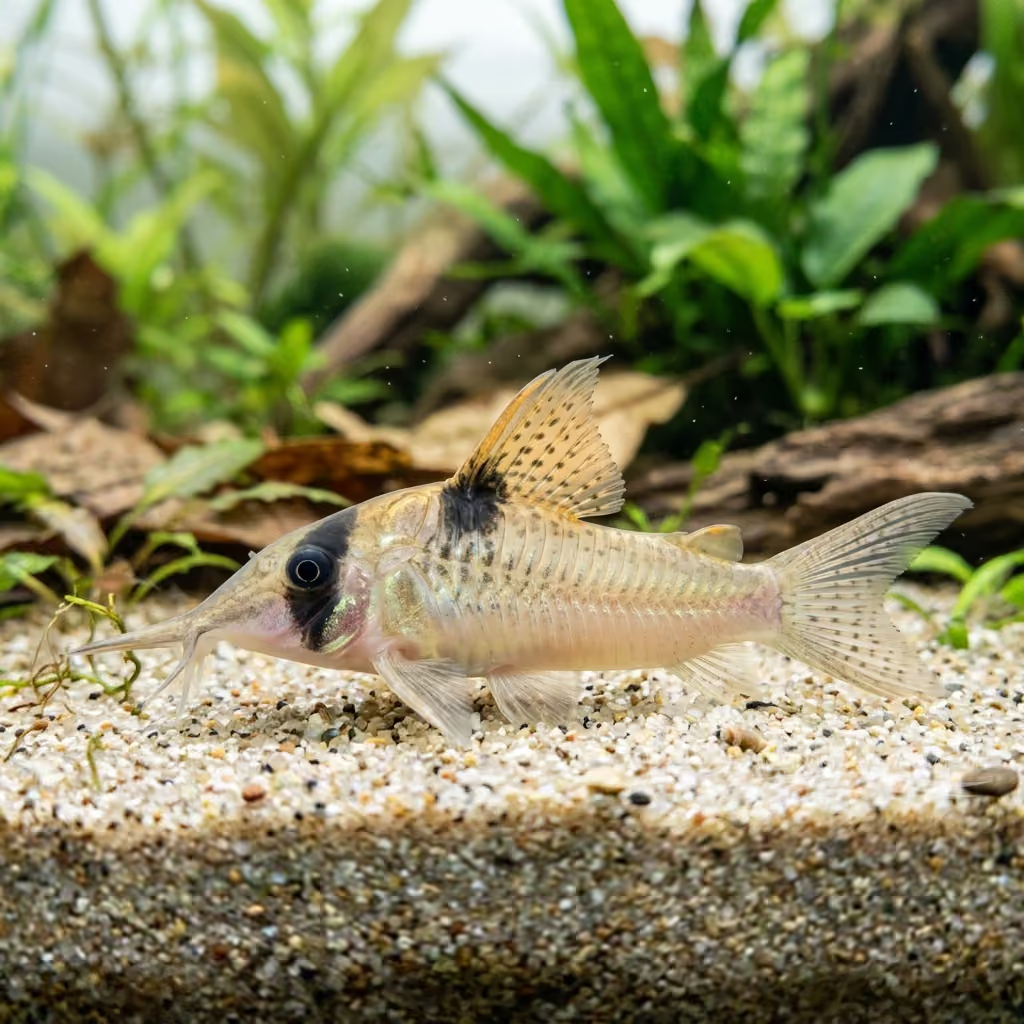
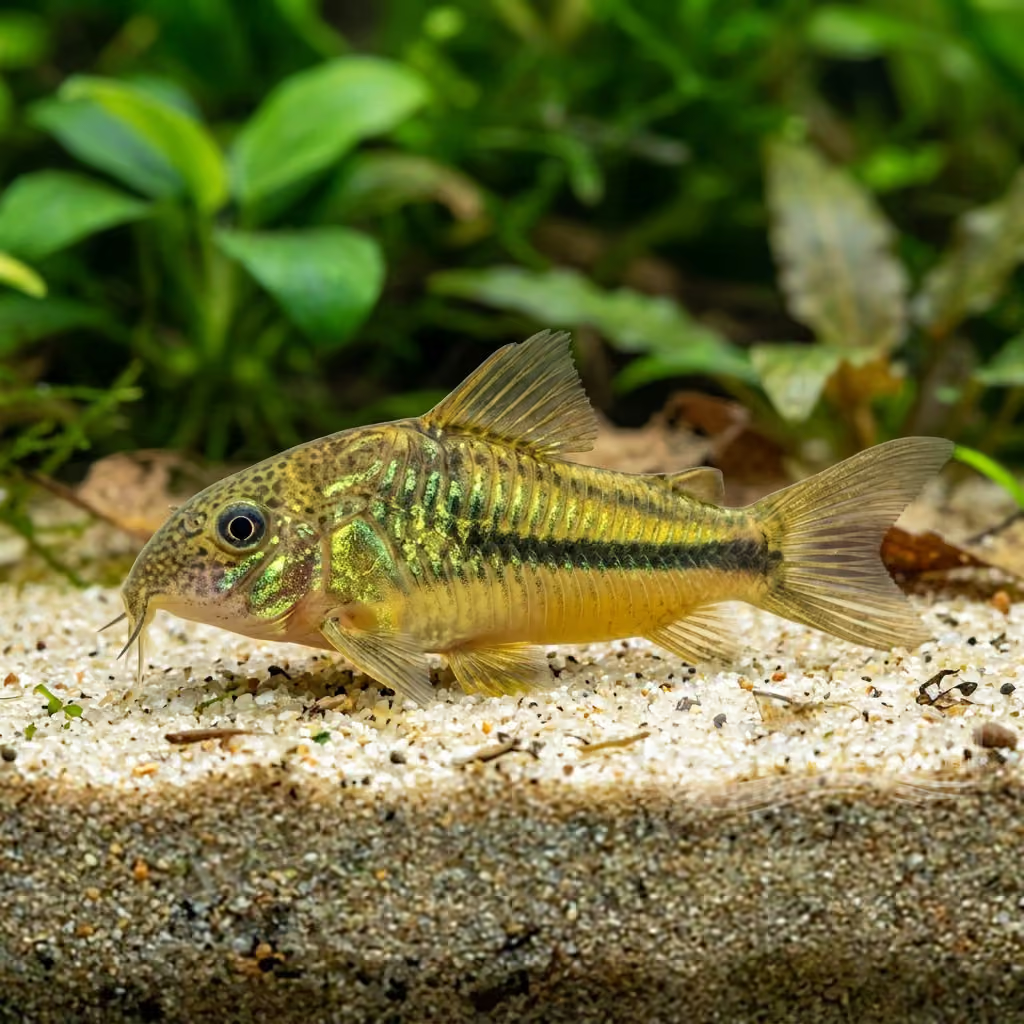
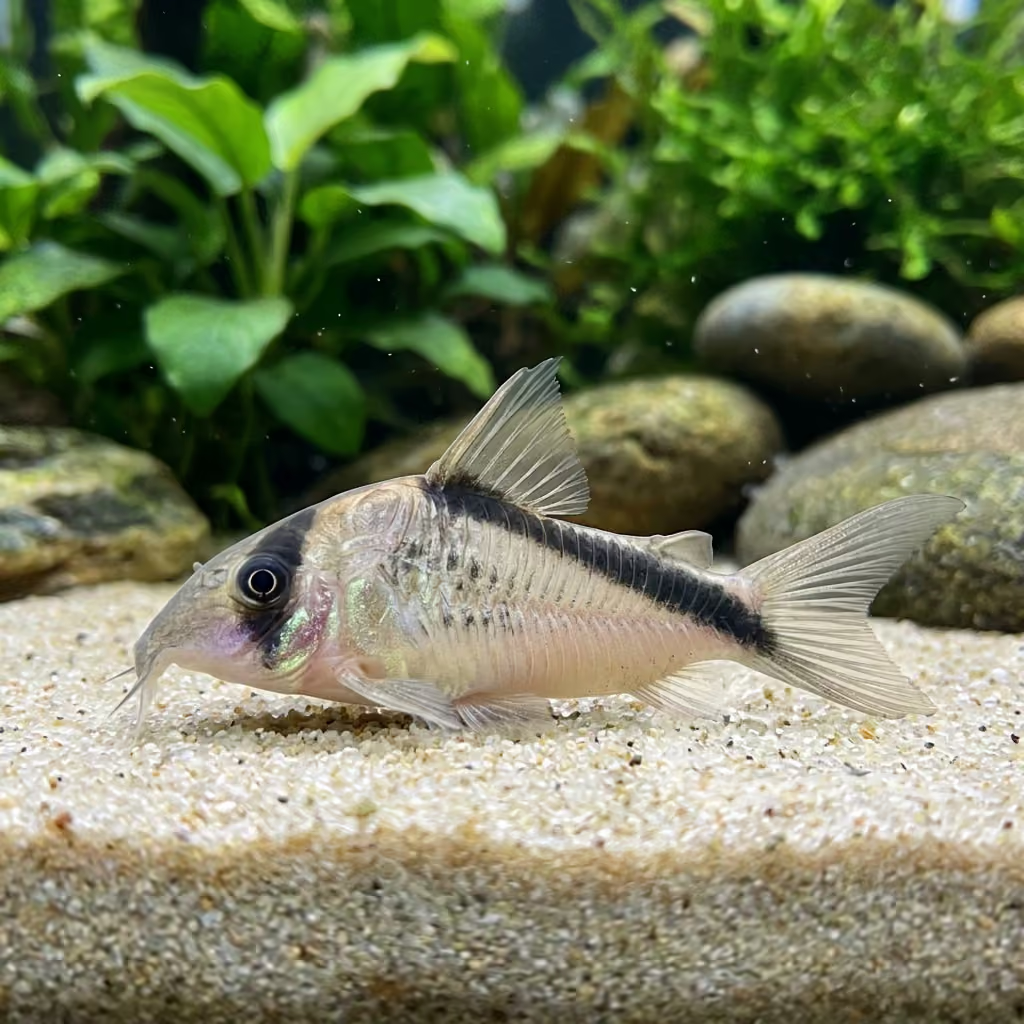
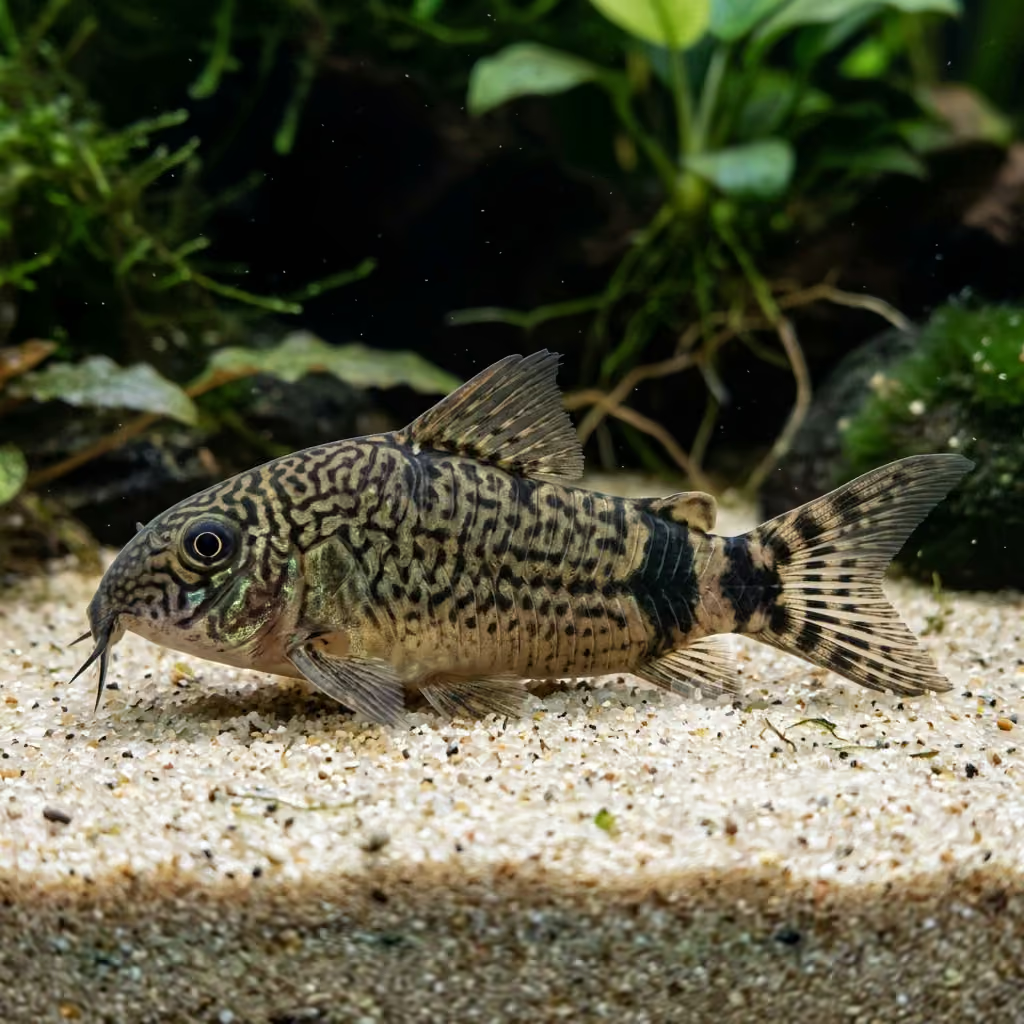
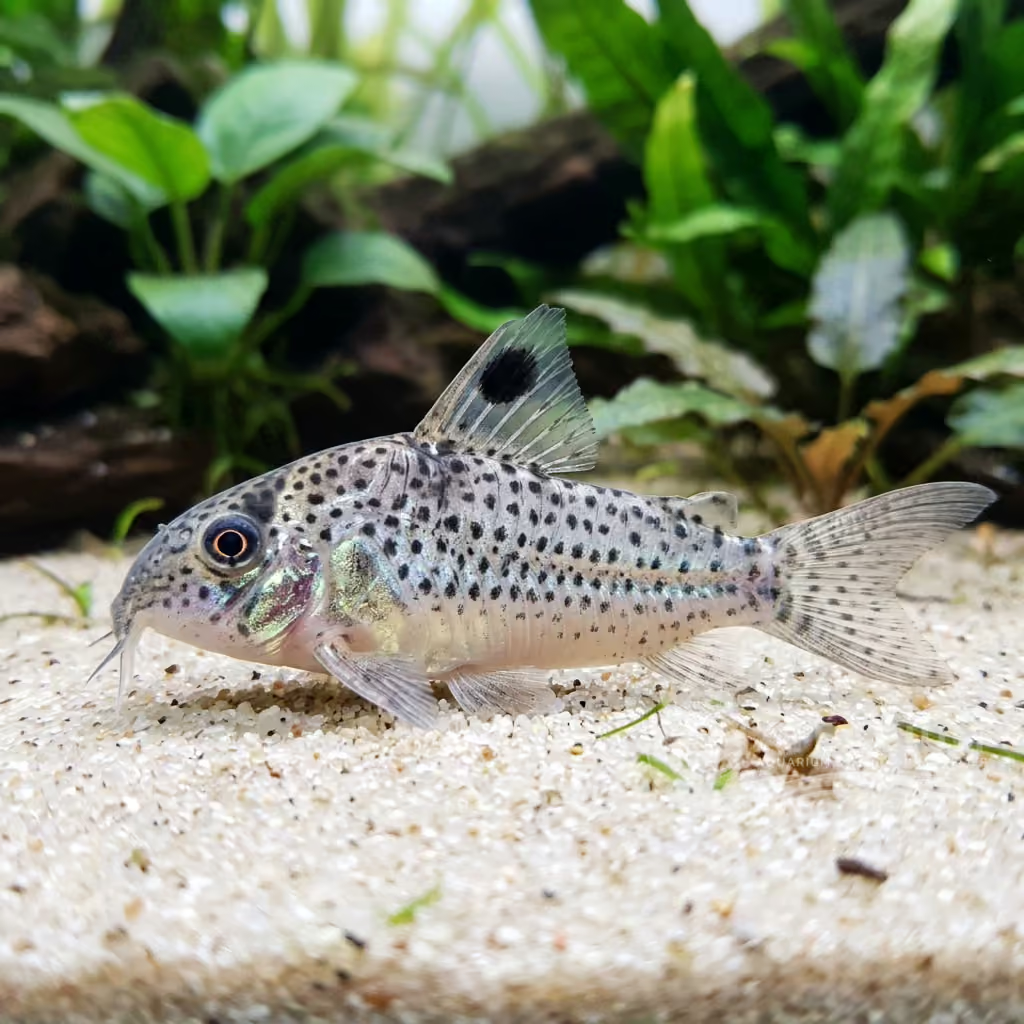
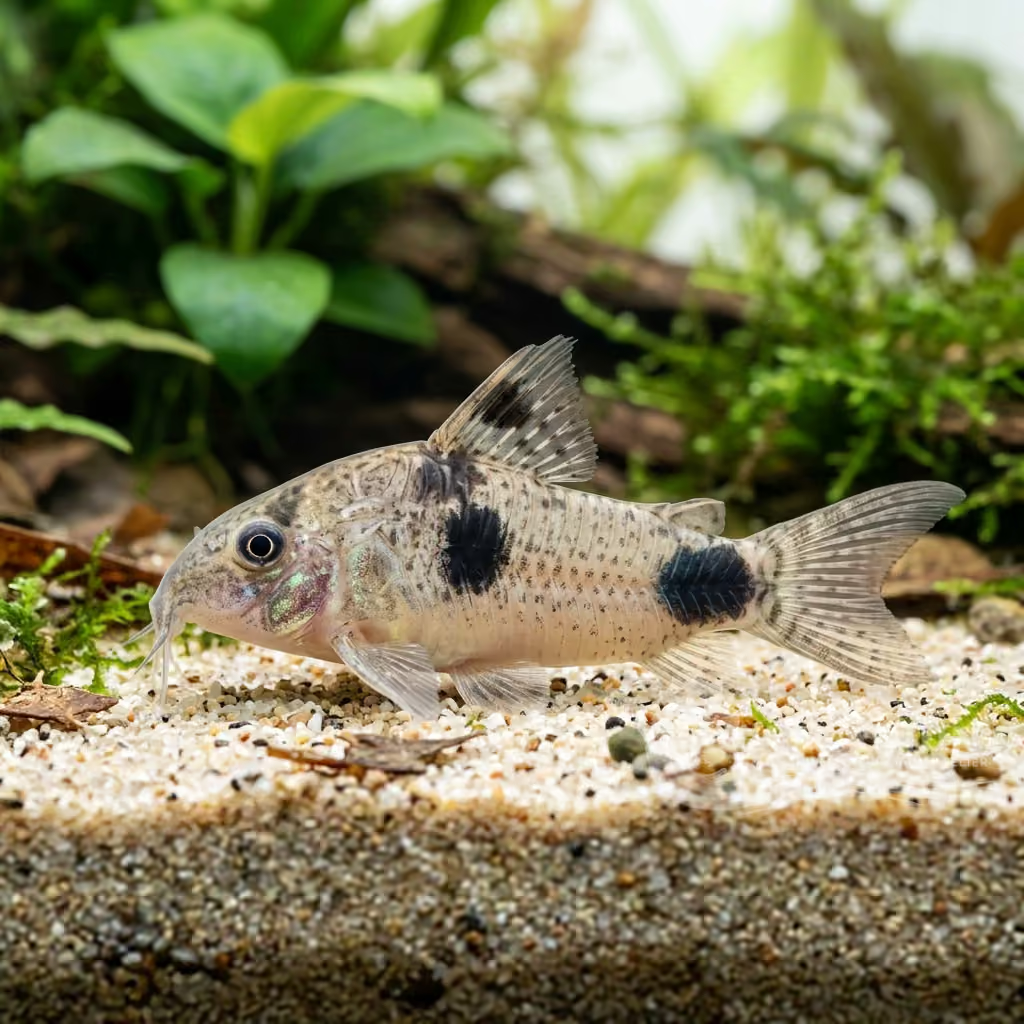
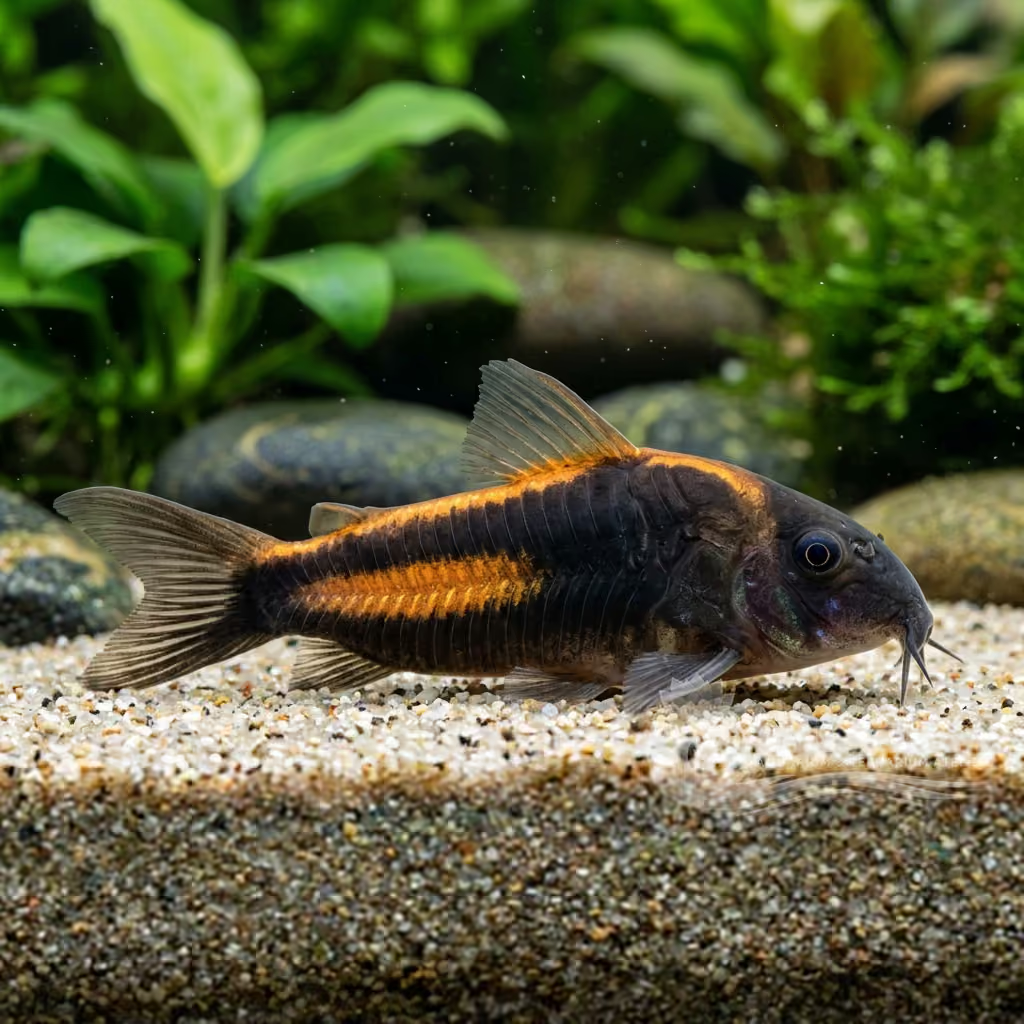
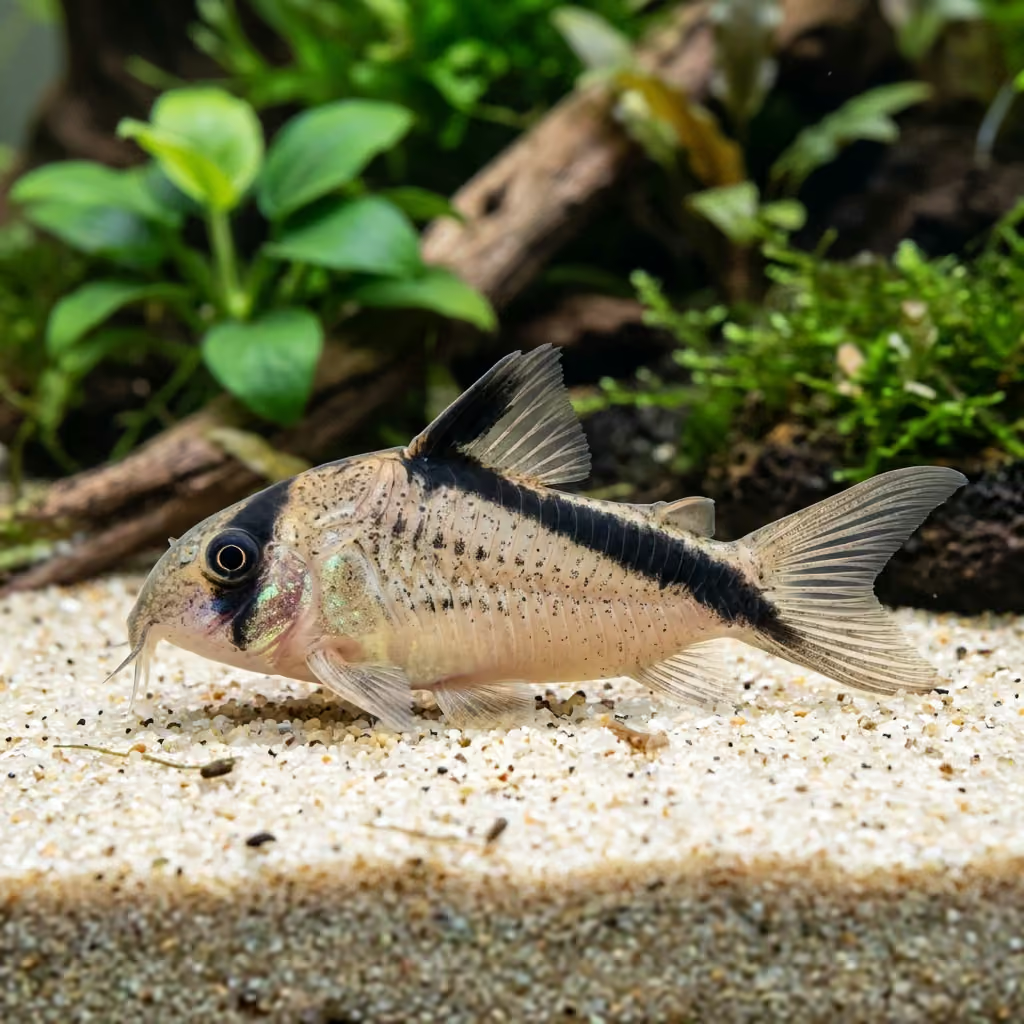
One of the most striking and common spotted Corydoras in the trade. It stands out with its metallic golden body splashed with bold ink-black spots and the classic 'thief's mask' over its eyes.
Temperatura da água
22 - 26 °C
Valor de pH
6 - 7.2
Tipo de água
Água doce
Nível do tanque
Parte inferior
Tamanho adulto
5,5 cm
Volume mínimo do tanque
>= 60 L
Grupo mínimo
>= 6
GH
2 - 12 dGH
KH
1 - 6 dKH
TDS
40 - 240 ppm
Condutividade
63 - 375 uS/cm

Descrição da espécie
Geographical Origin and Habitat: Amazon River basin (Peru, Brazil). Inhabits small forest tributaries with light sand bottoms and abundant decaying leaf litter, in moderately flowing waters.
Taxonomy and Morphology: Agassiz's Corydoras (Brochis agassizii). Often confused in the trade with C. punctatus or C. ambiacus. Has a blunt snout profile and typical overlapping bony plates.
Social Behavior: Lively and peaceful, highly gregarious. Lives in large schools, tirelessly patrolling the substrate in search of food. In groups of less than 6 individuals, it becomes shy and hides constantly.
Coloration and Sexual Dimorphism: Silvery-olive body covered by a dense network of black spots, with a conspicuous black spot on the dorsal fin and a dark mask over the eye. Females are more robust and wider, males more slender.

Cuidado, criação e companheiros de tanque
Aquarium Setup: Aquarium of at least 80 cm (32 inches), with STRICTLY fine sand bottom to protect the delicate barbels. Add twisted wood, catappa leaves and shaded areas created by floating plants or large Echinodorus leaves.
Diet and Feeding: Benthic omnivorous micro-predator. Does not feed on scraps: requires specific sinking pellets for bottom fish, frozen bloodworms, tubifex and brine shrimp. The diet must be varied.
Water Quality: Requires clean, well-oxygenated water with very low nitrates (being a bottom-dwelling fish). Tolerates soft and slightly acidic waters, but is sensitive to the accumulation of organic pollutants in the substrate.
Compatibility and Cohabitation: Perfect for Amazonian community aquariums with Characins (Tetras), dwarf Cichlids (Apistogramma, although they may chase them away during breeding) and other peaceful Loricariids. Do not pair with large or aggressive fish.
Aquarium Breeding: Reproduction stimulated by large cool water changes. The female lays adhesive eggs (often on the glass or under broad leaves) after fertilization in a "T-position" with the male. Remove parents after spawning.
Risks and Diseases: Very susceptible to bacterial infections of the barbels if the bottom is sharp (gravel) or dirty (accumulation of anaerobic bacteria). Can release toxins if severely stressed.

Origem e distribuição geográfica
Amazon River basin (Peru, Brazil). Inhabits small forest tributaries with light sand bottoms and abundant decaying leaf litter, in moderately flowing waters.
Origem
Oceanos tropicais e recifesAmazônia, Orinoco e Guianas

Perfil de peixe
- Temperamento
- Semi-aggressive
- Brochis agassizii are peaceful, social schooling fish that thrive when kept in groups. Keeping them in numbers of at least six individuals greatly reduces their stress and promotes natural behaviors. They are completely harmless to plants and other tank inhabitants.
- Dieta
- Omnivore
- These are omnivorous bottom feeders that require a varied diet to thrive. Their meals should include high-quality sinking pellets, wafers, and live or frozen foods like bloodworms. A balanced diet ensures proper growth and vibrant coloration for Brochis agassizii.
- Expectativa de vida
- 5-10 years
- Tamanho adulto
- 5.5 cm
- Proporção sexual
- Specific M:F ratio
- Maintaining a ratio of two or three males for every female is ideal for breeding purposes. This ratio encourages natural spawning behaviors and increases the chances of successful fertilization. In non-breeding community tanks, the exact ratio for Brochis agassizii is less critical.
- Frequência de alimentação
- Twice daily
- They should be fed small amounts once or twice a day. It is important to provide only what Brochis agassizii can consume within a few minutes to prevent water fouling. Occasional fasting days can also be beneficial for their digestive health.
- Carga biológica
- Low to Medium
- The Brochis agassizii has a relatively low bioload compared to many other species of similar size. They are efficient scavengers that help keep the substrate clean, which slightly offsets their waste production. However, adequate biological and mechanical filtration is still necessary to maintain optimal water quality in the aquarium.
- Fluxo
- Stagnant
- They prefer moderate water movement that simulates their natural riverine habitats. A gentle current provides necessary oxygenation without exhausting the fish. Avoid overly strong flow that could sweep Brochis agassizii away or cause stress.
- Risco de salto
- No
- Reprodução
- Oviparous
- Breeding Brochis agassizii in captivity is possible but requires specific water conditions and conditioning. They are egg layers that typically deposit their adhesive eggs on broad leaves or the aquarium glass. Parents may eat the eggs, so it is often best to raise the fry in a separate tank.
- Compatibilidade e companheiros de tanque
- Peaceful
- They are incredibly peaceful and make excellent additions to community aquariums. Brochis agassizii gets along well with most other peaceful, similarly sized fish. Aggressive or large tank mates should be avoided as they may intimidate or harm them.
- Nível do tanque
- Bottom
- They are obligate bottom dwellers that spend the majority of their time on the substrate. Brochis agassizii constantly rummage through sand or smooth gravel in search of food. Very rarely will they be seen swimming in the middle or upper levels of the water column.

Modelos e parâmetros científicos
FishBase
Acesso aos dados científicos oficiais da espécie
FishBase v25.04Dados sincronizados em: 15/06/2026
- Nível trófico
- 2,9 ± 0,3 se
- Resiliência
- Alta (menos de 15 meses)
- Unicidade filogenética (PD50)
- 0.5
- Relação bayesiana comprimento-peso
- a = 0.01778, b = 3.02
- VulnerabilidadeVulnerabilidade baixa (10 / 100)

Espécies relacionadas
Recomendações agrupadas por parentes próximos, escolhas de acompanhantes e cuidados semelhantes.