Mosaic Cory
Brochis haraldschultzi
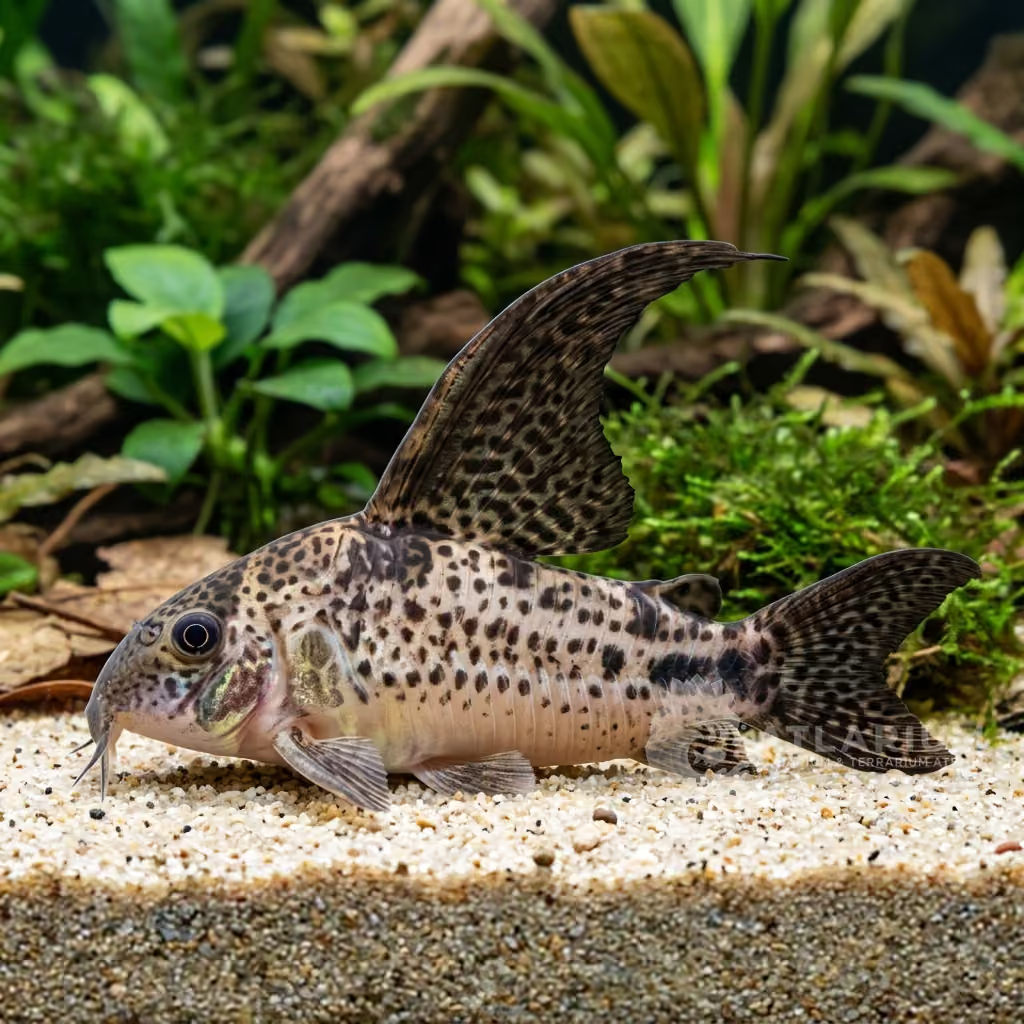
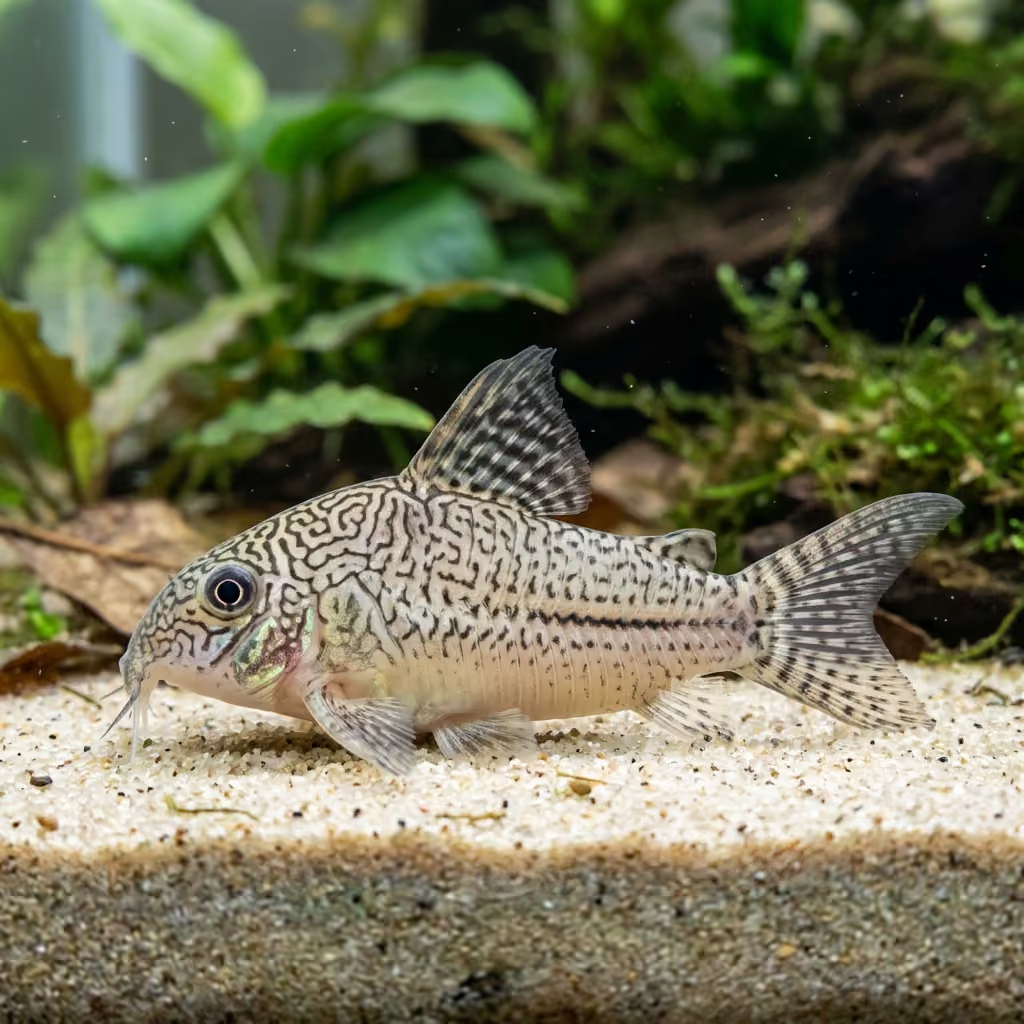
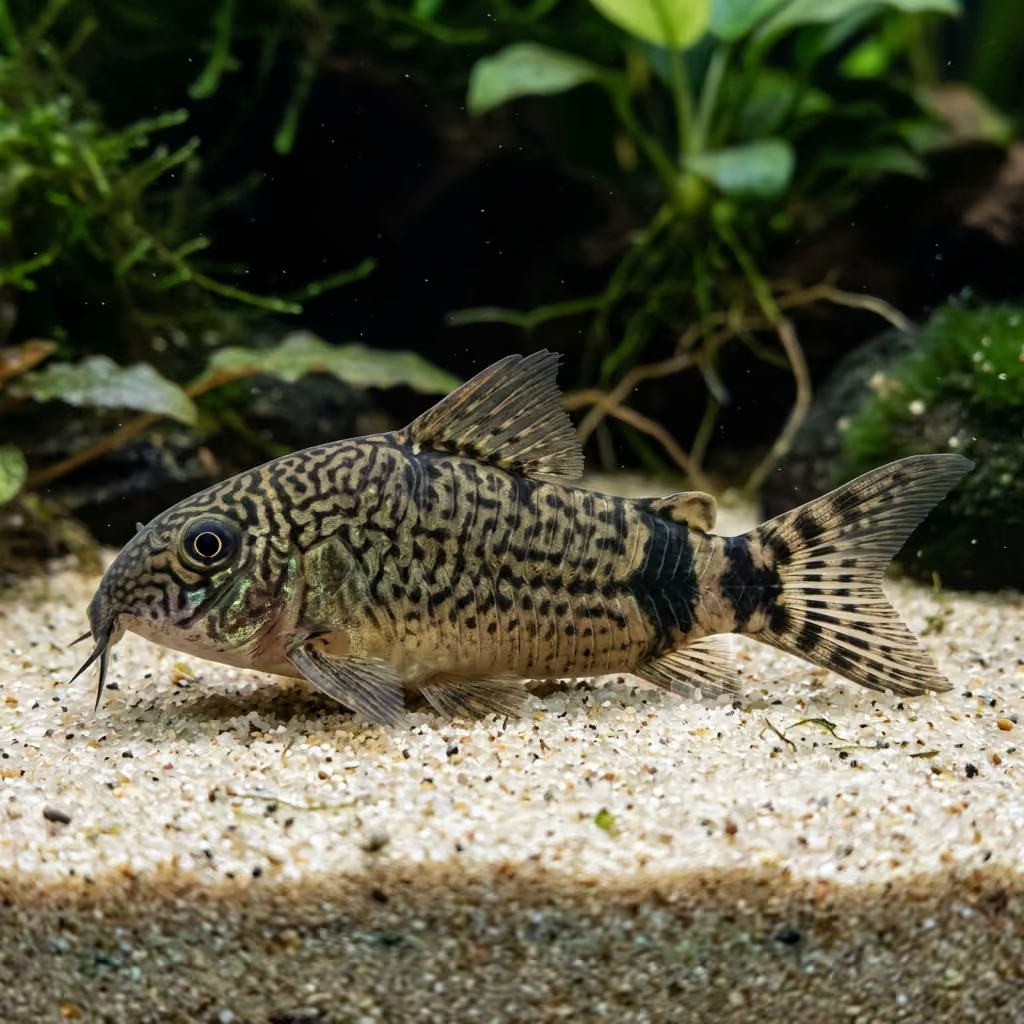
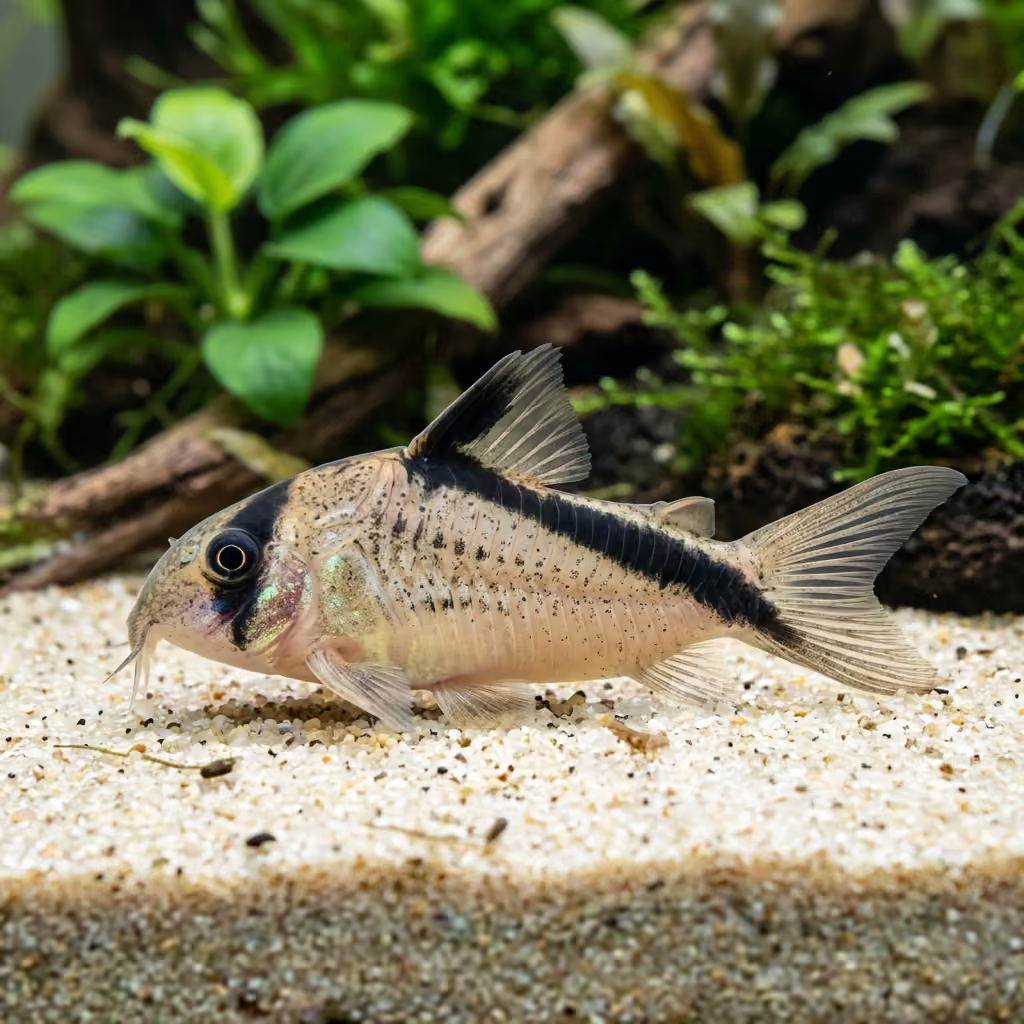
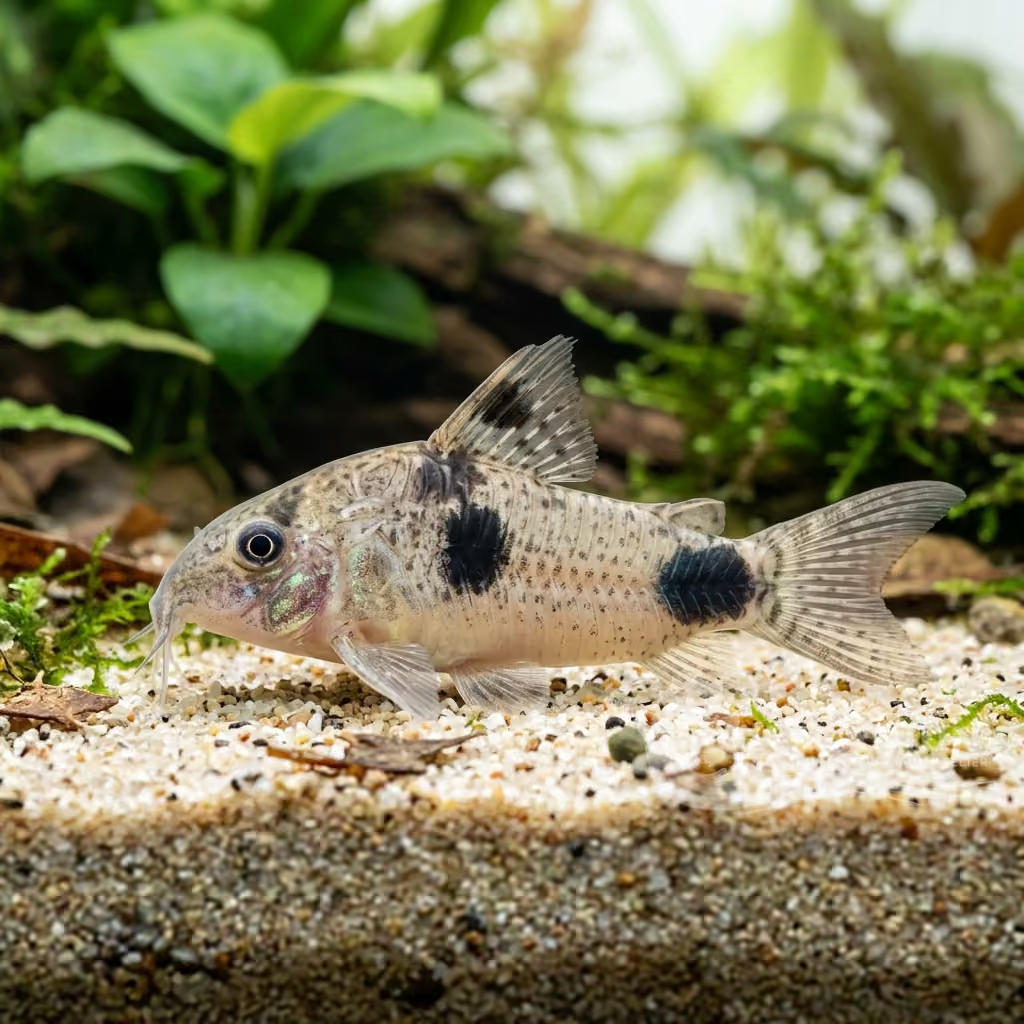
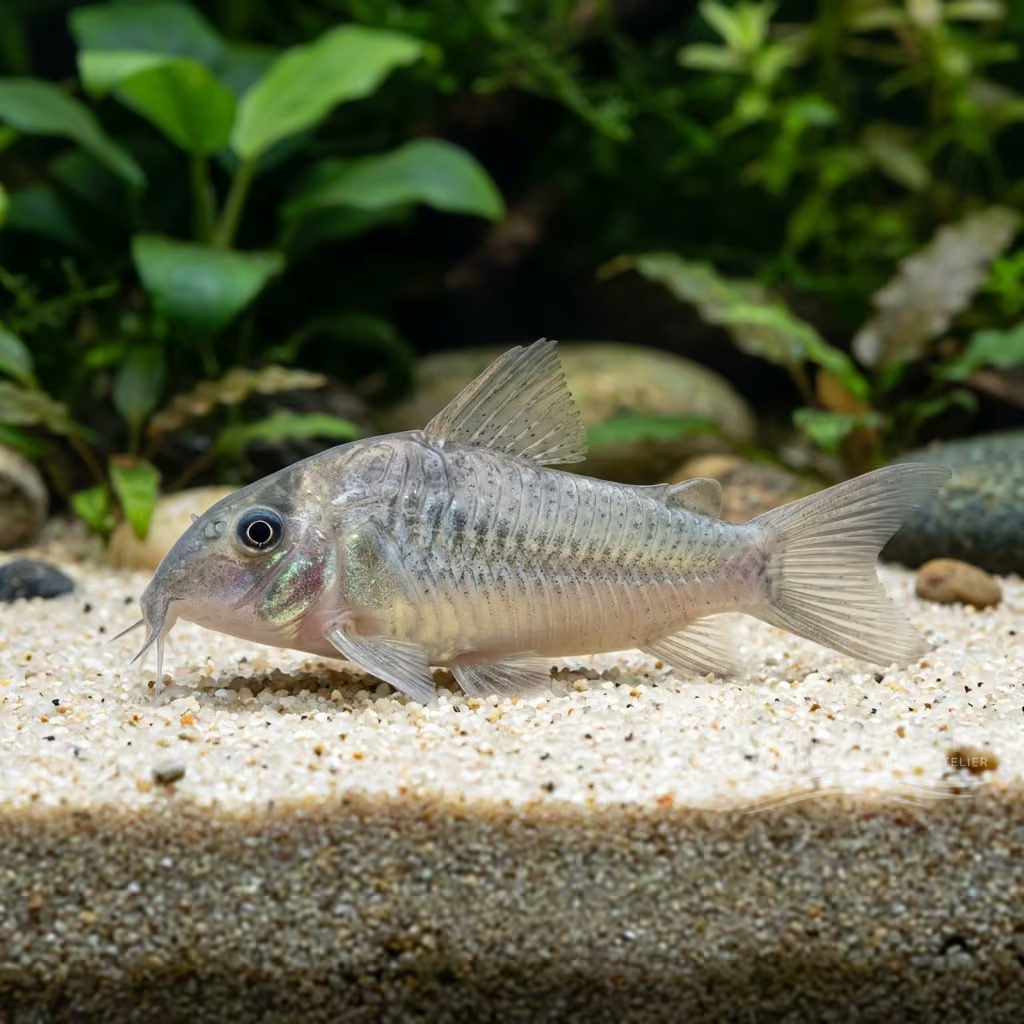
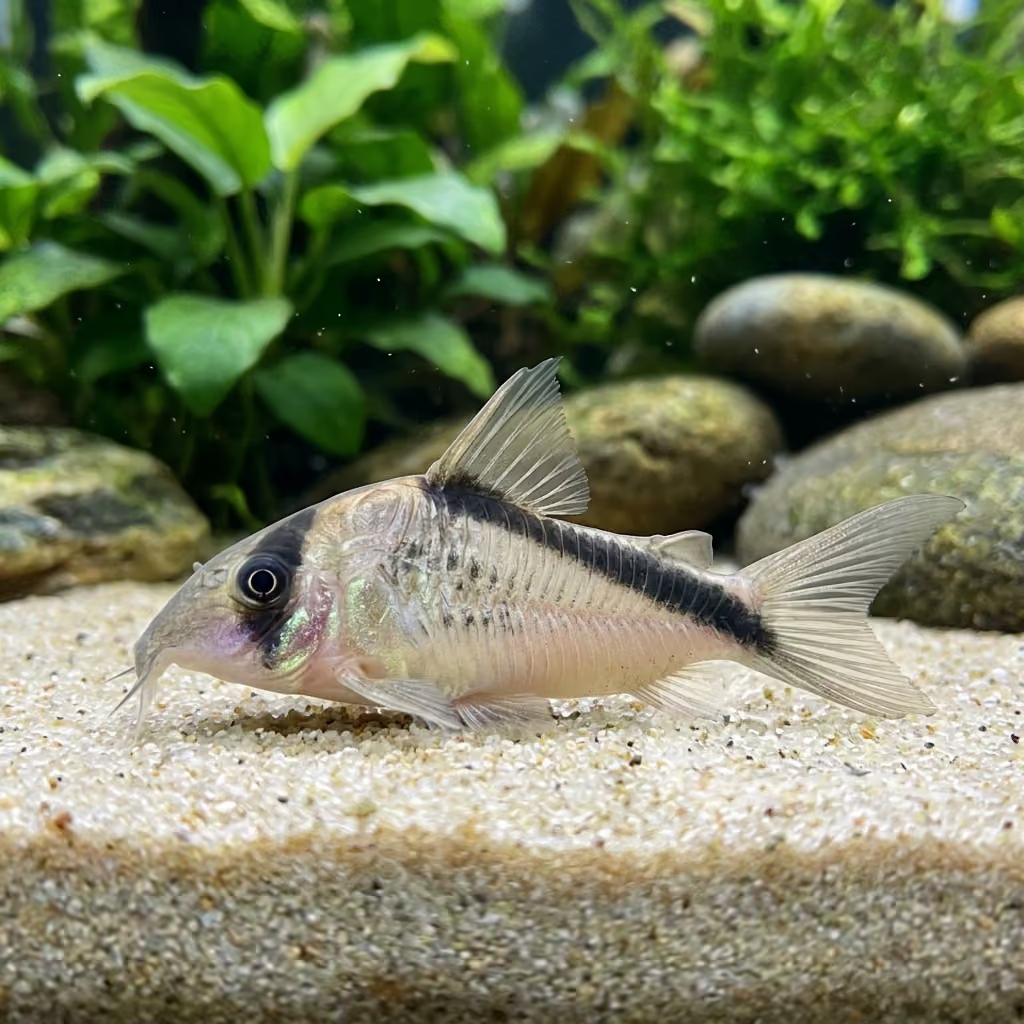
Fascinating mirror double of C. sterbai: while sterbai has light spots on a dark background, haraldschultzi has a dark network on a light head and body, while maintaining the spectacular orange fins.
Temperatura da água
22 - 26 °C
Valor de pH
6 - 7.2
Tipo de água
Água doce
Nível do tanque
Parte inferior
Tamanho adulto
6,5 cm
Volume mínimo do tanque
>= 100 L
Grupo mínimo
>= 6
GH
2 - 12 dGH
KH
2 - 10 dKH
TDS
50 - 280 ppm
Condutividade
78 - 438 uS/cm

Descrição da espécie
Geographical Origin and Habitat: South America: widespread in the Amazon basins of central-western Brazil. Its natural ecosystem consists of slow-flowing streams, ponds, and flooded forests, where the sandy or muddy bed is shielded by dense jungle.
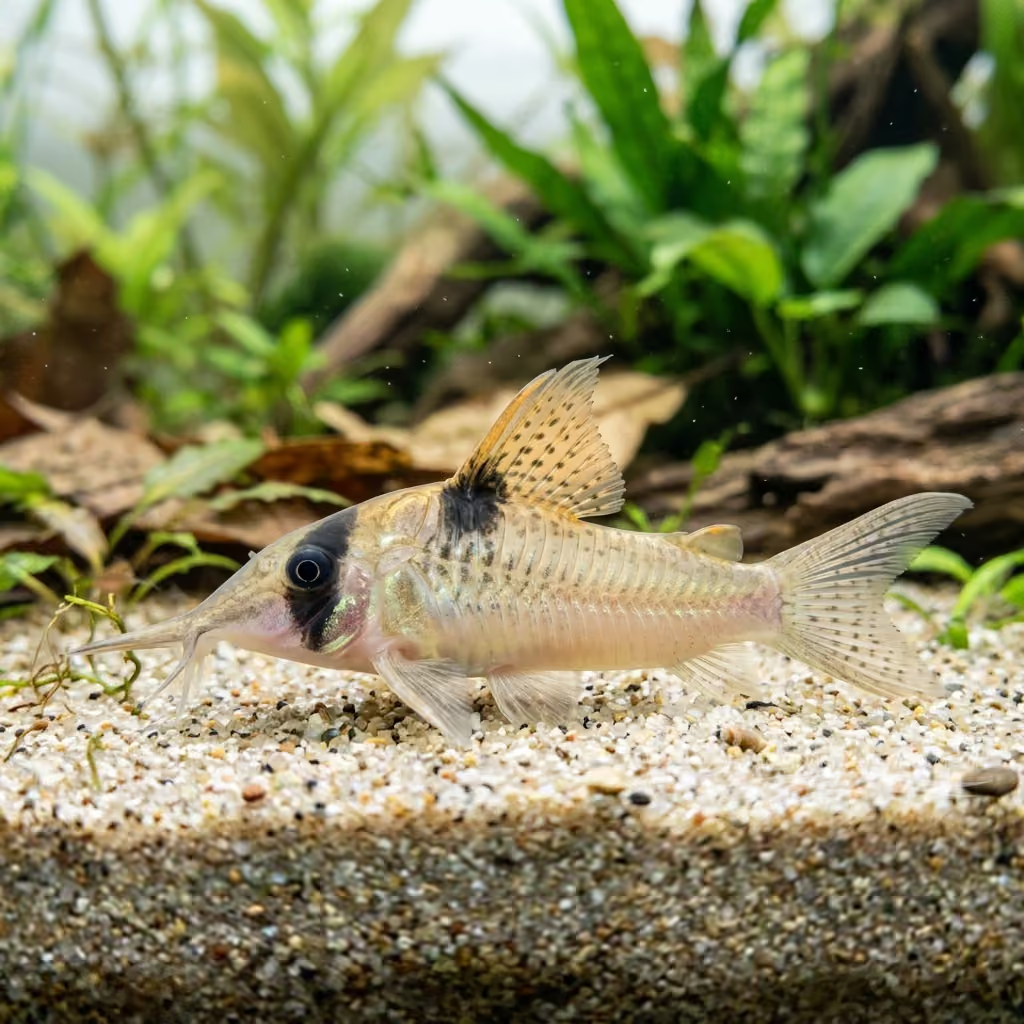
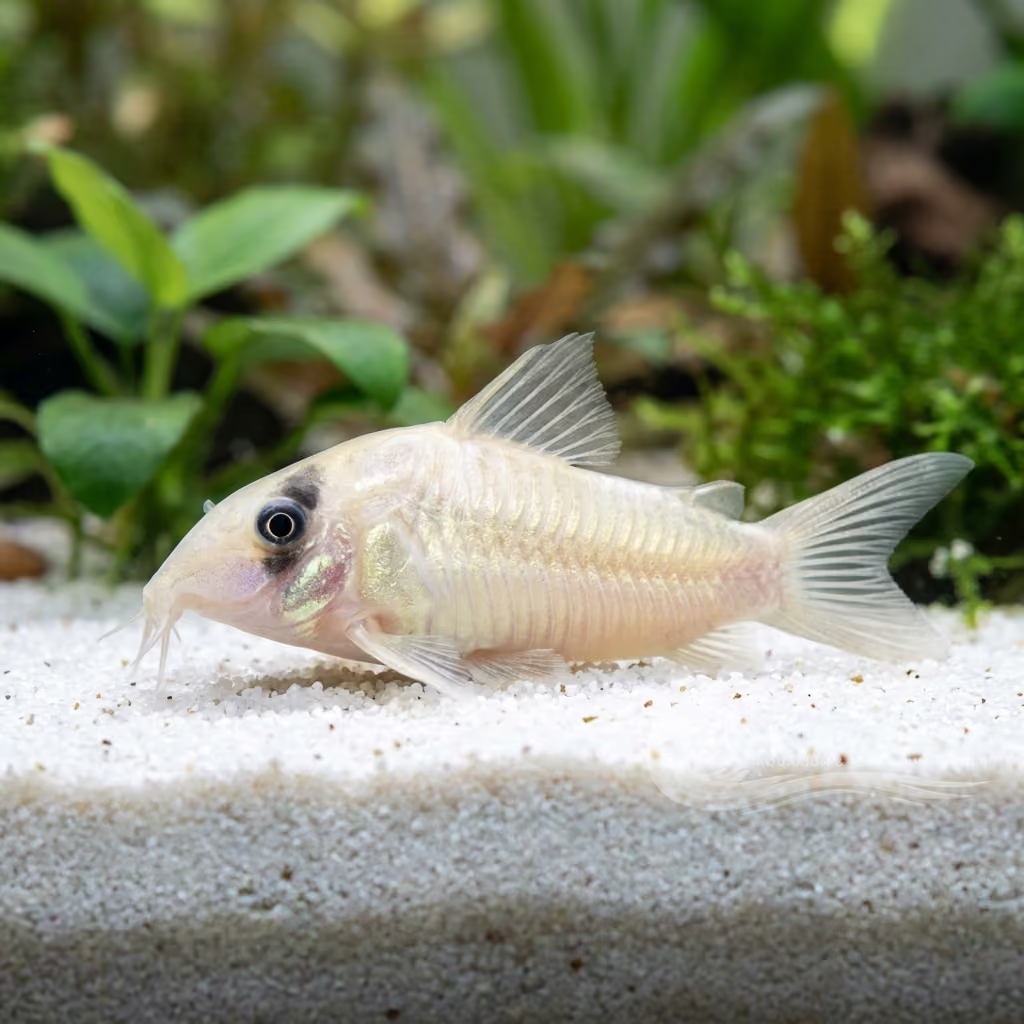
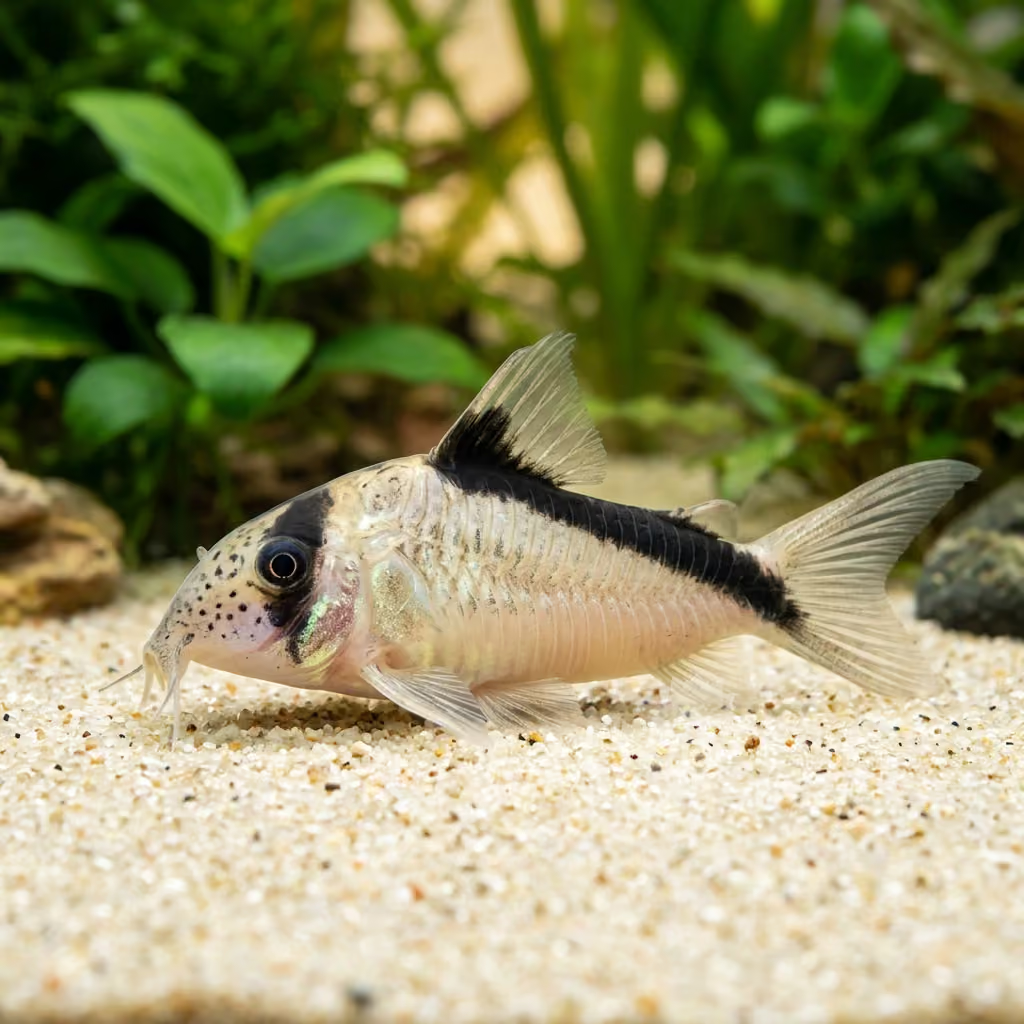
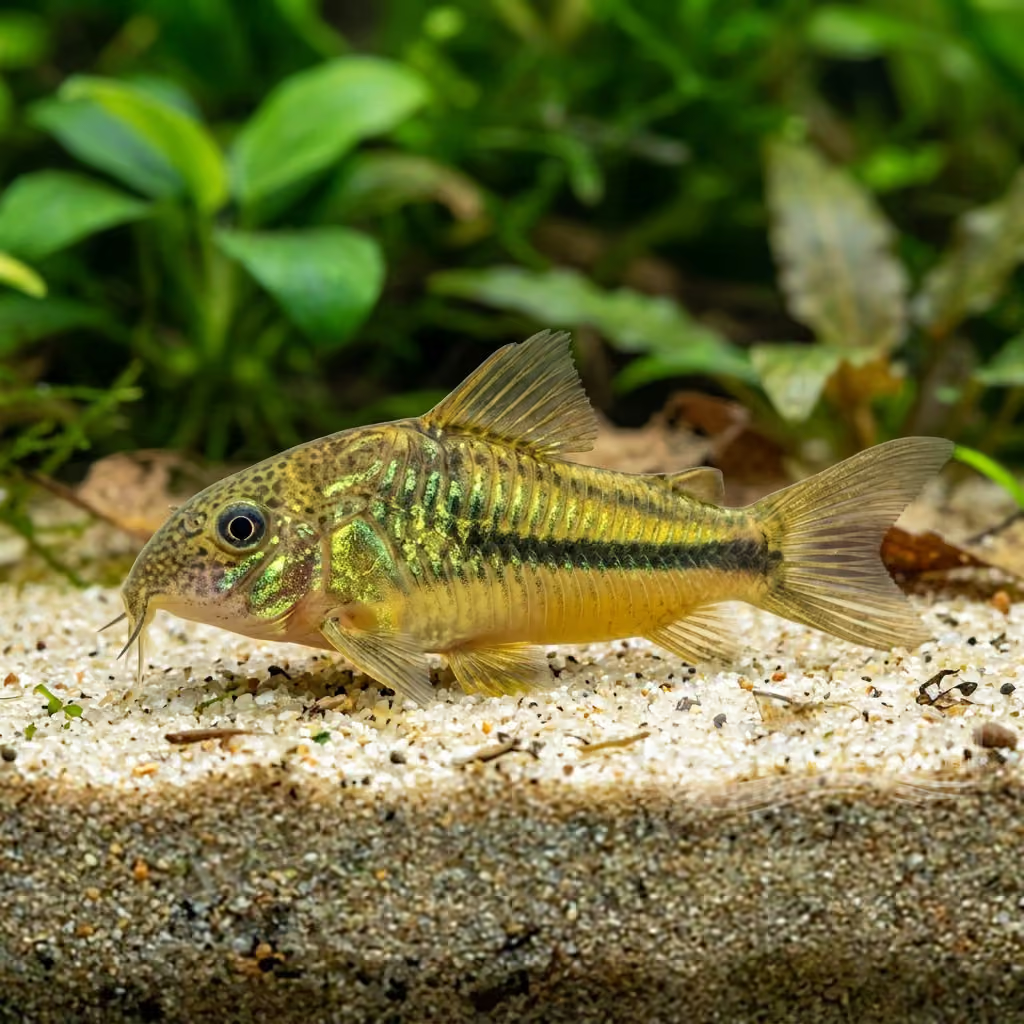
Taxonomy and Morphology: Often confused in stores with C. sterbai due to the similar pattern. C. haraldschultzi, however, has an elongated snout (long-snouted) that clearly distinguishes it from sterbai (short-snouted), and reaches slightly larger sizes (6.5 - 7 cm / 2.5 - 2.8 inches).
Social Behavior: Extraordinarily tame and strictly gregarious. Isolating specimens or keeping them in pairs is considered an ethological abuse: in schools (minimum 6) they show fascinating social interactions, assiduously exploring every crevice on the substrate.
Coloration and Sexual Dimorphism: Has a "reticulated" pattern, but with a key difference: in haraldschultzi the body has a white/cream background furrowed by dark stripes and spots (while in sterbai the background is dark with light spots). Males are more slender and shorter than gravid females.

Cuidado, criação e companheiros de tanque
Aquarium Setup: Pure Amazonian aquarium. A sandy bottom is the only acceptable one for its long digging snout. Tortuous branches, roots (Spiderwood) covered with Epiphytes (Anubias, Ferns) offer visual shelter that enormously calms the school.
Diet and Feeding: Omnivore with carnivorous preferences. Feeds actively by rummaging deep in the sand. Must receive targeted meals with sinking protein tablets, to be supplemented on a regular basis with large frozen bloodworms and brine shrimp.
Water Quality: Recommended temperatures between 22°C and 26°C (72-79°F) (it does not tolerate 28-30°C/82-86°F well like C. sterbai does in Discus tanks). Low or moderate hardness (GH 2-12) and pH between 6.0 and 7.2. Frequent superficial siphoning is indispensable.
Compatibility and Cohabitation: Exceptional community species. Must be paired exclusively with peaceful fish: a classic biotope includes thick schools of Cardinals or Rummy-nose tetras, phytophagous Loricariids, and moderate dwarf Cichlids. Loaches or other frantic bottom fish are not recommended.
Aquarium Breeding: Develops eggs in T-position after robust cold partial changes and intensive live feeding. The viscous and resistant eggs are stuck on the glass or under broad leaves. Breeders must be extracted to prevent post-spawning cannibalism.
Risks and Diseases: Calcareous, sharp, or rough substrates cause fungal lacerations of the long and pointed barbels, leading the species to necrosis and death. Like the whole genus, it dies rapidly if treated with copper-based or malachite green cures at high doses.

Origem e distribuição geográfica
South America: widespread in the Amazon basins of central-western Brazil. Its natural ecosystem consists of slow-flowing streams, ponds, and flooded forests, where the sandy or muddy bed is shielded by dense jungle.
Origem
Amazônia, Orinoco e GuianasLeste Asiático

Perfil de peixe
- Temperamento
- Semi-aggressive
- The temperament of Brochis haraldschultzi is incredibly peaceful, sociable, and somewhat shy when kept individually. They are an obligate schooling fish that absolutely requires the company of their own kind to feel secure and behave naturally. When kept in groups of at least six, they become active and highly entertaining as they constantly interact with one another. If kept alone or in inadequate numbers, they will likely become stressed, reclusive, and more susceptible to disease. They show zero aggression towards other tank inhabitants and are a model citizen for any peaceful community aquarium.
- Dieta
- Omnivore
- In the wild, Brochis haraldschultzi is a micro-predator and scavenger, feeding on tiny worms, crustaceans, and plant matter. In the home aquarium, they readily accept a wide variety of sinking foods such as high-quality pellets, wafers, and granules. It is essential to supplement their diet with live or frozen foods like bloodworms, Daphnia, and brine shrimp to ensure optimal health and coloration. Because they are bottom feeders, you must ensure that enough food reaches the substrate before being consumed by mid-water fish. A varied diet prevents nutritional deficiencies and promotes a robust immune system.
- Expectativa de vida
- 3-10 years
- Tamanho adulto
- 6.5 cm
- Proporção sexual
- Group
- For Brochis haraldschultzi, maintaining a specific strict sex ratio is not strictly necessary for general community keeping, as they do not exhibit aggressive territorial behavior towards each other. However, if breeding is the primary goal, a ratio of two or three males for every single female is strongly recommended. This higher male-to-female ratio encourages competitive courtship and generally results in a higher fertilization rate for the eggs. In a standard display tank, simply ensuring they are in a suitably sized group of six or more individuals is more important than the exact gender makeup. Females are typically noticeably rounder and broader when viewed from above, especially when full of eggs.
- Frequência de alimentação
- Twice daily
- It is highly recommended to feed Brochis haraldschultzi small portions one to two times a day. They have relatively small stomachs, so multiple small meals are much better than a single large one. Observe their feeding behavior carefully; all offered food should be consumed within roughly two to three minutes. If there is uneaten food left on the substrate, reduce the portion size during the next feeding. Foraging is a natural behavior, so spreading the food slightly can encourage natural scavenging activity.
- Carga biológica
- Low to Medium
- The bioload of Brochis haraldschultzi is generally considered to be quite low compared to larger freshwater fish. They are small, efficient scavengers that do not produce excessive amounts of waste in the aquarium. However, because they must be kept in groups of at least six, the cumulative bioload should be factored into your filtration capacity. Regular water changes and good mechanical filtration are still necessary to maintain optimal water quality. Overfeeding can quickly spike ammonia, so moderation is key.
- Fluxo
- Stagnant
- As a species that often inhabits slow-moving to moderately flowing streams in South America, Brochis haraldschultzi appreciates gentle to moderate water circulation. They do not fare well in highly turbulent environments where they must constantly struggle against strong currents. Providing areas of calmer water, especially near the bottom where they spend most of their time, is important for their rest. The filter return should provide adequate oxygenation without turning the tank into a whirlpool. Natural river stones and driftwood can be used to break the flow and create comfortable resting zones.
- Risco de salto
- Yes
- The jump risk for Brochis haraldschultzi is generally considered to be quite low under normal, stress-free aquarium conditions. They are primarily bottom-dwelling fish that focus their activities on foraging in the substrate. However, like many Corydoras, they will occasionally dart to the surface to gulp atmospheric air, a completely normal behavior linked to their specialized intestinal respiratory system. If water parameters deteriorate or if they are severely startled, they might accidentally launch themselves out of an open tank. Therefore, a well-fitting lid is still highly recommended to prevent any unfortunate accidents.
- Reprodução
- Oviparous
- Breeding Brochis haraldschultzi in captivity is entirely possible but requires some dedicated preparation and conditioning. They are egg scatterers, typically laying their adhesive eggs on broad plant leaves, aquarium glass, or smooth stones after a lively courtship display. To trigger spawning, aquarists often perform a large, slightly cooler water change to simulate the onset of the rainy season in their natural habitat. Once eggs are laid, the parents may eat them, so it is often necessary to remove the eggs or the adult fish to a separate rearing tank. The fry are quite small and require infusoria or finely powdered foods before graduating to freshly hatched brine shrimp.
- Compatibilidade e companheiros de tanque
- Peaceful
- Brochis haraldschultzi is an extremely peaceful community fish that thrives in the company of other calm species. They should never be housed with large, aggressive, or highly active bottom-dwellers that might outcompete them for food or nip at their fins. Ideal tank mates include small tetras, rasboras, peaceful dwarf cichlids, and other similarly sized peaceful fish. Keeping them with small freshwater shrimp is usually safe, though tiny shrimplets might occasionally be eaten. Their peaceful nature makes them an excellent addition to almost any tranquil community setup.
- Nível do tanque
- Bottom
- Like the vast majority of its relatives, Brochis haraldschultzi is a dedicated bottom-dwelling fish that spends most of its time resting or foraging on the substrate. They use their sensitive barbels to constantly sift through sand or fine gravel in search of edible morsels. Providing a soft, sandy substrate is crucial to prevent their delicate barbels from wearing down or becoming infected. While they do occasionally dart to the water surface to gulp air, they will immediately return to the lower levels of the tank. Ensure there is plenty of open swimming space along the bottom alongside shaded resting areas under plants or driftwood.

Modelos e parâmetros científicos
FishBase
Acesso aos dados científicos oficiais da espécie
FishBase v25.04Dados sincronizados em: 15/06/2026
- Nível trófico
- 2,9 ± 0,3 se
- Resiliência
- Alta (menos de 15 meses)
- Unicidade filogenética (PD50)
- 0.5
- Relação bayesiana comprimento-peso
- a = 0.00741, b = 3.14
- VulnerabilidadeVulnerabilidade baixa (10 / 100)

Espécies relacionadas
Recomendações agrupadas por parentes próximos, escolhas de acompanhantes e cuidados semelhantes.