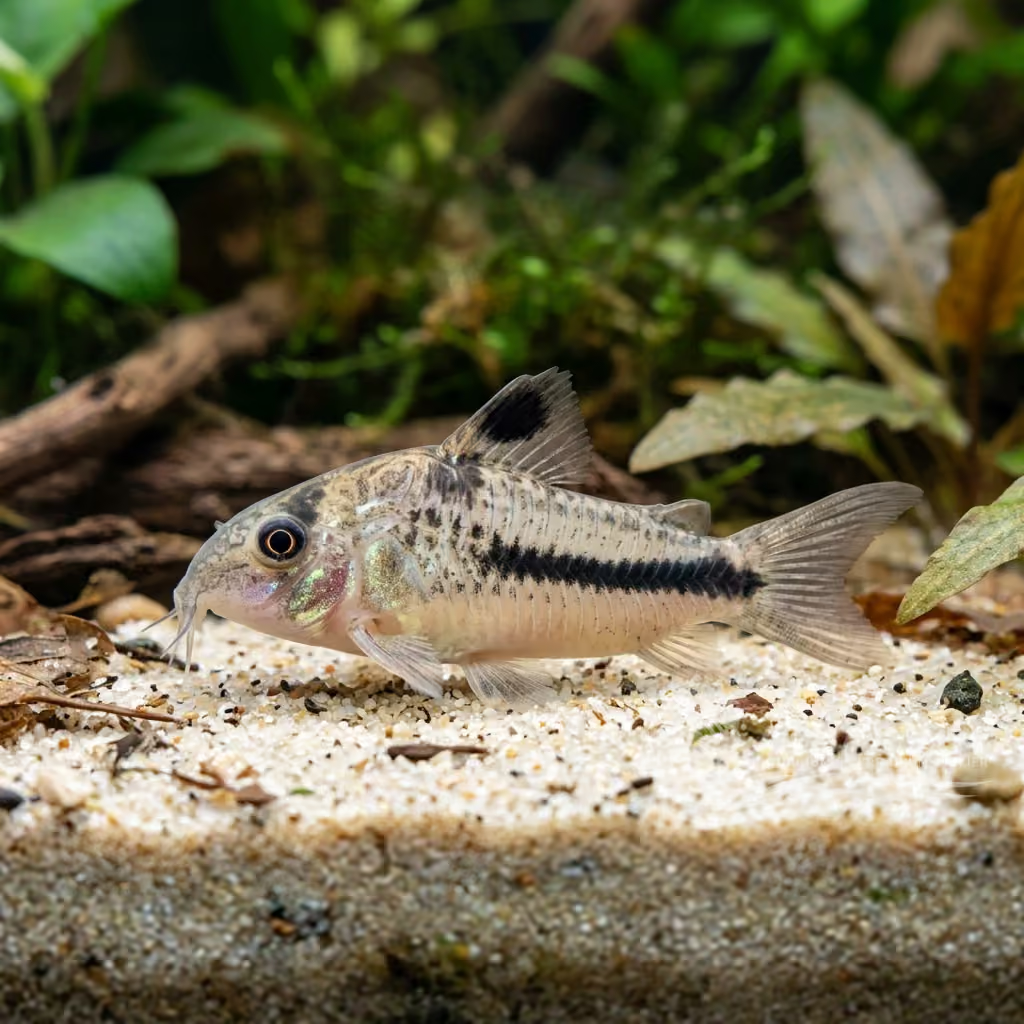
Treitl's Corydoras
Corydoras treitlii
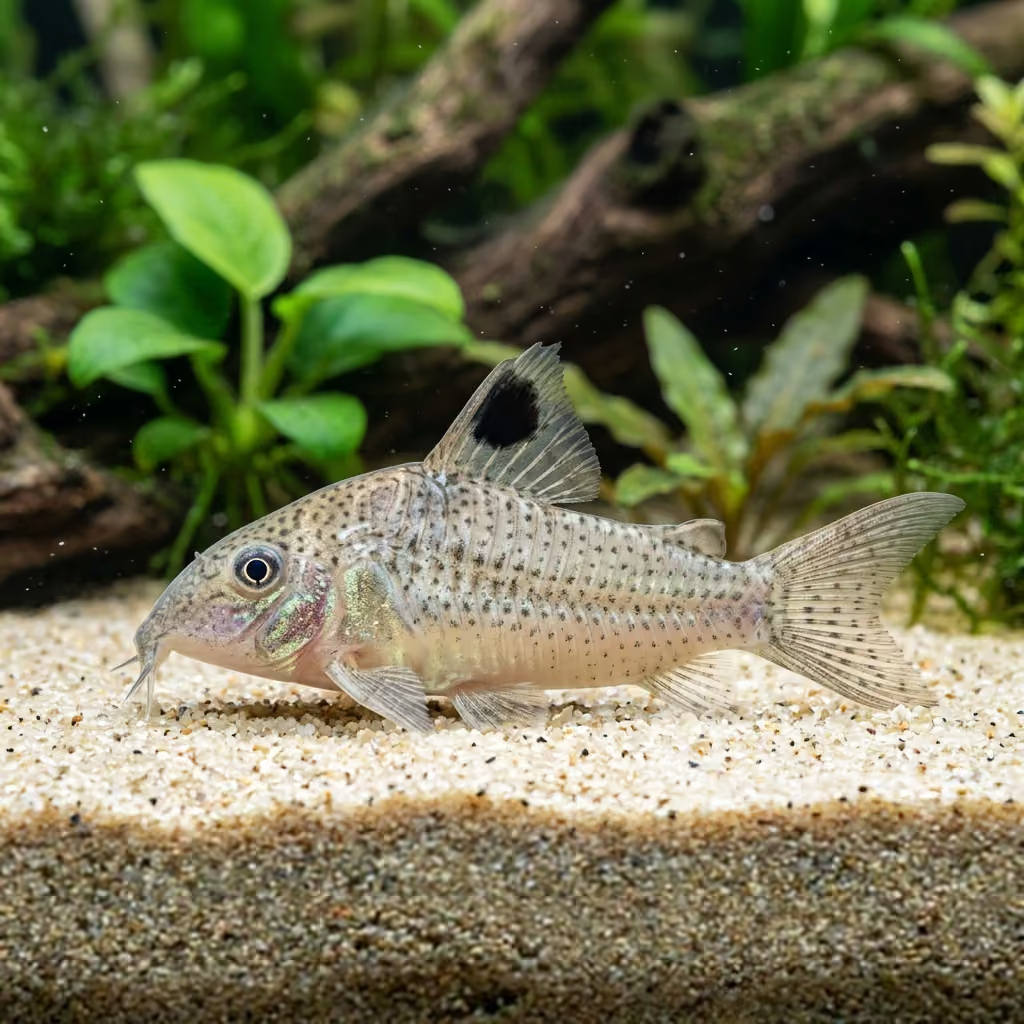
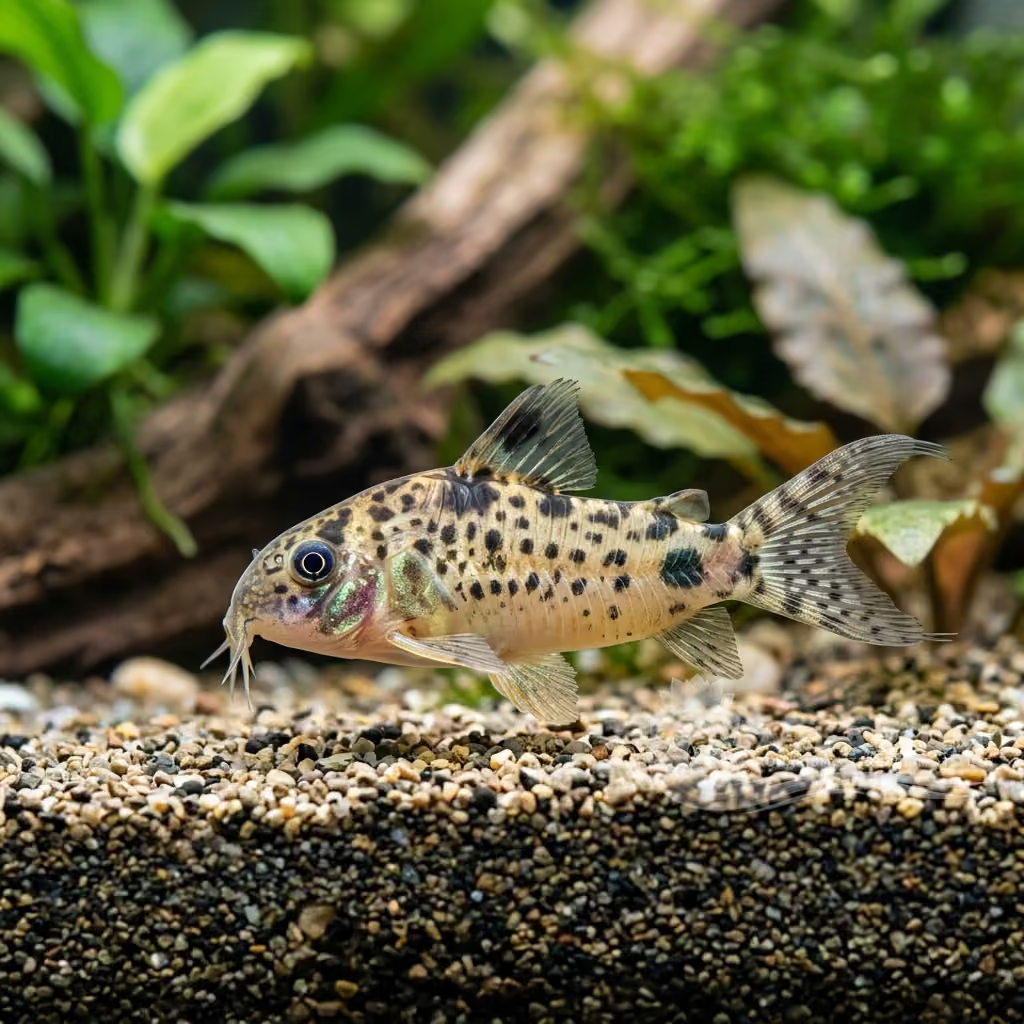
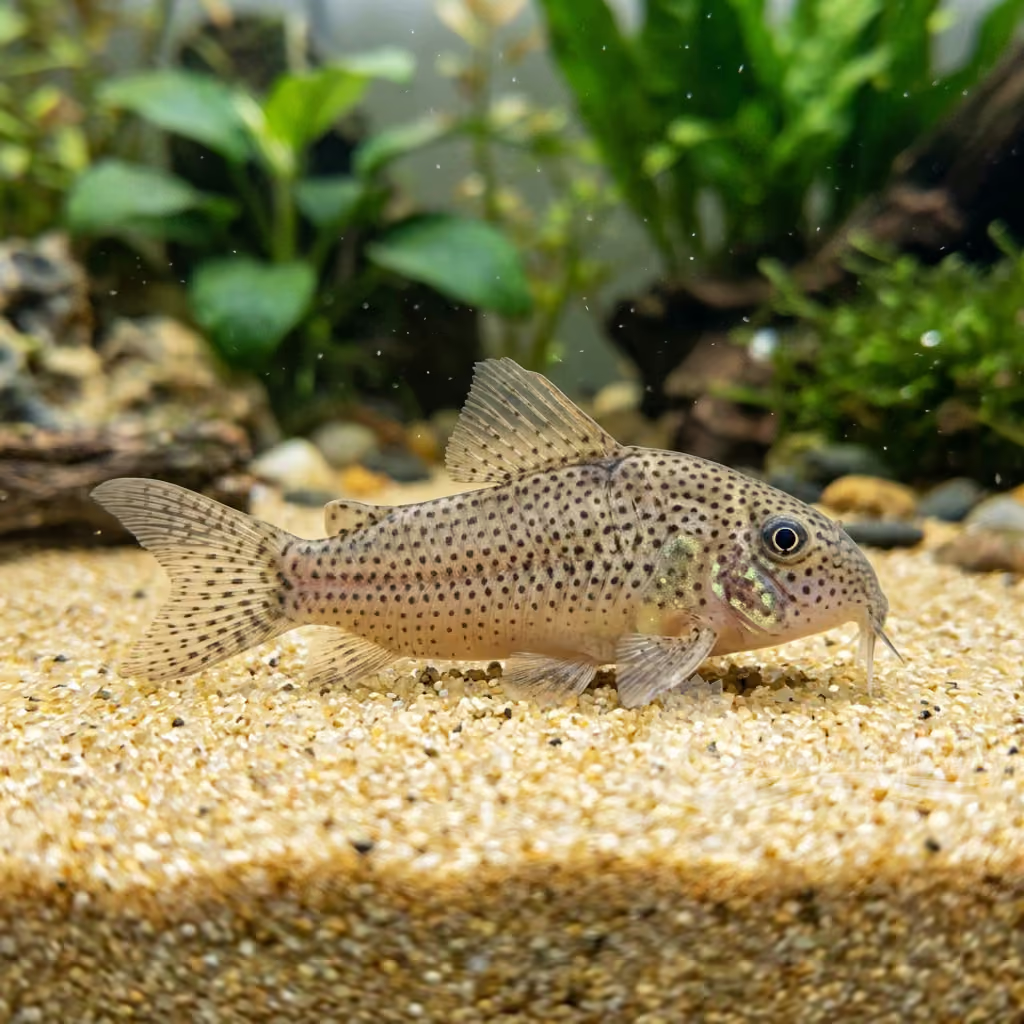
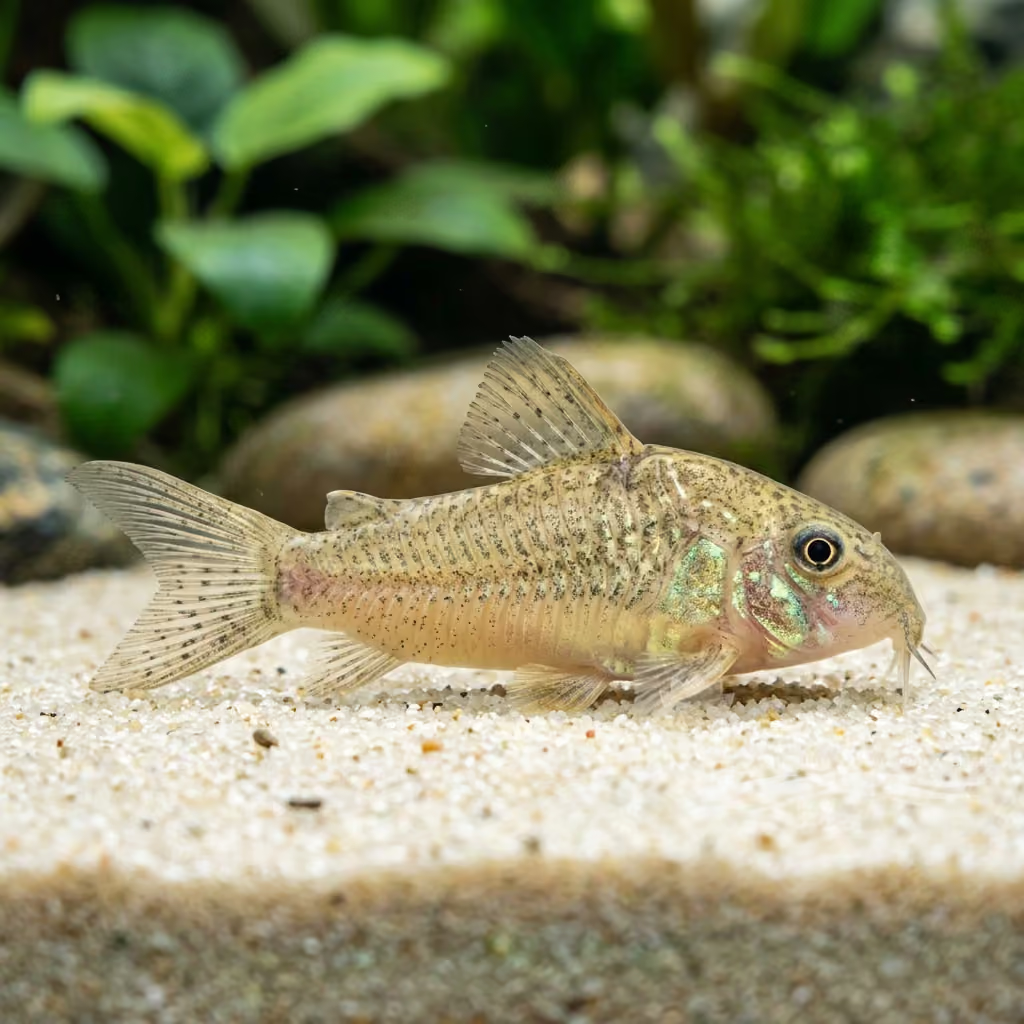
Large and massive callichthyid from northeastern Brazil. It has a very dark armor with blue-purplish metallic reflections and is unusually tolerant regarding aquatic parameters.
Temperatura da água
22 - 26 °C
Valor de pH
6 - 7.2
Tipo de água
Água doce
Nível do tanque
Parte inferior
Tamanho adulto
6 cm
Volume mínimo do tanque
>= 100 L
Grupo mínimo
>= 6
GH
2 - 12 dGH
KH
2 - 10 dKH
TDS
50 - 280 ppm
Condutividade
78 - 438 uS/cm

Descrição da espécie
Geographical Origin and Habitat: Resides in northeastern Brazil (State of Maranhão). Predominantly inhabits rivers and small forest tributaries with slow to moderate flow, incessantly patrolling large expanses of very fine sand interrupted by piles of drifting wood.
Taxonomy and Morphology: Callichthyidae with a powerful and muscular look, reaches 6 centimeters (2.4 inches). Ascribed to the "long-snouted" group, boasts a distinctively developed wedge-shaped snout to penetrate and probe deeply the anaerobic layers of the riverbed.
Social Behavior: Peaceful and industrious; manifests lethal behavioral stress (hiding forever) if kept single or in small groups. Merge flocks of at least 6-8 individuals to see them dig bravely and incessantly throughout the aquarium.
Coloration and Sexual Dimorphism: Very fascinating "stealth" livery: a dark brown, almost purplish/chocolate in darkened aquariums, fused with heavy black mottling on the back and sides, with slightly smoky fins. As usual, the pregnant female will be extremely corpulent and swollen on the sides.

Cuidado, criação e companheiros de tanque
Aquarium Setup: Abolish sharp substrates, large volcanic gravel and sharp stones: obligatorily set up immense beds of round inert sand. Add woven Jati branched woods or coconuts to provide shady dens and decaying oak leaves.
Diet and Feeding: Energy-intensive benthic predator. Will disdain flakes, preferring fast-sinking bottom tablets. However, the indispensable vital nourishment must be based on thawed and live blocks of robust prey: mysis, fattened brine shrimp, huge bloodworms and falling tubifex.
Water Quality: Likes stable and unchanged parameters: average temperature (22-26°C / 72-79°F), pH between 6.0 and 7.2 (tendentially acidic-neutral) and low hardness (GH 2-12). Demands waters pristine from nitrates, manageable with powerful filtrations that move the water surface.
Compatibility and Cohabitation: Sweetest companion for communities composed of placid free-water Tetras (Neon tetras, Emperor) or quiet non-giant scavenger loricariids. Decidedly unsuitable for cohabitation with frantic Asian bottom feeders or fish of incompatible size.
Aquarium Breeding: Conditionable with high live protein content combined with sudden and imposing cold thermal shocks during RO changes (which mimic the imminence of monsoons in nature). Will lay single egg spheres on the walls after "T" matings: isolate instantly against cannibalism.
Risks and Diseases: Wear due to mechanical causes (abrasive gravel) of the long nose and delicate barbels will inevitably result in devastating lethal fungal ulcerations in the mouth. Confirmed lethality with over-the-counter medicines at full doses (Malachite Green).

Origem e distribuição geográfica
Resides in northeastern Brazil (State of Maranhão). Predominantly inhabits rivers and small forest tributaries with slow to moderate flow, incessantly patrolling large expanses of very fine sand interrupted by piles of drifting wood.
Origem
Oceanos tropicais e recifesExtra-Amazônica América do SulLeste Asiático

Perfil de peixe
- Temperamento
- Semi-aggressive
- This is an incredibly peaceful and timid species that thrives in the company of its own kind. Corydoras treitlii should be kept in groups of at least six individuals to feel secure and display their natural, endearing behaviors. When kept alone or in too small a group, they can become highly stressed, lethargic, and prone to illness.
- Dieta
- Omnivore
- As omnivorous bottom feeders, Corydoras treitlii requires a varied diet that sinks to the substrate. High-quality sinking pellets or wafers should form the staple of their diet. Supplementing with live or frozen foods like bloodworms, brine shrimp, and daphnia will ensure optimal health and encourage natural foraging behaviors.
- Expectativa de vida
- 5-10 years
- Tamanho adulto
- 6 cm
- Proporção sexual
- Specific M:F ratio
- A ratio of two or three males for every female is highly recommended, especially if breeding Corydoras treitlii is the goal. Males are generally smaller and more slender than the plumper, rounder females. Maintaining a proper sex ratio ensures higher fertilization rates during the spawning process.
- Frequência de alimentação
- Twice daily
- Corydoras treitlii should be fed small amounts once or twice a day, providing only what they can consume within a few minutes. Because they are nocturnal foragers by nature, dropping some food in just before the aquarium lights go out can be highly beneficial. Avoid overfeeding to maintain excellent water quality.
- Carga biológica
- Low to Medium
- This species produces a relatively small bioload, typical of most Corydoras treitlii species. Their efficient scavenging behavior can actually help keep the substrate clean, reducing the overall accumulation of detritus. Regular water changes and a properly sized filter will easily manage the waste they produce.
- Fluxo
- Stagnant
- These catfish prefer moderate water flow that provides adequate oxygenation without creating overpowering currents. A setup that mimics a slow-moving South American stream is ideal for Corydoras treitlii. Ensure there are calmer resting areas where they can settle on the substrate without expending too much energy.
- Risco de salto
- No
- Reprodução
- Oviparous
- Breeding Corydoras treitlii in captivity can be achieved by simulating the onset of the rainy season with cooler water changes. The female will carry a few eggs in a pouch formed by her pelvic fins and deposit them on broad leaves or the aquarium glass. The parents exhibit no parental care and will eagerly consume the eggs if not separated.
- Compatibilidade e companheiros de tanque
- Community
- Corydoras treitlii is a peaceful and highly sociable schooling fish that makes an excellent addition to community aquariums. They do best when kept with other small, non-aggressive species such as tetras, rasboras, and dwarf cichlids. It is crucial to avoid housing them with large or aggressive bottom-dwellers that might outcompete them for food or stress them out.
- Nível do tanque
- Bottom
- Like other Corydoras, Corydoras treitlii are quintessential bottom dwellers, spending almost all of their time sifting through the substrate in search of food. They require a soft, sandy bottom to prevent damage to their sensitive barbels. Occasionally, they will make quick dashes to the surface to take in atmospheric air, a completely normal behavior.

Modelos e parâmetros científicos
FishBase
Acesso aos dados científicos oficiais da espécie
FishBase v25.04Dados sincronizados em: 15/06/2026
- Nível trófico
- 3 ± 0,3 se
- Resiliência
- Alta (menos de 15 meses)
- Unicidade filogenética (PD50)
- 0.5
- Relação bayesiana comprimento-peso
- a = 0.01778, b = 3.02
- VulnerabilidadeVulnerabilidade baixa (10 / 100)

Espécies relacionadas
Recomendações agrupadas por parentes próximos, escolhas de acompanhantes e cuidados semelhantes.