Rio Negro corydoras
Corydoras negro
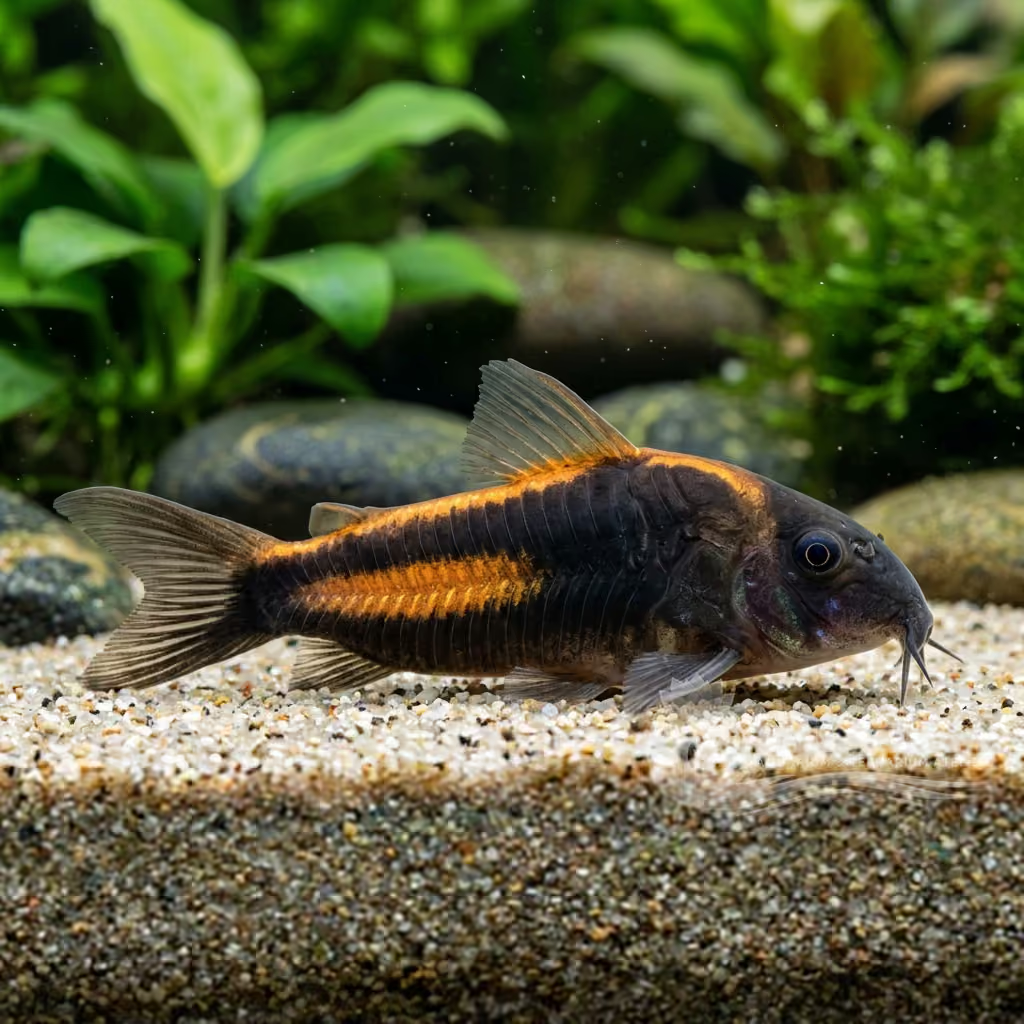
Native to the Rio Negro, this striking dark armored catfish is a peaceful bottom-dweller. Kept in shoals, it thrives on smooth sand in soft, acidic blackwater setups alongside gentle tankmates.
Temperatura da água
20 - 25 °C
Valor de pH
6 - 7.5
Tipo de água
Água doce
Nível do tanque
Parte inferior
Tamanho adulto
5 cm
Volume mínimo do tanque
>= 70 L
Grupo mínimo
>= 6
GH
2 - 15 dGH
KH
1 - 6 dKH
TDS
40 - 285 ppm
Condutividade
63 - 445 uS/cm

Descrição da espécie
Geographical Origin and Habitat: Corydoras negro is native to the Rio Negro basin in South America, particularly within the rivers and streams of Brazil. It inhabits slow-moving rivers, forest creeks, lagoons, and flooded forest floors characterized by acidic, tannin-rich blackwaters. In these biotopes, the riverbed is sandy and covered with a thick layer of decaying leaves, fallen branches, and organic detritus that provides both shelter and forage.
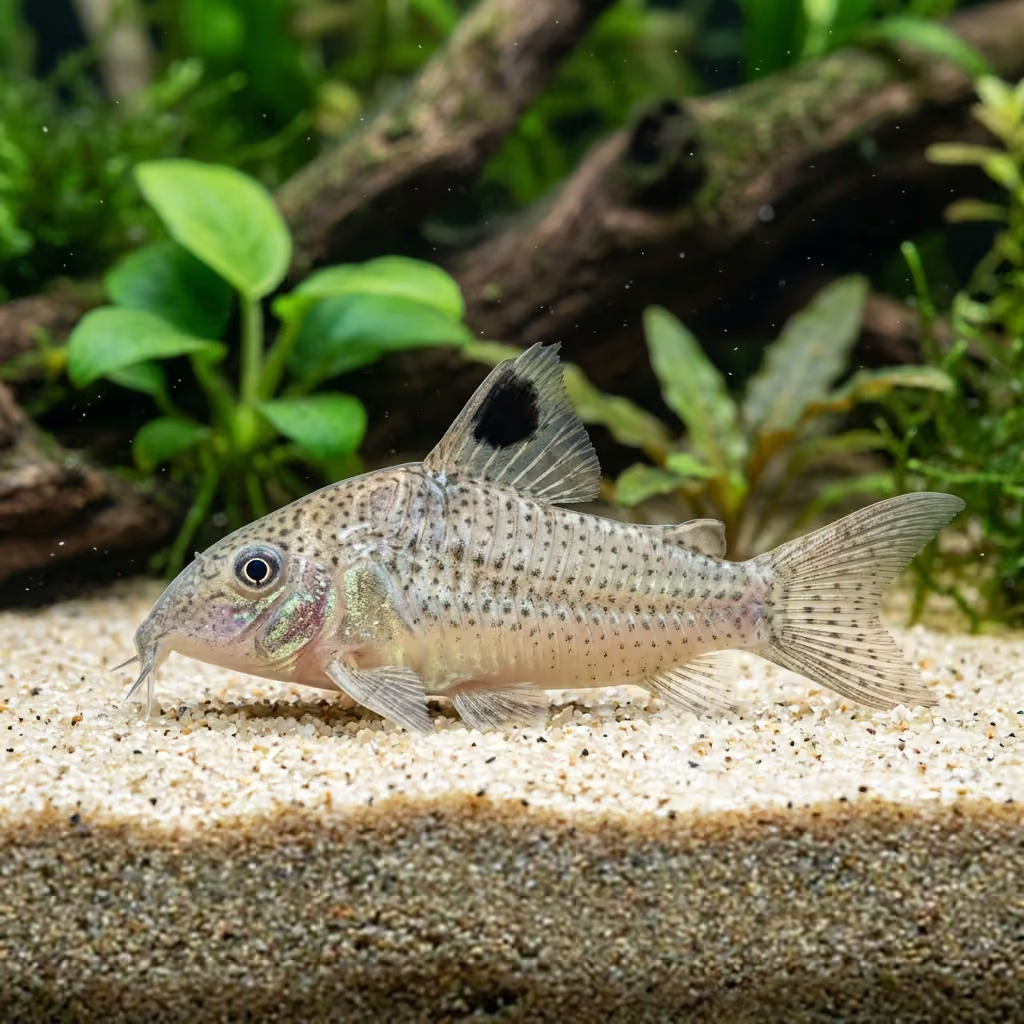
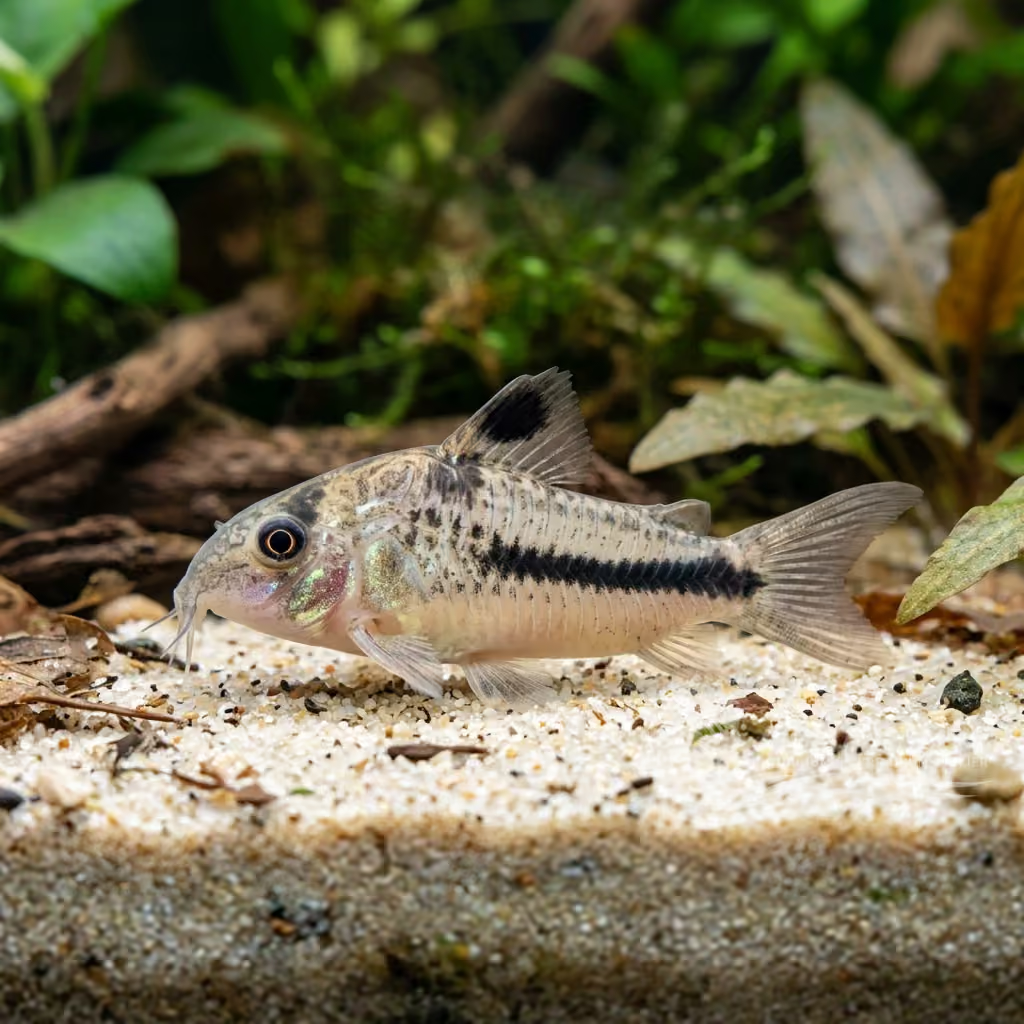
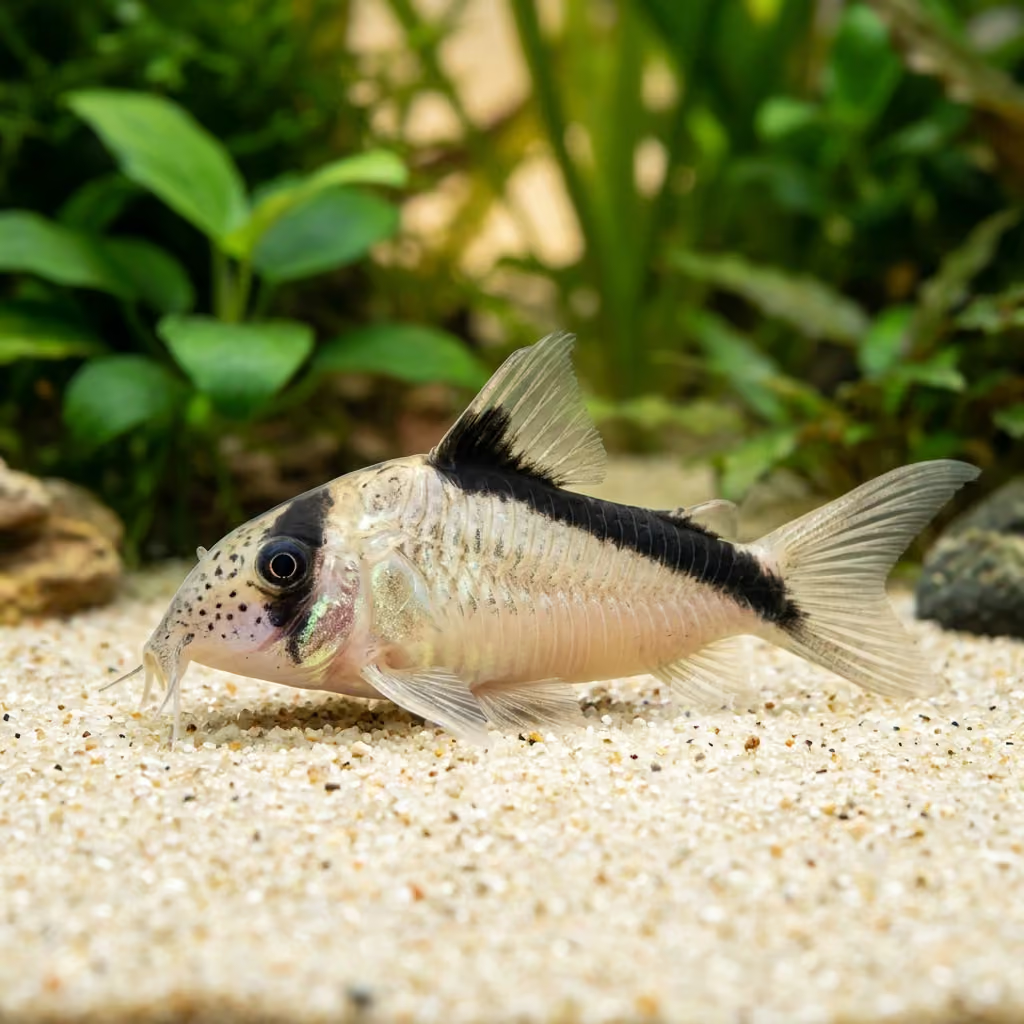
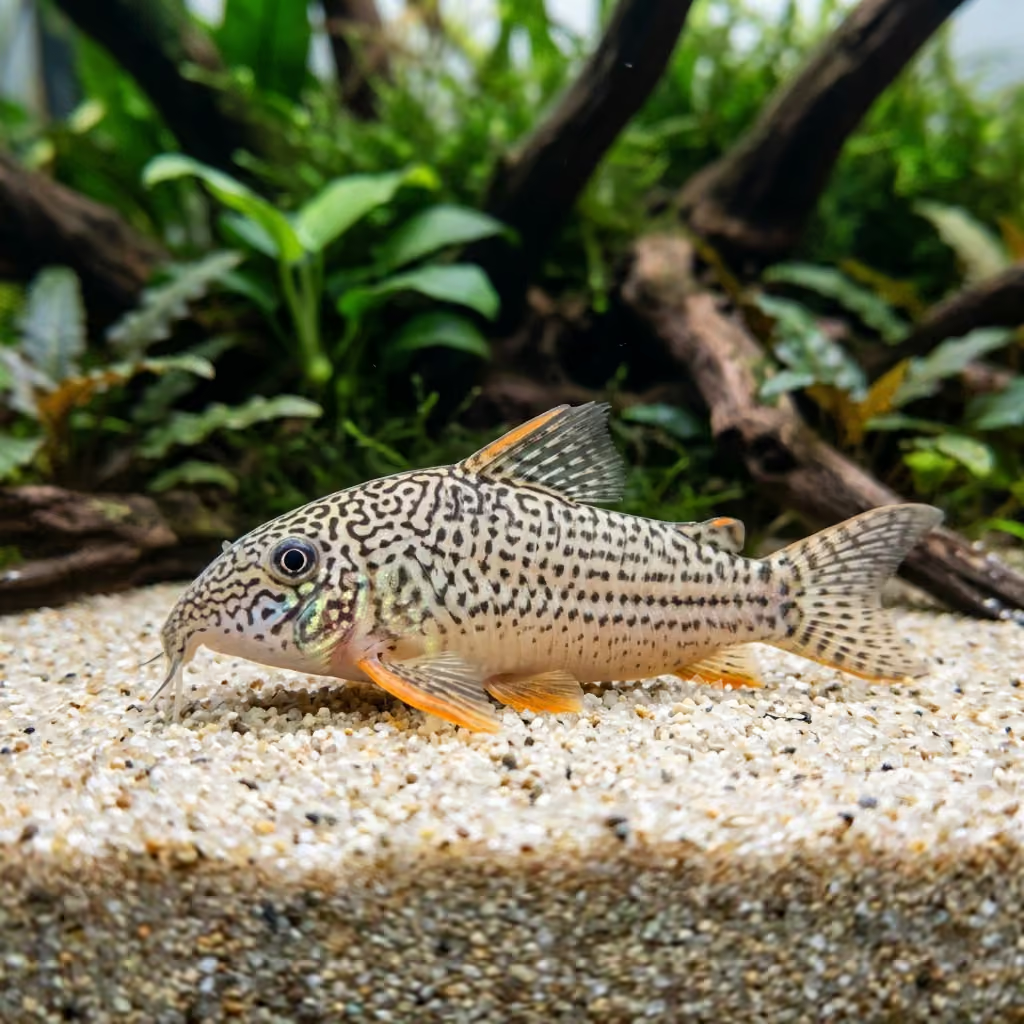
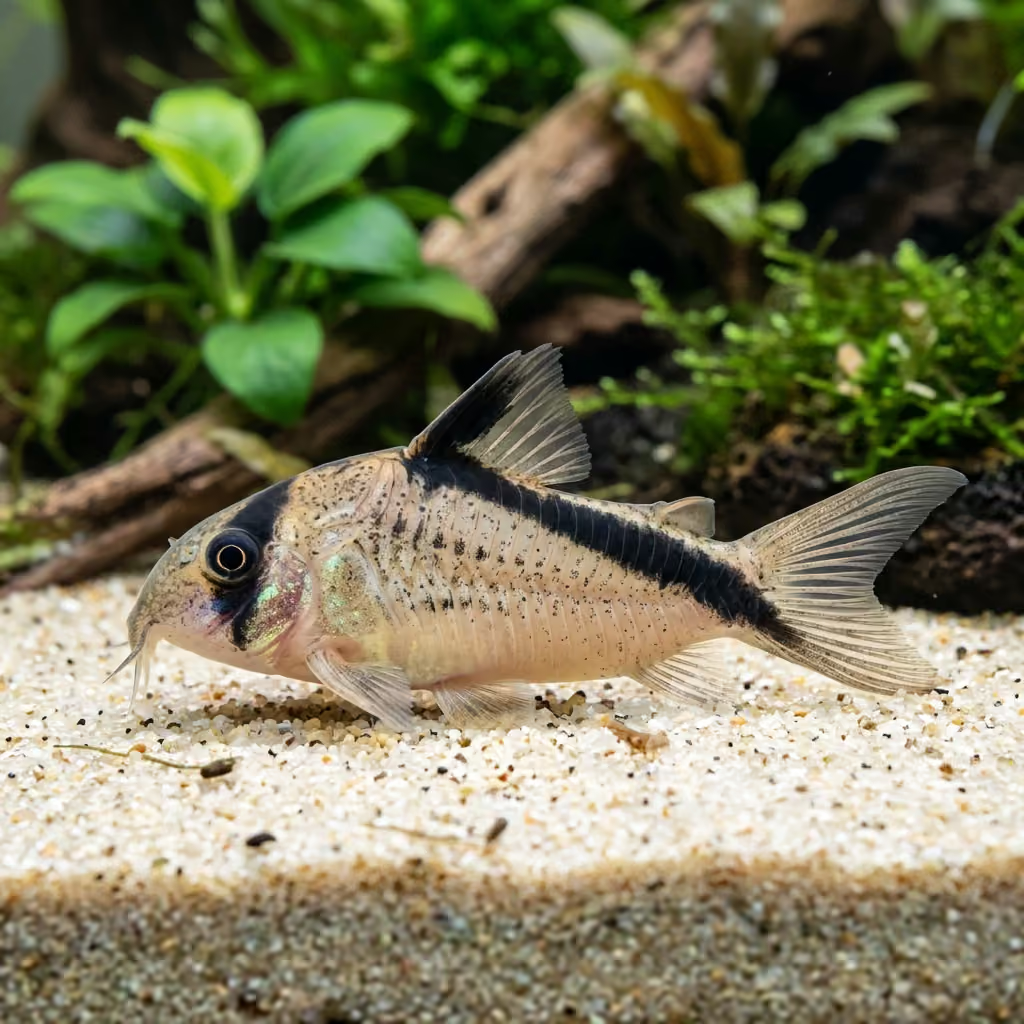
Taxonomy and Morphology: Belonging to the family Callichthyidae and subfamily Corydoradinae. It displays the classic morphology of the genus Corydoras, featuring a short, stocky body protected by two rows of overlapping bony plates (scutes) instead of scales. It possesses three pairs of sensory barbels around its downward-pointing mouth, which it uses to detect food. Adults typically reach a modest size of 5 to 6 centimeters.
Social Behavior: This is an extremely peaceful, active, and gregarious species. It must be kept in groups of at least 6 to 8 individuals of the same species; single specimens will become highly stressed, timid, and exhibit a shortened lifespan. It spends the day actively foraging along the substrate. Like all corys, it can swim quickly to the surface to breathe atmospheric air using intestinal respiration.
Coloration and Sexual Dimorphism: The coloration ranges from smoky grey to deep charcoal-brown or uniform dark black, which is highly pronounced in selected strains (often marketed as Corydoras venezuelanus 'Black' or similar Rio Negro black variants). Sexual dimorphism is visible from above: mature females are notably wider, rounder, and slightly larger, whereas males are slimmer and have pointier dorsal fins.

Cuidado, criação e companheiros de tanque
Aquarium Setup: Requires a freshwater aquarium of at least 60-80 liters with a large footprint. The most critical factor is the choice of substrate, which must consist of smooth, rounded fine sand to prevent the fish from eroding or damaging their sensitive barbels. Smooth river rocks, driftwood branches, and dense live plants should be included to create shaded resting spots and secure caves.
Diet and Feeding: A benthic omnivore that should not be expected to subsist solely on left-over fish food; it requires targeted feeding. High-quality sinking catfish pellets or wafers should be provided daily, supplemented with live or frozen foods such as bloodworms, tubifex, and brine shrimp. Feeding should preferably occur shortly before the main aquarium lights are turned off.
Water Quality: Prefers soft, acidic water conditions. Ideal parameters are: temperature between 22°C and 26°C, pH between 6.0 and 7.0 (though it can tolerate up to 7.5), and water hardness (dGH) of 2 to 12. Ammonia and nitrite levels must be kept at absolute zero, with nitrates maintained below 20 mg/l through weekly partial water changes and proper filtration.
Compatibility and Cohabitation: An excellent addition to any peaceful community aquarium. It coexists perfectly with small tetras, rasboras, hatchetfish, non-aggressive dwarf cichlids (such as Apistogramma), and other gentle bottom-dwellers. Avoid housing it with large, territorial, or aggressive fish (like large cichlids or boisterous barbs) that might harass them or view them as food.
Aquarium Breeding: Breeding is achievable and follows the standard pattern of the genus. It is typically triggered by a significant water change using cooler water to simulate the onset of the rainy season. During courtship, the pair assumes a 'T-position'. The female deposits small clutches of adhesive eggs on plants or the glass. Parents should be removed immediately after spawning.
Risks and Diseases: Highly sensitive to heavy metals, medications containing copper, and high salt concentrations. Bacterial infections of the barbels can occur if the substrate is dirty or sharp. It is susceptible to Ichthyophthirius multifiliis (white spot disease), which should be treated with heat and half-doses of medications due to the sensitivity of scaleless fish.

Origem e distribuição geográfica
Corydoras negro is native to the Rio Negro basin in South America, particularly within the rivers and streams of Brazil. It inhabits slow-moving rivers, forest creeks, lagoons, and flooded forest floors characterized by acidic, tannin-rich blackwaters. In these biotopes, the riverbed is sandy and covered with a thick layer of decaying leaves, fallen branches, and organic detritus that provides both shelter and forage.
Origem
Melhoramento seletivo e cultivaresAmazônia, Orinoco e GuianasAmérica do NorteOceanos tropicais e recifes

Perfil de peixe
- Temperamento
- Peaceful
- The temperament of Corydoras negro is exceptionally docile, making them entirely safe for peaceful and planted community setups. They are highly social animals and rely on the presence of conspecifics to exhibit their natural, confident behaviors. Aggression is virtually non-existent, even among competing males during intense spawning events.
- Dieta
- Omnivore
- As a benthic omnivore, Corydoras negro primarily feeds on small insects, worms, and crustaceans in the wild. In the aquarium, they readily accept high-quality sinking pellets, wafers, and live or frozen foods like bloodworms and daphnia. It is crucial to ensure food reaches the bottom, as they will not typically feed from the surface.
- Expectativa de vida
- 5-10 years
- Tamanho adulto
- 5 cm
- Proporção sexual
- School
- Corydoras negro is a highly gregarious fish that must be kept in groups of at least six individuals to feel secure and behave naturally. For breeding purposes, a sex ratio of two or three males per female is highly recommended. This ensures higher fertilization rates and closely mimics their natural schooling and spawning dynamics.
- Frequência de alimentação
- Twice daily
- It is recommended to feed Corydoras negro one to two times daily, offering only what they can consume within a few minutes. Because they are bottom feeders, night-time feeding can be beneficial to avoid competition from fast mid-water fish. A varied feeding schedule ensures optimal health, longevity, and vibrant coloration.
- Carga biológica
- Low to Medium
- The Corydoras negro produces a relatively low to moderate bioload, consistent with other members of its genus. Because it is a small, efficient scavenger, it helps keep the substrate clean of uneaten food. However, adequate biological filtration and regular maintenance are still necessary to process the waste of a proper school.
- Fluxo
- Strong
- This catfish prefers a gentle to moderate water flow that mimics the slow-moving streams and tributaries of its native habitat. While Corydoras negro appreciates well-oxygenated water, overly strong currents can easily exhaust them over time. Providing resting areas with minimal flow and ample cover is essential for their well-being.
- Risco de salto
- No
- Reprodução
- Oviparous
- Breeding Corydoras negro often involves providing a significant drop in water temperature and frequent water changes to simulate the rainy season. Females will lay adhesive eggs on plant leaves, aquarium glass, or other smooth surfaces after a complex mating dance. The parents exhibit no parental care and may consume the eggs, so removing them to a separate rearing tank is highly advisable.
- Compatibilidade e companheiros de tanque
- Community
- This species is extremely peaceful and makes an excellent addition to most community aquariums. Corydoras negro should be kept with other similarly sized, non-aggressive fish that will not outcompete them for food. They thrive in the company of small tetras, rasboras, and peaceful dwarf cichlids.
- Nível do tanque
- Bottom
- This species is an obligate bottom-dweller, spending nearly all of its time resting, exploring, or foraging along the substrate. Corydoras negro will continuously sift through fine sand using its sensitive barbels to locate hidden food particles. They only leave the bottom layer briefly to gulp surface air or when suddenly startled.

Modelos e parâmetros científicos
FishBase
Acesso aos dados científicos oficiais da espécie
FishBase v25.04Dados sincronizados em: 15/06/2026
- Nível trófico
- 3 ± 0,3 se
- Resiliência
- Alta (menos de 15 meses)
- Unicidade filogenética (PD50)
- 0.5
- Relação bayesiana comprimento-peso
- a = 0.01778, b = 3.02
- VulnerabilidadeVulnerabilidade baixa (10 / 100)

Espécies relacionadas
Recomendações agrupadas por parentes próximos, escolhas de acompanhantes e cuidados semelhantes.