Fawn Cory
Corydoras cervinus
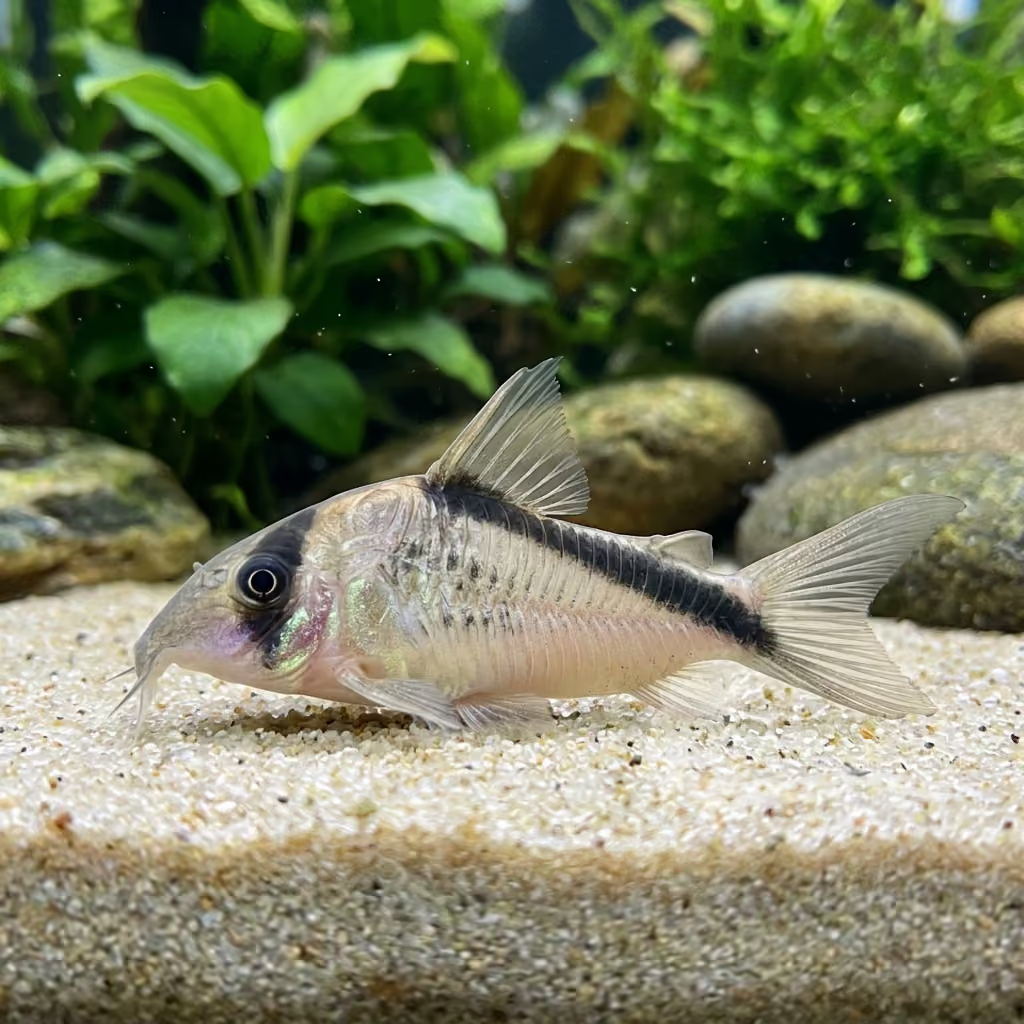
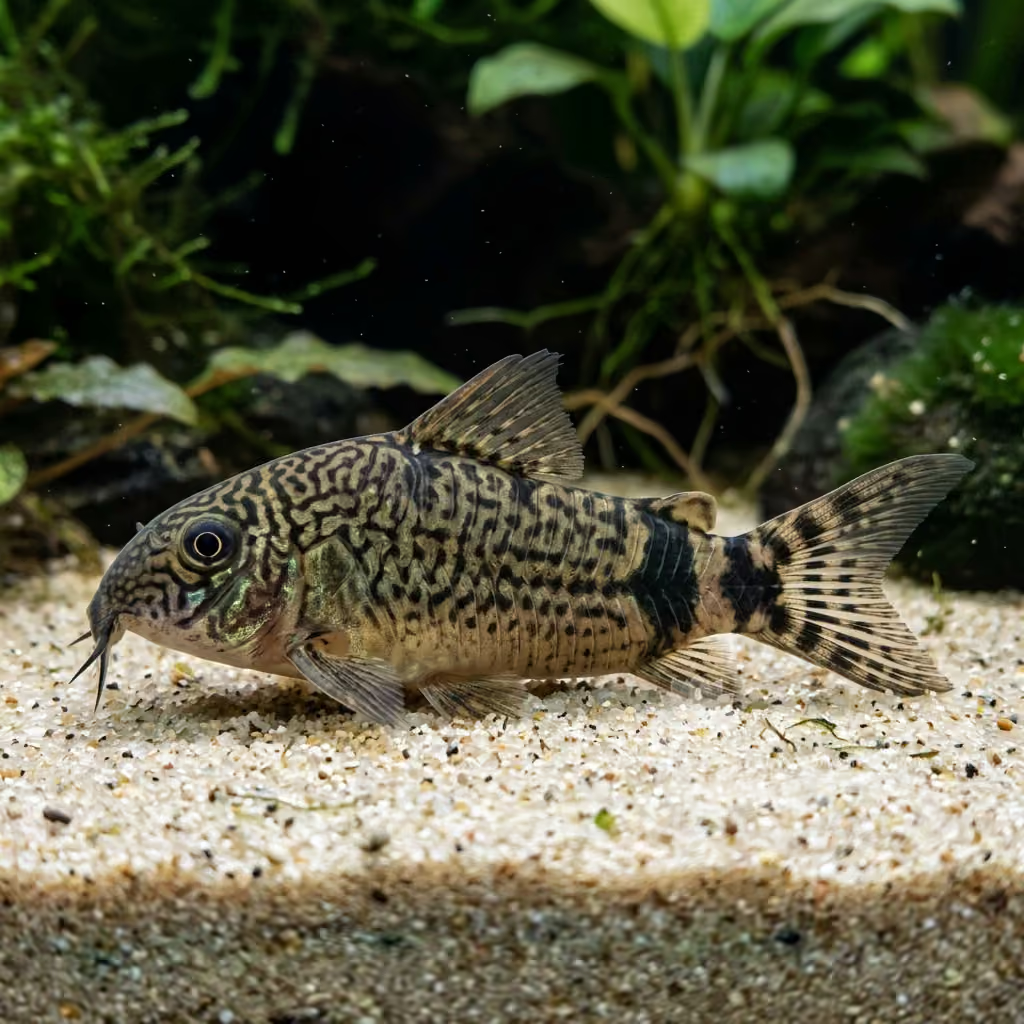
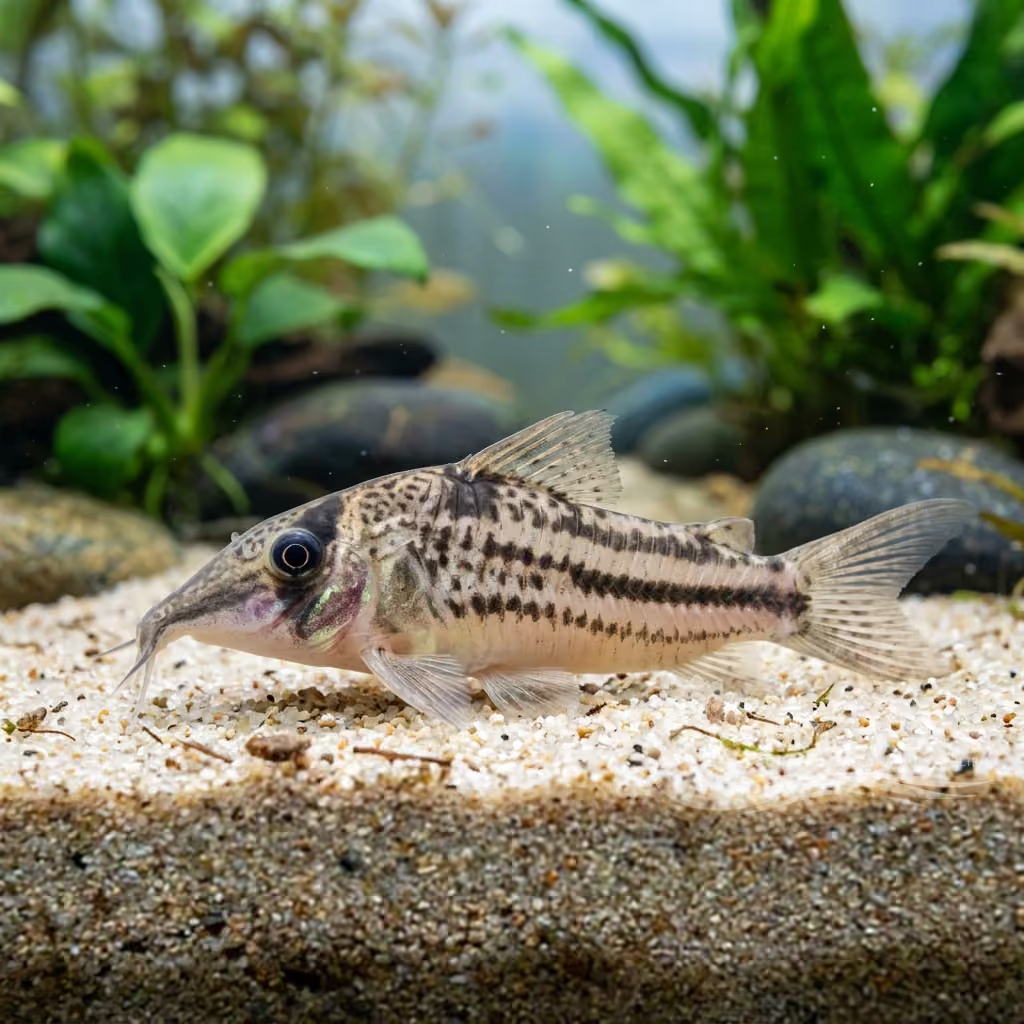
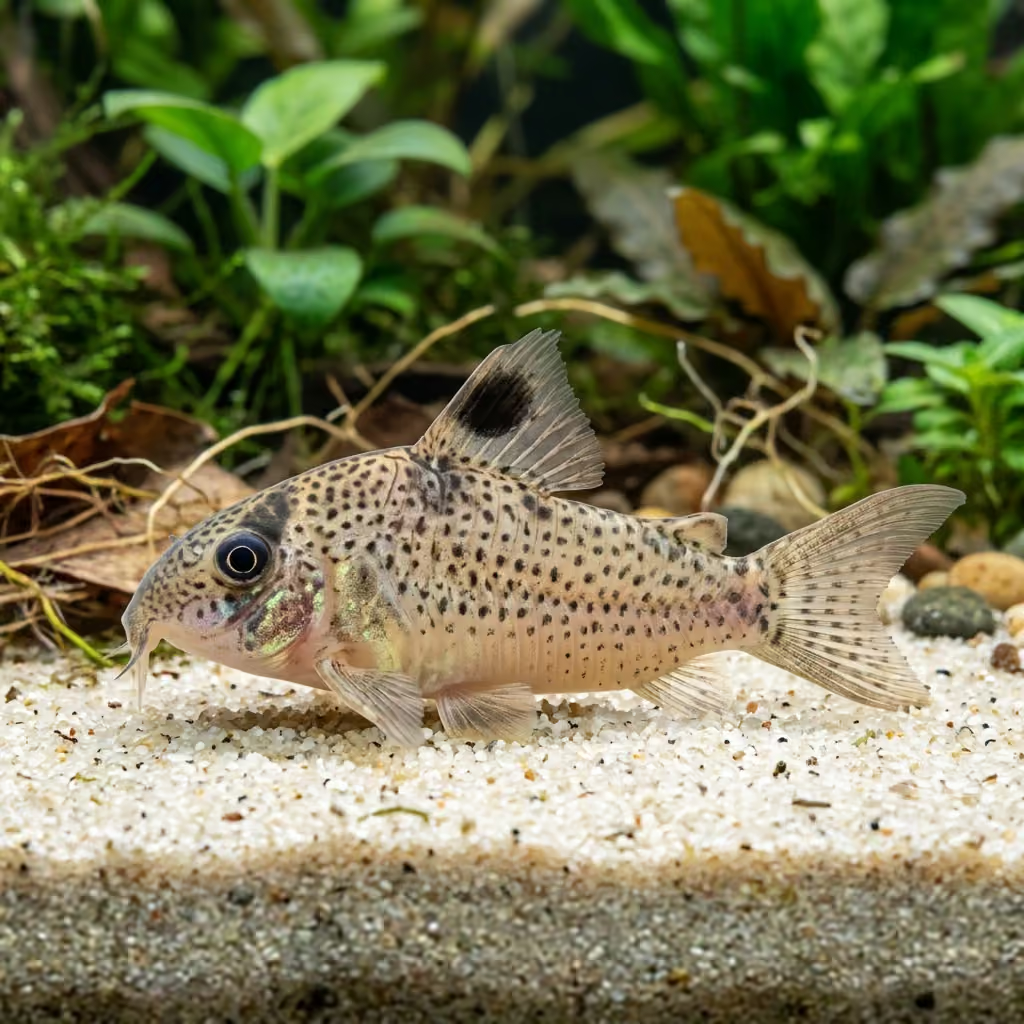
An elegant long-snouted Corydoras from the Guaporé basin with a fawn-like spotted pattern. It methodically scours fine sand bottoms and needs a peaceful community tank.
Temperatura da água
22 - 26 °C
Valor de pH
6 - 7.2
Tipo de água
Água doce
Nível do tanque
Parte inferior
Tamanho adulto
5 cm
Volume mínimo do tanque
>= 100 L
Grupo mínimo
>= 6
GH
2 - 12 dGH
KH
2 - 10 dKH
TDS
50 - 280 ppm
Condutividade
78 - 438 uS/cm

Descrição da espécie
Geographical Origin and Habitat: Endemic to the Guaporé River basin in Brazil. Mainly frequents slow-flowing rivers and igapó, with very fine sand bottoms and dead leaf litter, clear or slightly amber waters.
Taxonomy and Morphology: Corydoras of the Callichthyidae family. Possesses a typical short snout, developed barbels, slightly slender but robust body, and measures about 5 cm (2 inches) as an adult. Features the classic skin armor with two rows of overlapping plates.
Social Behavior: Like almost all Corydoras, it lives in huge flocks in the wild. In the aquarium, it requires a minimum of 6-8 conspecifics. Relentlessly patrols the sand with its snout, stopping to rest in a group under shelters created by wood or flat rocks.
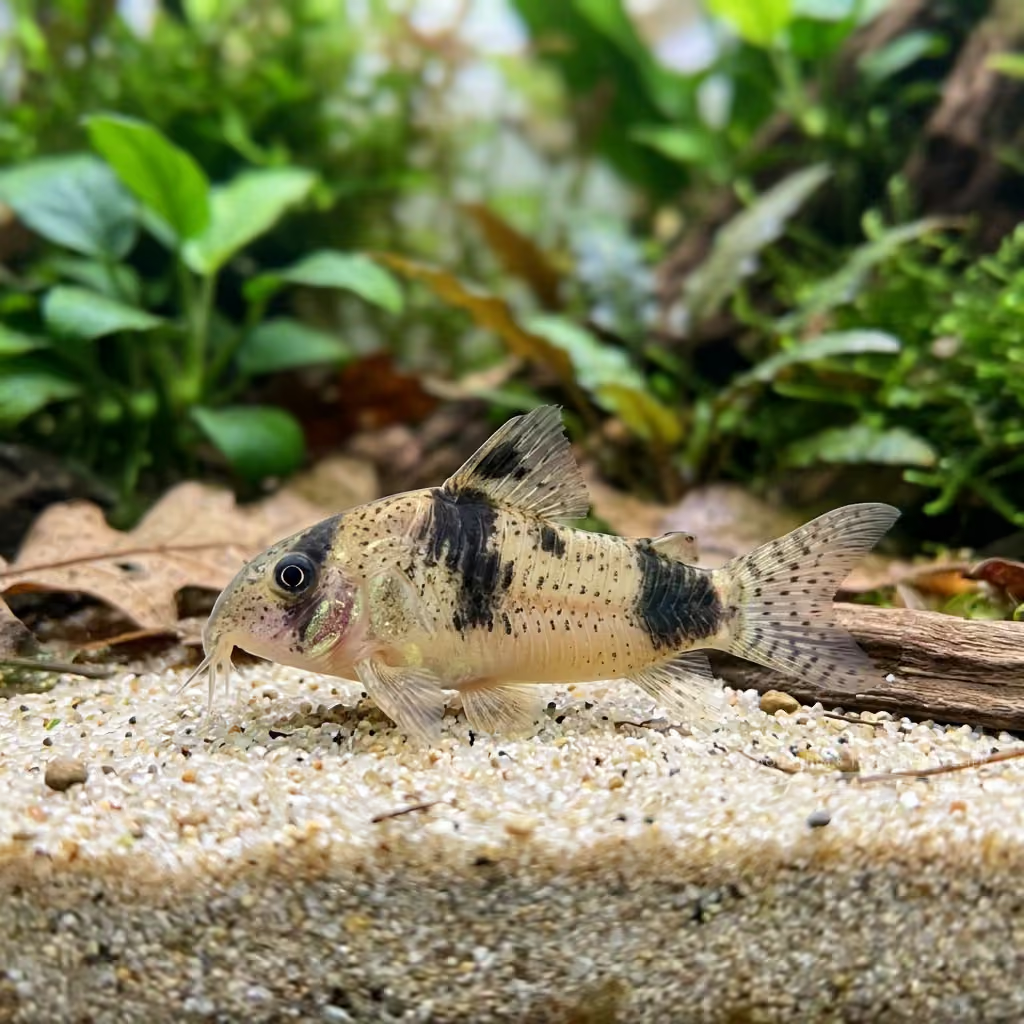
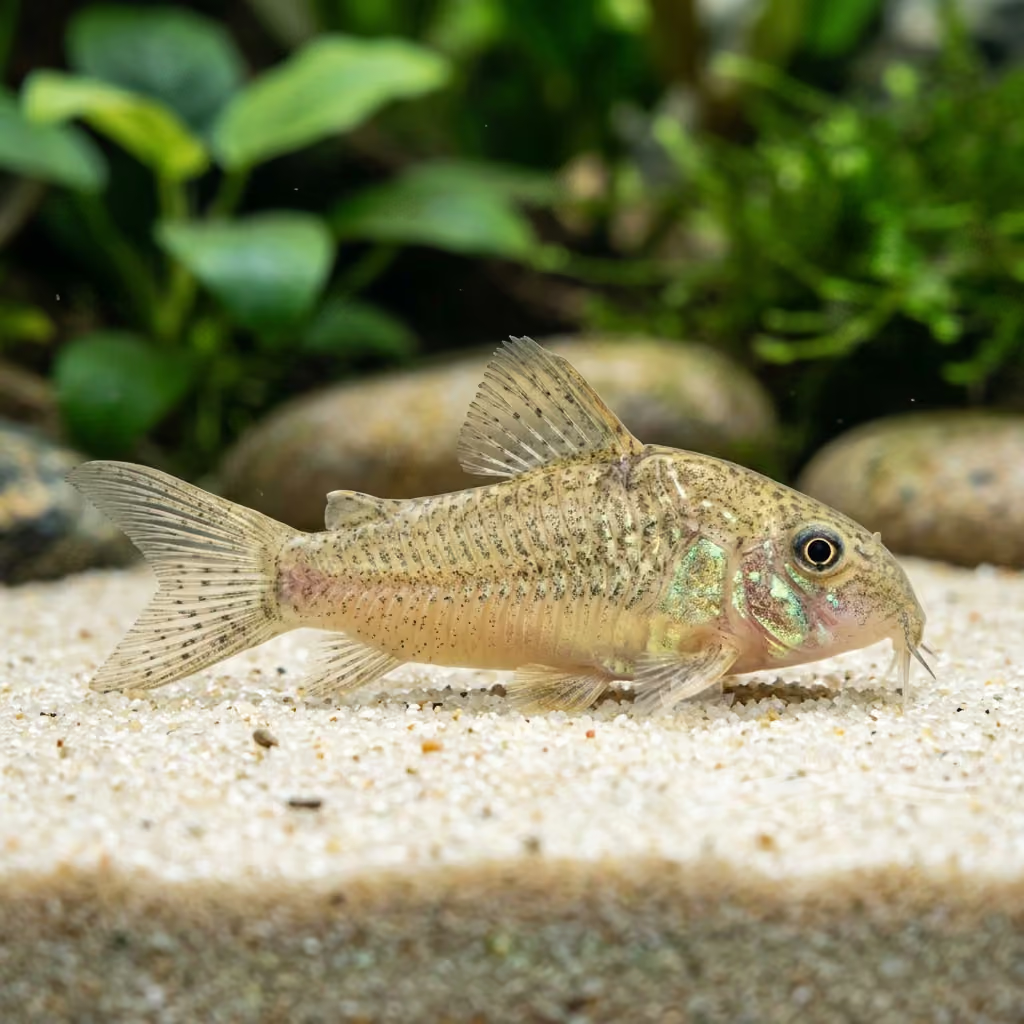
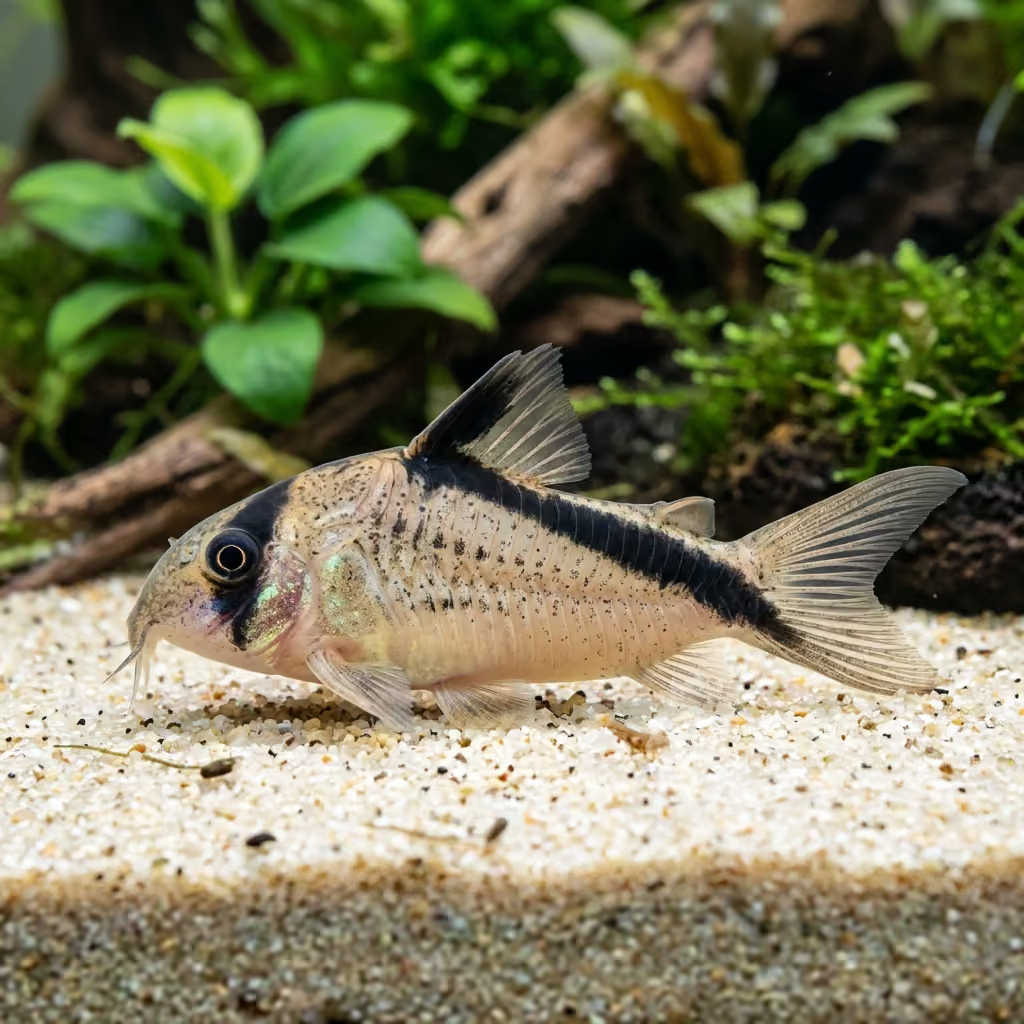
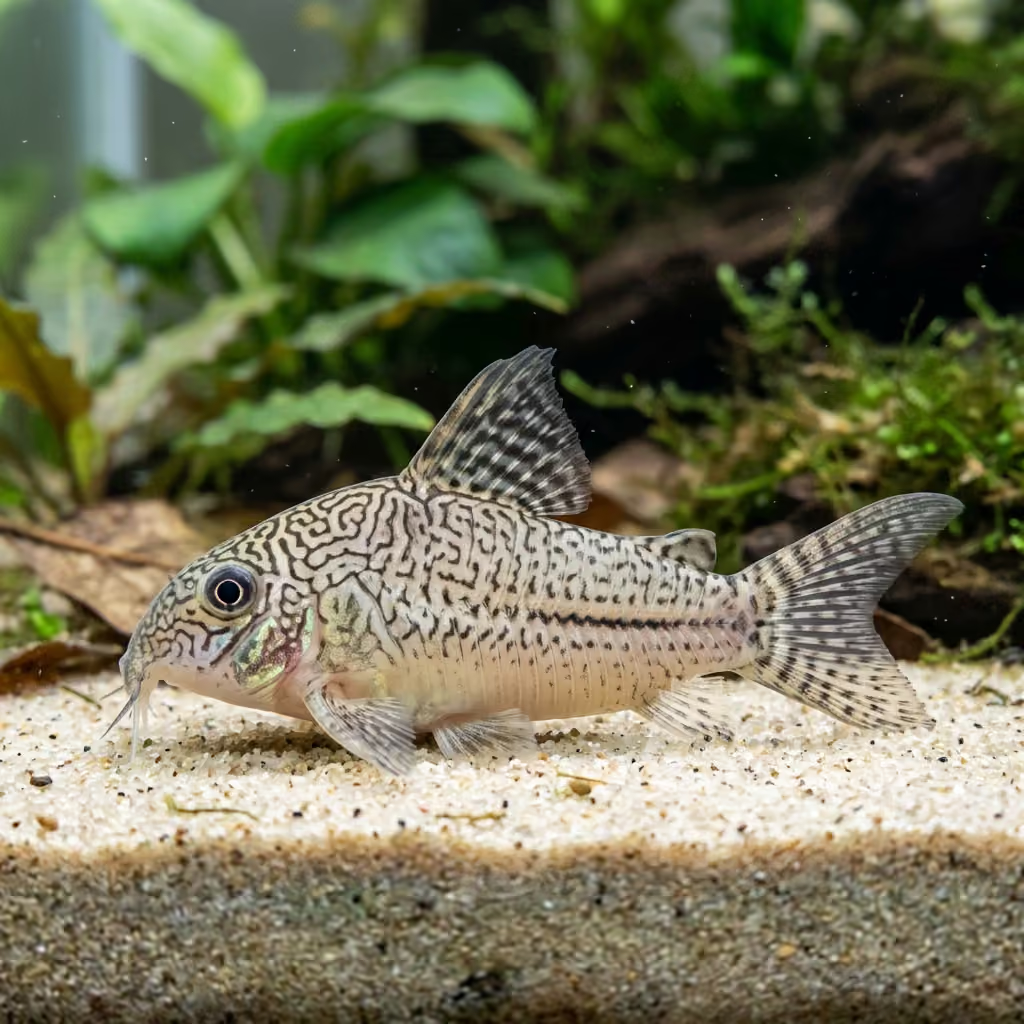
Coloration and Sexual Dimorphism: Faded silver/bronze base. Features light, blurry dark stippling on the head and body, without a sharp pattern. A faint, darker lateral band and iridescent green reflections on the branchial preopercles are often visible. Adult females are wider.

Cuidado, criação e companheiros de tanque
Aquarium Setup: Mandatory bottom of very soft quartz or silica sand. The tank (minimum 80 cm / 32 inches edge) must have heavily planted areas with Echinodorus and interwoven branches. The use of peat in the filter or Catappa leaves to slightly amber and acidify the water is advisable.
Diet and Feeding: In the wild, it preys on small worms and aquatic entomofauna of the bottom. In the aquarium, it must be fed specifically (not just leftovers) with sinking granules for bottom fish and supplemented a couple of times a week with frozen brine shrimp and bloodworms.
Water Quality: Requires clean water with very low nitrogenous compounds (nitrates <20 mg/L). Temperature between 22 and 26°C (72-79°F), pH 6.0-7.2. Hardness GH 2-12. Water flow should be moderate and the substrate superficially siphoned to prevent pathogenic bacteria in the sludge.
Compatibility and Cohabitation: Peaceful fish ideal for community tanks. Coexists very well with all small tetras, vegetarian loricariids, and peaceful dwarf cichlids. Given its peaceful nature, it would suffer enormous stress in the presence of agitated fish or predatory loaches.
Aquarium Breeding: Rare. Typical reproduction of the genus stimulated by thermal drops and high atmospheric pressure. Glues single eggs or small clusters to large surfaces (glass, large leaves) in current. Breeders tend to eat the eggs if not separated or heavily fed.
Risks and Diseases: Abrasion of barbels on sharp substrates is a highly fatal factor resulting in fungal infections. Intolerant to dissolved salt in the water and aggressive anti-ectoparasitic treatments (Copper, Formalin).

Origem e distribuição geográfica
Endemic to the Guaporé River basin in Brazil. Mainly frequents slow-flowing rivers and igapó, with very fine sand bottoms and dead leaf litter, clear or slightly amber waters.
Origem
Extra-Amazônica América do Sul

Perfil de peixe
- Temperamento
- Semi-aggressive
- Corydoras cervinus are peaceful, social schooling fish that thrive when kept in groups. Keeping them in numbers of at least six individuals greatly reduces their stress and promotes natural behaviors. They are completely harmless to plants and other tank inhabitants.
- Dieta
- Omnivore
- These are omnivorous bottom feeders that require a varied diet to thrive. Their meals should include high-quality sinking pellets, wafers, and live or frozen foods like bloodworms. A balanced diet ensures proper growth and vibrant coloration for Corydoras cervinus.
- Expectativa de vida
- 5-8 years
- Tamanho adulto
- 5 cm
- Proporção sexual
- Specific M:F ratio
- Maintaining a ratio of two or three males for every female is ideal for breeding purposes. This ratio encourages natural spawning behaviors and increases the chances of successful fertilization. In non-breeding community tanks, the exact ratio for Corydoras cervinus is less critical.
- Frequência de alimentação
- Twice daily
- They should be fed small amounts once or twice a day. It is important to provide only what Corydoras cervinus can consume within a few minutes to prevent water fouling. Occasional fasting days can also be beneficial for their digestive health.
- Carga biológica
- Low
- The Corydoras cervinus has a relatively low bioload compared to many other species of similar size. They are efficient scavengers that help keep the substrate clean, which slightly offsets their waste production. However, adequate biological and mechanical filtration is still necessary to maintain optimal water quality in the aquarium.
- Fluxo
- Stagnant
- They prefer moderate water movement that simulates their natural riverine habitats. A gentle current provides necessary oxygenation without exhausting the fish. Avoid overly strong flow that could sweep Corydoras cervinus away or cause stress.
- Risco de salto
- No
- Reprodução
- Oviparous
- Breeding Corydoras cervinus in captivity is possible but requires specific water conditions and conditioning. They are egg layers that typically deposit their adhesive eggs on broad leaves or the aquarium glass. Parents may eat the eggs, so it is often best to raise the fry in a separate tank.
- Compatibilidade e companheiros de tanque
- Community
- They are incredibly peaceful and make excellent additions to community aquariums. Corydoras cervinus gets along well with most other peaceful, similarly sized fish. Aggressive or large tank mates should be avoided as they may intimidate or harm them.
- Nível do tanque
- Bottom
- They are obligate bottom dwellers that spend the majority of their time on the substrate. Corydoras cervinus constantly rummage through sand or smooth gravel in search of food. Very rarely will they be seen swimming in the middle or upper levels of the water column.

Modelos e parâmetros científicos
FishBase
Acesso aos dados científicos oficiais da espécie
FishBase v25.04Dados sincronizados em: 15/06/2026
- Nível trófico
- 3 ± 0,3 se
- Resiliência
- Alta (menos de 15 meses)
- Unicidade filogenética (PD50)
- 0.5
- Relação bayesiana comprimento-peso
- a = 0.00741, b = 3.14
- VulnerabilidadeVulnerabilidade baixa (10 / 100)

Espécies relacionadas
Recomendações agrupadas por parentes próximos, escolhas de acompanhantes e cuidados semelhantes.