Many-spotted Cory
Hoplisoma polystictum
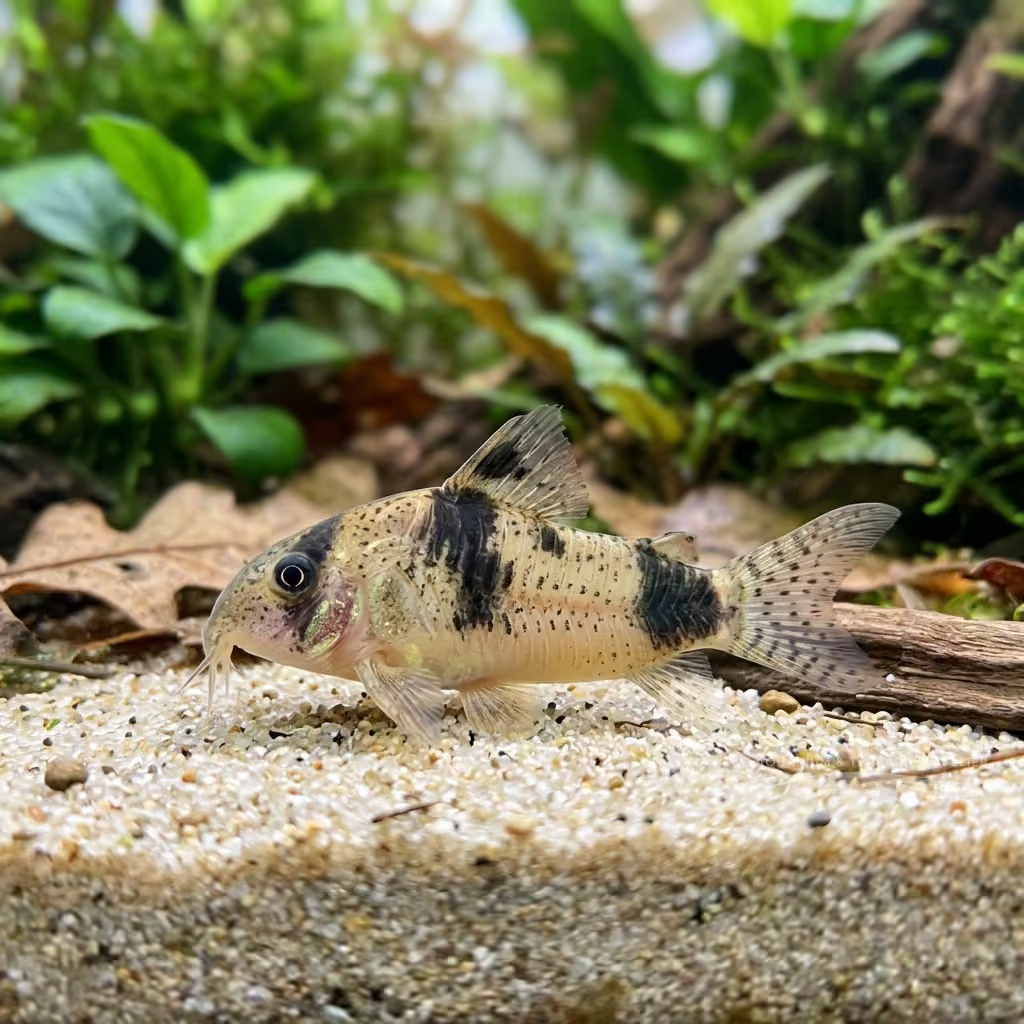
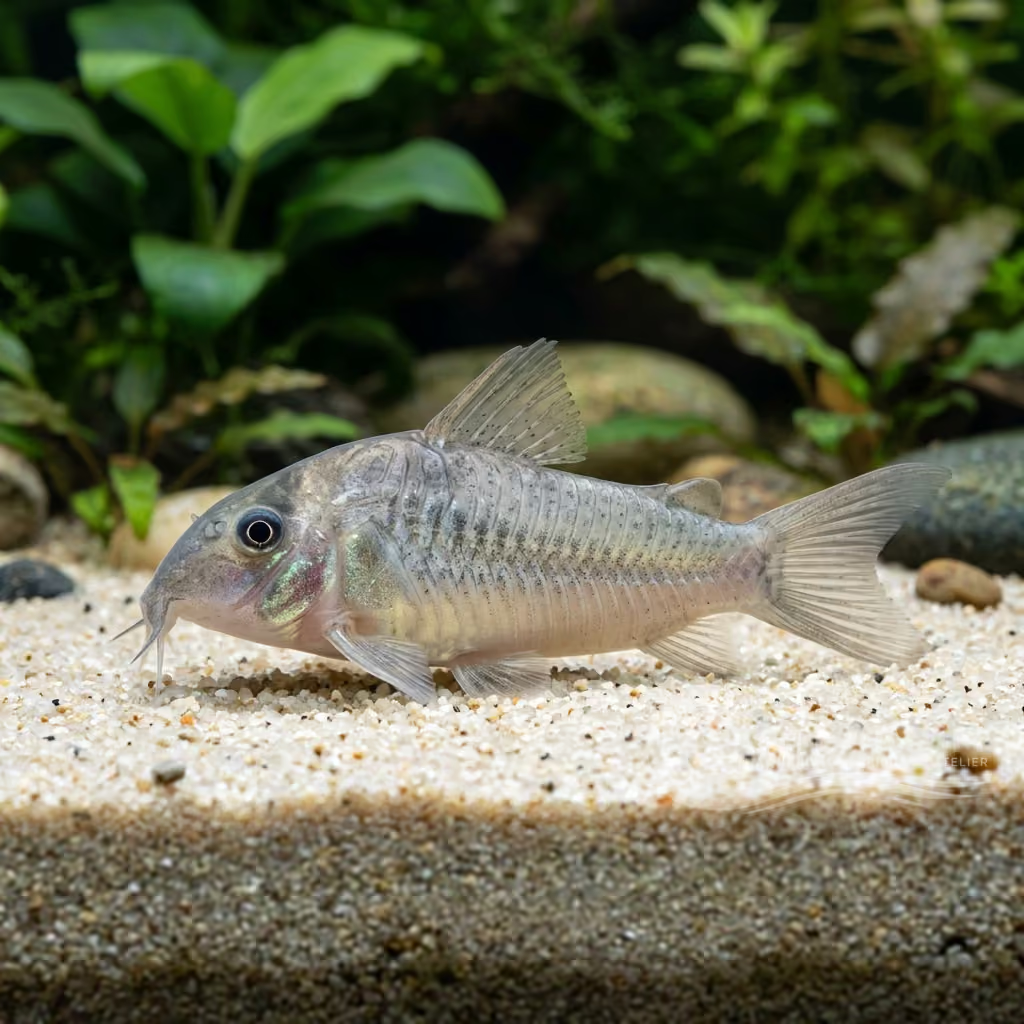
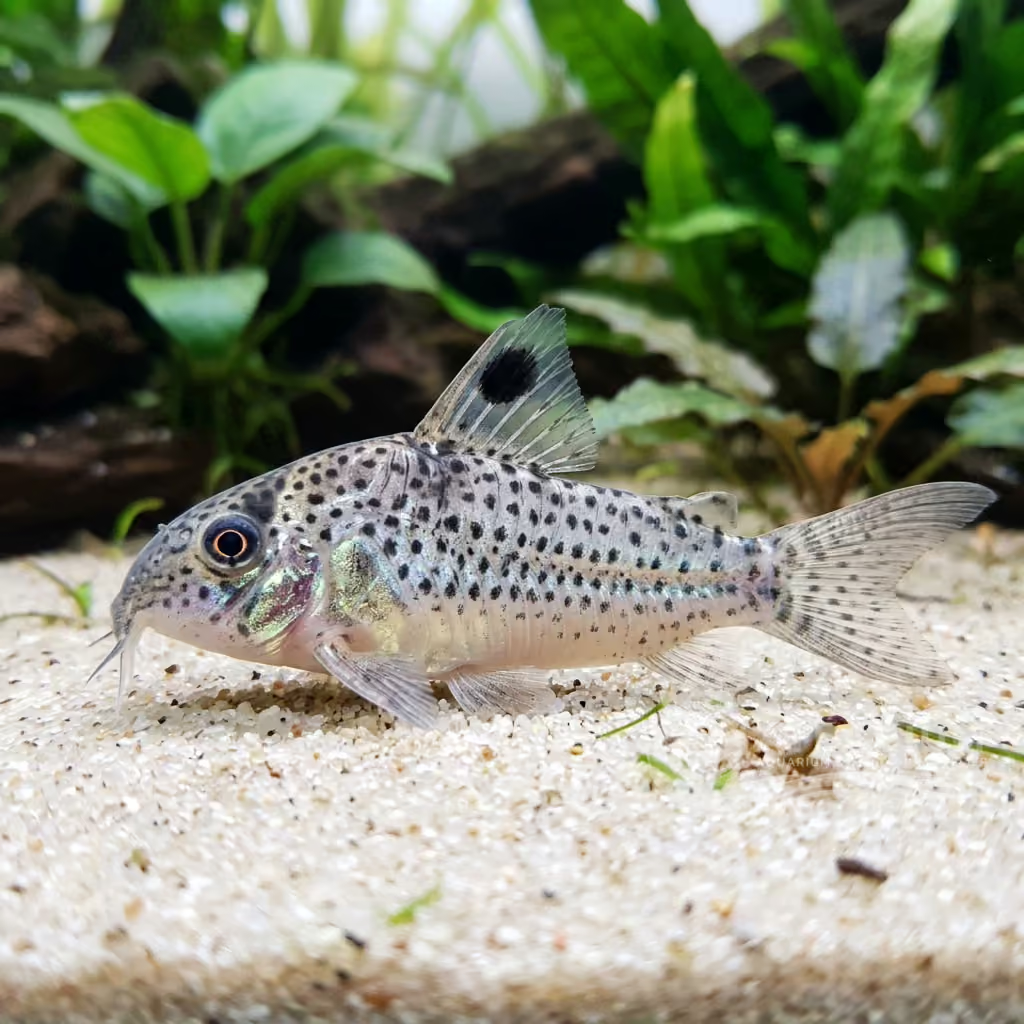
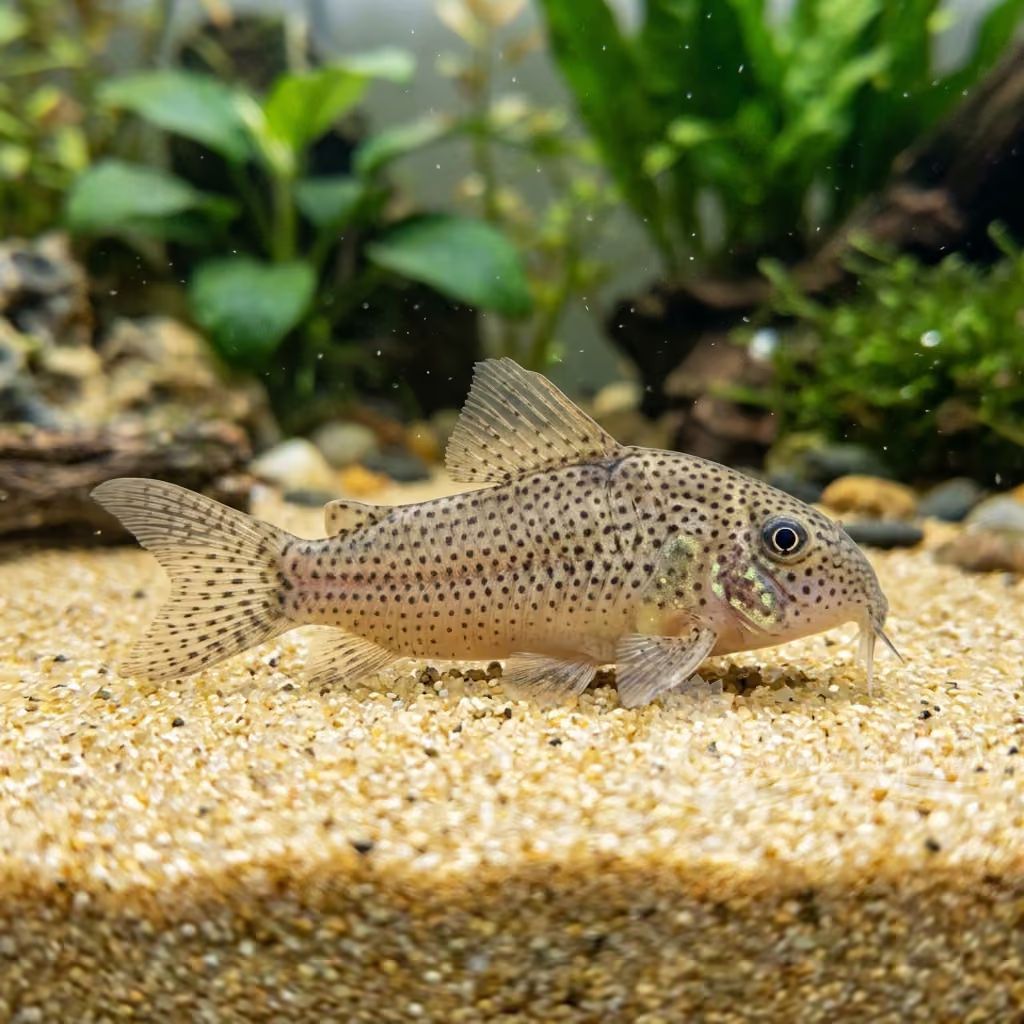
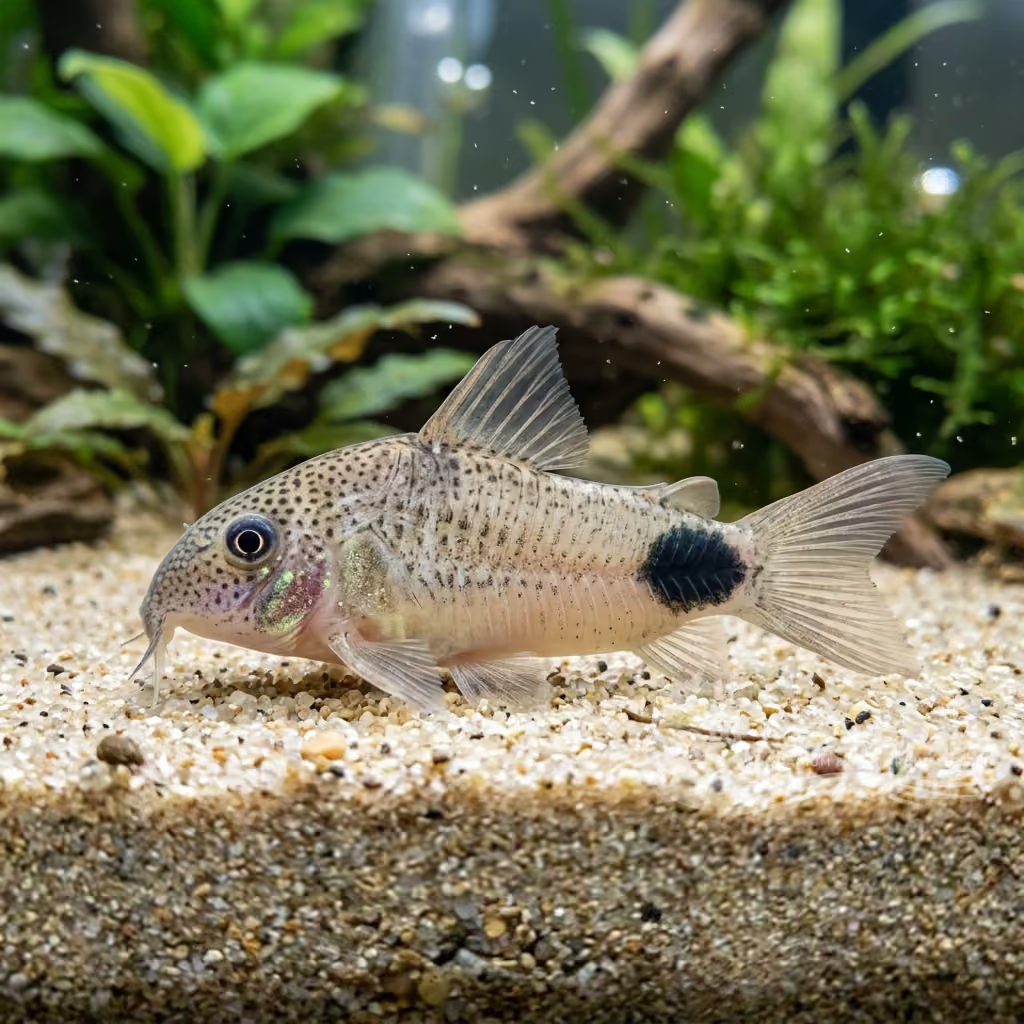
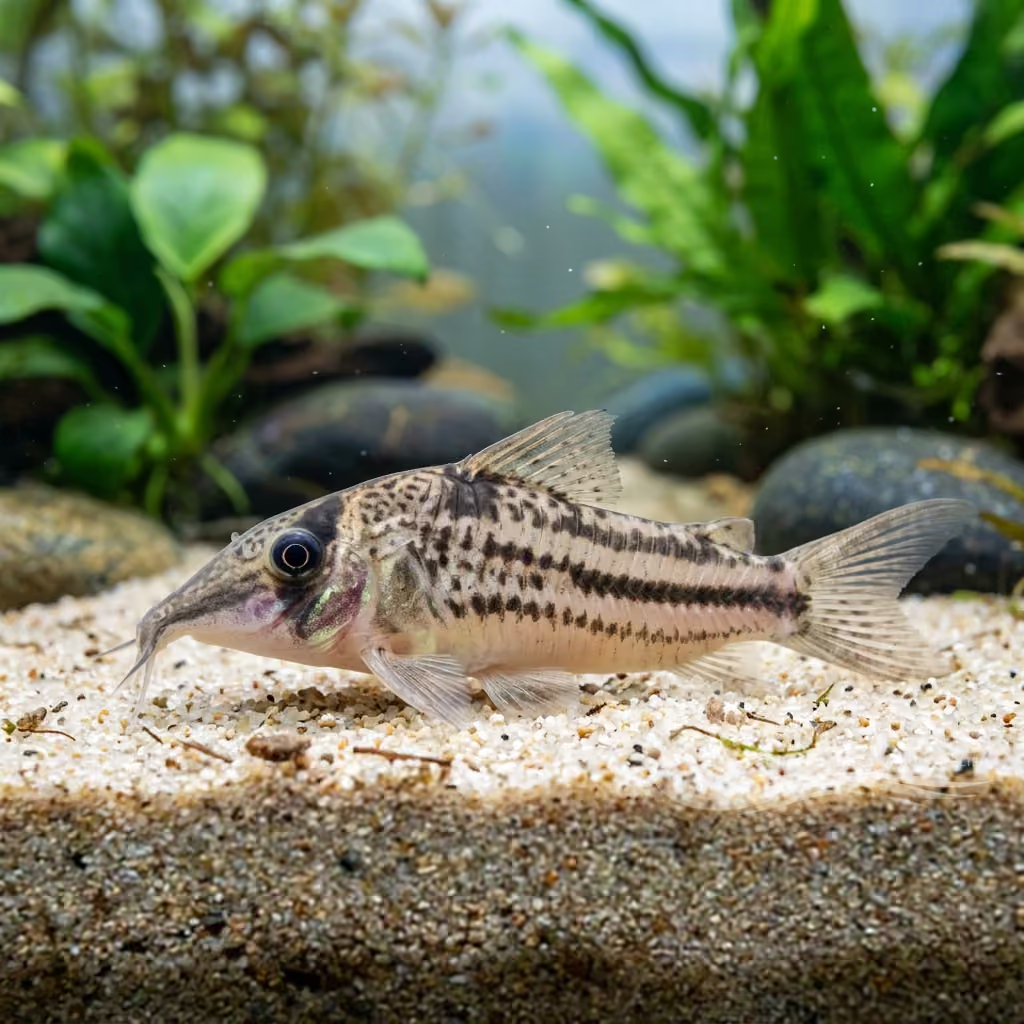
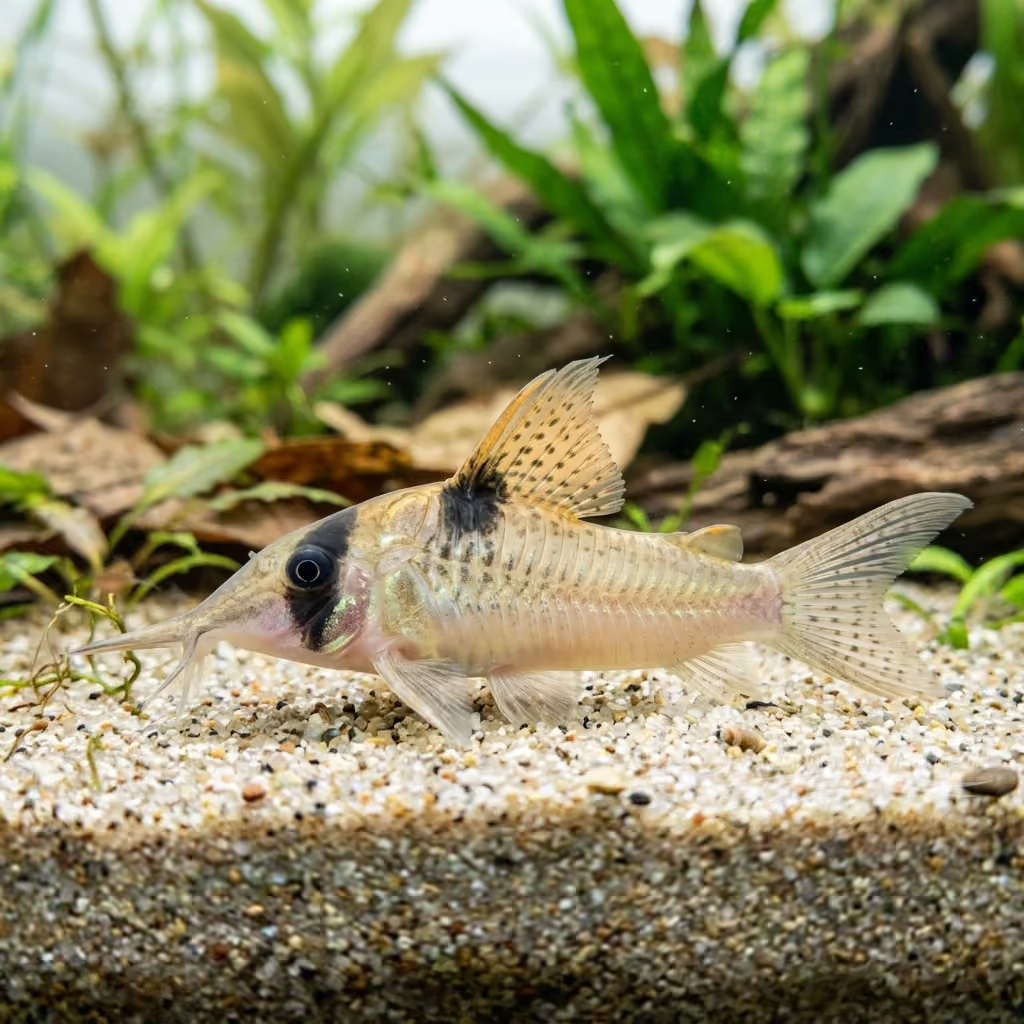
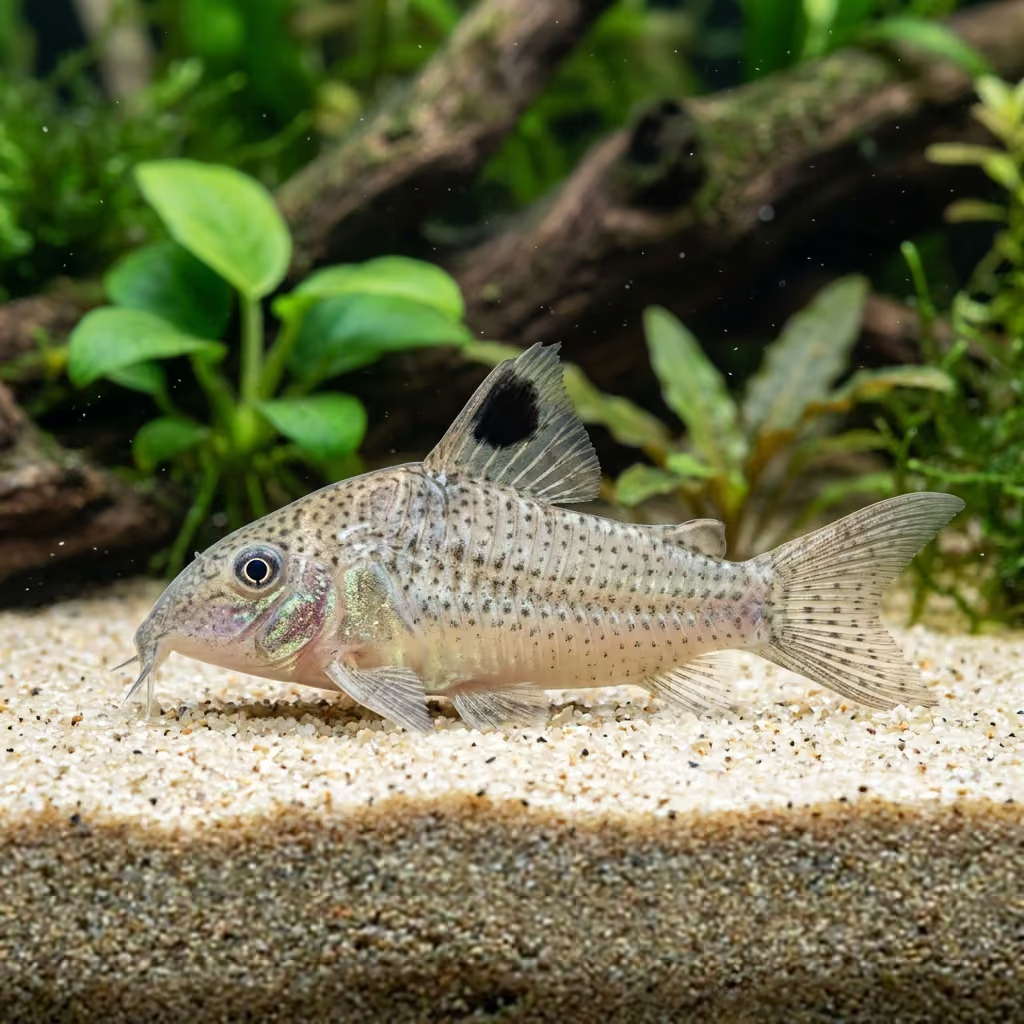
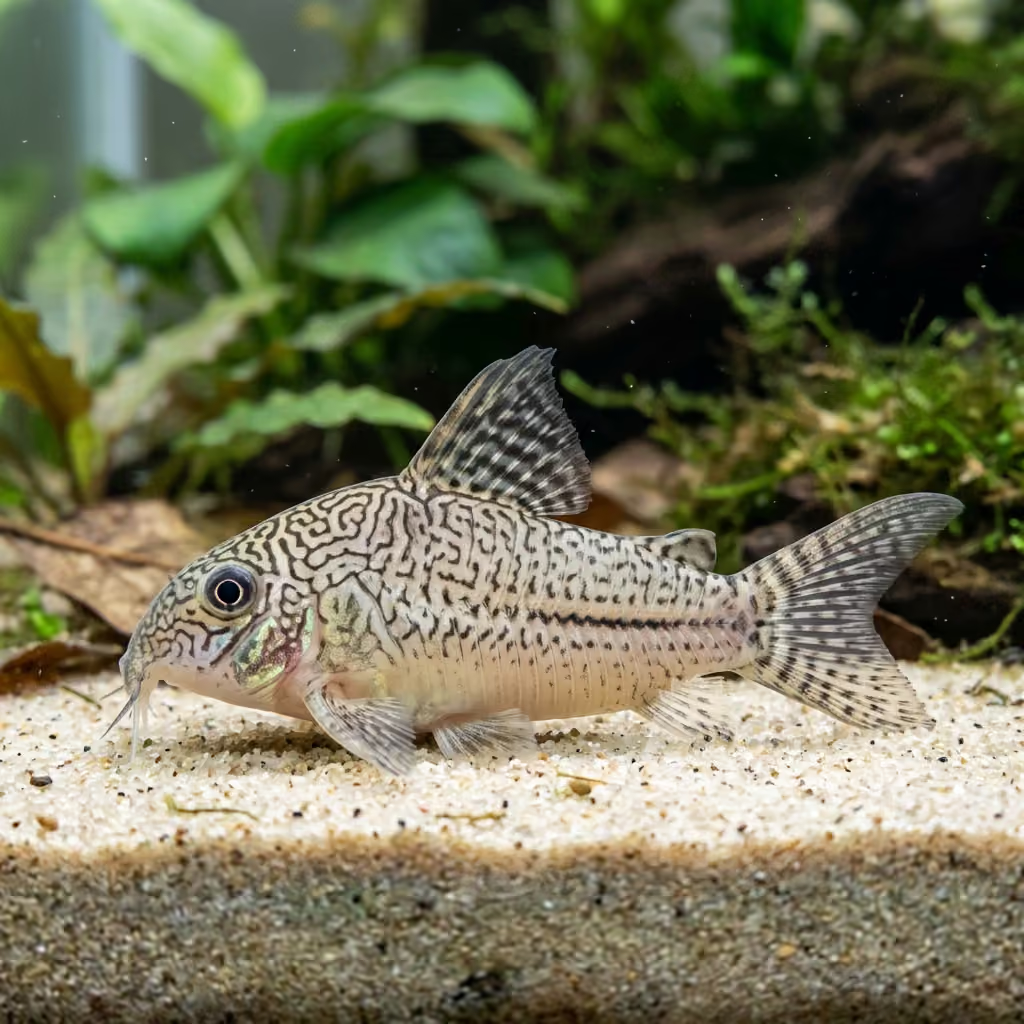
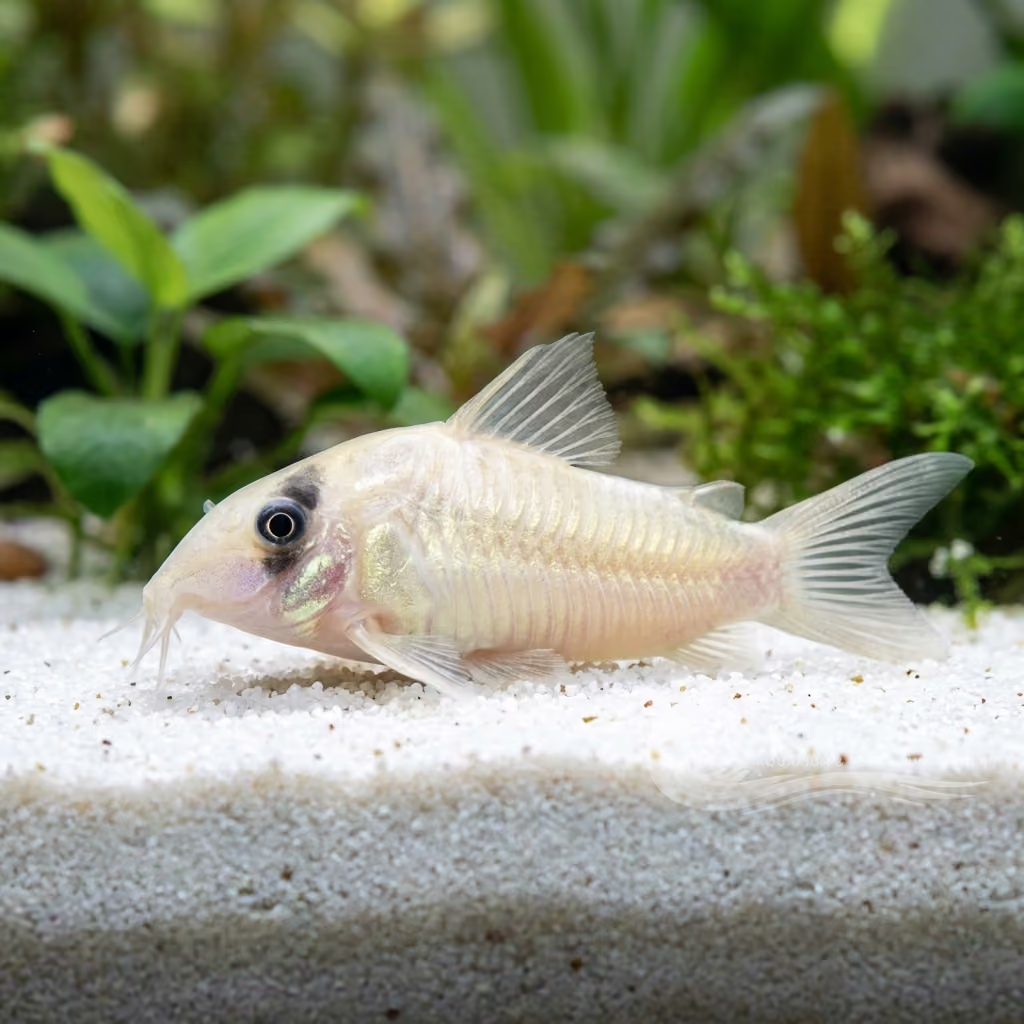
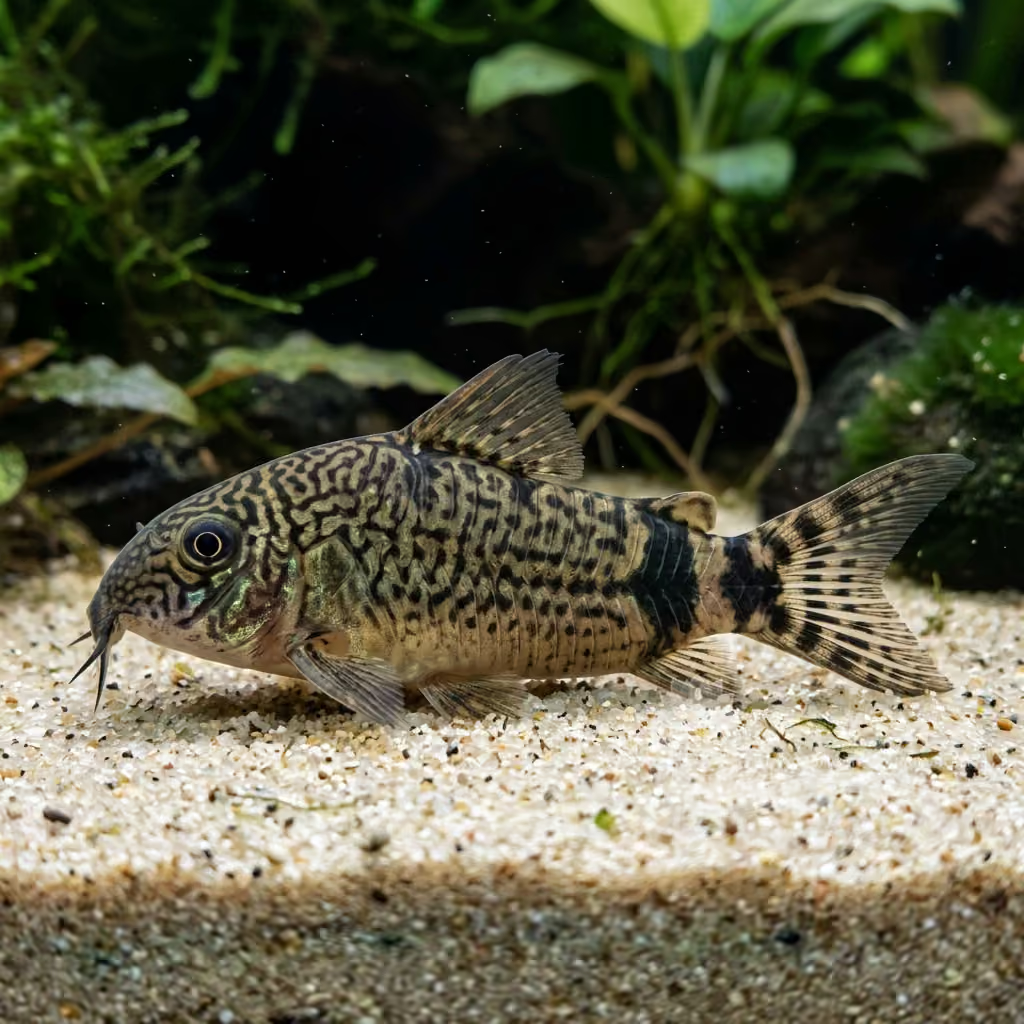
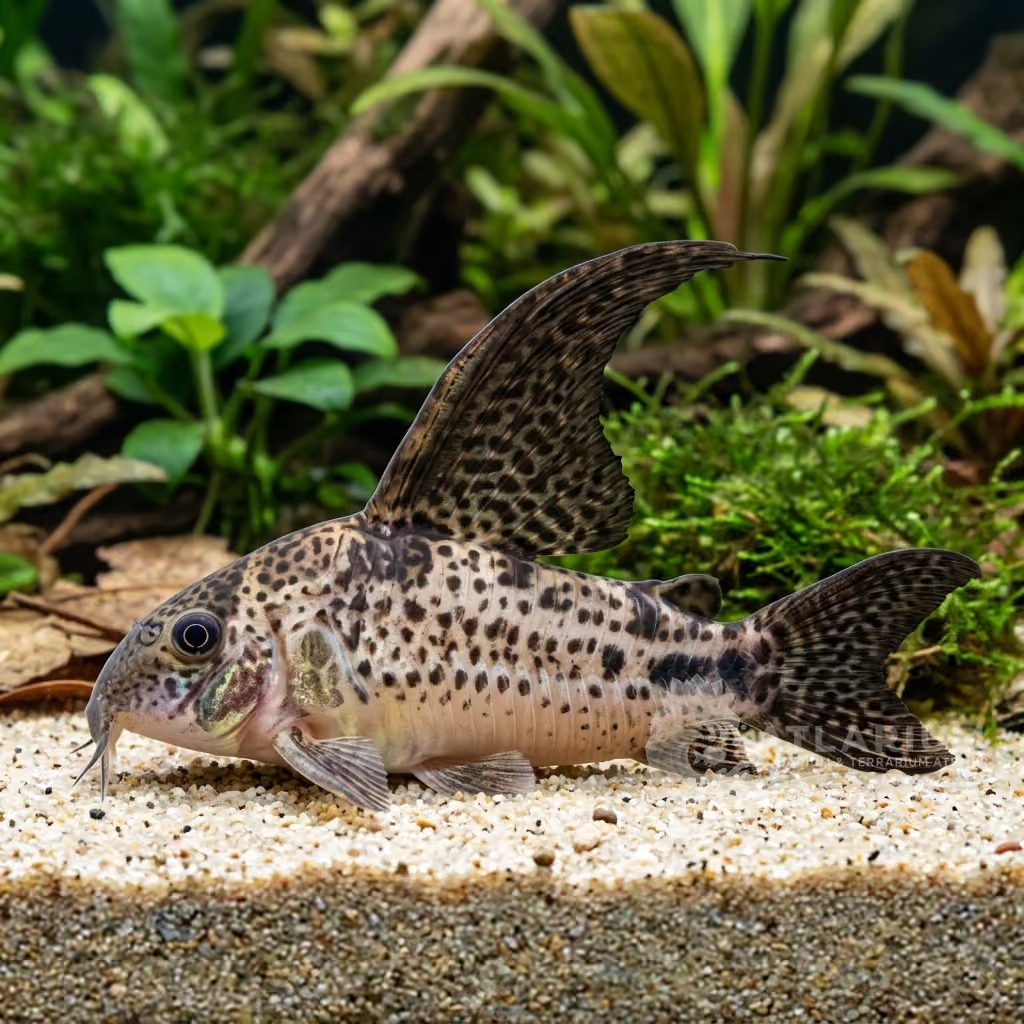
An unusually tall and stocky Corydoras for its short length. The body with a variable background color (from sand to green-gray) is studded with a myriad of tiny black dots ('poly-stictus').
Temperatura da água
22 - 26 °C
Valor de pH
6 - 7.2
Tipo de água
Água doce
Nível do tanque
Parte inferior
Tamanho adulto
4,5 cm
Volume mínimo do tanque
>= 80 L
Grupo mínimo
>= 6
GH
2 - 12 dGH
KH
2 - 10 dKH
TDS
50 - 280 ppm
Condutividade
78 - 438 uS/cm

Descrição da espécie
Geographical Origin and Habitat: Rio Paraguay and Rio Guaporé basins in Brazil. Frequents the calm lowland oxbows and flooded areas ("Pantanal"), resting on extensive sandy banks full of soft mud, tufts of dense aquatic vegetation and clear waters.
Taxonomy and Morphology: Delightful compact and rounded Callichthyidae. Belonging to the "dwarf" corys (maximum 4.5 cm / 1.8 inches), its extremely "rounded" and spherical profile, combined with the stocky and rounded snout (short-snouted), makes it a perfect microfauna rooter.
Social Behavior: Unbelievably peaceful. Its marked need for a school (6-8 specimens) must be strictly respected: the flock moves in unison feverishly probing the substrates and canceling the deep latent stress of the solitary animal.
Coloration and Sexual Dimorphism: Bright golden-beige background adorned with the typical "polystictus" (many spots) pattern: innumerable and highly elegant small circular black spots that irregularly cover the flanks. The female body appears absurdly spherical (seen from above) in contrast to the slender males.

Cuidado, criação e companheiros de tanque
Aquarium Setup: Gravel substrates are a death sentence for it. The exclusive use of very soft river sand is mandatory. Shade areas, crucial for its well-being, will be obtained by inserting oak leaves on the bottom and thick plant shelters.
Diet and Feeding: Tiny carnivorous devourer. Select very fine protein flakes or crumbled specific granules, without ever forgetting full-bodied rations (tri-weekly) of live food such as mysis, daphnia, cyclops and tubifex to support its immunity.
Water Quality: Classic parameters: temperatures at 22-26°C (72-79°F). The water, kept immaculate (nitrates kill it slowly), must have a weakly acidic to neutral pH (6.0 - 7.2) and low mineral hardness (GH 2-12). Vigorous biological filtration but mild currents at the bottom.
Compatibility and Cohabitation: First-class inhabitant for docile communities and "micro-aquariums". Join it exclusively with tame companions: Paracheirodon, Ember tetras or Otocinclus. Banned combination with large Cichlids and restless Loaches that will destroy all its feeding ambitions.
Aquarium Breeding: Obtainable by mimicking the onset of heavy cold downpours (massive osmotic partial changes). Classic "T" fertilization on leaves: the mother will fix single adhesive and robust eggs in every crevice. Remove the eggs due to insatiable parental voracity.
Risks and Diseases: Designated victim for fungal necrosis of the whiskers if bred on calcareous material or angular substrates. It has shown marked sensitivity and very high lethality towards curative compounds based on Malachite green.

Origem e distribuição geográfica
Rio Paraguay and Rio Guaporé basins in Brazil. Frequents the calm lowland oxbows and flooded areas ("Pantanal"), resting on extensive sandy banks full of soft mud, tufts of dense aquatic vegetation and clear waters.
Origem
Oceanos tropicais e recifesExtra-Amazônica América do Sul

Perfil de peixe
- Temperamento
- Semi-aggressive
- The temperament of Hoplisoma polystictum is exceedingly peaceful and sociable, making them a favorite among community tank enthusiasts. They show absolutely no aggression towards other fish species and prefer to go about their daily foraging undisturbed. They are highly gregarious and derive comfort from the presence of their own kind, frequently resting and moving together as a unified group. Isolation can cause them immense stress, resulting in hiding and refusing to eat.
- Dieta
- Omnivore
- Hoplisoma polystictum are omnivorous bottom feeders that require a varied diet to thrive in captivity. A high-quality sinking pellet or wafer specifically formulated for bottom dwellers should form the staple of their daily meals. They also greatly benefit from regular offerings of live or frozen foods such as bloodworms, daphnia, and brine shrimp. It is important to ensure that food reaches the bottom before being consumed by mid-water fish so they do not go hungry.
- Expectativa de vida
- 3-5 years
- Tamanho adulto
- 4.5 cm
- Proporção sexual
- School
- A recommended sex ratio for Hoplisoma polystictum, especially if breeding is desired, is two or three males for every female. This mimics their natural breeding groups and increases the chances of successful fertilization of the eggs. In a standard display tank, exact ratios are less critical as long as they are kept in a sufficiently large shoal of six or more. Having more males ensures that the female is constantly courted during the breeding cycle.
- Frequência de alimentação
- Twice daily
- Feeding Hoplisoma polystictum one or two times a day is generally sufficient to maintain their health and vitality. Care should be taken to provide only what they can actively consume within three to five minutes to prevent water fouling. If kept in a community setup with aggressive surface feeders, it may be beneficial to feed them after lights out. Observing their belly fullness can help determine if the feeding frequency and amounts are appropriate.
- Carga biológica
- Low
- Hoplisoma polystictum produces a moderate bioload, making them excellent candidates for community tanks. Their efficient scavenging habits actually help maintain water quality by consuming uneaten food that would otherwise decay. Despite their modest size, a school of six or more does contribute somewhat to the tank's waste output. Regular water changes and adequate filtration are still necessary to keep the bioload manageable and nitrate levels low.
- Fluxo
- Stagnant
- This species prefers gentle to moderate water flow that mimics the slow-moving streams and tributaries of various South American river basins. Excessive flow can cause unnecessary stress and fatigue, as they are not built for constant swimming against strong currents. A well-placed sponge filter or a canister filter with a spray bar can provide the ideal balance of filtration and gentle water movement. Oxygenation remains important, so ensuring surface agitation without overpowering the bottom areas is key.
- Risco de salto
- Yes
- The jumping risk for Hoplisoma polystictum is exceptionally low, as they are primarily bottom-dwelling fish that spend most of their time foraging in the substrate. However, they do periodically dart to the surface to gulp air due to their modified intestine that acts as an accessory respiratory organ. During these quick ascents, an open tank could present a slight risk if they misjudge the distance. A standard aquarium lid is recommended to ensure they stay safely contained inside the tank.
- Reprodução
- Oviparous
- Breeding Hoplisoma polystictum can be achieved in a dedicated breeding setup with cool water changes used to trigger spawning behavior. The females are typically larger and more robust, scattering adhesive eggs onto broad-leaved plants, aquarium glass, or spawning mops. Once spawning is complete, the adult fish should be removed to prevent them from eating the eggs. The fry hatch after a few days and require very small live foods like microworms or freshly hatched brine shrimp.
- Compatibilidade e companheiros de tanque
- Peaceful
- These peaceful catfish are highly compatible with a wide variety of community fish. They do exceptionally well with small tetras, rasboras, and dwarf cichlids that inhabit the middle and upper levels of the aquarium. Aggressive or large bottom-dwelling species should be avoided as they may bully the Hoplisoma polystictum or outcompete them for food. Keeping them in groups of at least six of their own kind is vital for their sense of security.
- Nível do tanque
- Bottom
- Hoplisoma polystictum are strictly bottom dwellers, spending almost the entirety of their day sifting through the substrate in search of food. They require a soft, sandy substrate to prevent damage to their delicate barbels, which are essential for sensing their environment. While they occasionally dart to the surface to take in a breath of atmospheric air, they immediately return to the bottom. Decor elements like caves, driftwood, and low-lying plants provide them with much-needed resting spots.

Modelos e parâmetros científicos
FishBase
Acesso aos dados científicos oficiais da espécie
FishBase v25.04Dados sincronizados em: 15/06/2026
- Nível trófico
- 2,9 ± 0,36 se
- Resiliência
- Alta (menos de 15 meses)
- Unicidade filogenética (PD50)
- 0.5
- Relação bayesiana comprimento-peso
- a = 0.02455, b = 3
- VulnerabilidadeVulnerabilidade baixa (10 / 100)

Espécies relacionadas
Recomendações agrupadas por parentes próximos, escolhas de acompanhantes e cuidados semelhantes.