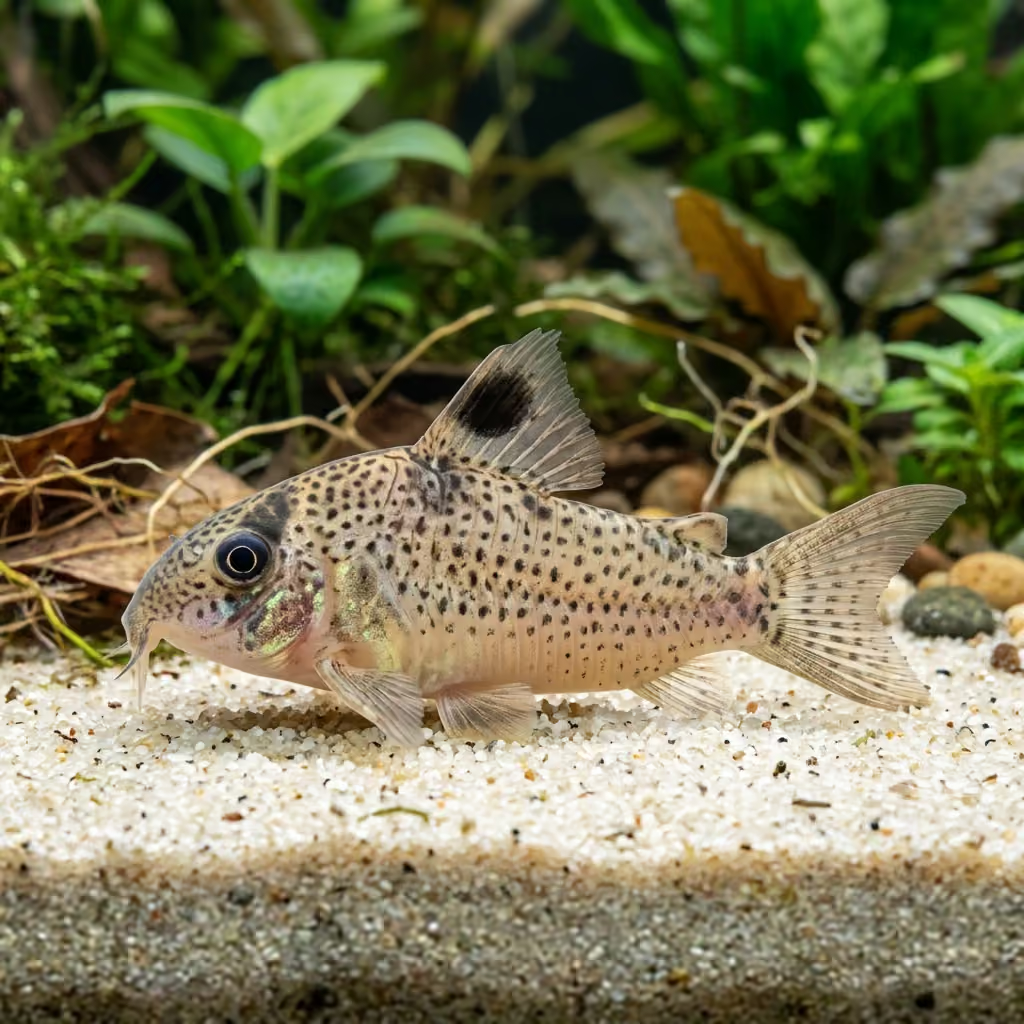
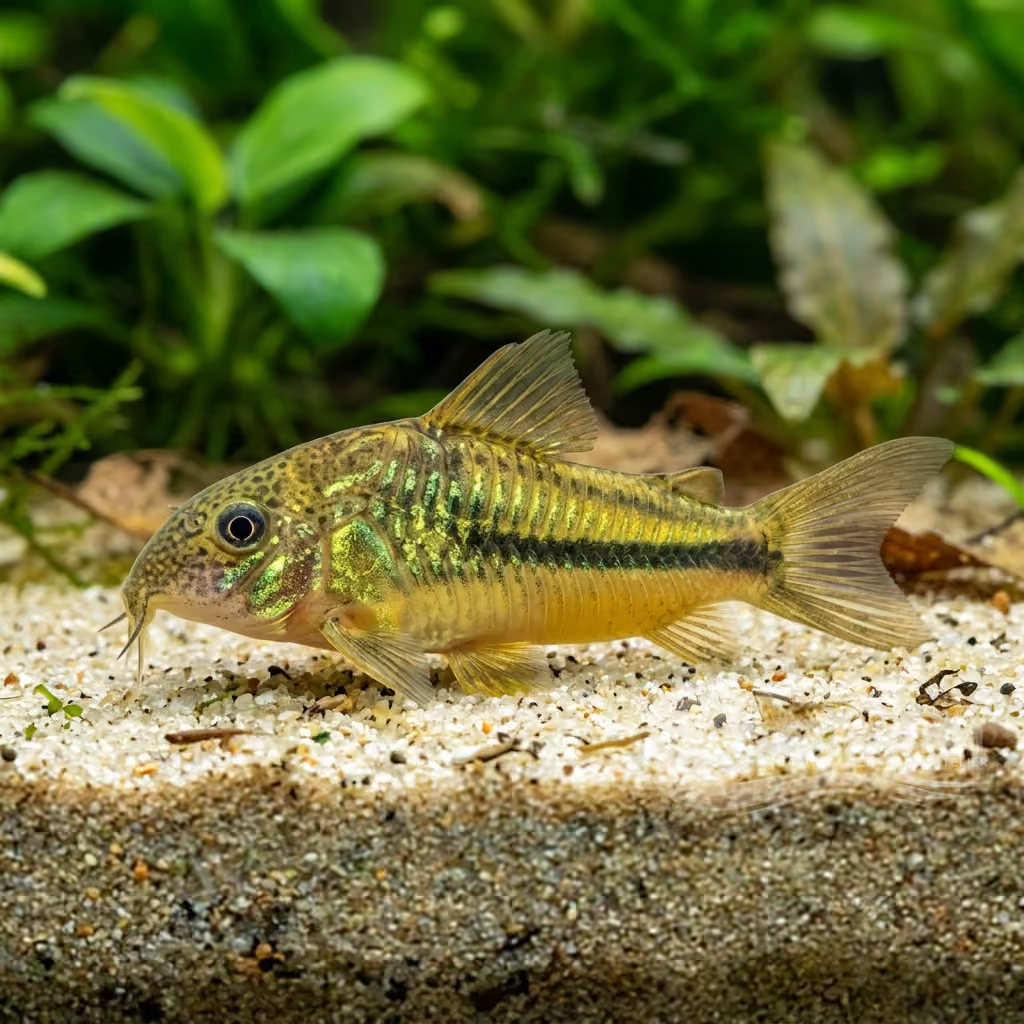
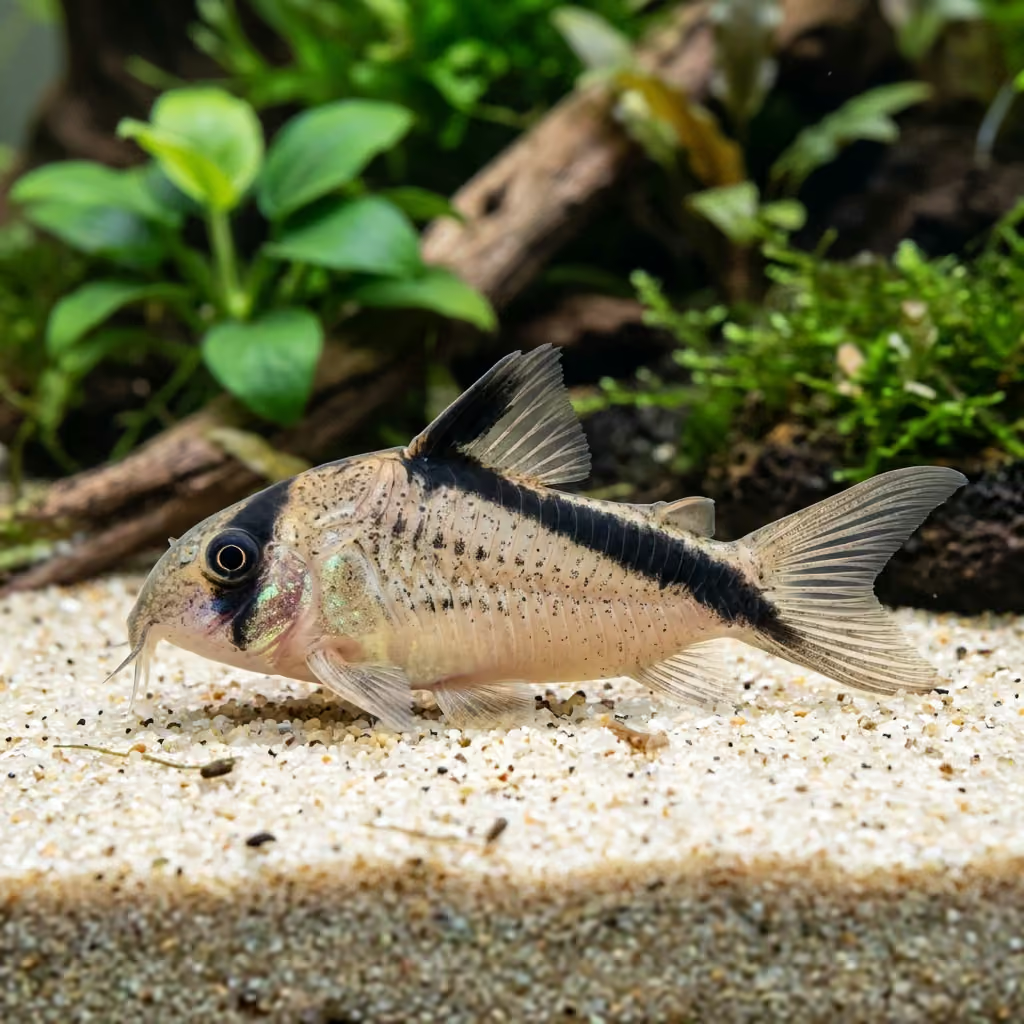
Britski's Brochis
Brochis britskii
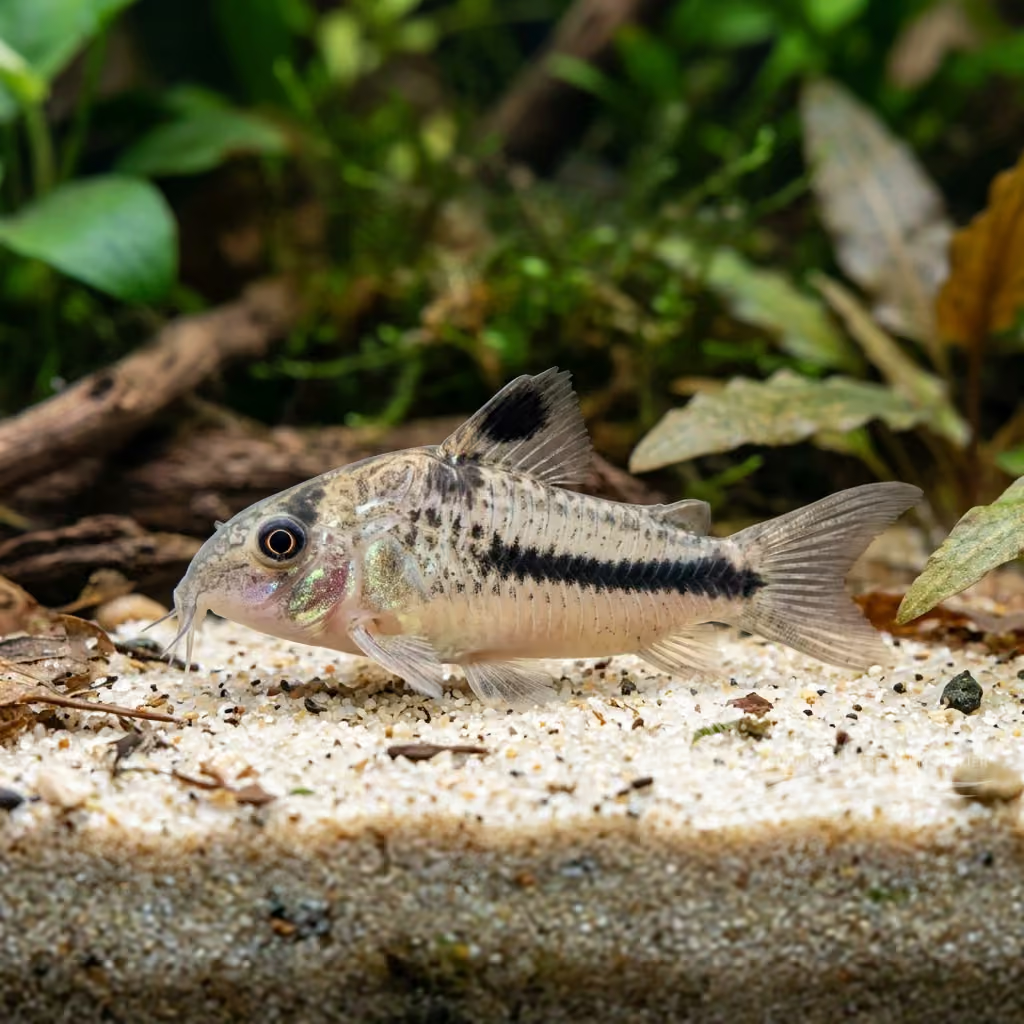
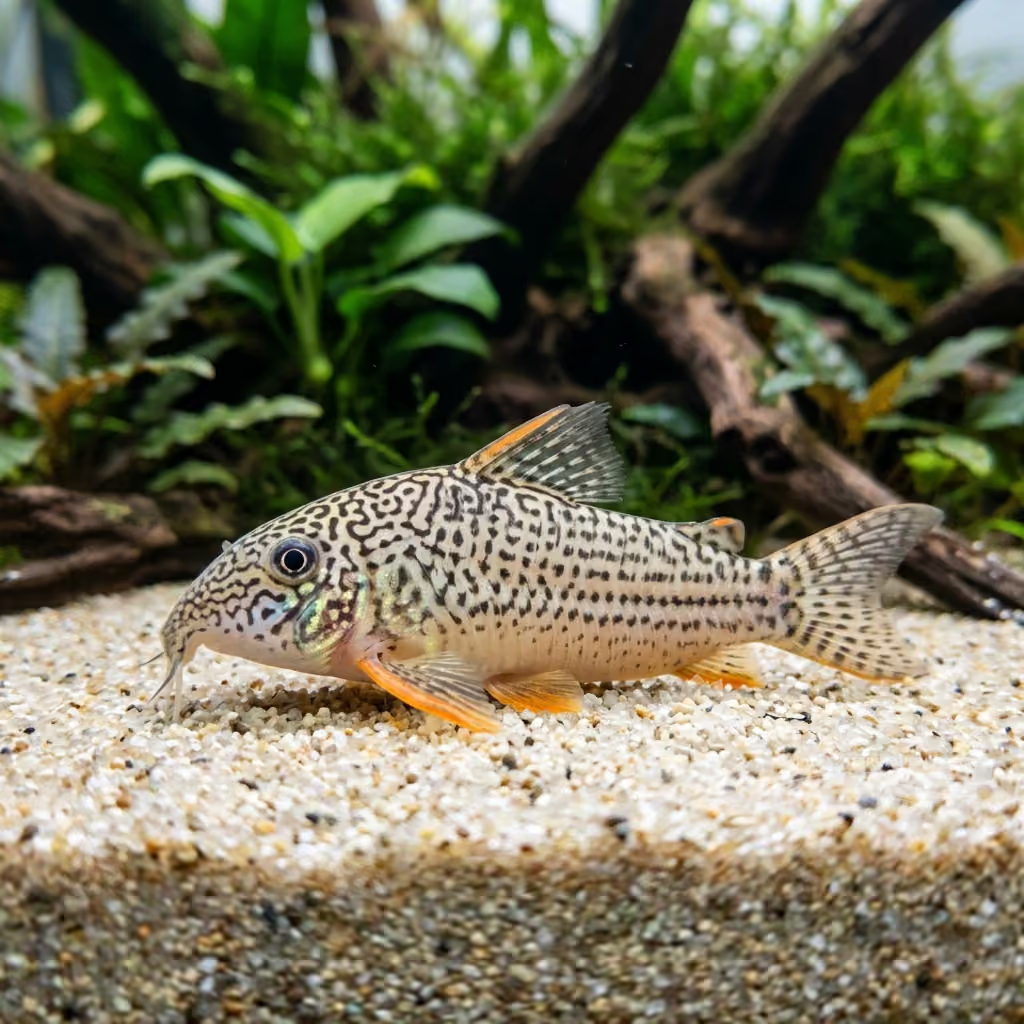
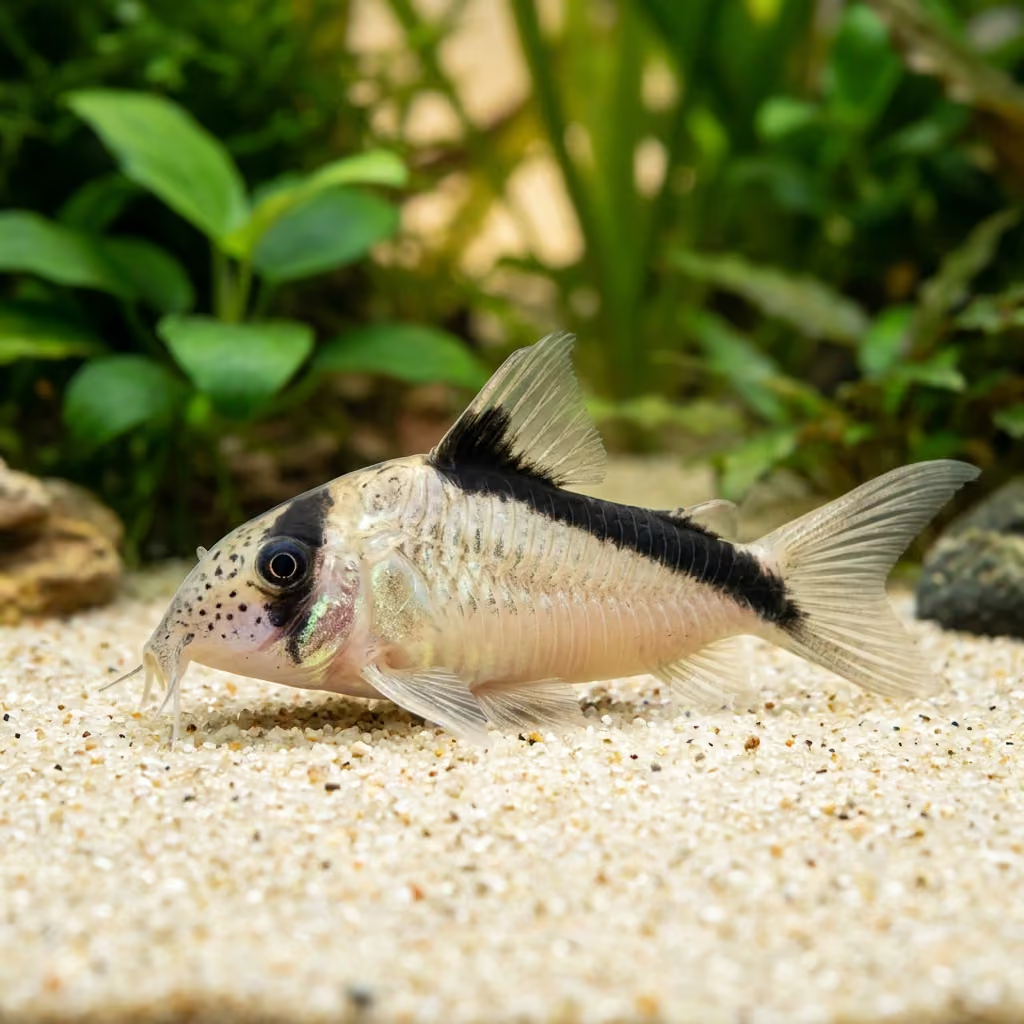
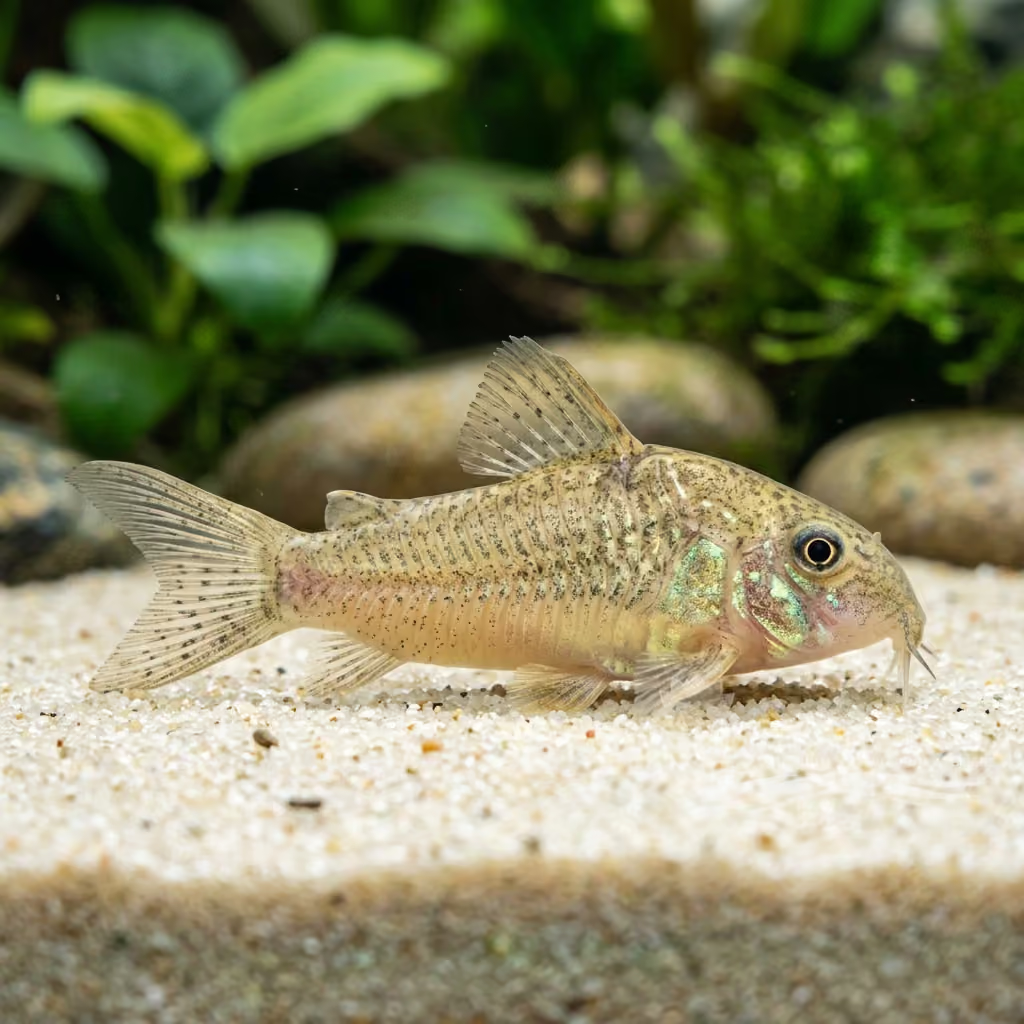
Imposing South American callichthyid, similar to a giant Corydoras with an iridescent emerald metallic knight armored body and a 15-18 ray dorsal fin.
Temperatura da água
22 - 26 °C
Valor de pH
6 - 7.2
Tipo de água
Água doce
Nível do tanque
Parte inferior
Tamanho adulto
8,5 cm
Volume mínimo do tanque
>= 120 L
Grupo mínimo
>= 6
GH
2 - 15 dGH
KH
3 - 10 dKH
TDS
60 - 325 ppm
Condutividade
94 - 508 uS/cm

Descrição da espécie
Geographical Origin and Habitat: Colossal species isolated in southern Brazil and Paraguay (Rio Paraguay/Paraná system). Concentrates in swamps (Pantanal), deep slow-water channels, and lakes invaded by dense aquatic vegetation and soft, muddy, and shaded substrates.
Taxonomy and Morphology: Armored giant of the Callichthyidae family. Separated from the Corydoras genus due to the imposing dimensions (8.5 cm / 3.3 inches) and the massive number of soft rays (generally from 15 to 17) on the sail-like dorsal fin that decorates its very robust profile.
Social Behavior: Timid gregarious mud-digger by nature. Needs an imposing troop (minimum 6-8 members) to overcome exposure fears and show the tireless evening and diurnal choral dances. Isolating them leads to clinical wasting or perennial immobility.
Coloration and Sexual Dimorphism: The livery of these living tanks is sensational: a brilliant metallic copper/emerald bone armor that envelops the entire gigantic thorax. Mature females easily identifiable by a disproportionate and very dilated abdominal diameter.

Cuidado, criação e companheiros de tanque
Aquarium Setup: Demands very wide tanks with tons of rigorous and purest very fine sand (zero pointed obstacles or sharp gravel) to vent the mammoth rooting ambitions. Structure shady floating woods and smooth branched root caves to alleviate stress.
Diet and Feeding: Omnivorous-carnivorous machine of demanding size. To be maintained stably with consistent daily doses (preferably in the evening) of excellent sinking pellets combined with gluttonous tri-weekly waves of earthworms and shelled shrimp in pieces, as well as colossal bloodworms.
Water Quality: Classic temperatures around 22-26°C (72-79°F). Tolerant on average but never basic values: prefers pH between 6.0 and 7.2, and proves indulgent on salts (GH 2-15). The abuse of pollutants caused by large meals in unsuitable tanks will however decree deadly ulcerations on the barbels.
Compatibility and Cohabitation: It will never hurt anyone, but has the size to compete in full-bodied tanks. Ideal together with medium/large but non-aggressive fish (Severum Cichlids, immense schools of Congo tetras). Woe to overlapping it with lethal territorial and large Plecostomus.
Aquarium Breeding: Virtually undocumented if not accidentally. Occurs in huge schools during cyclical drastic water refreshments and live hyper-feeding. The T-fertilization triggers the deposition of innumerable adhesive spheres and the sudden cannibalistic hunger towards them.
Risks and Diseases: At risk of total amputation of the sensory whiskers if kept on unsuitable stones. Present total clinical intolerance and enormous mortality in the face of commercial antiparasitic compounds (including pure salt and copper compounds).

Origem e distribuição geográfica
Colossal species isolated in southern Brazil and Paraguay (Rio Paraguay/Paraná system). Concentrates in swamps (Pantanal), deep slow-water channels, and lakes invaded by dense aquatic vegetation and soft, muddy, and shaded substrates.
Origem
Extra-Amazônica América do Sul

Perfil de peixe
- Temperamento
- Semi-aggressive
- Britski's Brochis is an exceptionally peaceful and non-aggressive fish that makes an ideal resident for community aquariums. They are highly gregarious and exhibit a strong shoaling instinct, meaning they feel most secure when surrounded by their own kind. They spend their days actively foraging together along the bottom, displaying a charming and busy demeanor. They show no territorial behavior and will not bother other tank inhabitants, even smaller species. Their passive nature means they can easily be intimidated by aggressive tank mates, so they should only be housed with peaceful species.
- Dieta
- Omnivore
- In their natural habitat, Britski's Brochis are benthic omnivores that sift through the substrate in search of insects, small crustaceans, worms, and plant matter. In the home aquarium, they should be offered a varied diet consisting of high-quality sinking catfish pellets and tablets. This should be supplemented regularly with live or frozen foods such as bloodworms, Tubifex, and brine shrimp to ensure optimal health. It is a common misconception that they can survive solely on leftovers or algae; they require targeted feeding to thrive. Feeding them just before the lights go out can also ensure they get their share of food if kept with active surface feeders.
- Expectativa de vida
- 5-10 years
- Tamanho adulto
- 8.5 cm
- Proporção sexual
- Group
- For Britski's Brochis, it is highly recommended to keep them in groups of at least six to eight individuals to encourage natural schooling behavior and reduce stress. While they do not have strict harem requirements, a balanced sex ratio is preferred if breeding is attempted. Having a slightly higher ratio of males to females, such as two males per female, can stimulate spawning activity. In a general community setting, maintaining a mixed-sex group will allow them to display their social interactions. Providing ample space is crucial to ensure that all individuals in the group can forage peacefully without competition.
- Frequência de alimentação
- Twice daily
- Britski's Brochis should be fed once or twice a day with amounts they can easily consume within a few minutes. Because they are slower foragers compared to active middle-water swimmers, it is important to ensure that food actually reaches the bottom. Feeding them in small portions throughout the day can prevent excess food from rotting and spoiling the water quality. Observing their bellies is a good way to gauge if they are receiving enough food, as they should appear slightly rounded but not bloated. Adjusting the schedule based on their activity levels and tank dynamics will help maintain their health and vitality.
- Carga biológica
- Low to Medium
- Despite being bottom-dwelling catfish, Britski's Brochis reaches a relatively large size for its subfamily and is kept in groups, leading to a low-medium biological load. They require a well-filtered aquarium with a mature nitrogen cycle to keep waste levels at a minimum. Regular partial water changes and vacuuming of the substrate are essential to prevent the accumulation of organic detritus. A high-quality external or canister filter is recommended to maintain the pristine water quality they require. Adequate oxygenation and water movement will also help keep the substrate clean and support their health.
- Fluxo
- Stagnant
- In nature, Britski's Brochis typically inhabits slow-moving rivers, backwaters, and oxbow lakes, meaning they prefer weak to moderate water flow in the aquarium. While they appreciate good water circulation and high oxygen levels, excessively strong currents can exhaust them and restrict their natural foraging behaviors. A gentle filter outlet or the use of spray bars is ideal to distribute the flow evenly across the tank. Providing calm zones with driftwood, rocks, and large-leaved plants allows them to rest comfortably when needed. Ensuring that the substrate area does not have strong drafts will encourage them to sift the sand peacefully.
- Risco de salto
- Yes
- While Britski's Brochis is not a chronic jumper by nature, they pose a moderate jump risk due to their natural behavior. Their habit of darting rapidly to the surface to breathe air can sometimes result in them accidentally leaping out of the aquarium if they misjudge the distance. They are also easily startled, and a sudden fright can trigger a panicked escape upwards. Consequently, a tight-fitting cover or lid is absolutely essential to prevent any tragic accidents. Keeping the water level slightly below the rim can also provide a safety margin for their surface dashes.
- Reprodução
- Oviparous
- Breeding Britski's Brochis in captivity is considered difficult, and there are very few documented reports of successful spawning in home aquariums. They are believed to follow the typical Corydoras spawning method, where the male and female form a 'T-position' during fertilization. The female then deposits adhesive eggs on clean surfaces such as plant leaves, aquarium glass, or flat stones. Spawning can sometimes be triggered by simulating the onset of the rainy season with large, cool water changes and feeding heavy amounts of live foods. If eggs are successfully laid, the parents should be removed immediately to prevent them from consuming the clutch.
- Compatibilidade e companheiros de tanque
- Peaceful
- Britski's Brochis is an excellent community fish that is highly compatible with a wide range of peaceful aquarium residents. They do best when housed with small to medium-sized non-aggressive species, such as tetras, rasboras, peaceful dwarf cichlids, and other bottom-dwelling catfish. They should not be kept with large, predatory, or highly aggressive tank mates that could see them as prey or bully them. Furthermore, because they are peaceful and slow to compete for food, hyperactive tank mates should be monitored to ensure the Brochis receive adequate nutrition. Their armor-like scutes provide some protection, but they still require a peaceful environment to thrive.
- Nível do tanque
- Bottom
- Britski's Brochis is a primary bottom dweller that spends the vast majority of its time foraging along the substrate. They will occasionally venture into the middle zones of the aquarium, especially in heavily planted setups or when searching for food. They are also known to make sudden, rapid dashes to the water's surface to take a gulp of atmospheric air. This behavior is normal for members of the Callichthyidae family and is done for intestinal respiration. Therefore, while they are classified as bottom-dwelling fish, they utilize multiple levels of the tank at times.

Modelos e parâmetros científicos
FishBase
Acesso aos dados científicos oficiais da espécie
FishBase v25.04Dados sincronizados em: 15/06/2026
- Nível trófico
- 2,9 ± 0,3 se
- Resiliência
- Alta (menos de 15 meses)
- Unicidade filogenética (PD50)
- 0.5
- Relação bayesiana comprimento-peso
- a = 0.00741, b = 3.14
- VulnerabilidadeVulnerabilidade baixa (10 / 100)

Espécies relacionadas
Recomendações agrupadas por parentes próximos, escolhas de acompanhantes e cuidados semelhantes.