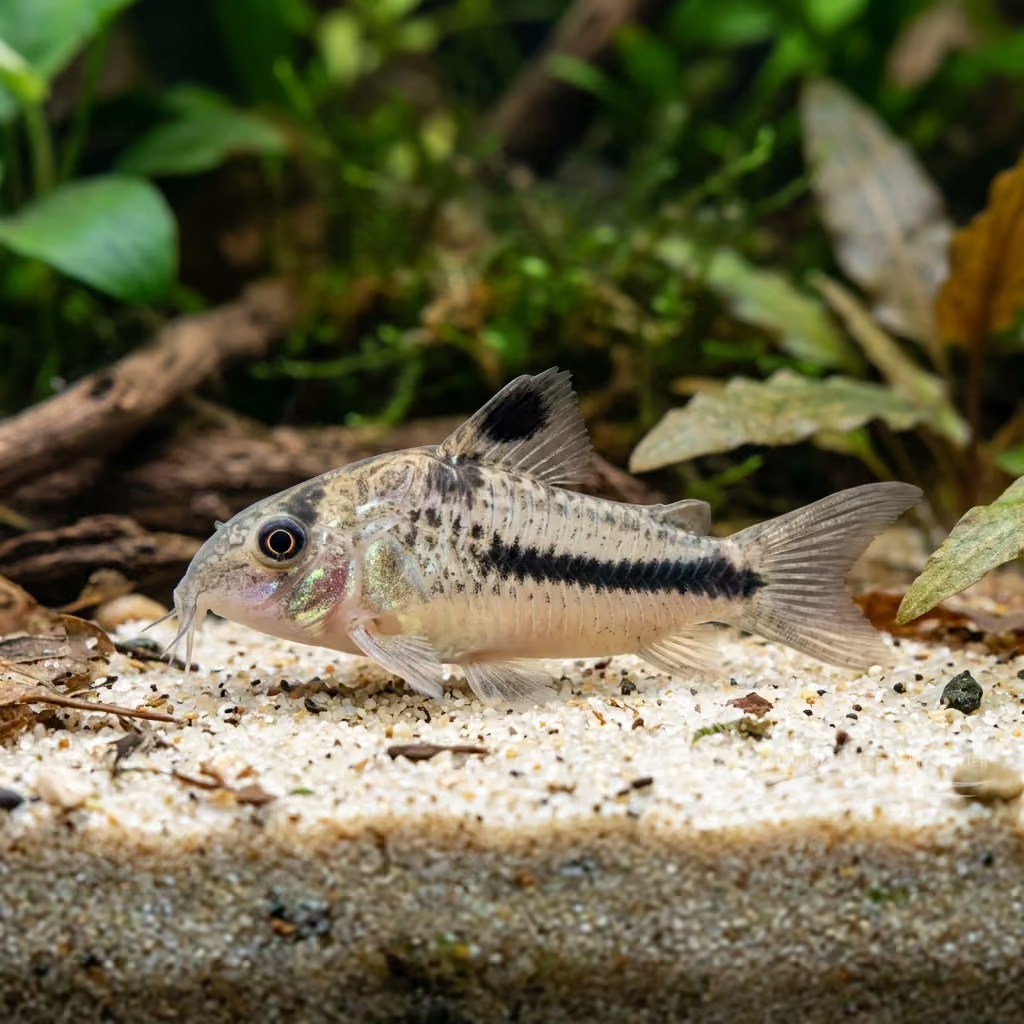
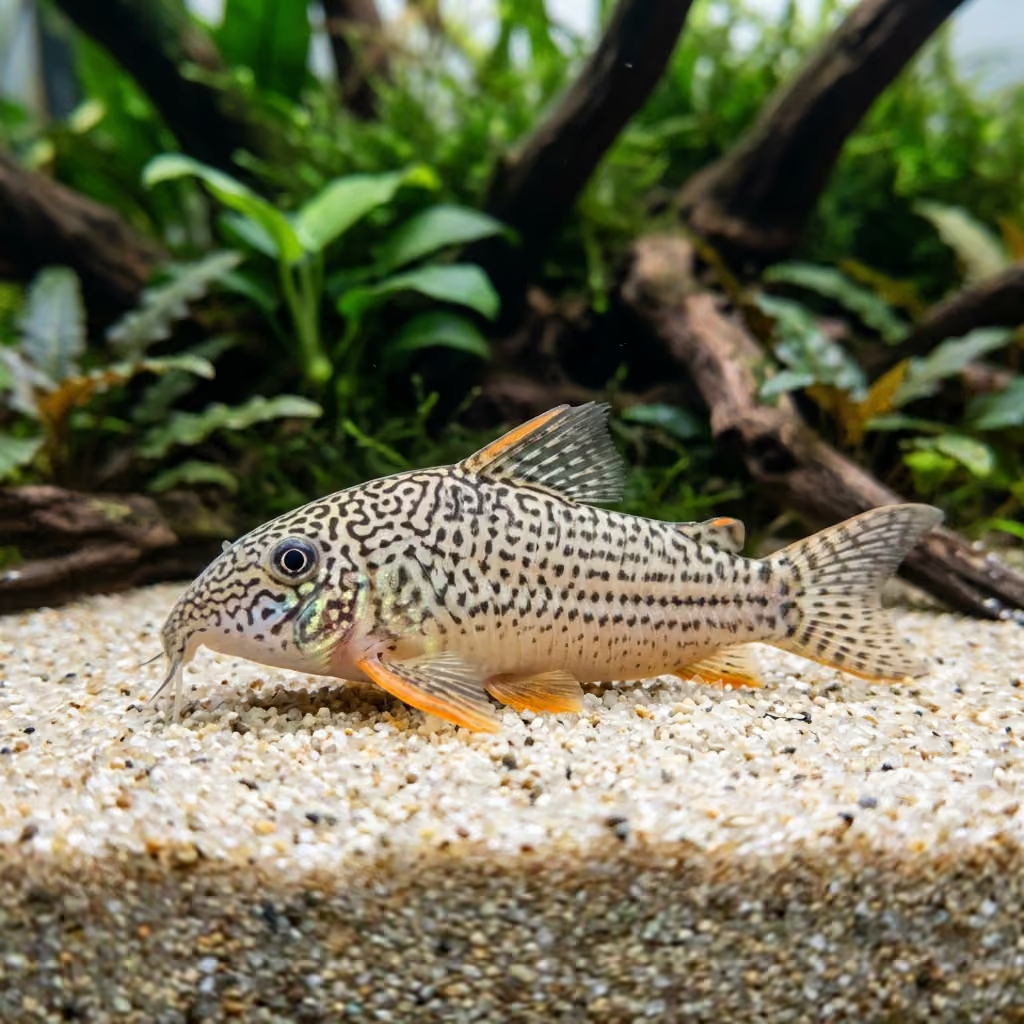
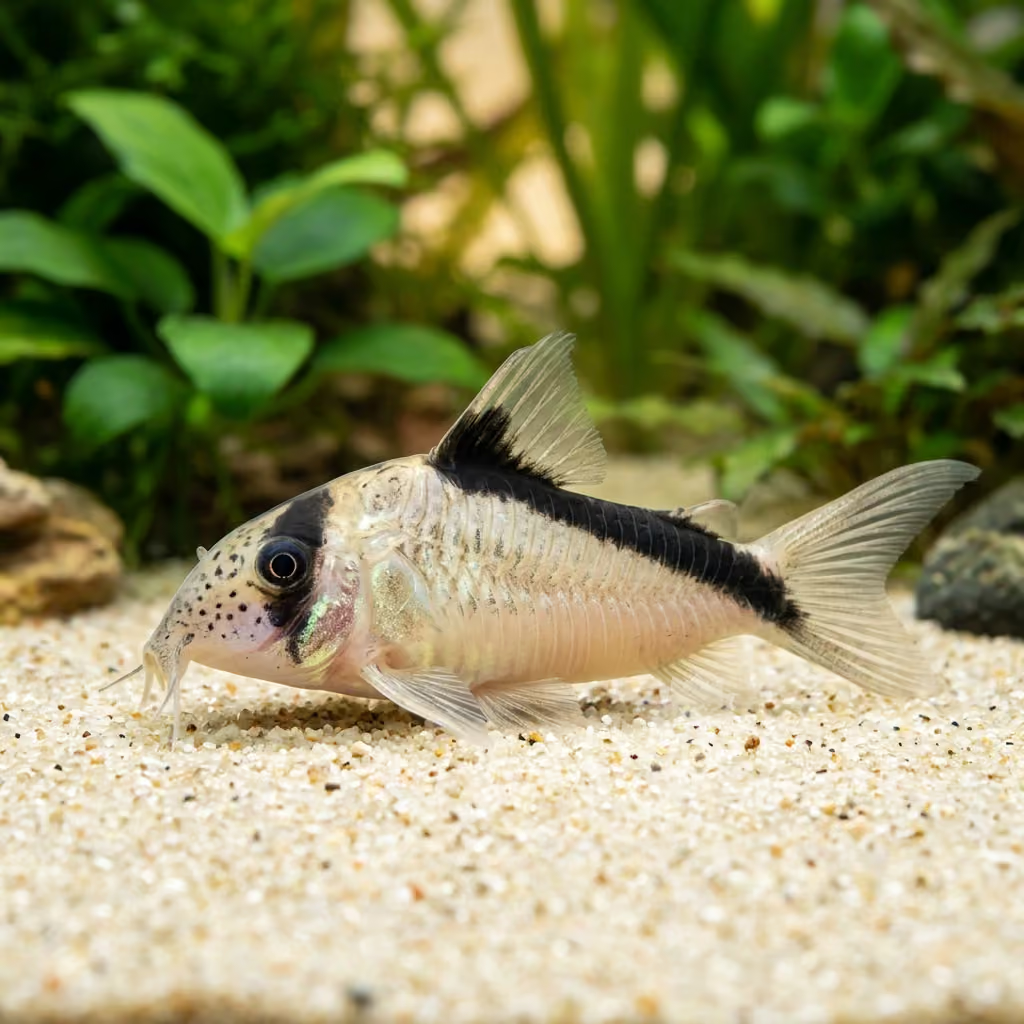
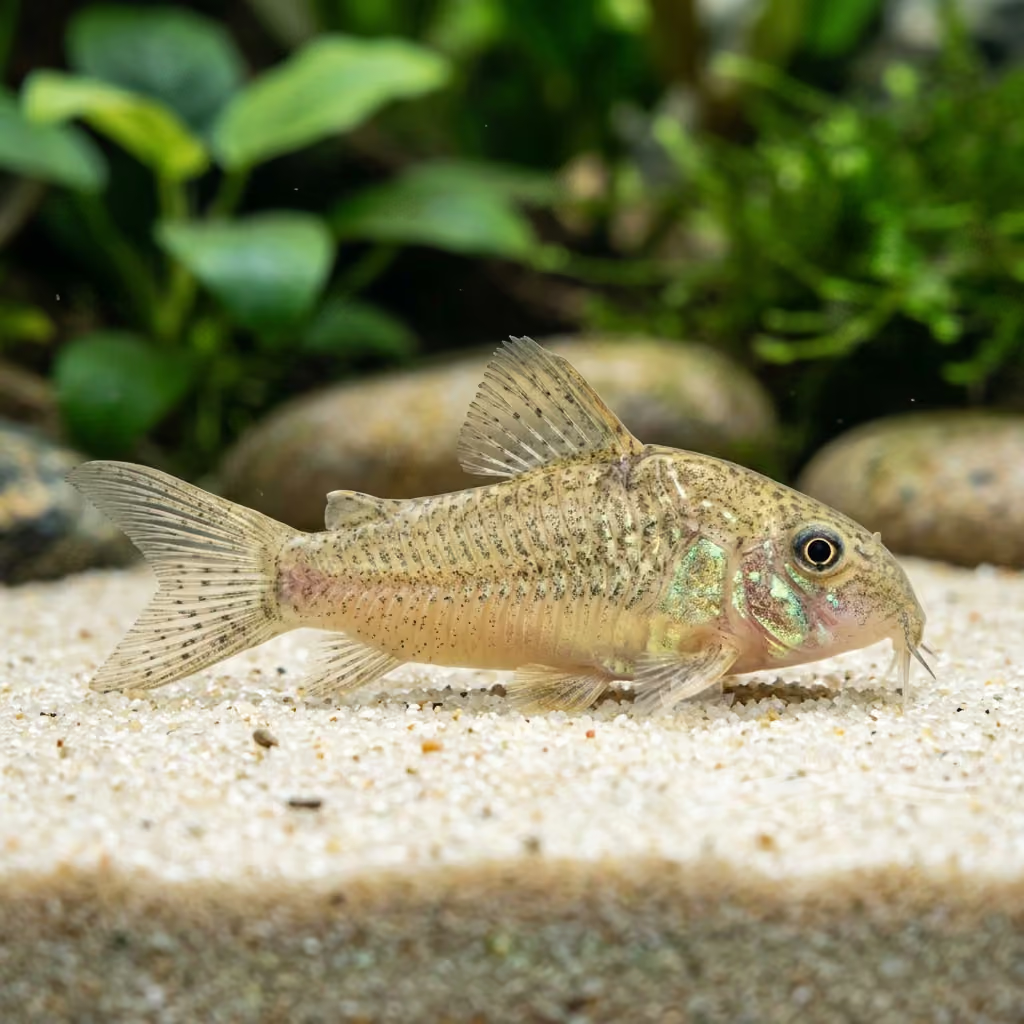
Hog-nosed Brochis
Brochis multiradiatus
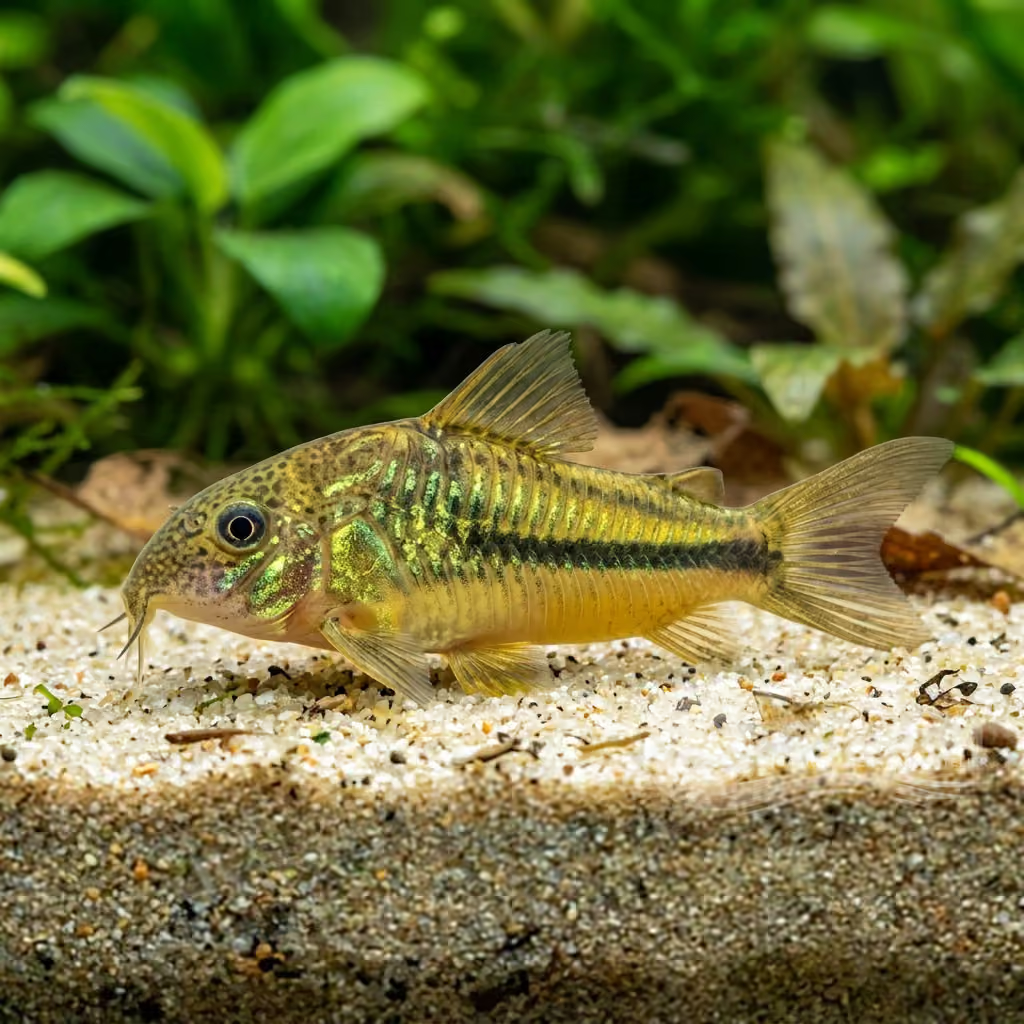
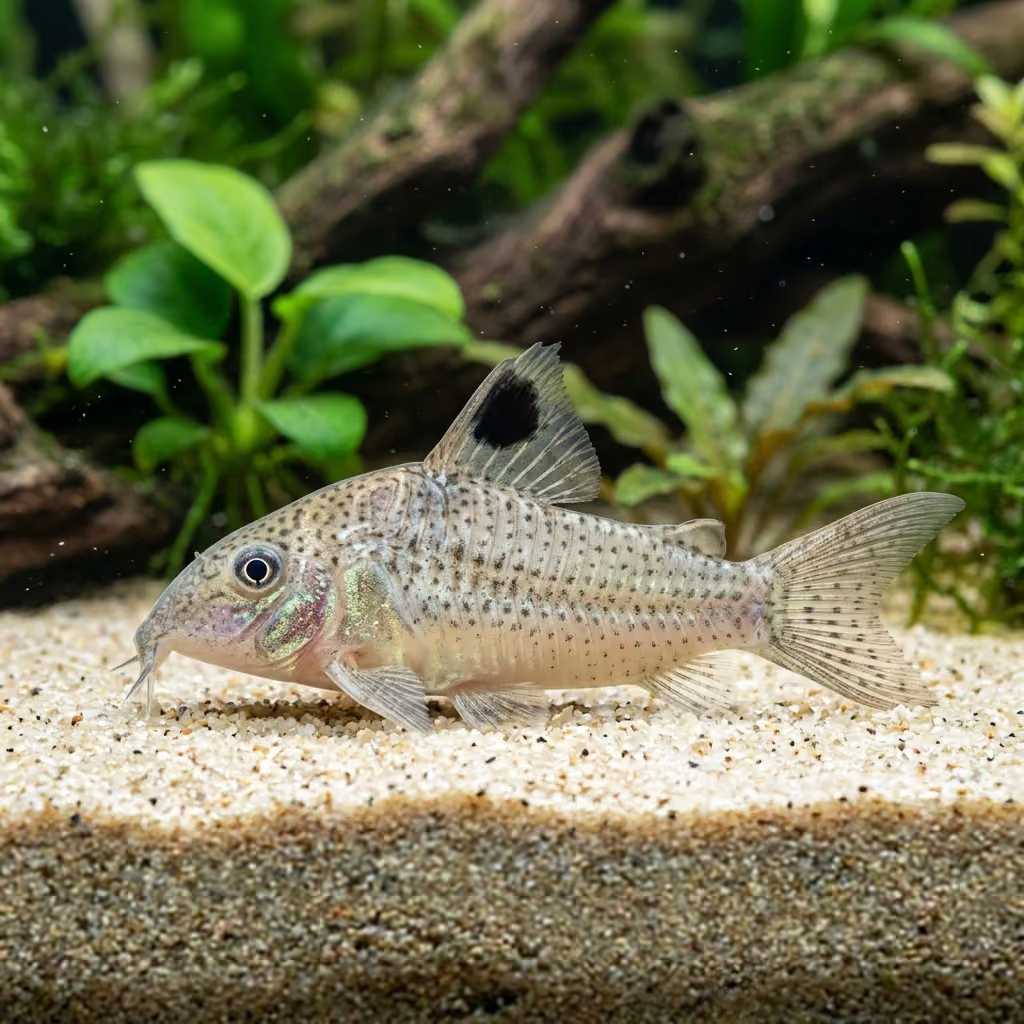
Characterized by the longest and exceptionally pronounced snout of the three Brochis, resembling a miniature pig. It boasts an extraordinarily wide dorsal fin (17 rays).
Temperatura da água
22 - 26 °C
Valor de pH
6 - 7.2
Tipo de água
Água doce
Nível do tanque
Parte inferior
Tamanho adulto
10 cm
Volume mínimo do tanque
>= 250 L
Grupo mínimo
>= 6
GH
2 - 15 dGH
KH
3 - 10 dKH
TDS
60 - 325 ppm
Condutividade
94 - 508 uS/cm

Descrição da espécie
Geographical Origin and Habitat: Inhabits hydrographic basins in Ecuador (Rio Napo) and large areas of western Peru. It is found in white waters and shady swamps with a clay/muddy bed in which it swims slowly, raising powerful clouds of sediment during its frantic search for food.
Taxonomy and Morphology: The "king" of Callichthyidae and Brochis. Titanic size (exceeds 10 cm / 4 inches). Named "Hog-nosed" for the exaggeratedly long and pointed snout compared to B. splendens, and "multiradiatus" due to the endless spiny dorsal sail (17-18 soft rays).
Social Behavior: Monstrous digger. Extremely shy and evasive if bred below the minimum threshold (6 specimens), it will tend to hide away for life. In its school, however, it acts undaunted, moving the entire layout in a frantic search for earthworms and crustaceans.
Coloration and Sexual Dimorphism: Invulnerable and sparkling bone armor. A dazzling metallic green and turquoise coats the flanks on a golden or pinkish base. The huge females in heat literally resemble "blimps" and differ visibly from the males, which are thinner and more aerodynamic.

Cuidado, criação e companheiros de tanque
Aquarium Setup: Colossal tanks (at least 250 liters) with equally exaggerated bottoms in very fine silica sand (essential to sink the immense snout). Any coarse substrate will shatter its whiskers. Create hiding places with monumental roots and dim light.
Diet and Feeding: Feed saturator: must be fed vigorously and continuously to avoid starvation. Sinking pellets must be supported, without fail, by very heavy constant injections of live and frozen food (whole earthworms, giant tubifex, mysis and bloodworms).
Water Quality: Demands stability and powerful filtration to dispose of the enormous biological waste. Thermal range 22-26°C (72-79°F). The water must have a slightly acidic or neutral pH (6.0 - 7.2) and tolerant hardness (GH 2-15). Ammonia spikes fatally erode the long barbels.
Compatibility and Cohabitation: Gentle giant. Excellent in Amazonian community mega-layouts associated with Discus, large schools of Tetras (Bleeding heart tetras) or herbivorous Loricariids. Not recommended for pairing with large Eartheaters (Geophagus) that would end up constantly stealing its meal.
Aquarium Breeding: Very rare event, triggered exclusively by impressive monsoon changes (temperature drops with RO) and wild fattening with live food. Classic T-position, followed by the laying of immense eggs on the glass, immediately targeted by the hungry school.
Risks and Diseases: In addition to the obvious fatal atrophy of the barbels caused by abrasive substrates, lightning-fast massacres are recorded if exposed to prophylactic treatments with regular doses of Copper, Malachite green or pure salt in the tank.

Origem e distribuição geográfica
Inhabits hydrographic basins in Ecuador (Rio Napo) and large areas of western Peru. It is found in white waters and shady swamps with a clay/muddy bed in which it swims slowly, raising powerful clouds of sediment during its frantic search for food.
Origem
Amazônia, Orinoco e Guianas

Perfil de peixe
- Temperamento
- Semi-aggressive
- Brochis multiradiatus is an extremely peaceful, social, and non-aggressive catfish. They thrive when kept in groups, displaying playful shoaling behavior as they forage together on the tank floor. They do not possess territorial tendencies and will not bother any tankmates, making them ideal residents for community aquariums. Because of their gentle nature, they should not be housed with aggressive or boisterous fish that might outcompete them for food or bully them.
- Dieta
- Omnivore
- This species is omnivorous and actively searches the substrate for a variety of foods. Their diet should consist of high-quality sinking pellets or tablets formulated for catfish as their staple food. This should be regularly supplemented with live or frozen foods such as bloodworms, tubifex, and brine shrimp to ensure optimal health. Since they feed on the bottom, care must be taken to ensure that food actually reaches them and is not entirely consumed by surface-dwelling tankmates.
- Expectativa de vida
- 5-10 years
- Tamanho adulto
- 10 cm
- Proporção sexual
- Group
- This species does not require a strict male-to-female ratio for general aquarium keeping, though females are usually rounder and larger than males. However, they are highly social shoaling fish and must be kept in groups of at least 5 to 6 individuals to feel secure. In smaller numbers, they can become stressed, timid, and remain hidden most of the time. When aiming to breed them, providing a group with a higher ratio of males to females can sometimes help stimulate spawning behavior.
- Frequência de alimentação
- Twice daily
- It is recommended to feed Brochis multiradiatus once or twice daily with portions they can consume within a few minutes. Providing multiple smaller feedings can help mimic their natural behavior of continuous foraging throughout the day. It is best to feed them in the evening or shortly before turning off the lights, as they are naturally more active during twilight hours. Any uneaten food should be monitored and removed to prevent it from decaying and fouling the water.
- Carga biológica
- Medium
- Brochis multiradiatus is a relatively large bottom-dwelling catfish, which means it produces a higher amount of biological waste than smaller Corydoras species. To manage this bioload effectively, a powerful filtration system with both mechanical and biological media is highly recommended. Regular water changes of at least 25% are necessary to maintain low nitrate levels, as this species is particularly sensitive to poor water quality. Keeping the sandy substrate clean of accumulated waste is also vital to prevent infections of their sensitive sensory barbels.
- Fluxo
- Stagnant
- In the aquarium, Brochis multiradiatus prefers a moderate water flow that is well-oxygenated. While they inhabit areas with gentle currents in the wild, they also venture into swifter streams and benefit from active circulation to keep the substrate clean. A moderate flow helps distribute oxygen throughout the tank, which is essential for their health and energy levels. However, the current should not be so strong that it prevents them from resting comfortably on the bottom.
- Risco de salto
- Yes
- There is a notable risk of jumping with this species due to their unique physiological behavior of gulping atmospheric air. During these rapid ascents to the surface, they can build up significant momentum and accidentally leap out of the water. Therefore, a secure, tight-fitting lid or cover is essential to prevent them from jumping out of the aquarium. It is also important to leave a small gap of air between the water surface and the lid so they can safely breathe without injury.
- Reprodução
- Oviparous
- Breeding Brochis multiradiatus in captivity is considered difficult and is rarely achieved by casual hobbyists. To trigger spawning, breeders must simulate the rainy season by performing large water changes with cooler, soft water. The fish exhibit a classic spawning behavior where they lay eggs on broad leaves or flat surfaces, which must then be protected from the parents. Raising the fry is challenging as they require extremely clean water and tiny live foods like infusoria or baby brine shrimp.
- Compatibilidade e companheiros de tanque
- Peaceful
- Due to their peaceful nature, Brochis multiradiatus is highly compatible with a wide range of non-aggressive tankmates. Ideal companions include small tetras, rasboras, peaceful dwarf cichlids, and other gentle catfish species. They should not be kept with large, aggressive, or territorial species that might stress or prey on them. Additionally, fast-swimming surface feeders should be balanced so that the bottom-dwelling Brochis can feed without competition.
- Nível do tanque
- Bottom
- Brochis multiradiatus is a dedicated bottom-dwelling species that spends almost all of its time sifting through the substrate in search of food. They require a soft, sandy substrate that allows them to perform this natural digging behavior without damaging their delicate snouts and barbels. Although they reside at the bottom, they will occasionally make rapid vertical dashes to the surface to gulp atmospheric air. After gathering air, they immediately return to the substrate to resume their foraging activities.

Modelos e parâmetros científicos
FishBase
Acesso aos dados científicos oficiais da espécie
FishBase v25.04Dados sincronizados em: 15/06/2026
- Nível trófico
- 2,9 ± 0,3 se
- Resiliência
- Alta (menos de 15 meses)
- Unicidade filogenética (PD50)
- 0.5
- Relação bayesiana comprimento-peso
- a = 0.01778, b = 3.02
- VulnerabilidadeVulnerabilidade baixa (10 / 100)

Espécies relacionadas
Recomendações agrupadas por parentes próximos, escolhas de acompanhantes e cuidados semelhantes.