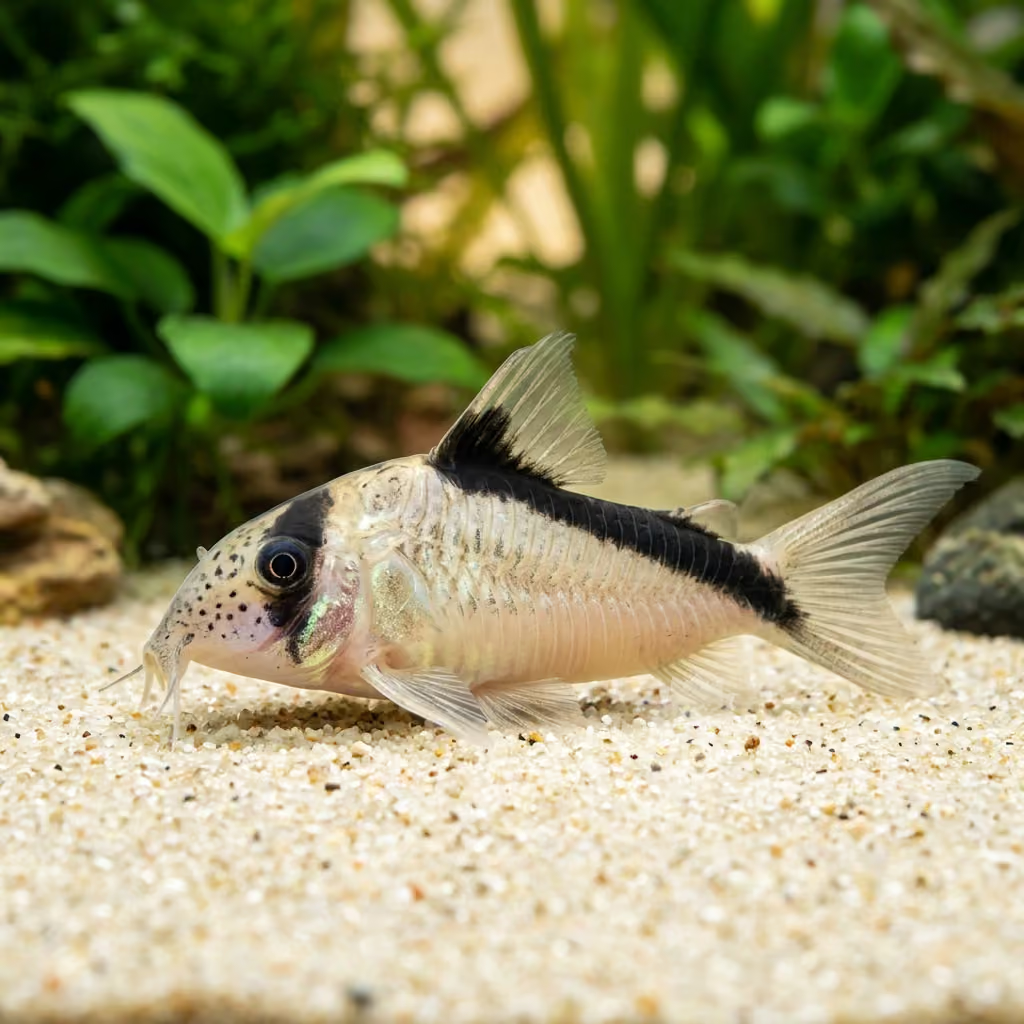
Black Acara (Two-spot Cichlid)
Cichlasoma bimaculatum
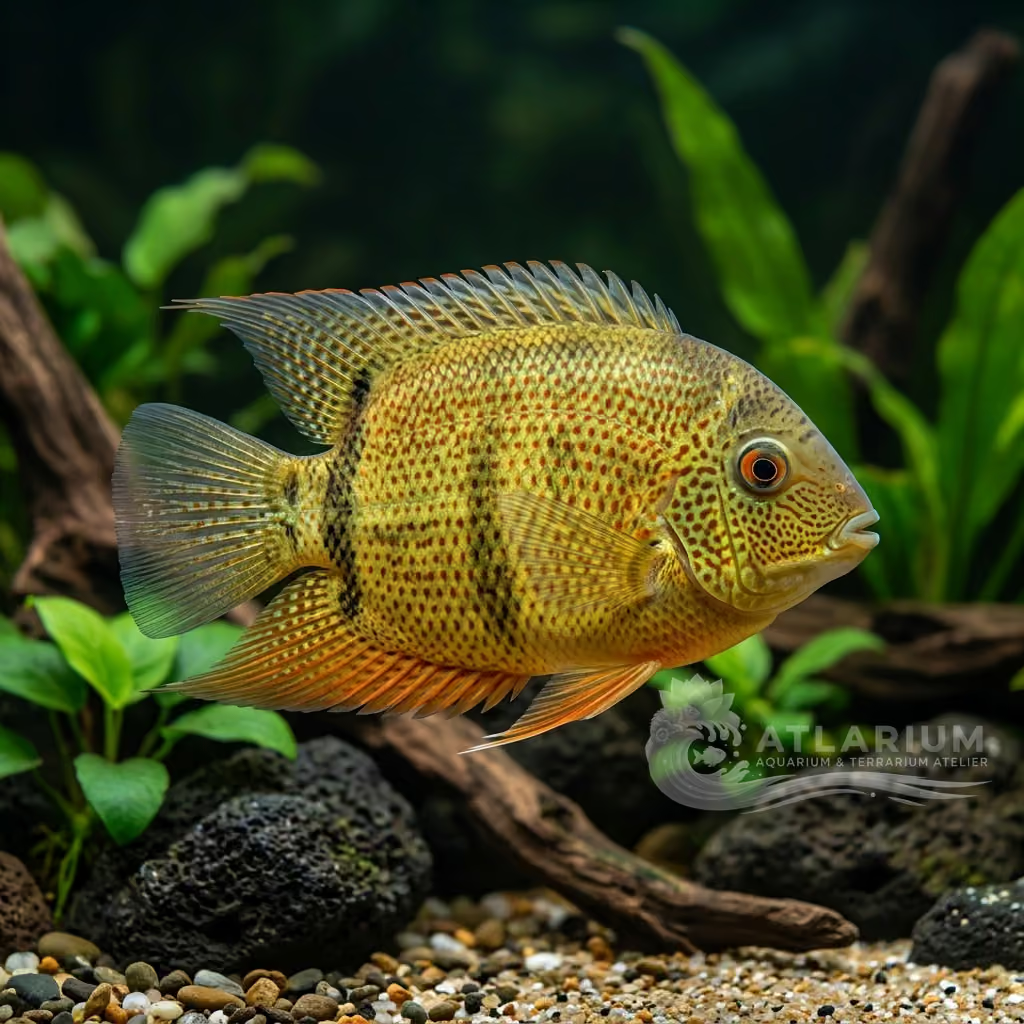
The serene and fascinating 'Black Acara' or 'Two-spot Cichlid' (12-15 cm). While lacking the flashy iridescence of its cousins (such as Andinoacara pulcher), it amply compensates with a proverbial hardiness and a quiet temperament. Extraordinary for crowded Amazonian community tanks, it is an easy and modest cichlid.
Temperatura da água
22 - 28 °C
Valor de pH
6 - 7.5
Tipo de água
Água doce
Nível do tanque
Parte inferior e intermediária
Tamanho adulto
20 cm
Volume mínimo do tanque
>= 180 L
Grupo mínimo
>= 1
GH
4 - 12 dGH
KH
2 - 6 dKH
TDS
80 - 240 ppm
Condutividade
125 - 375 uS/cm

Descrição da espécie
Geographical Origin and Habitat: Wide range from the Orinoco basin to the Guianas and part of the Amazon. Found in coastal swamps, slow streams, canals and flooded areas with low current.
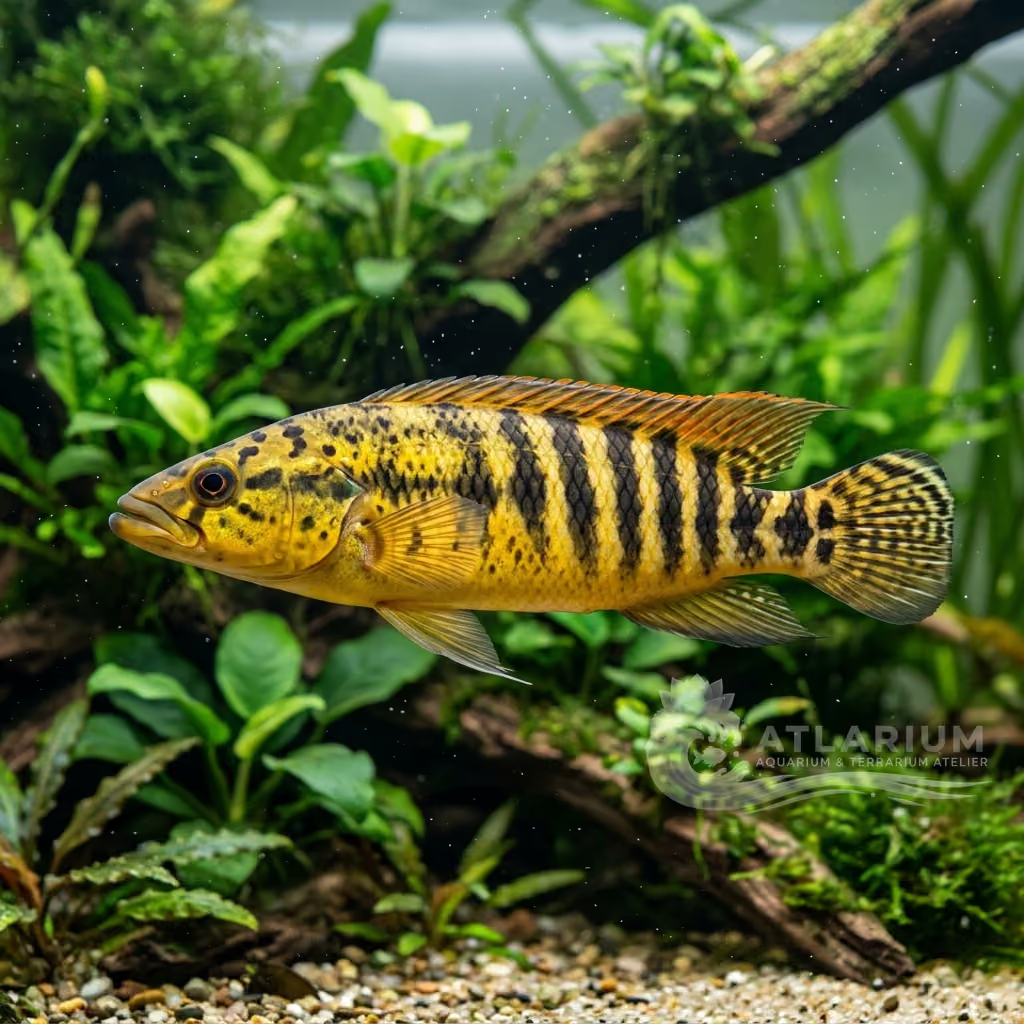
Taxonomy and Morphology: Black Acara (Cichlasoma bimaculatum). Type species of the Cichlasoma genus. Stocky and robust cichlid, reaches 20 cm (8 inches) in length. Rounded profile and stocky snout.
Social Behavior: Of a moderately aggressive nature compared to other cichlids, it digs tirelessly in the substrate moving sand and debris to model its territory.
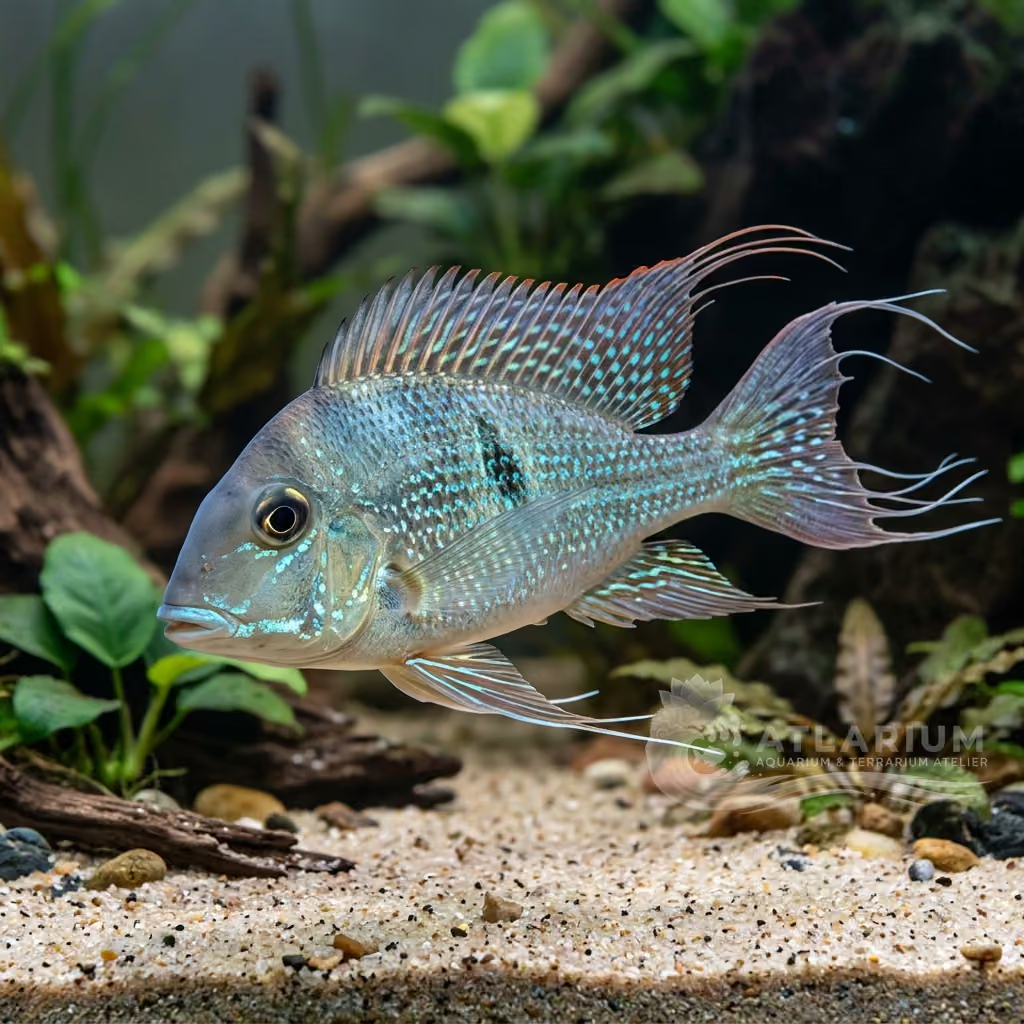
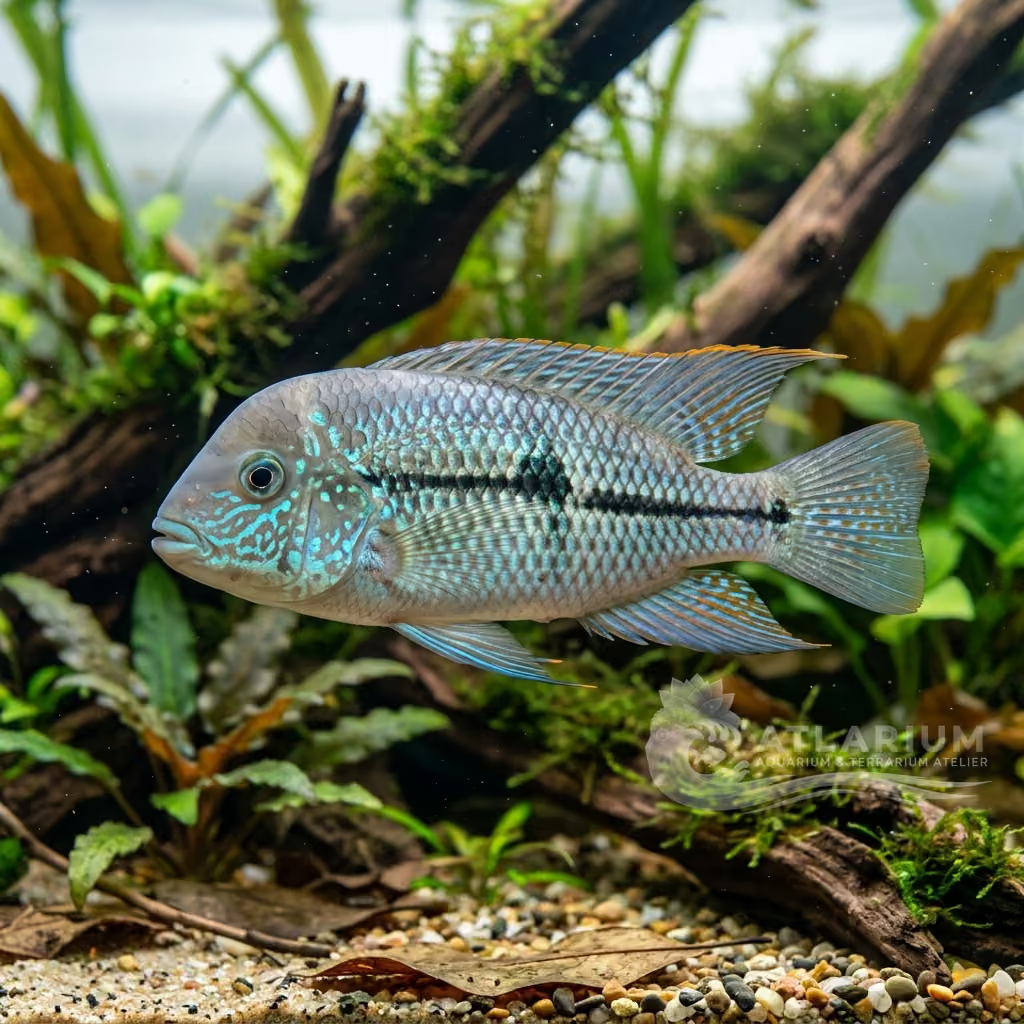
Coloration and Sexual Dimorphism: Dark greenish-gray color ("Black Acara") with metallic reflections or iridescence. Takes its name from the two black ocelli ("bimaculatum"), one mid-flank and one on the caudal peduncle. Larger males with pointed fins.

Cuidado, criação e companheiros de tanque
Aquarium Setup: Tank of at least 120 cm (48 inches). The bottom must be fine sand to allow digging, topped by well-anchored rocks (or it will uproot everything). Live plants will be unearthed or eaten, better to use Anubias attached to wood.
Diet and Feeding: Very robust omnivore. Grinds practically everything: cichlid pellets, earthworms, snails (crushes them in its mouth), whole shrimp and pieces of vegetable. Not a picky eater.
Water Quality: Extremely adaptable to different chemical water conditions, preferring pH between 6.0 and 7.5 and medium-low hardness. Requires oversized mechanical filtration to manage the debris raised by digging.
Compatibility and Cohabitation: Ideal companion for armored Loricariids (Plecostomus), large Characins or other medium South American Cichlids that are not too belligerent (Geophagus, Severum). Will eat small fish (Neons) that fit in its mouth.
Aquarium Breeding: Prolific breeders. They lay hundreds of eggs on carefully cleaned flat stones. Both parents explosively protect the larvae and parade the cloud of fry, defending a large perimeter.
Risks and Diseases: In small aquariums the aggression towards tankmates will become unbearable and lethal for the latter, especially during the mating season.

Origem e distribuição geográfica
Wide range from the Orinoco basin to the Guianas and part of the Amazon. Found in coastal swamps, slow streams, canals and flooded areas with low current.
Origem
Amazônia, Orinoco e GuianasLeste Asiático

Perfil de peixe
- Temperamento
- Semi-aggressive
- It displays a peaceful and inquisitive temperament that transitions into strong territoriality during the spawning cycle. It often enjoys exploring the sandy substrate, digging and shifting small piles of sand to clear its territory. The species forms stable pair bonds and will display clear dominant or submissive behaviors within the tank.
- Dieta
- Omnivore
- This is a robust and opportunistic omnivore that accepts a wide variety of commercial and fresh foods. Its ideal diet consists of high-quality cichlid pellets alternated with live or frozen foods such as krill, mysis, and bloodworms. It is highly recommended to include a plant-based component, like spirulina or boiled peas, to promote optimal digestion.
- Expectativa de vida
- 10-20 years
- Tamanho adulto
- 20 cm
- Proporção sexual
- Solitary
- This cichlid is best kept in confirmed male-female pairs if breeding and long-term cohabitation are the goals. A 1:1 sex ratio prevents the extreme aggression that occurs when multiple males are present in the same territory. It is standard practice to grow out a small group of juveniles and let a pair form naturally, after which the remaining individuals should be rehomed to prevent them from being bullied to death. Keeping a single specimen is also a very viable option if breeding is not desired.
- Frequência de alimentação
- Twice daily
- The recommended feeding frequency is once or twice daily, providing carefully controlled portion sizes. Overfeeding can lead to obesity-related health issues and rapidly degrade the aquarium's water quality. It is important to ensure that all fish receive their portion of food without inducing excessive competition.
- Carga biológica
- Medium
- The black acara produces a moderately heavy bioload due to its messy eating habits and relatively robust size. They are opportunistic omnivores that require substantial daily feedings, which subsequently generates a high amount of physical waste and dissolved organics. High-capacity canister filtration and routine gravel vacuuming are essential to prevent the accumulation of detritus and nitrate spikes. An undersized filtration system will quickly be overwhelmed by the bioload of a fully grown adult.
- Fluxo
- Stagnant
- It prefers calm environments with a weak to moderate water flow, mimicking its natural habitats like slow-moving creeks and swamps. A moderate current ensures the fish remains comfortable and can patrol the substrate without fighting the current. High-powered filters should be outfitted with spray bars or baffles to diffuse the flow rate.
- Risco de salto
- Yes
- Black acaras carry a moderate jump risk, often triggered by territorial disputes or sudden environmental shocks. While they do not naturally leap to catch prey, their powerful tails can easily propel them over the tank rim if they are frantically trying to escape aggression. A standard, fully secured aquarium lid is highly recommended to eliminate the risk of accidental jumping. Careful monitoring of tank dynamics also ensures they do not feel pressured enough to attempt an escape.
- Reprodução
- Oviparous
- Substrate spawning is common in this species, characterized by highly developed parental care from both the male and female. The pair deposits their eggs on smooth surfaces such as flat stones or driftwood, defending the site fiercely. Once hatched, the fry are closely guarded and frequently relocated to small pits dug in the sand.
- Compatibilidade e companheiros de tanque
- With caution
- It is compatible with robust fish of similar size, such as medium-to-large characins, armored catfish, and other peaceful cichlids. Small fish or highly timid species must be avoided as they will likely be intimidated or eaten. During the breeding cycle, the pair will claim a large territory, making temporary isolation beneficial.
- Nível do tanque
- Middle/Bottom
- The black acara predominantly inhabits the bottom and lower-middle regions of the aquarium. They are avid diggers that spend hours sifting through the substrate in search of leftover food and interacting with the tank's bottom structure. They require a soft, sandy bottom to prevent damage to their mouths and gills during this natural foraging behavior. They rarely swim near the surface except when actively taking food dropped from above.

Modelos e parâmetros científicos
FishBase
Acesso aos dados científicos oficiais da espécie
FishBase v25.04Dados sincronizados em: 15/06/2026
- Nível trófico
- 3,6 ± 0,53 se
- Resiliência
- Baixa (4,5 - 14 anos)
- Unicidade filogenética (PD50)
- 0.5001
- Relação bayesiana comprimento-peso
- a = 0.02188, b = 3.05
- VulnerabilidadeVulnerabilidade baixa (20 / 100)

Espécies relacionadas
Recomendações agrupadas por parentes próximos, escolhas de acompanhantes e cuidados semelhantes.