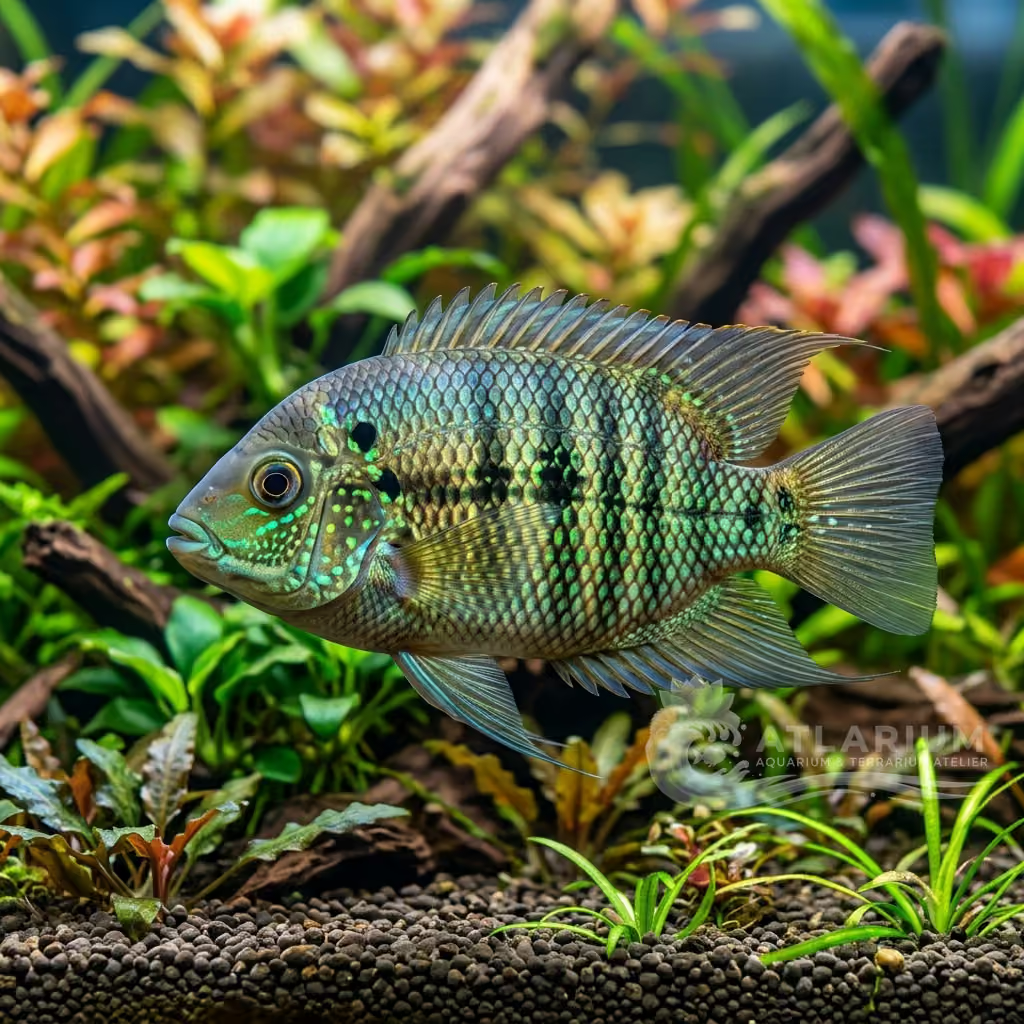
Pinstripe damba
Paretroplus menarambo
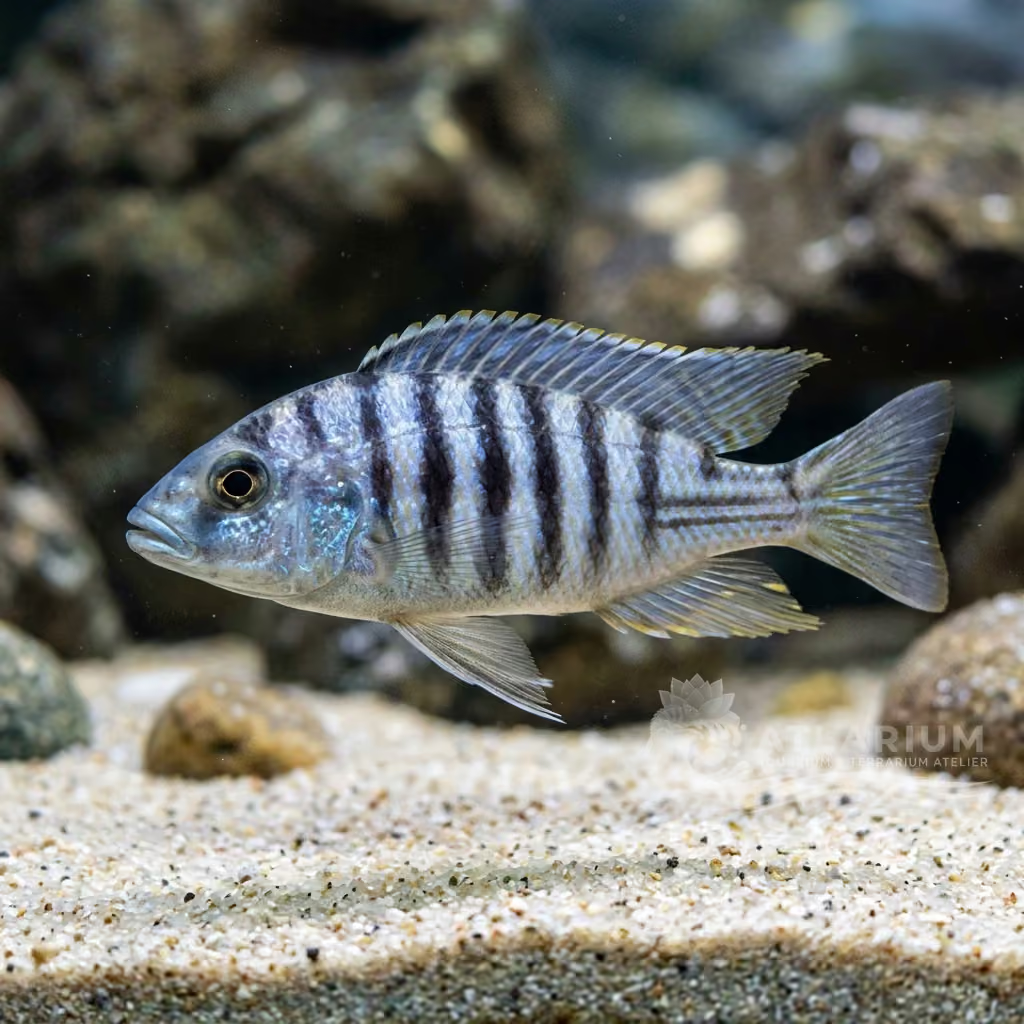
A critically endangered Malagasy cichlid defined by a high-bodied profile and thin horizontal stripes. Requires massive aquariums with fine sand to accommodate its earth-sifting habits.
Temperatura da água
24 - 28 °C
Valor de pH
7 - 8
Tipo de água
Água doce
Nível do tanque
Parte inferior e intermediária
Tamanho adulto
25 cm
Volume mínimo do tanque
>= 300 L
Grupo mínimo
>= 1
GH
10 - 20 dGH
KH
6 - 12 dKH
TDS
210 - 420 ppm
Condutividade
328 - 656 uS/cm

Descrição da espécie
Geographical Origin and Habitat: This species is endemic to northwestern Madagascar, originally found in the Sofia River basin and Lake Sarodrano. Due to habitat destruction and the introduction of predatory exotic species, it is considered extinct or critically endangered in the wild, surviving mostly through captive breeding programs. They inhabit lakes and slow-flowing rivers with sandy substrates.
Taxonomy and Morphology: Belongs to the family Cichlidae, subfamily Etroplinae. The body is highly compressed laterally and disc-shaped, with a steep head profile that becomes more prominent in older fish. Adults can reach a size of 25-30 cm in length. The fins are robust and well-suited for stable positioning in gentle currents.
Social Behavior: Highly gregarious. It is essential to keep them in a group of at least 5-6 individuals to distribute intraspecific aggression, which is natural among cichlids. A distinct social hierarchy will be established. During the spawning season, mated pairs become highly territorial and defensive of their chosen nesting site.
Coloration and Sexual Dimorphism: The body coloration is a base of silver-gray or pale blue, covered in numerous fine horizontal dark stripes made of small black or brown dots (pinstripes). The caudal fin has a distinctive bright red or orange margin. Sexual dimorphism is minimal; mature males are slightly larger and may develop a small nuchal hump.

Cuidado, criação e companheiros de tanque
Aquarium Setup: Requires a very large aquarium of at least 400-500 liters for a small group. The substrate must consist of fine sand, as this species naturally sifts through the sand for food. Decorate with large, stable rocks and driftwood to break lines of sight while leaving plenty of open swimming space. Secure plants like Anubias to prevent uprooting.
Diet and Feeding: Omnivorous with a preference for benthic invertebrates, snails, and crustaceans. In captivity, feed them live or frozen foods such as krill, mysis, chopped shrimp, and bloodworms. They also readily accept high-quality sinking pellets and granules designed for large cichlids, which should be supplemented with vegetable matter.
Water Quality: Demands pristine water conditions with high filtration turnover. Regular weekly water changes of 30-40% are necessary. The ideal parameters are: temperature between 24 and 28 degrees Celsius (75-82°F), pH slightly alkaline to neutral (7.0 to 8.0), and medium to hard water (GH 10-20, KH 6-12). Monitor nitrate levels closely.
Compatibility and Cohabitation: Can be housed with other robust Malagasy cichlids or similarly sized, non-aggressive fish that thrive in the same water parameters. Do not house with small fish, which may be consumed, or with highly aggressive species that could dominate the feeding zone and stress the group.
Aquarium Breeding: Breeding can be achieved in a well-maintained setup. Mated pairs will clean a flat rock or vertical surface for egg deposition. The eggs are adhesive, and both parents guard the nest and fry diligently. Feed the free-swimming fry newly hatched brine shrimp nauplii and finely crushed dry foods.
Risks and Diseases: Prone to Head and Lateral Line Erosion (HLLE/hole-in-the-head disease) if water quality is poor or diet lacks essential vitamins. They are also susceptible to bacterial infections under stress. Maintaining a clean tank and providing a varied diet are critical for prevention.

Origem e distribuição geográfica
This species is endemic to northwestern Madagascar, originally found in the Sofia River basin and Lake Sarodrano. Due to habitat destruction and the introduction of predatory exotic species, it is considered extinct or critically endangered in the wild, surviving mostly through captive breeding programs. They inhabit lakes and slow-flowing rivers with sandy substrates.
Origem
América do NorteÁfrica e Madagascar

Perfil de peixe
- Temperamento
- Semi-aggressive
- The temperament of Paretroplus menarambo is largely territorial, especially towards tank mates. While they mind their own business mostly, they may become defensive during specific periods. Providing visual barriers and adequate space mitigates most behavioral issues.
- Dieta
- Omnivore
- Paretroplus menarambo is primarily omnivorous and enjoys a diverse diet. In captivity, they eagerly accept high-quality prepared foods, and appropriate frozen or live foods. Providing a varied menu ensures they receive all necessary nutrients for vibrant colors and health.
- Expectativa de vida
- 8-12 years
- Tamanho adulto
- 25 cm
- Proporção sexual
- Specific M:F ratio
- Maintaining a proper sex ratio of one to one is advisable for this species. Males tend to be visually distinct from females in certain aspects, making sexing possible in mature specimens. In breeding setups, close monitoring is essential to prevent excessive harassment.
- Frequência de alimentação
- Twice daily
- It is recommended to feed Paretroplus menarambo moderate portions twice a day. Only offer an amount they can completely consume within a few minutes to prevent water fouling. Occasional fasting days can also be beneficial for their digestive system.
- Carga biológica
- Medium to High
- The bioload produced by Paretroplus menarambo is high due to their large size and metabolic rate. They require robust filtration to keep water parameters stable and pristine. Regular water changes are highly recommended to ensure their optimal health.
- Fluxo
- Stagnant
- This fish prefers strong water currents that mimic its natural habitat. Proper water flow is crucial for maintaining adequate oxygenation levels. Position filter outlets or powerheads carefully to provide both flowing and calmer resting areas.
- Risco de salto
- Yes
- Paretroplus menarambo poses a moderate risk of jumping from the aquarium if startled. It is strictly advised to keep a secure, tight-fitting lid on the enclosure at all times. Extra care should be exercised during tank maintenance to prevent unexpected escapes.
- Reprodução
- Oviparous
- Breeding Paretroplus menarambo in captivity is challenging and requires specific water parameters. They are substrate spawners and often exhibit fascinating courtship behaviors. Providing ample suitable structures will significantly increase the survival rate of the fry.
- Compatibilidade e companheiros de tanque
- With caution
- This species is generally territorial and makes a specific addition to a home aquarium. They can be housed with other compatible species that occupy different water levels. Caution should be taken when selecting tank mates to avoid any conflicts.
- Nível do tanque
- Middle/Bottom
- These fish predominantly occupy the middle and bottom levels of the aquarium. They enjoy exploring their surroundings and often interact with the tank decor. Ensuring sufficient space in their preferred zone is absolutely important for their well-being.

Modelos e parâmetros científicos
FishBase
Acesso aos dados científicos oficiais da espécie
FishBase v25.04Dados sincronizados em: 15/06/2026
- Nível trófico
- 2,8 ± 0,3 se
- Resiliência
- Alta (menos de 15 meses)
- Unicidade filogenética (PD50)
- 0.5001
- Relação bayesiana comprimento-peso
- a = 0.0166, b = 2.95
- VulnerabilidadeVulnerabilidade baixa (10 / 100)

Espécies relacionadas
Recomendações agrupadas por parentes próximos, escolhas de acompanhantes e cuidados semelhantes.