Cobra Guppy (Snakeskin)
Poecilia reticulata
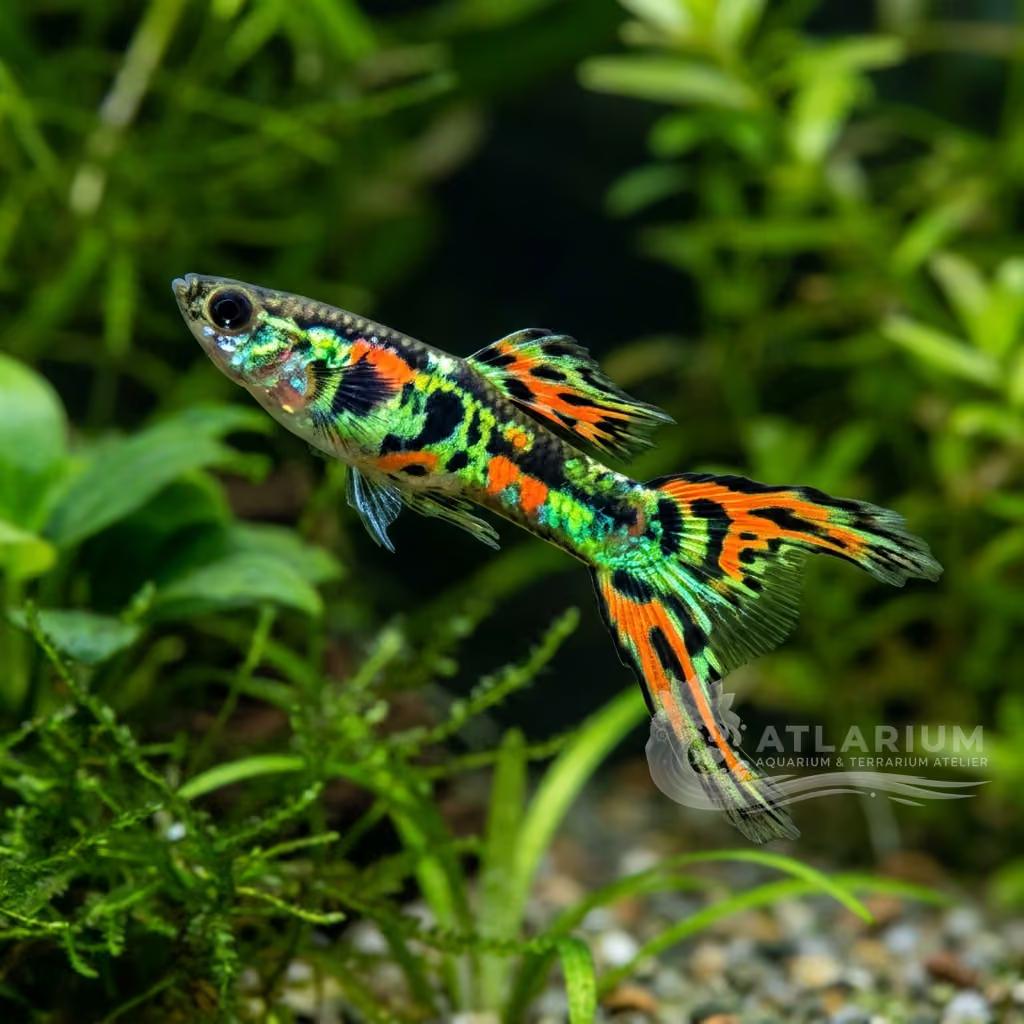
The Cobra Guppy is a fascinating strain, characterized by a body entirely drawn in a reticulated or zig-zag pattern resembling reptile scales. Males boast enormous fan tails, but this genetic magnificence has made them extremely frail. Contrary to the false myth of the "indestructible beginner fish", Asian Cobra Guppies need very hard water (limestone) and suffer terribly in soft water, which literally disintegrates their fins in 48 hours through bacterial corrosion.
22 - 28 °C
7 - 8.5
Água doce
Todos os níveis
5 cm
>= 40 L
>= 4
10 - 25 dGH
5 - 12 dKH
200 - 495 ppm
313 - 773 uS/cm

Descrição da espécie

Cuidado, criação e companheiros de tanque

Origem e distribuição geográfica
Origem

Perfil de peixe
- Temperamento
- Active
- Poecilia reticulata var. Cobra has a bright, active, and peaceful temperament. They are constantly in motion, adding brilliant flashes of color to the aquarium. Males will continuously court females with frantic swimming displays. They are completely harmless to other fish and are considered one of the best species for beginners.
- Dieta
- Omnivore
- Guppies are omnivores that will readily accept almost any commercially available fish food. A high-quality micro-pellet or flake food should form the staple of their diet. To enhance their stunning colors, supplement with live or frozen foods like daphnia, baby brine shrimp, and bloodworms. They also enjoy grazing on soft algae present in the tank.
- Expectativa de vida
- 2-3 years
- Tamanho adulto
- 5 cm
- Proporção sexual
- Specific M:F ratio
- Males are smaller, much more vibrantly colored, and possess a pointed gonopodium for mating. Females are larger, less colorful, and have a dark gravid spot near their anal fin. It is crucial to maintain a ratio of at least two or three females for every male. This disperses the males' constant harassment and reduces stress on the females.
- Frequência de alimentação
- Twice daily
- Because of their small stomachs and high energy levels, they do best with small feedings twice a day. They will aggressively swarm the surface during feeding time. Care must be taken not to overfeed, as uneaten food will foul the water. A varied diet will ensure strong immune systems and bright coloration.
- Carga biológica
- Low to Medium
- Poecilia reticulata var. Cobra has a relatively low individual bioload due to its small size. However, because they breed so rapidly, a population explosion can quickly overwhelm an aquarium's filtration. It is vital to monitor the population size to prevent water quality from deteriorating. Regular maintenance and water changes are necessary to keep the environment healthy.
- Fluxo
- Stagnant
- They prefer a gentle to moderate water flow. While wild guppies live in streams, the highly bred ornamental varieties have large, heavy fins that make swimming in strong currents exhausting. A sponge filter or a baffled hang-on-back filter provides the perfect amount of circulation. Stagnant water should be avoided to maintain proper oxygenation.
- Risco de salto
- Yes
- Guppies are known to be surprisingly adept jumpers, especially when spooked or if the water parameters drop in quality. A secure aquarium lid is highly recommended to prevent them from leaping to their deaths. Floating plants can also help deter them from jumping by providing a sense of overhead security. Always cover any large gaps around filter intakes.
- Reprodução
- Oviparous
- They are famous for their explosive breeding rates and are often called the 'millionfish'. They are livebearers, meaning the females give birth to fully formed, free-swimming fry. Without intervention, they will quickly overpopulate a tank. To save the fry, dense vegetation like Java moss must be provided, as parents will readily cannibalize their young.
- Compatibilidade e companheiros de tanque
- Harem only
- They are incredibly peaceful and make perfect residents for a gentle community aquarium. Ideal tankmates include small tetras, rasboras, corydoras, and peaceful bottom dwellers. They should never be kept with fin-nipping species like tiger barbs, which will destroy the males' flowing tails. Large or aggressive fish will easily view them as a quick snack.
- Nível do tanque
- All levels
- They are highly active and utilize the top and middle levels of the aquarium. They are constantly swimming in the open water and investigating their surroundings. They appreciate heavily planted tanks which offer them places to rest and hide. Floating plants are particularly favored by fry for shelter.

Modelos e parâmetros científicos
Acesso aos dados científicos oficiais da espécie
- Nível trófico
- 3,2 ± 0,4 se
- Resiliência
- Alta (menos de 15 meses)
- Tempo de geração
- 0,6 anos
- Unicidade filogenética (PD50)
- 0.5
- Relação bayesiana comprimento-peso
- a = 0.01288, b = 3.14
- VulnerabilidadeVulnerabilidade de baixa a moderada (33 / 100)

Galeria de imagens
Imagens licenciadas vinculadas à espécie ou, quando marcadas, ao táxon representativo mais próximo.

Espécies relacionadas
Recomendações agrupadas por parentes próximos, escolhas de acompanhantes e cuidados semelhantes.