Eau douceIntermédiaire
©AI Generated·Proprietary
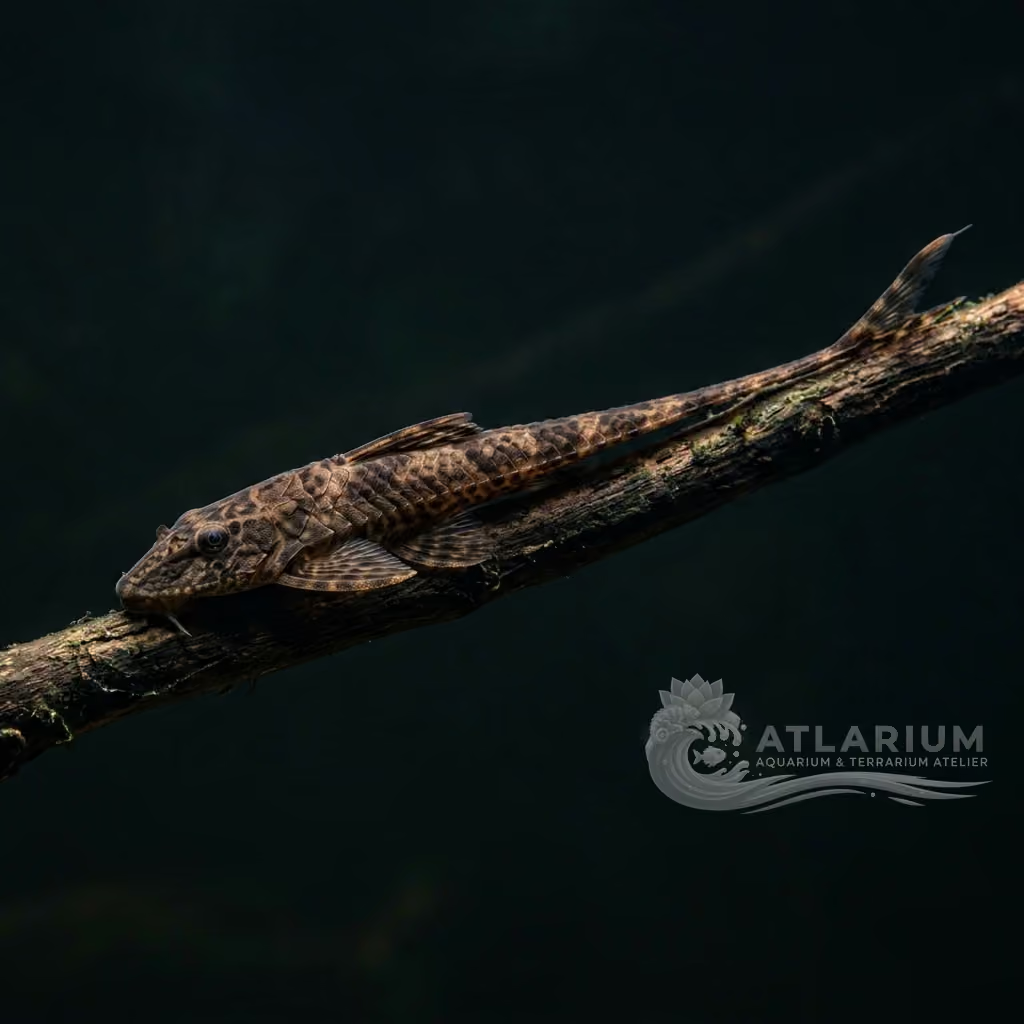
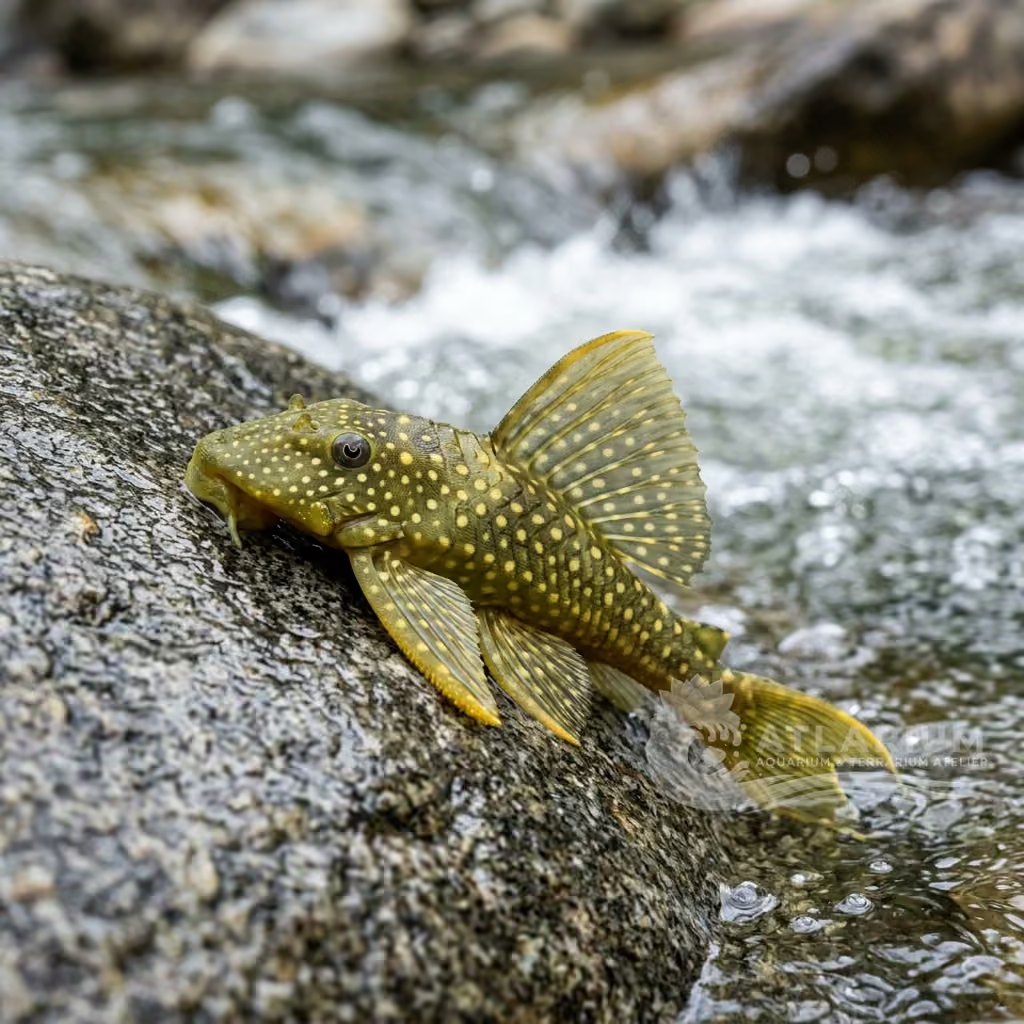
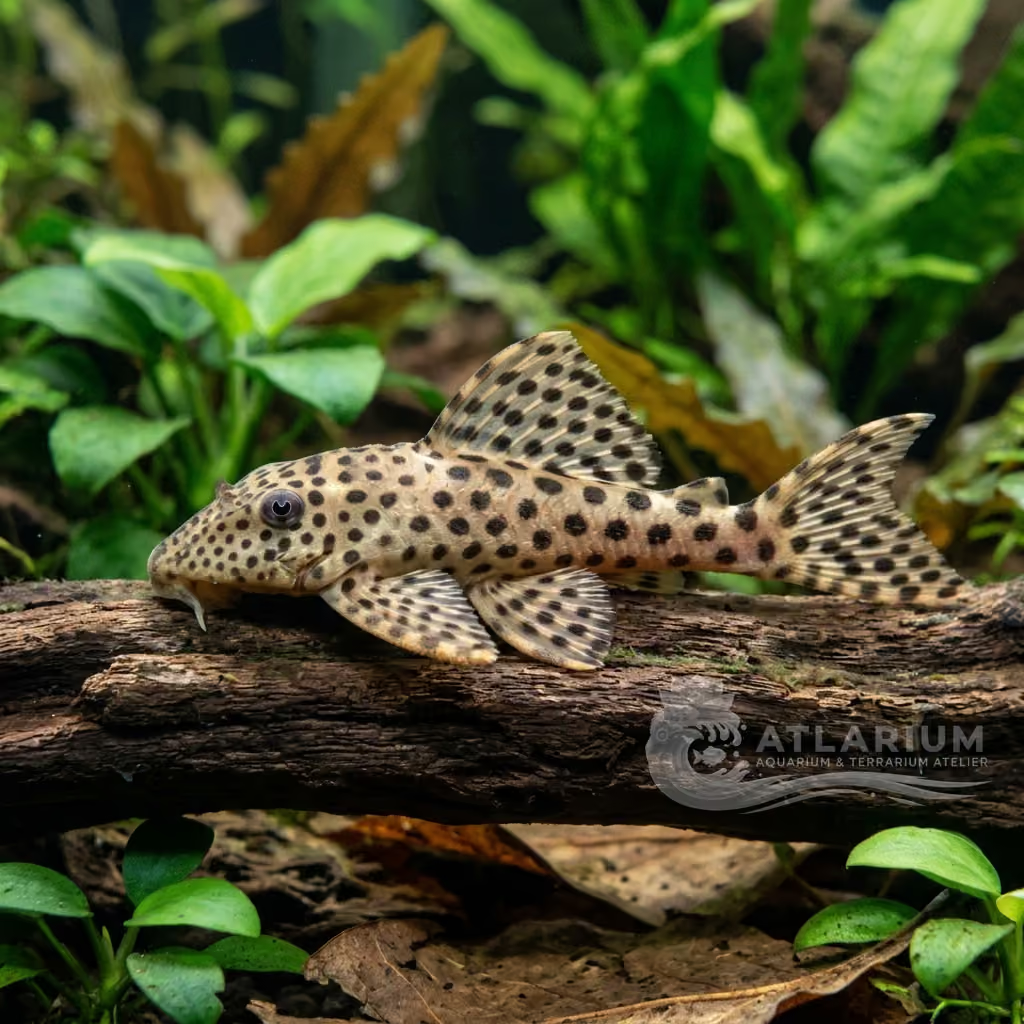
Panaque nigrolineatus — Royal Pleco (L190)

Royal Pleco (L190)

Panaque nigrolineatus

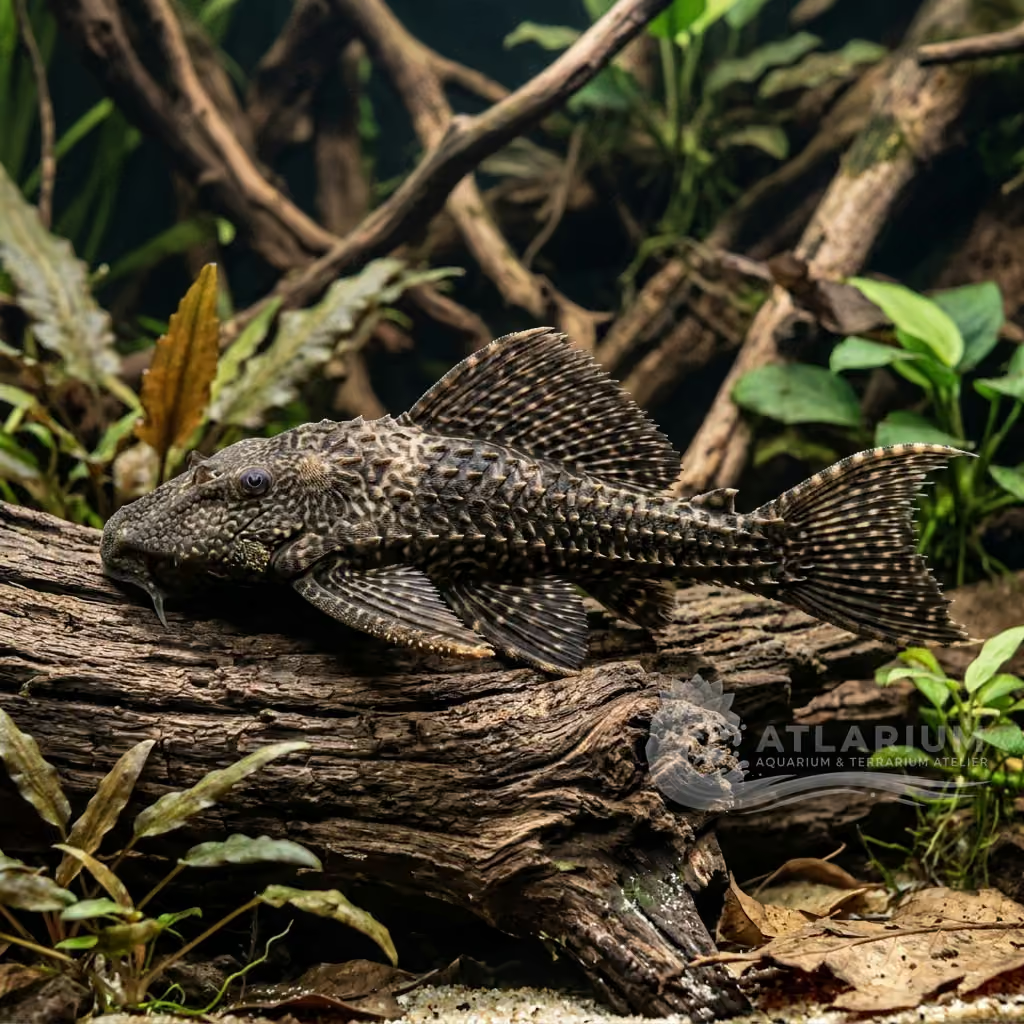
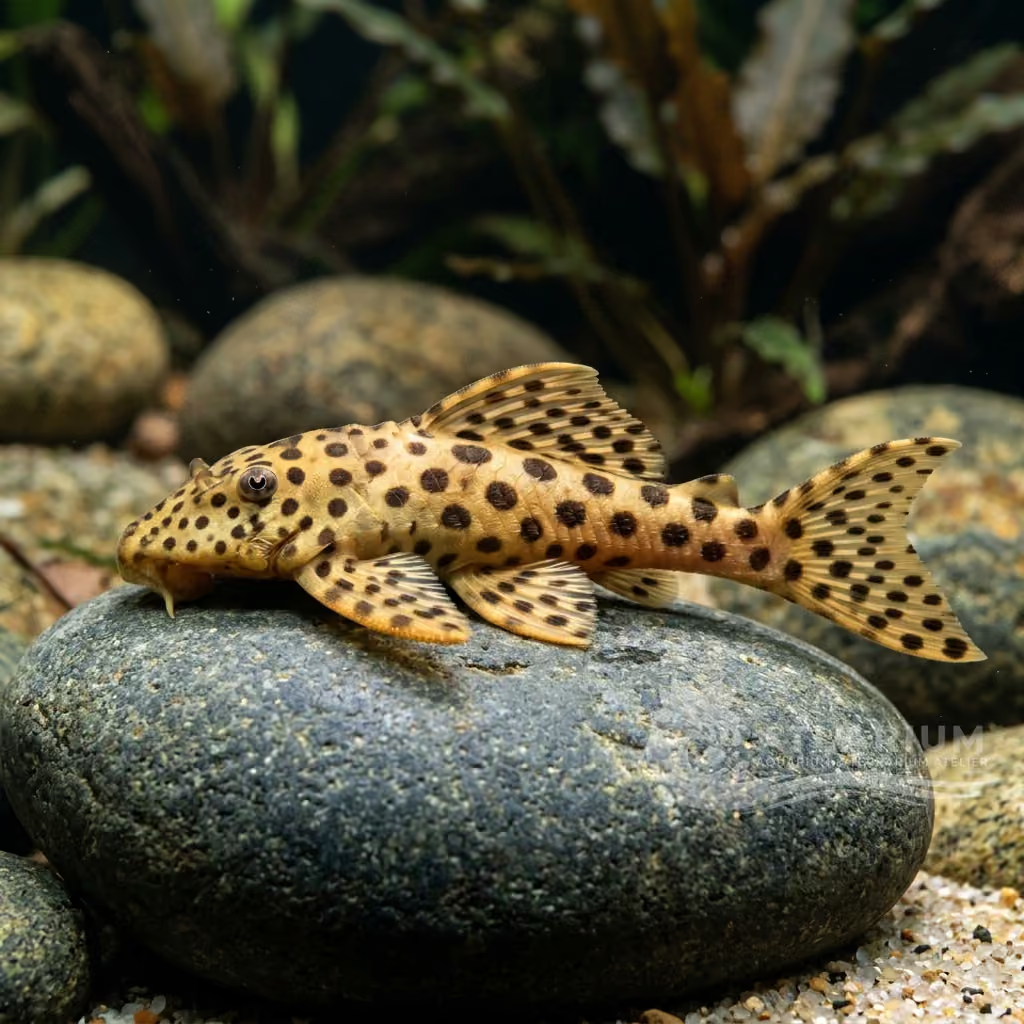
The Royal Pleco or L190 (Panaque nigrolineatus) is undoubtedly one of the most spectacular and iconic armored catfish in the hobby. Unlike normal (and often boring) Plecostomus, the Royal has a compact, massive and stocky body, with a peculiar "big head" shape, adorned with a dense and geometric pattern of parallel horizontal black and pale grey/olive green stripes, combined with a dazzling ruby red eye. It is famous for its very rare xylophagous diet: this animal literally feeds on wood. It has enormously developed spoon-shaped teeth and a digestive system capable of processing and surviving by eating logs. A colossus (up to 40 cm / 16 inches) that requires colossal tanks and equally extreme filtration.

Température de l’eau

24 - 28 °C

Valeur du pH

6 - 7.5

Type d'eau

Eau douce

Niveau dans le bac

Fond

Taille adulte

40 cm

Volume minimal du bac

>= 500 L

Groupe minimal

>= 1

GH

2 - 15 dGH

KH

1 - 7 dKH

TDS

40 - 295 ppm

Conductivité

63 - 461 uS/cm

Description de l'espèce

Geographical Origin and Habitat: Broadly distributed throughout the Orinoco, Magdalena, and Amazon basins (Venezuela, Colombia, Brazil). Inhabits both slow and fast-flowing rivers, but strictly in areas utterly choked by fallen, submerged forest timber (massive tangles of sunken logs and roots).
Taxonomy and Morphology: Globally recognized as the L190 "Royal Pleco". Unmistakable profile: features a massive, heavily armored, wedge-shaped body (a true "battering ram" head), dominant large eyes, and a unique mouth morphology armed with heavy, spoon-shaped (spatulate) teeth expressly evolved to gorge and shave solid wood.
Social Behavior: Placid but an unstoppable aquatic tank. Ignores mid-water swimming fish but is ruthlessly aggressive toward conspecifics or other Panaque if they compete for the prime log or hideout. Its entire life consists of bulldozing and eating submerged branches 24/7.
Coloration and Sexual Dimorphism: Magnificent livery: a vibrant platinum/gray base color running longitudinally with dozens of parallel ink-black, deep blue, or dark green stripes, mimicking the grain of fine wood. The eyes are typically a blazing "ruby" red or bright orange. Adult males grow spectacular, extremely long, broom-like bristles (odontodes) on the rear half of their body and pectoral fins.

Soins, reproduction et cohabitation

Aquarium Setup: Must be cyclopean and entirely tailored to their bizarre biology. Growing past 40 cm (16 inches) with immense bulk, they demand a minimum 150 cm (5ft) tank. 90% of the hardscape MUST consist of soft driftwood (bogwood, mangrove) stacked high to provide both endless food and deep caves. Do not bother with fragile live plants; they will inadvertently shred and eat them while bulldozing the tank.
Diet and Feeding: OBLIGATE XYLOPHAGE. This fish literally eats and digests the driftwood in your tank (utilizing symbiotic gut bacteria). Wood is its primary staple food. Diet must be heavily supplemented nightly with massive chunks of raw vegetables (whole zucchinis, sweet potatoes) and very few, if any, proteins to prevent fatal liver damage. Never feed a strict diet of carnivore or catfish pellets.
Water Quality: The ultimate "sawdust and poop" machine of the aquarium hobby. Peeling wood all day long, the water will fill with sawdust, wood pulp, and miles of fibrous feces within hours, turning the substrate into a swamp without industrial-grade filtration. Besides massive biological sumps, giant mechanical sponge filters and extreme weekly vacuuming are utterly mandatory. Tolerates pH 6.0-7.5, Temp: 24-28°C (75-82°F).
Compatibility and Cohabitation: Excellent with medium-to-large robust South American fish (Discus, Oscars, Uaru, Severums, Geophagus, large Tetras). Highly destructive and disastrous for delicate planted Aquascaping setups. Unwise to keep two together unless the tank is enormous, as their armored brawls over the best piece of wood are brutal.
Aquarium Breeding: Exceptionally rare in home aquaria. In the wild, males excavate giant, deep caves directly into rotting submerged logs or mud riverbanks to spawn. A feat virtually impossible to replicate without a multi-thousand-liter indoor pond.
Risks and Diseases: 1. Filter Collapse: produces unimaginable quantities of sawdust and waste that quickly smother and destroy normal canister filters. 2. Fatal Bloat: feeding them rich, high-protein foods (bloodworms, carnivore pellets) instead of their required wood/veggie diet will cause fatal intestinal blockages and liver failure.

Origine et répartition géographiques

Broadly distributed throughout the Orinoco, Magdalena, and Amazon basins (Venezuela, Colombia, Brazil). Inhabits both slow and fast-flowing rivers, but strictly in areas utterly choked by fallen, submerged forest timber (massive tangles of sunken logs and roots).

Origine

Amazonie, Orénoque et Guyanes

Profil de poisson

Tempérament
Territorial
They are secretive and peaceful toward different species. They can be extremely aggressive toward conspecifics or similar plecos. Providing numerous hiding spots can help mitigate their territorial nature.
Régime alimentaire
Herbivore
Wood is a mandatory part of their daily diet. They scrape driftwood continuously to aid their unique digestion. Offer fresh veggies like zucchini and sweet potato multiple times a week.
Espérance de vie
10-15 years
Taille adulte
40 cm
Ratio des sexes
Group
It is strongly advised to keep only one specimen per tank. Males are intensely territorial and will fight each other severely. A massive footprint is required to house a pair successfully.
Fréquence d'alimentation
Twice daily
Driftwood must be available for grazing at all times. Drop sinking foods into the tank every night. Remove any uneaten vegetables the next morning to preserve water quality.
Charge biologique
Extreme
They produce an exceptionally heavy bioload as they mature. Eating wood results in massive volumes of sawdust and fecal matter. Oversized mechanical and biological filtration is strictly necessary.
Courant
Strong
They prefer strong, highly oxygenated water currents. Powerful flow mimics their natural rapid river environments. It also helps transport their substantial waste into the filter intakes.
Risque de saut
No
Reproduction
Oviparous
Captive breeding of this species is extremely rare. It requires massive dedicated tanks and complex seasonal water changes. The vast majority of these fish are wild-caught from rivers.
Compatibilité et compagnons
With caution
They are peaceful with small to medium community fish. However, they are highly intolerant of other large bottom dwellers. They will aggressively fight other plecos for territory and food.
Niveau dans le bac
Bottom
They spend their entire lives at the bottom of the aquarium. They will stake a claim under a large piece of driftwood. They never venture into the middle or upper water levels.

Modèles et paramètres scientifiques

FishBase

Fenêtre sur les données scientifiques officielles de l’espèce

FishBase v25.04Données synchronisées le : 15/06/2026
Résilience
Faible (4,5 - 14 ans)
Singularité phylogénétique (PD50)
0.5078
Relation bayésienne longueur-poids
a = 0.02884, b = 2.98
VulnérabilitéVulnérabilité modérée (41 / 100)