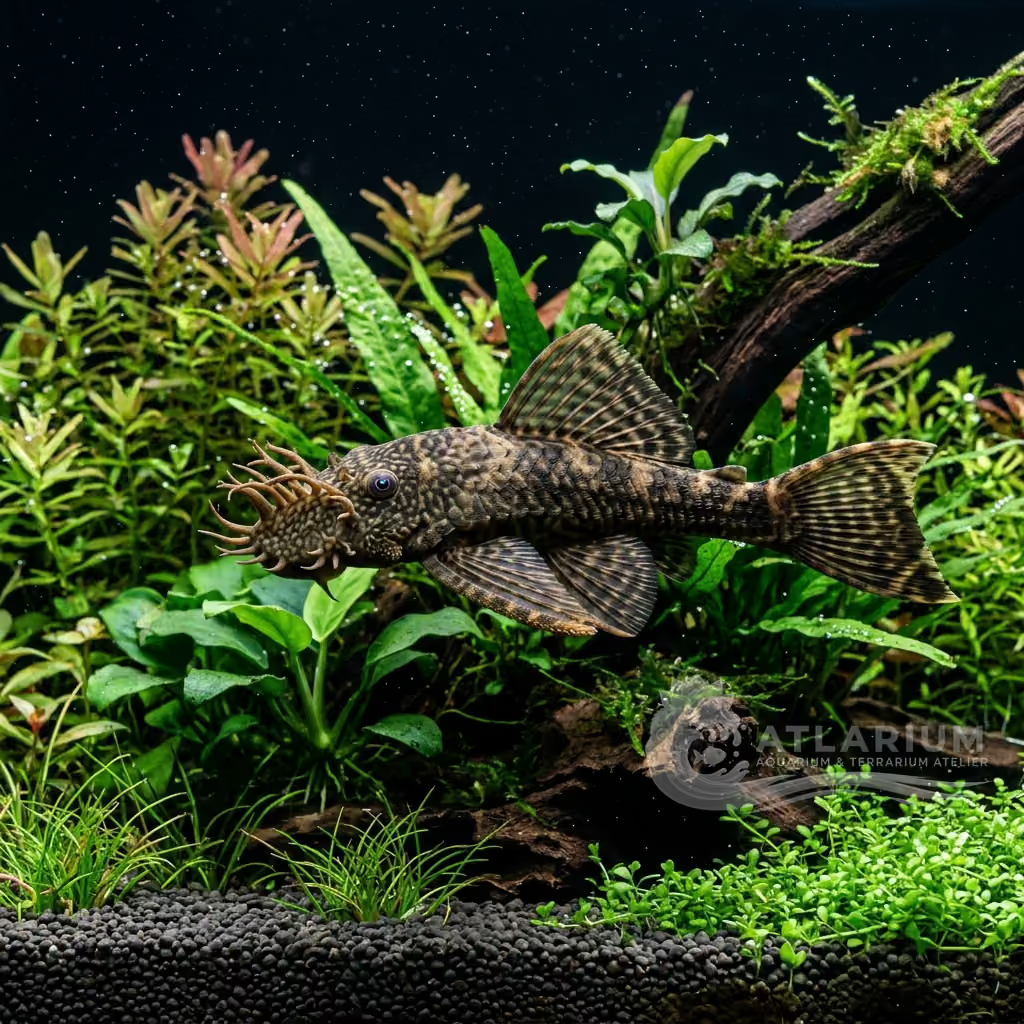
Bristlemouth Pleco
Peckoltia multispinis
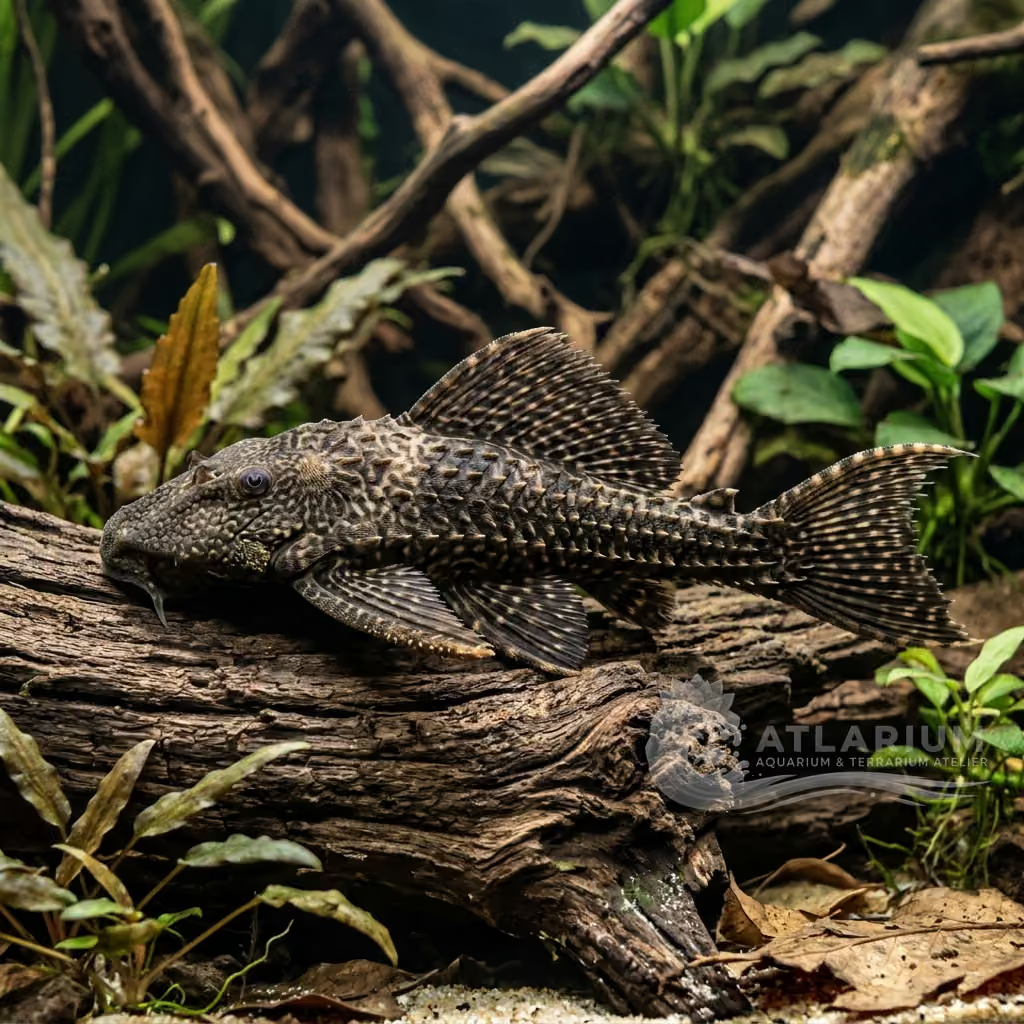
Characterized by a head covered with pronounced odontodes (dermal spines) in adult males, it is a territorial loricariid but tolerant towards mid-water swimming fish.
Température de l’eau
24 - 29 °C
Valeur du pH
5.8 - 7.2
Type d'eau
Eau douce
Niveau dans le bac
Fond
Taille adulte
14 cm
Volume minimal du bac
>= 150 L
Groupe minimal
>= 1
GH
1 - 12 dGH
KH
2 - 10 dKH
TDS
35 - 280 ppm
Conductivité
55 - 438 uS/cm

Description de l'espèce
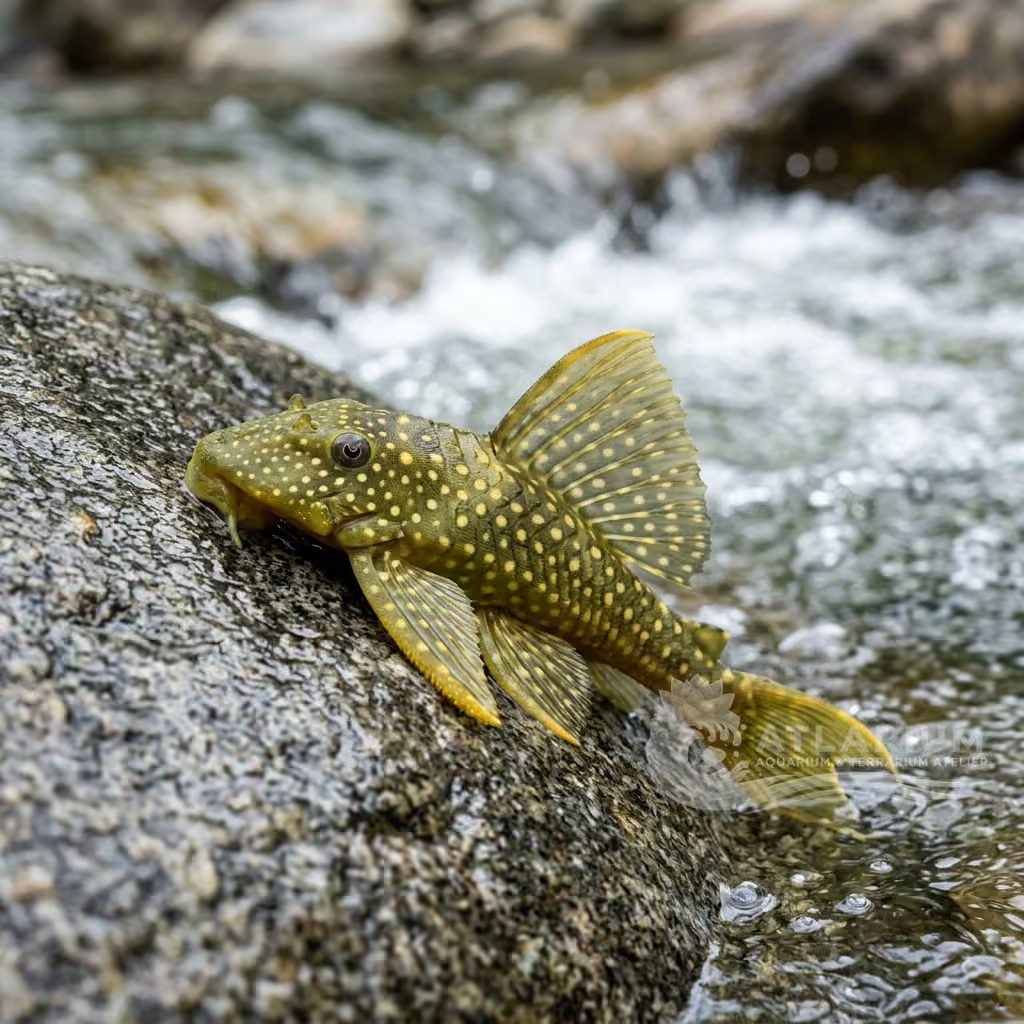
Geographical Origin and Habitat: Wide range along the Amazon River basin, especially in the Rio Tocantins in Brazil. Found in a wide range of micro-habitats, from strong rapids among large boulders to the slow edges of amber rivers loaded with branches and wood.
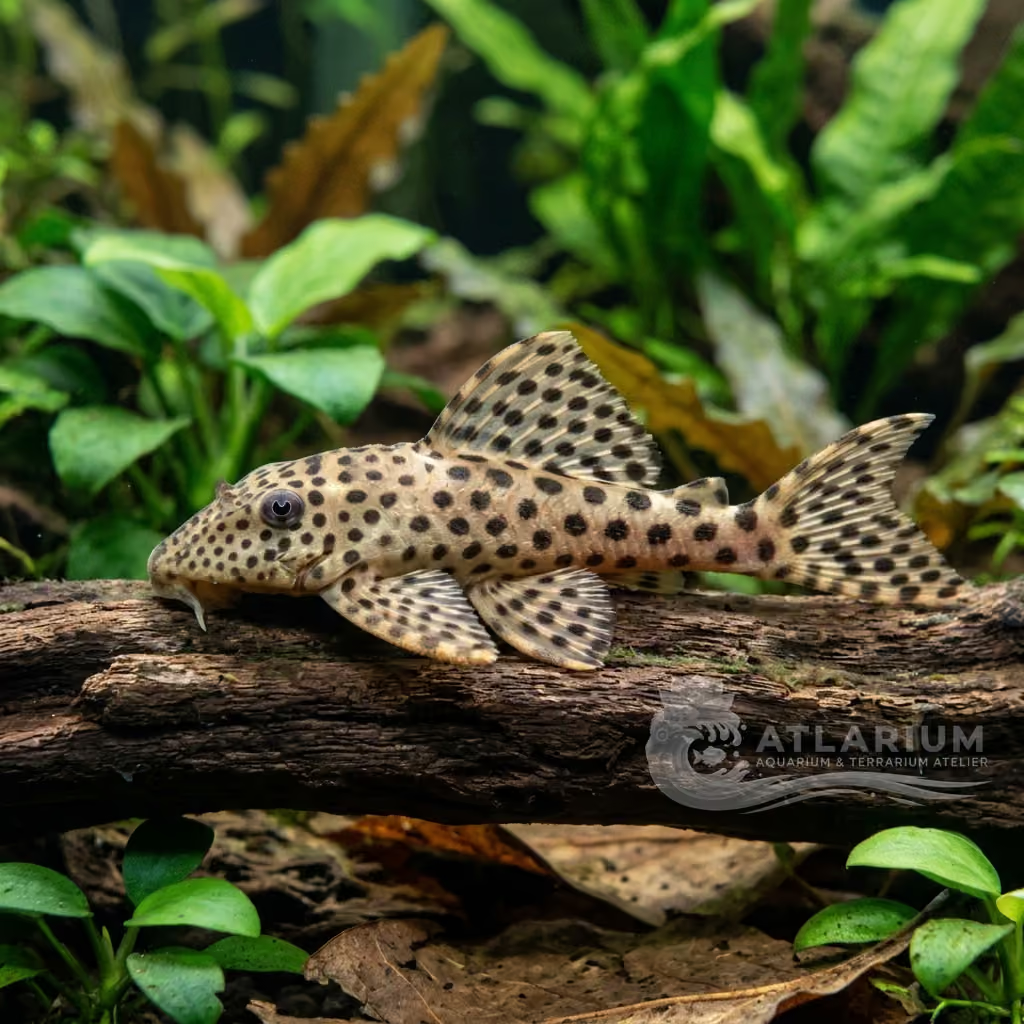
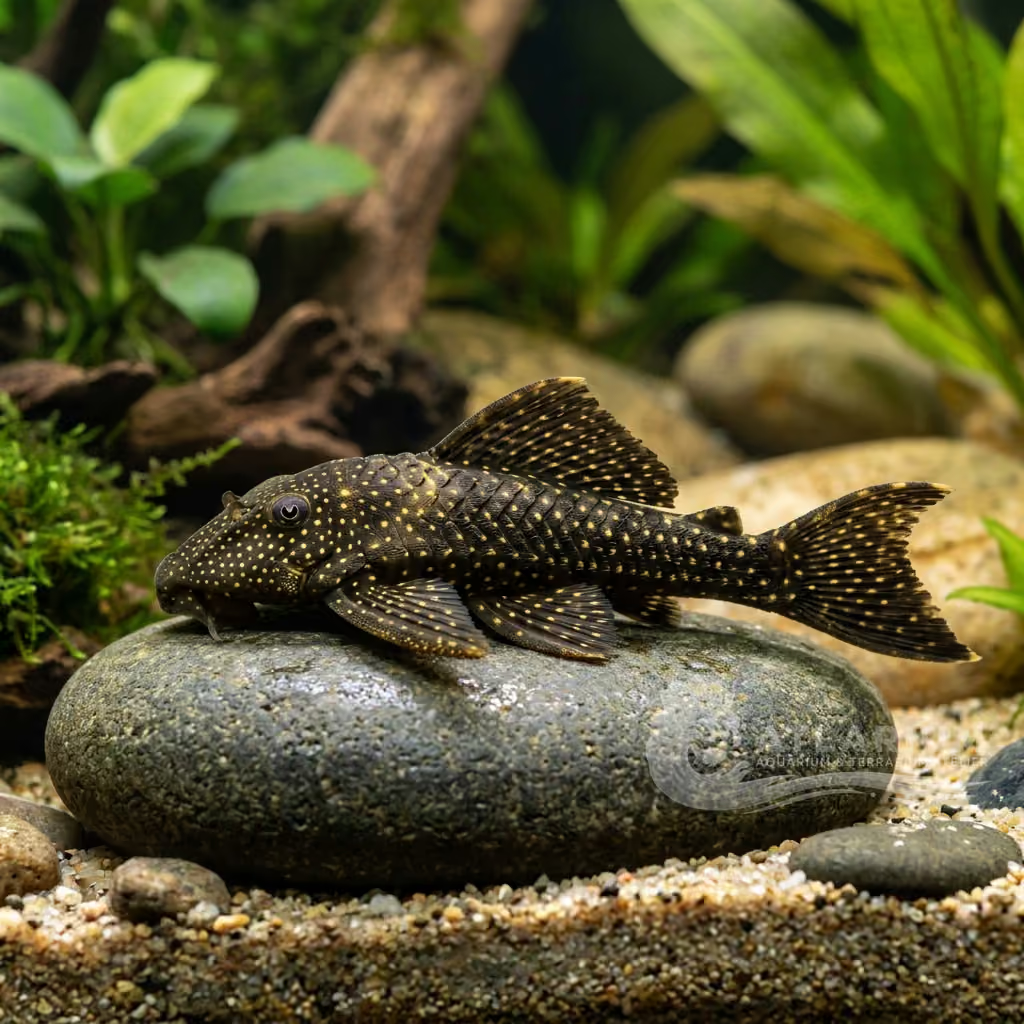
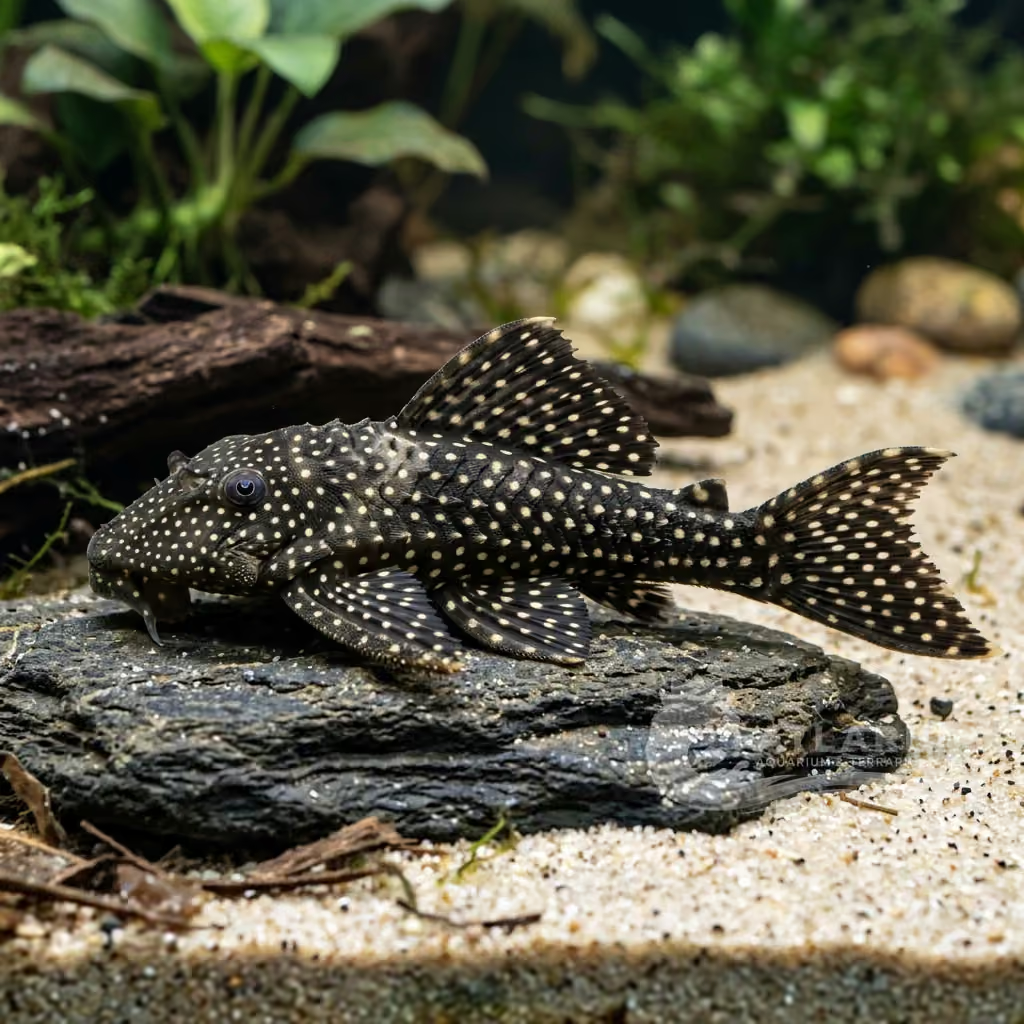
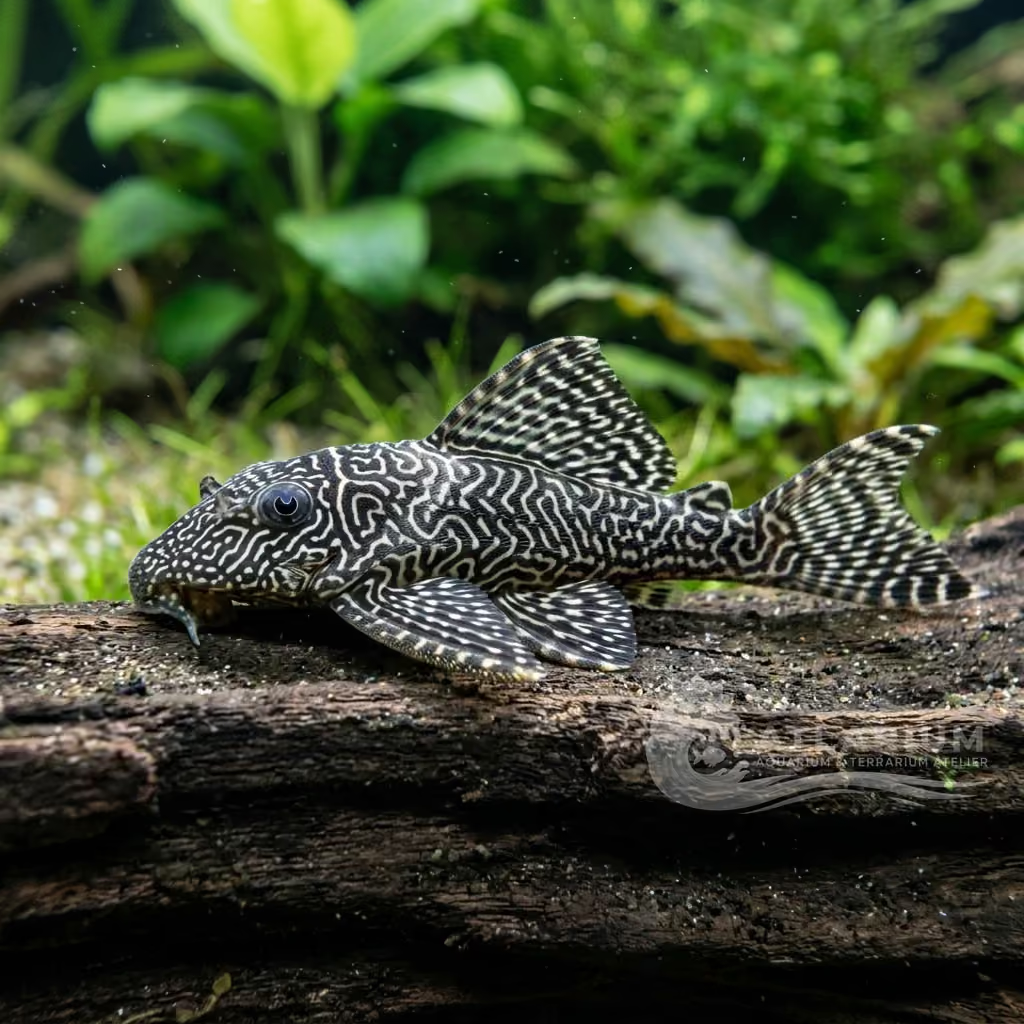
Taxonomy and Morphology: Bristlemouth Pleco (L049 / Peckoltia multispinis). It is very often confused in shops with P. vittata (L015) which however differs originating from the Xingu River and presenting different banded patterns. Possesses robust odontodes on the posterior half.
Social Behavior: Generally peaceful but very stubborn in the benthic territorial sphere. A dominant specimen can hunt and "push away" rivals from a highly coveted log for days. Provide one more cave/log than the number of Loricariids.
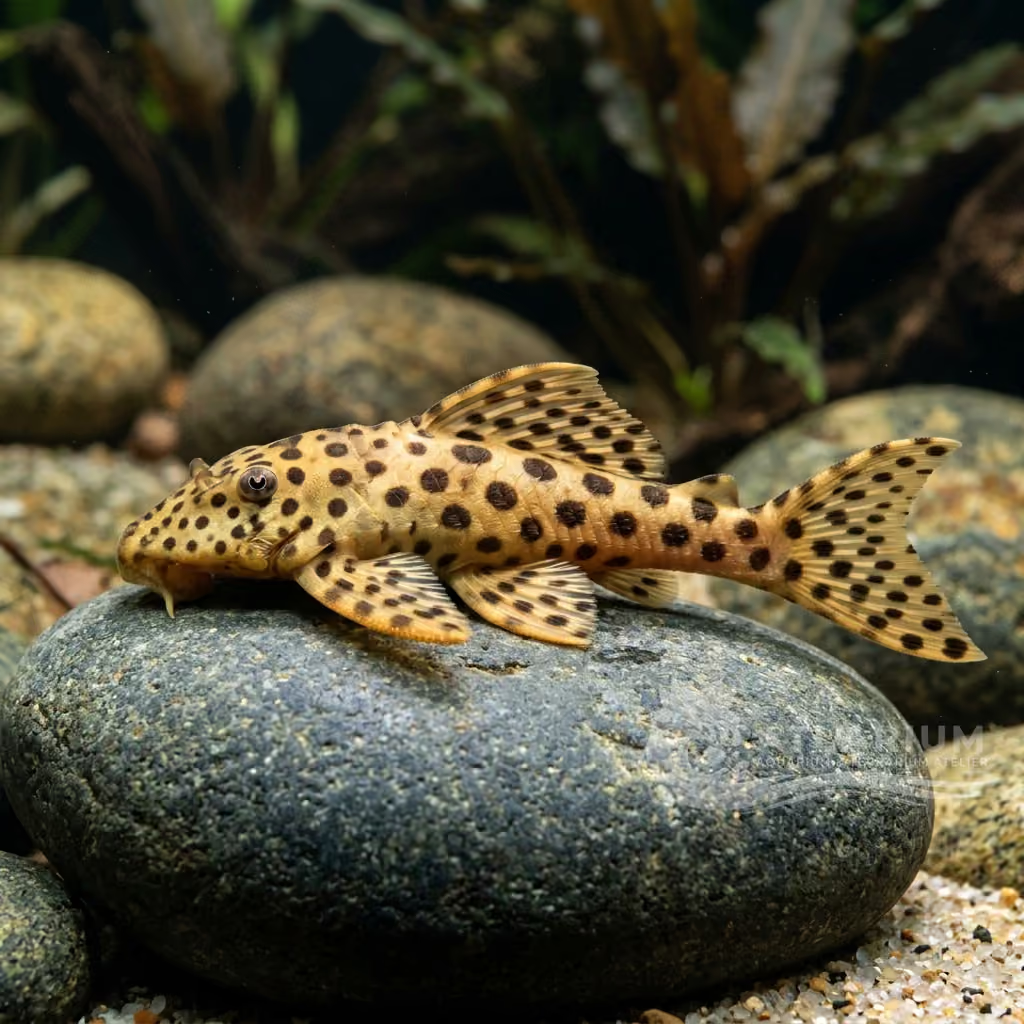
Coloration and Sexual Dimorphism: Light color (often golden yellowish) marked by bold blackish bands on the body, with mosaic-striped fins. Males develop showy opercular odontodes (on the gills) and on the terminal part of the body (multi-spinis: many spines).

Soins, reproduction et cohabitation
Aquarium Setup: Excellent in 100 cm (40 inches) planted and dimmed tanks or in river biotope setups with strong currents. Mopani, Mangrove, coconut tubes, and large round stones to imitate Amazonian rapids.
Diet and Feeding: Purely omnivorous. Consumes biofilm, but its diet must be mainly based on solid food rich in proteins. Excellent frozen mince, bloodworms, tubifex, and pleco tablets mixed with spinach.
Water Quality: Hardy and very long-lived fish if optimal gas exchanges and oxygenated water are guaranteed (via air stones or venturi). Sensitive to nitrites, only tolerates powerful biological filters and methodical maintenance.
Compatibility and Cohabitation: One of the most suitable Peckoltia for medium-sized community tanks. Will not bother Dwarf Cichlids, Corydoras, Tetras or Angelfish. Best to avoid the presence of crabs and aggressive bottom shrimp.
Aquarium Breeding: Easily reproduced in ceramic caves. The male takes care of parental duties by strenuously defending the cave entrance. Feed the larvae massively with brine shrimp nauplii upon free-swimming.
Risks and Diseases: Primary risks include mechanical injuries if the tank has sharp rocks, or fatal lethargy in case of prolonged excessively cold temperatures (below 22°C / 72°F).

Origine et répartition géographiques
Wide range along the Amazon River basin, especially in the Rio Tocantins in Brazil. Found in a wide range of micro-habitats, from strong rapids among large boulders to the slow edges of amber rivers loaded with branches and wood.
Origine
Océans tropicaux et récifsAmazonie, Orénoque et Guyanes

Profil de poisson
- Tempérament
- Semi-aggressive
- The temperament of Peckoltia multispinis is largely peaceful, especially towards tank mates. While they mind their own business mostly, they may become defensive during specific periods. Providing visual barriers and adequate space mitigates most behavioral issues.
- Régime alimentaire
- Omnivore
- Peckoltia multispinis is primarily omnivorous and enjoys a diverse diet. In captivity, they eagerly accept high-quality prepared foods, and appropriate frozen or live foods. Providing a varied menu ensures they receive all necessary nutrients for vibrant colors and health.
- Espérance de vie
- 6-8 years
- Taille adulte
- 14 cm
- Ratio des sexes
- Group
- Maintaining a proper sex ratio of mixed group is advisable for this species. Males tend to be visually distinct from females in certain aspects, making sexing possible in mature specimens. In breeding setups, close monitoring is essential to prevent excessive harassment.
- Fréquence d'alimentation
- Twice daily
- It is recommended to feed Peckoltia multispinis moderate portions once a day. Only offer an amount they can completely consume within a few minutes to prevent water fouling. Occasional fasting days can also be beneficial for their digestive system.
- Charge biologique
- Medium
- The bioload produced by Peckoltia multispinis is moderate due to their medium size and metabolic rate. They require robust filtration to keep water parameters stable and pristine. Regular water changes are highly recommended to ensure their optimal health.
- Courant
- Stagnant
- This fish prefers moderate water currents that mimic its natural habitat. Proper water flow is crucial for maintaining adequate oxygenation levels. Position filter outlets or powerheads carefully to provide both flowing and calmer resting areas.
- Risque de saut
- Yes
- Peckoltia multispinis poses a low risk of jumping from the aquarium if startled. It is strictly advised to keep a secure, tight-fitting lid on the enclosure at all times. Extra care should be exercised during tank maintenance to prevent unexpected escapes.
- Reproduction
- Oviparous
- Breeding Peckoltia multispinis in captivity is challenging and requires specific water parameters. They are cave spawners and often exhibit fascinating courtship behaviors. Providing ample suitable structures will significantly increase the survival rate of the fry.
- Compatibilité et compagnons
- With caution
- This species is generally peaceful and makes a specific addition to a home aquarium. They can be housed with other compatible species that occupy different water levels. Caution should be taken when selecting tank mates to avoid any conflicts.
- Niveau dans le bac
- Bottom
- These fish predominantly occupy the bottom levels of the aquarium. They enjoy exploring their surroundings and often interact with the tank decor. Ensuring sufficient space in their preferred zone is absolutely important for their well-being.

Modèles et paramètres scientifiques
FishBase
Fenêtre sur les données scientifiques officielles de l’espèce
FishBase v25.04Données synchronisées le : 15/06/2026
- Résilience
- Moyenne (1,4 - 4,4 ans)
- Singularité phylogénétique (PD50)
- 0.5
- Relation bayésienne longueur-poids
- a = 0.01549, b = 2.96
- VulnérabilitéVulnérabilité faible (10 / 100)

Espèces associées
Recommandations regroupées par proches parents, compagnons et soins similaires.