Pankimpuju Pleco
Peckoltia pankimpuju
The Pankimpuju Pleco is a highly specialized fast-water species from Peruvian rapids. It thrives in tanks with extreme hydrodynamic flow, smooth stones, narrow caves, and a primarily herbivorous diet.
Température de l’eau
24 - 28 °C
Valeur du pH
6 - 7.2
Type d'eau
Eau douce
Niveau dans le bac
Fond
Taille adulte
16 cm
Volume minimal du bac
>= 250 L
Groupe minimal
>= 1
GH
2 - 12 dGH
KH
3 - 10 dKH
TDS
60 - 280 ppm
Conductivité
94 - 438 uS/cm

Description de l'espèce
Geographical Origin and Habitat: Recent discovery from the Marañón River basin in Peru. Named after the indigenous "Pankimpuju" people. Lives in fast rivers and submontane streams, anchored to smooth boulders in highly oxygenated and turbulent waters.
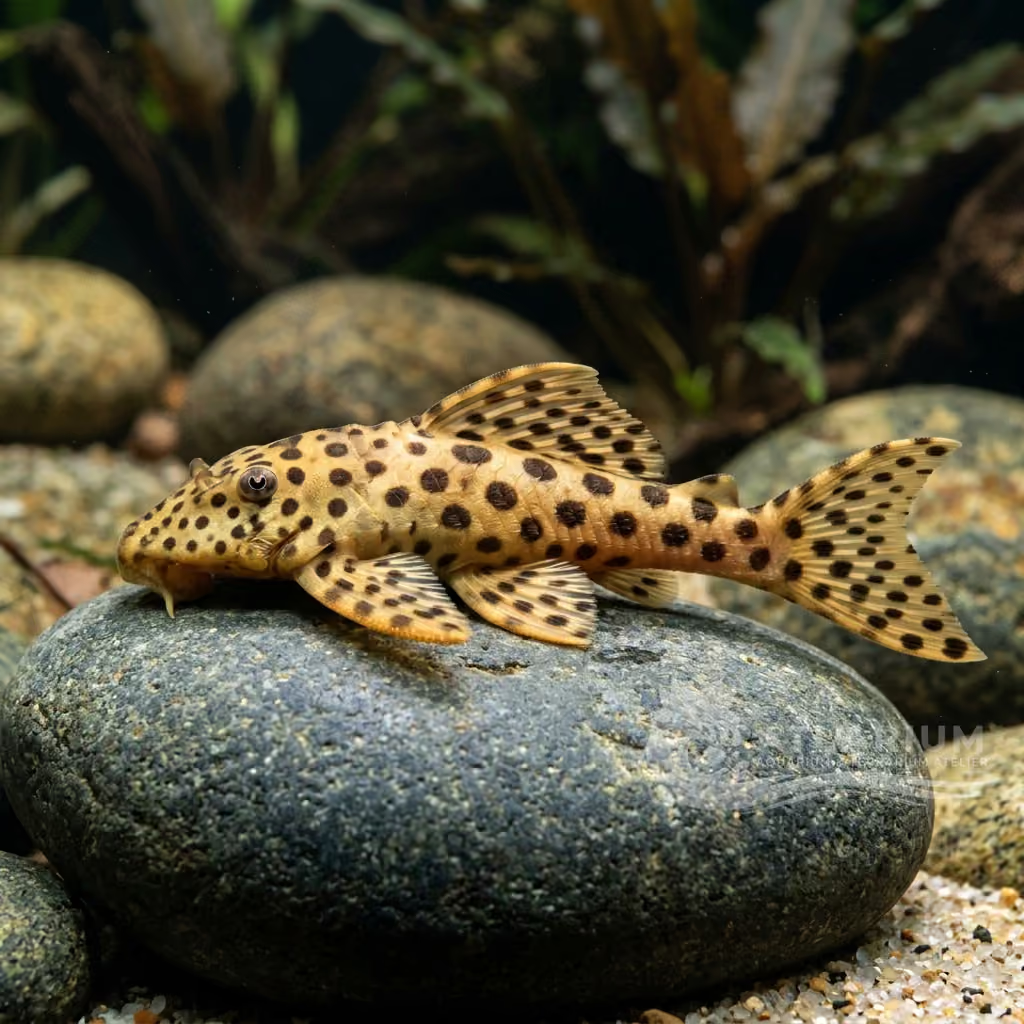
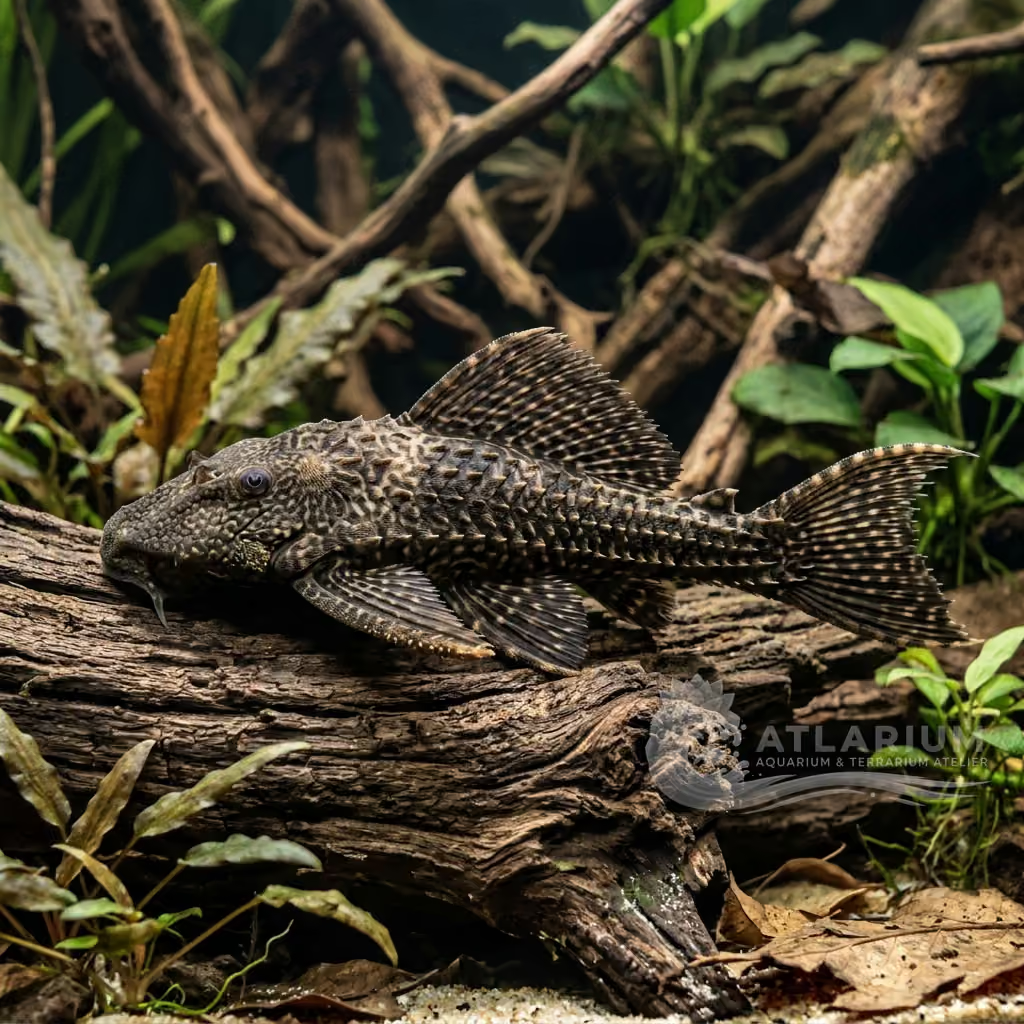
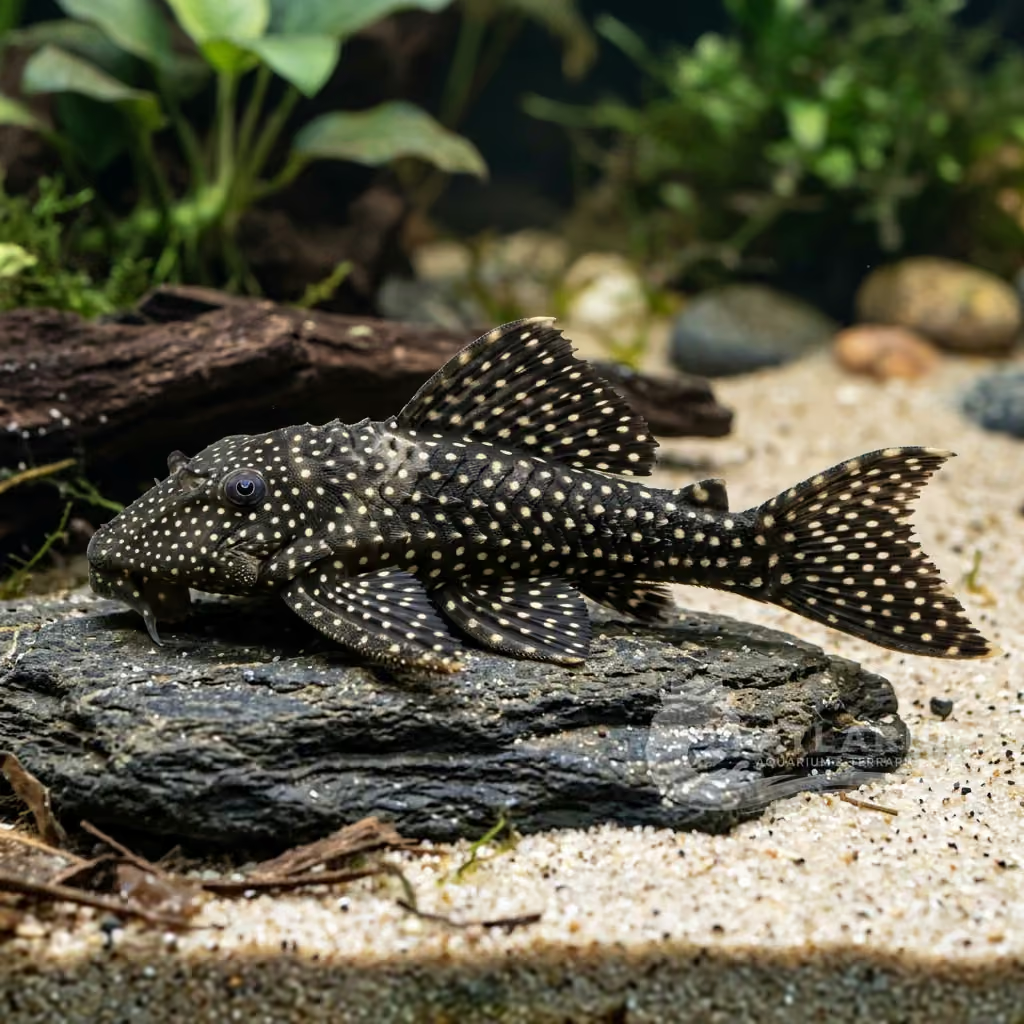
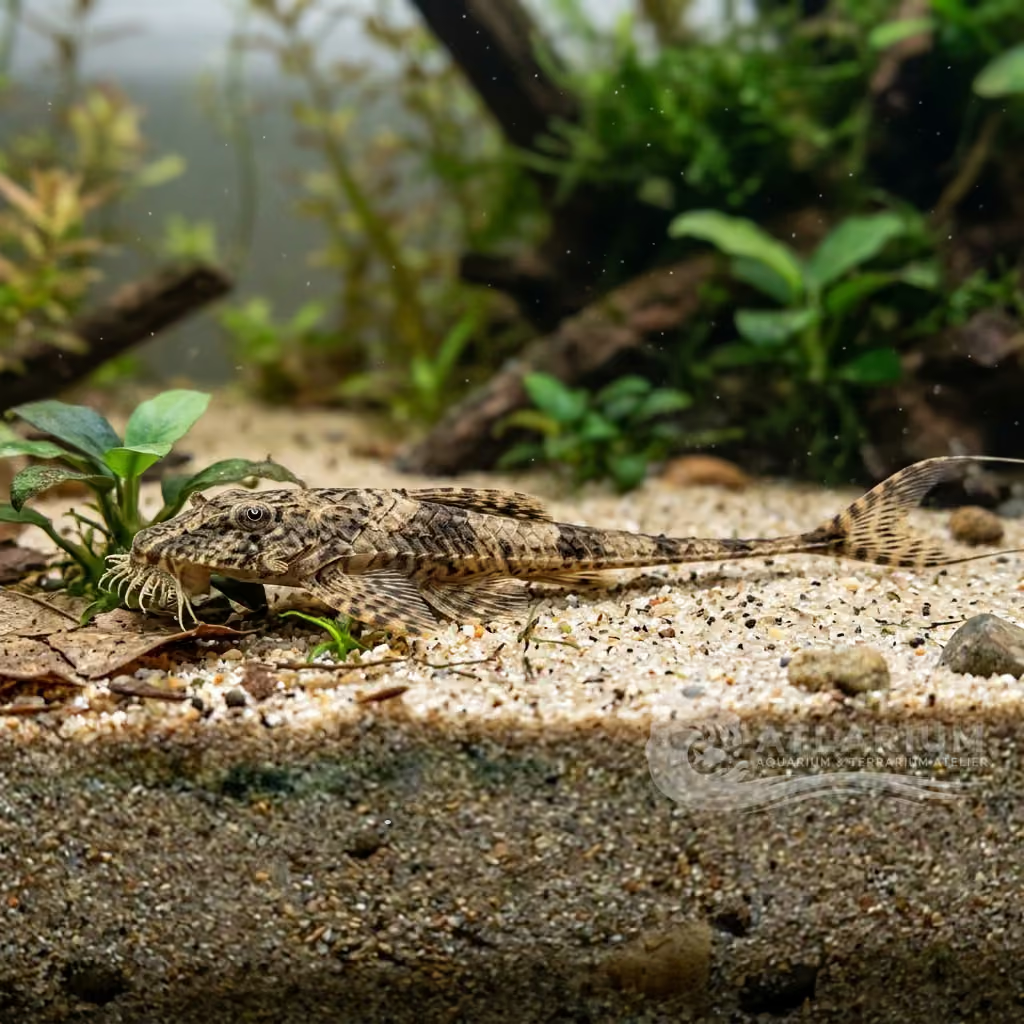
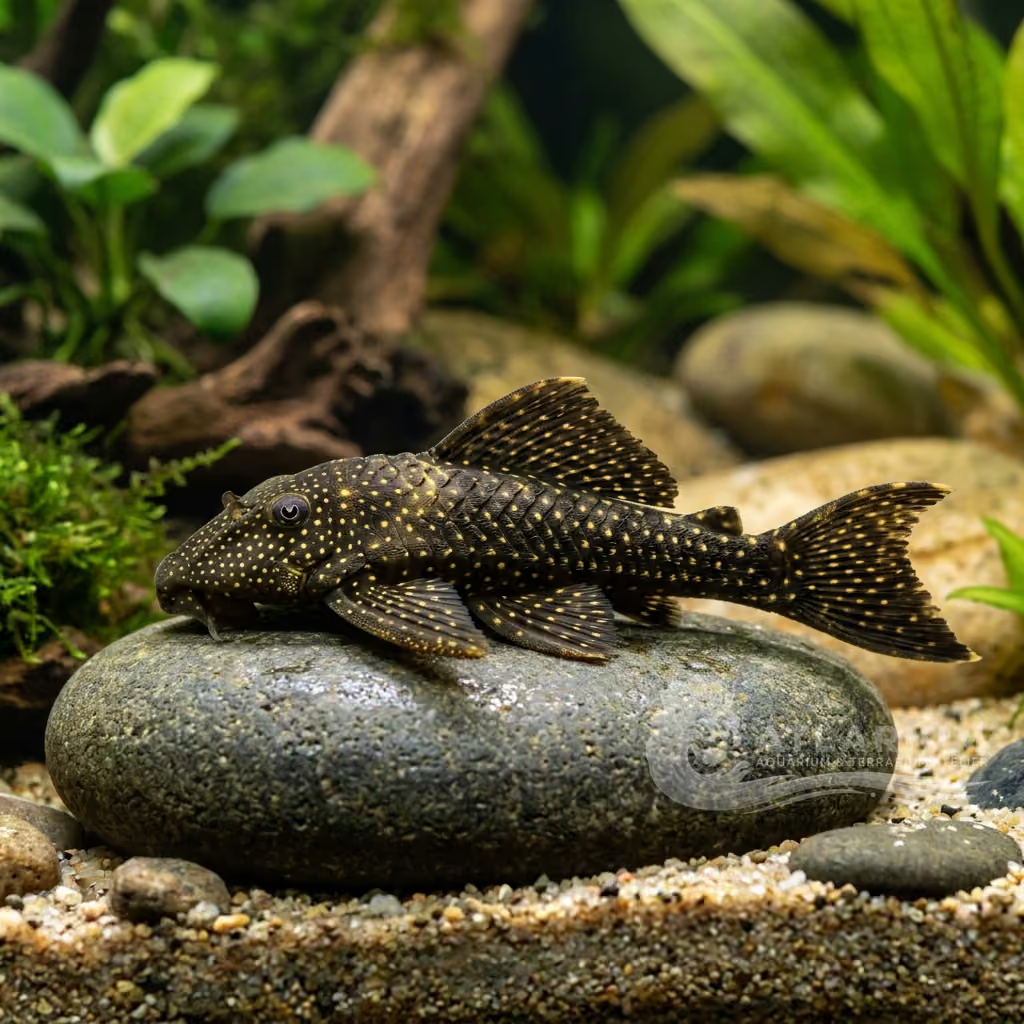
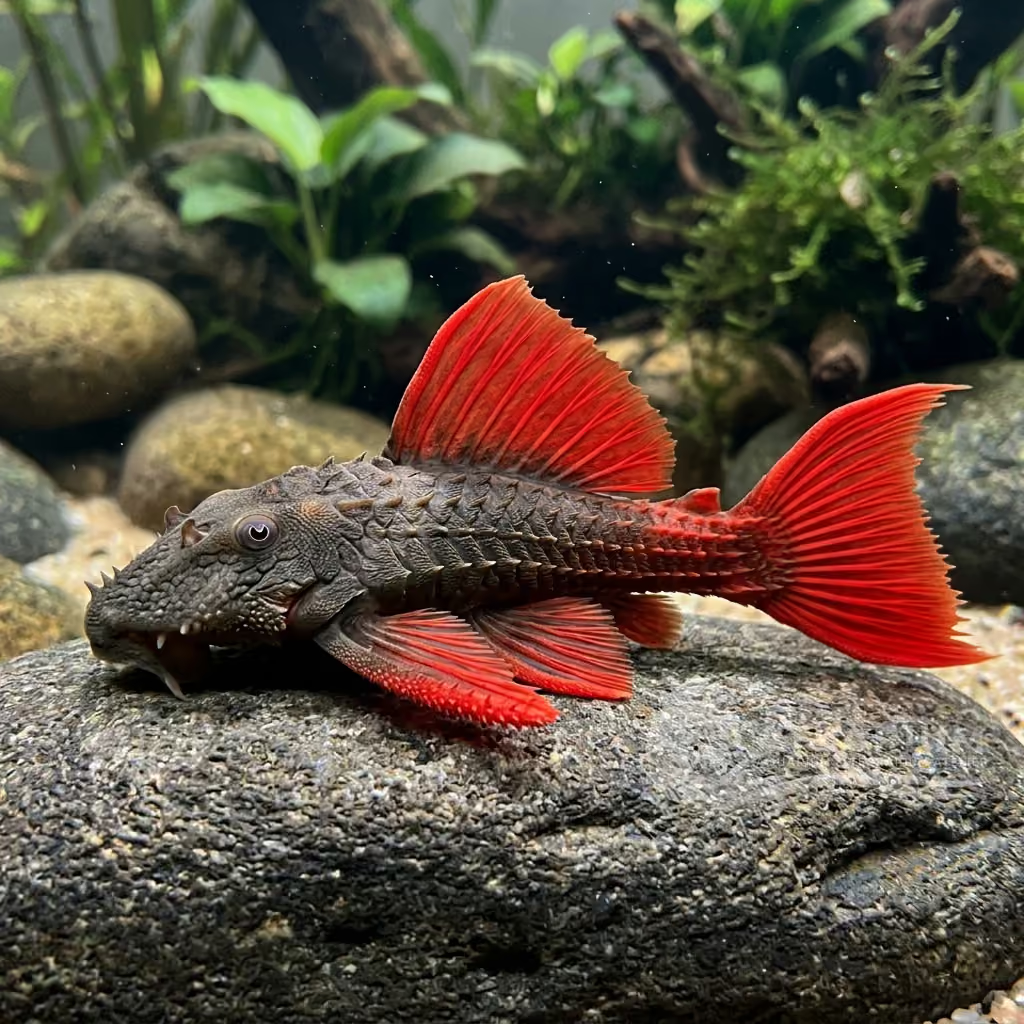
Taxonomy and Morphology: Pankimpuju Pleco (Hemiancistrus pankimpuju). Morphologically similar to the Baryancistrus genus or other Hemiancistrus, features a robust body covered by bony dermal plates. Specialized oral sucker to scrape algal biofilm.
Social Behavior: Territorial towards individuals of the same family, it will stubbornly defend its primary refuge. Quite tolerant towards open-water fish. Active mainly during evening and nighttime hours.
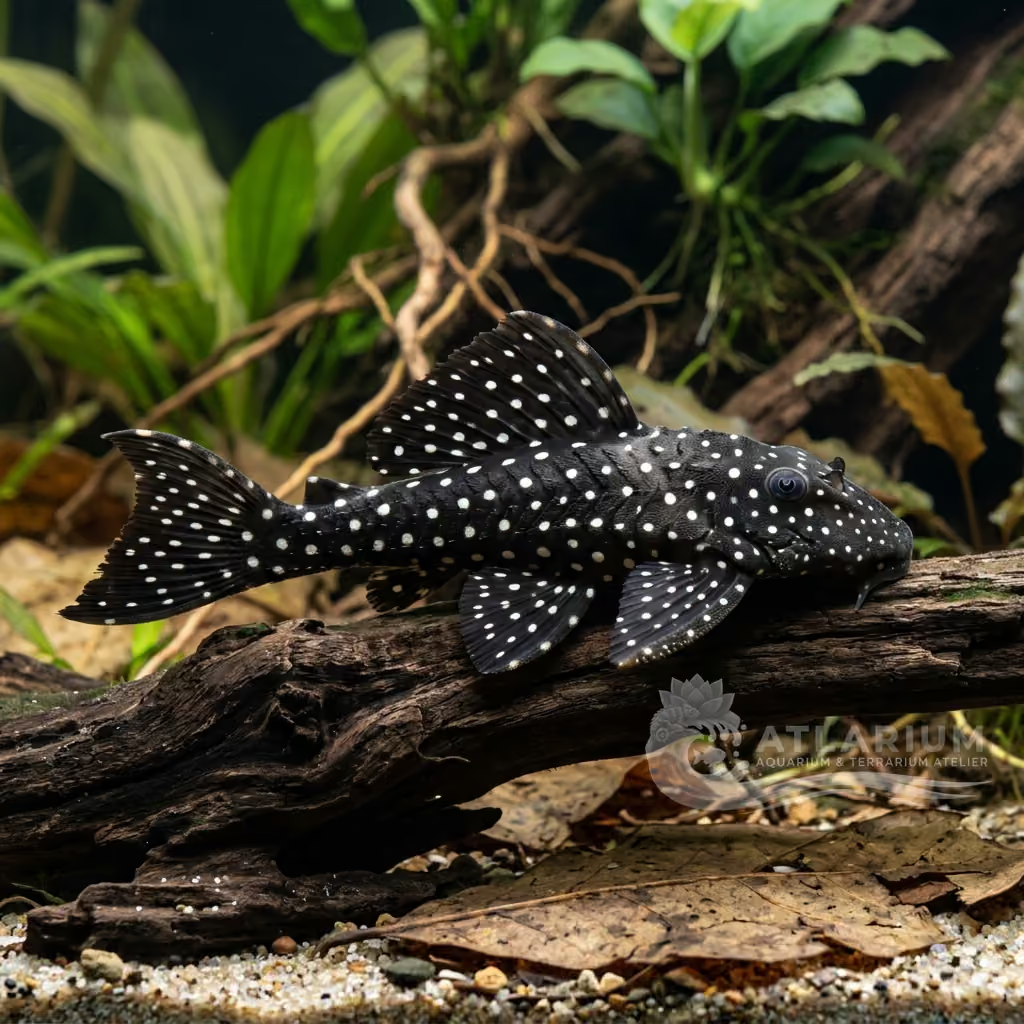
Coloration and Sexual Dimorphism: Spectacular. Dark body tending to velvet black or very dark olive green, embellished by extreme neon yellow-orange borders on ALL unpaired fins (dorsal and caudal in particular). Males with very long interopercular odontodes.

Soins, reproduction et cohabitation
Aquarium Setup: Absolutely requires a structured high-hydrodynamic flow tank (Powerheads / circulation pumps) that mimics Peruvian rapids. Provide smooth stones and many narrow ceramic tubes of appropriate sizes for hiding.
Diet and Feeding: Predominantly omnivorous with a strong vegetarian component. Must be able to scrape "biofilm" from rocks. Administer sweet potatoes, fresh zucchini, Spirulina-based pellet foods, and, rarely, bloodworms for proper protein intake.
Water Quality: Demands extreme purity. Voluminous water changes are mandatory: in nature, it inhabits fresh, constantly renewed waters. Global warming or inadequate filters depress oxygen causing rapid lethargy.
Compatibility and Cohabitation: Suitable for specialized community tanks for rheophilic fish (e.g. Loricariidae, current Characidae). Should not be housed with giant Cichlids that could compete for bottom territory or stress it excessively.
Aquarium Breeding: They lay eggs in narrow crevices (ceramic or bamboo tubes). The male will jealously guard the nest, fanning the eggs for days. Fry take months to grow and demand impeccable hygiene.
Risks and Diseases: Particularly sensitive to intestinal parasites upon import (Flagellates). Concave belly and white, stringy feces are an alarm signal. Antiparasitic treatments must be undertaken in quarantine tanks.

Origine et répartition géographiques
Recent discovery from the Marañón River basin in Peru. Named after the indigenous "Pankimpuju" people. Lives in fast rivers and submontane streams, anchored to smooth boulders in highly oxygenated and turbulent waters.
Origine
Amérique du Sud hors Amazonie

Profil de poisson
- Tempérament
- Semi-aggressive
- The Peckoltia pankimpuju is a shy and extremely peaceful pleco. It prefers to remain hidden and avoid any conflict with its tank mates. Its only aggressive behavior is defensive territoriality over its chosen cave.
- Régime alimentaire
- Omnivore
- It is an omnivore that accepts a wide variety of sinking foods. Provide high-quality pleco tablets, frozen bloodworms, and occasionally blanched vegetables. A piece of driftwood should be present in the tank as a dietary supplement and hiding place.
- Espérance de vie
- 10-15 years
- Taille adulte
- 16 cm
- Ratio des sexes
- Pair
- Mature males develop noticeable odontode growth on their bodies and pectoral fins. Keeping a male and a female pair is the most harmonious setup. Multiple males should only be kept in very large aquariums with abundant caves to prevent fighting.
- Fréquence d'alimentation
- Twice daily
- Offer food once daily, ideally in the evening when the aquarium lights go out. They are largely nocturnal and will forage confidently in the dark. Adjust portions carefully to ensure no food rots in the substrate.
- Charge biologique
- Medium
- This rare pleco produces a moderate bioload consistent with its size. Its omnivorous diet generates steady waste that requires good filtration to manage. Regular gravel vacuuming is important to prevent detritus buildup in its hiding spots.
- Courant
- Stagnant
- It prefers a moderate to strong water flow with excellent oxygenation. This mimics the fast-flowing, clear rivers of its natural Peruvian habitat. A powerhead can be utilized to keep the substrate clean and the water well-stirred.
- Risque de saut
- No
- Reproduction
- Oviparous
- They are cave spawners, where the male actively guards the eggs until they hatch. Captive breeding requires excellent water quality, proper caves, and a conditioned pair. Spawning is often triggered by large water changes with slightly cooler water.
- Compatibilité et compagnons
- Peaceful
- It is very peaceful towards fish occupying the middle and upper levels of the tank. It is an excellent citizen for a South American community biotope. It may display mild territoriality towards other bottom-feeders if space is limited.
- Niveau dans le bac
- Bottom
- They are strict bottom-dwellers that rarely venture far from the substrate. They require a tank with plenty of caves, rocks, and driftwood to provide secure hiding spots. They are mostly invisible during the day but become active explorers at night.

Modèles et paramètres scientifiques
FishBase
Fenêtre sur les données scientifiques officielles de l’espèce
FishBase v25.04Données synchronisées le : 15/06/2026
- Résilience
- Moyenne (1,4 - 4,4 ans)
- Singularité phylogénétique (PD50)
- 0.5
- Relation bayésienne longueur-poids
- a = 0.01549, b = 2.96
- VulnérabilitéVulnérabilité faible (10 / 100)

Espèces associées
Recommandations regroupées par proches parents, compagnons et soins similaires.