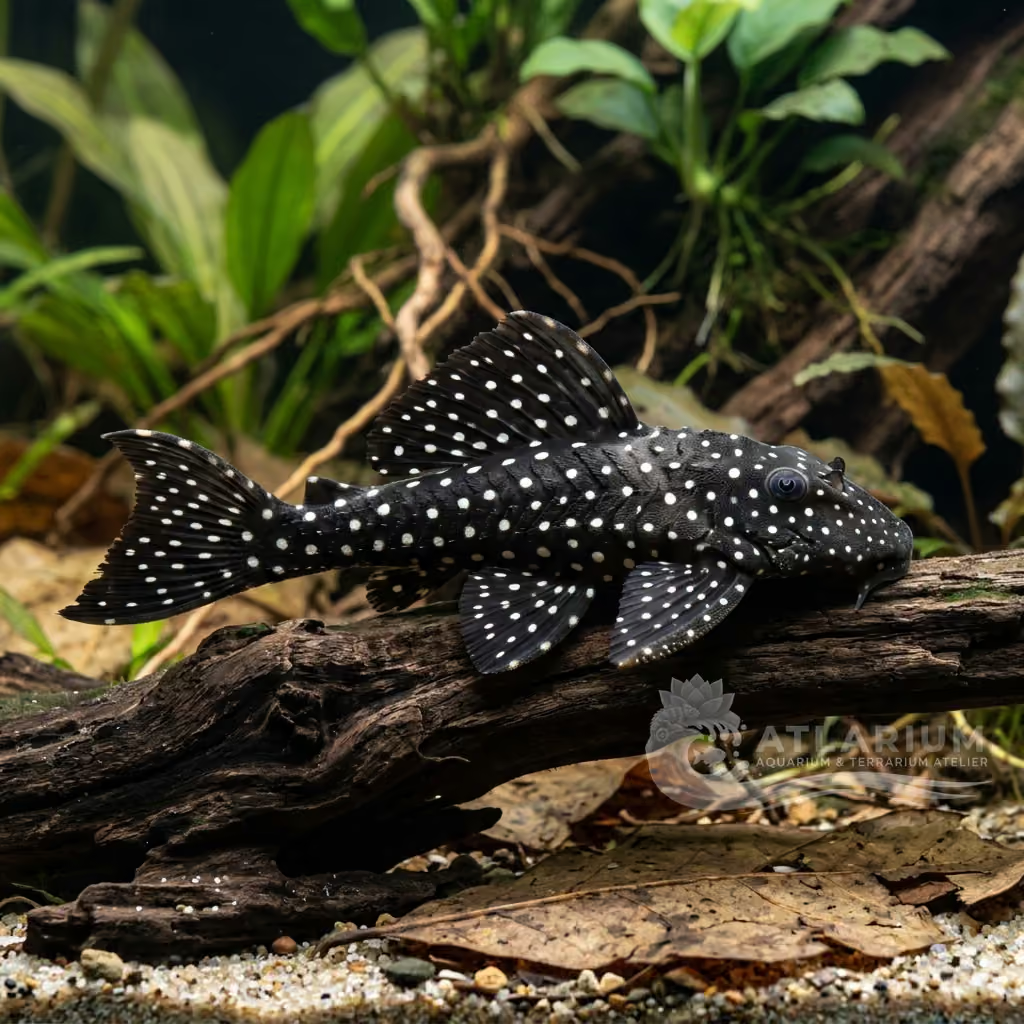
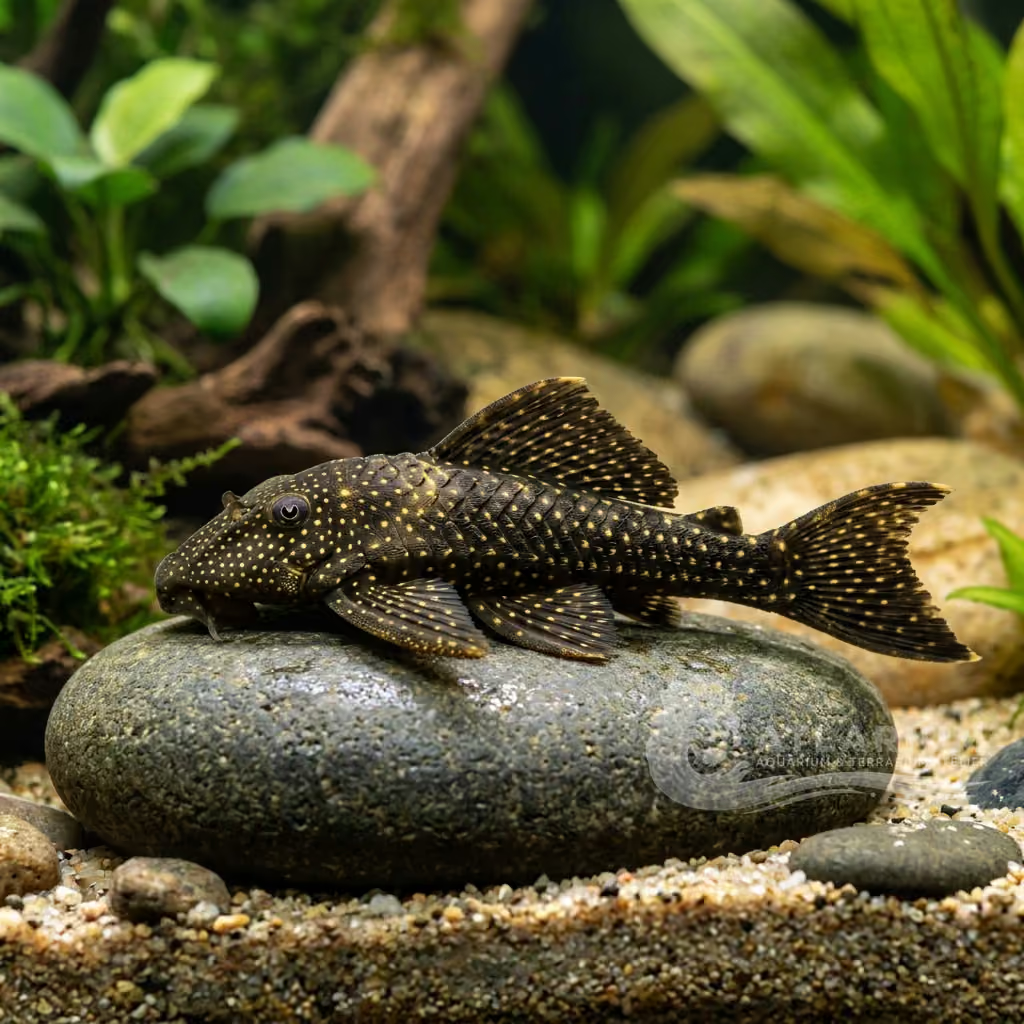
Big Spot Pleco (L075)
Peckoltia sabaji
Sold in various regional variants, the Sabaji is a majestic and elegant Pleco. Despite the name Peckoltia, it easily exceeds 20 cm (8 inches), presenting itself as a giant and peaceful spotted armored fish, an avid devourer of crustaceans and protein tablets.
Température de l’eau
26 - 30 °C
Valeur du pH
6 - 7.4
Type d'eau
Eau douce
Niveau dans le bac
Fond
Taille adulte
20 cm
Volume minimal du bac
>= 180 L
Groupe minimal
>= 1
GH
2 - 15 dGH
KH
1 - 7 dKH
TDS
40 - 295 ppm
Conductivité
63 - 461 uS/cm

Description de l'espèce
Geographical Origin and Habitat: Widely distributed but circumscribed to the mighty clear Brazilian and Venezuelan waterways: rivers with endless beds of volcanic blocks such as the Tapajós, the Xingu, the Para, and the fringes of the Orinoco. These rivers, although enormous, in dry periods force these fish to engage in ruthless struggles of resistance anchored in the rock gorges lashed by the violent, but very hot, water turnover so as not to be swept downstream or sniffed out by pelagic predators.
Taxonomy and Morphology: Loricariidae family. For decades known in aquarium keeping with a series of L-numbers (L075, L124, L301, and LDA02) that indicate various slightly chromatic geographical catches, but today unified and scientifically recognized as Peckoltia sabaji. It is nevertheless a giant among the Peckoltia (usually small and stocky plecos): this beast, in mature aquariums, reaches a frightening 20-22 cm (8-8.6 inches) in total bulk in old age, rising like an armored mini-shark of impressive volume. Blunt spoon-shaped teeth, suitable for munching on animal shell remains and occasional detritus; it is NOT a crazy algae scraper.
Social Behavior: Lazy aquatic 'sofa' with flashes of extreme competitive violence towards the immobile. Tolerant and placid by day, prefers to doze for hours and hours totally lying on the bottom or anchored upside down against a huge root, disinterested in the surface world. But when darkness falls, it turns into a mighty nocturnal excavator: moving, it shifts heavy stones like marbles. If there are conspecific males of its monstrous bulk or competitive plecostomus, it will use its gill weapons to subjugate them and maintain dominance over its main cave with headbutts.
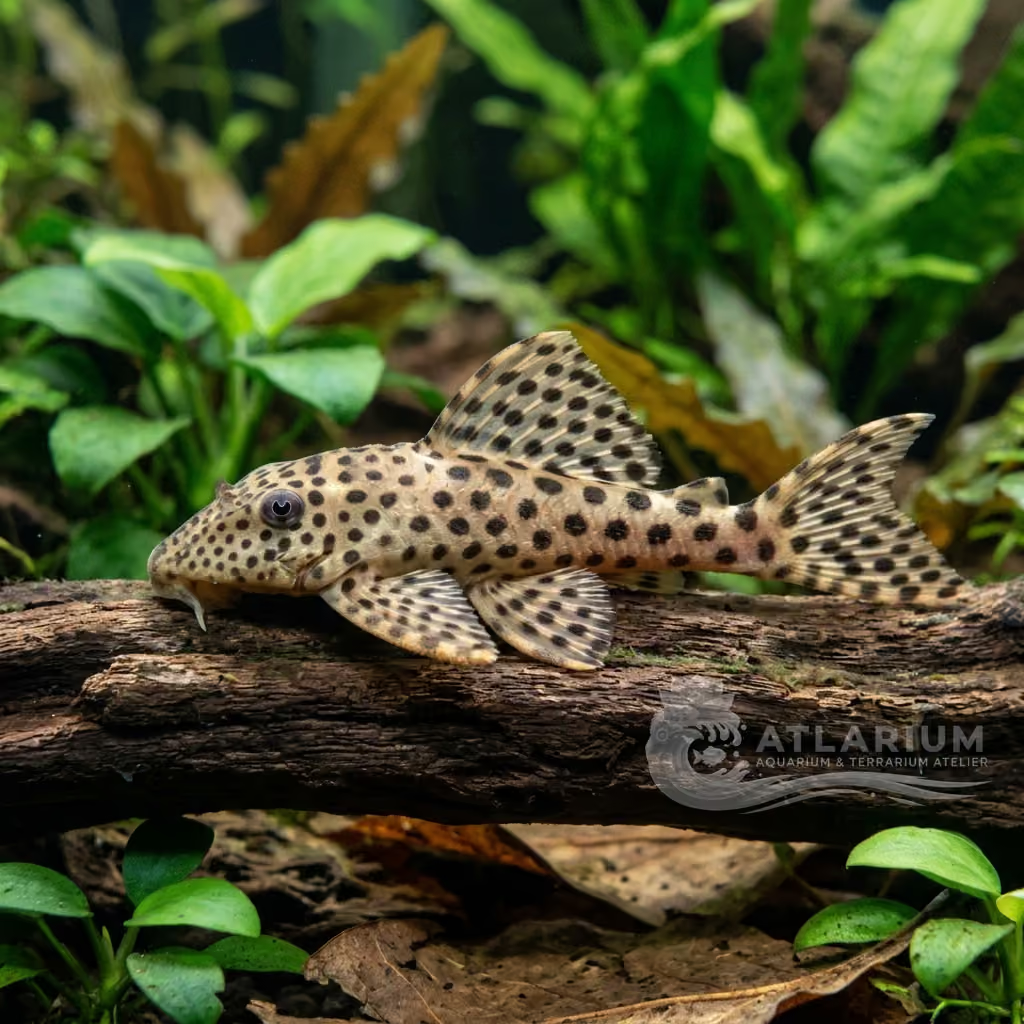
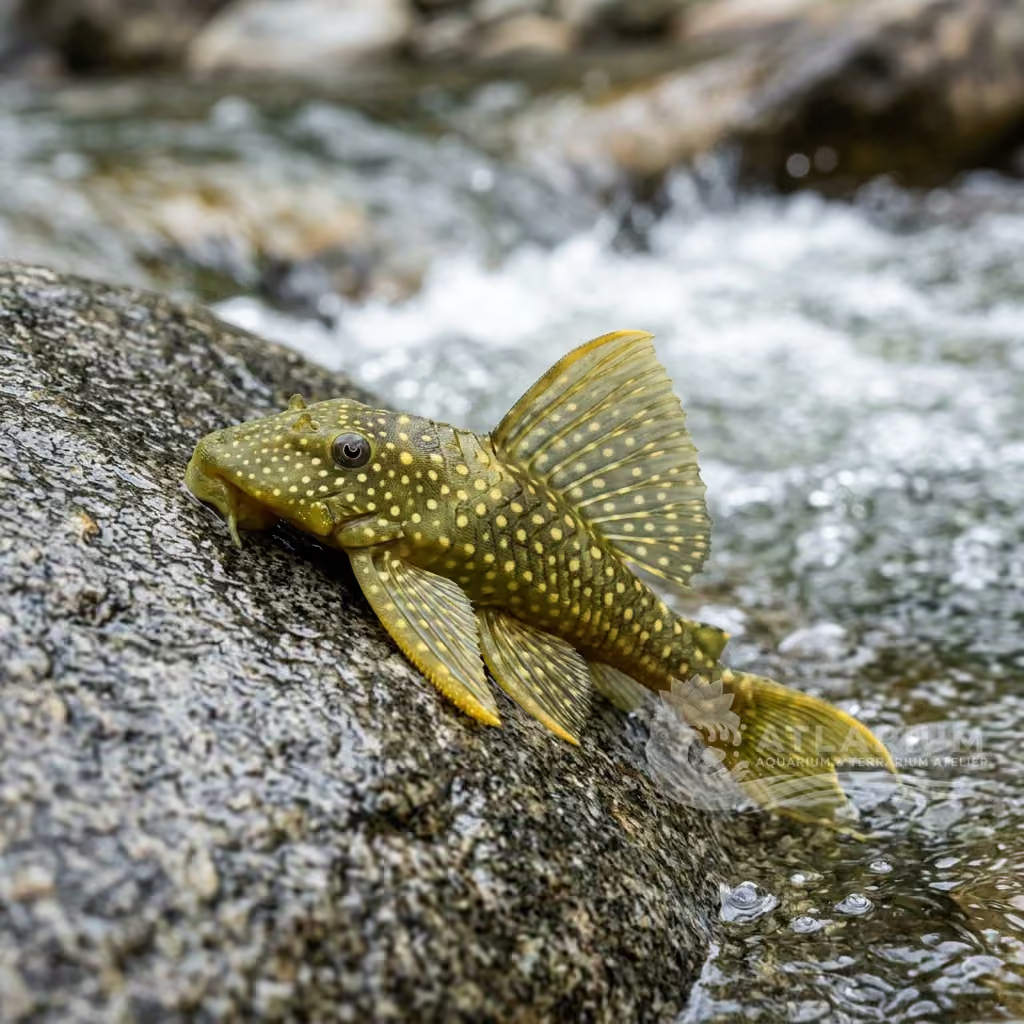
Coloration and Sexual Dimorphism: Hypnotic majesty given by the polka dot elegance. The robust scaly armored body has a stupendous vivid base of opaque cream, ochre yellow, dusty rust mustard, or a rare bright light gold-yellow (depending on river provenance). The hallmark is the pattern: the entire livery, from the head to the tip of the gigantic upper fin, is unmistakably dotted with round, immense, single, and fascinating black or dark chocolate spots (Big Spots), as sharp as ink spots dropped on the desert. Dimorphism: only huge, adult males flaunt bristly 'furs' (dense dart-like odontodes) that burst frighteningly from the rear half of the back to the tail, as well as very square and menacing jaws.

Soins, reproduction et cohabitation
Aquarium Setup: The GBIF Backbone Taxonomy record associated with Peckoltia sabaji classifies the genus as Hemiancistrus and the species as Peckoltia sabaji. This recovery makes no source-backed statement about aquarium dimensions, flow, substrate, or a captive-care protocol.
Feeding and Diet: This recovery makes no source-backed statement about a species-specific aquarium diet or feeding routine.
Water Quality: This recovery makes no source-backed statement about temperature, pH, hardness, or other captive water parameters.
Compatibility and Coexistence: This recovery makes no source-backed statement about aquarium coexistence or compatibility.
Aquarium Breeding: This recovery makes no source-backed statement about an aquarium breeding protocol.
Risks and Disease: This recovery makes no source-backed statement about veterinary or disease-management protocols.

Origine et répartition géographiques
Widely distributed but circumscribed to the mighty clear Brazilian and Venezuelan waterways: rivers with endless beds of volcanic blocks such as the Tapajós, the Xingu, the Para, and the fringes of the Orinoco. These rivers, although enormous, in dry periods force these fish to engage in ruthless struggles of resistance anchored in the rock gorges lashed by the violent, but very hot, water turnover so as not to be swept downstream or sniffed out by pelagic predators.
Origine
Amazonie, Orénoque et Guyanes

Profil de poisson
- Tempérament
- Semi-aggressive
- The temperament of Peckoltia sabaji is largely territorial, especially towards tank mates. While they mind their own business mostly, they may become defensive during specific periods. Providing visual barriers and adequate space mitigates most behavioral issues.
- Régime alimentaire
- Omnivore
- Peckoltia sabaji is primarily omnivorous and enjoys a diverse diet. In captivity, they eagerly accept high-quality prepared foods, and appropriate frozen or live foods. Providing a varied menu ensures they receive all necessary nutrients for vibrant colors and health.
- Espérance de vie
- 8-15 years
- Taille adulte
- 20 cm
- Ratio des sexes
- Group
- Maintaining a proper sex ratio of mixed group is advisable for this species. Males tend to be visually distinct from females in certain aspects, making sexing possible in mature specimens. In breeding setups, close monitoring is essential to prevent excessive harassment.
- Fréquence d'alimentation
- Twice daily
- It is recommended to feed Peckoltia sabaji moderate portions twice a day. Only offer an amount they can completely consume within a few minutes to prevent water fouling. Occasional fasting days can also be beneficial for their digestive system.
- Charge biologique
- Medium to High
- The bioload produced by Peckoltia sabaji is high due to their large size and metabolic rate. They require robust filtration to keep water parameters stable and pristine. Regular water changes are highly recommended to ensure their optimal health.
- Courant
- Stagnant
- This fish prefers strong water currents that mimic its natural habitat. Proper water flow is crucial for maintaining adequate oxygenation levels. Position filter outlets or powerheads carefully to provide both flowing and calmer resting areas.
- Risque de saut
- Yes
- Peckoltia sabaji poses a low risk of jumping from the aquarium if startled. It is strictly advised to keep a secure, tight-fitting lid on the enclosure at all times. Extra care should be exercised during tank maintenance to prevent unexpected escapes.
- Reproduction
- Oviparous
- Breeding Peckoltia sabaji in captivity is challenging and requires specific water parameters. They are cave spawners and often exhibit fascinating courtship behaviors. Providing ample suitable structures will significantly increase the survival rate of the fry.
- Compatibilité et compagnons
- With caution
- This species is generally territorial and makes a specific addition to a home aquarium. They can be housed with other compatible species that occupy different water levels. Caution should be taken when selecting tank mates to avoid any conflicts.
- Niveau dans le bac
- Bottom
- These fish predominantly occupy the bottom levels of the aquarium. They enjoy exploring their surroundings and often interact with the tank decor. Ensuring sufficient space in their preferred zone is absolutely important for their well-being.

Modèles et paramètres scientifiques
FishBase
Fenêtre sur les données scientifiques officielles de l’espèce
FishBase v25.04Données synchronisées le : 15/06/2026
- Résilience
- Moyenne (1,4 - 4,4 ans)
- Singularité phylogénétique (PD50)
- 0.5
- Relation bayésienne longueur-poids
- a = 0.01479, b = 2.98
- VulnérabilitéVulnérabilité faible (14 / 100)

Galerie d'images
Images sous licence liées à l'espèce ou, lorsqu'elles sont indiquées, au taxon représentatif le plus proche.

Espèces associées
Recommandations regroupées par proches parents, compagnons et soins similaires.