Snowball Pleco (L026)
Baryancistrus niveatus
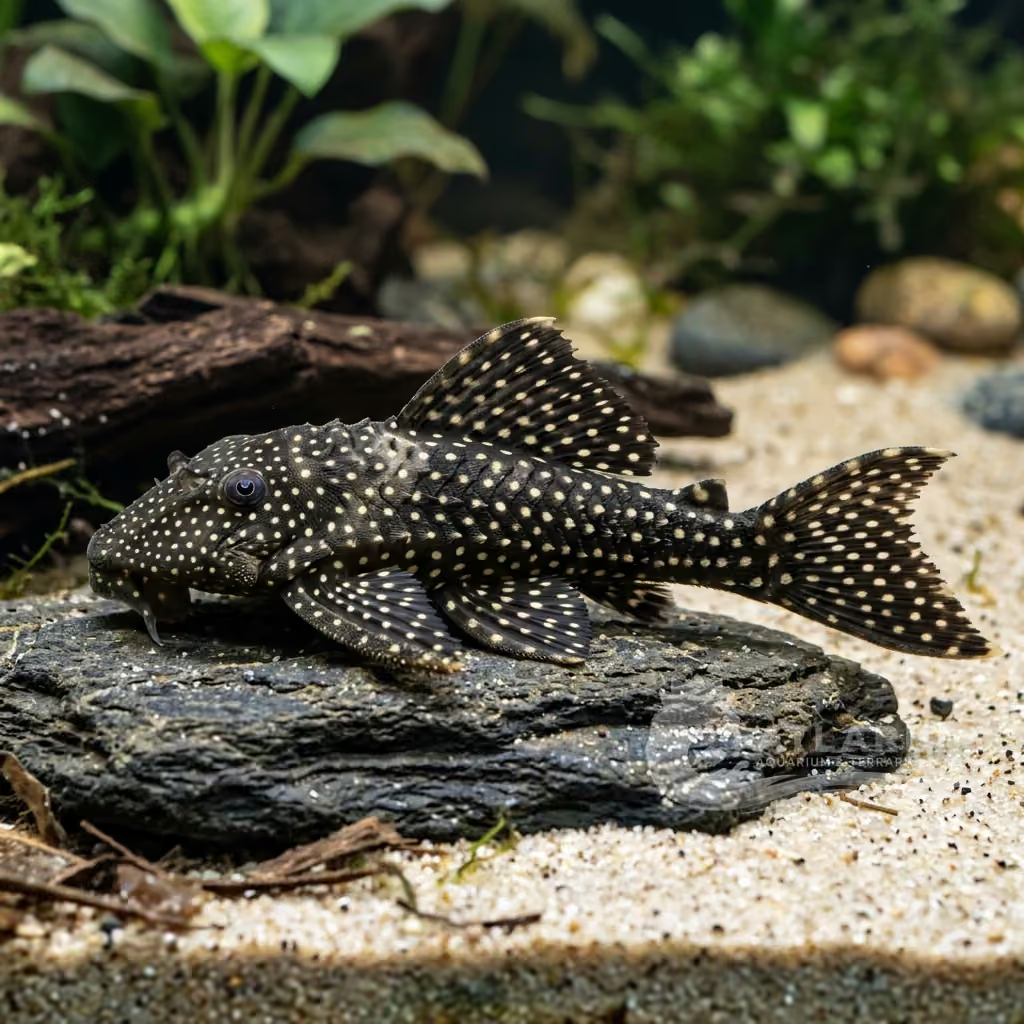
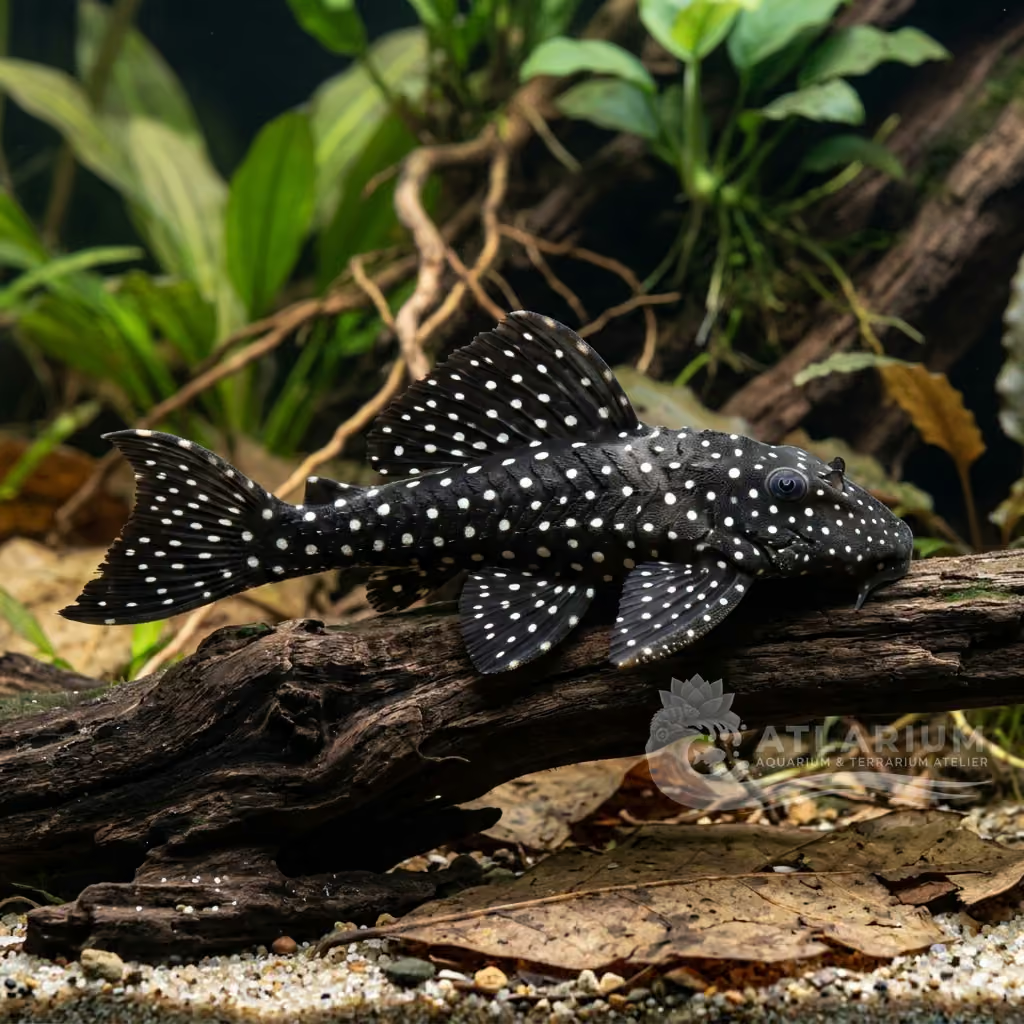
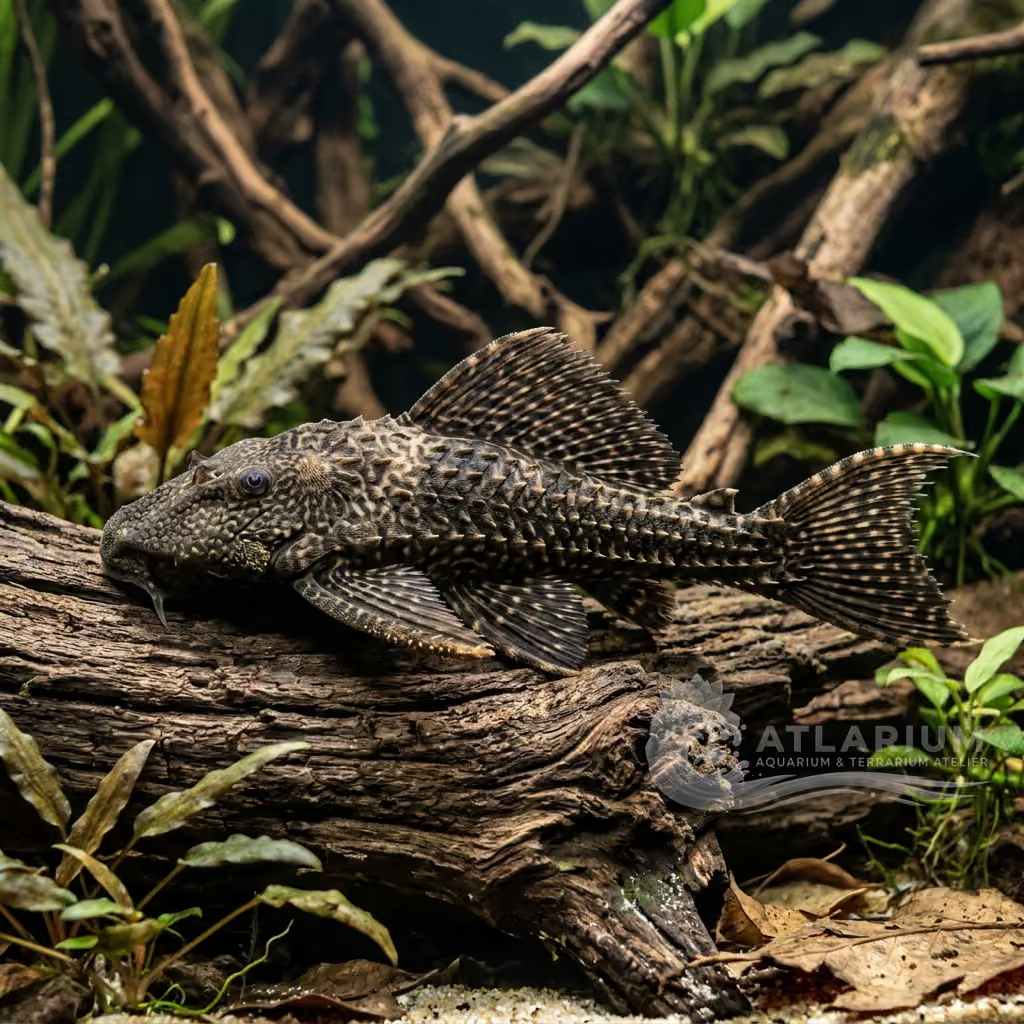
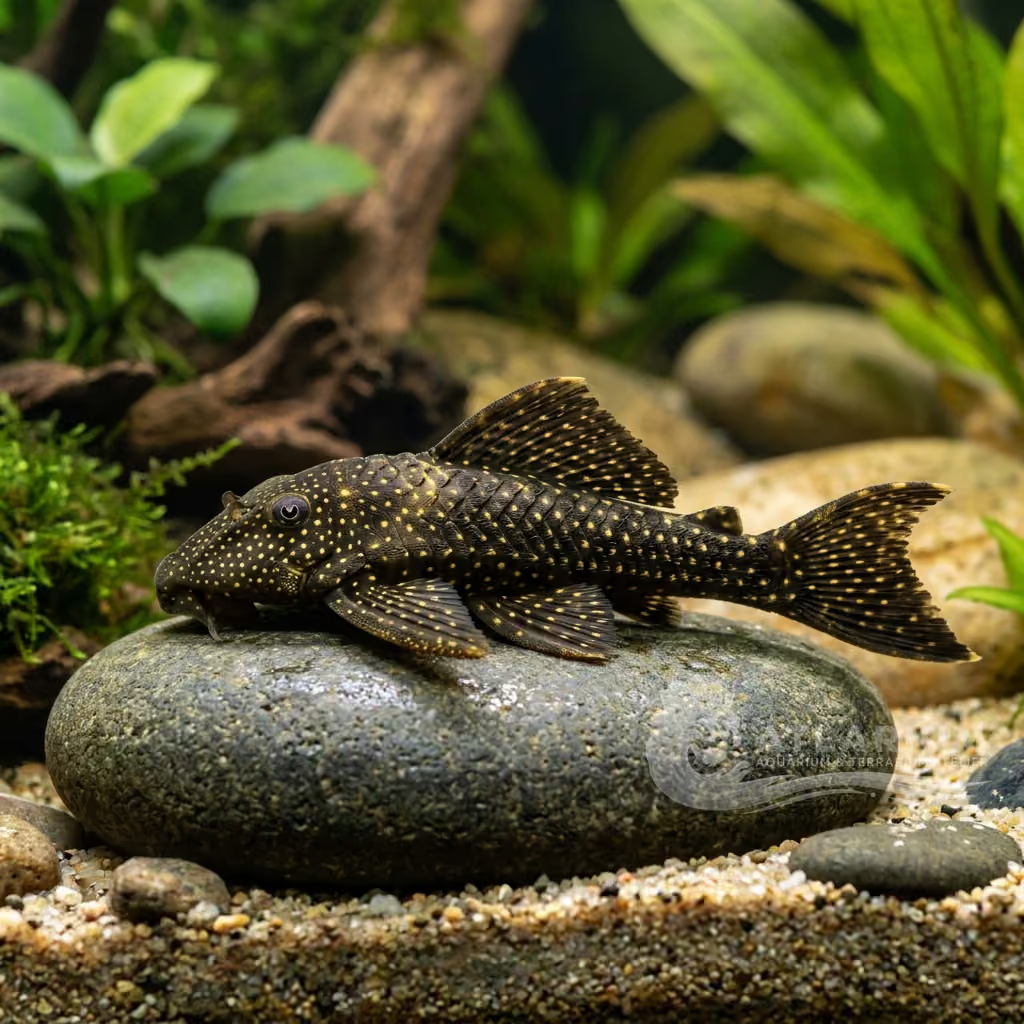
L026, one of the most imposing Baryancistrus, characterized by large white spots on a coal-black background. A true giant of the Tocantins rapids, it requires huge tanks with brutal currents.
Température de l’eau
25 - 30 °C
Valeur du pH
6 - 7.5
Type d'eau
Eau douce
Niveau dans le bac
Fond
Taille adulte
25 cm
Volume minimal du bac
>= 400 L
Groupe minimal
>= 1
GH
2 - 15 dGH
KH
2 - 8 dKH
TDS
50 - 305 ppm
Conductivité
78 - 477 uS/cm

Description de l'espèce
Geographical Origin and Habitat: Native to the Rio Tocantins and Xingu basins in Brazil. Inhabits clear and warm flowing waters on pebbly and rocky bottoms, where it feeds in the thick layer of algal biofilm (Aufwuchs).
Taxonomy and Morphology: Snowball Pleco (L026). Belonging to the Baryancistrus group, it sports the typical compact, flattened body and a powerful sucker mouthparts. The insertion of the dorsal fin continues until it touches or merges with the adipose fin.
Social Behavior: Digs and vigorously defends its home under the rocks, becoming bitterly territorial towards its own species and other benthic loricariids. Outside the den it is a peaceful grazer that ignores swimming fish.
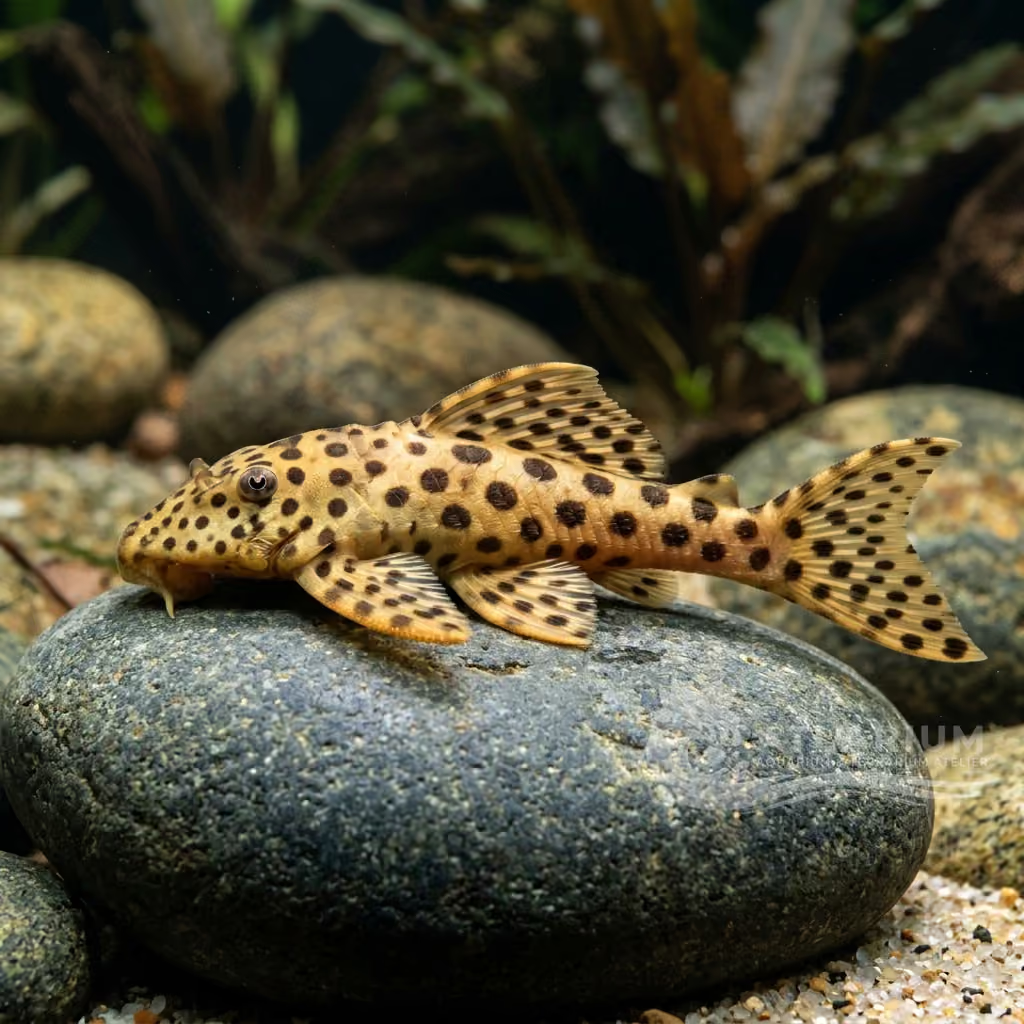
Coloration and Sexual Dimorphism: Intense black or very dark gray body, totally "sprinkled" with round snow-white dots (hence the name "niveatus" / snowball). Dominant males develop very long interopercular odontodes and a more squared snout.

Soins, reproduction et cohabitation
Aquarium Setup: Tank for large loricariids of 120+ cm (48+ inches). Requires a lot of water, powerful current pumps to reproduce river tracts, and stable rock formations. Include bog roots for aesthetics and as a secondary substrate for algae.
Diet and Feeding: Omnivore with vegetarian predominance. Perpetually scrapes solid surfaces for the algal biofilm and the microorganisms residing there. Supplement its diet with blanched vegetables, high quality spirulina tablets and occasional mosquito larvae.
Water Quality: Water must be excellent: high dissolved oxygen saturation (fundamental at tropical temperatures >27°C / 81°F) and extremely low nitrates. Regular partial water changes and an impetuous flow are the secrets to success.
Compatibility and Cohabitation: Ideal companion for medium-large characins, rheophilic cichlids (Retroculus, Geophagus) or Discus. Do not pair it with equally or more aggressive bottom fish (such as Acanthicus or Pseudoacanthicus) that would stress it to death for refuges.
Aquarium Breeding: Exceptionally rare event in captivity due to the enormous size required and the specific flow. Cave spawner; males fanatically protect broods of large eggs in ceramic tubes or crevices.
Risks and Diseases: Sensitive, like many wild-caught Baryancistrus, to intestinal parasites and "hollow belly" syndrome. They often struggle to adapt to commercial dry foods: patience and evening feeding with lights off are essential.

Origine et répartition géographiques
Native to the Rio Tocantins and Xingu basins in Brazil. Inhabits clear and warm flowing waters on pebbly and rocky bottoms, where it feeds in the thick layer of algal biofilm (Aufwuchs).
Origine
Océans tropicaux et récifsAmazonie, Orénoque et Guyanes

Profil de poisson
- Tempérament
- Semi-aggressive
- Baryancistrus niveatus exhibits a peaceful temperament toward mid- and top-dwelling species, making them suitable for large community setups. However, they are highly territorial and aggressive toward conspecifics, other plecos, and similar-looking bottom-dwellers. They will aggressively defend their chosen caves and feeding areas from any intruders of similar size. To minimize conflict, it is essential to provide abundant hiding spots and maintain visual barriers across the aquarium floor.
- Régime alimentaire
- Herbivore
- In nature, this species feeds on aufwuchs, scraping algae, biofilm, and small organisms from rocks and driftwood. In the home aquarium, they should be offered a varied diet consisting of high-quality sinking algae wafers, spirulina pellets, and blanched vegetables like zucchini, cucumber, and spinach. Since they are omnivorous, they also require regular protein supplements, such as frozen bloodworms, brine shrimp, and sinking carnivore pellets. Providing natural driftwood is also crucial, as rasping on it aids their digestive process.
- Espérance de vie
- 10-15 years
- Taille adulte
- 25 cm
- Ratio des sexes
- Harem
- Due to their highly territorial and aggressive nature toward conspecifics, Baryancistrus niveatus is best housed as a single specimen in a standard aquarium. If keeping a group is desired, a harem configuration consisting of one male and several females is recommended, provided the tank is exceptionally large with numerous caves. Introducing multiple males into the same tank will inevitably lead to severe fighting and potential injuries over territory. For breeding attempts, ensuring a ratio of one male to two or three females is the most effective approach.
- Fréquence d'alimentation
- Twice daily
- Baryancistrus niveatus should be fed once or twice daily, with the primary feeding taking place in the evening or after the lights are turned off. Because they are nocturnal by nature, they are most active and comfortable searching for food in the dark. Offering food at night ensures that more active, day-swimming tank mates do not consume their portions. Feeding small, controlled amounts helps maintain excellent water quality and prevents uneaten food from decaying on the substrate.
- Charge biologique
- High
- Baryancistrus niveatus is a large, robust catfish that produces a significant amount of biological waste due to its size and high metabolic rate. A single adult specimen requires heavy filtration and large, regular water changes to manage the accumulation of nitrates and organic compounds. Standard filtration systems are rarely sufficient, making high-capacity canister filters or sumps a necessity. Additionally, strong water movement helps keep waste suspended, allowing the filters to remove it more effectively.
- Courant
- Stagnant
- Hailing from the fast-flowing, clear rivers of Brazil, Baryancistrus niveatus requires strong water flow and high oxygenation levels in the aquarium. The use of powerheads, wavemakers, or heavy-duty canister filters is highly recommended to replicate these fast-moving water conditions. A high turnover rate and the addition of air stones or venture pipes will ensure the water remains saturated with oxygen, which is vital for their respiratory health. Inadequate water movement and low oxygen levels will stress the fish and make them susceptible to disease.
- Risque de saut
- Yes
- Although Baryancistrus niveatus is a heavy, bottom-dwelling catfish, they possess powerful bodies capable of sudden bursts of speed that can result in jumping. They are especially prone to leaping out of the tank if startled by sudden light changes, maintenance, or if water quality deteriorates. A tight-fitting lid or secure cover is mandatory to prevent accidental escapes and fatal injuries. Any gaps around cables and filter pipes should be securely sealed to eliminate potential exit points.
- Reproduction
- Oviparous
- Baryancistrus niveatus is an oviparous cave spawner, but breeding them in captivity is exceptionally difficult and rarely documented. Spawning requires extremely large tanks with strong currents, pristine, warm, soft water, and large, deep caves where the male can trap the female. The male is responsible for guarding and fanning the egg clutch until they hatch and the fry absorb their yolk sacs. Due to their territorial aggression, establishing a compatible breeding pair and providing the exact seasonal triggers remains a major challenge for aquarists.
- Compatibilité et compagnons
- With caution
- This species is highly compatible with active, peaceful species that occupy the middle and upper areas of the water column and tolerate strong currents. Ideal tank mates include medium to large tetras, silver dollars, barbs, and rheophilic cichlids that will not compete for bottom territory. It should not be kept with other Baryancistrus species, territorial plecos, or large, aggressive bottom-dwellers unless the aquarium is massive. Choosing tank mates that thrive in warm, highly oxygenated water will ensure a harmonious community environment.
- Niveau dans le bac
- Bottom
- This species is strictly a bottom-dwelling fish that spends the vast majority of its time foraging on the substrate or resting inside caves. They will occasionally climb the aquarium glass or vertical driftwood structures to rasp biofilm and algae, but they remain associated with the lower levels. The aquarium layout should focus on maximizing the bottom surface area with smooth rocks and driftwood to suit their benthic lifestyle. Providing multiple caves and dark retreats at the substrate level is essential to keep them secure and reduce stress.

Modèles et paramètres scientifiques
FishBase
Fenêtre sur les données scientifiques officielles de l’espèce
FishBase v25.04Données synchronisées le : 15/06/2026
- Résilience
- Moyenne (1,4 - 4,4 ans)
- Singularité phylogénétique (PD50)
- 0.5039
- Relation bayésienne longueur-poids
- a = 0.01698, b = 3
- VulnérabilitéVulnérabilité faible (24 / 100)

Espèces associées
Recommandations regroupées par proches parents, compagnons et soins similaires.